


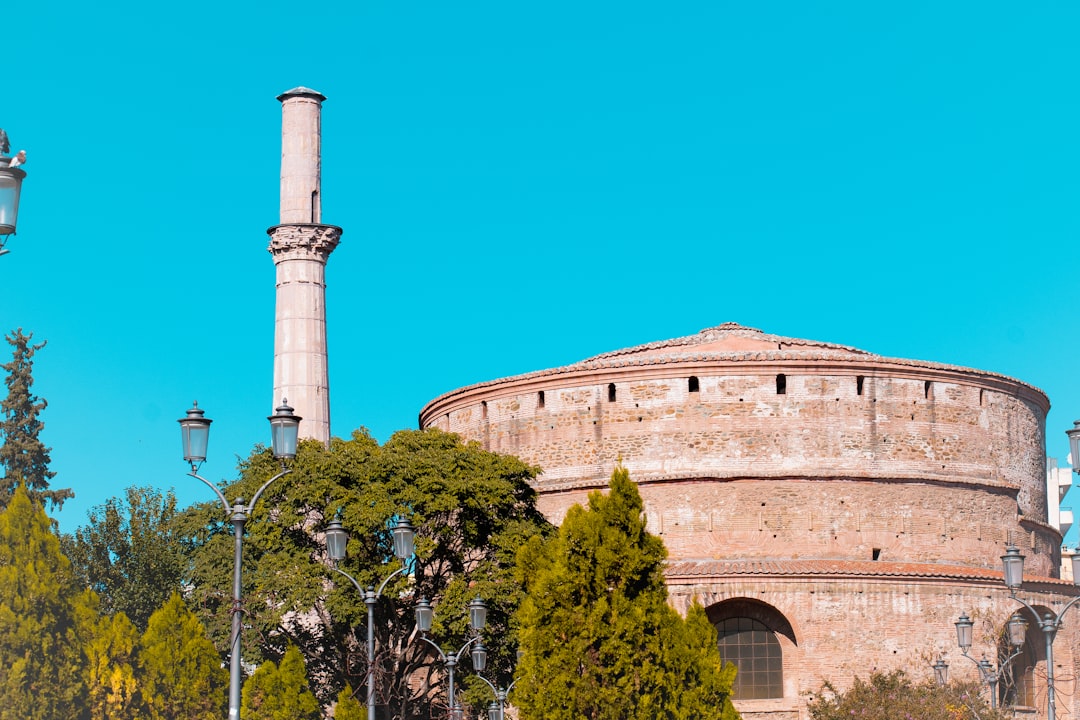
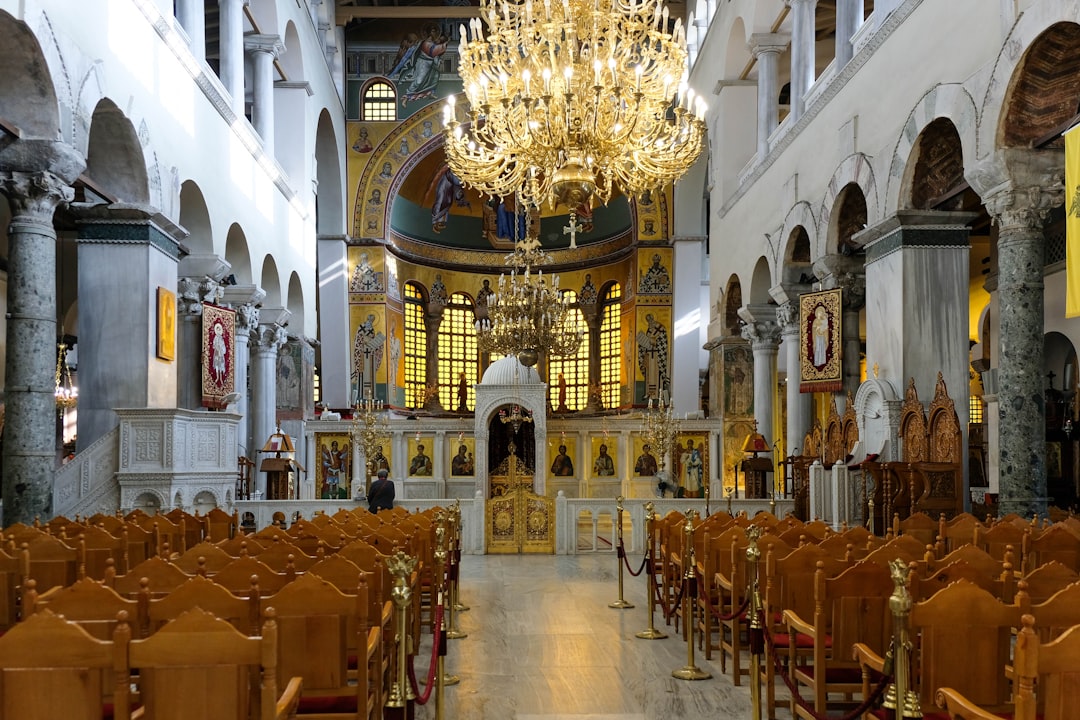
The air inside the Rotunda of Thessaloniki doesn't smell like a church. It smells like old stone, damp dust, and the faint, metallic tang of centuries of neglect. I stood on the metal scaffolding, my boots clanging against the rusted rungs, staring up at a ceiling that has seen empires rise and crumble. My guide, a sharp-eyed local historian named Eleni, tapped her flashlight against a patch of faded plaster. "Here," she whispered, her voice echoing in the vast, cylindrical space. "This is where God used to look down. Now, we look for him." The scaffolding groaned under my weight, a precarious perch above the marble floor, but the view was worth the vertigo. The Byzantine mosaics here aren't just art; they are a archaeological crime scene. Layers of meaning have been scraped away, repainted, and hidden, only to be peeled back again by modern conservators. It felt less like a tour and more like a heist, except we were stealing back history.
Thessaloniki is a city that wears its past like a heavy coat, and the Rotunda is the button that holds it all together. Built originally as a mausoleum for the Roman Emperor Galerius, it has been a temple, a mosque, a church, and a museum. Each conversion left its mark, but the mosaics—those shimmering, gold-leafed fragments of the 4th and 5th centuries—remain the most stubbornly persistent layer. They are the visual echo of a time when the city was the second city of the Roman Empire, a place where Christianity was being codified and aestheticized in real-time. Walking through the main door, you are immediately struck by the sheer scale of the dome. It's not just big; it's imposing. And as your eyes adjust to the dim light, the mosaics begin to emerge from the shadows, like faces in a crowd.
History & Identity
The Rotunda was commissioned by Galerius around 306 AD, intended as his final resting place. At the time, Thessaloniki was the administrative capital of the Roman Balkans, a hub of trade and power. The building's original design was a perfect cylinder, topped with a hemispherical dome, a architectural marvel that influenced countless structures in the region. For centuries, it served as a pagan mausoleum, then, after the conversion of Constantine the Great, it was transformed into a Christian church dedicated to the Theotokos. This conversion is where the mosaics come into play. The original pagan imagery was likely covered or destroyed, replaced with Christian iconography that reflected the theological debates of the early church.
The identity of Thessaloniki is inextricably linked to this building. It is a symbol of the city's resilience and its ability to absorb and transform different cultures. The Rotunda survived earthquakes, wars, and religious upheavals, each event leaving its mark on the structure. The mosaics themselves tell a story of adaptation and survival. They are not static; they are a record of the city's changing religious and political landscape. In the 19th century, the building was converted into a mosque, and the mosaics were covered with plaster to hide the Christian imagery. It wasn't until the 20th century that the plaster was removed, revealing the mosaics in all their faded glory. Today, the Rotunda is a protected monument, a testament to the enduring power of art and faith.
The mosaics are not just decorative; they are theological statements. The figures depicted—Christ, the Virgin Mary, and various saints—were chosen to convey specific messages about the nature of God and the role of the church. The use of gold leaf, which gives the mosaics their characteristic shimmer, was intended to evoke the divine light of heaven. The figures are stylized, with elongated limbs and large, expressive eyes, a style that was typical of early Byzantine art. But beneath the surface, there is a sense of tension and unease. The figures seem to be floating in a void, disconnected from the earthly realm, a reflection of the otherworldly nature of the divine.
Where to Go
The Rotunda — The main attraction, obviously. Entry is ~5 EUR, and it's open daily from 8:00 AM to 3:00 PM. The best time to visit is early morning, when the light is soft and the crowds are thin. The mosaics are best viewed from the ground floor, but the scaffolding offers a unique perspective.
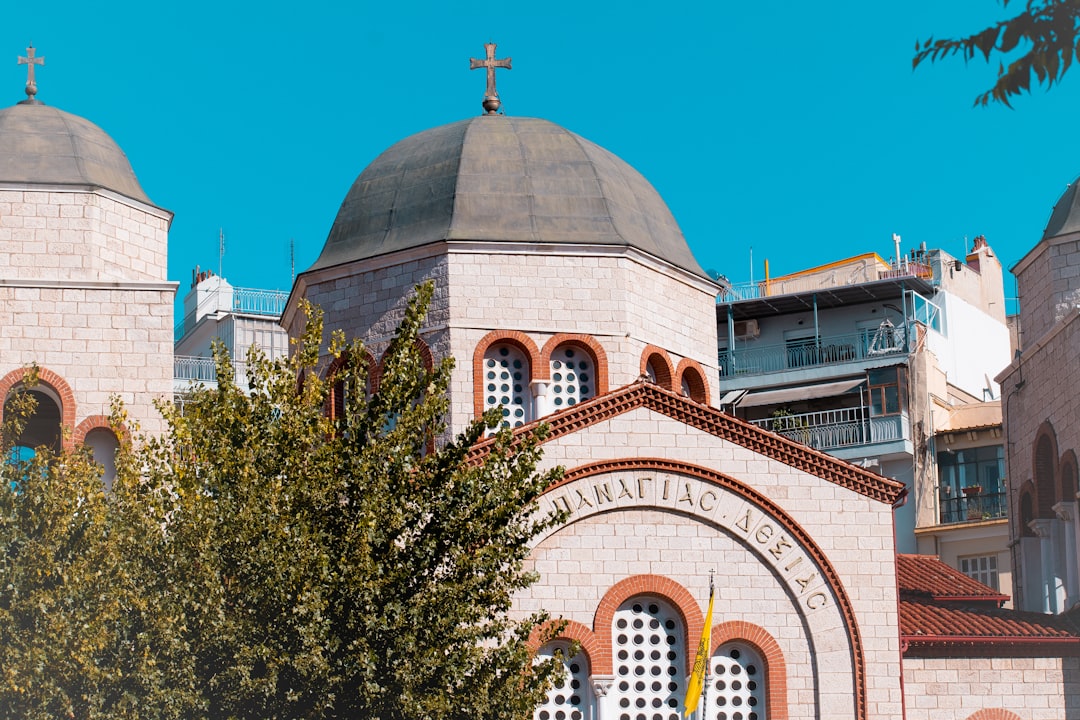
Archaeological Museum of Thessaloniki — Just a short walk from the Rotunda, this museum houses a collection of artifacts from the region, including fragments of mosaics and other early Christian art. Entry is ~8 EUR, and it's a great place to learn more about the context of the Rotunda's mosaics.
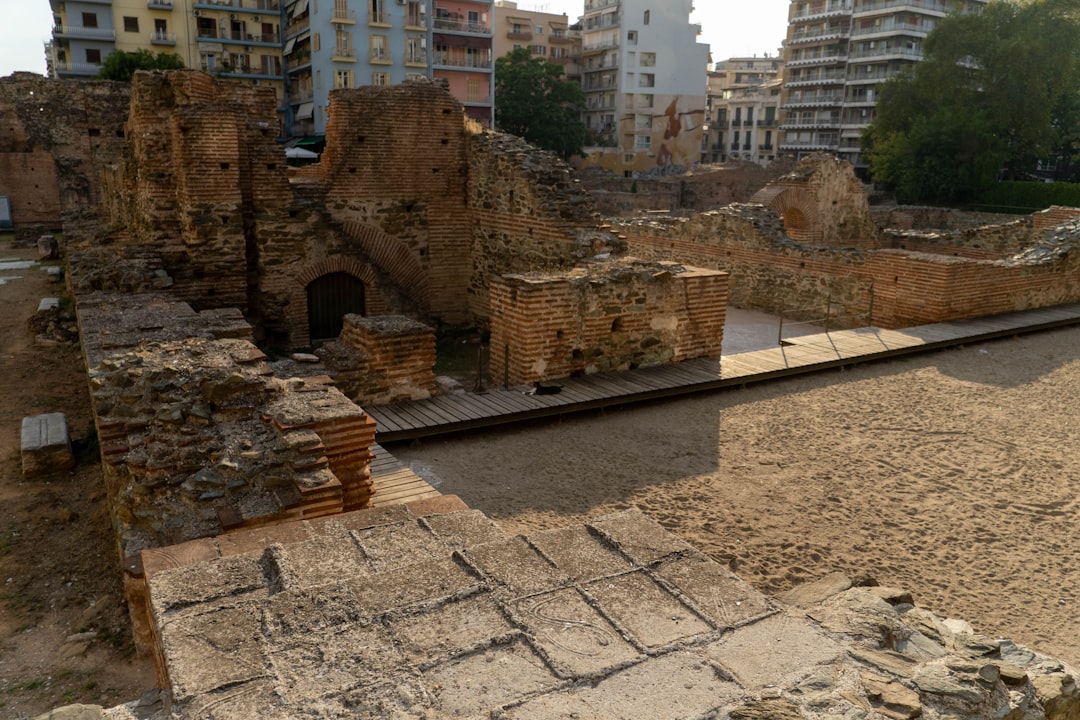
White Tower of Thessaloniki — A iconic landmark of the city, the White Tower offers panoramic views of the Thermaic Gulf and the surrounding area. Entry is ~5 EUR, and it's a great place to get your bearings before exploring the historic center.
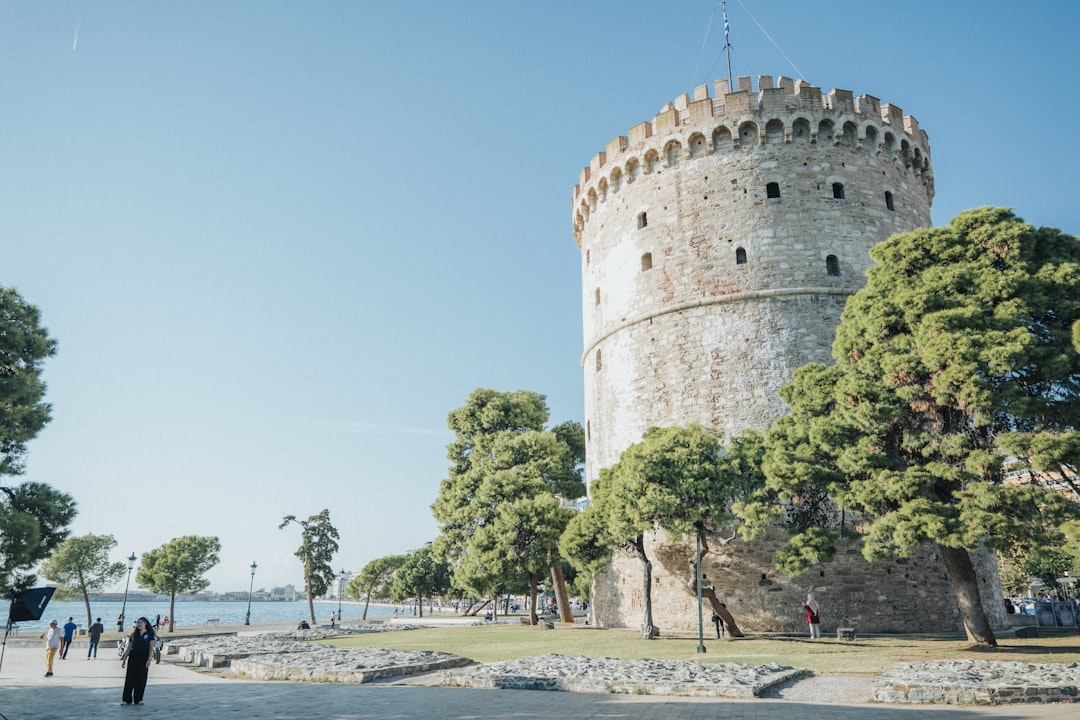
Byzantine Museum — This museum is dedicated to the history of Byzantine art and culture, with a focus on the region of Macedonia. It houses a collection of mosaics, icons, and other artifacts, including some from the Rotunda. Entry is ~5 EUR.
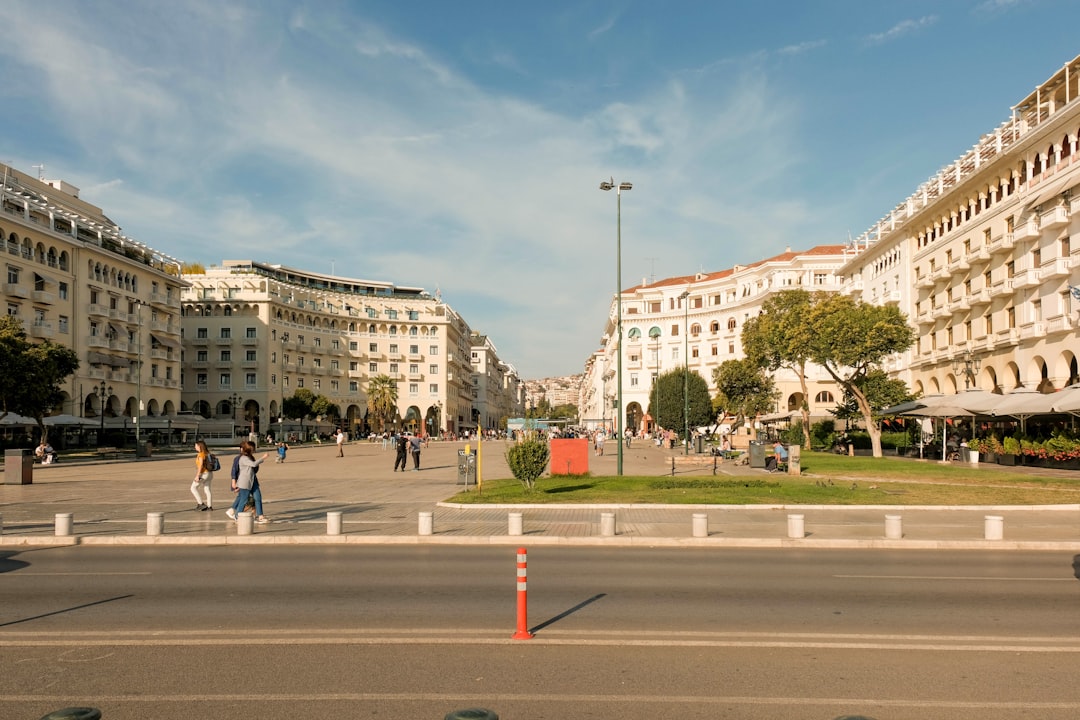
Aristotelous Square — The main square of Thessaloniki, a great place to grab a coffee and watch the world go by. It's surrounded by cafes, restaurants, and shops, and it's a great place to people-watch.
What to Eat & Drink
Thessaloniki is a food lover's paradise, with a rich culinary tradition that reflects its history as a crossroads of cultures. Here are a few local specialties to try:
- Bougatsa — A savory or sweet pie made with phyllo dough and filled with cheese or semolina. It's a staple of Thessaloniki, and you can find it at almost every bakery. 2-4 EUR per slice.
- Giouvetsi — A hearty stew made with lamb or beef, barley, and tomato sauce. It's a traditional Greek dish, and it's perfect for a cold day. 8-12 EUR per serving.
- Choriatiki Salata — A classic Greek salad made with tomatoes, cucumbers, olives, and feta cheese. It's a refreshing and healthy option, and it's a great way to cool down on a hot day. 5-8 EUR per serving.
- Koulouri — A sesame-covered bread ring, a popular snack in Thessaloniki. It's cheap, filling, and delicious. 0.50-1 EUR per piece.
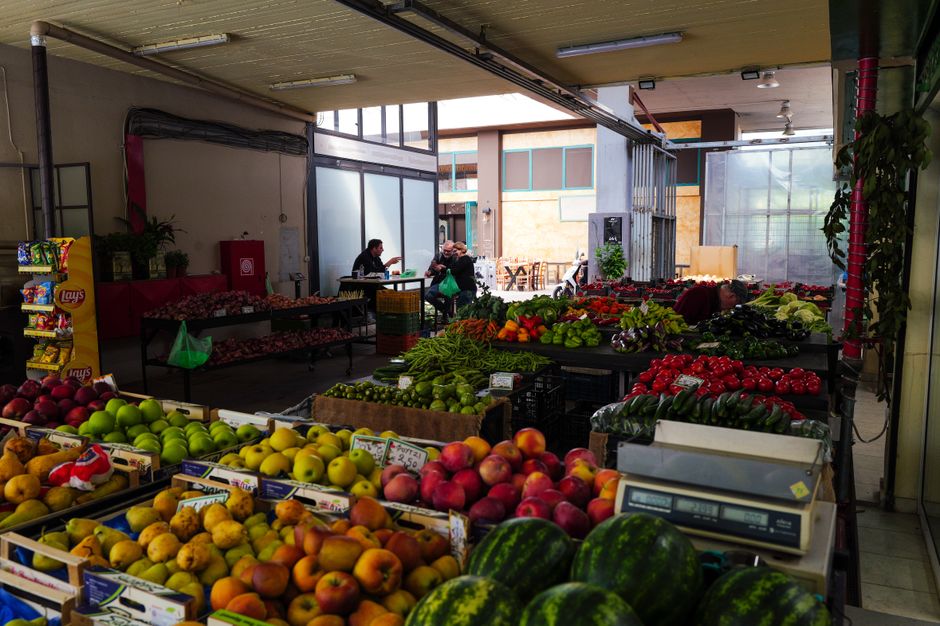
For budget travelers, there are plenty of street food options and food courts. The Modiano Market is a great place to find fresh produce and local delicacies, and there are several food stalls and vendors inside. For a sit-down meal, look for local tavernas in the Ano Poli, the old town of Thessaloniki. These restaurants often serve traditional dishes at reasonable prices, and they offer a glimpse into the city's culinary heritage. Mid-range restaurants in the city center typically cost 15-25 EUR per person, while high-end dining can cost 30-50 EUR or more.
Nightlife
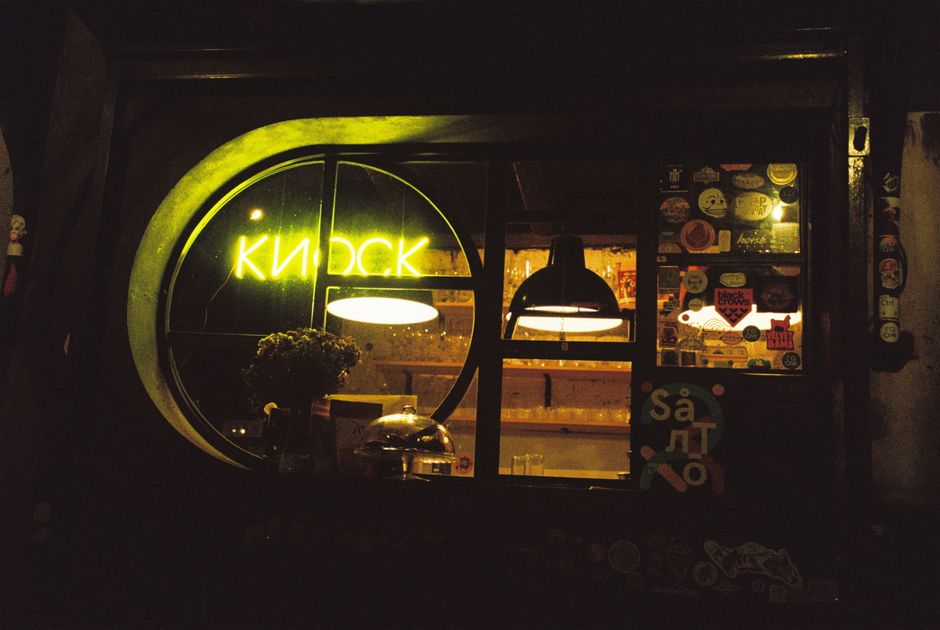
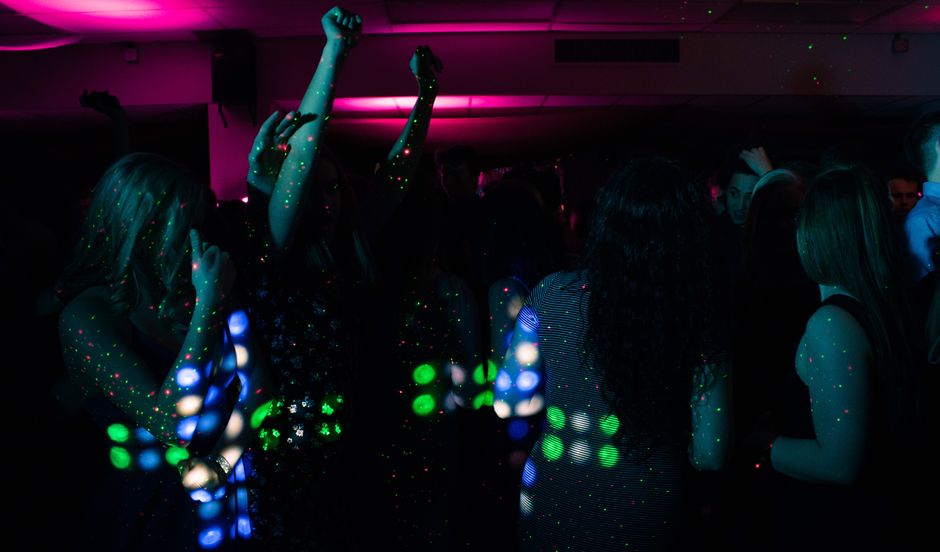
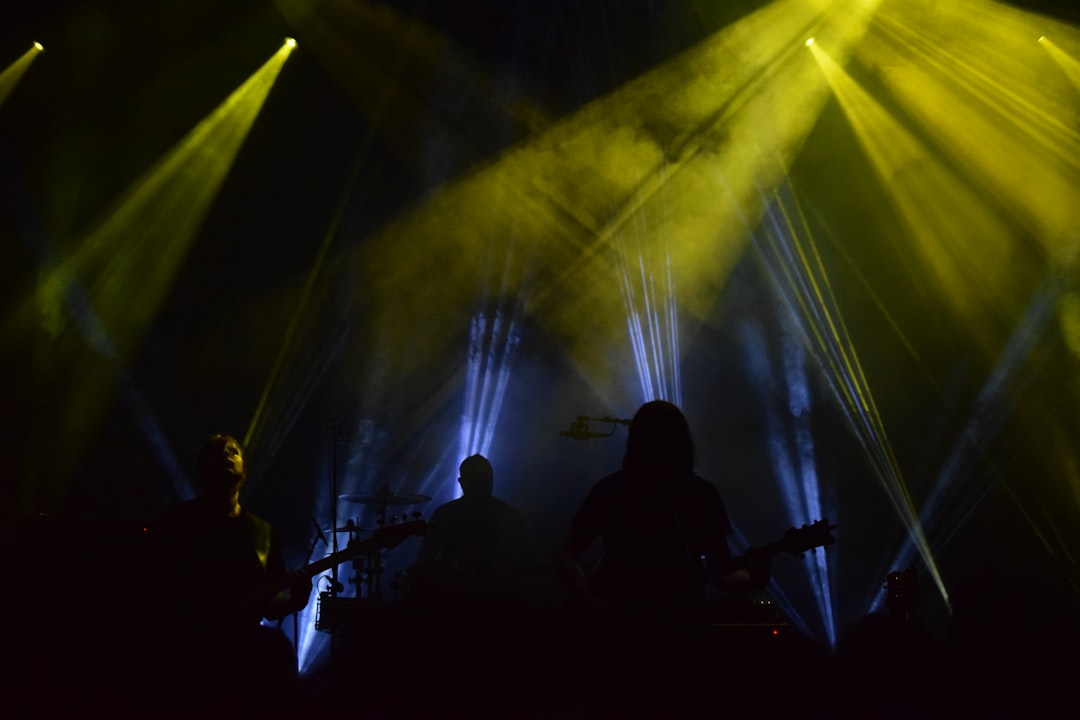
Thessaloniki has a vibrant nightlife scene, with a wide range of bars, clubs, and live music venues. The main nightlife district is the Ladadika quarter, a former warehouse district that has been transformed into a hub of bars and restaurants. Here are a few specific venues to check out:
- Barba Yiannis — A popular bar in the Ladadika quarter, known for its lively atmosphere and traditional Greek music. Cover charge is ~5 EUR, and it's open until late.
- Club 300 — A large club in the city center, known for its electronic music and international DJs. Cover charge is ~10 EUR, and it's open until the early hours.
- Thessaloniki Jazz Festival — An annual festival that takes place in October, featuring performances by local and international jazz musicians. Tickets are ~15-30 EUR per show.
Getting There & What to Expect
The nearest airport is Thessaloniki Airport "Macedonia," which is located about 15 km from the city center. There are direct flights from major European hubs, including London, Paris, and Berlin. From the airport, you can take a bus or taxi to the city center. The bus takes about 30 minutes and costs ~5 EUR, while a taxi costs ~20-30 EUR.
From Athens, you can take a train or bus to Thessaloniki. The train takes about 4 hours and costs ~20-40 EUR one way, while the bus takes about 5 hours and costs ~15-25 EUR one way. From Sofia, Bulgaria, you can take a bus to Thessaloniki, which takes about 6 hours and costs ~20-30 EUR one way.
Accommodation in Thessaloniki ranges from budget hostels to luxury hotels. Budget hostels cost 15-30 EUR per night, while mid-range hotels cost 50-100 EUR per night. Luxury hotels can cost 150 EUR or more per night. The best time to visit Thessaloniki is from April to October, when the weather is warm and sunny. The summer months (July and August) can be hot and crowded, so if you prefer a quieter experience, consider visiting in the spring or fall.
Search accommodation in Thessaloniki on Booking.com →
The Last Light on the Gold
As I climbed down the scaffolding, the sun was setting outside, casting long shadows across the marble floor. The mosaics seemed to glow in the fading light, their gold leaf catching the last rays of the day. I felt a strange sense of loss, as if I was leaving behind a piece of myself. The Rotunda is not just a building; it's a living, breathing entity, a testament to the enduring power of art and faith. It's a place where history and the present collide, where the past is not just remembered, but felt. And as I walked out into the cool evening air, I knew that I would carry this place with me, long after the mosaics had faded from my memory.
Comments