


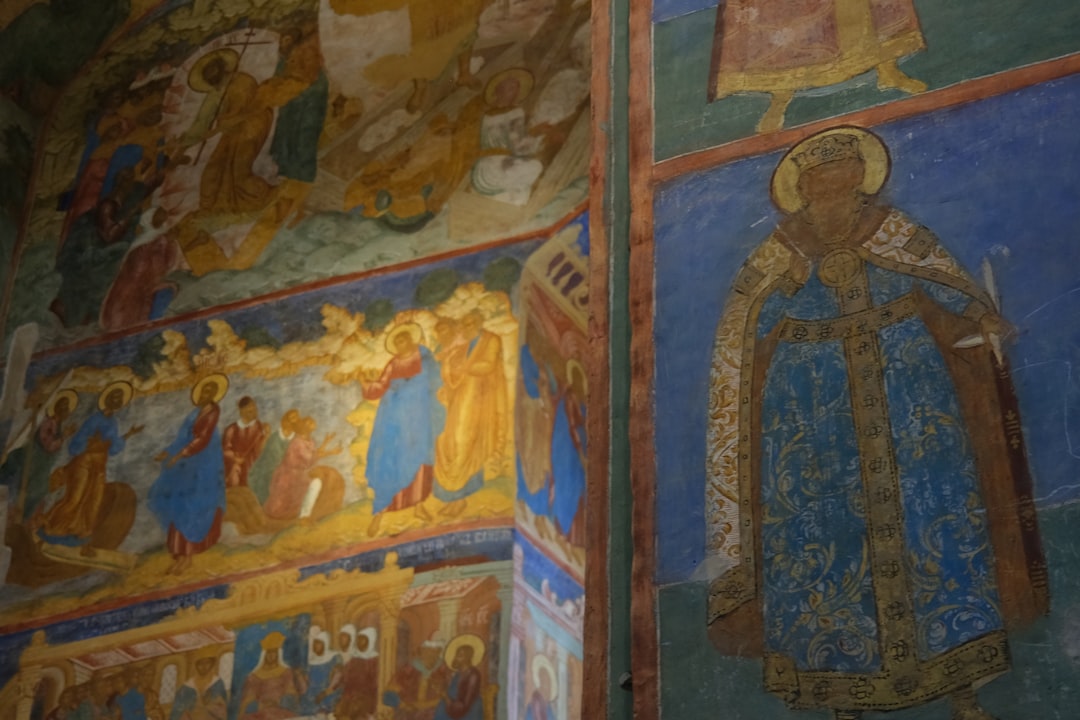
The air inside the Rila Monastery doesn't just smell like old stone and beeswax; it smells like a chemical war. I am standing on a scaffold in the main church, the *katholikon*, watching a restorer scrape away a layer of black soot with the precision of a neurosurgeon. My hands are shaking, not from the altitude, but from the sheer audacity of what is happening here. This isn't a museum piece behind glass. This is a living, breathing organism of paint and plaster that has survived Ottoman fires, communist neglect, and the relentless humidity of the Rila Mountains. The restorer, a quiet Bulgarian woman named Elena, doesn't look up. She knows the weight of the gaze. She is pulling red ochre out of a century of grime, revealing the face of a saint that hasn't seen direct sunlight since 1944. It is violent, intimate work. You don't just clean a fresco here; you argue with history.
Most tourists walk through these halls with cameras flashing, eyes fixed on the gold leaf, oblivious to the fact that every inch of this wall is a battlefield. The restoration of the frescoes at Rila is not merely cosmetic. It is a forensic reconstruction of Bulgarian identity. When you look at these walls, you are looking at a timeline of survival. The techniques used here are not just about preserving art; they are about preserving the memory of a people who refused to vanish. I am here to find out how they do it, and why the smell of solvents is the truest scent of preservation in the Balkans.
The Science of Survival
The first thing you learn about fresco restoration is that you cannot just wash it. The technique used in the Rila Monastery is a slow, agonizing process of micro-abrasion and chemical testing. The original frescoes, painted in the 1840s by the masters Dimitar Stamatov and Zahari Zograf, were applied to wet lime plaster. This means the pigment is literally fused into the wall. Over time, layers of candle soot, wood smoke, and dampness have created a crust that obscures the original colors. The restorers use a combination of distilled water, ethanol, and specialized gels to soften this crust without dissolving the original lime binder.
The process begins with a test patch, no larger than a postage stamp. Elena applies the gel, waits, and then gently wipes it away with a cotton swab. If the color returns, the method is approved. If the pigment lifts, they stop immediately. This is where the art meets the chemistry. The restorers at Rila are trained in both art history and materials science. They understand that the plaster itself is a living material, expanding and contracting with the temperature changes of the mountain. A wrong solvent could crack the plaster, destroying centuries of work in seconds. The patience required is almost monk-like, fitting for a monastery setting.
One of the biggest challenges is the humidity. The Rila Monastery sits in a valley where fog rolls in daily. This moisture encourages salt migration within the plaster, causing efflorescence — white, powdery deposits that push the paint off the wall. To combat this, the restorers install a sophisticated climate control system, regulating the temperature and humidity levels inside the church. It is a delicate balance. Too dry, and the plaster becomes brittle. Too wet, and the salts return. The goal is to create a stable microclimate that allows the frescoes to breathe without deteriorating.
The Masters and Their Methods
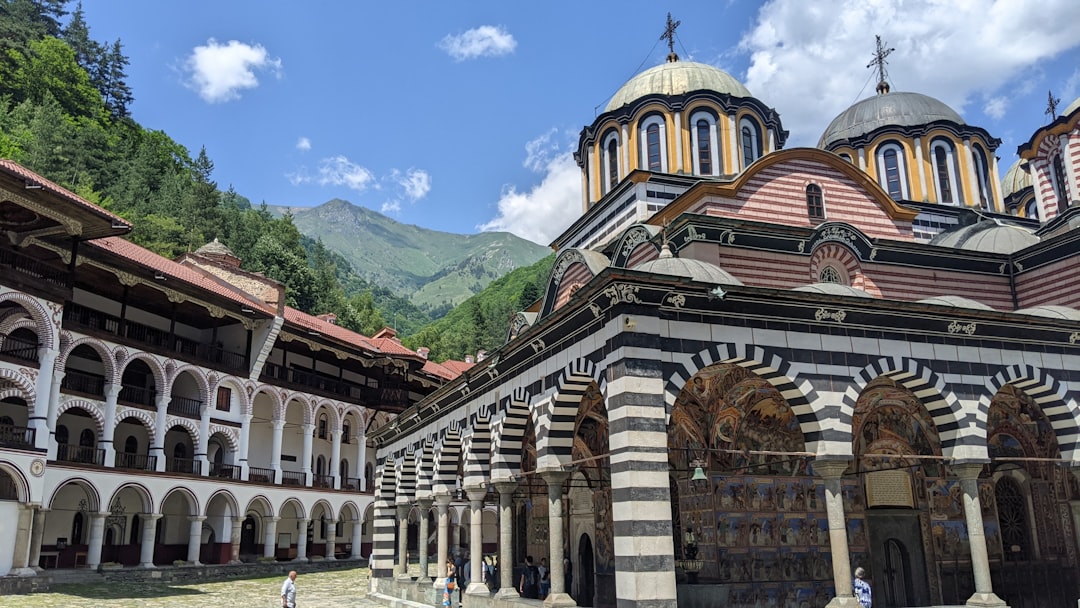
The frescoes at Rila are not just old; they are masterpieces of the Bulgarian National Revival. The two main artists, Dimitar Stamatov and Zahari Zograf, brought techniques from their travels across Europe and the Ottoman Empire. Stamatov, who worked in the 1840s, used a palette of earth tones, with a focus on geometric patterns and stylized figures. Zograf, who took over later, introduced more naturalistic elements, influenced by his studies in Vienna and Paris. The restoration team must understand these distinct styles to avoid over-cleaning or altering the original intent.
Restoring a Stamatov fresco requires a different approach than a Zograf one. Stamatov's pigments are more stable, but his plaster is thinner. Zograf's work is more vibrant, but the pigments are more fragile. The restorers use high-resolution photography and multispectral imaging to map the condition of each section. This technology allows them to see beneath the surface layers, identifying cracks and previous repairs that are invisible to the naked eye. It is a detective story, piecing together the original image from fragments of color and texture.
The human element is crucial. The restorers are not just technicians; they are interpreters. They must decide what to reveal and what to leave. In some cases, later additions or overpainting are considered part of the history. Removing them would erase a layer of the monastery's story. The decision to retain or remove is made by a committee of experts, including art historians, chemists, and theologians. It is a collaborative process, ensuring that the restoration respects both the artistic and spiritual significance of the site.
The Battle Against Time
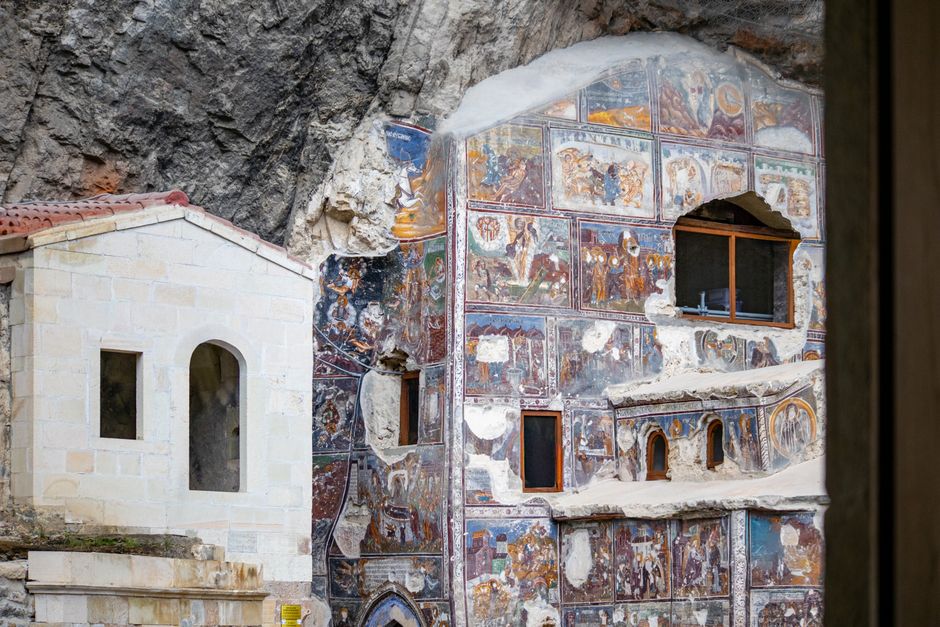
Time is the enemy of all frescoes, but at Rila, it is a particularly aggressive foe. The monastery has survived fires, earthquakes, and political upheavals. Each event leaves its mark on the walls. The restorers are constantly fighting a losing battle against entropy. Even with the best techniques, the frescoes will continue to age. The goal is not to stop time, but to slow it down. To preserve the integrity of the image for future generations.
One of the most damaging factors is pollution. The air in the Balkans is thick with particulate matter from industry and traffic. These particles settle on the frescoes, reacting with the pigments and causing discoloration. The restorers use air filters and regular cleaning to minimize the impact, but it is an ongoing struggle. The chemicals used in cleaning must be carefully chosen to avoid reacting with the pollutants. It is a complex chemical dance, requiring constant monitoring and adjustment.
Another threat is tourism. The sheer number of visitors creates a microclimate of heat and humidity inside the church. Every breath adds moisture, every body heat raises the temperature. The monastery has implemented a system of timed entry and limited capacity to reduce the impact. Visitors are asked to speak quietly and avoid touching the walls. It is a small compromise, but a necessary one. The frescoes are fragile, and their survival depends on the respect of those who come to see them.
Getting There & What to Expect
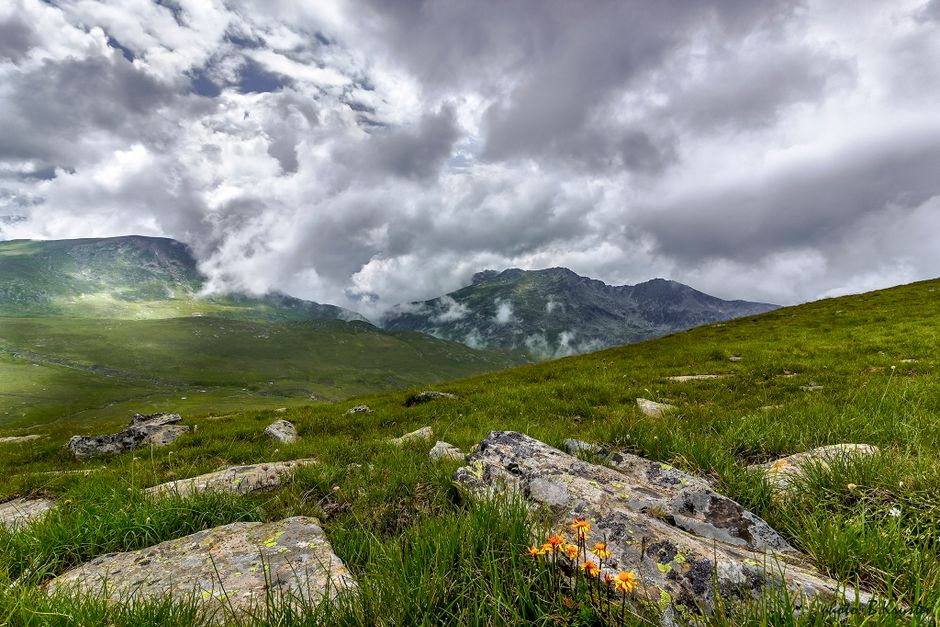
Reaching the Rila Monastery is a journey in itself. The nearest major city is Sofia, the capital of Bulgaria, from which the monastery is about 120 kilometers southeast. You can take a direct bus from Sofia's central bus station, which takes about 2.5 to 3 hours. The cost is approximately 5-8 EUR one way. If you prefer the freedom of a car, the drive takes you through the winding roads of the Rila Mountains, offering stunning views of the forested peaks. The road is well-paved but narrow, so drive carefully, especially in winter when snow can close the passes.
Once you arrive, the entrance fee to the monastery complex is around 4 EUR. This grants you access to the main church, the courtyard, and the museum. The museum houses a collection of religious artifacts, manuscripts, and icons, providing context for the frescoes. If you are interested in the restoration process, you can often see the work in progress, though access to the scaffolding is restricted. It is best to visit early in the morning to avoid the crowds and to see the frescoes in the soft morning light.
Accommodation options near the monastery are limited but charming. There are several guesthouses and small hotels in the nearby town of Rila, which is just a few kilometers away. Budget accommodations start at around 20-30 EUR per night, while mid-range hotels offer more comfort for 40-60 EUR. For a more authentic experience, you can stay in the monastery's own guesthouse, where the price is around 25 EUR per night, including simple meals. The food is traditional Bulgarian, hearty and delicious, with dishes like banitsa and kavarma for 8-12 EUR per serving.
Search accommodation in Rila on Booking.com →
The Lasting Impression
Leaving the Rila Monastery, I look back at the towering walls, the gold glinting in the sun. The smell of solvents is gone, replaced by the scent of pine and damp earth. But the image of that red ochre face, emerging from the dark, stays with me. It is a reminder that history is not static. It is something that must be actively maintained, fought for, and protected. The restorers are not just fixing walls; they are keeping a promise to the past. And in a region that has seen so much change, that promise is the most valuable thing of all. I drive down the mountain, the road winding away, carrying with me the quiet strength of those colors, and the knowledge that they will endure, as long as someone is willing to scrape away the dark.
Comments