


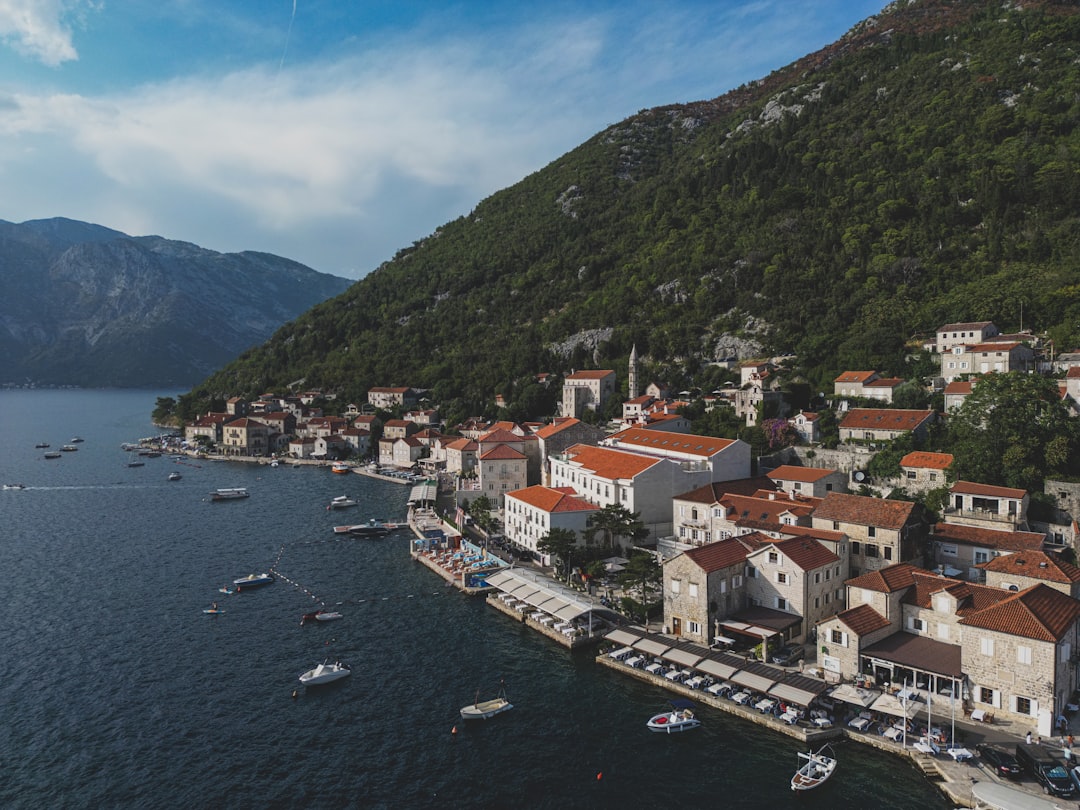
The heat in Perast hits you like a physical weight, thick with the smell of diesel from the ferry and frying dough from the waterfront stalls. I sat on a damp stone step, nursing a lukewarm beer, watching a tourist in neon running shoes try to navigate the steep, uneven cobblestones of Kotor while balancing a selfie stick and a map. He slipped, cursed, and kept climbing. This isn't a relaxing stroll; it's a vertical assault on your quads and your patience. The Bay of Kotor is often sold as a serene maritime paradise, but it feels more like a gladiatorial arena carved into limestone cliffs. The air vibrates with the hum of tour buses idling on narrow roads, the shriek of seagulls fighting over crusts of bread, and the low, constant thrum of generators powering the old stone houses that cling to the mountainsides like barnacles. It is beautiful, yes, but it is also brutal, demanding you earn every view.
I came here expecting postcard perfection. What I found was a place where history is worn into the pavement, where the Ottoman and Venetian empires didn't just leave footprints—they left scars. The bay is a drowned river valley, a fjord-like intrusion of the Adriatic that cuts deep into the Balkan Peninsula, creating a microclimate that feels worlds away from the rest of the region. It’s humid, intense, and fiercely protective of its secrets. You don't just visit the Bay of Ktor; you survive it, and if you’re lucky, you understand it.
History & Identity
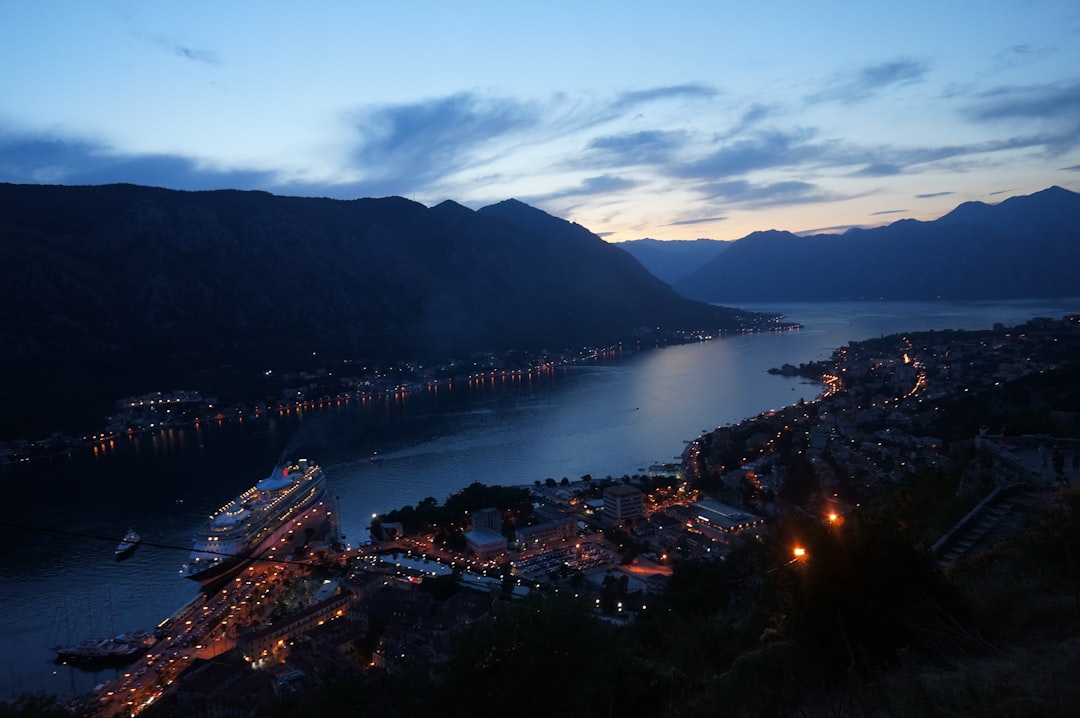
The Bay of Kotor, or Boka Kotorska, is a geographical anomaly that shaped the destiny of Montenegro. For centuries, this deep-water inlet was the strategic lifeline for the Montenegrin state, a buffer against Ottoman expansion and a gateway to the Mediterranean. The city of Kotor itself was under Venetian rule for over four centuries, leaving a legacy of Gothic and Baroque architecture that looks more Italian than Balkan. The massive walls that encircle the old town weren't built for show; they were a desperate defense against naval bombardment and siege. Walking the ramparts, you can still feel the tension of those centuries, the constant awareness that the sea could bring salvation or destruction in equal measure.
The identity of the bay is split between its maritime heritage and its mountainous isolation. The people here are tough, shaped by the steep terrain and the harsh winters. While the summer months bring a flood of cruise ship passengers and day-trippers, the local rhythm remains slow and deliberate. The Orthodox churches and Catholic cathedrals stand side by side, a testament to the religious crossroads that define the region. The bay is a place of contrasts: ancient stone versus modern concrete, serene monasteries versus chaotic traffic, and the deep, dark waters of the Adriatic versus the sun-bleached limestone of the surrounding peaks. It’s a place that refuses to be simple, demanding that you look closer than the surface.
Where to Go
Kotor Old Town — The heart of the bay, a labyrinth of narrow streets and hidden courtyards enclosed by massive medieval walls. The best way to experience it is early in the morning, before the tour groups arrive, when the light is soft and the stones are cool. Entry to the old town is free, but climbing the Kastel Fortress requires a ticket. The climb is steep and tiring, but the view from the top is the only reason you endure the heat and the crowds. Kastel Fortress Kastel Fortress sits high above the city, offering a panoramic view of the bay and the surrounding mountains. The ticket costs 8 EUR, which includes entry to several museums inside the walls. Go at sunrise or sunset to avoid the midday heat and the worst of the crowds. The fortifications are a testament to Venetian engineering, built to withstand cannon fire and siege.
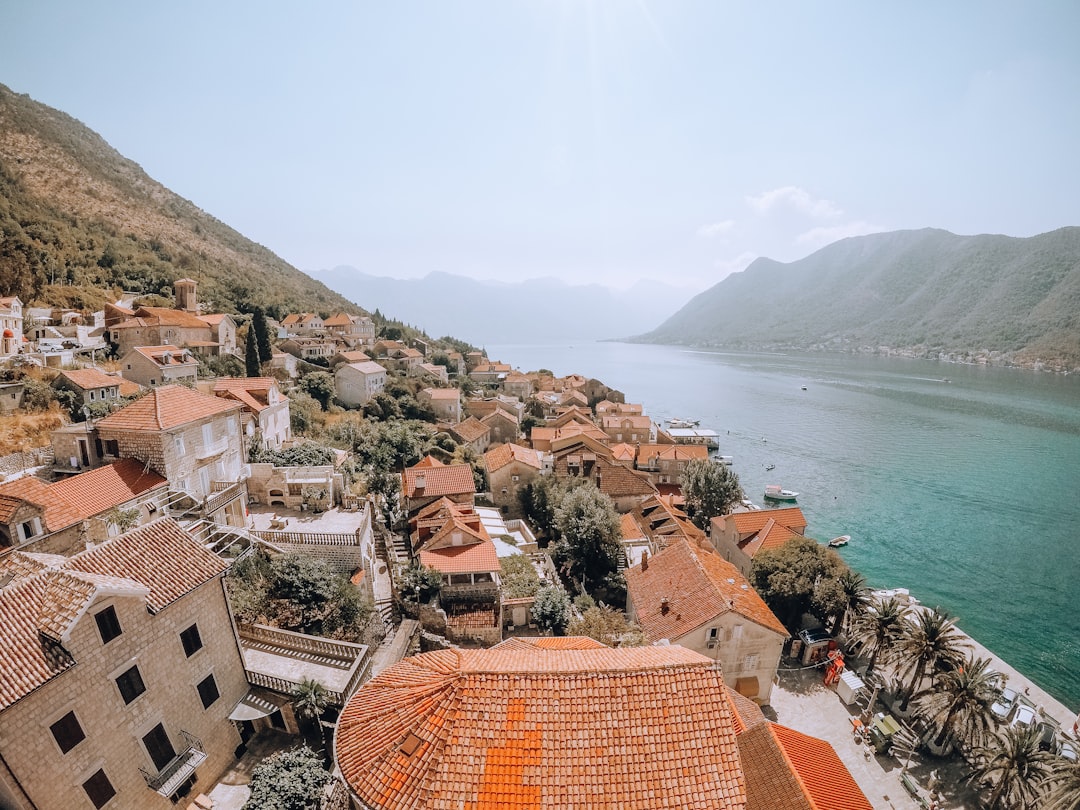
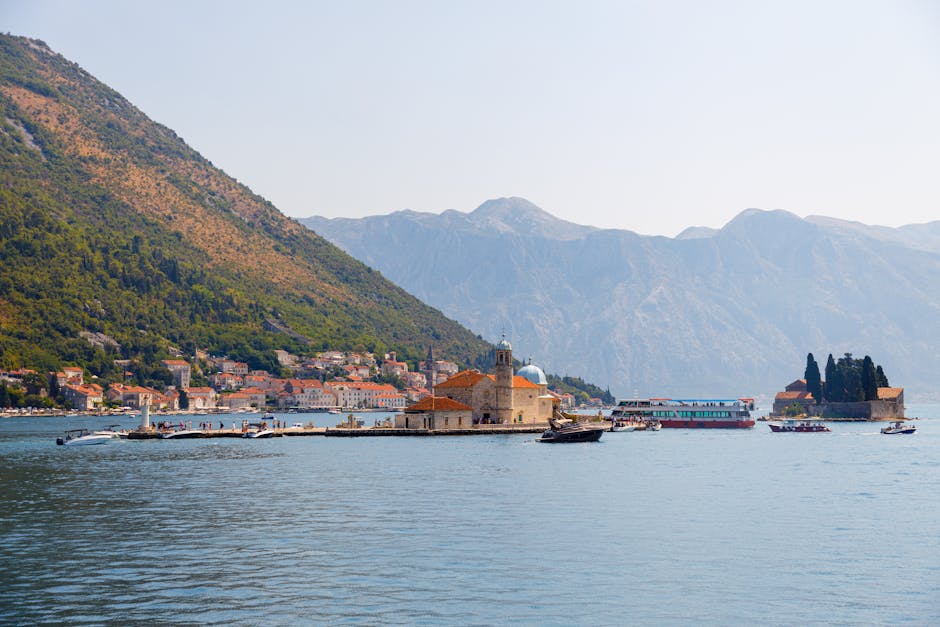
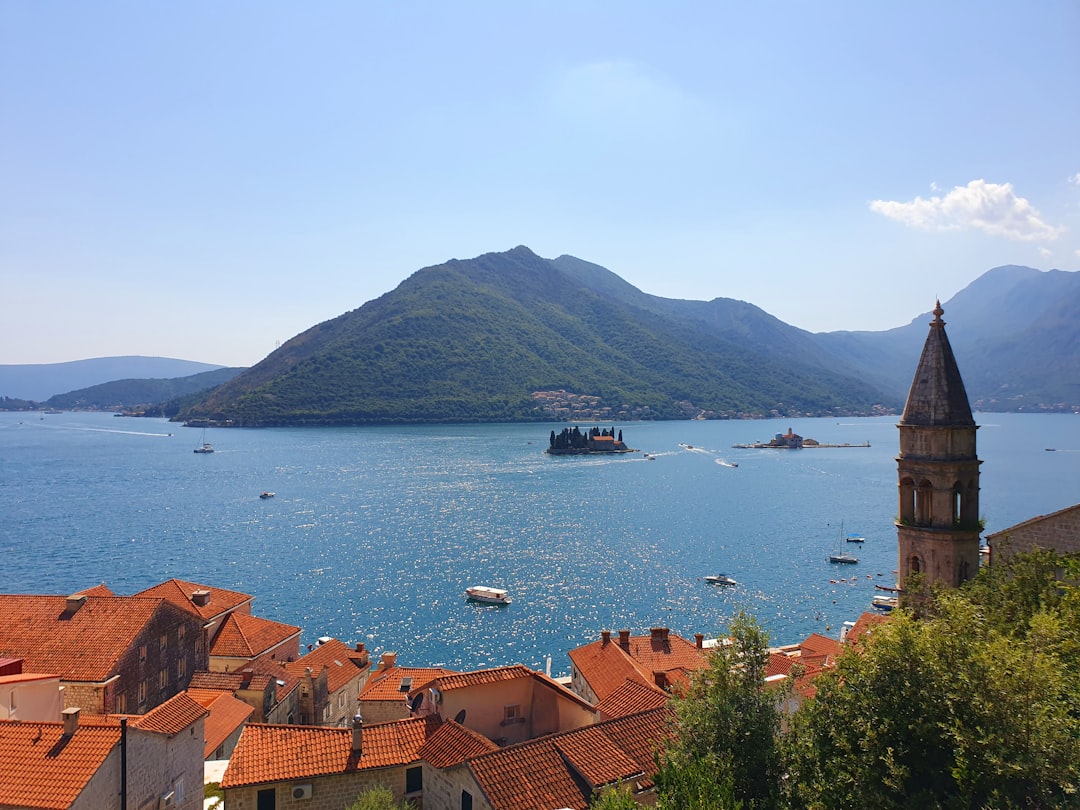
Perast — A smaller, quieter town at the entrance to the bay, known for its baroque architecture and the Our Lady of the Rocks island. This tiny artificial island, built up from centuries of stone offerings from sailors, is one of the most unique sights in the Adriatic. The church on the island is a masterpiece of baroque design, and the view from its steps back toward the bay is unforgettable. Perast is less commercial than Kotor, with a more relaxed atmosphere. The streets are lined with old aristocratic palaces, many of which are now museums or galleries. It’s a place for wandering, for sitting on the waterfront and watching the ferries pass, and for appreciating the sheer beauty of the landscape.
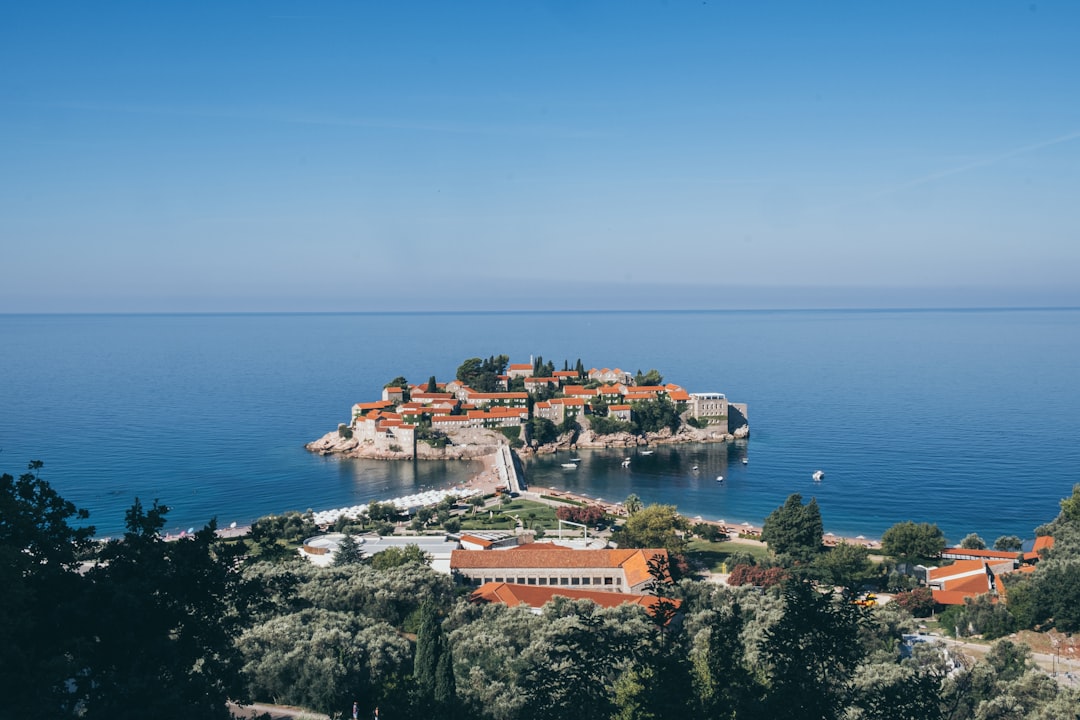
Sveti Stefan — Once a fishing village, now a luxury resort island connected to the mainland by a narrow isthmus. It’s a symbol of Montenegro’s push into high-end tourism, with red-roofed houses and white-washed walls that look like a movie set. While the island itself is private, the beach and the views from the mainland are accessible to everyone. It’s a place of stark contrasts: the opulence of the resort versus the rugged beauty of the surrounding coastline. The beach is small and crowded in summer, but the water is clear and the atmosphere is undeniably glamorous. It’s worth a visit for the photos alone, even if you’re not staying there.
Risan — A small town at the northern end of the bay, known for its Roman ruins and the Risan Fortress. The fortress is perched on a hill overlooking the town and the bay, offering another excellent viewpoint. The Roman ruins nearby are a reminder of the bay’s long history, dating back to ancient times. Risan is quieter than Kotor and Perast, with a more local feel. It’s a good place to escape the crowds, to find a quiet restaurant, and to explore the less-visited parts of the bay. The Underwater Museum in Risan is a unique attraction, featuring a collection of artifacts submerged in the bay, accessible via glass-bottom boats.
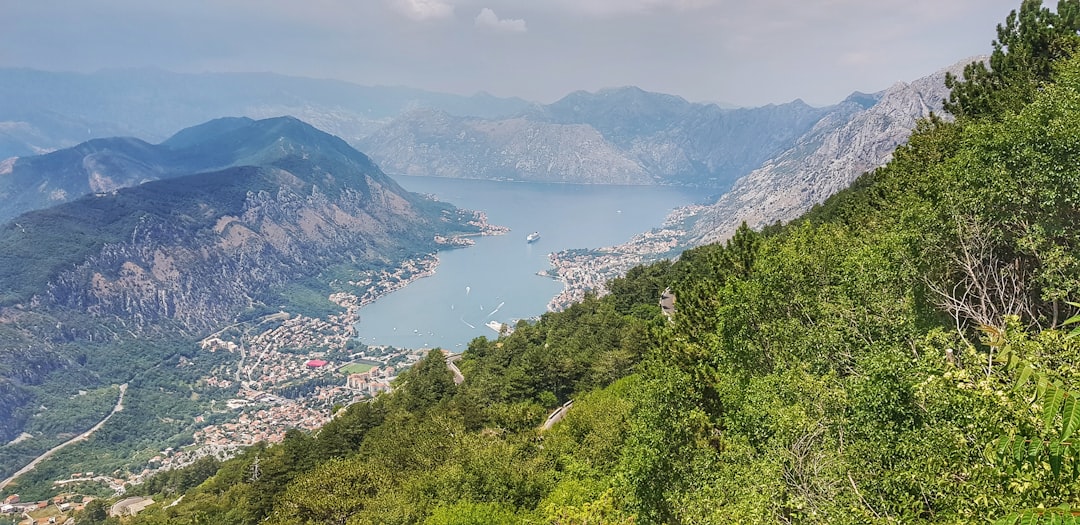
Lovćen National Park — While not directly on the bay, this national park is essential for understanding the region. The Maestropolo Peak Lovćen offers a breathtaking view of the entire bay and the Adriatic Sea. The climb to the summit is challenging, with 461 steps leading to the top, but the reward is one of the best views in Montenegro. The park is also home to the mausoleum of Njegoš, the Montenegrin poet and ruler, a place of national significance. The landscape here is rugged and wild, a stark contrast to the manicured beauty of the bay. It’s a place for hiking, for solitude, and for appreciating the raw power of nature.
What to Eat & Drink
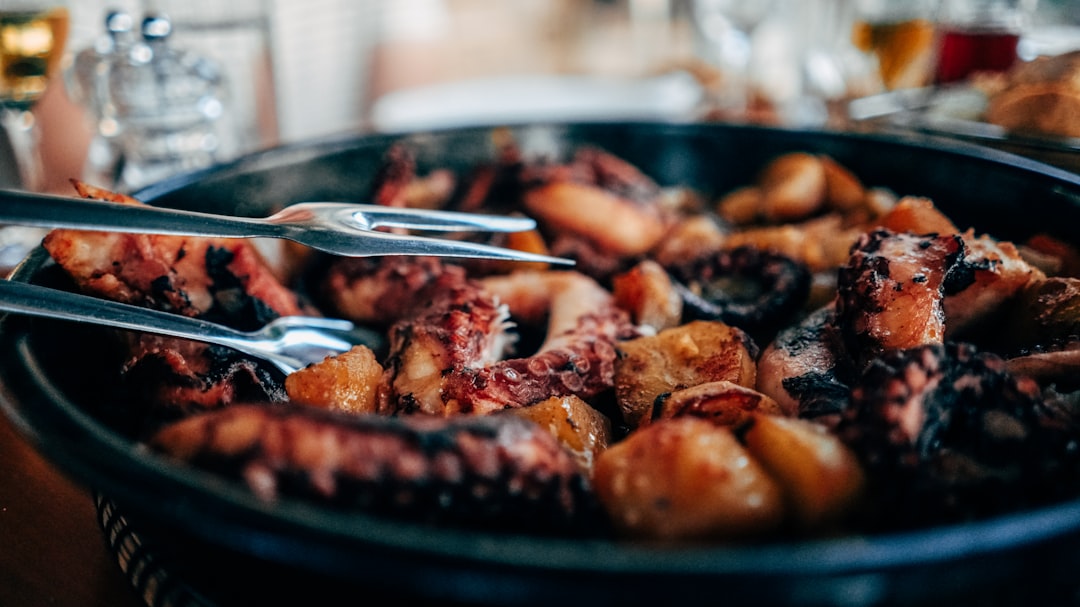
Eating in the Bay of Kotor is a mix of Montenegrin tradition and Adriatic seafood. The local cuisine is hearty, designed to fuel the laborers who worked the steep hillsides and the fishermen who braved the choppy waters. Njeguški pršut is a must-try, a dry-cured ham from the nearby village of Njeguš, served thinly sliced with bread. Krivodolsko cheese is another local specialty, a smoked cheese that pairs well with the ham. For seafood, look for crni rižot, a black risotto made with squid ink, and grilled octopus, fresh from the bay. Šaran, a local fish, is often grilled simply with olive oil and lemon. Prices are reasonable, with a main course costing 8-12 EUR and a glass of local wine 2-3 EUR.
For a budget meal, try ćevapi, small grilled meat sausages served with bread and onions, costing 3-4 EUR. Burek, a pastry filled with meat, cheese, or spinach, is a cheap and filling option, costing 1-2 EUR. Šopska salata is a refreshing side dish, made with tomatoes, cucumbers, and onions, costing 3 EUR. For a sit-down meal, expect to pay 15-25 EUR per person, including drinks. The waterfront restaurants in Kotor and Perast are more expensive, with prices ranging from 20-30 EUR per person. For a more local experience, head to the smaller towns like Risan or Tivat, where you’ll find family-run restaurants with better prices and more authentic food.
Nightlife
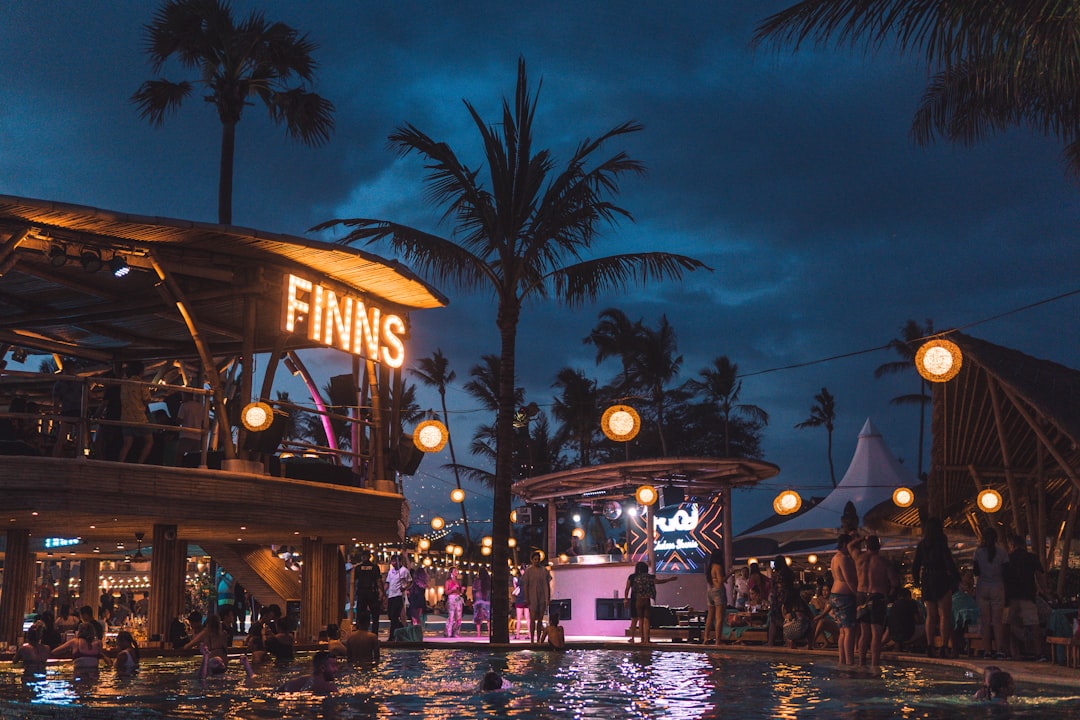
Nightlife in the Bay of Kotor is centered around the waterfronts of Kotor and Tivat. In Kotor, the bars are concentrated in the old town and along the seafront. Bar Boka is a popular spot with live music and a relaxed atmosphere. Café Kotor offers a more upscale experience, with cocktails and a view of the bay. The music ranges from traditional Montenegrin folk to modern pop and electronic. Cover charges are rare, but drinks are pricey, with a beer costing 3-4 EUR and a cocktail 5-7 EUR. In Tivat, the nightlife is more focused on clubs and beach bars. Montenegro Yacht Club is a popular venue, with a large terrace and a lively atmosphere. The music here is more international, with DJs playing house and techno. The crowds are younger and more international, with many visitors from nearby Croatia and Italy.
Getting There & What to Expect
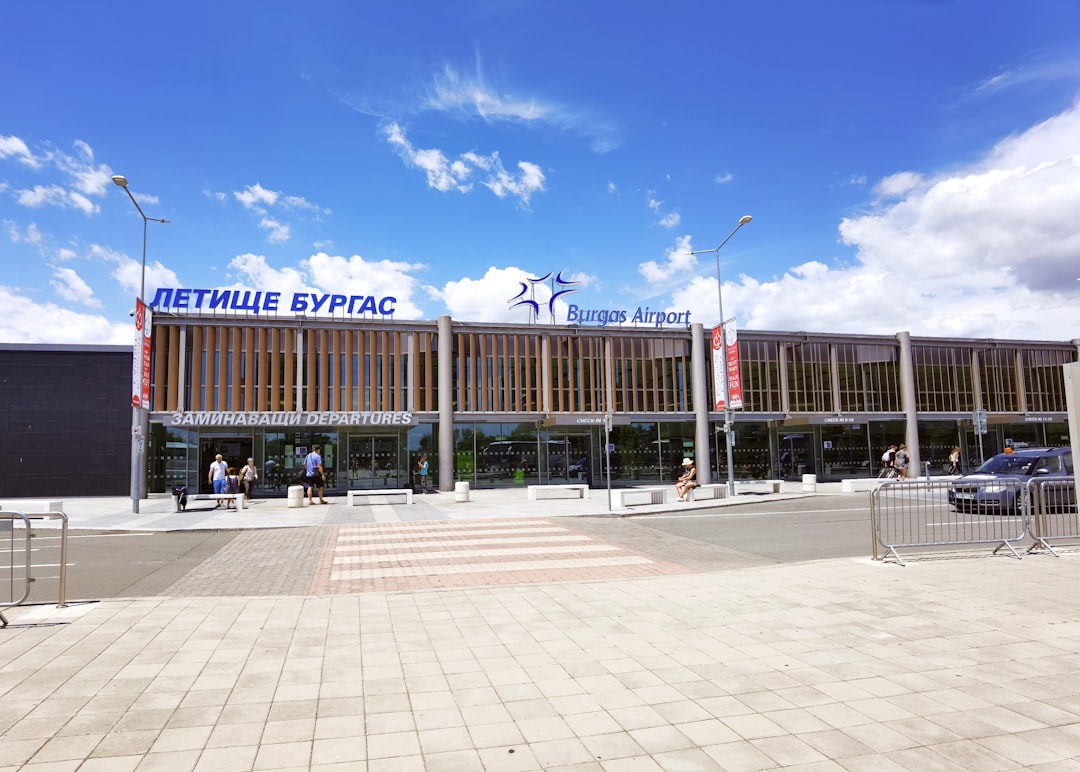
The nearest airport is Tivat Airport Tivat Airport, which handles seasonal flights from major European cities. From Tivat, you can take a bus to Kotor, which takes about 30 minutes and costs 3-4 EUR. From Podgorica, the capital, there are frequent buses to Kotor, taking about 3 hours and costing 5-6 EUR. By car, the drive from Podgorica is scenic but winding, with many hairpin turns. Accommodation in Kotor ranges from budget hostels at 20-30 EUR per night to luxury hotels at 100-200 EUR per night. Mid-range hotels cost 50-80 EUR per night. The best time to visit is May or September, when the weather is warm but the crowds are smaller. Summer is hot and crowded, with temperatures often exceeding 30°C.
Search accommodation in Kotor on Booking.com →
The Climb That Defines You
I left Kotor as the sun dipped below the horizon, the walls of the old town casting long shadows across the bay. My legs ached from the climb, my feet were blistered from the cobblestones, and my wallet was lighter from the souvenir traps. But I had seen the bay from the top, from the bottom, and from the water. I had tasted the local food, drunk the local wine, and felt the pulse of a place that refuses to be tamed. The Bay of Kotor is not a vacation; it’s a challenge. It demands your energy, your patience, and your respect. And if you meet it on its own terms, it rewards you with a beauty that is raw, real, and unforgettable. Don’t come here for relaxation. Come here to be changed.
Comments