


The sun over the Thracian Valley doesn't just shine; it hammers down, turning the limestone hills into a blinding white glare that makes your eyes water. I'm standing in the dust of a roadside excavation near Kazanlak, clutching a lukewarm coffee and staring at a fragment of red pottery that looks like trash to the untrained eye but probably cost more than my car when it was whole. This is Central Bulgaria, the belly of the beast, where the soil is so thick with history that you can't dig a garden without hitting a tomb. The air smells of dry earth, wild thyme, and the faint, metallic tang of ancient ambition. I came here looking for ruins, but I found a graveyard of kings so rich it makes the Pharaohs look like they were packing light.
My guide, a local historian with a cigarette dangling from his lip and a map that's more coffee stain than geography, points toward a nondescript mound. "There," he says, "a king is sleeping. And he's not alone." This isn't a metaphor. The region is littered with tumuli, burial mounds that hide chambers filled with gold, silver, and the arrogant belief that death is just another stage for the living. I'm not here for the polished museum tours. I'm here to see where the gold was found, to stand in the dirt where the secrets were unearthed, and to understand why these Thracian warriors cared so much about looking good in the afterlife.
History & Identity
The Thracians were the toughest neighbors anyone in the ancient world ever had. They weren't a unified empire like Rome or Persia; they were a loose confederation of tribes, fierce, independent, and obsessed with ritual. From the 5th century BC onward, the kings of this region ruled over vast territories, trading with Greeks, fighting off Macedonians, and burying themselves with enough wealth to fund a small modern nation. When Alexander the Great marched through, he noted their bravery but also their lack of political cohesion. That lack of unity is exactly why we have the gold. When the Romans finally rolled in, they didn't just conquer; they looted, melted down, and scattered the treasures. What survives today is the stuff that was hidden well, buried deep, or overlooked by time.
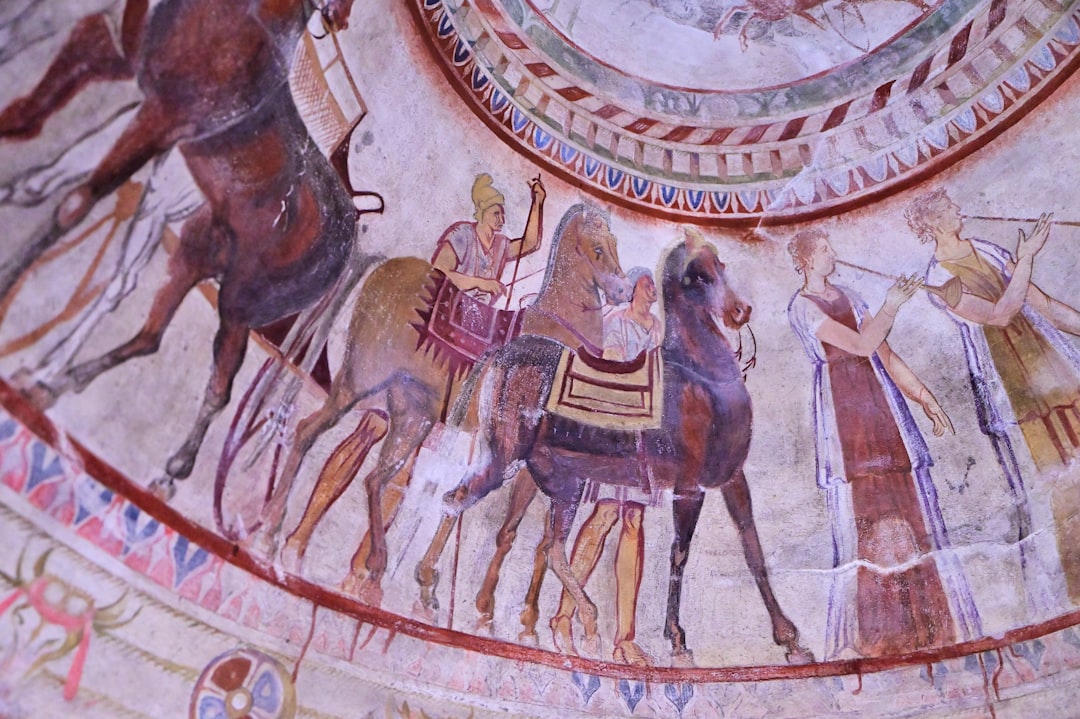
The identity of Central Bulgaria today is still tied to this ancient past. The region isn't just about wine and roses; it's about the bloodline of warriors who refused to kneel. The Thracian Tomb of Kazanlak isn't just a UNESCO site; it's a statement. The frescoes inside show a funeral banquet, a last feast before the journey to the underworld, painted with a vibrancy that suggests the Thracians didn't fear death—they invited it to dinner. This mindset shaped the landscape. Every hill, every valley, every spring is potentially sacred. The modern towns are built on top of ancient settlements, creating a palimpsest of history where you can't walk ten feet without stepping on a legend.
Where to Go
Thracian Tomb of Kazanlak — This is the crown jewel, and not just because of the UNESCO plaque. The tomb itself is a small, rectangular chamber, but the frescoes are what stop you in your tracks. The scene of the funeral banquet is painted in ochre, red, and black, showing the deceased king and queen leaving for the afterlife. The preservation is miraculous, thanks to the airtight seal that kept it hidden for 2,000 years. Entry is strict: no flash photography, limited groups, and a climate-controlled environment. You spend about 20 minutes inside, but it feels like a lifetime. The ticket costs 10 EUR. Visit early in the morning to avoid the bus tours.
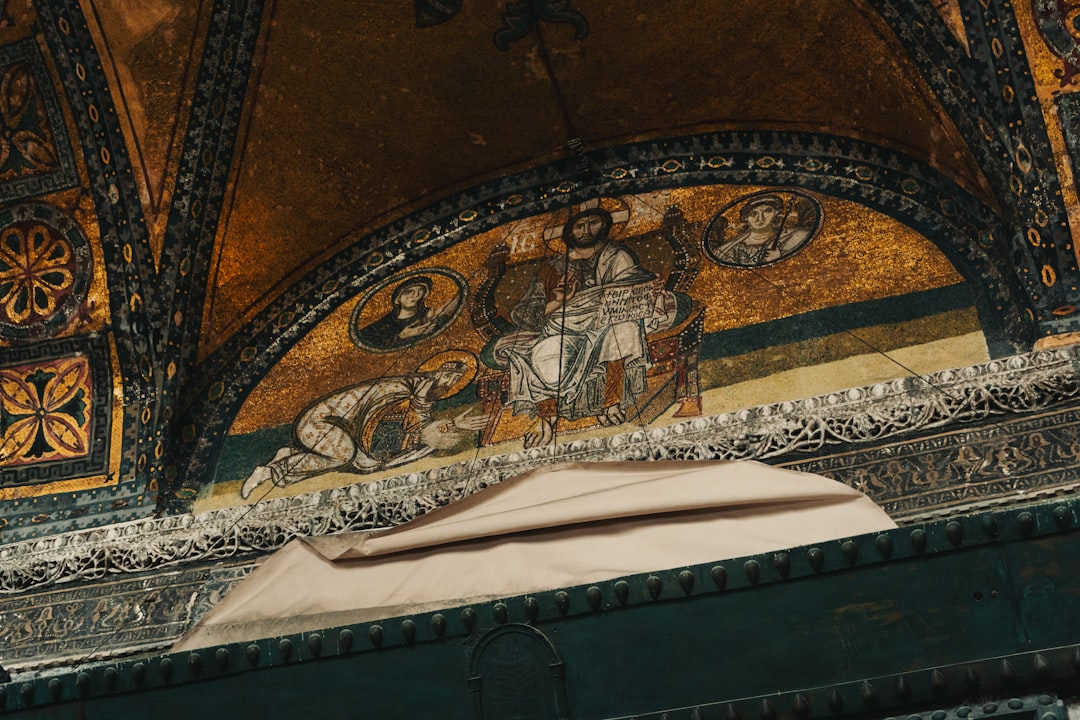
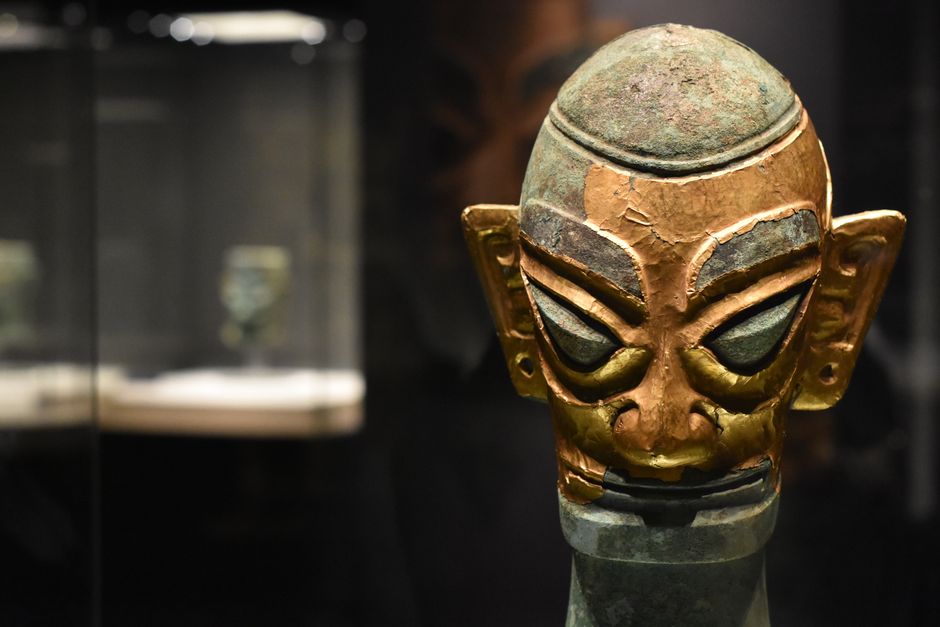
Archaeological Museum of Kazanlak — You can't understand the tomb without seeing the objects that came out of it. The museum houses the original gold jewelry, the ceremonial chariot, and the silver vessels found in the tomb. The highlight is the gold torc, a neck ring that symbolizes royal power. The museum is modern, well-lit, and surprisingly intimate. It doesn't feel like a warehouse of dead things; it feels like a gallery of human vanity. Entry is 5 EUR. Allow at least an hour to see the details.
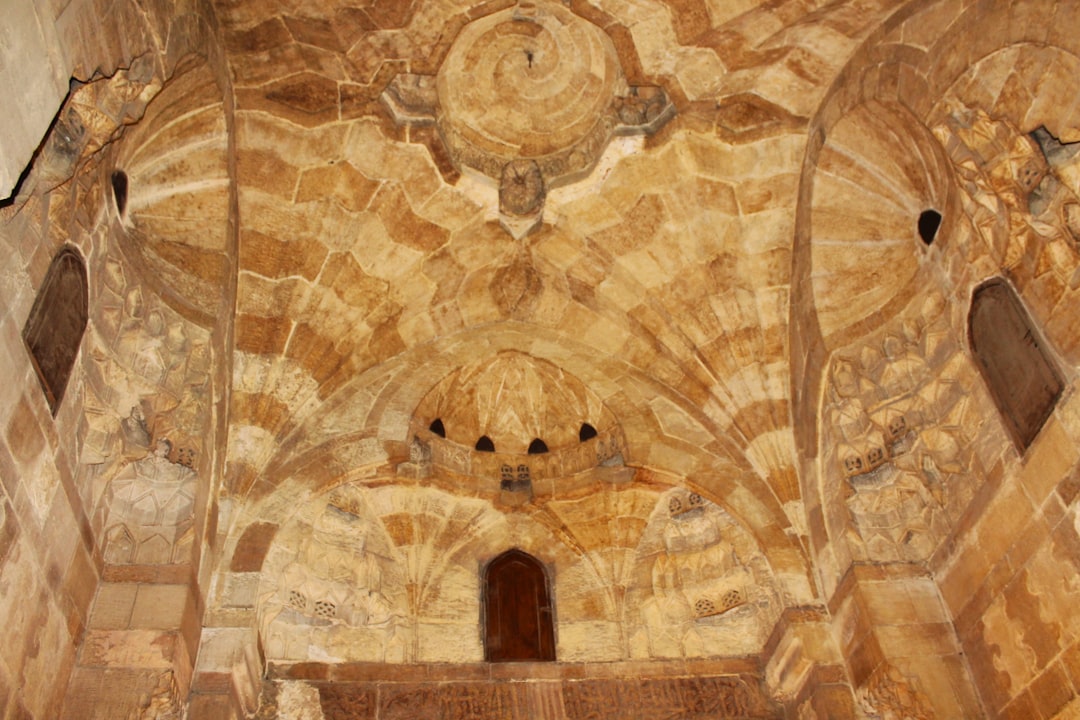
Valkani Tomb — Located just a few kilometers from Kazanlak, this tomb is less famous but equally impressive. It's a double-chamber tomb with a circular burial chamber. The frescoes here are simpler, more geometric, but the architecture is stunning. The dome is made of stone blocks fitted together without mortar, a testament to Thracian engineering. It's quieter here, less crowded, and the atmosphere is more solemn. Entry is 8 EUR. It's a good place to go if you want to think, not just look.
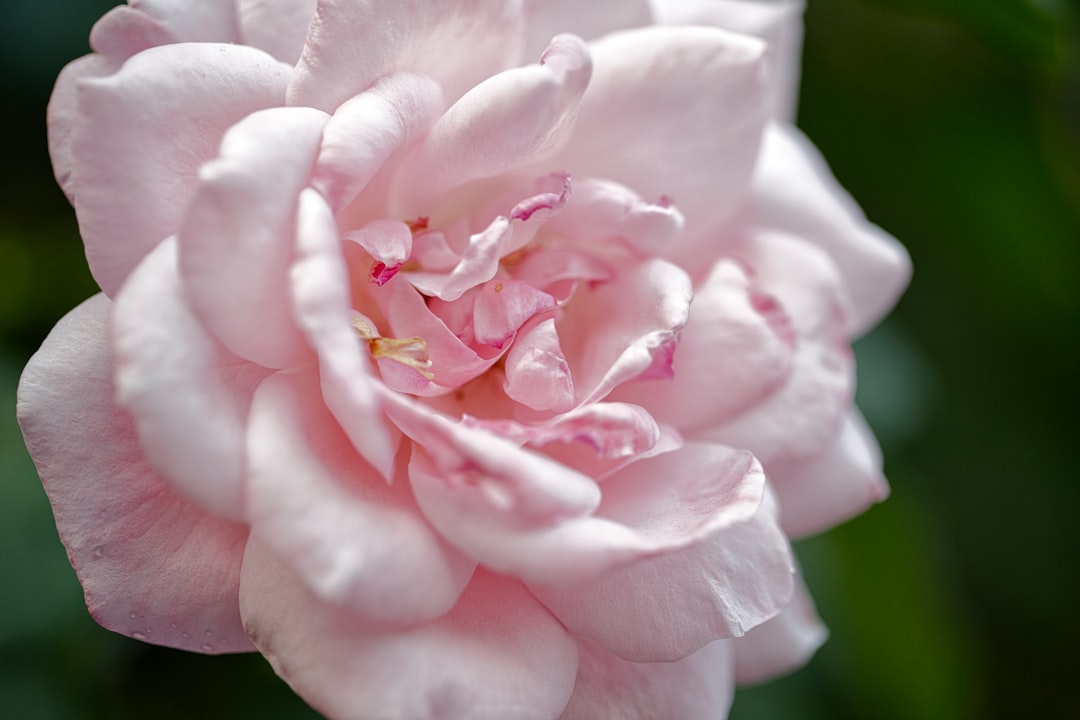
Kazanlak Rose Valley — History isn't just about dead kings; it's about the land they ruled. The Rose Valley runs through this region, and in June, it's a sea of pink. The Thracians worshipped the rose, and the tradition continues today. The oil is still produced using the same methods, and the scent is overwhelming. It's a sensory experience that grounds the ancient history in the present. There are no entry fees, just the cost of a taxi ride through the fields. The best time to visit is mid-June, during the rose harvest.
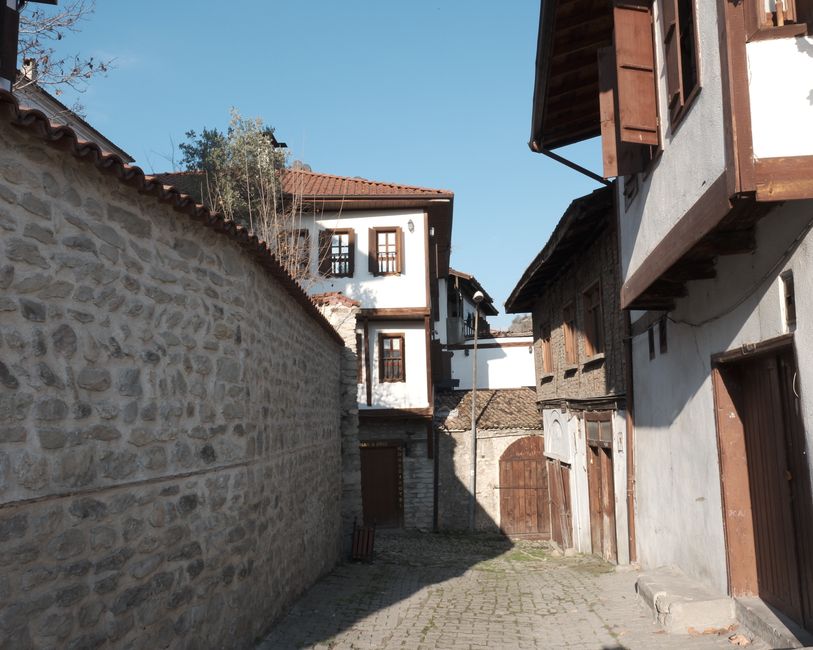
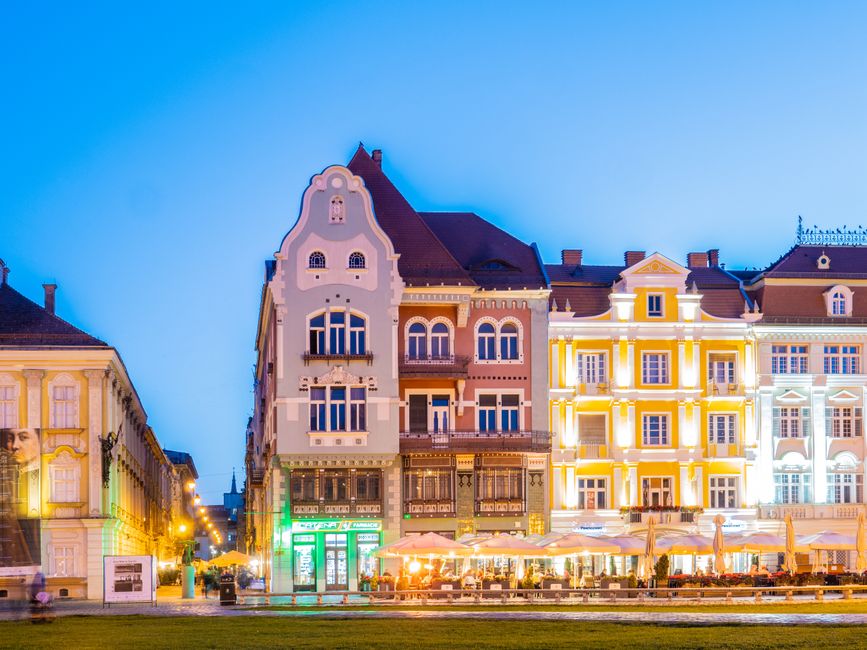
Old Town of Kazanlak — The town itself is a mix of Ottoman-era architecture and Soviet-era concrete. The old town has narrow streets, wooden houses, and a few well-preserved mosques. It's not a tourist trap, which is part of its charm. You can walk around, feel the pace of life, and see how the locals live. The Kazanlak bazaar is a good place to buy local products, including rose oil and pickled vegetables. It's a place to breathe, to step back from the grandeur of the tombs and appreciate the everyday.
What to Eat & Drink
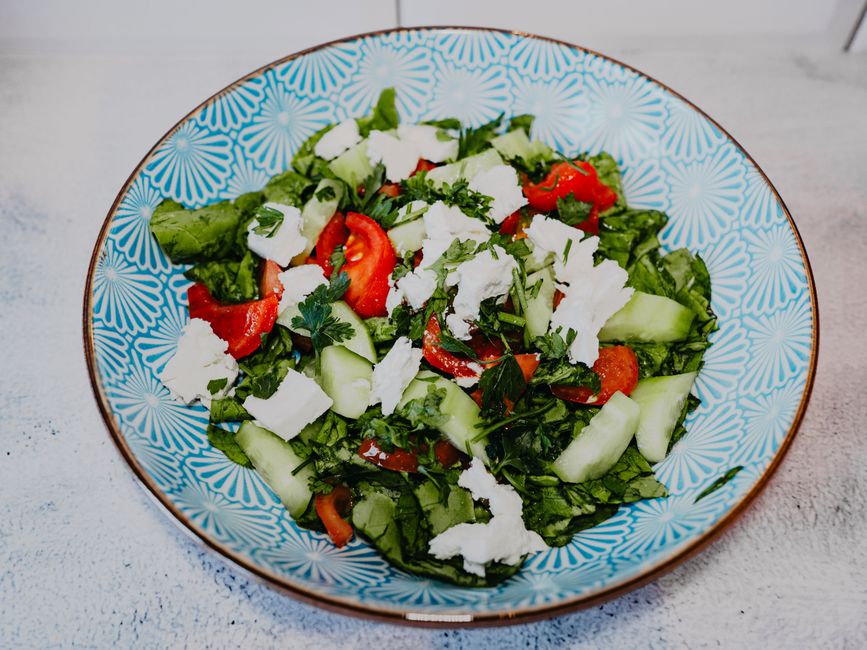
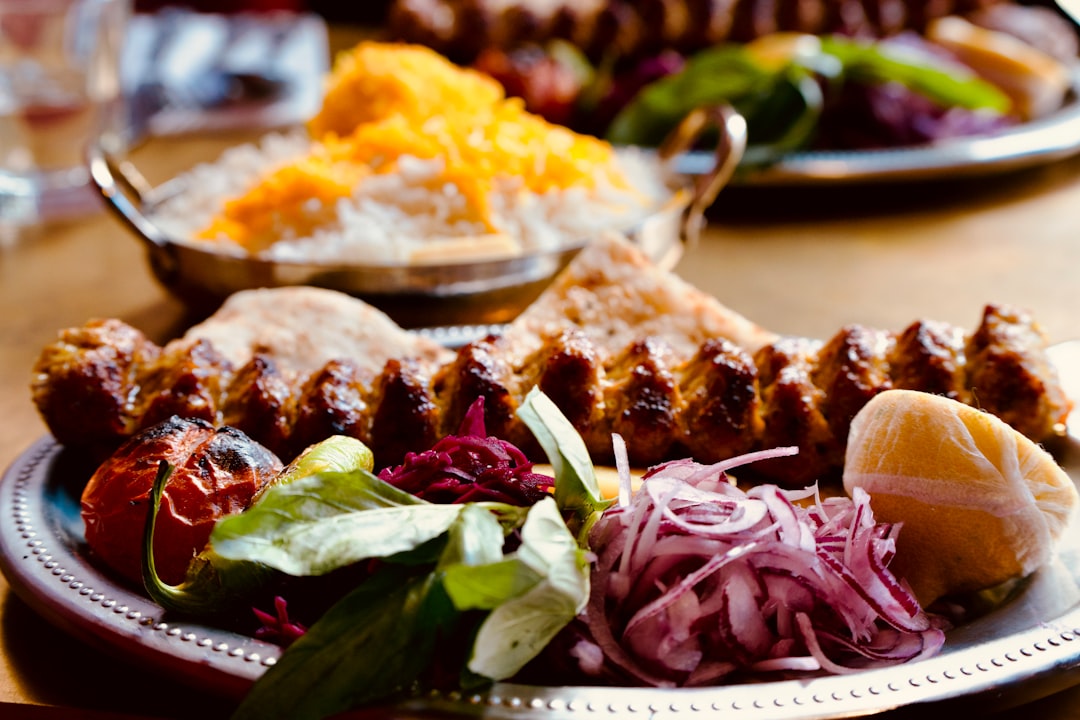
Eating in Central Bulgaria is an act of rebellion against the diet culture. The food is heavy, rich, and designed to fuel a body that works hard. Shopska salad is the national dish, a mix of tomatoes, cucumbers, onions, and peppers, topped with grated white cheese. It's fresh, acidic, and cuts through the richness of the meat. A serving costs 3-5 EUR. Karnache is a local specialty, a dish of minced meat and vegetables baked in a clay pot. It's savory, comforting, and best eaten with a crusty loaf of bread. A portion is 8-12 EUR. Shkembe chorba is tripe soup, a hangover cure that tastes like heaven if you're brave enough to try it. It's spicy, sour, and served with lemon and yogurt. A bowl is 6-8 EUR. Rose wine is the local drink, sweet and floral, made from the same roses that scent the valley. A glass is 3-4 EUR.
Budget travelers can eat well on 10-15 EUR a day, focusing on local bakeries and small family-run restaurants. Mid-range meals, with wine and a full course, will cost 20-30 EUR per person. The main restaurant district is around the central square in Kazanlak, where you'll find a mix of traditional and modern eateries. For take-away, the local bakeries are your best friend. Fresh bread, cheese, and cured meats make a cheap and delicious meal. The market is also a good place to pick up snacks and drinks. Don't miss the rose jam, a sweet treat that's unique to the region.
Nightlife
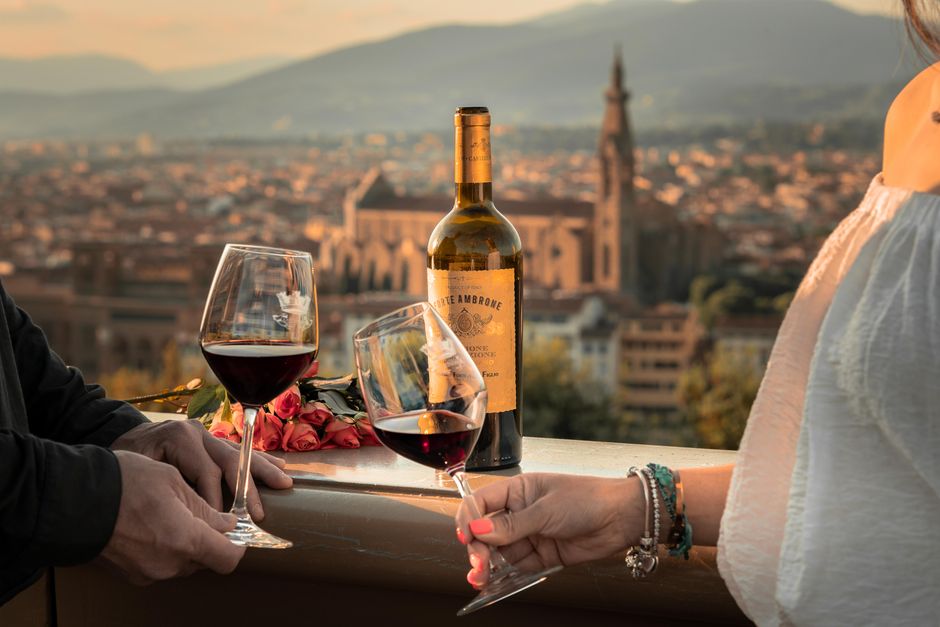
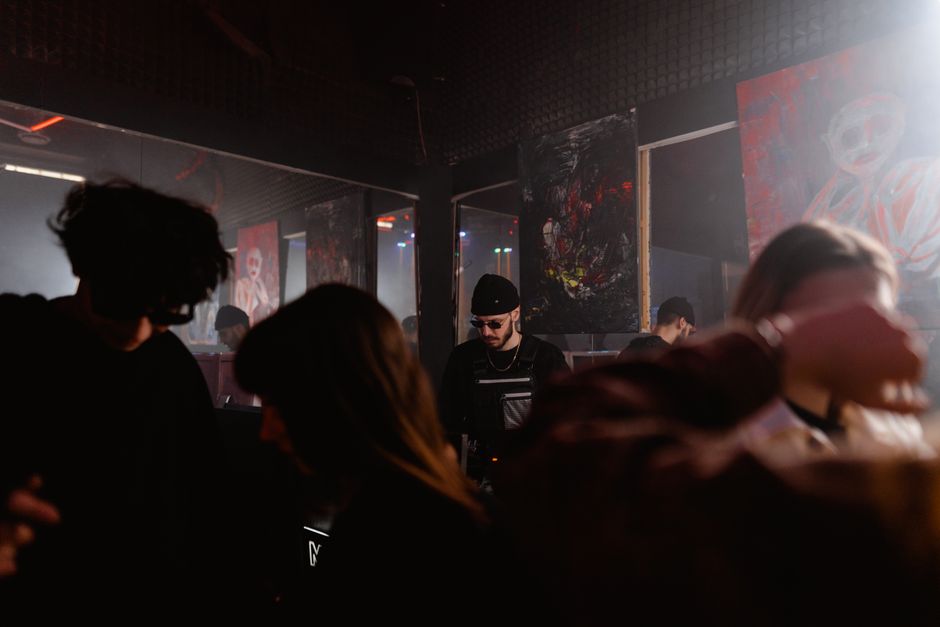
Nightlife in Kazanlak isn't about clubs and raves; it's about taverns and conversation. The main area is around the central park, where a few bars and restaurants spill out onto the streets. Bar Rose is a popular spot, known for its rose-themed cocktails and live folk music. The atmosphere is relaxed, the music is loud, and the crowd is a mix of locals and tourists. Cover is 2-3 EUR. Taverna Balkan is another good option, with a more traditional vibe and a focus on food. They serve heavy plates of meat and cheese, and the drinks are strong. It's a place to sit for hours, talk, and enjoy the night. The music is usually live, played by a small band on weekends.
If you're looking for something louder, you'll need to head to Stara Zagora, about an hour away. The city has a more vibrant nightlife, with clubs and bars that cater to a younger crowd. But in Kazanlak, the night is for winding down, for savoring the day's discoveries, and for falling asleep to the sound of crickets and the distant hum of the valley. It's a different kind of party, one that feels more authentic and less exhausting.
Getting There & What to Expect
The nearest airport is in Sofia, about 100 kilometers away. The drive takes roughly 1.5 hours by car, or 2 hours by bus. Buses leave regularly from the central bus station in Sofia, costing 8-10 EUR. If you're coming from Plovdiv, it's a 1.5-hour drive or a 2-hour bus ride. The road is good, and the scenery is beautiful. If you're driving, take the scenic route through the Rose Valley. It's worth the extra time. Accommodation in Kazanlak ranges from budget guesthouses at 30-50 EUR per night to mid-range hotels at 60-90 EUR. The
Search accommodation in Kazanlak on Booking.com →
area is small, so you can walk to most attractions. The best months to visit are May and June, when the roses are in bloom and the weather is warm but not hot. July and August are crowded, and the heat can be oppressive.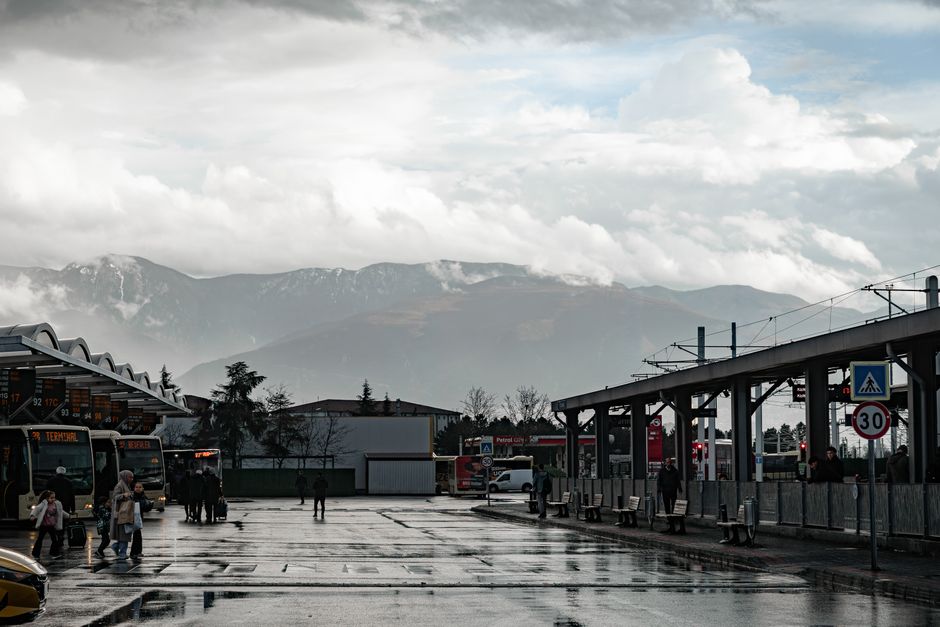
The Weight of Gold
As I leave the valley, the sun is setting, casting long shadows across the hills. The gold I saw in the museum feels distant now, a shiny distraction from the real story. The real story is the dust, the heat, the silence of the tombs, and the persistence of a culture that refused to be forgotten. The Thracians didn't just bury their dead; they built monuments to their own existence. And in a way, they succeeded. I'm leaving with dirt under my nails and a head full of ghosts, but I feel more alive than I have in years. This is the Balkan way: history isn't something you read about; it's something you breathe, you taste, and you carry with you. The gold is just the shiny wrapper. The real treasure is the earth itself, stubborn, enduring, and utterly unforgettable.
Comments