


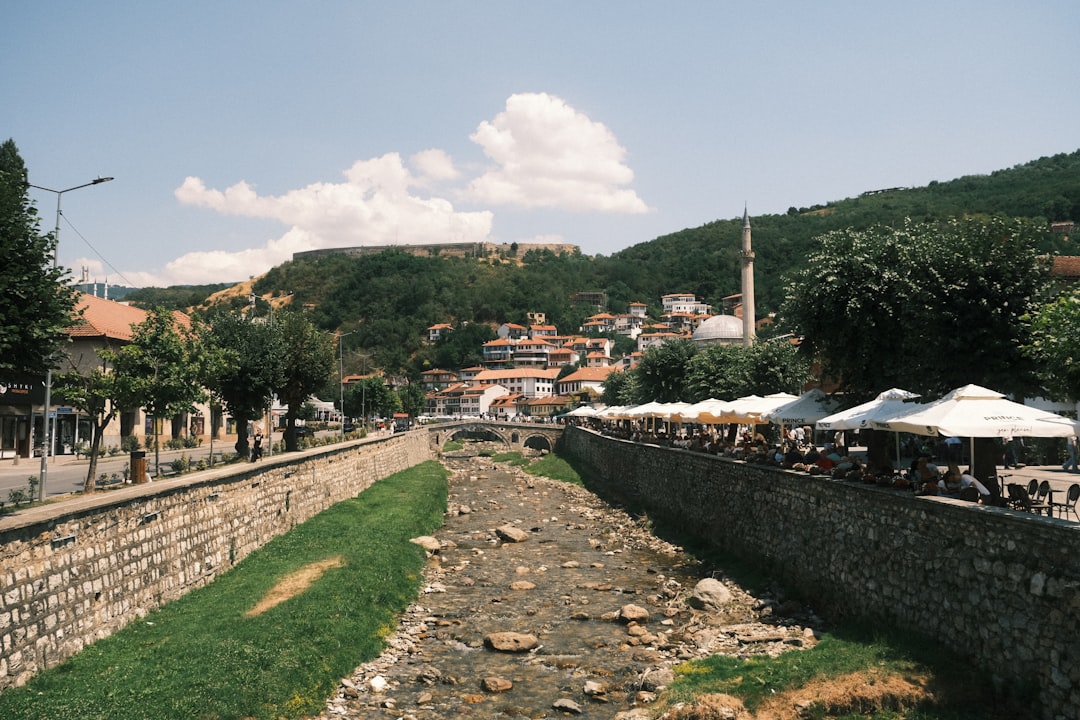
The bus engine dies with a wheezing cough somewhere on the winding asphalt between Pristina and the northern hills. The driver, a man with a face like cracked leather, doesn't panic. He just steps out, lights a cigarette, and stares up at the jagged silhouette of Gazivoda Mountain. I step out too. The air is thin, smelling of pine resin and the metallic tang of old stone. This isn't a hike; it's an ascent into a myth. The Cave of St. Sava, or Pećina Svetog Save, sits perched on a rocky outcrop that looks less like a natural formation and more like a concrete bunker dropped from the sky by a deity with a concrete mixer. Pilgrims are everywhere—hundreds of them, climbing in a slow, shuffling procession. Old women in headscarves clutch rosaries; young men in designer tracksuits carry heavy backpacks filled with water and bread. There is no elevator. There is only the climb, the doubt, and the promise of a miracle.
I am not a pilgrim. I am a journalist chasing a story that refuses to be told in straight lines. The site is a paradox: a 19th-century cave monastery built into a natural karst formation, dedicated to the most venerated saint in Serbian Orthodoxy, located in a country that exists in a state of perpetual geopolitical limbo. St. Sava, the founder of the Serbian Orthodox Church, never actually walked these specific rocks in the way the legend claims, but the story sticks like burrs on wool. According to tradition, he retreated here to pray, and a spring burst from the rock. Whether it's theology or hydrology, the result is the same: this place is a pressure valve for a nation's collective anxiety.
History & Identity
The history of the Cave of St. Sava is a history of survival. The site has been inhabited since prehistoric times, with traces of human activity dating back to the Neolithic era. But the religious significance crystallized in the 19th century. In 1845, a priest named Stefan Stanković discovered the cave's potential and began constructing a small chapel. The structure evolved, expanding into the multi-level complex we see today. It is a raw, brutalist-meets-baroque affair. The stone is rough, the mortar is thick, and the windows are small, designed to keep the cold out and the faith in.
During World War II, the cave served as a hospital and a shelter for partisans and civilians alike. It was bombed, damaged, and rebuilt. The cycle of destruction and reconstruction is the defining narrative of Kosovo. For the Serbian Orthodox community, this site is a spiritual anchor, a tangible link to a past that political borders try to erase. For the Albanian majority, it is a symbol of Serbian presence in a region they consider their own. The tension is palpable. You can feel it in the way the police patrol the parking lot, in the way the pilgrims keep their voices low when they think they are being watched.
The identity of the cave is not just religious; it is national. St. Sava represents the intellectual and spiritual foundation of the Serbian state. His relics are kept in the Church of St. Sava in Belgrade, but his spirit is said to roam the mountains of Kosovo. The cave is a place where that spirit is believed to be most accessible. It is a site of pilgrimage, yes, but also a site of political assertion. To come here is to make a statement. To leave is to carry that statement back with you.
Where to Go
The Cave Complex — The heart of the pilgrimage. The cave itself is a network of chambers carved into the limestone. The lower level houses the main chapel, where the icon of St. Sava is enshrined. The air is cool and damp, smelling of incense and old stone. The upper levels offer a panoramic view of the surrounding valleys. Entry is free, but donations are expected. The climb to the entrance is steep, so wear sturdy shoes. The stone is slick with moss in places, and the wind can be fierce. It is not a place for the faint of heart or the poorly shod.
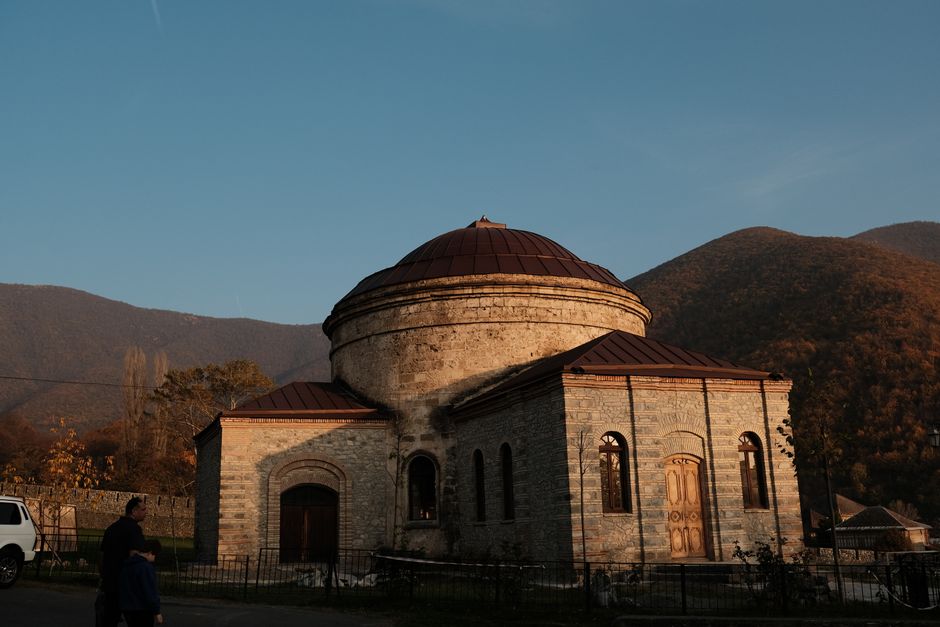
The Spring of St. Sava — Located just outside the cave entrance, this spring is said to have healing properties. Pilgrims fill bottles with the water, believing it can cure everything from eye infections to heartbreak. The water is cold, clear, and tastes of minerals. There is a small stone basin where you can wash your face. It is a moment of quiet in the midst of the chaos. The spring flows year-round, a constant reminder of the legend that brought people here in the first place.
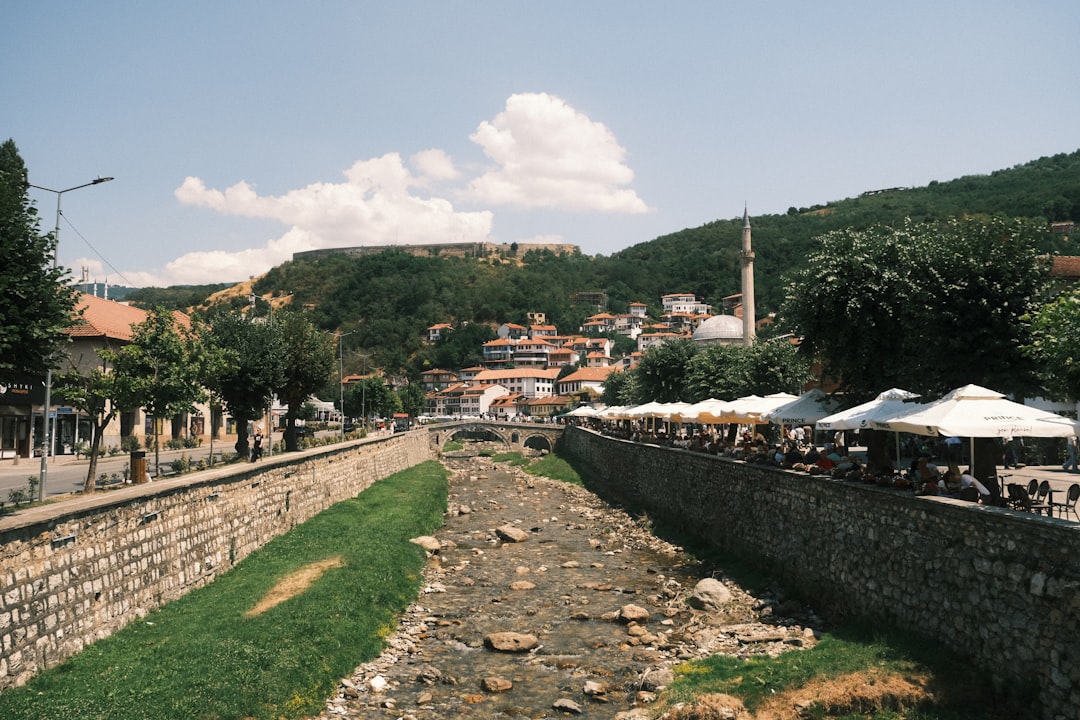
The Viewing Platform — Perched on the edge of the cliff, this platform offers a breathtaking view of the Kosovo landscape. On a clear day, you can see for miles, from the rolling hills of the south to the jagged peaks of the north. It is a place to reflect, to breathe, to try to make sense of the history that surrounds you. The wind is strong here, so hold onto your hat. The view is a reminder of the beauty that persists despite the conflict, the resilience of the land itself.
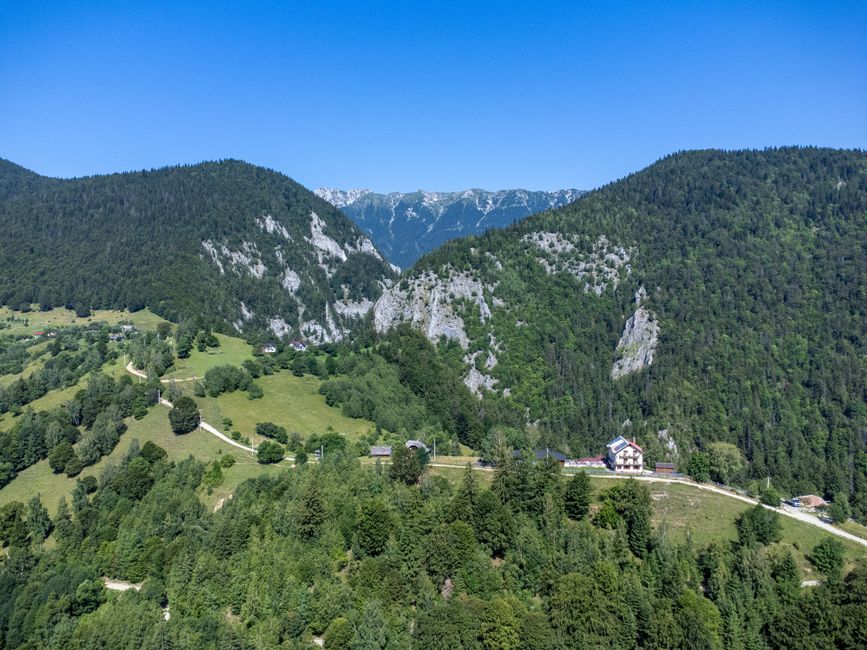
What to Eat & Drink
There are no restaurants inside the cave complex. The only food available is what you bring with you or what is sold by the few vendors who set up stalls near the parking lot. Expect simple fare: bread, cheese, cured meats, and bottled water. Prices are higher than in the cities below, reflecting the difficulty of transporting goods up the mountain. A bottle of water will cost you 2-3 EUR, a simple sandwich 5-8 EUR. It is not a place for gourmet dining. It is a place for sustenance, for keeping your strength up for the climb.
For a proper meal, you need to head back down to the village of Suva Reka or the town of Mitrovica. In Suva Reka, you will find traditional Serbian taverns serving ćevapi (grilled minced meat sausages) for 5-7 EUR, ćevapi with lepinja (flatbread) and onions. In Mitrovica, the food is a mix of Serbian and Albanian influences. Try the byrek (savory pastry) for 2-4 EUR, a staple of the Balkan diet. The beer is local, cold, and cheap. A pint of Zastava or King beer will cost you 1-2 EUR. It is a good way to wash down the dust of the climb.
Nightlife
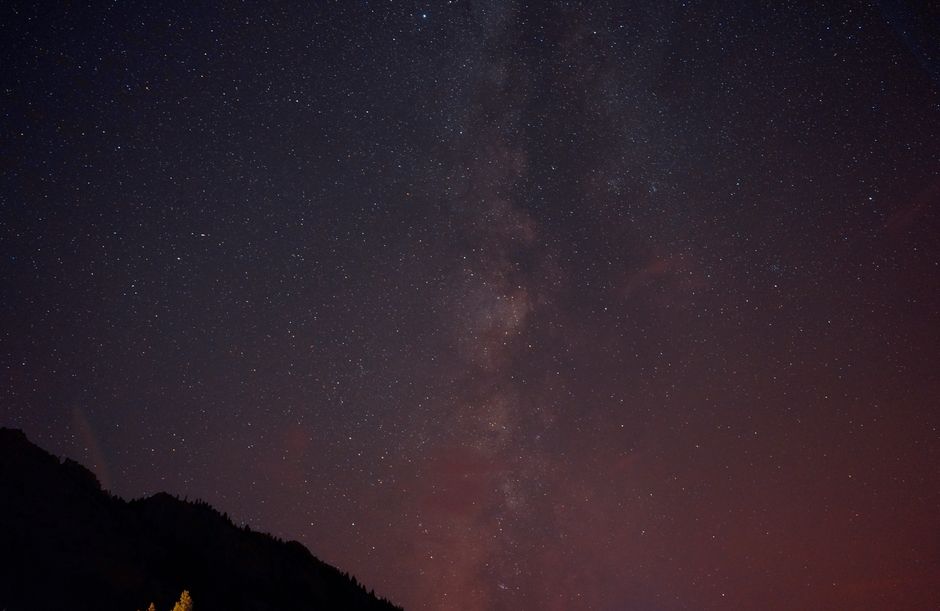
There is no nightlife at the Cave of St. Sava. The mountain goes quiet at dusk. The pilgrims descend, the vendors pack up, and the wind takes over. The only light comes from the stars and the occasional flashlight of a night watchman. This is not a place for partying. It is a place for prayer, for reflection, for silence. If you are looking for nightlife, you need to go to Pristina. The capital is a vibrant city, with a thriving club scene, bars, and restaurants. But here, on the mountain, the night is sacred. It is a time for rest, for dreaming, for letting the day's experiences sink in.
Getting There & What to Expect
The nearest major city is Pristina, the capital of Kosovo. From Pristina, the cave is about 30 kilometers north, a drive that takes approximately 45 minutes to an hour. The road is winding and steep, with sharp turns and narrow sections. It is not a route for the inexperienced driver. If you do not have a car, you can take a bus from Pristina to Suva Reka, and then a local taxi or a hike to the cave. The bus ride costs 2-3 EUR, and the taxi ride from Suva Reka to the cave entrance will cost you 10-15 EUR.
From Belgrade, Serbia, the journey is longer. You can take a bus or a train to Mitrovica, and then a taxi or a hike to the cave. The bus ride from Belgrade to Mitrovica takes about 4-5 hours and costs 10-15 EUR. The taxi ride from Mitrovica to the cave entrance will cost you 20-30 EUR. Alternatively, you can drive from Belgrade, a journey that takes about 3-4 hours. The border crossing between Serbia and Kosovo can be slow, so allow extra time for delays.
Accommodation is available in Suva Reka and Mitrovica. In Suva Reka, you can find guesthouses and small hotels. A basic room will cost you 20-40 EUR per night. In Mitrovica, the options are more varied, with budget hostels, mid-range hotels, and even luxury options. A budget hostel room will cost you 10-20 EUR per night, while a mid-range hotel room will cost you 30-50 EUR per night. The best time to visit is during the spring and summer months, when the weather is mild and the roads are clear. In winter, the mountain can be covered in snow, making the climb dangerous and the roads impassable.
Search accommodation in Pristina on Booking.com →
The Weight of Stone
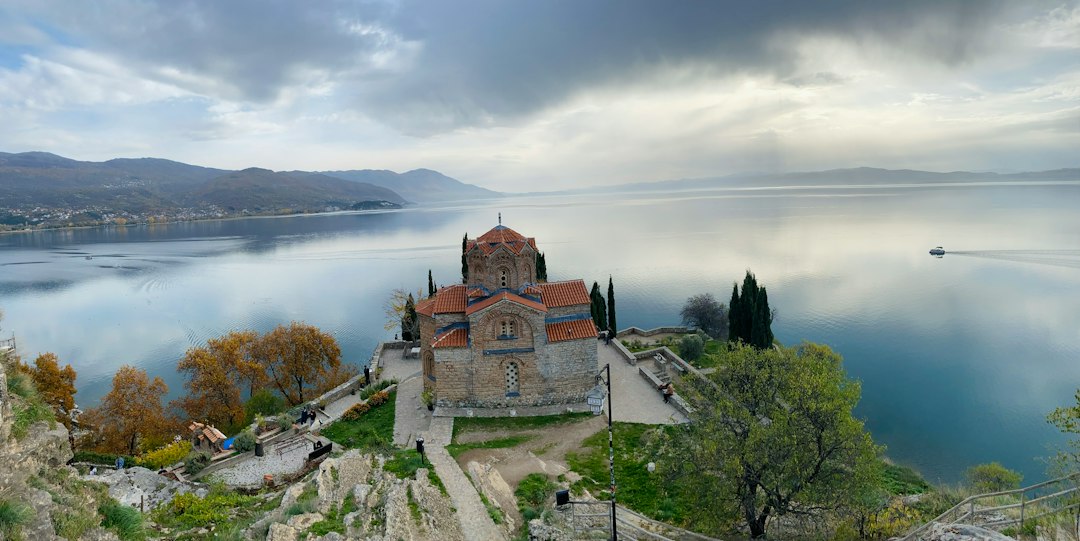
As the sun sets, the pilgrims begin to filter down. The light turns golden, then orange, then a deep, bruised purple. The cave recedes into the shadows, becoming a silhouette against the sky. I sit on a rock, my legs aching, my throat dry. I watch the people leave, their faces etched with exhaustion and satisfaction. They have climbed, they have prayed, they have touched the stone. They believe they have touched the divine. I am not sure I believe in miracles, but I believe in this place. I believe in the power of a story, the weight of history, the resilience of faith. The Cave of St. Sava is not just a monument. It is a living, breathing entity, a testament to the human need for meaning, for connection, for something greater than ourselves. It is a place where the past and the present collide, where the sacred and the profane mix, where the soul can find a moment of peace in a world that is constantly at war. And that, perhaps, is the greatest miracle of all.
Comments