


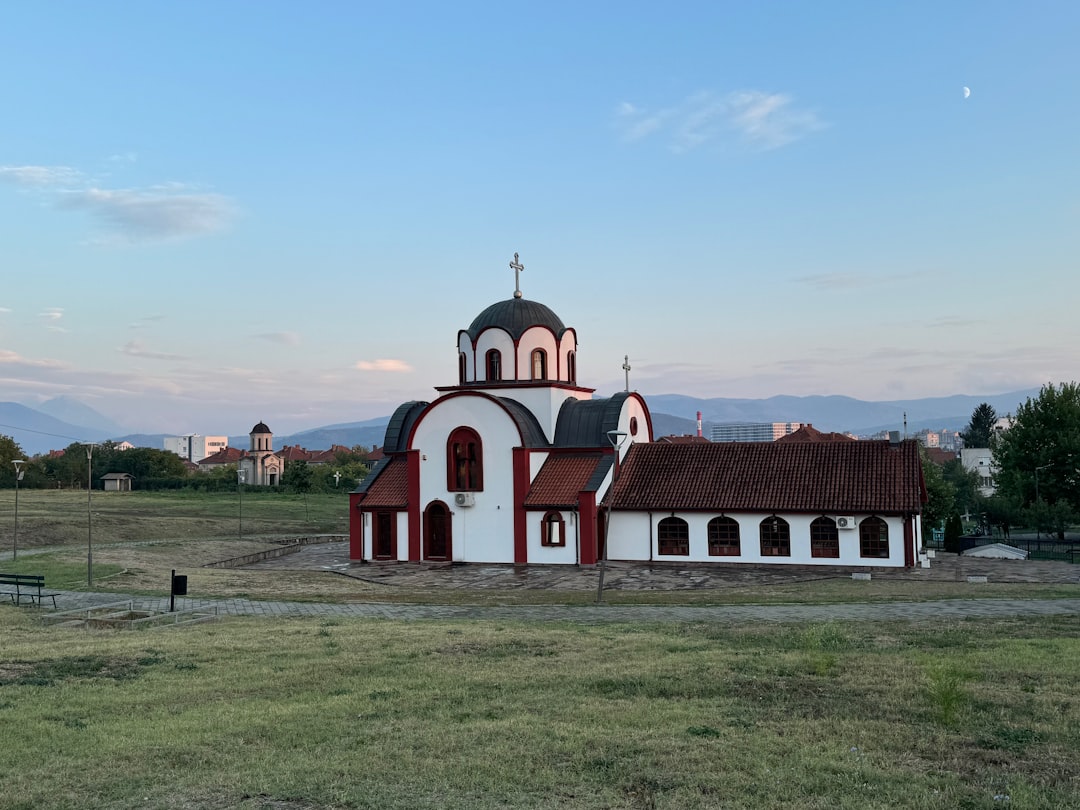
The rain in western Serbia doesn't fall; it attacks. I stood under the awning of the guesthouse in Kraljevo, clutching a lukewarm coffee and staring at the grey road that cuts through the Stara Planina foothills toward the Studenica Monastery. My boots were already soaked, and the local driver, a man named Stefan who chewed tobacco with the rhythmic intensity of a metronome, didn't say a word. He just pointed at the sky, then at the monastery complex visible in the distance, a cluster of stone and gold emerging from the mist like a mirage. This isn't a place you visit for a quick Instagram snap. This is a place where the air feels heavy with centuries of prayer, politics, and the sheer weight of survival. The Studenica Monastery isn't just a tourist stop; it's a fortress of faith built into the rock, its walls scarred by wars, its mosaics glowing with a defiance that feels almost alive.
I wasn't here for the scenery. I was here for the blue. The deep, impossible blue of the dome in the Church of the Virgin, a color that has survived Ottoman cannons, medieval plagues, and modern indifference. As we pulled into the courtyard, the silence hit me first. It wasn't empty silence; it was the thick, resonant quiet of a place that has heard every prayer whispered in Serbian for eight hundred years. The monks moved with a slow, deliberate grace, their robes brushing against stone worn smooth by generations of bare feet. I felt like an intruder, a modern tourist with a camera and a deadline, stepping into a timeline that doesn't care about my schedule.
History & Identity
Studenica is the mother of all Serbian monasteries. Founded in 1190 by King Stefan Nemanjić, the first ruler of the Nemanjić dynasty, it was designed to be more than a church. It was a statement. A declaration that Serbia was a kingdom, a civilization, and a spiritual power. The monastery sits in a secluded valley, protected by steep hills, which made it both a sanctuary and a strategic target. Over the centuries, it has been looted, burned, and rebuilt, but its core identity remains unchanged. It is the heart of the Nemanjić legacy, a place where kings were buried and where the Serbian Orthodox Church found its spiritual anchor.
The history of Studenica is written in stone and mosaic. The original church was built in the Raška architectural style, a unique blend of Romanesque and Byzantine influences that gave the structure its distinctive character. But it was the decoration inside that truly set it apart. The mosaics, added in the 13th century, are considered some of the finest examples of medieval art in the Balkans. They were created by Byzantine masters, who brought with them the techniques and aesthetics of Constantinople, but infused them with a distinctly Serbian sensibility. The result is a visual language that speaks of divine power, royal authority, and spiritual transcendence.
The monastery's survival is a testament to the resilience of the Serbian people. During the Ottoman occupation, it was used as a military barracks, and many of its treasures were lost or destroyed. But the mosaics survived, hidden behind plaster and protected by the monks who refused to abandon their sacred space. In the 20th century, Studenica faced new threats, including neglect and political instability, but it has emerged stronger, recognized by UNESCO as a World Heritage Site and visited by thousands of pilgrims and tourists every year. Today, it stands as a symbol of Serbian identity, a place where the past is not just remembered but lived.
Where to Go
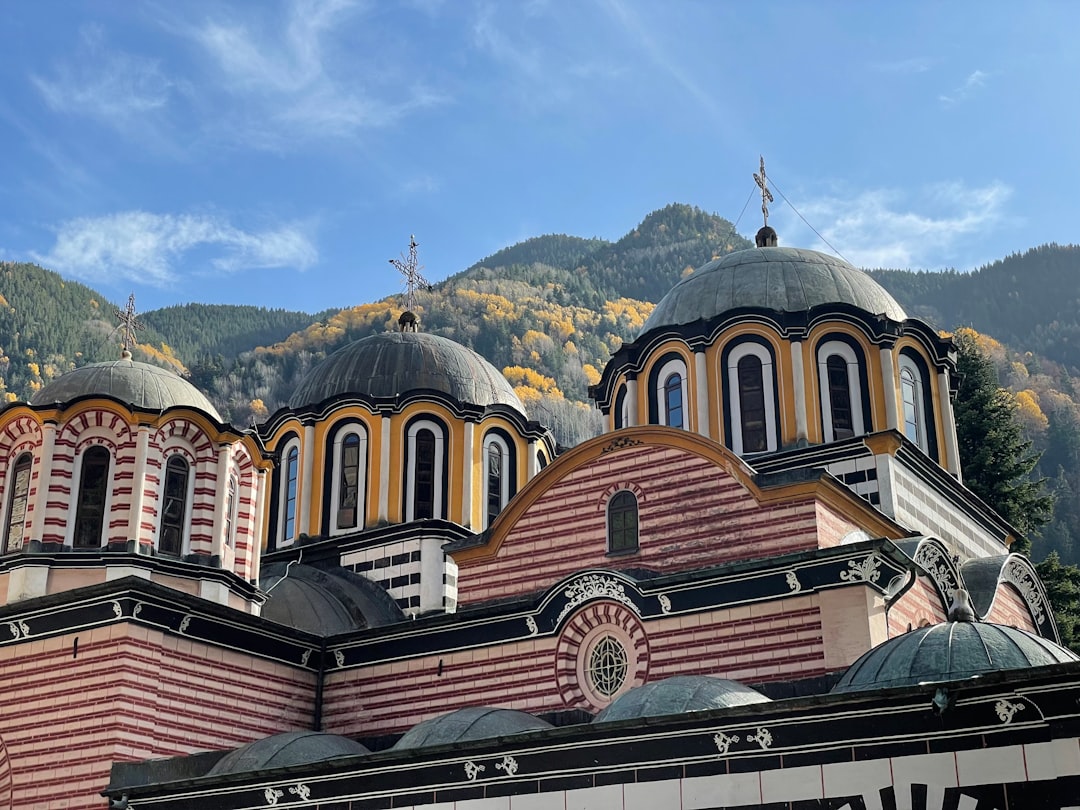
Church of the Virgin — This is the main church of the monastery, and the reason most people come to Studenica. Built in the 13th century, it houses the famous mosaics that cover the dome, apse, and walls. The blue dome is the most striking feature, but the mosaics of Christ Pantocrator, the Virgin Mary, and various saints are equally breathtaking. Entry is free, but donations are appreciated. Visit early in the morning to avoid crowds and see the mosaics in the best light.
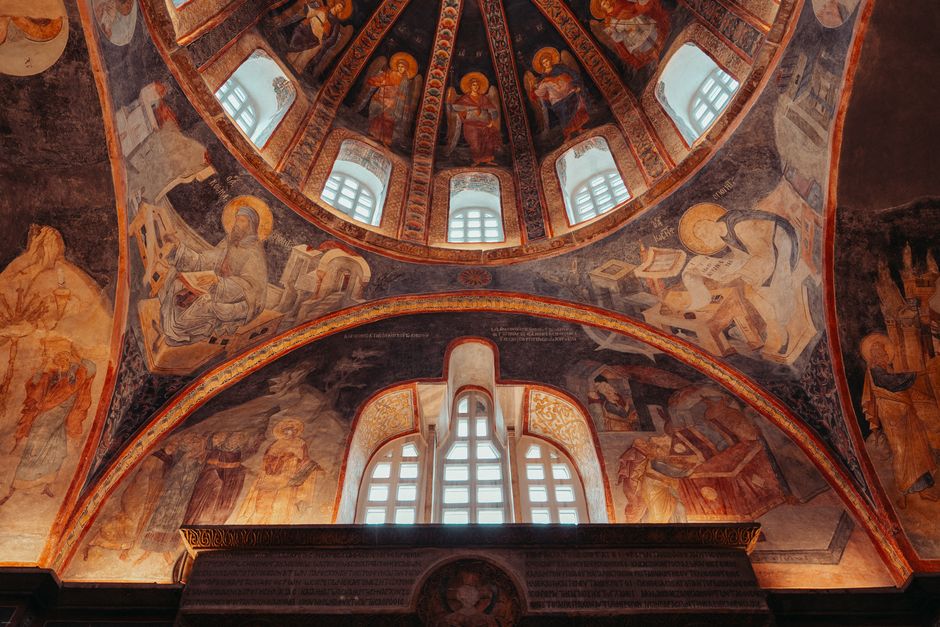
Church of the Dormition of the Theotokos — This older church, built in the 12th century, is smaller and less ornate than the Church of the Virgin, but it has its own charm. It houses frescoes that date back to the 13th century, and the atmosphere is more intimate and contemplative. It's a good place to sit and reflect after the visual overload of the main church.
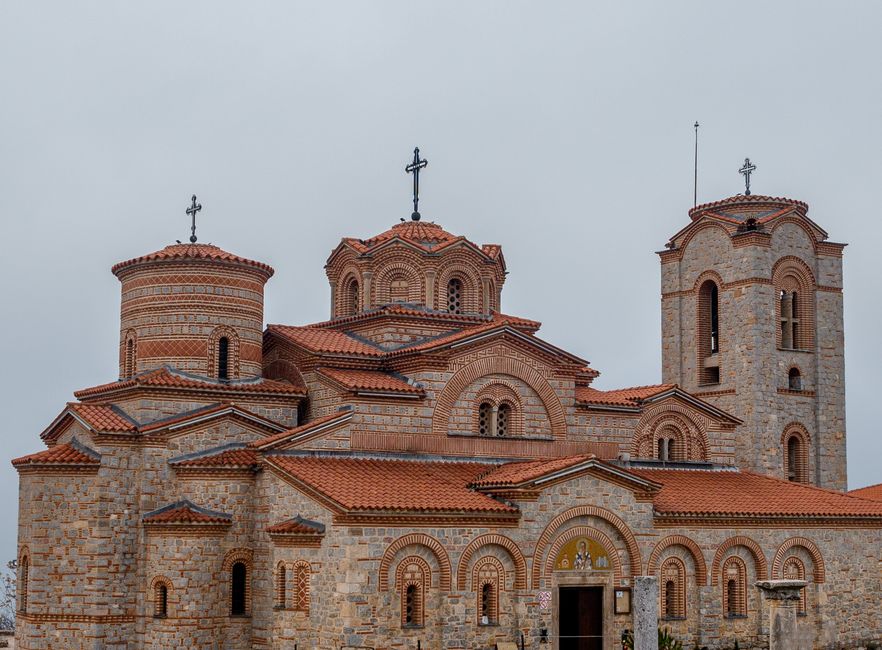
The Bell Tower — Built in the 18th century, the bell tower is a later addition to the monastery complex, but it has become an iconic symbol of Studenica. It houses several large bells, and the sound carries across the valley. Climbing to the top offers a panoramic view of the monastery and the surrounding hills, but it's not recommended for those with a fear of heights.
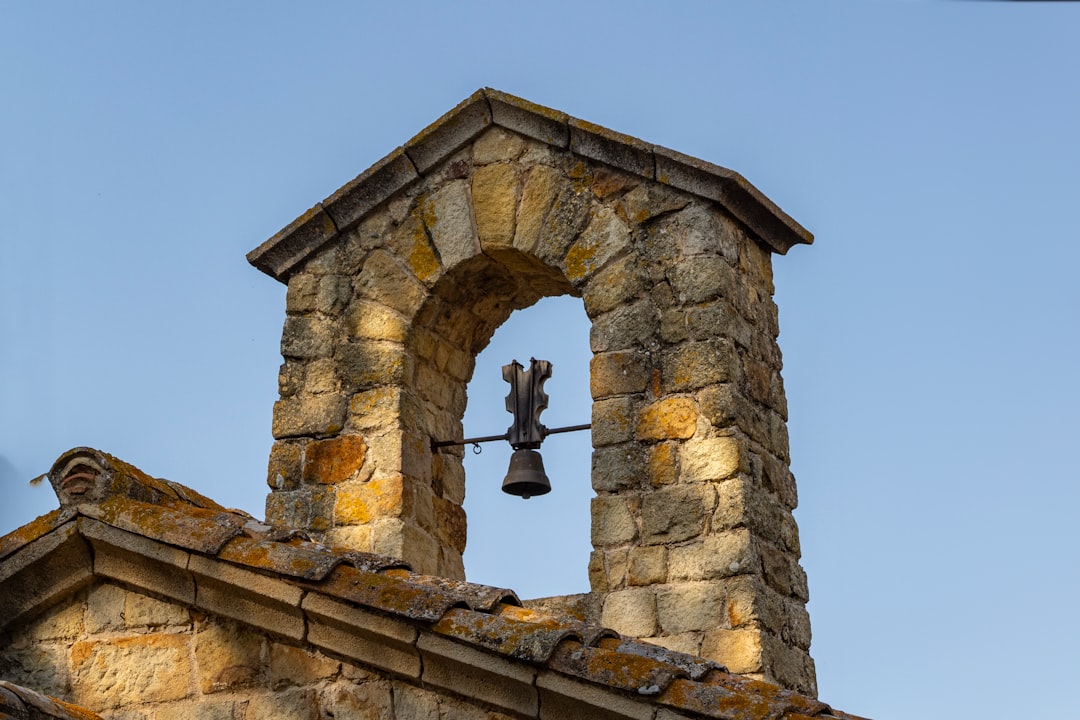
The Museum — Located in the monastery courtyard, the museum houses a collection of religious artifacts, including icons, manuscripts, and liturgical objects. It's a small but valuable collection that provides context for the art and history of the monastery. Entry fee is 5 EUR.
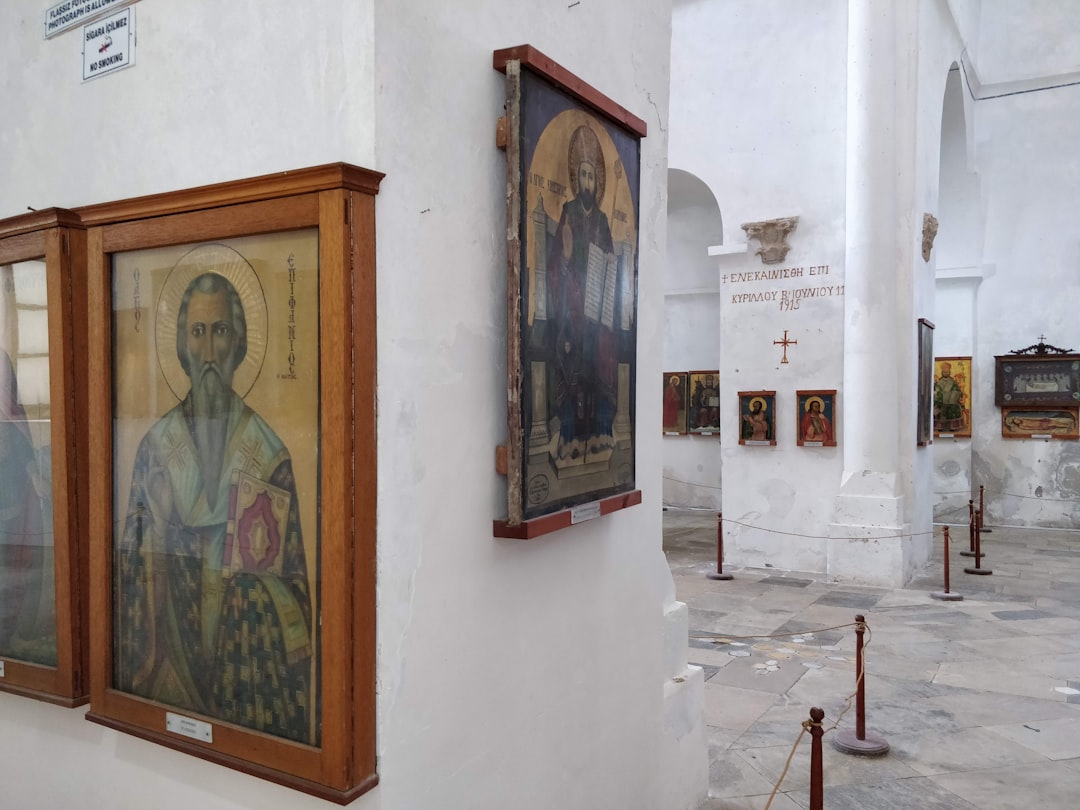
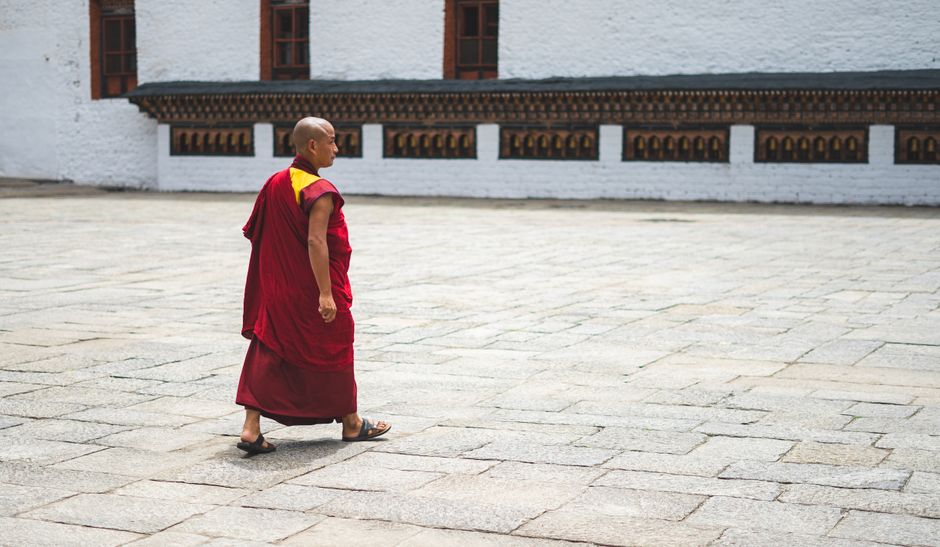
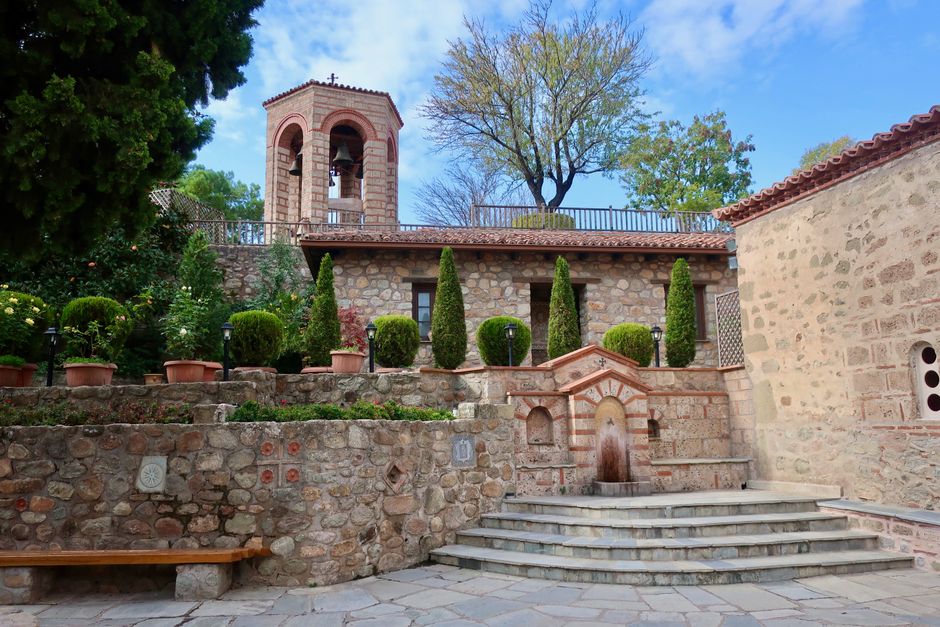
The Monastery Yard — The courtyard of the monastery is a peaceful space, shaded by old trees and dotted with benches. It's a good place to sit and have a coffee, or to watch the monks go about their daily routines. The atmosphere is calm and contemplative, a stark contrast to the hustle and bustle of the outside world.
What to Eat & Drink
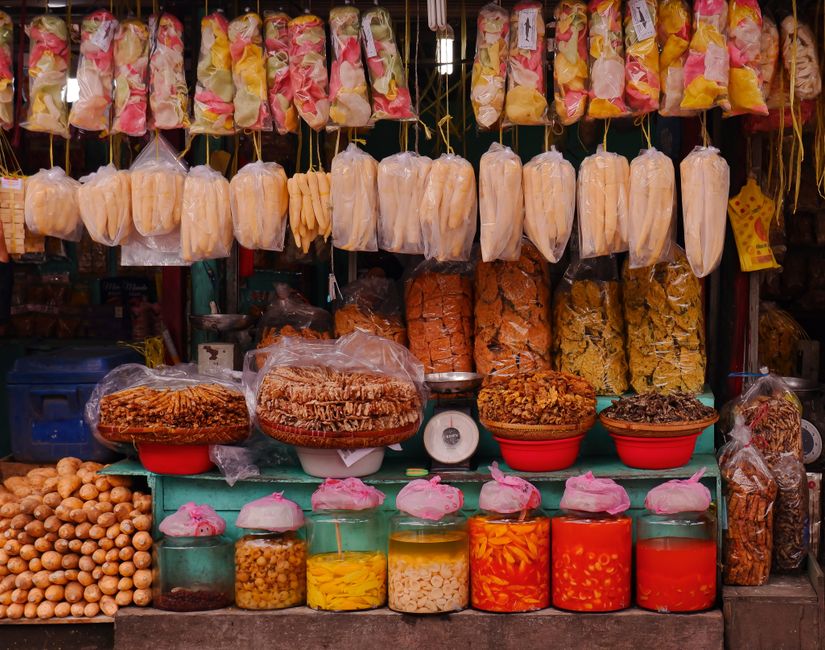
Food in Studenica is simple, hearty, and deeply rooted in tradition. The monastery restaurant serves traditional Serbian dishes, many of which are prepared according to old recipes. The menu changes with the seasons, but some staples are always available.
- Ćevapi — Grilled minced meat rolls, served with onions and flatbread. 4-6 EUR
- Šopska Salata — A fresh salad made with tomatoes, cucumbers, onions, and peppers, topped with grated white cheese. 3-4 EUR
- Pita — Flaky pastry filled with cheese, meat, or spinach. 2-3 EUR
- Rakija — A strong fruit brandy, often made from plums or apricots. 2-3 EUR
- Monastery Beer — A local craft beer brewed by the monks. 2-4 EUR
For budget travelers, there are several small shops and kiosks in the village of Studenica that sell take-away food and snacks. Prices are generally lower than in the monastery restaurant, but the quality may vary. If you're looking for a sit-down meal, the monastery restaurant is the best option, with prices ranging from 8-15 EUR per person for a main course.
Nightlife
Let's be clear: Studenica is not a nightlife destination. This is a monastery, a place of prayer and reflection, not a party scene. The village of Studenica is small and quiet, with very few bars or clubs. If you're looking for nightlife, you'll need to head to Kraljevo or Čačak, both of which are within an hour's drive.
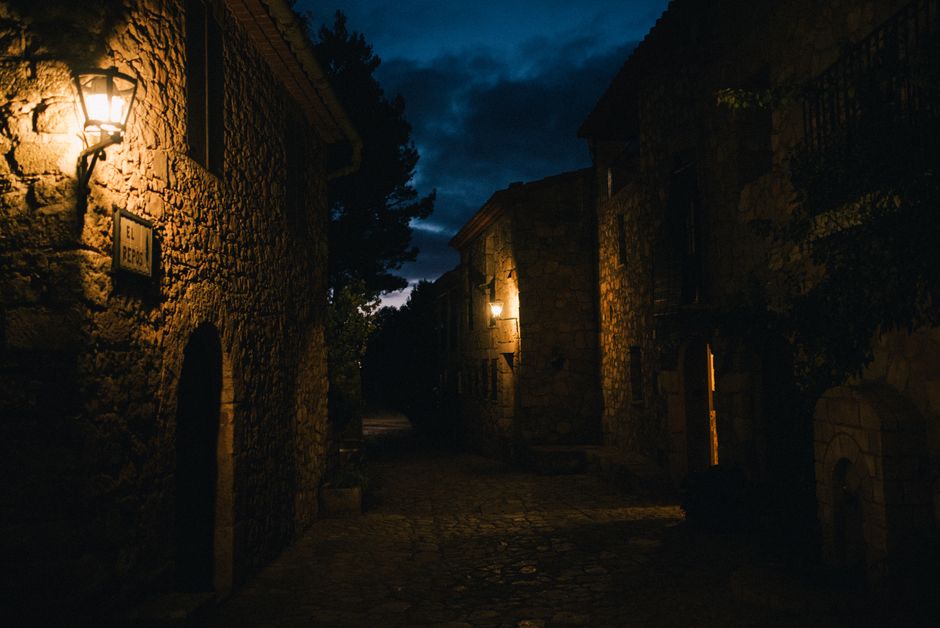
However, that doesn't mean there's nothing to do in the evening. The monastery courtyard is a beautiful place to sit and watch the sunset, and the stars are incredibly visible due to the lack of light pollution. Many visitors choose to spend their evenings in the guesthouse, reading or reflecting on the day's experiences. It's a chance to slow down and reconnect with yourself, something that's increasingly rare in our fast-paced world.
Getting There & What to Expect
The nearest major city to Studenica is Kraljevo, which is about 30 km away. From Belgrade, it's a 2-hour drive, or a 3-hour bus ride. Buses depart regularly from Belgrade's main bus station, and the journey is scenic, passing through the picturesque hills of western Serbia. The last leg of the journey, from Kraljevo to Studenica, is a short 30-minute drive or a 1-hour walk if you're feeling adventurous.
Accommodation options in Studenica are limited. The monastery has a guesthouse that offers basic rooms, but bookings should be made in advance, especially during peak season. Prices range from 30-50 EUR per night. There are also several private guesthouses and pensions in the village, with prices ranging from 20-40 EUR per night. If you're looking for more luxury, you'll need to head to Kraljevo, where there are several hotels and resorts.
The best time to visit Studenica is during the spring or autumn, when the weather is mild and the crowds are smaller. Summer can be hot and crowded, while winter can be cold and snowy, making some parts of the monastery difficult to access. Regardless of when you visit, be sure to dress modestly, as the monastery is an active religious site. Shoulders and knees should be covered, and hats should be removed when entering the churches.
Search accommodation in Kraljevo on Booking.com →
The Weight of Blue
I left Studenica as the sun was setting, the sky turning a deep orange that mirrored the gold of the mosaics I'd seen earlier. The drive back to Kraljevo was quiet, the road winding through hills that felt ancient and immutable. I thought about the monks, their daily routines, their unwavering faith. I thought about the kings who had built this place, and the wars that had tried to destroy it. And I thought about the blue, that impossible, enduring blue that seemed to hold everything together.
Studenica isn't just a monastery. It's a testament to the human spirit, to the power of art and faith to transcend time and tragedy. It's a place where the past is not just preserved but lived, where every stone and every mosaic tells a story. And as I drove away, I knew I'd be back. Not for the Instagram snap, but for the silence, the blue, and the weight of history that presses down on you like a blessing.
Comments