


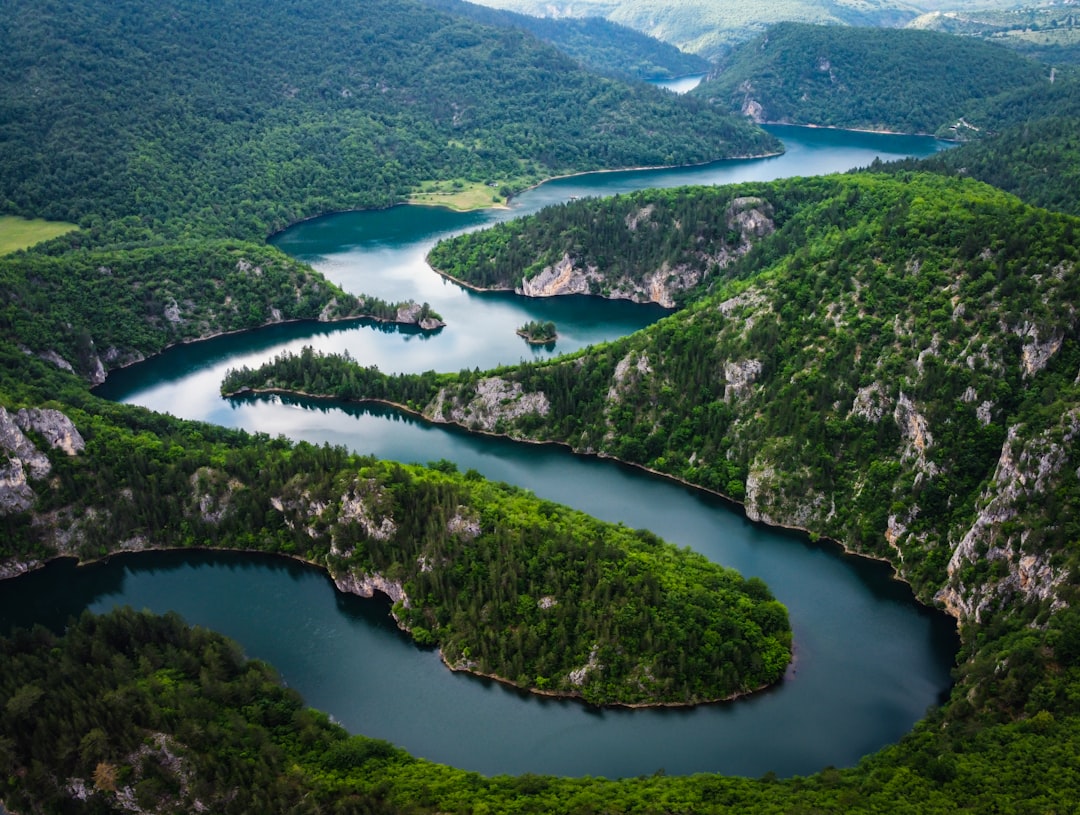
I woke up to the sound of ice cracking against stone, a sharp, metallic ping that cut through the thin mountain air. It was 4:30 AM in Žabljak, and the thermometer read minus two degrees. I was sitting on the edge of a wooden bench near Crno Jezero, the Black Lake, watching my own breath freeze into a cloud that refused to dissipate. A local hiker, a grizzled man named Dragan with a beard like steel wool, handed me a thermos of rakija without asking. "For the cold," he grunted. I took a sip. It burned a hole straight through my chest, waking up nerves I didn't know I had. This isn't a vacation; it's a confrontation. The Durmitor massif doesn't care if you're tired. It doesn't care if your knees hurt. It only cares if you show up.
The Black Lake Loop is not a gentle stroll. It's a 15-kilometer circuit that demands respect, weaving through pine forests, crossing glacial tarns, and climbing steep switchbacks that leave you gasping at 2,000 meters above sea level. But if you survive the climb, the reward is a landscape that looks like it was carved by gods who had too much time and too much anger. Here, in the heart of Durmitor National Park, the water is so still it looks like glass, reflecting the jagged peaks of the Seven Sisters so perfectly you can't tell where the sky ends and the earth begins.
Glacial Origins and the Black Lake
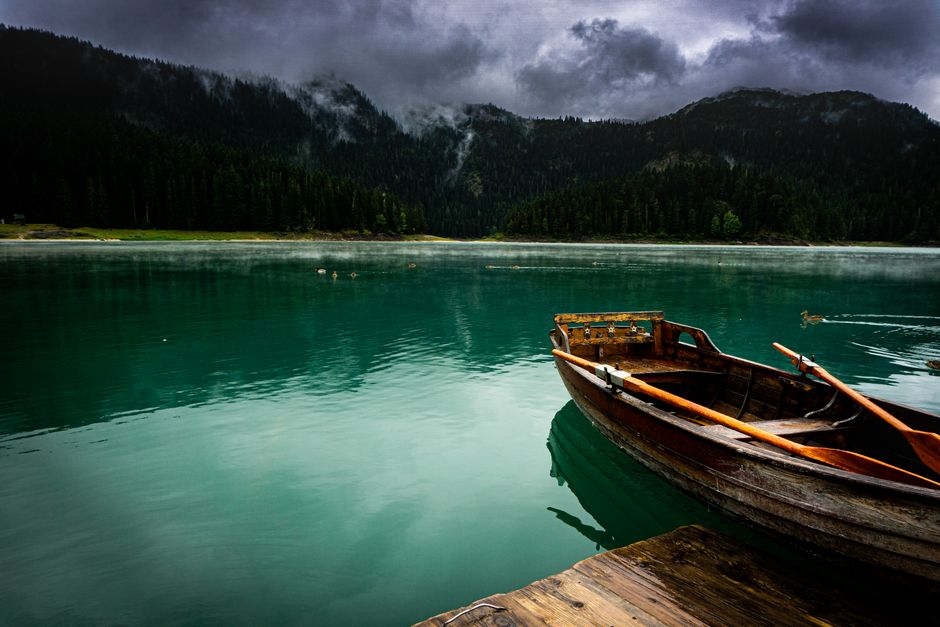
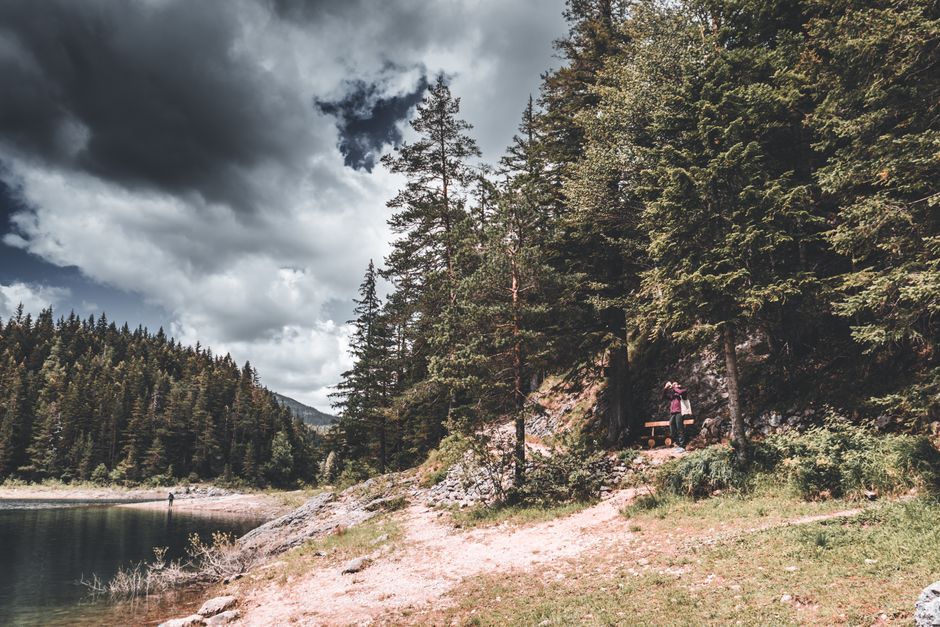
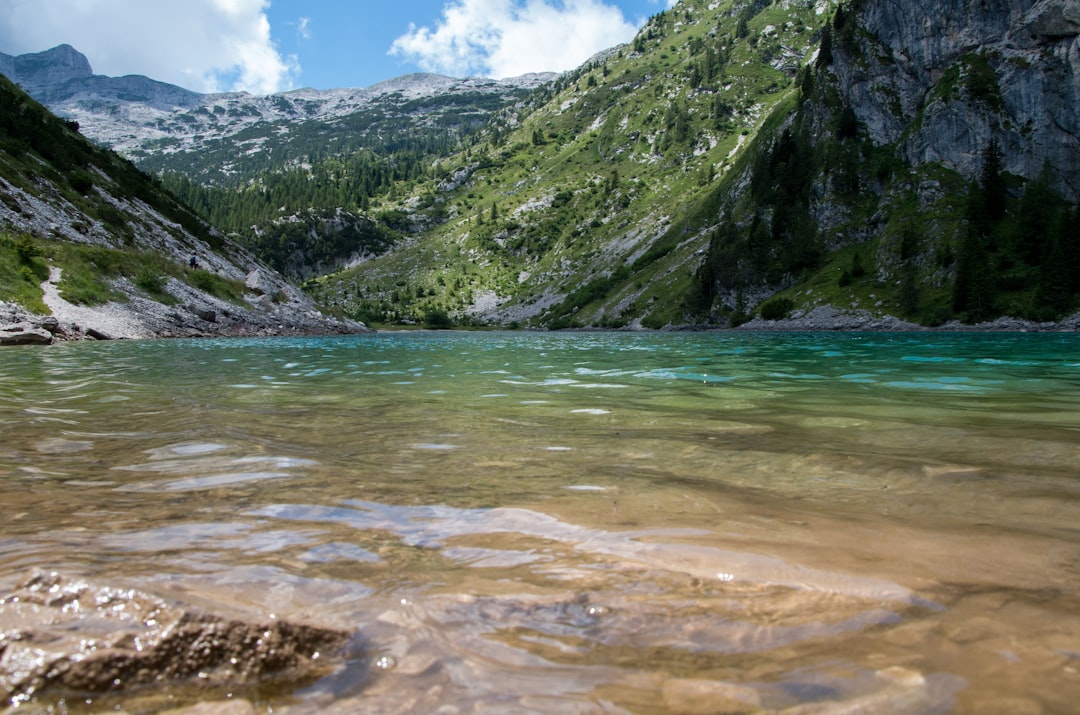
The heart of this loop is Crno Jezero, or Black Lake. It's not actually black; it's a deep, impossible blue, colored by the mineral content and the sheer depth of the glacial basin it sits in. Formed during the last Ice Age, this lake is the largest in the Durmitor range, sitting at 1,416 meters. The name comes from the dark pine forests that surround it, which cast long, heavy shadows across the water's surface. Walking around the lake is the easiest part of the loop, a flat, gravel path that feels like a calm before the storm. Locals have been walking this path for centuries, originally to transport wood and supplies, now to escape the noise of the modern world.
The lake is surrounded by a dense coniferous forest of spruce and fir, which gives the area a mysterious, almost silent quality. In the summer, the air smells of pine resin and damp earth. In the winter, it's a frozen wonderland, though the loop becomes a serious ski-touring or snowshoeing challenge. The water is cold enough to shock you if you fall in, and it's strictly protected — swimming is prohibited to preserve the delicate ecosystem. The reflection of the Sedam Sestara (Seven Sisters) peaks on the water is so iconic it's printed on every Montenegrin license plate and postcard. But seeing it in person, with the mist rising off the water at dawn, is a different experience entirely.
The Climb to the Seven Sisters
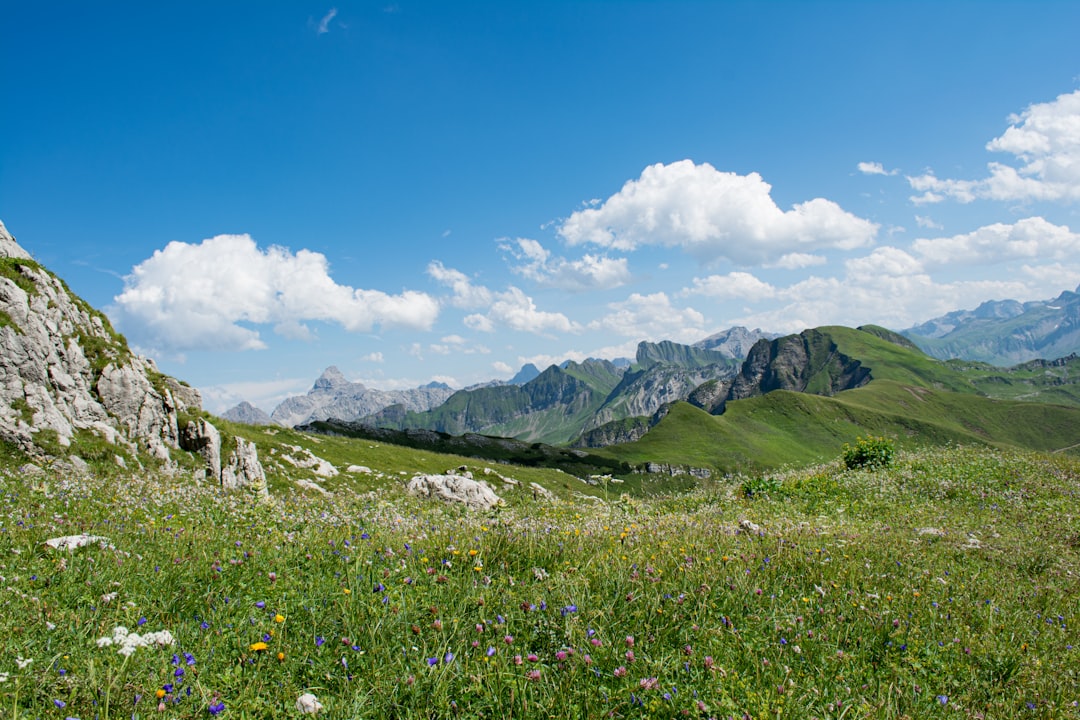
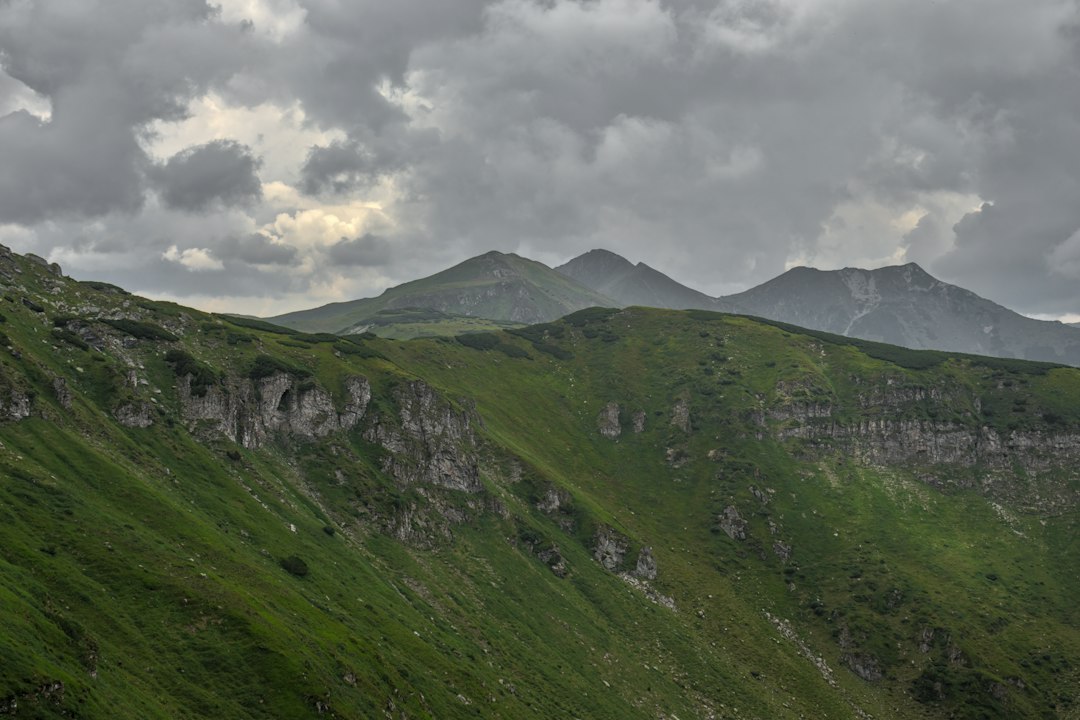
Leaving the Black Lake, the trail steepens. You're heading toward the Sedam Sestara, the Seven Sisters, a group of seven jagged peaks that dominate the northern skyline of the park. The highest, Baba Ruka, rises to 2,522 meters. The climb is relentless. The path is marked with red and white paint on trees and rocks, but you can't rely on it alone. You need to watch your footing. The trail winds through alpine meadows in summer, which are carpeted with wildflowers, and through rocky scree in the shoulder seasons. The air gets thinner, and your heart rate stays high. This is not a place for casual joggers. It's a place for those who want to feel the burn.
At the top, the view is 360 degrees of raw, unfiltered nature. You can see the Tara River Canyon to the south, the deepest canyon in Europe, winding its way through the limestone. To the north, the vast plains of the Piva valley stretch out. The wind is fierce here, whipping around the peaks, making you feel small and insignificant. It's a humbling experience. You're standing on the edge of the world, surrounded by nothing but rock and sky. The sense of isolation is profound. There are no buildings, no power lines, no signs of civilization for miles. Just you and the mountains.
The Tara River Canyon and the Return
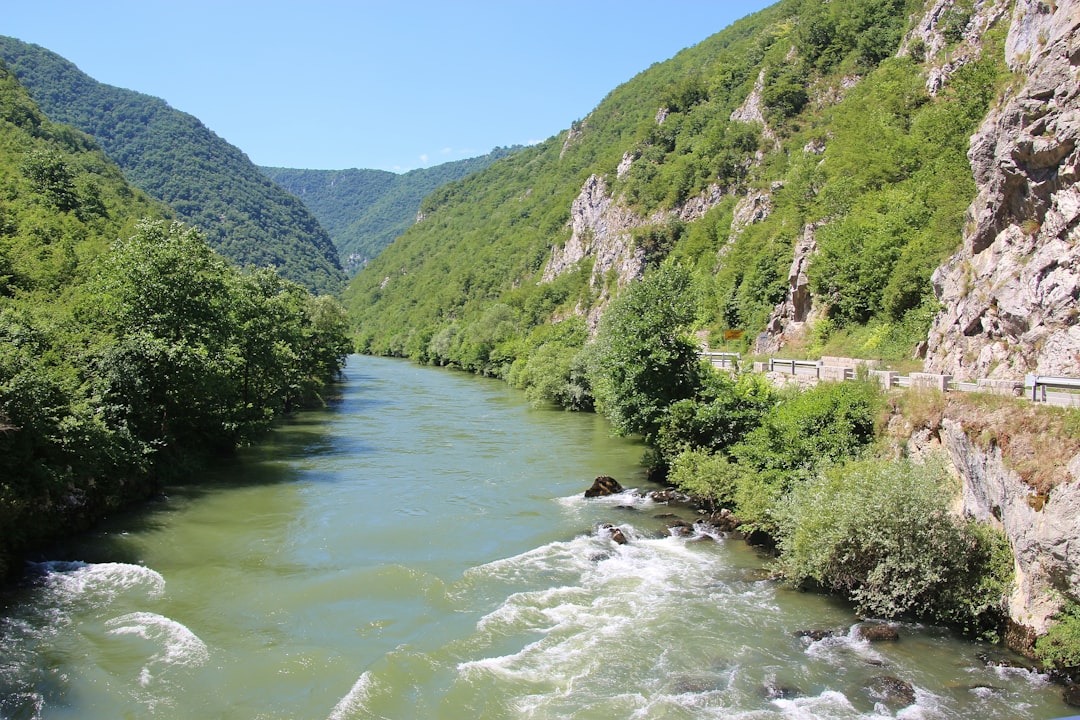
On the way back down, the trail descends toward the Tara River. This is the most dramatic part of the loop. The canyon walls drop straight down for over 1,300 meters in places, creating a sheer vertical drop that makes your stomach turn. The river below is a deep, turquoise ribbon, moving fast and furious. The trail follows the edge of the canyon for a while, offering dizzying views of the water and the opposite cliff face. You can see the Raška bridge in the distance, a massive concrete structure that spans the canyon, a testament to human engineering in a wild landscape. But up here, on the trail, it's the natural world that dominates.
The descent is easier on the legs but harder on the balance. The path is rocky and uneven, and you have to watch out for loose stones. The forest returns as you descend, providing shade and a cooler temperature. The sound of the river grows louder, a constant roar that drowns out all other noise. By the time you reach the bottom, you're exhausted but satisfied. You've completed the loop. You've seen the best of Durmitor National Park, and you've earned it. The last kilometer back to Žabljak is a flat, easy walk along the road, giving you time to reflect on the day's journey.
Routes & Trail Info
The Black Lake Loop is the most popular hike in the park, but it's not for beginners. Here's the breakdown:
Route Name: Black Lake Loop (Crno Jezero Loop)
Starting Point: Crno Jezero parking area, Žabljak
Total Distance: 15 km (round-trip)
Elevation Gain: ~800 meters
Estimated Duration: 5-7 hours
Difficulty: Intermediate to Experienced
The loop is well-marked but requires good fitness and sturdy hiking boots. The trail can be muddy and slippery, especially after rain. Start early to avoid crowds and to get the best light for photos. The highest point is near the Sedam Sestara peaks, where the wind is strong. Bring layers, even in summer. The weather changes quickly in the mountains.
Getting There & What to Expect
The nearest town is Žabljak, the highest town in Montenegro, sitting at 1,450 meters. It's the base for exploring Durmitor National Park. You can get there by bus from Podgorica, the capital, which takes about 3-4 hours and costs around 10-15 EUR. The bus runs several times a day, but check the schedule as it can be infrequent in the winter. Alternatively, you can drive, which is more flexible and allows you to stop at viewpoints along the way. The road from Podgorica to Žabljak is scenic but mountainous, with many switchbacks.
Accommodation in Žabljak ranges from budget hostels to mid-range hotels. A dorm bed in a hostel costs around 15-25 EUR per night, while a private room in a guesthouse is 40-60 EUR. Meals are affordable, with a traditional Montenegrin dish costing 8-12 EUR. The town has several restaurants and cafes, but options are limited compared to larger cities. Bring your own snacks for the hike. The trailhead parking at Crno Jezero is free, but it fills up quickly in the summer. Best months to visit are June to September for hiking, and December to March for winter sports. Children under 10 should not attempt the full loop due to the steep sections and distance.
Search accommodation in Zabljak on Booking.com →
The Last Sip of Rakija
I finished the loop as the sun was setting, painting the sky in shades of orange and purple. My legs were jelly, and my lungs burned, but I felt alive in a way I hadn't felt in years. I stumbled back to the bench by the Black Lake, where Dragan was waiting. He handed me another thermos of rakija. "You made it," he said, a rare smile cracking his weathered face. I took a sip, the burn familiar and comforting. The lake was still, reflecting the darkening sky. The mountains stood silent, indifferent to my triumph. And that was the point. The Durmitor doesn't give you trophies. It gives you memories. And in this place, that's enough.
Comments