



The global aviation landscape is undergoing a significant transformation as carriers aggressively expand their route networks to capture post-pandemic travel demand. While headlines often focus on major hubs like Seattle or New York, the ripple effects are profoundly impacting the Balkans. Airlines are introducing new nonstop connections and increasing frequency to key regional capitals, fundamentally altering how Europeans travel to and from Southeast Europe. This surge in connectivity is not merely a logistical update; it represents a major economic stimulus for tourism-dependent nations like Croatia, Greece, and Serbia, while simultaneously offering Balkan residents unprecedented access to global markets. The trend signifies a shift from recovery to expansion, with airlines betting heavily on the resilience of international travel.
The Global Context of Route Expansion
Airlines worldwide are restructuring their operations to meet a surge in leisure and business travel. Recent announcements, such as Alaska Airlines resuming nonstop flights from Paine Field to Portland, illustrate a broader industry trend: the optimization of secondary airports and the reintroduction of direct links that were suspended during the pandemic. This strategy is being mirrored across the Atlantic. In Europe, major carriers and low-cost giants are competing fiercely for market share. The focus has shifted from simply filling seats to creating efficient, high-frequency networks that connect secondary cities directly to major tourist destinations or business hubs. This structural change allows for more direct travel options, reducing the need for long layovers in traditional hubs like Frankfurt or Amsterdam.
For the Balkan region, this global expansion translates into tangible benefits. International carriers are recognizing the high yield potential of Balkan destinations. Consequently, we are seeing an influx of new routes from North America, the Middle East, and East Asia into Belgrade, Bucharest, and Athens. These connections are often facilitated by the strategic positioning of national carriers such as Air Serbia and TAROM, which have expanded their fleets and partnerships. The integration of these regional hubs into global networks means that a traveler from New York can now reach Sofia or Skopje with fewer stops than was possible five years ago. This increased accessibility is driving a new wave of international tourism and business investment into the region.

Impact on Balkan Tourism and Economy
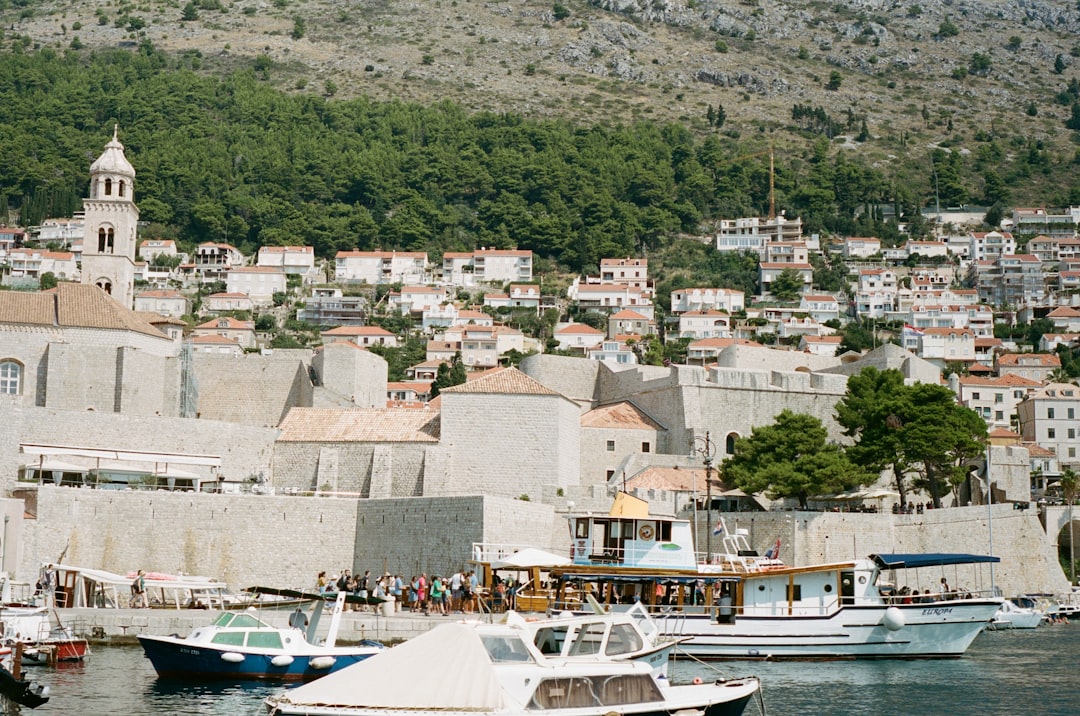
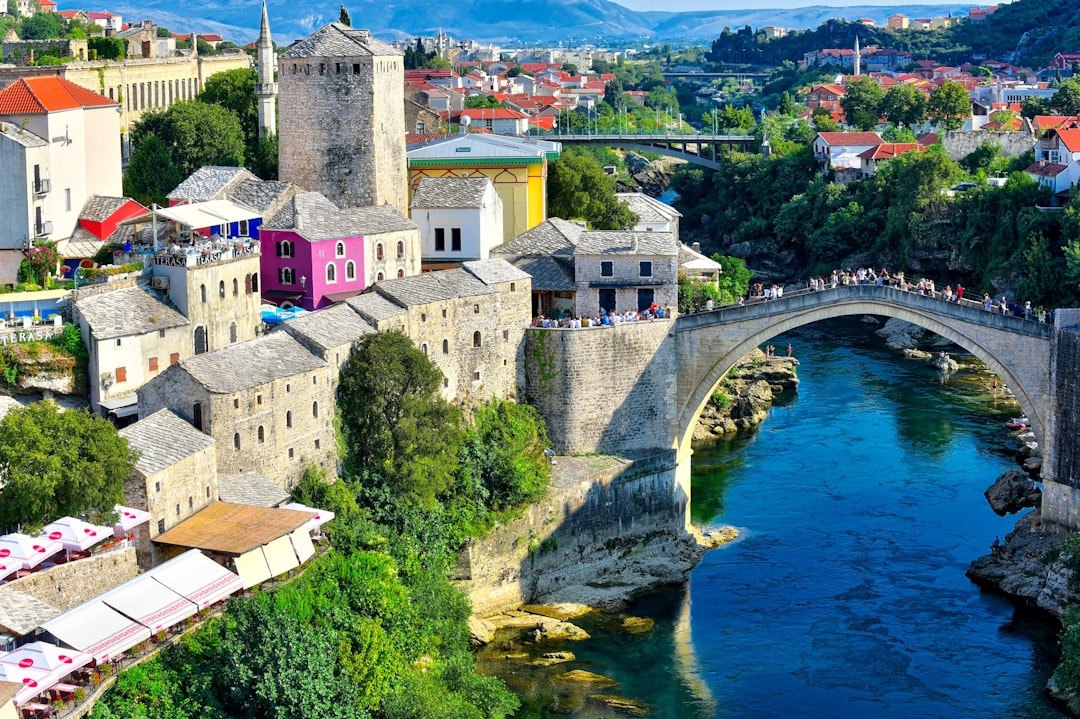
The direct correlation between flight availability and tourism revenue is stark in the Balkans. Countries like Croatia and Montenegro rely heavily on summer arrivals, but the push for year-round connectivity is changing the economic model. New winter routes to ski resorts in Bulgaria and North Macedonia, as well as cultural tours in Bosnia and Herzegovina, are diversifying the tourism calendar. The addition of direct flights from major European cities to regional airports, such as those in Split, Dubrovnik, or Podgorica, reduces travel friction for millions of potential visitors. This ease of access is particularly vital for attracting higher-spending tourists who prefer direct connections over complex itineraries involving multiple transfers.
Beyond tourism, the expansion of air links supports the growing tech and business sectors in the Balkans. Cities like Bucharest and Zagreb are emerging as regional tech hubs, attracting foreign investment and remote workers. Reliable air connectivity is essential for maintaining these business ties. The ability to fly directly from regional capitals to financial centers in London, Paris, or Dubai facilitates trade, partnerships, and talent acquisition. Furthermore, the increased competition among airlines on these routes often leads to lower fares, making travel more affordable for local residents. This democratization of travel allows Balkan citizens to participate more fully in the global economy, whether for education, medical travel, or family visits abroad.
Future Outlook: Connectivity and Competition
Looking ahead, the trend of route expansion shows no signs of slowing. Airlines are investing in fuel-efficient aircraft to operate these new routes profitably, even in off-peak seasons. We can expect to see more low-cost carriers entering the Balkan market, challenging established national airlines and driving down prices further. The competition is likely to intensify around secondary airports, with carriers seeking to alleviate congestion at major hubs while tapping into underserved markets. For instance, we may see increased service to airports in smaller Montenegrin towns or inland Serbian cities, broadening the geographic reach of international travel.
However, challenges remain. Infrastructure constraints at some regional airports, environmental regulations, and geopolitical tensions could impact the speed of this expansion. Despite these hurdles, the momentum is clear. The Balkans are becoming an increasingly integrated part of the global aviation network. For travelers, this means more choices, better prices, and easier access to the region's rich cultural and natural heritage. For the Balkan economies, it represents a critical opportunity to sustain growth and diversify beyond traditional industries. As the skies open up, the potential for regional development and international engagement reaches new heights. The next few years will be pivotal in determining how fully these new connections transform the daily lives of Balkan citizens and the global perception of the region as a premier travel destination.



Comments