


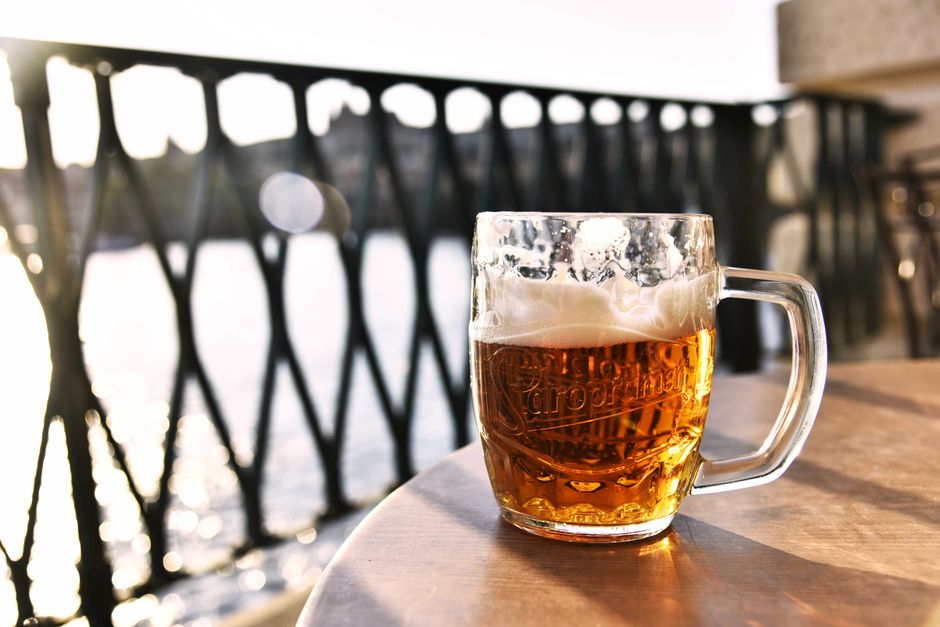
I woke up with the taste of copper and hops in my mouth, a metallic tang that clung to the back of my throat like a stubborn memory. It was 4 AM, and I was sitting on a cracked plastic stool in a dimly lit pub in Plzeň, staring at a glass of beer so clear it looked like liquid air. The bartender, a man with a face like a topographic map of the Bohemian Forest, slammed another pint down. "This is how we start the day," he grunted, not unkindly. I didn't ask questions. I just drank. By the time the sun crested over the red-tiled roofs, I was already on a train eastward, chasing the ghost of the world's first lager from its birthplace to its capital. This isn't just a trip; it's a pilgrimage through the veins of a nation that measures its worth in degrees Plato.
The landscape between Plzeň and Prague is a rolling tapestry of green fields and ancient stone, but look closer, and you see the infrastructure of obsession. Every village has a tavern, every town a brewery, and every conversation eventually circles back to the water, the malt, the yeast. I'm not here for the museums or the castles, though they are abundant. I'm here for the foam. I'm here to understand how a region turned a simple grain into a global religion. The air here doesn't just smell of rain and earth; it smells of fermentation, of history bubbling over in a glass.
History & Identity
The story begins in 1842 in Plzeň, when the local guild brewers were struggling to compete with the darker, cloudier beers from Vienna. They hired a brewmaster named Josef Groll, who had previously worked in Vienna, to create something new. The result was a pale, clear, bottom-fermented beer that changed the world forever. It was crisp, refreshing, and unlike anything Europe had seen. This was the birth of the pilsner, a style that would dominate the global beer market for the next century and a half.
But beer in the Czech Republic is more than just a beverage; it's a social lubricant, a cultural constant, and a point of fierce regional pride. As you travel east toward Prague, you move from the industrial heartland of brewing into the imperial capital, where beer became intertwined with politics, art, and revolution. The taverns of Prague were where the 1848 revolutionaries plotted, where writers drank away their sorrows, and where the Velvet Revolution found its voice. To drink beer here is to participate in a centuries-old ritual of defiance and camaraderie.
Yet, the identity of this region is also tied to the land itself. The water from the Beratka River in Plzeň is soft and mineral-rich, perfect for brewing. The barley grown in the surrounding fields is high in protein, ideal for malt. The hops from the Žatec region, just a short drive north, are among the best in the world. This terroir is not just a backdrop; it's an ingredient. You can taste it in every sip, a subtle earthiness that grounds the bright, hoppy aroma.
Where to Go
Plzeňský Prazdroj Brewery — This is the holy grail for beer pilgrims. Located in the heart of Plzeň, this massive complex is where the original pilsner was brewed. You can take a guided tour that takes you through the fermentation tanks, the bottling lines, and the historic cellars. The highlight is the tasting room, where you can sample the original Pilsner Urquell style beer straight from the source. Entry costs 15 EUR for a tour with tasting.
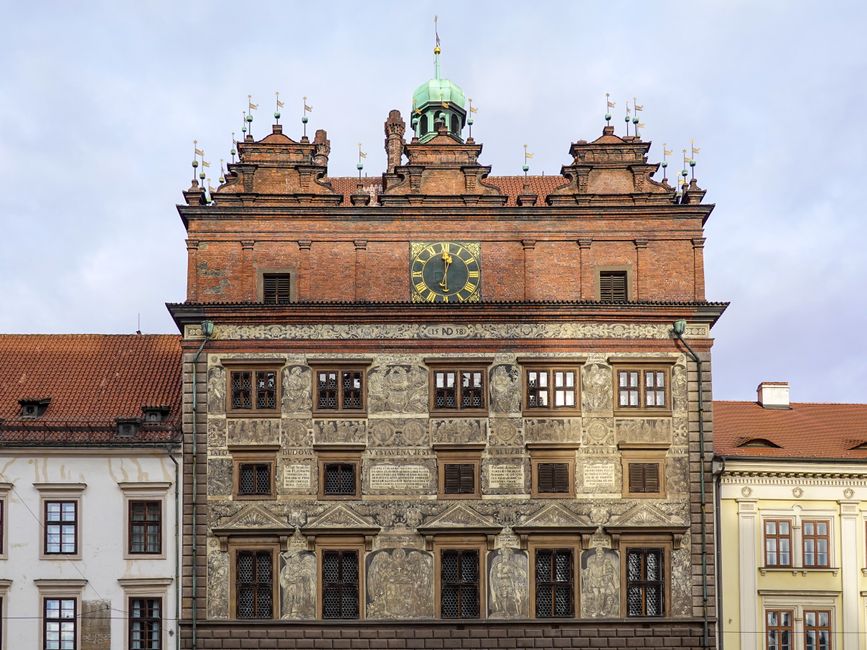
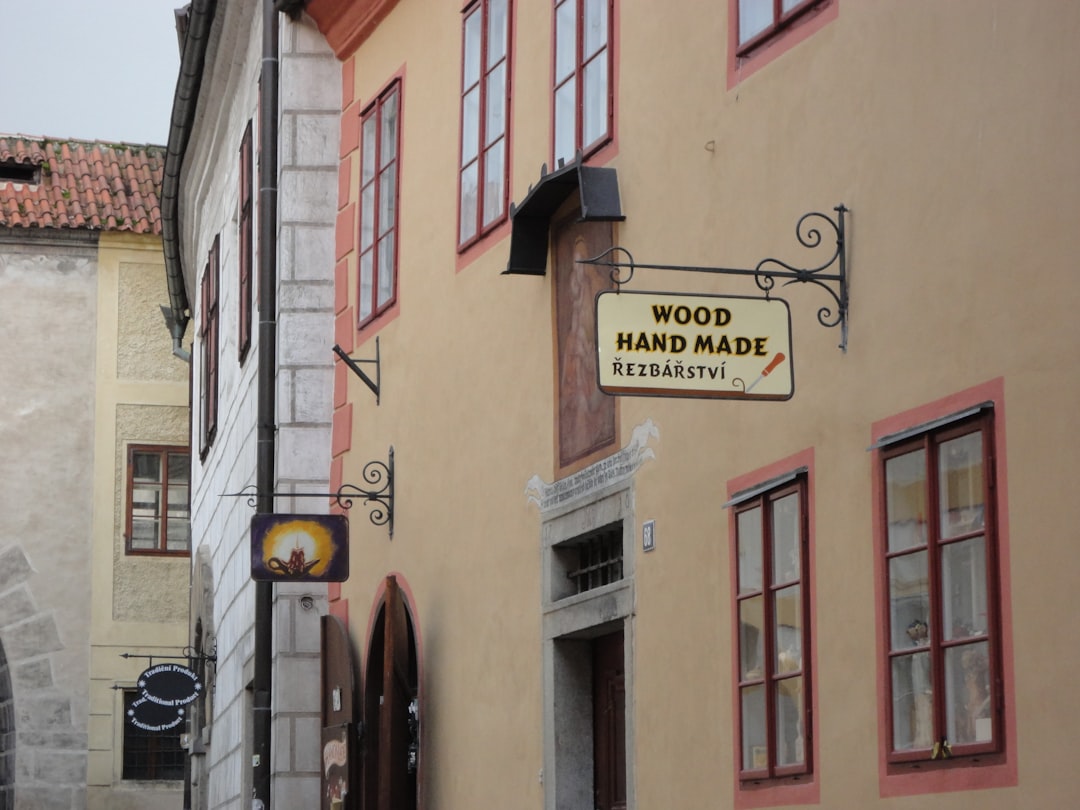
Žatec Hop Museum — Located in the town of Žatec, this museum is dedicated to the history of hop cultivation in the region. It's a small, intimate museum, but it offers a fascinating look at how hops were grown, harvested, and dried. The town itself is charming, with narrow streets and traditional half-timbered houses. It's a detour worth making if you want to understand the agricultural roots of Czech beer.
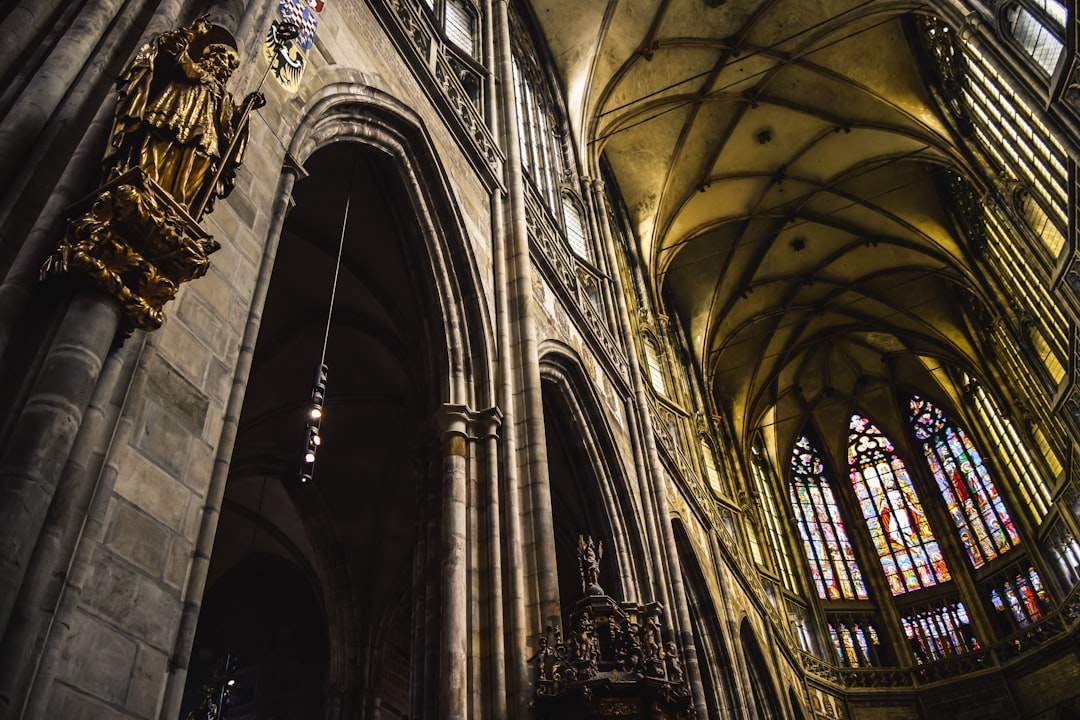
St. Vitus Cathedral — While not directly related to beer, this Gothic masterpiece in Prague is a symbol of the city's imperial past. The cathedral's towering spires dominate the skyline, and its intricate stained glass windows are breathtaking. It's a reminder that Prague is not just a city of beer halls, but also of art and architecture. Entry to the cathedral is free, but access to the towers costs .
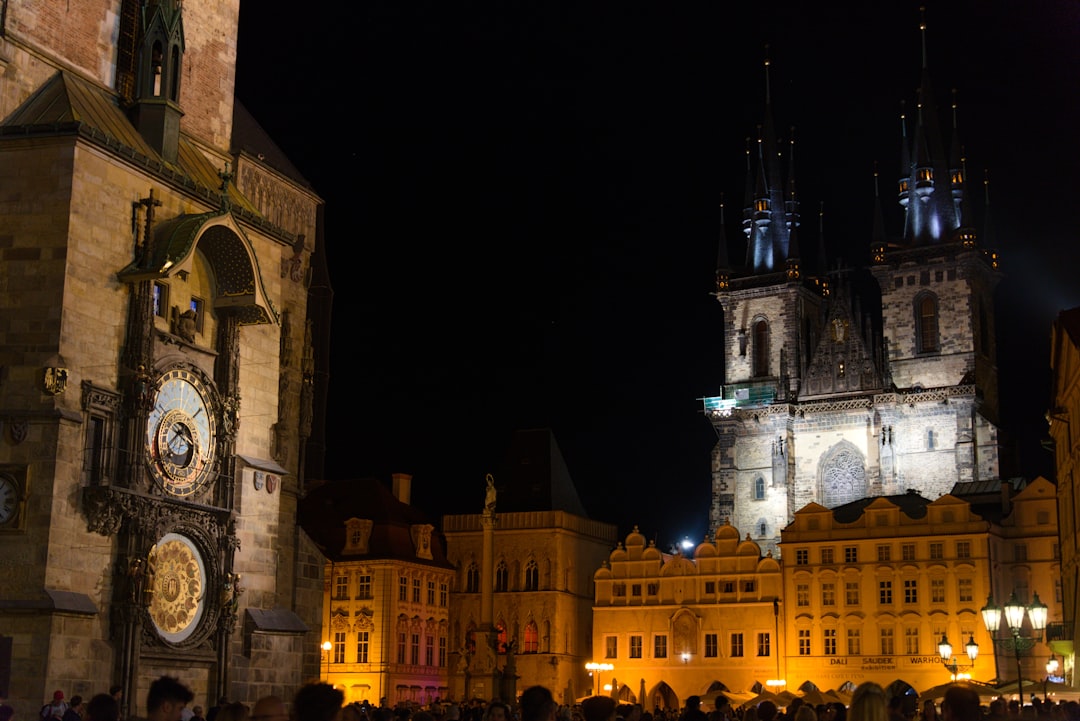
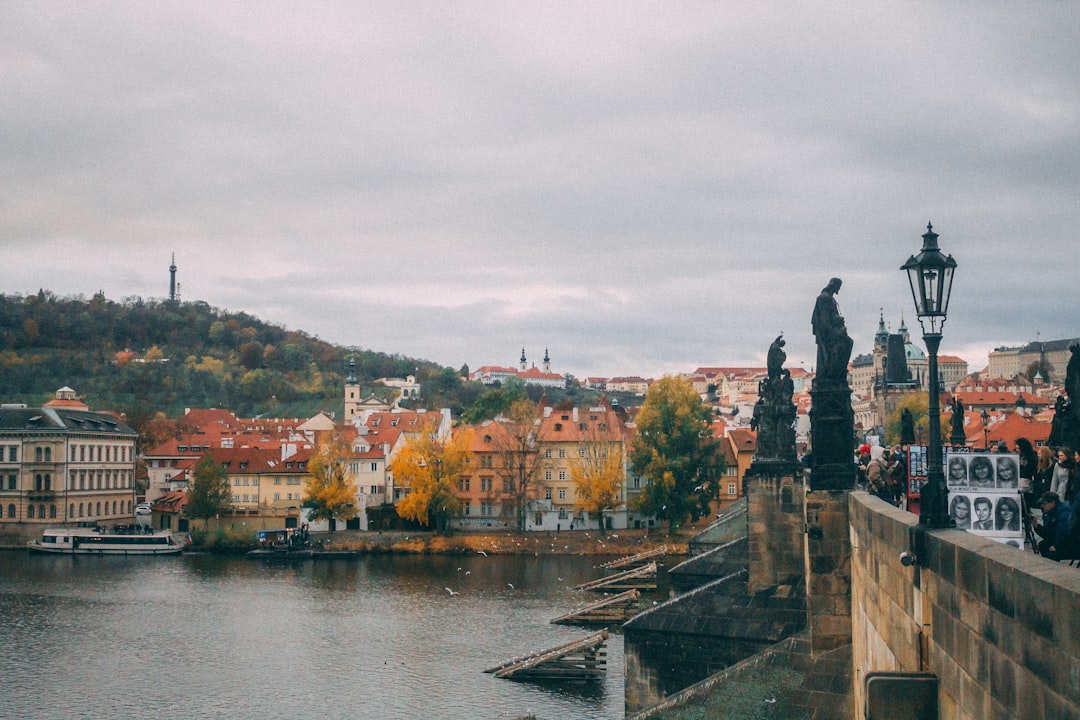
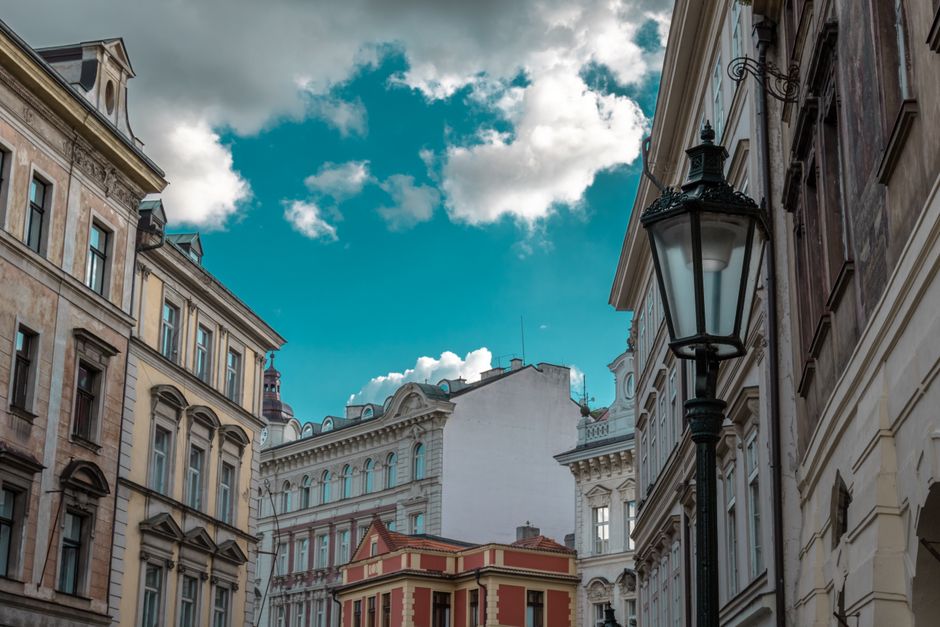
Old Town Square — The heart of Prague, this bustling square is surrounded by historic buildings, churches, and cafes. It's the perfect place to people-watch and soak in the atmosphere. The Astronomical Clock, located on the Old Town Hall, is a must-see, drawing crowds every hour on the hour. The square is also home to many beer gardens and pubs, making it a great spot to end your day with a cold pint.
Defensive Wall of the Old Town — A lesser-known gem, this ancient wall once protected the Old Town of Prague. Today, only fragments remain, but they offer a glimpse into the city's medieval past. The wall is located near the Old Town Square, and it's a quiet, peaceful spot to escape the crowds. It's a good place to reflect on the history of the city and the role that beer has played in its development.
What to Eat & Drink
You can't talk about beer without talking about food. Czech cuisine is hearty, comforting, and designed to pair perfectly with a cold pint. In Plzeň, you'll find svíčková, a beef tenderloin dish served with a creamy sauce, bread dumplings, and cranberry compote. It's rich and filling, the perfect antidote to a long day of brewing. A serving costs around 12-15 EUR in a mid-range restaurant.
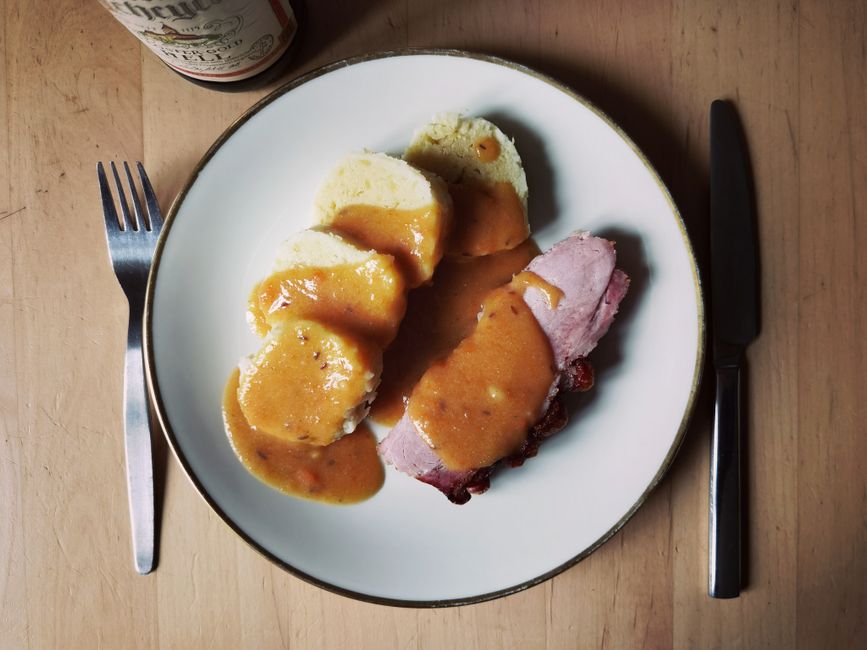
In Prague, the menu expands to include goulash, a spicy beef stew served with bread dumplings or potatoes. It's a comfort food classic, and you'll find it in nearly every pub. For something lighter, try škvarkové knedlíky, pork cracklings served with bread dumplings and sauerkraut. It's a traditional dish that's both savory and satisfying. A serving costs around 10-12 EUR.
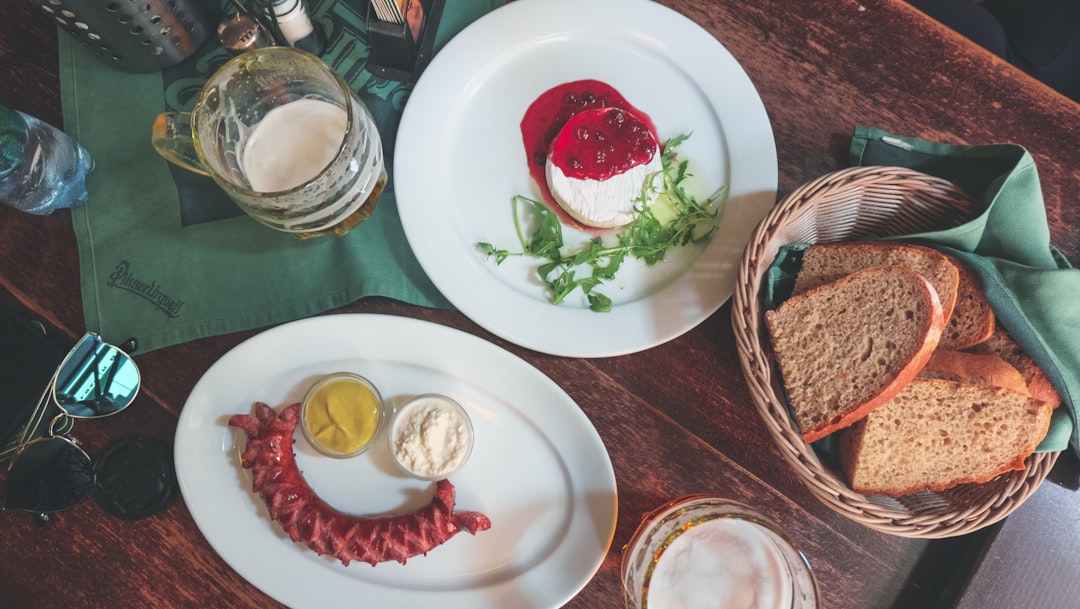
Street food is also a big part of the culinary scene. Look for klobása, a grilled sausage served with mustard and bread. It's cheap, delicious, and perfect for a quick snack while you're exploring. A single sausage costs around 2-4 EUR. For breakfast, try chlebíčky, small open-faced sandwiches topped with various spreads and garnishes. They're often sold in bakeries and cafes, and they're a great way to start your day. A set of three costs around 3-5 EUR.
Budget breakdown: Street food and take-away options are generally under 5 EUR per meal. A sit-down meal in a local restaurant will cost you around 8-15 EUR per person, while a mid-range restaurant with a full menu and drinks will run you 15-25 EUR. For the best food scene, head to Plzeň's Náměstí Republiky, where you'll find a mix of traditional pubs and modern cafes. In Prague, the Old Town is packed with restaurants, but for a more local experience, try the Žižkov district, known for its gritty charm and great food.
Nightlife
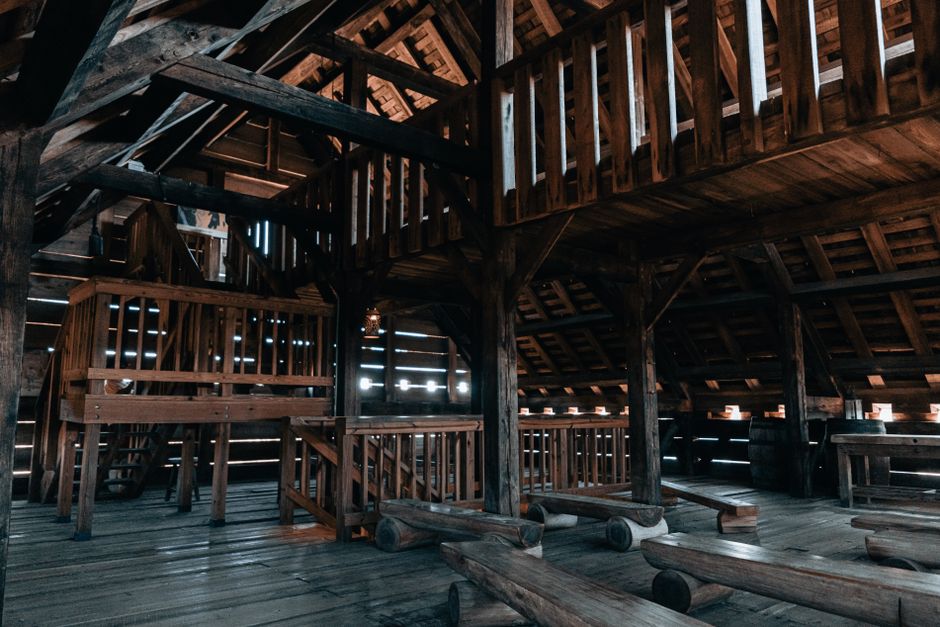
The nightlife in Plzeň is centered around the City Center, where you'll find a mix of traditional pubs and modern bars. U Medvídků is a historic pub that has been serving beer since the 15th century. It's a cozy, atmospheric spot with wooden beams and dim lighting. The beer here is always fresh, and the prices are reasonable. A pint costs around 3-4 EUR.
In Prague, the nightlife is more diverse and vibrant. The Old Town is home to many tourist-oriented pubs, but for a more authentic experience, head to the Žižkov district. U Fleků is a legendary pub that has been brewing its own beer since the 15th century. It's a large, bustling venue with a lively atmosphere. The beer is dark and malty, and the food is excellent. A pint costs around 4-5 EUR.
For a more modern vibe, try Lucerna Passage, a historic building that has been converted into a club and event space. It's located in the Old Town, and it hosts a variety of live music and DJ sets. The cover charge is around 10-15 EUR, and drinks are slightly more expensive than in the pubs. It's a good place to dance the night away and meet new people.
Getting There & What to Expect
The nearest airport is Václav Havel Airport Prague, which is well-connected to major European cities. From the airport, you can take a train or bus to Prague city center, which takes around 40 minutes and costs . From Prague, you can take a train to Plzeň, which takes around 1 hour and 15 minutes and costs .
Alternatively, you can drive from Prague to Plzeň, which takes around 1 hour and 30 minutes. The highway is well-maintained, and there are plenty of rest stops along the way. If you prefer to explore at your own pace, you can also rent a bike and cycle between the two cities. The route is relatively flat, and the scenery is beautiful. It takes around 4-5 hours to cycle from Prague to Plzeň.
Accommodation in Prague ranges from budget hostels at 20-40 EUR per night to mid-range hotels at 50-100 EUR per night. In Plzeň, prices are slightly lower, with hostels starting at 15-30 EUR per night and mid-range hotels at 40-80 EUR per night. The best time to visit is during the summer months, from June to August, when the weather is warm and sunny. However, the beer festivals are held throughout the year, so there's always something to celebrate.
Search accommodation in Prague on Booking.com →
The Last Drop
As the train pulled out of Plzeň station, I looked back at the city one last time. The sky was turning a deep shade of orange, and the lights of the brewery were beginning to glow. I felt a strange sense of loss, as if I were leaving a part of myself behind. But I also felt a sense of anticipation, knowing that Prague was waiting for me with its own brand of beer and its own brand of history.
This journey through Central Bohemia was more than just a trip; it was a lesson in humility. I realized how much I had taken for granted, how much I had assumed I knew about the world. But here, in the heart of beer country, I learned that there is always more to discover, always another story to be told. And as I sat in my compartment, watching the countryside roll by, I knew that I would be back. Because once you've tasted the true pilsner, you can never go back.
Comments