


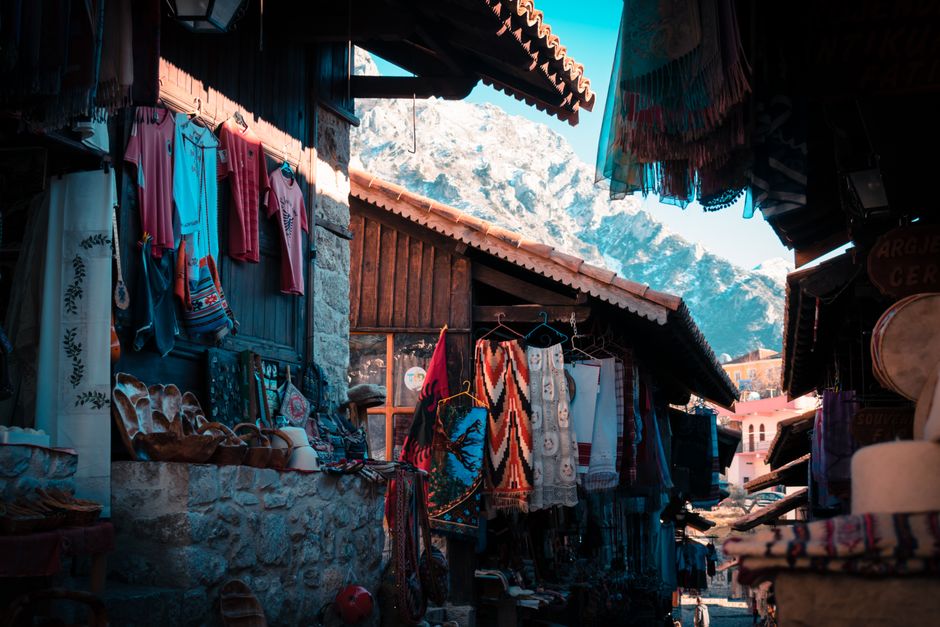
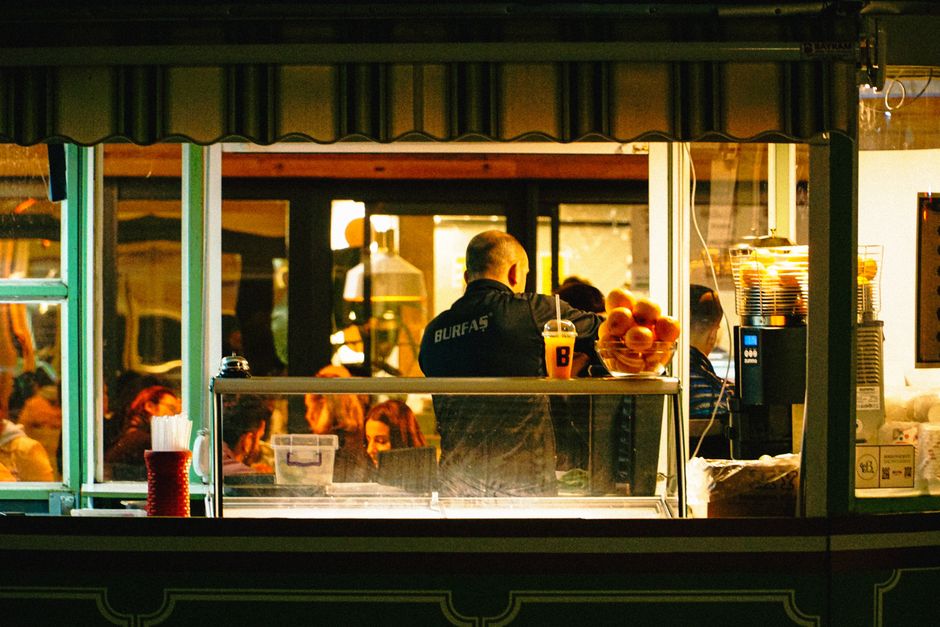
The coffee tastes like burnt earth and ambition. I am sitting on a plastic stool in the shadow of a minaret, my feet dangling over the rushing grey waters of the Vardar River, while a vendor in a stained apron argues with a tourist in broken English about the price of a rakija shot. The air is thick, not just with the humidity of a Macedonian summer, but with the weight of five centuries. Skopje is a city that refuses to let you forget who owned it. You cannot walk ten meters here without tripping over a cobblestone laid by an Ottoman sultan or staring at a mosque that has watched empires rise and fall. It is chaotic, loud, and utterly magnetic. The Old Bazaar isn't a museum; it is a living, breathing organism that has survived earthquakes, wars, and communist bulldozers. I came here looking for history, but I found a place where the past is still arguing with the present over who gets to sit at the table.
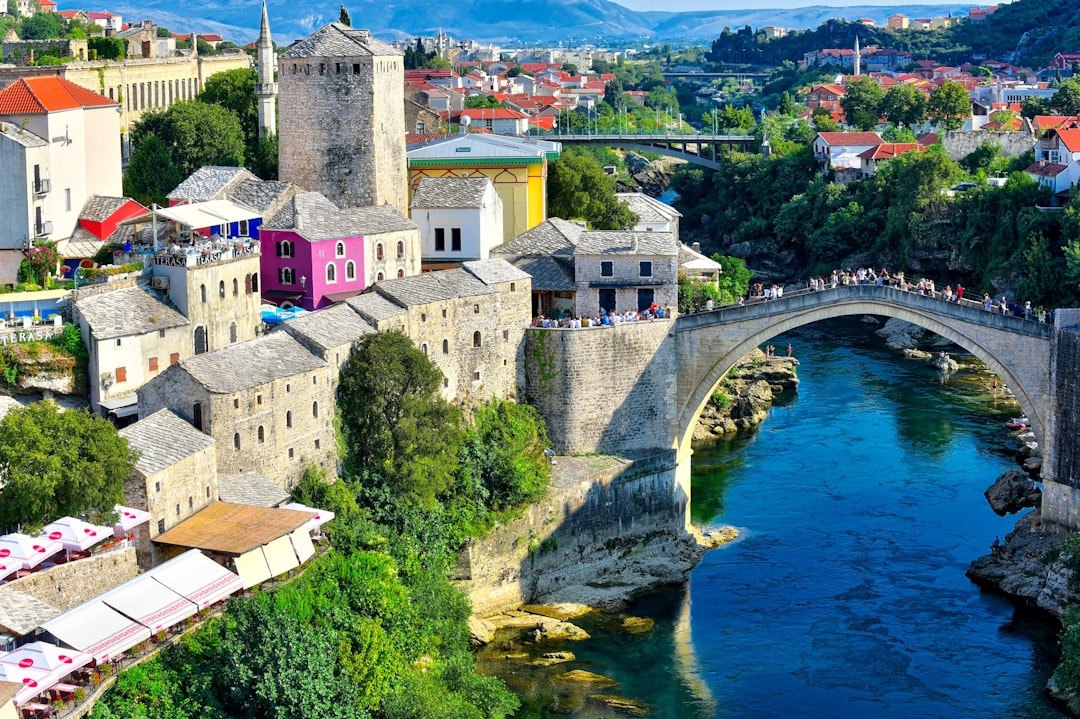
There is a specific violence to the beauty of this place. The Stone Bridge, the iconic wooden-and-stone arch that dominates the river crossing, has been rebuilt so many times it barely remembers its original form. Yet, standing there, watching the sun hit the water, you feel the pulse of the 15th century. This is not a sanitized heritage site. It is gritty, real, and demanding. The Ottoman legacy here is not just in the architecture; it is in the cadence of the language, the smell of roasting lamb, and the defiant resilience of a people who have been conquered by everyone from the Romans to the Ottomans to the Yugoslavs, and yet remain stubbornly, proudly themselves.
History & Identity
Skopje's identity is a palimpsest, written over and over again. When the Ottoman Empire captured the city in 1392, it transformed from a small Byzantine settlement into a thriving provincial capital. For nearly five hundred years, the Ottomans stamped their mark on the urban fabric. They built mosques, hamams, and caravanserais, creating a dense, labyrinthine quarter that would become the Old Bazaar. This wasn't just administrative rule; it was cultural osmosis. The Turkish language, Islamic architecture, and Ottoman legal structures became the bedrock of daily life. Even after the Ottomans left, the skeleton of the city remained.
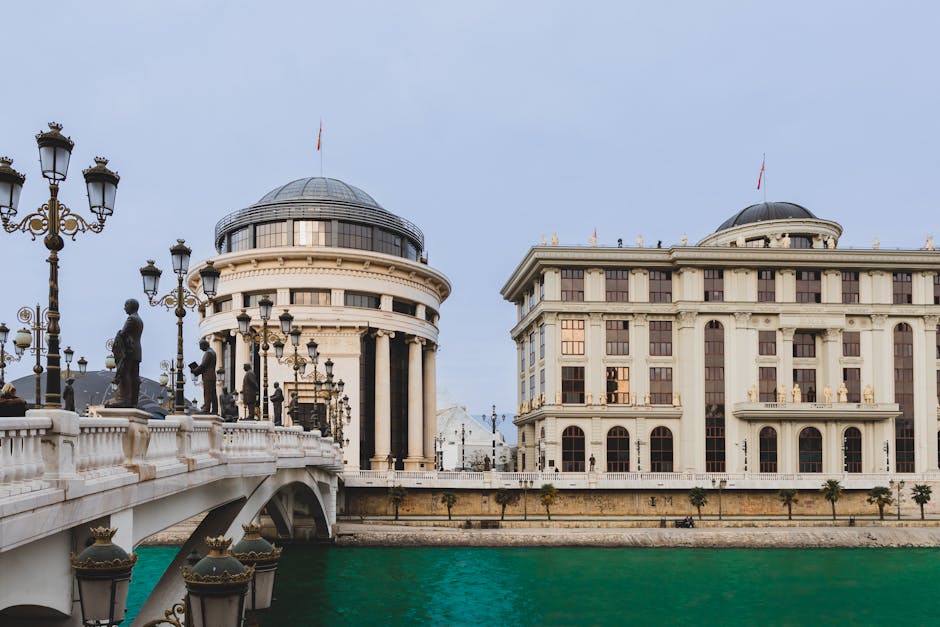
The 1963 earthquake shattered much of the city, leveling 80% of the buildings. In the aftermath, the communist government of Yugoslavia rebuilt Skopje with brutalist concrete and socialist modernism, seemingly erasing the Ottoman past. But the Old Bazaar survived. It was too entrenched, too economically vital to destroy. Today, Skopje is a visual clash of eras. You have the modern, almost kitsch, "Skopje 2014" project with its faux-neoclassical statues and monuments, standing in direct opposition to the ancient, organic chaos of the Ottoman quarter. This tension defines the city. It is a place where a 15th-century mosque might stand directly next to a 1960s concrete block, creating a surreal, time-bending landscape that is confusing and fascinating in equal measure.
The Ottoman legacy is not just architectural; it is culinary and social. The concept of the "bazaar" as a center of social and economic life is deeply rooted here. The Kuršumli Han, a 17th-century caravanserai, still stands as a testament to the trade routes that once brought spices, silks, and ideas from the East. Today, it houses cafes and restaurants, but the function remains the same: a place to gather, to eat, and to deal business. The Ottoman influence is the ghost in the machine of Skopje, whispering through the alleyways and echoing in the call to prayer that still rings out at dawn.
Where to Go
Stone Bridge — This is the icon of Skopje. The current structure dates largely to the 19th century, but it stands on the site of a bridge built by the Ottomans in the 15th century. It connects the modern city with the Old Bazaar. It is crowded, noisy, and absolutely essential. You come here to take the obligatory photo, but stay to watch the river flow beneath and the city life unfold. There is no entry fee, and it is best visited at sunset when the lights reflect off the Vardar River.
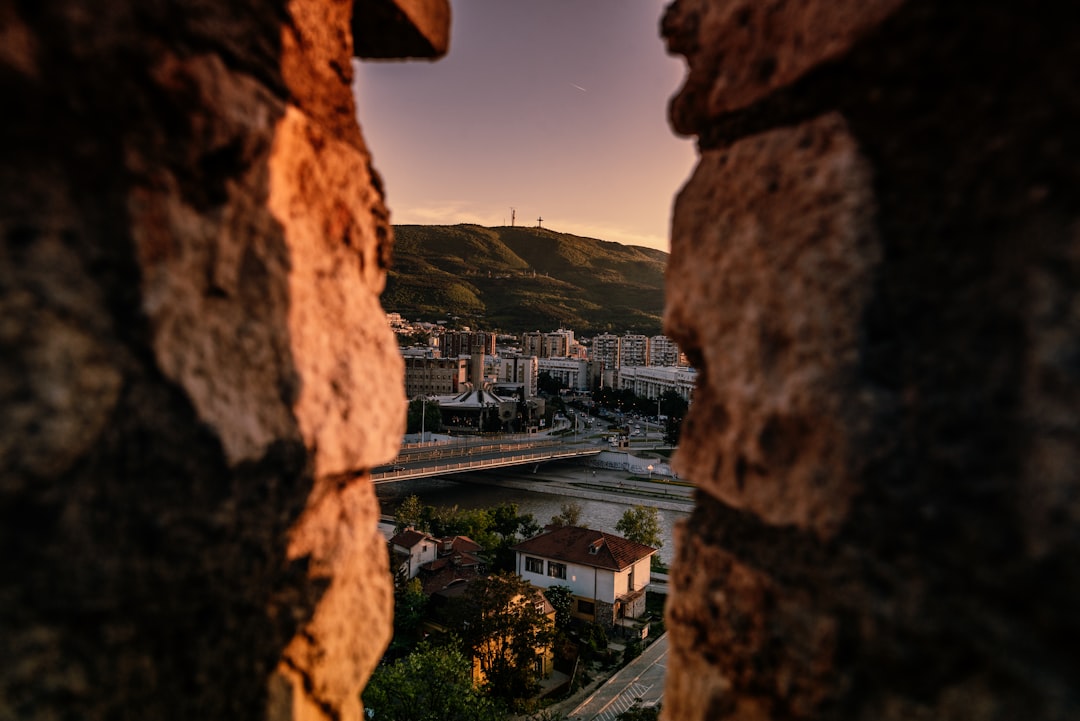
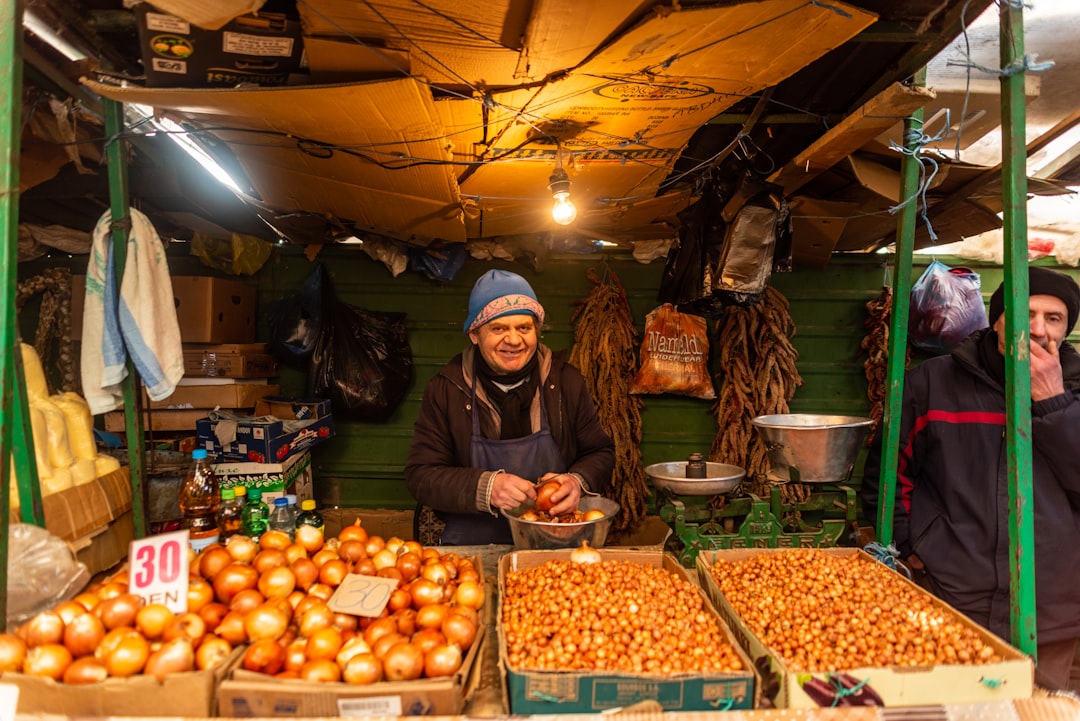
Old Bazaar — This is one of the largest and oldest bazaars in the Balkans. It covers nearly 20 hectares and is a maze of narrow streets, silver workshops, spice shops, and mosques. It is not a single attraction but a district. Wander aimlessly. Lose yourself in the alleys. Visit the Lead Mosque, the oldest surviving building in the bazaar, dating back to the late 14th century. The atmosphere is intense, with the clinking of silver, the smell of roasting meat, and the sound of haggling. It is free to walk, but you will spend money if you are not careful.
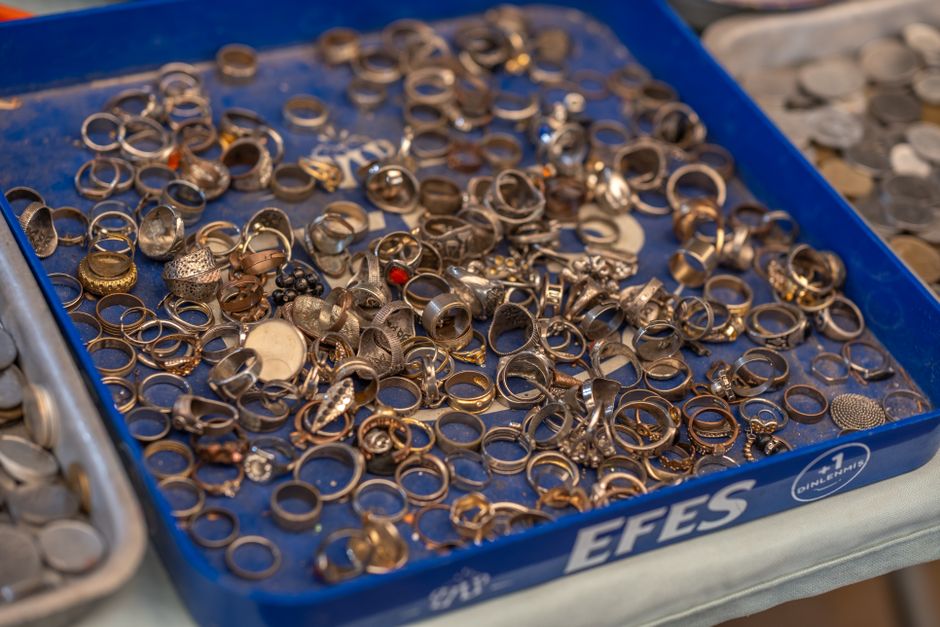
Mustafa Pasha Mosque — Located in the heart of the Old Bazaar, this mosque is a masterpiece of Ottoman architecture. Built in the 15th century, it features a large dome and a tall, elegant minaret. The interior is simple but serene, a stark contrast to the chaos outside. It is a working mosque, so visitors should dress modestly. The courtyard is often quiet, offering a rare moment of peace in the bustling bazaar.
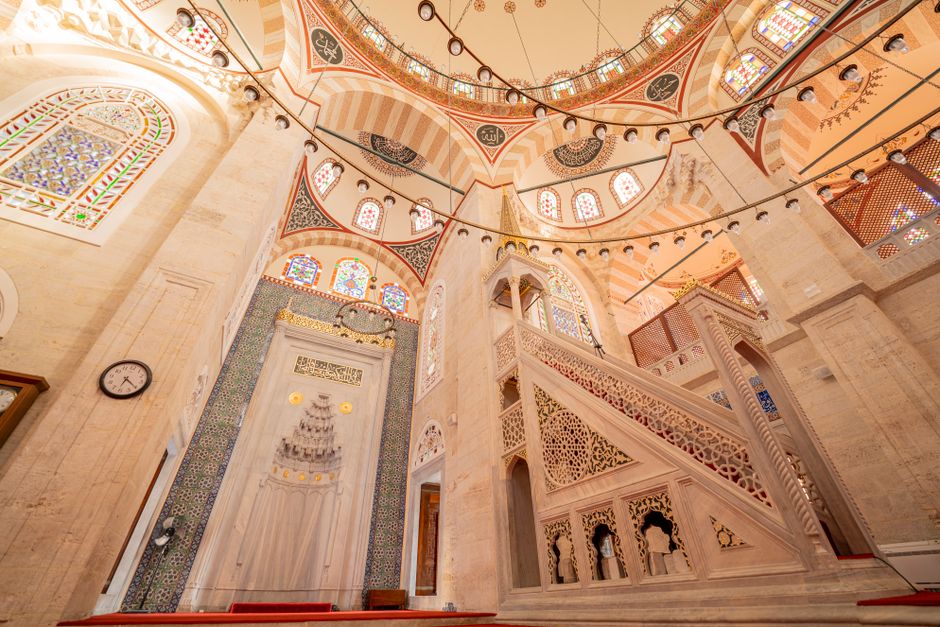
Kuršumli Han — This 17th-century caravanserai was originally a place for merchants to rest and store their goods. Today, it is a cultural center and a popular dining spot. The architecture is striking, with a central courtyard surrounded by two stories of rooms. It is a perfect example of Ottoman urban planning and commercial life. You can eat here, drink coffee, or just admire the structure. Entry is free, but food and drinks cost extra.
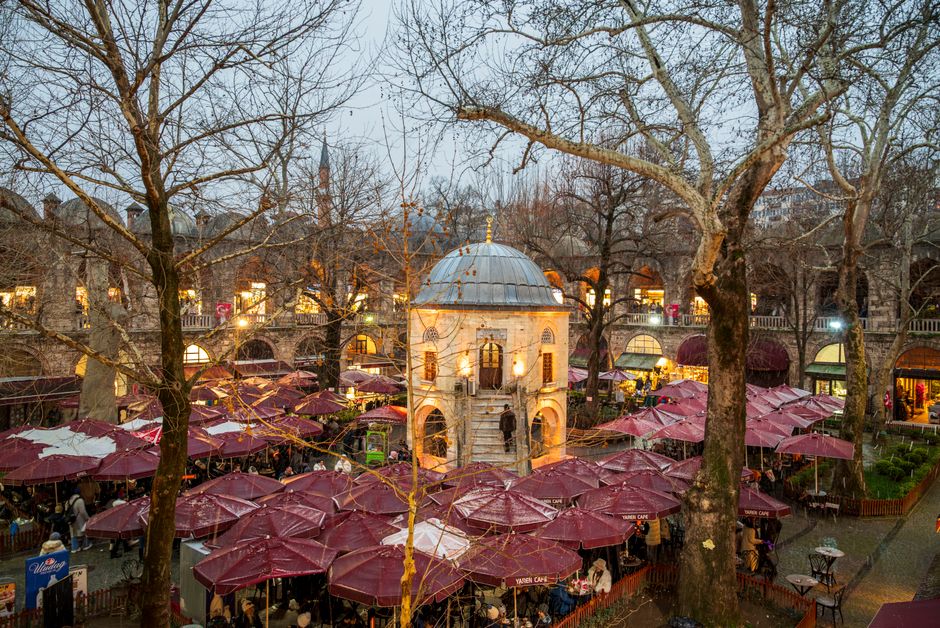
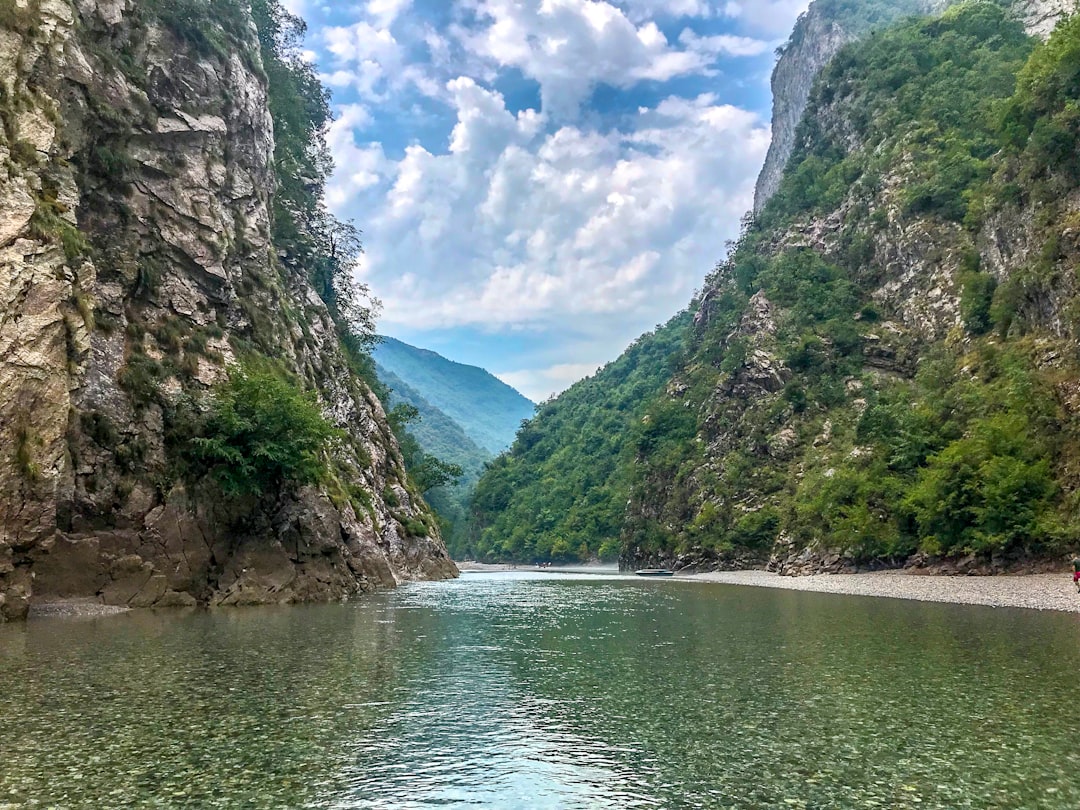
Matka Canyon — Just 15 kilometers from the city center, this dramatic canyon offers a stark contrast to the urban density of Skopje. It features steep cliffs, turquoise waters, and several monasteries perched precariously on the rocks. The Sveti Nikola monastery is the most famous, built into the cliff face in the 15th century. You can kayak, hike, or just relax by the river. It is a natural escape from the historical weight of the city.
What to Eat & Drink
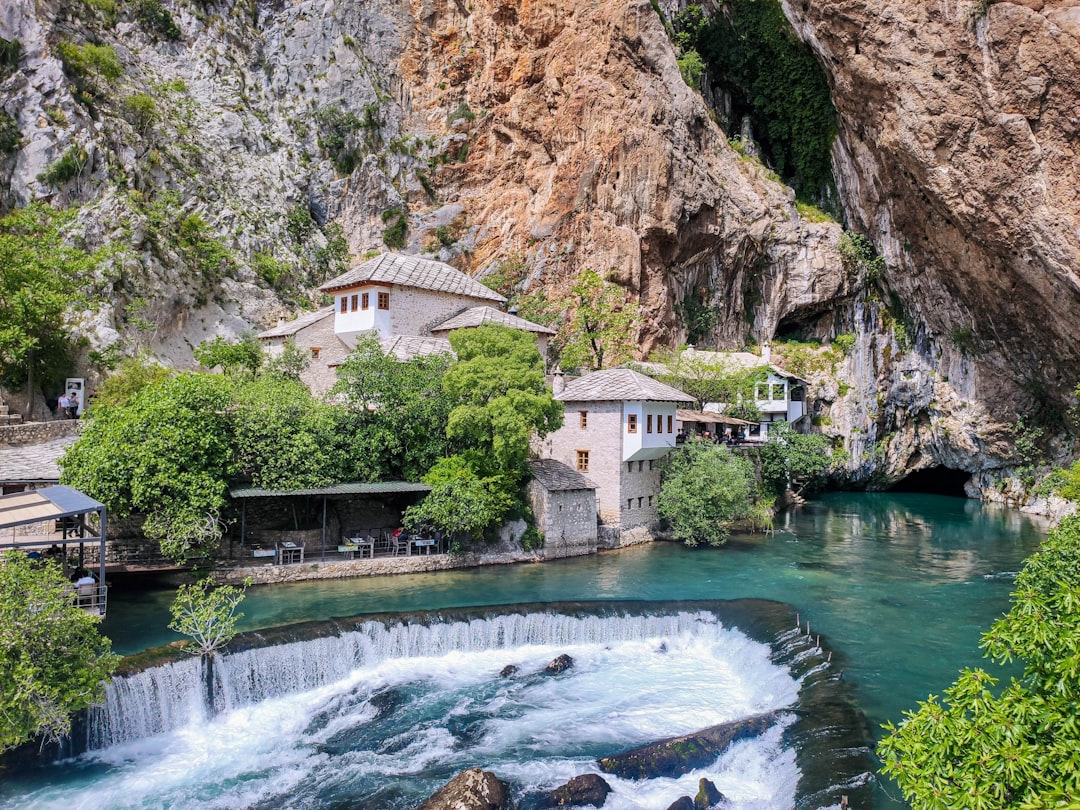
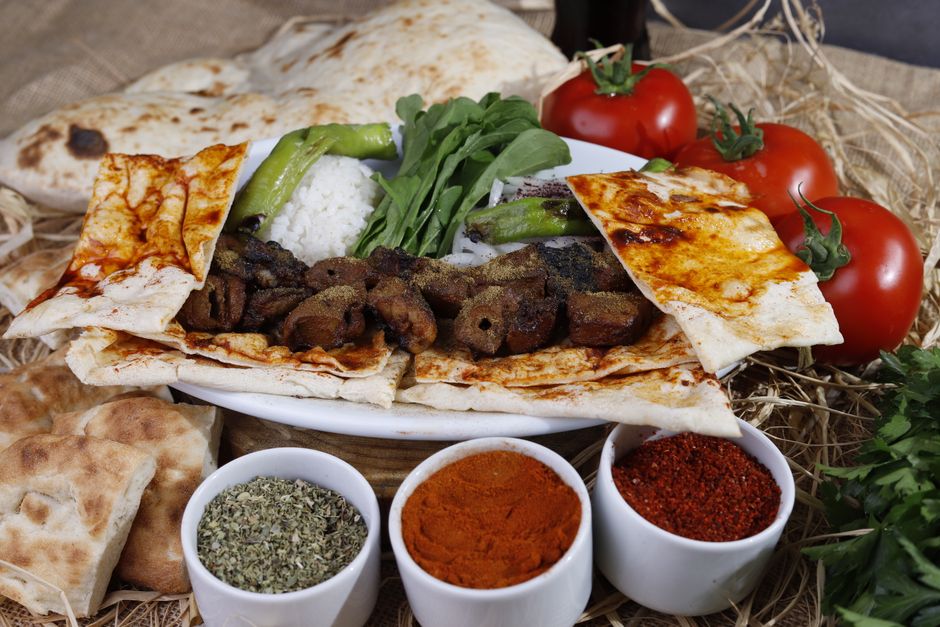
The food in Skopje is a direct descendant of the Ottoman table. It is rich, flavorful, and designed to be shared. You cannot visit the Old Bazaar without trying ćevapi — small, grilled meat sausages served with somun bread and onions. They are cheap, filling, and delicious. Expect to pay 3-5 EUR for a plate. Another must-try is burek, a flaky pastry filled with meat, cheese, or spinach. It is the ultimate street food, perfect for a quick breakfast or lunch. A slice costs around 1-2 EUR. For something more substantial, try tapashnik, a hearty stew made with meat, beans, and vegetables. It is a comfort food staple, typically costing 5-8 EUR per serving.
Budget travelers will find that street food and take-away options keep costs low. You can eat well for under 5 EUR per meal if you stick to burek, ćevapi, and local snacks. Sit-down restaurants in the Old Bazaar range from 8-15 EUR per person for a main course and a drink. Mid-range restaurants in the city center will cost you 15-25 EUR per person. The Old Bazaar itself is a food district, with countless small eateries and cafes. Temple Restaurant is a well-known spot for traditional Macedonian cuisine, while Hamam offers a unique dining experience in a restored Ottoman bathhouse.
Don't leave without trying raija, a strong fruit brandy that is the national drink. It is often served free with meals, but you can also buy bottles to take home. The Stone Bridge area has several bars where you can enjoy a drink with a view of the river. The food scene is vibrant, diverse, and deeply rooted in the Ottoman culinary tradition. It is a feast for the senses.
Nightlife
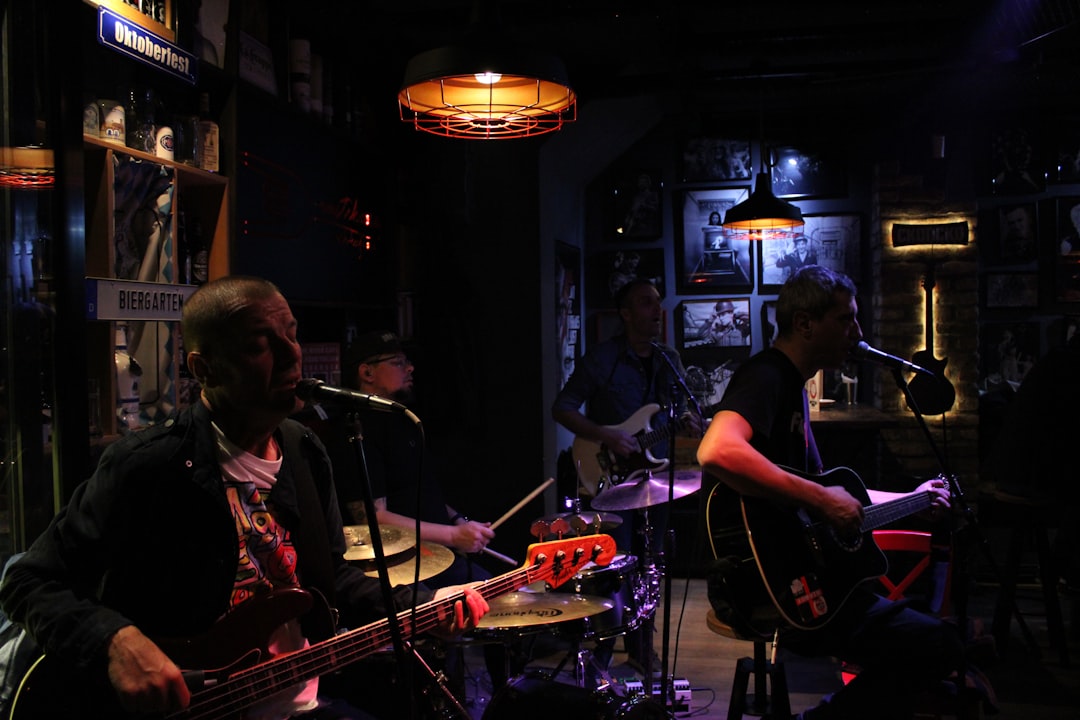
Skopje's nightlife is centered around the Macedonian Square and the riverbanks. The Old Bazaar stays open late, with many cafes and bars offering live music and a lively atmosphere. Temple Bar is a popular spot for cocktails and live bands, with a cover charge of around 2-5 EUR. Hamam Bar, located in the restored bathhouse, offers a unique setting for drinks and music, with a cover charge of 5-10 EUR. The riverbanks are lined with clubs and bars, such as Club 8 and Rock Café, which attract a younger crowd. The music is a mix of local rock, pop, and electronic, with DJs playing until the early hours.
The nightlife is energetic and social, with many locals and tourists mixing in the bars and clubs. The Stone Bridge area is a hub for late-night activity, with people gathering to drink, dance, and enjoy the view. The atmosphere is relaxed but vibrant, with a sense of community and celebration. It is a great place to experience the modern side of Skopje, contrasting with the historical weight of the day.
Getting There & What to Expect
The nearest airport is Skopje Alexander the Great Airport, which is about 17 kilometers from the city center. You can take a bus or taxi to the city, with the bus costing around 1-2 EUR and the taxi 10-15 EUR. Skopje is well-connected by bus and train to other Balkan cities. Buses from Sofia take about 4-5 hours and cost around 15-20 EUR. Buses from Belgrade take about 6-7 hours and cost around 20-25 EUR. Trains are cheaper but slower and less frequent.
Accommodation in Skopje ranges from budget hostels to luxury hotels. A bed in a hostel costs around 10-20 EUR per night, while a mid-range hotel room costs 40-60 EUR per night. Luxury hotels can cost 80-150 EUR per night. The best time to visit is from April to October, when the weather is warm and sunny. The summer months are hot, so be prepared for high temperatures. The Old Bazaar is open year-round, but the outdoor cafes and bars are best enjoyed in the warmer months.
Search accommodation in Skopje on Booking.com →
The Ghost in the Stone
As the sun sets over the Vardar River, the Old Bazaar transforms. The silver shops close their shutters, the spice merchants pack up their stalls, and the cafes fill with locals pouring rakija and playing cards. The Ottoman ghosts are not just in the stone; they are in the rhythm of the evening. I walk back across the Stone Bridge, my feet heavy with fatigue and wonder. Skopje is not a place that offers easy answers. It is a city of layers, of contradictions, of beauty and brutality. The Ottoman legacy is not a relic; it is a living, breathing part of the city's soul. It is in the call to prayer that echoes over the rooftops, in the taste of the ćevapi, and in the defiant spirit of the people who call this place home. You come for the history, but you stay for the humanity. And that, perhaps, is the true legacy of the Ottomans in Skopje: not the empire, but the end.
Comments