


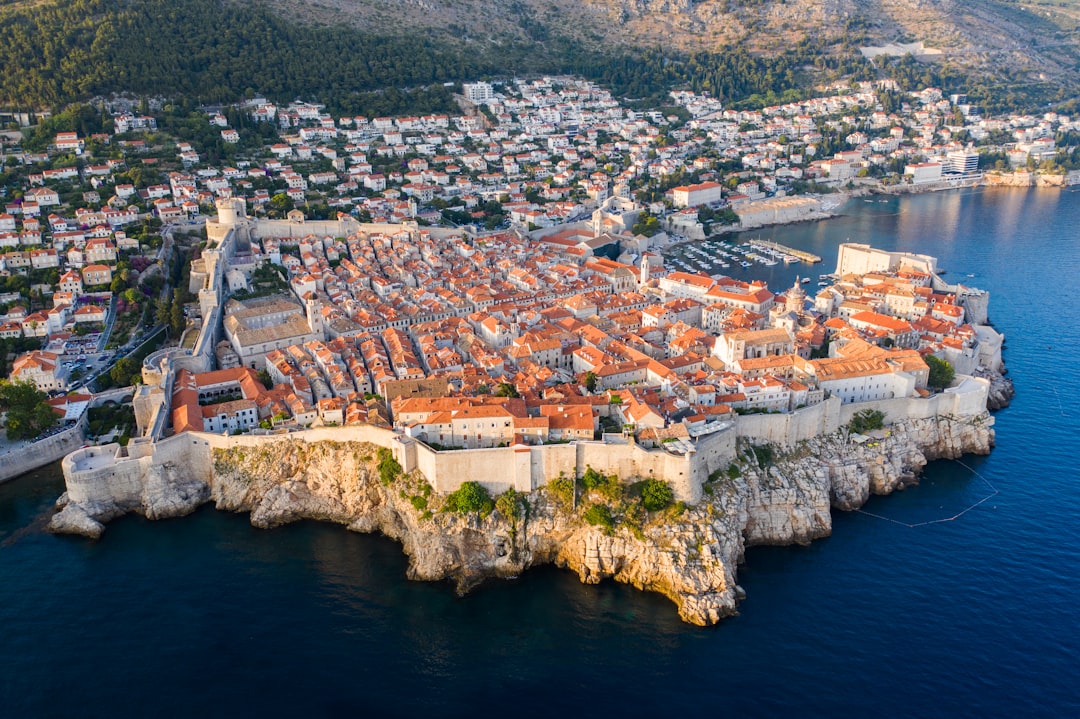
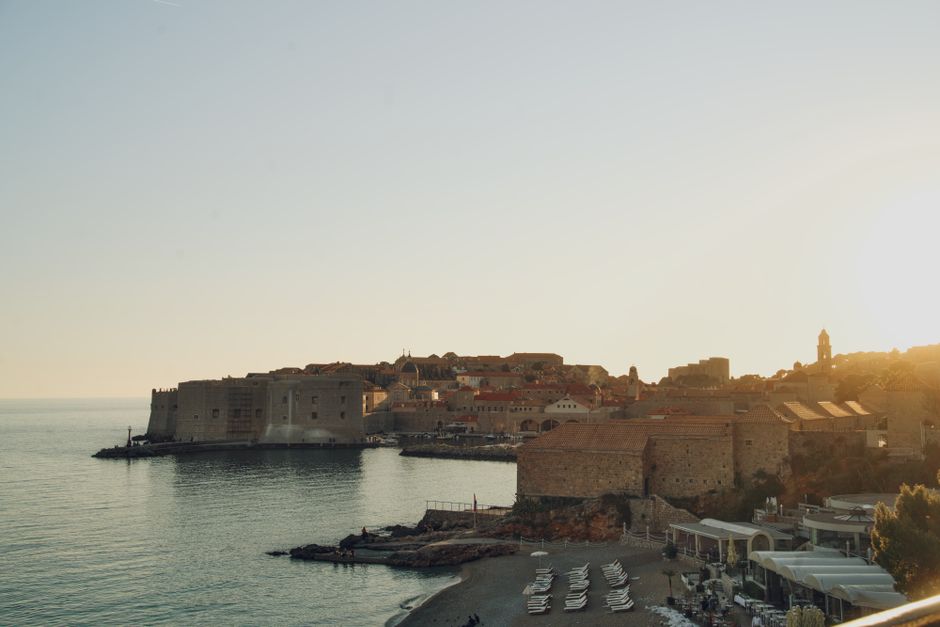
The sun hasn't even thought about hitting the Adriatic yet, but the air already tastes like salt and diesel. I'm standing at the base of the Pile Gate, shivering in a thin jacket, watching a lone street sweeper drag a broom across the limestone pavement. The cruise ships are still docked like sleeping leviathans in the harbor, their massive hulls dark against the grey water. This is the only time Dubrovnik, Croatia feels real. By 9:00 AM, this place will be a theme park of selfie sticks and sunburned shoulders. But right now, at 6:30 AM, it's just a medieval city waking up to its own history. The silence is heavy, broken only by the clatter of the broom and the distant cry of a seagull. This is the golden hour for anyone who wants to see the city without paying the price of a human stampede.
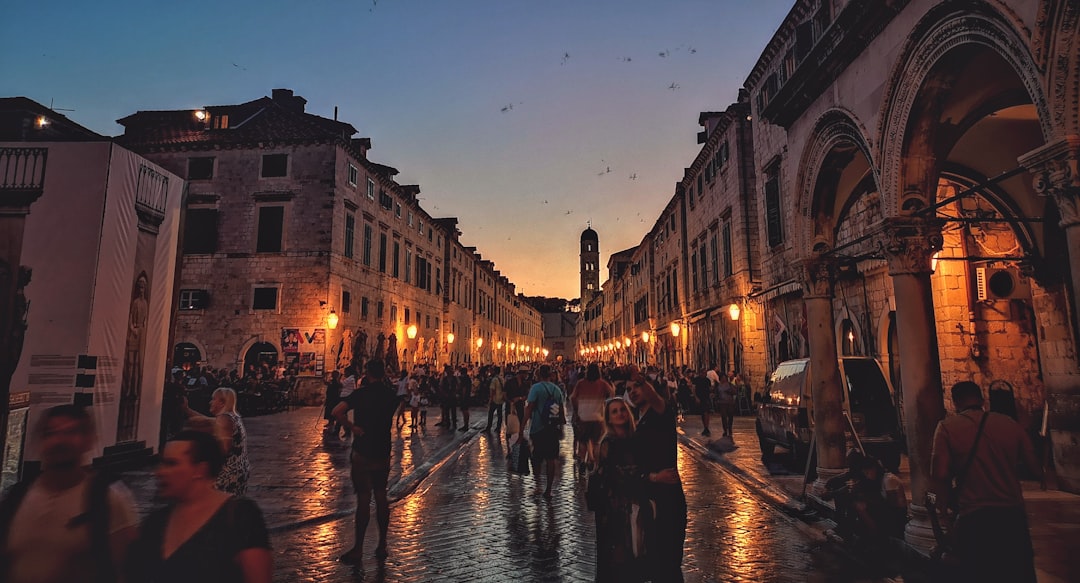
I've spent weeks chasing the quiet corners of the Balkans, from the misty peaks of Rila Mountains, Bulgaria to the rugged coasts of Albania. But Dubrovnik is different. It's a fortress of stone and sea, and if you don't get inside before the gates open to the masses, you're just another tourist in the queue. The trick isn't just waking up early; it's knowing where to go when the rest of the world is still hitting snooze. The Stradun, that famous limestone boulevard, is empty. No vendors shouting, no gelato cones dripping on the cobblestones. Just the echo of my own footsteps and the faint smell of brewing coffee from a bakery that hasn't even opened its shutters yet. This is the city as it was meant to be seen: stark, beautiful, and entirely yours.
History & Identity
Dubrovnik isn't just a pretty postcard; it's a survivor. For centuries, the Republic of Ragusa was a maritime powerhouse, trading spices, silk, and ideas across the Mediterranean. The city's identity is forged in stone, literally. The walls that encircle the Old Town are not just a tourist attraction; they are a testament to a people who refused to be conquered. The Ottomans tried, the Venetians tried, and even Napoleon tried, but the walls held. The architecture is a blend of Gothic, Renaissance, and Baroque styles, each layer telling a story of wealth, war, and resilience. Walking through the Ploče Gate at dawn, you can feel the weight of that history. The stones are worn smooth by centuries of footsteps, and the air is thick with the ghosts of merchants, sailors, and scholars who once walked these same streets.
The city's identity is also tied to the sea. Dubrovnik was a free city, and its wealth came from trade. The harbor is filled with yachts and fishing boats, a reminder of its maritime past. The Luža Square, near the Pile Gate, was once a bustling market where goods from all over the Mediterranean were traded. Today, it's a quieter place, but you can still imagine the hustle and bustle of centuries past. The city's identity is a mix of Mediterranean flair and Balkan resilience, a unique blend that makes it stand out from other European destinations. The people here are proud of their heritage, and it shows in the way they maintain their city and their traditions.
Where to Go
Dubrovnik City Walls — This is the crown jewel of the city, and at dawn, it's a spiritual experience. The walls stretch for 2 kilometers, offering panoramic views of the Old Town, the Adriatic Sea, and the surrounding islands. Walking the walls at sunrise is like being inside a painting. The light is soft, the colors are muted, and the only sound is the wind in your ears. The entry fee is 30 EUR, but it's worth every penny for the solitude. Start at the Pile Gate and walk east towards the Minčeta Tower. The stone is cool under your feet, and the views are nothing short of spectacular. Tip: Arrive 15 minutes before opening to avoid the line.
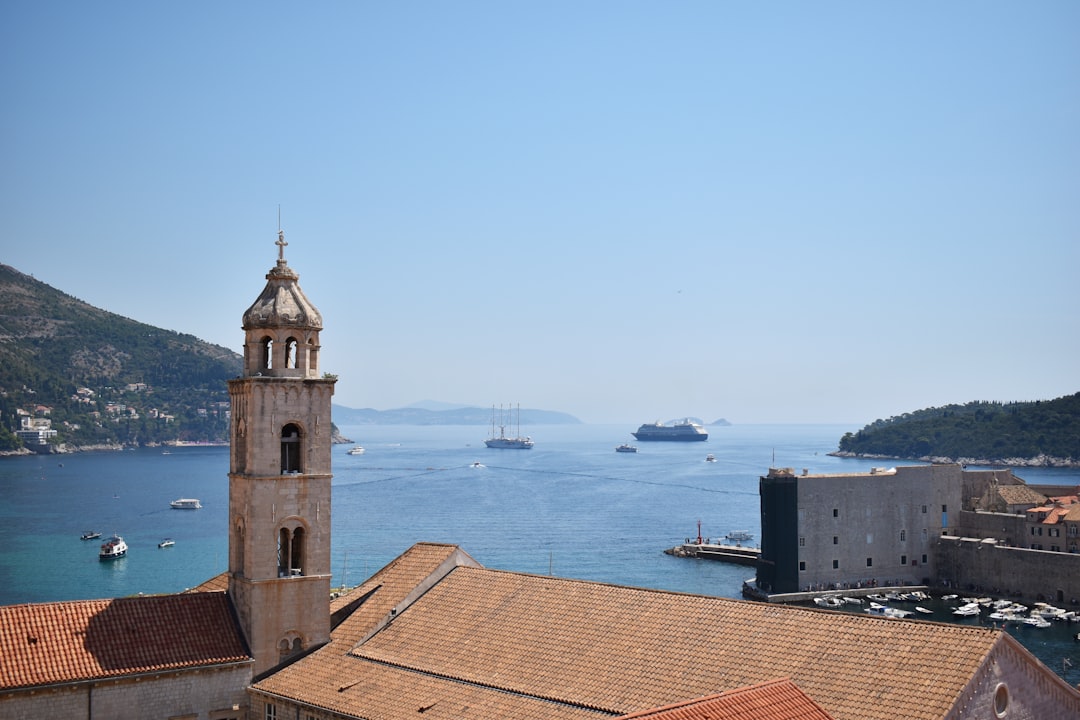
Franjinan Monastery — Tucked away in the shadows of the walls, this monastery is a hidden gem. The church is closed to the public, but the garden is open, and it's a peaceful retreat from the chaos of the city. The library inside is one of the oldest in the Balkans, housing thousands of manuscripts and books. The entry fee is 5 EUR, and the quiet atmosphere is perfect for reflection. The garden is filled with herbs and medicinal plants, and the air is filled with the scent of lavender and rosemary. It's a place to slow down and appreciate the beauty of the past.
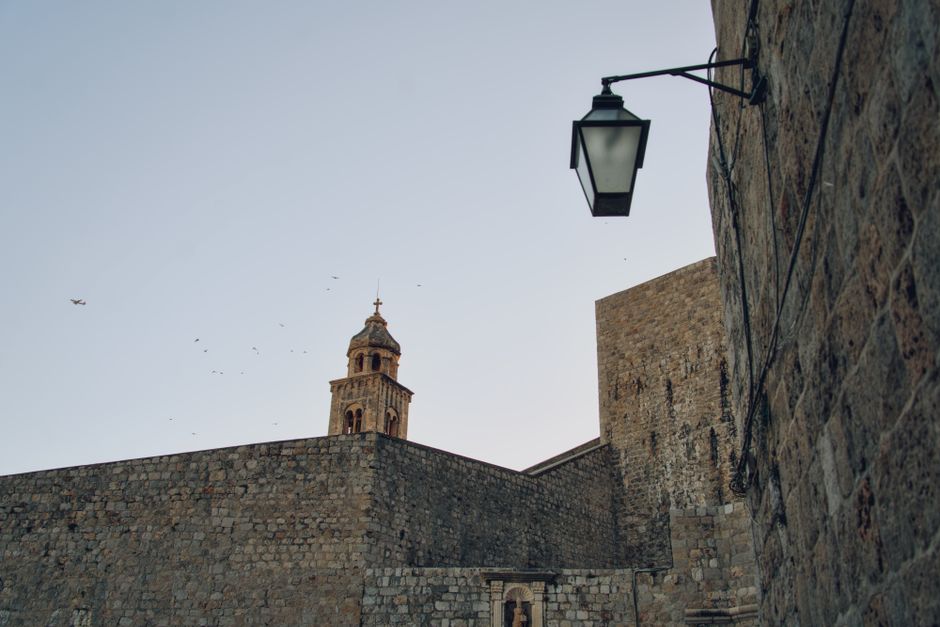
Stradun — The main street of Dubrovnik, the Stradun is a limestone boulevard that stretches from the Pile Gate to the Ploče Gate. At dawn, it's empty and serene. The limestone reflects the soft morning light, and the air is cool and fresh. Walk from one end to the other, taking in the architecture of the palaces and churches that line the street. The Onofrio's Fountain is a highlight, with its intricate carvings and cool water. It's a place to start your day, to set the tone for the adventures ahead.
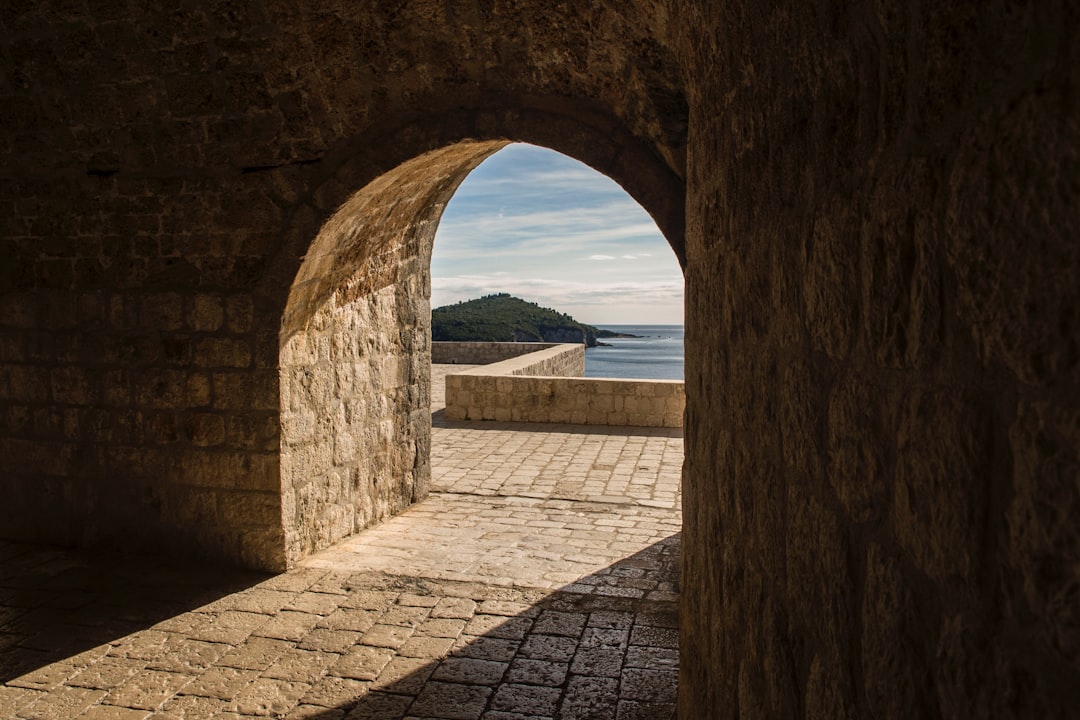
Orlando Column — Located in the Luka Square, this column is a symbol of Dubrovnik's independence. The column features a statue of Saint James, and it's a popular spot for photos. At dawn, the square is quiet, and the column stands tall against the sky. It's a quick stop, but it's a meaningful one. The square is also home to several cafes and restaurants, which are just starting to open. Grab a coffee and a pastry, and watch the city wake up.
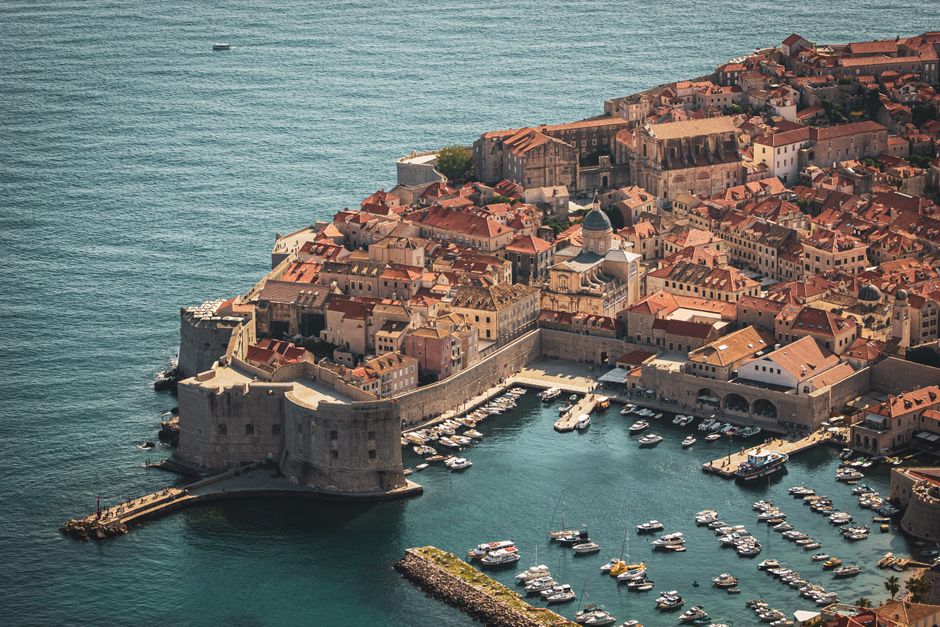
Srđ Mountain — For the best views of Dubrovnik, head to the top of Srđ Mountain. The Fortress of St. John at the summit offers panoramic views of the city, the sea, and the surrounding islands. The drive up is steep, but the views are worth it. Alternatively, you can hike up the mountain, which takes about two hours. The trail is well-marked, and the views get better with every step. At dawn, the summit is quiet, and the sun rising over the Adriatic is a sight to behold.
What to Eat & Drink
Breakfast in Dubrovnik is a simple affair. Grab a šunka i sir (ham and cheese sandwich) from one of the bakeries near the Stradun for 4-6 EUR. It's fresh, simple, and delicious. Pair it with a mljekanica, a local sweet pastry, for 2-3 EUR. For coffee, try the Dubrovnik espresso, which is strong and dark. The coffee culture here is serious, and the cafes are cozy and inviting. Trg Od Žalosti has several cafes that open early, and the atmosphere is relaxed and friendly. Tip: Avoid the cafes on the Stradun for breakfast; they're overpriced and crowded. Head to the side streets for better value and a more local experience.
Lunch is a different story. The local cuisine is Mediterranean, with a focus on fresh seafood and vegetables. Try black risotto, made with squid ink, for 12-15 EUR. It's rich, flavorful, and unique. Pair it with a glass of Pošip, a local white wine, for 5-7 EUR per glass. The Gradska Tržnica (City Market) is a great place to grab fresh produce and snacks. It's bustling and lively, and the prices are reasonable. Tip: Try the pršut, a local cured ham, for 8-10 EUR per portion. It's salty, savory, and perfect for a quick snack.
Nightlife
While this guide focuses on dawn, it's worth noting that Dubrovnik's nightlife is vibrant. The Stradun comes alive at night, with bars and restaurants spilling out onto the street. The Bunjevačka 21 is a popular spot for cocktails and live music. The cover charge is 5-10 EUR, and the atmosphere is lively and energetic. The Barbarigo Bar offers panoramic views of the Old Town and the sea, and it's a great place to end the night. The Tip: Avoid the clubs on the Stradun for a more authentic experience. Head to the Ploče Gate area for smaller, more intimate bars. The prices are lower, and the atmosphere is more relaxed.
Getting There & What to Expect
The nearest airport is Dubrovnik Airport, which is about 20 kilometers from the Old Town. Buses run regularly from the airport to the city center, and the ride takes about 30 minutes. The bus ticket costs 10 EUR. Taxis are also available, but they're more expensive. The ride takes about 20 minutes, and the cost is 30-40 EUR. From major Balkan hubs like Belgrade, Serbia or Zagreb, Croatia, you can fly directly to Dubrovnik. The flight from Zagreb takes about 1 hour, and the cost is 50-100 EUR depending on the airline and time of booking. From Belgrade, the flight takes about 1.5 hours, and the cost is 80-150 EUR. Tip: Book flights in advance for the best prices.
Accommodation in Dubrovnik ranges from budget hostels to luxury hotels. A bed in a hostel costs 20-40 EUR per night, while a mid-range hotel room costs 80-150 EUR per night. Luxury hotels can cost 200-500 EUR per night or more. The best time to visit is during the shoulder seasons of spring (April-May) and fall (September-October). The weather is mild, and the crowds are smaller. Summer is hot and crowded, and the prices are higher. Winter is quiet, but some attractions may be closed. Tip: Book accommodation in advance, especially during the peak season.
Search accommodation in Dubrovnik on Booking.com →
The Last Light Fades
As the sun climbs higher, the spell breaks. The first cruise ship passengers trickle in, a tide of sun hats and cameras. I retreat to a shadowed archway near the Barbacan, nursing a lukewarm espresso, watching the transformation. The city I knew an hour ago—the silent, stone-wrapped secret—is already being overwritten by the day's script. It's a reminder that places like Dubrovnik are fleeting, especially in their quiet moments. You have to steal them, early, before the world wakes up. I'll be back tomorrow, same time. The walls are waiting, and they don't care if you're a local or a ghost. They just want your footsteps on the stone.
Comments