


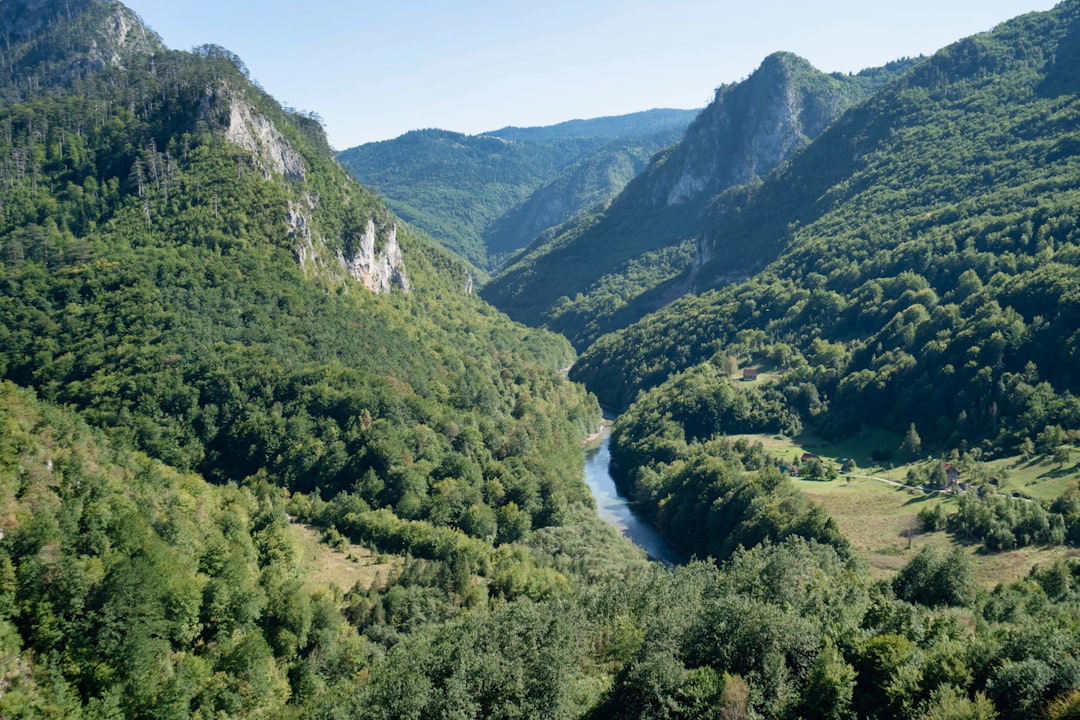
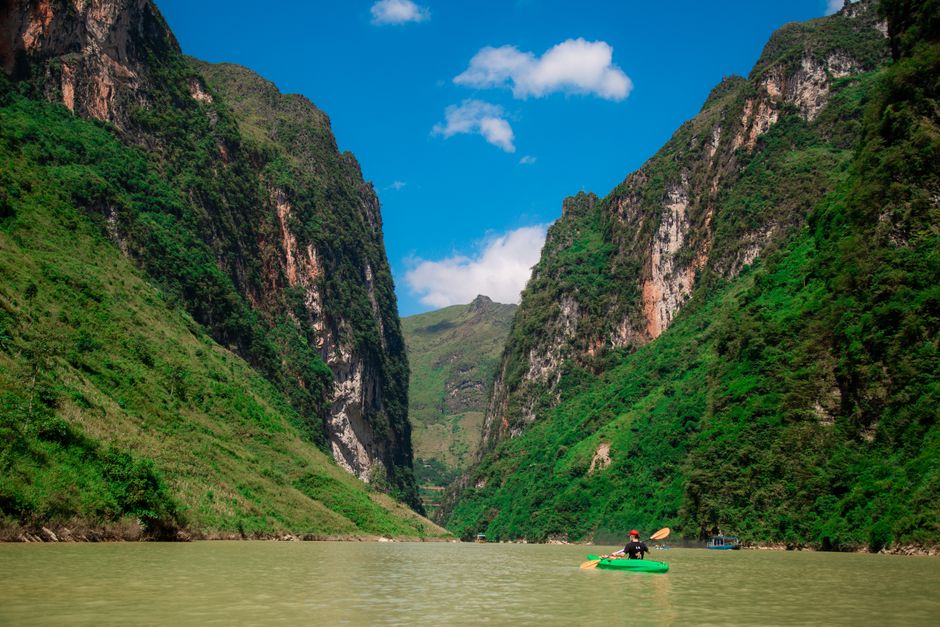
The water in Tara River doesn't just look cold; it feels like a physical weight against your chest. I'm sitting in a plastic kayak that costs more than my first car, watching a raven circle above a rock face that drops three hundred meters into nothing. My guide, a local Montenegrian with forearms like steel cables, tells me to stop looking up and start looking at the paddle. "Gravity is patient," he says. "The river is not." This isn't a spa trip. This is Durmitor National Park in its rawest form, where the air smells of pine resin and wet stone, and the only sound for miles is the rush of water carving through limestone. I came here expecting a hike. I stayed for the adrenaline.
Montenegro has spent the last decade trying to shed its reputation as just a beach destination. The push for eco-tourism is real, but it's often stuck in brochure-land. Out here, in the Tara River Canyon, the eco-angle isn't a marketing slogan; it's a survival mechanism. You don't pollute this water. You don't litter these trails. You respect the scale of this place, or it swallows you whole. I'm here to test the limits of adventure tourism in the Balkans, seeing if the hype matches the hydrodynamics.
The Geology of Fear
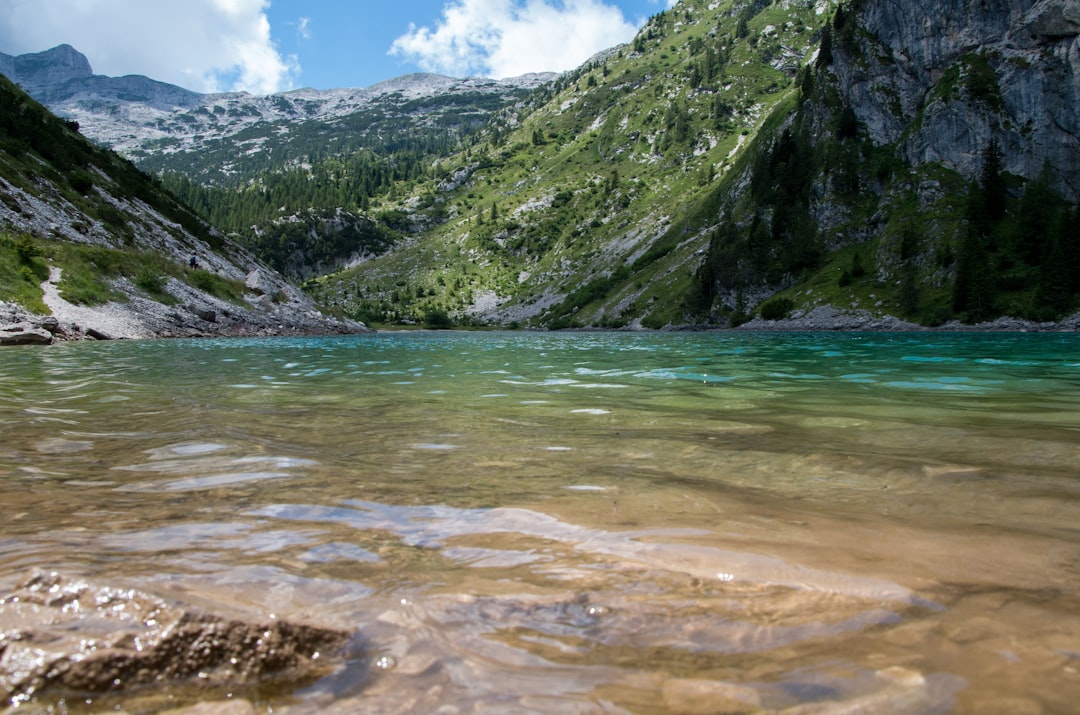
To understand why kayaking the Tara River is such a visceral experience, you have to understand the scale of the canyon. Carved by the river over millions of years, this gorge is the deepest in Europe and the second deepest in the world. The walls rise vertically, sheer cliffs of pale limestone that catch the sunlight in a way that makes them glow like bone. The river itself is a glacial melt, fed by the high peaks of the Durmitor massif. It is crystal clear, shockingly cold, and moves with a steady, muscular power.
The canyon runs for about eighty kilometers, forming a natural border between Montenegro and Bosnia and Herzegovina. For centuries, this was a no-man's-land, a difficult barrier that separated communities. Today, it's a playground for the brave. The water level fluctuates with the seasons, rising in spring with the snowmelt and dropping in late summer. This variability means the experience changes every time you go. In spring, you're battling whitewater and spray. In autumn, you're gliding through glassy, turquoise channels surrounded by turning leaves.
On the Water: The Paddling Experience
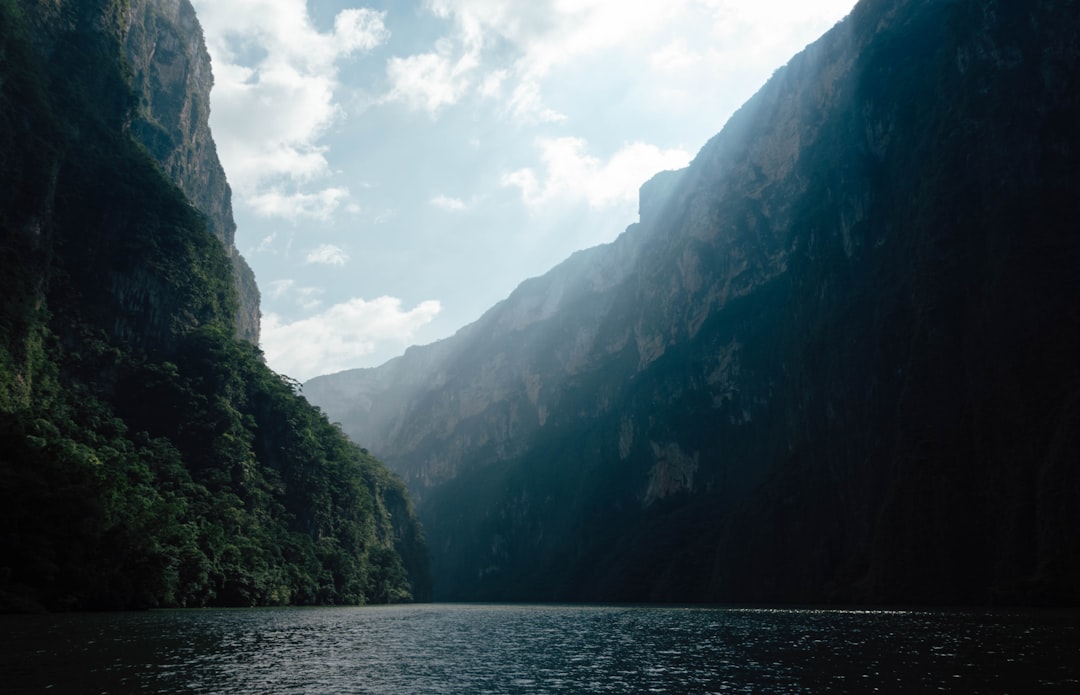
Most commercial tours start in the village of Žabljak or nearby Perućac. The standard route is a half-day or full-day paddle, depending on how far you want to go. The first hour is mostly flat water, a chance to get your bearings and let your eyes adjust to the verticality of the canyon walls. The silence is profound. There are no roads, no power lines, no buildings. Just you, the water, and the geology.
As you progress, the river narrows. The current picks up. You'll encounter small rapids, not enough to capsize a seasoned paddler, but enough to keep you alert. The spray is cold and refreshing. You'll see waterfalls cascading down the cliffs, disappearing into the mist below. You might spot a chamois or a golden eagle perched high on a ledge. The physical exertion is moderate, but the mental focus is high. You have to watch for rocks, eddies, and other kayaks. It's a meditative state, but one with teeth.
Eco-Tourism in Practice
The concept of eco-tourism here is driven by necessity. The Durmitor National Park is fragile. The limestone karst landscape is easily damaged. The river is a critical water source. Local operators are increasingly aware of this. Many now use biodegradable soaps, enforce strict "pack it in, pack it out" rules, and limit group sizes to minimize impact. Some guides are also trained in basic first aid and river safety, adding a layer of professionalism that was less common a decade ago.
However, it's not all perfect. There are still signs of overdevelopment in some areas, particularly near the main towns. Plastic waste can still be found on the riverbanks, left by careless visitors or washed downstream. The challenge for Montenegro is to balance economic growth with environmental preservation. The kayaking industry is a good model: low impact, high value. It encourages visitors to appreciate the natural beauty rather than consume it. But it requires constant vigilance and education. As a traveler, you have a role to play. Respect the rules. Stay on the river. Leave no trace.
Routes & Trail Info
There are two main kayaking routes on the Tara River, each offering a different experience. The choice depends on your fitness level, time availability, and desire for solitude.
Route 1: Perućac to Piva Lake
This is the most popular route, covering about 15-20 kilometers. It starts at the Perućac dam area and ends at the inflow of the Piva Lake. The water is relatively calm, with some small rapids. It's suitable for beginners and families with older children. The scenery is spectacular, with high canyon walls and clear water. Duration: 3-4 hours. Difficulty: Beginner to Intermediate.
Route 2: Žabljak to Šavnik (Advanced)
This route is longer, covering about 30-40 kilometers. It starts in Žabljak and follows the river down towards Šavnik. The water is faster, with more significant rapids and obstacles. It requires good paddling skills and experience. The scenery is even more dramatic, with deeper canyons and fewer signs of human activity. Duration: 6-8 hours. Difficulty: Experienced.
Most operators provide all necessary equipment: kayak, paddle, life jacket, and helmet. Some also offer dry suits for colder months. It's essential to book in advance, especially during peak season (June-August). Guides are highly recommended, particularly for the advanced route.
Getting There & What to Expect
The nearest major town is Žabljak, the administrative center of the Durmitor region. It's located in the northern part of Montenegro, about 150 kilometers from Podgorica, the capital. The drive from Podgorica takes about 2.5 hours, winding through mountain roads and past stunning scenery. You can also fly into Tivat Airport or Podgorica Airport and rent a car. Public transport is limited, so having your own vehicle is highly recommended.
Accommodation in Žabljak ranges from budget hostels to luxury hotels. Expect to pay around 30-50 EUR for a hostel bed and 80-150 EUR for a mid-range hotel room. Kayaking tours typically cost between 50-100 EUR per person for a half-day trip. Meals in local restaurants are affordable, with a hearty lunch costing around 10-15 EUR. The best time to visit is from May to October, when the weather is warm and the water levels are manageable. Spring offers higher water and more rapids, while autumn provides calm waters and golden foliage.
Search accommodation in Žabljak on Booking.com →
The Real Cost of Adventure
As I pull my kayak onto the gravel bank at the end of the day, my muscles ache and my clothes are damp. But I feel alive. This isn't the sanitized adventure tourism you find in theme parks. This is real. It's gritty. It's demanding. And it's worth every cent. The eco-tourism model here is working, but it's fragile. It depends on visitors like me to care about the place as much as the locals do. To paddle the Tara River is to enter a cathedral of stone and water. Treat it with respect, and it will give you memories that last a lifetime. Ignore it, and you'll be just another speck of dust in the canyon. I chose to paddle. I chose to respect. And the river, for all its power, let me pass.
Comments