


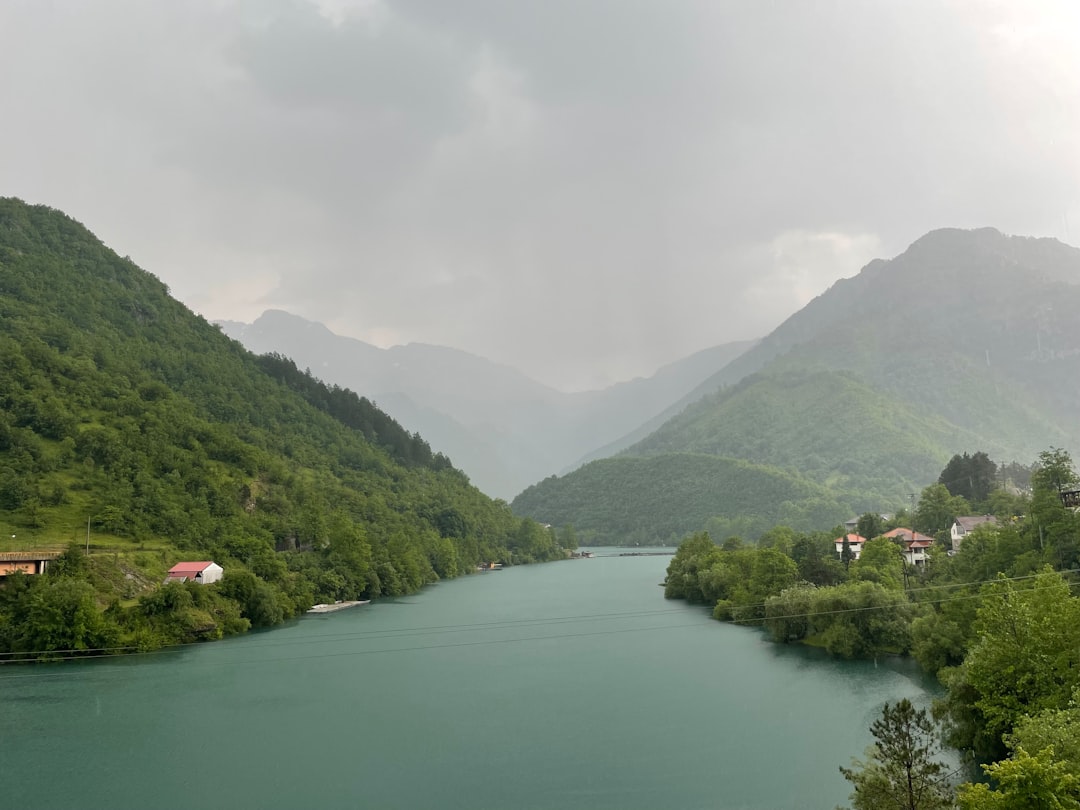
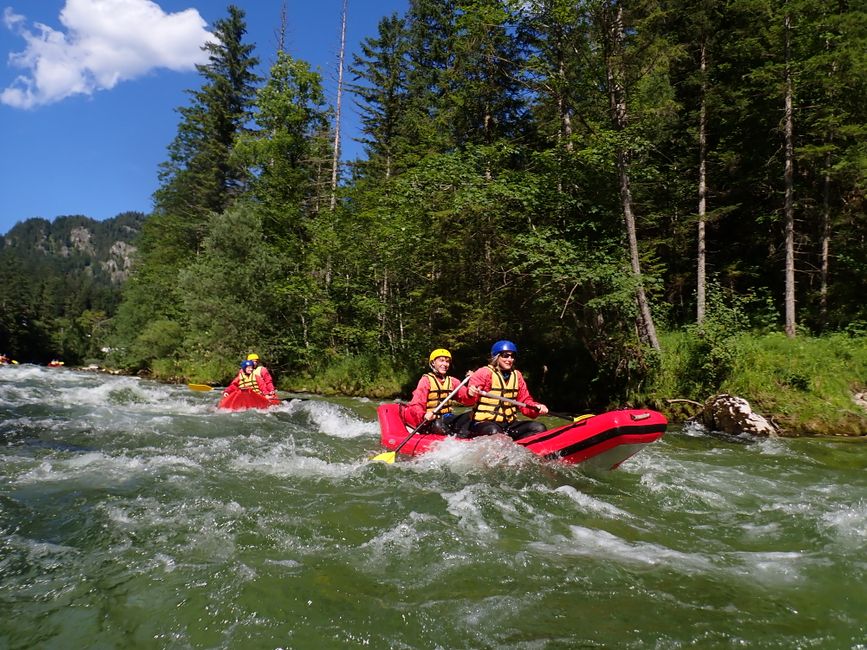
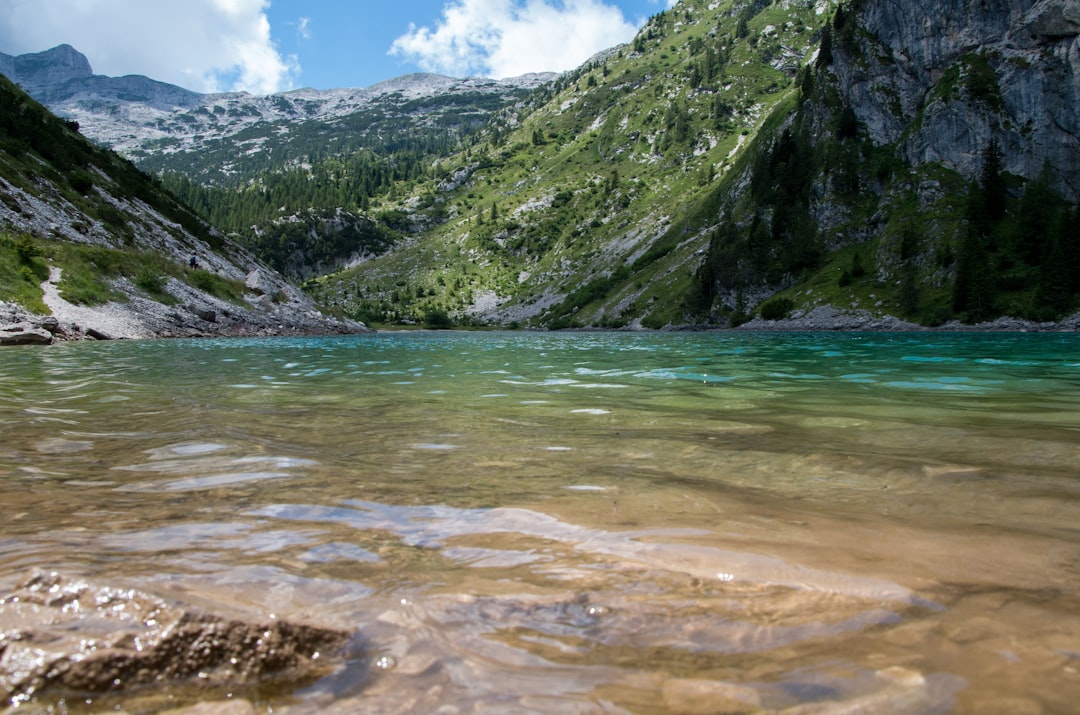
I’m sitting on a wet rock, shivering in a wetsuit that smells faintly of algae and diesel, watching a guy in a neon helmet try to explain the difference between a Class III and a Class IV rapid using hand gestures that look like he’s conducting an invisible orchestra. The water here is so cold it feels like liquid nitrogen injected directly into my veins. This is the Tara River in Bosnia and Herzegovina, the deepest canyon in Europe, and I’ve just spent the last four hours being tossed around like a ragdoll in a washing machine set to ‘agitate’. The local guide, a guy named Adnan with a beard that could house a small bird colony, shouts something about ‘respecting the river’ over the roar of the current. I respect it, alright. I respect it enough to never want to see it again. But then the sun breaks through the limestone cliffs, turning the emerald water into a glowing vein of jade, and I realize why people keep coming back to this remote slice of the Balkans. It’s not just about the adrenaline; it’s about the sheer, overwhelming scale of nature here, a place where human worries feel as small as the pebbles grinding against the canyon floor.
Getting here is half the battle. You’re deep in the mountainous interior of northern Montenegro and the Sandžak region of Bosnia, far from the coastal tourist traps. The road winds up through dense forests, the air getting thinner and colder with every kilometer. When you finally reach the river, the silence is broken only by the distant crash of water and the occasional shout from rafters navigating the rapids. It’s raw, unpolished, and utterly captivating. This isn’t a place for the faint of heart or the poorly prepared, but for those willing to endure the chill and the chaos, the Tara River offers an experience that few other places on Earth can match.
History & Identity
The Tara River isn’t just a geographical feature; it’s a living artery of history. For centuries, these steep limestone cliffs and dense forests provided refuge for shepherds, outlaws, and resistance fighters. During World War II, the canyon was a hotspot for partisan activity, with narrow trails winding through the rock faces serving as secret routes for moving supplies and troops. Today, the area is part of the Tara River Canyon National Park, a protected area that spans the border between Montenegro and Bosnia and Herzegovina. The park is known for its pristine wilderness, with over 1,000 species of plants and animals calling it home, including the elusive Balkan chamois and the rare golden eagle.
The identity of this region is deeply tied to its rugged landscape. The locals here are hardy, resilient people who have learned to live in harmony with the challenging terrain. They speak a dialect that’s a mix of Serbian and Montenegrin, with words borrowed from Albanian and Turkish, reflecting the complex history of the Balkans. The culture is steeped in tradition, with folk music, dance, and storytelling still playing a central role in community life. But beneath the surface, there’s a tension between preserving this heritage and embracing the economic opportunities that tourism brings. The canyon is a double-edged sword, offering both a lifeline and a threat to the delicate balance of life in these mountains.
Where to Go
Drina River Confluence — The point where the Tara River meets the Drina River is a breathtaking sight, with two powerful currents swirling together in a chaotic dance of white water and foam. It’s a popular spot for photographers and rafters alike, offering a dramatic backdrop for photos and a thrilling challenge for those brave enough to navigate the rapids. Entry is free, but you’ll need a boat or a guide to get close to the action.
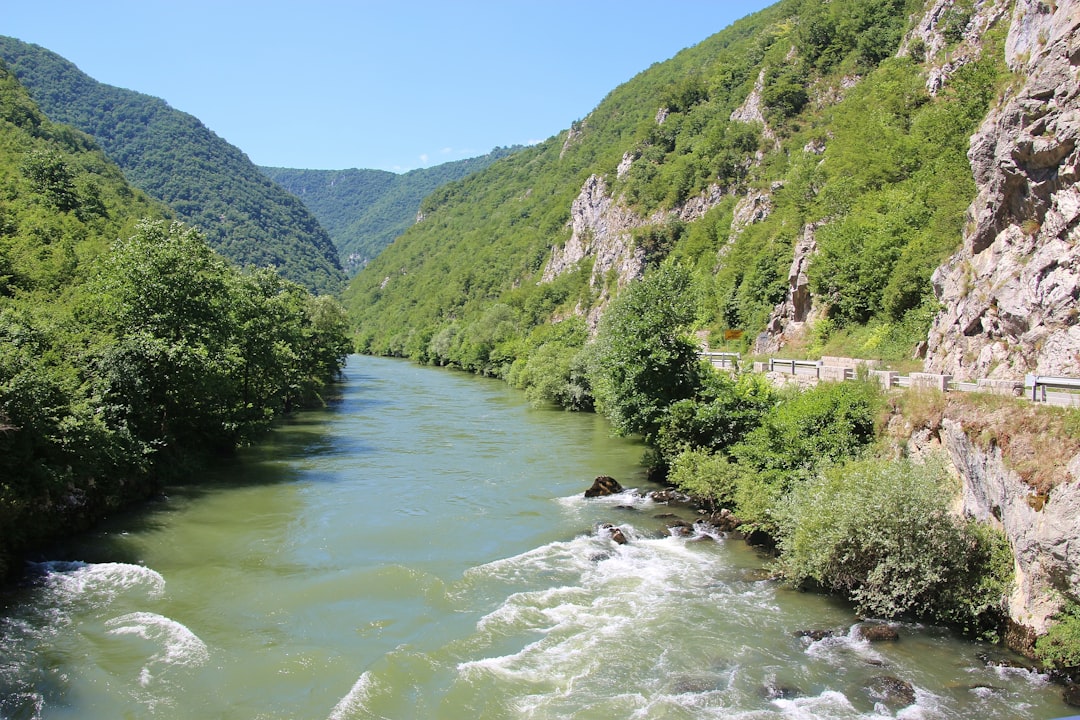
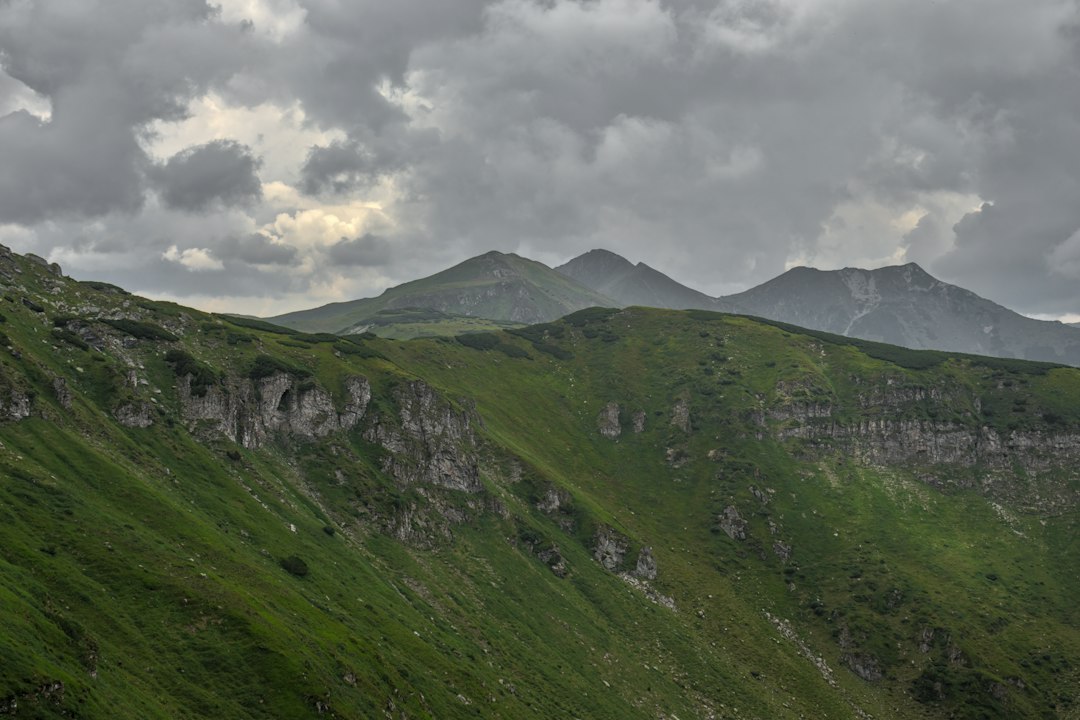
Veliki Krš Cliff — One of the most iconic views in the canyon, this massive limestone cliff rises over 1,300 meters above the river, offering panoramic views of the surrounding landscape. The hike to the top is challenging but rewarding, with narrow trails winding through dense forests and rocky outcrops. It’s a favorite spot for hikers and climbers, with several routes of varying difficulty. Entry is free, but you’ll need good hiking boots and a head for heights.
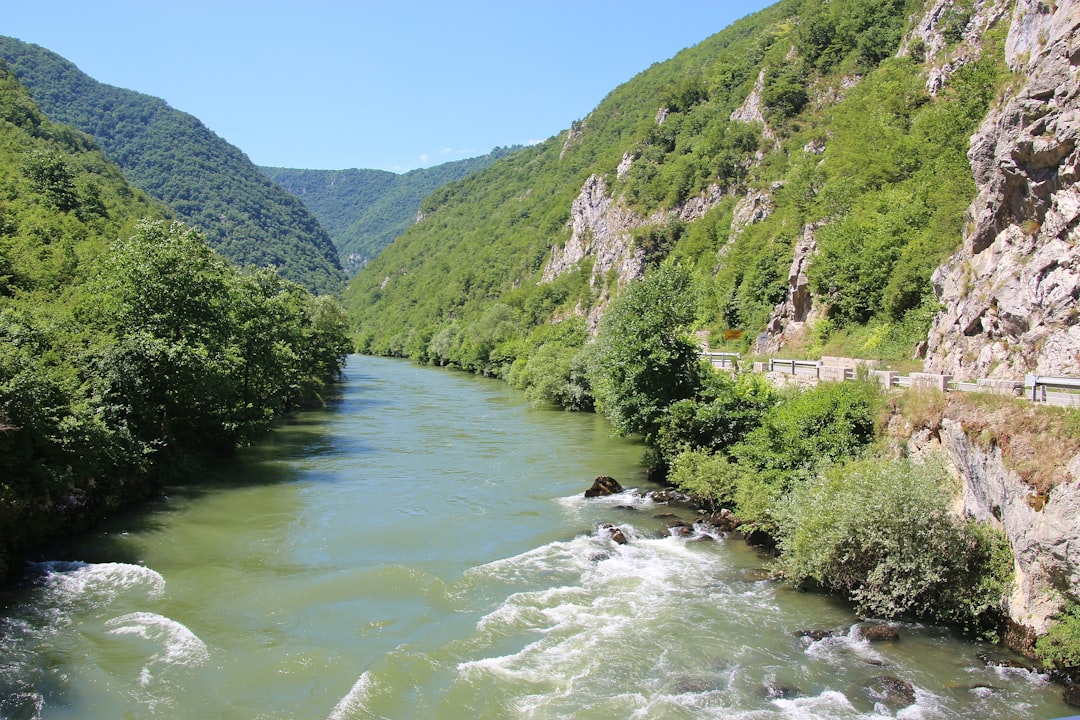
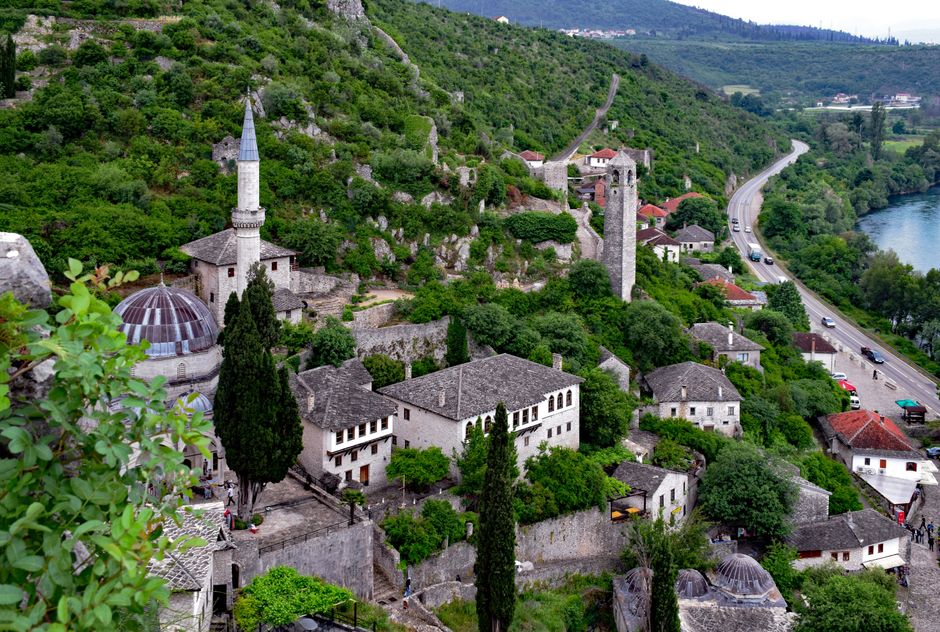
Šarplaninac Village — This traditional village perched on the edge of the canyon is a living museum of Balkan culture, with stone houses, wooden balconies, and narrow cobblestone streets. It’s a great place to sample local cuisine, including grilled lamb, homemade cheese, and rakija, a strong fruit brandy. The village is also known for its friendly locals, who are always happy to share stories and recipes with visitors. Entry is free, but you’ll want to bring cash for meals and souvenirs.
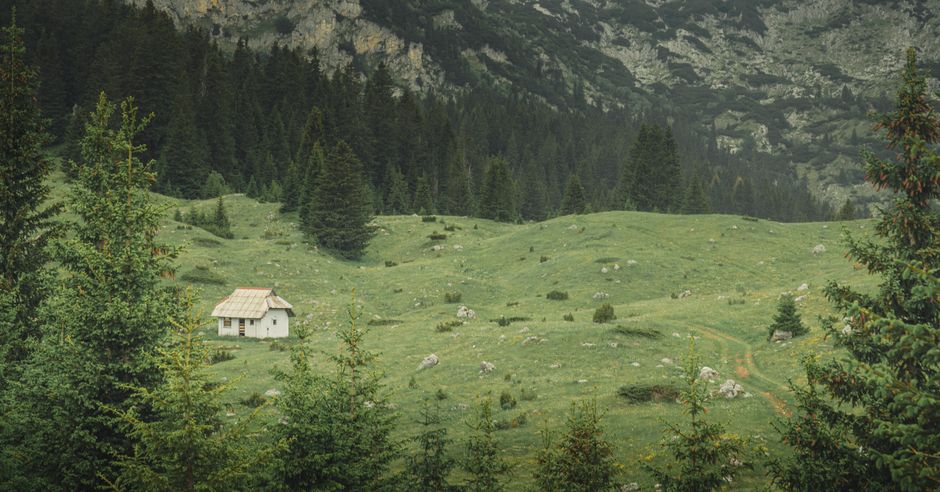
Tara River Source — Located high in the mountains near the village of Žabljak, the source of the Tara River is a sacred site for locals, with a small chapel and a natural spring. The hike to the source is moderate, with well-marked trails and stunning views of the surrounding peaks. It’s a peaceful and spiritual experience, with the sound of flowing water and the scent of pine trees filling the air. Entry is free, but you’ll need a map and a good pair of hiking boots.
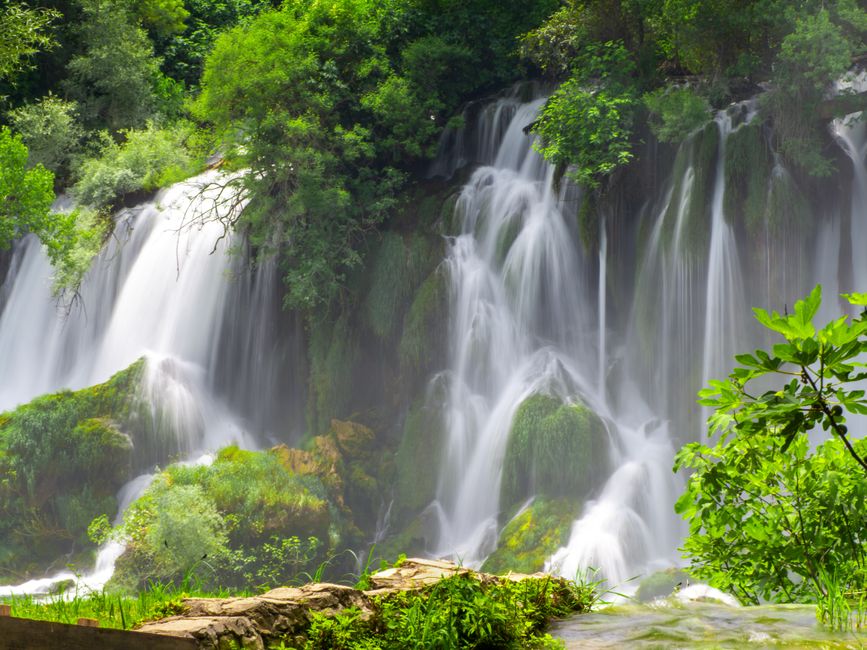
Skakavac Waterfall — This dramatic waterfall cascades down the side of the canyon, creating a misty spray that fills the air with a cool, refreshing breeze. It’s a popular spot for swimmers and photographers, with natural pools at the base of the falls. The hike to the waterfall is easy, with a well-maintained trail and clear signage. Entry is free, but you’ll want to bring a towel and a swimsuit.
Routes & Trail Info
Tara River Canyon Rafting Route — This is the classic rafting route, starting from the village of Bijelo Polje and ending at the confluence with the Drina River. The route covers approximately 25 kilometers of whitewater, with a mix of Class II, III, and IV rapids. The total elevation gain is minimal, as you’re mostly following the river’s course. The estimated duration is 4-6 hours, depending on water conditions and group speed. Difficulty: Intermediate to Experienced. You’ll need a good level of fitness and some prior rafting experience to handle the more challenging sections.
Veliki Krš Summit Hike — This hike starts from the parking area near the Veliki Krš cliff and takes you to the summit, offering breathtaking views of the canyon and surrounding mountains. The total distance is approximately 8 kilometers round-trip, with an elevation gain of 600 meters. The estimated duration is 3-4 hours, depending on your pace. Difficulty: Intermediate. You’ll need good hiking boots, a head for heights, and a sturdy backpack with water and snacks.
Tara River Source Trail — This trail starts from the village of Žabljak and takes you to the source of the Tara River, a sacred site with a chapel and natural spring. The total distance is approximately 10 kilometers round-trip, with an elevation gain of 400 meters. The estimated duration is 3-4 hours, depending on your pace. Difficulty: Beginner to Intermediate. The trail is well-marked and suitable for most hikers, but you’ll want to bring a map and a good pair of hiking boots.
Getting There & What to Expect
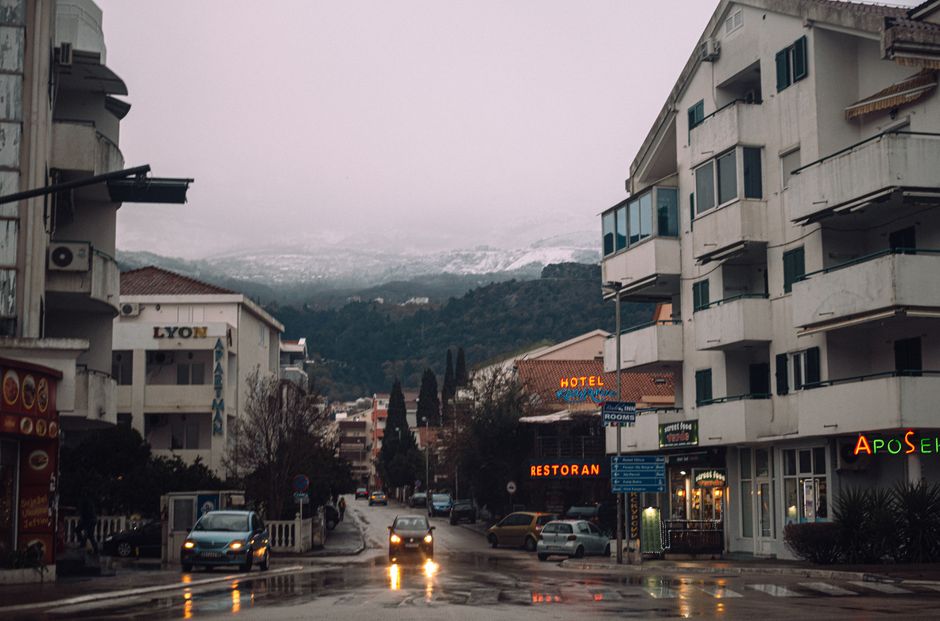
The nearest town to the Tara River Canyon is Bijelo Polje in Montenegro, which is about 100 kilometers from Podgorica, the capital of Montenegro. You can get there by bus or car, with the journey taking approximately 2 hours. From Bijelo Polje, you can take a local bus or taxi to the rafting starting point, which is about 10 kilometers away. The cost of a bus ticket is 2-3 EUR, while a taxi will cost around 15-20 EUR.
Accommodation in Bijelo Polje is limited, with a few budget hotels and guesthouses available. A night in a budget hotel will cost around 20-30 EUR, while a mid-range hotel will cost around 40-60 EUR. Camping is also an option, with several campsites along the river. Typical meal prices in Bijelo Polje are 5-10 EUR for a simple meal and 10-15 EUR for a more substantial dish. The best time to visit is between May and September, when the weather is warm and the water levels are high. Children under the age of 12 are not recommended for rafting, but they can join on hiking tours.
Search accommodation in Bijelo Polje on Booking.com →
The Raw Truth
As I sit there, dripping wet and shivering, I realize that the Tara River doesn’t care about your ego. It doesn’t care about your job title, your bank account, or your Instagram followers. It’s just a river, ancient and indifferent, carving its way through the rock with a patience that makes human life seem fleeting. And yet, there’s something liberating about that indifference. In a world that’s increasingly curated and controlled, the Tara River is a reminder that there are still places where nature reigns supreme, where the only thing that matters is your ability to adapt and survive. It’s not a pretty place, not in the conventional sense. It’s cold, wet, and chaotic. But it’s real, and that’s enough.
Comments