


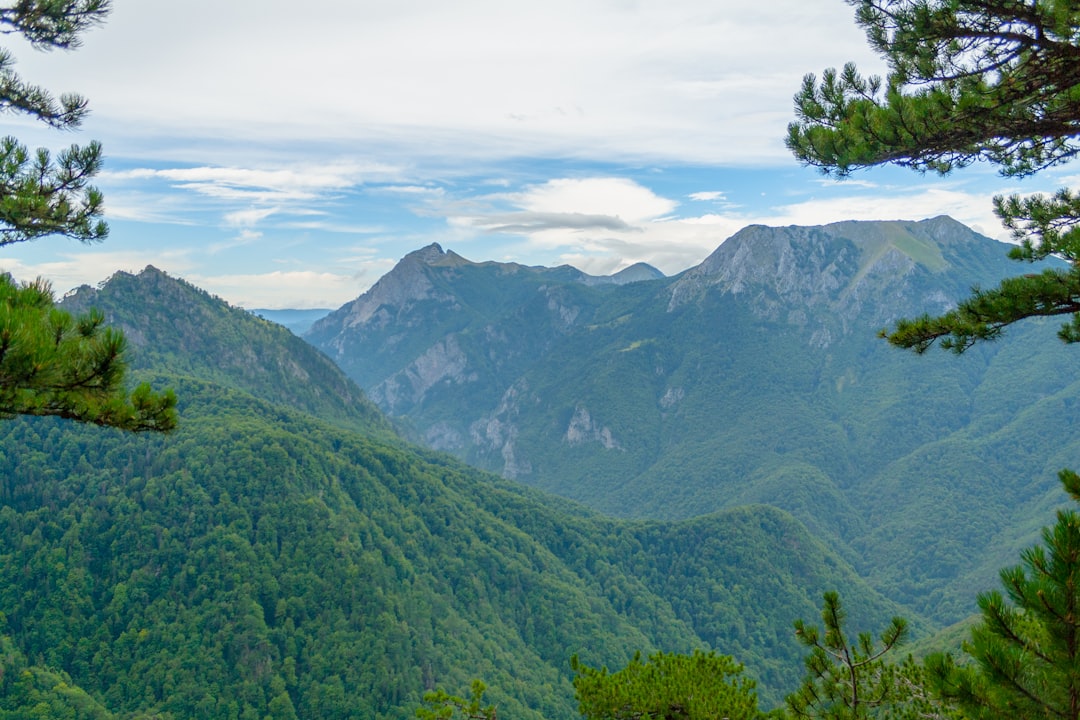
The mud in Sutjeska National Park doesn't just stain your boots; it claims them. I was standing at the edge of a mist-choked ridge near Maglić Mountain, watching condensation drip off the hemlock branches like cold sweat. The air smelled of wet pine needles and old stone. There were no tourists here. No Instagram influencers posing with selfie sticks. Just the crunch of gravel under my boots and the distant, echoing call of a hawk circling the jagged spine of the Dinaric Alps. This isn't a park for a casual stroll. It is a raw, untamed wilderness that demands respect, and maybe a bit of penance.
I had arrived after a long, winding drive from Mostar, navigating narrow asphalt ribbons that clung to the sides of valleys deep enough to swallow sound. The moment I crossed the border into the park, the silence hit me. It was heavy, ancient, and absolute. The beech forests here are UNESCO-listed for a reason — they are cathedral-like, with trunks so thick they seem to hold up the sky. But beneath the beauty lies a history written in blood. Every path here is layered with memory, from the partisans' final stand in World War II to the brutal sieges of the 1990s. You don't just walk through Sutjeska; you walk through time.
The Shadow of Maglić
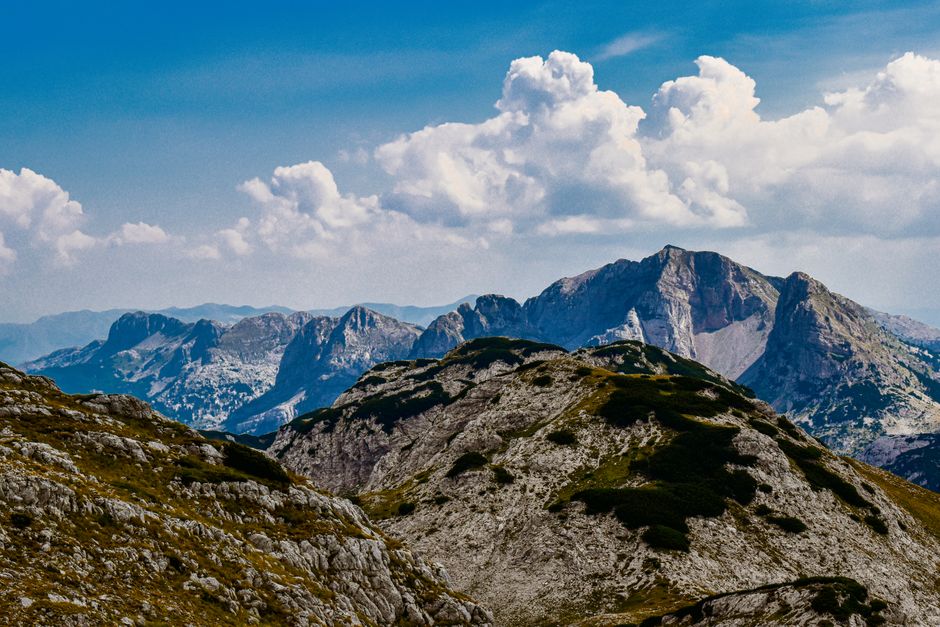
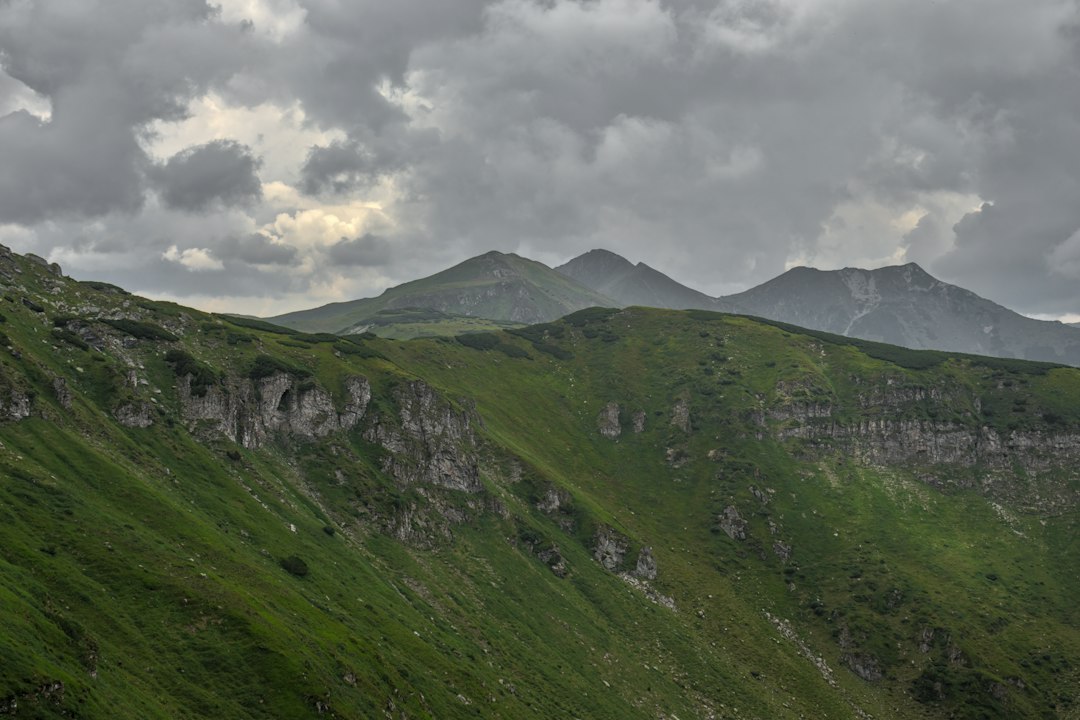
Maglić Mountain is the dominant force in this landscape, the highest peak in Bosnia and Herzegovina, rising to 2,386 meters above sea level. It is not a friendly climb. The trails are steep, often unmarked, and the weather changes with terrifying speed. One moment you're sweating under a thin shirt, the next you're pulling on a waterproof layer as hail begins to ping off your hat. The summit offers a view that stretches across the border into Montenegro, but the real reward is the solitude. At the top, there are no crowds, no vendors, just the wind and the vast, green expanse of the Balkans.
The approach to Maglić is a test of endurance. Most trekkers start from the Planinarsko sklonište Sutjeska (Sutjeska Mountain Refuge), a sturdy stone building perched at 1,400 meters. The hike from the refuge to the summit takes about four to five hours one way, with an elevation gain of nearly 1,000 meters. The trail winds through dense forests of spruce and beech, then breaks into alpine meadows where wildflowers bloom in short, intense bursts during June and July. The rocks are dark, almost black, giving the mountain its name, which roughly translates to "hammered" or "forged." It feels like climbing into the heart of a forge.
What makes Maglić special is its isolation. Unlike the more accessible peaks in neighboring Montenegro, Sutjeska remains largely untouched by mass tourism. The infrastructure is minimal, the cell service is nonexistent, and the wilderness is real. You are on your own here. That is both the danger and the allure. If you are not prepared, you will be humbled. If you are, you will be rewarded with one of the most profound experiences in the Balkans.
Forests of the Old World
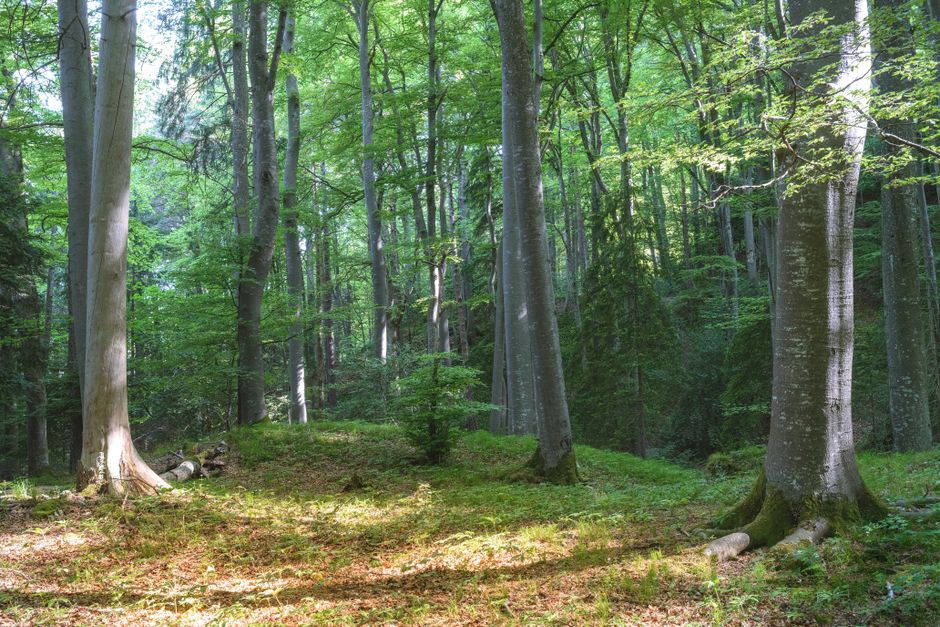
The beech forests of Sutjeska are not just trees; they are a living museum of ecological history. The Primeval Beech Forest of Sutjeska is part of the larger transnational UNESCO World Heritage site that spans 18 countries. These forests have survived millennia of climate change, logging, and war. The trees are massive, some over 200 years old, with gnarled roots that twist through the rock like veins. The undergrowth is thick with ferns, moss, and wild berries. Walking through these woods feels like stepping back in time, to a world before roads and radios.
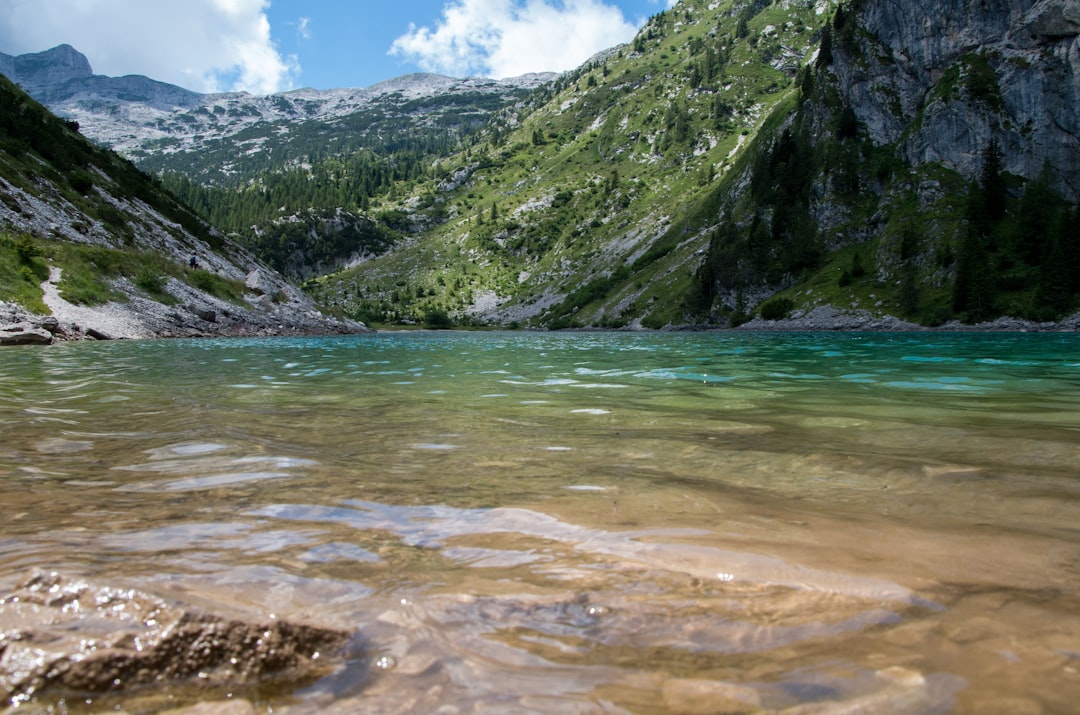
One of the best ways to experience the forest is the trail to Bjelasnica Lake and Crno Jezero (Black Lake). These glacial lakes are hidden deep in the woods, accessible only by foot. The hike to Crno Jezero is moderate, taking about two to three hours from the park entrance. The lake itself is small, dark, and mirror-like, reflecting the surrounding peaks with eerie precision. In the summer, the water is freezing, but the clarity is stunning. You can see fish swimming beneath the surface, their scales flashing in the dappled light. It is a place of quiet beauty, far from the noise of the world.
The forest floor is a tapestry of decay and rebirth. Fallen logs are covered in fungi and moss, providing homes for countless insects and small mammals. Deer, wild boar, and even bears roam these woods, though sightings are rare. The park rangers are strict about leaving no trace, and for good reason. This ecosystem is fragile, despite its apparent toughness. Every piece of litter, every off-trail shortcut, is a threat to the balance that has existed for centuries.
History Carved in Stone
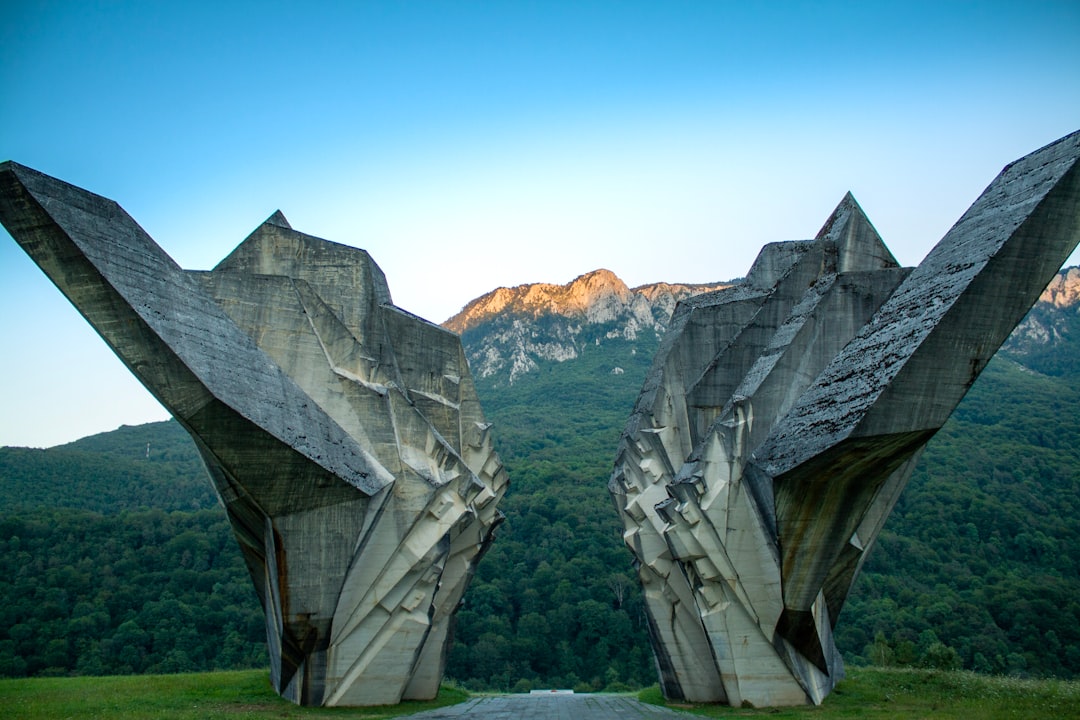
You cannot talk about Sutjeska without talking about the Sutjeska Monument, also known as Kost (The Bone). Designed by the renowned Yugoslav sculptor Mehmed Mujezinović, the monument is a massive, jagged structure that looks like a broken rib or a lightning bolt frozen in concrete. It stands on the site of the Battle of Sutjeska, one of the bloodiest engagements of World War II in the Balkans. In 1943, the Partisan forces, led by Josip Broz Tito, fought a desperate battle against German, Italian, and Croatian forces. Thousands died in the freezing winter conditions. The monument is a stark, powerful reminder of that sacrifice.
The monument complex includes a museum and a large open plaza, but the atmosphere is somber, not celebratory. The concrete is weathered, stained by rain and time, adding to its grim beauty. Visitors are expected to be respectful. There are no souvenir stalls, no loud music. Just the wind whistling through the jagged concrete and the silence of the surrounding forest. The museum inside provides detailed accounts of the battle, with photographs, weapons, and personal stories from survivors. It is a heavy experience, but an important one.
Nearby is the Sutjeska Monastery, a 16th-century Orthodox monastery that survived centuries of Ottoman rule and later wars. It is a place of quiet prayer and reflection, with beautiful frescoes and icons inside. The monks are welcoming, offering strong coffee and a chance to talk about the region's history. The monastery is a testament to the resilience of the local people, who have maintained their faith and culture despite decades of conflict and change.
Routes & Trail Info
Route 1: Planinarsko sklonište Sutjeska to Maglić Summit
Starting Point: Planinarsko sklonište Sutjeska (1,400m)
Distance: 10 km round-trip
Elevation Gain: 900m
Duration: 8-10 hours
Difficulty: Experienced
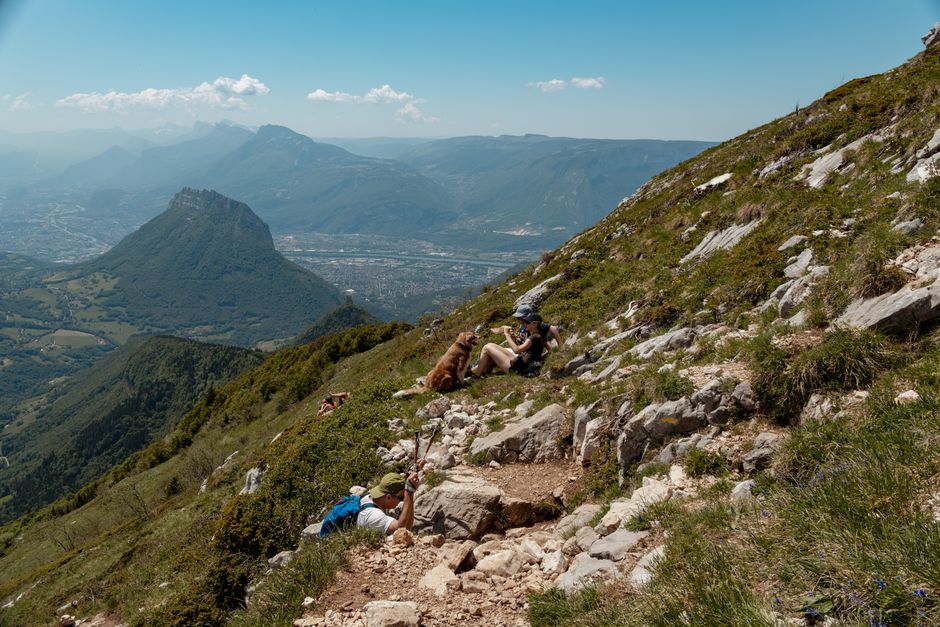
This is the most challenging and rewarding hike in the park. The trail is steep and rocky, with some exposed sections. Good fitness and sturdy boots are essential. The weather can change rapidly, so bring layers and rain gear. The summit offers panoramic views of the surrounding peaks and valleys.
Route 2: Park Entrance to Crno Jezero (Black Lake)
Starting Point: Sutjeska National Park Entrance (near Gacko)
Distance: 8 km round-trip
Elevation Gain: 400m
Duration: 4-5 hours
Difficulty: Intermediate
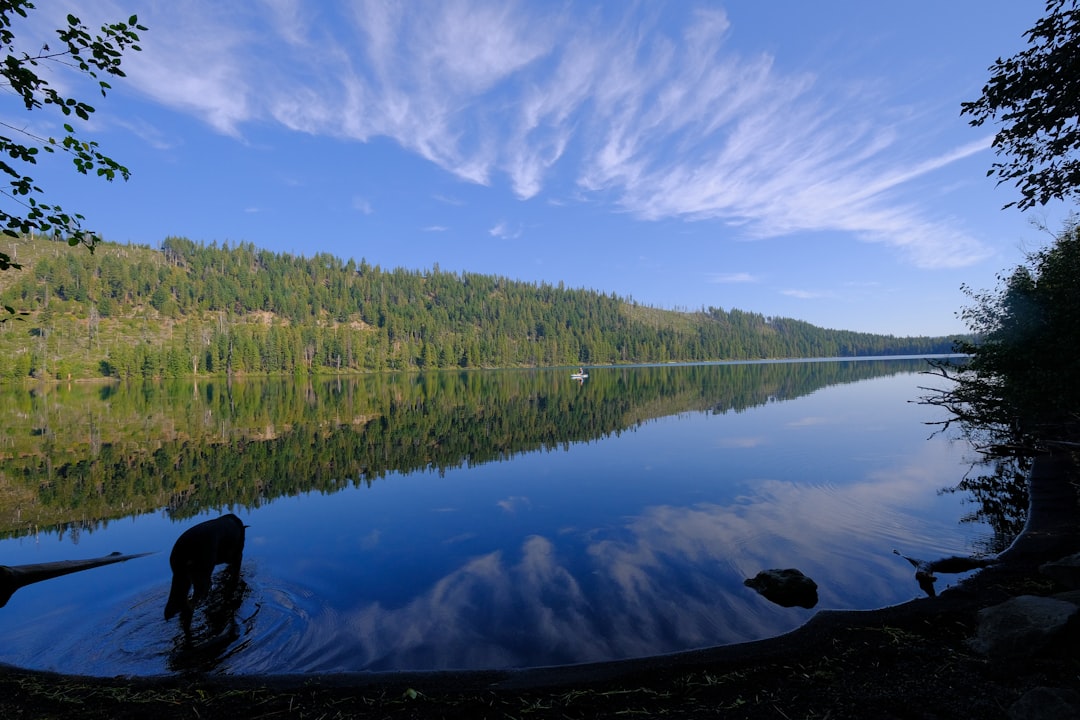
A moderate hike through dense beech forest to a glacial lake. The trail is well-marked but can be muddy after rain. The lake is a beautiful spot for a picnic, but remember to pack out all trash. Good for families with older children.
Route 3: Monument to Bjelasnica Lake
Starting Point: Sutjeska Monument
Distance: 6 km one-way
Elevation Gain: 300m
Duration: 3-4 hours
Difficulty: Easy to Intermediate
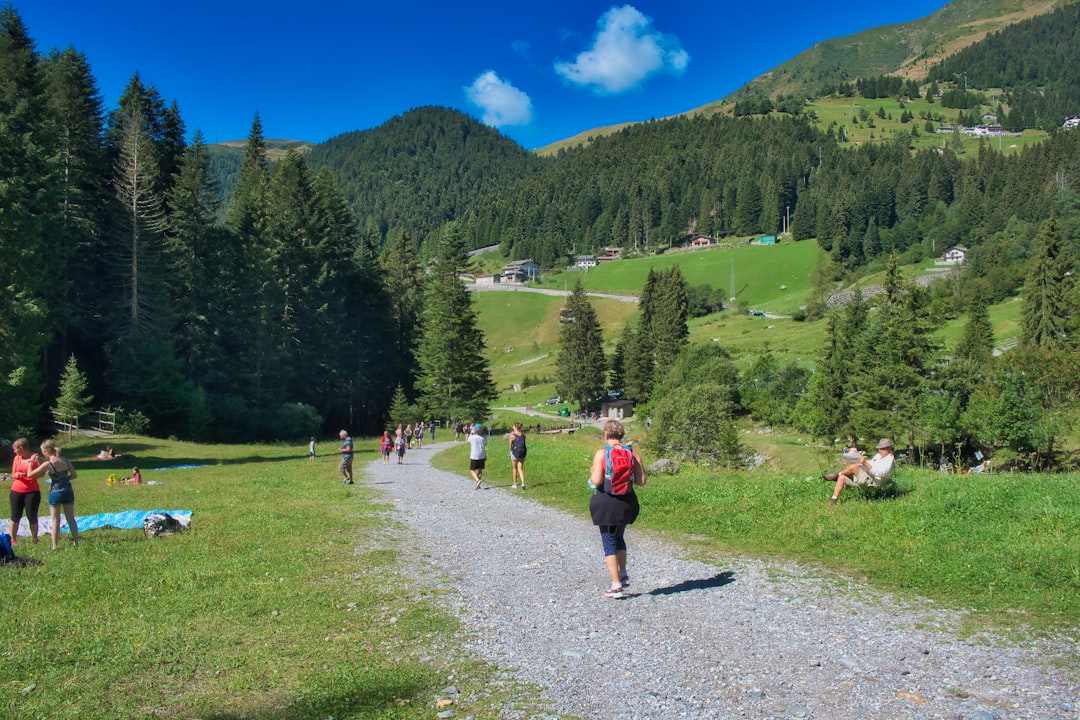
A scenic walk from the monument to another glacial lake. The trail passes through mixed forest and open meadows. Good for a half-day hike. The lake is smaller than Crno Jezero but equally beautiful.
Getting There & What to Expect
The nearest major town is Gacko, a small mountain town with basic amenities. From Mostar, it is about a 2-hour drive (120 km) via the M-17 and R-418 roads. The road is narrow and winding, with sharp turns and occasional livestock on the road. Drive slowly and with caution. From Sarajevo, it is about a 4-hour drive (260 km) via the M-17 and M-5 highways. There are no direct buses to the park, so you will need to rent a car or take a taxi from Gacko.
Accommodation in the park is limited. The Planinarsko sklonište Sutjeska offers basic dormitory-style beds for 15-20 EUR per night and simple meals for 5-8 EUR. It is a good option for hikers, but you need to book in advance during the summer months. There are also a few private guesthouses in Gacko, with rooms ranging from 30-50 EUR per night. Camping is allowed in designated areas, but you must bring your own equipment and follow strict rules about fire and waste.
The best time to visit is from June to September, when the weather is warm and the trails are dry. In spring and autumn, the rain is frequent and the mud is deep. In winter, the park is closed due to heavy snow and avalanche risk. The park entrance fee is 5 EUR for adults and 2 EUR for children. There is no fee for the trails, but respect the environment and leave no trace.
Search accommodation in Gacko on Booking.com →
The Weight of the Wild
As I packed my gear at the refuge, preparing to descend, I felt a strange sense of loss. Sutjeska is not a place that lets you go easily. It stays with you, in the ache of your legs, the smell of the pine, the image of the jagged monument against the grey sky. It is a place of contradictions: beauty and brutality, silence and noise, life and death. And that is what makes it so powerful.
In a world that is increasingly connected and curated, Sutjeska remains stubbornly real. It does not care about your likes or shares. It does not care about your comfort. It asks only that you respect it, and in return, it gives you something rare: a chance to feel small, to feel alive, to feel the weight of history on your shoulders. That is not a bad trade.
Comments