


The air at 2,925 meters doesn't just feel thin; it feels entitled. It demands you pay attention. I was standing on the rocky summit of Musala Peak, Bulgaria's highest point, watching a cloud bank roll over the Rila Mountains like a slow-moving ocean. My lungs were burning, a familiar, welcome ache from the three-hour push from the Musala Hut. A Bulgarian hiker, older than me by twenty years and moving with the casual grace of someone who climbs for breakfast, nodded at me. No words were exchanged. We just shared the silence and the wind that tries to push you off the edge. This isn't a hike for the faint of heart, but it's not a technical climb either. It's a test of endurance, logistics, and the willingness to wake up at 4 a.m. in the dark.
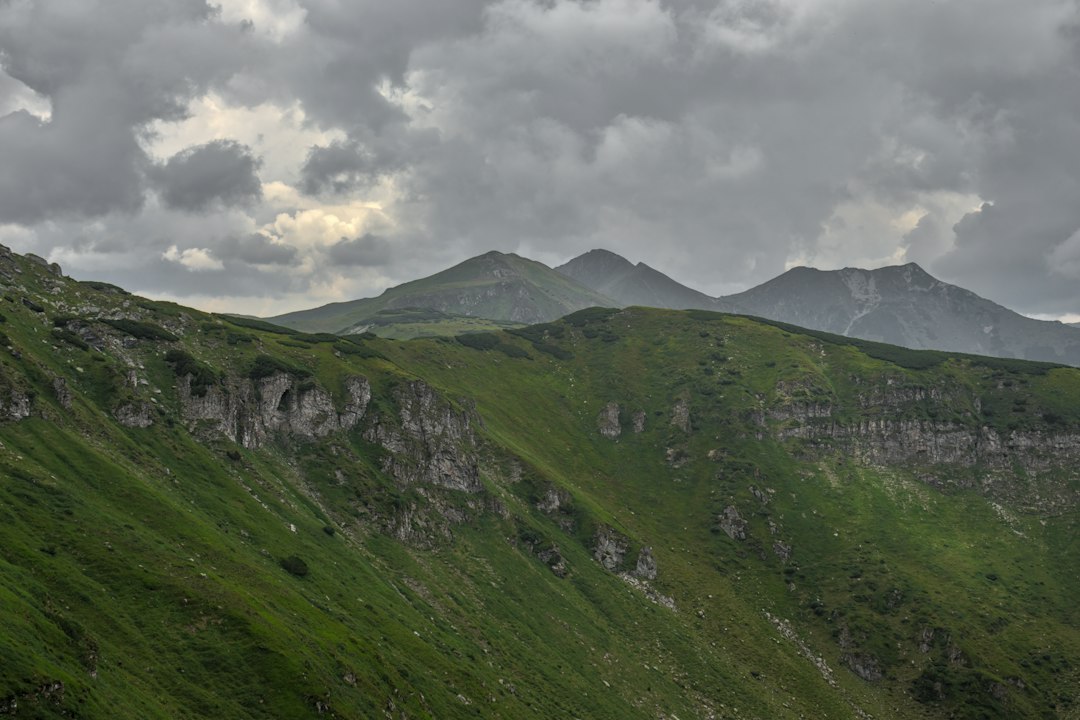
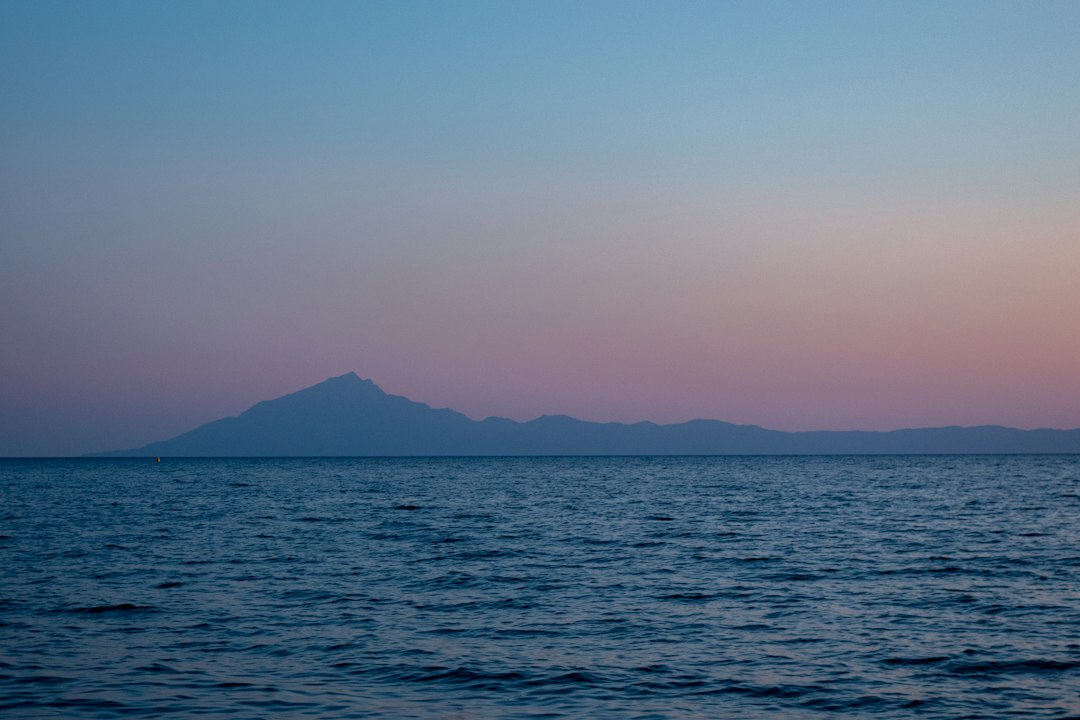
Getting to the top of Rila National Park's crown jewel requires planning. You can't just drive up and walk out of the car. The road ends at the ski resort, and from there, it's a trek through pine forests, alpine meadows, and finally, a scramble over loose scree. The views, however, are the payoff. On a clear day, you can see the peaks of the Pirin Mountains to the south, the Rhodopes to the east, and even the distant outline of Mount Olympus in Greece. It's a panoramic dominance that makes you feel both small and incredibly alive.
The Approach: From Pine Forest to Alpine Desolation
The standard route begins at the Borovets ski resort, which sits at about 1,350 meters. In the summer, the ski lifts are dormant, and the slopes become hiking trails. The path from Borovets to the Musala Hut is well-marked with red paint on stones and trees. It's a steady climb through dense spruce and pine forests. The air is cooler here, scented with resin and damp earth. After about an hour and a half, the trees thin out, and you enter the alpine zone. The landscape opens up, revealing rocky ridges and wildflowers—alpine daisies, edelweiss, and gentians—if you're hiking in early summer.
The final leg from the Musala Hut to the summit is the most exposed part of the hike. It's not technically difficult, but it's tiring. The trail zigzags up a steep slope of loose rocks and gravel. Your legs will burn, and the thin air will make every step feel heavier. The hut itself is a concrete structure that provides basic shelter, hot water, and simple meals. It's a crucial stop for anyone attempting the summit in one day, allowing you to break the hike into two manageable parts. Waking up at the hut, stepping out into the pre-dawn cold, and starting the final push is a rite of passage for many Balkan hikers.

Routes & Trail Info
There are two main ways to summit Musala. The most popular is the overnight approach via the Musala Hut. This splits the effort into two days, making it accessible to a wider range of hikers. The second option is a long, grueling day hike from Borovets, which is only recommended for experienced hikers in good physical condition.
Route 1: The Overnight Approach (Recommended)
- Day 1: Borovets to Musala Hut. Distance: ~8 km one-way. Elevation gain: ~700 meters. Duration: 3-4 hours. Difficulty: Intermediate.
- Day 2: Musala Hut to Summit and back. Distance: ~4 km round-trip. Elevation gain: ~700 meters. Duration: 2-3 hours. Difficulty: Intermediate.
Route 2: The Day Hike from Borovets
- Route: Borovets to Summit and back. Distance: ~12 km round-trip. Elevation gain: ~1,400 meters. Duration: 7-9 hours. Difficulty: Experienced.
For the overnight approach, you need to book a bed at the hut in advance, especially in July and August. The hut has limited capacity, and it fills up quickly. Bring your own sleeping bag liner, as the bedding is basic. The day hike is doable, but it's a long day, and you need to start early to avoid the afternoon heat and potential thunderstorms.

Getting There & What to Expect
The nearest major city is Sofia, the capital of Bulgaria. From Sofia, you can drive to Borovets in about 1.5 to 2 hours. The road is well-maintained, but it can get busy in the summer. If you don't have a car, you can take a bus from Sofia's central bus station to Borovets. Buses run regularly, and the journey takes about 2 hours. From the bus station in Borovets, it's a short walk to the start of the hiking trail.
Accommodation in Borovets ranges from budget hostels to mid-range hotels. A bed in a hostel costs around 20-30 EUR per night, while a room in a hotel is 50-80 EUR. The Musala Hut charges 15-20 EUR for a bed in a dormitory room and 5-10 EUR for a meal. Bring plenty of water, as there are no sources of water above the hut. The weather at the summit can change rapidly, so bring layers, a windbreaker, and sturdy hiking boots. The best months to hike are June, July, and August, when the snow has melted and the weather is generally stable.
Search accommodation in Borovets on Booking.com →
The Cold Reality of the Summit
Standing on top of Musala, the reality of the Balkans' highest point sets in. It's not just a dot on a map or a photo op. It's a physical presence. The wind howls, the rocks are cold under your hands, and the sky feels impossibly high. You look down at the Musala Hut, a tiny speck in the vastness of the mountains, and you feel a surge of accomplishment. It's a feeling that's hard to describe, but easy to remember. I turned to leave, my legs trembling slightly, but my mind clear. The descent was quicker, but no less demanding. Every step down was a reminder of the effort it took to get up there. As I walked back into the pine forest, the air grew warmer, and the world felt softer. But for a few hours, I had been part of the mountain, and that was enough.
Comments