


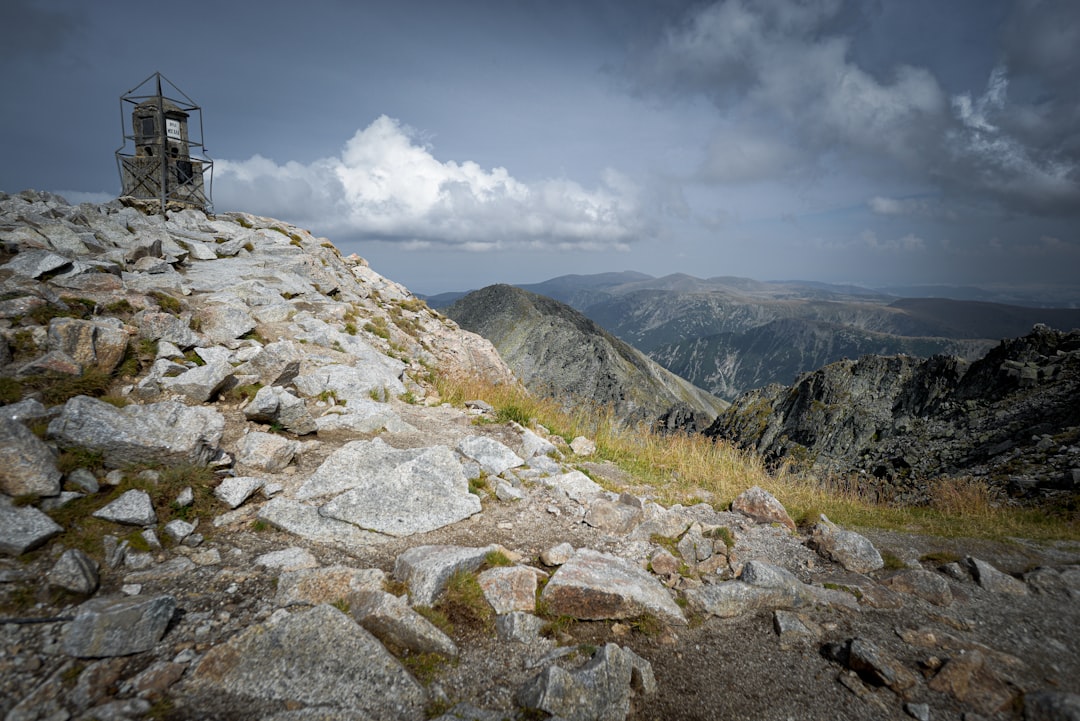
The air at 2,925 meters doesn't just thin; it vanishes. I stood on the jagged spine of Mount Musala, the highest point in the entire Balkan Peninsula, watching a storm roll in from the north like a bruised purple bruise. My lungs burned with a fire that had nothing to do with the altitude and everything to do with the sheer, stupid, magnificent arrogance of thinking I could conquer a mountain that has been ignoring humans for millennia. Below me, the clouds were a churning white ocean, hiding the valley floor, hiding the world, hiding the fact that I had started this day in a dusty trailhead with a backpack that felt like it was filled with lead bricks and bad decisions.
This isn't a hike for the faint of heart or the Instagram-curious who want a photo op without the sweat. This is a pilgrimage to the roof of Bulgaria. The route via the Seven Rila Lakes is the classic approach, but "classic" is a polite word for "brutal." It demands everything you have, from the moment you lace up your boots in the misty morning until you crest the final ridge under a sky so blue it looks fake. I came here to escape the noise of the modern world, and instead, I found the loudest silence I have ever heard.
The Ascent Begins: From Pine Forests to Alpine Desolation
The journey to the summit doesn't start at the top; it starts at the Rila Monastery trailhead, or more accurately, the parking lot near Rila Monastery, which is the gateway to the national park. You take a local bus from Sofia, a ride that takes about an hour and costs a fraction of what you'd pay for a taxi. The bus drops you off near the monastery, a sprawling complex of baroque architecture and religious fervor, but you don't stop there. You walk past the crowds of tourists snapping photos of the frescoes and head toward the trail markers for the Seven Lakes. The initial kilometers are deceptively easy, winding through dense spruce and fir forests. The ground is soft with pine needles, and the air smells of damp earth and resin. It feels peaceful, almost too peaceful, lulling you into a false sense of security before the mountain reveals its true character.
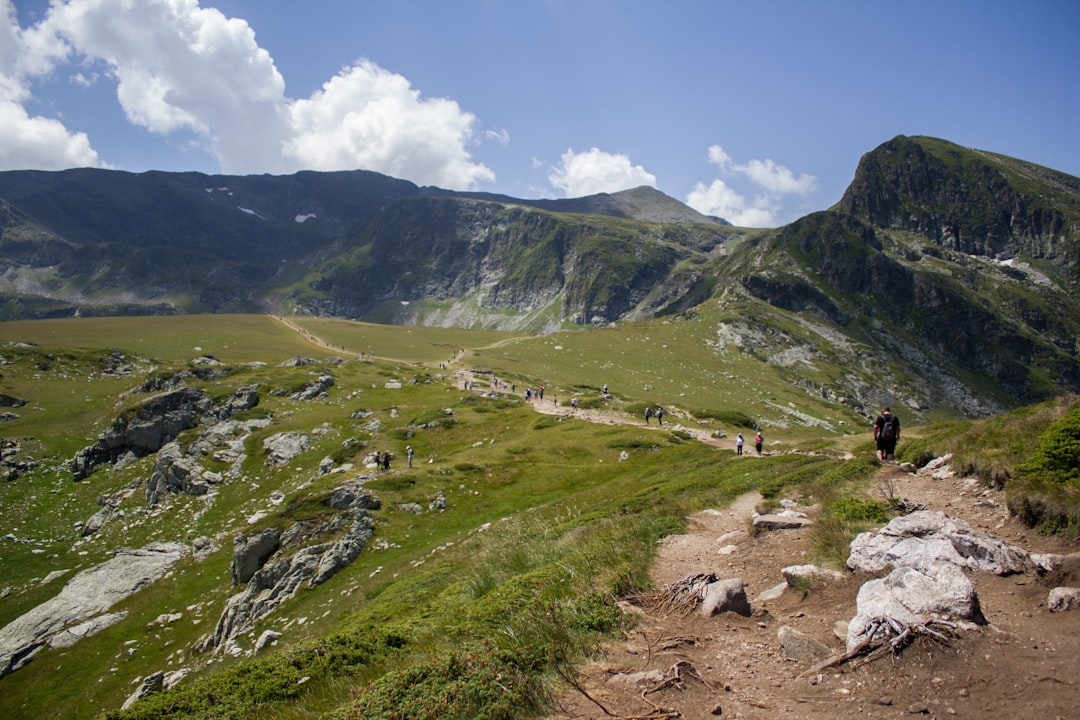
As you climb higher, the trees thin out, giving way to rocky slopes and alpine meadows. The path becomes steeper, demanding more from your legs with every step. You pass small streams and waterfalls, their water cold enough to shock the system if you're foolish enough to dip your hand in. The landscape shifts from green to grey, from soft to hard. This is the transition zone, where the civilized world ends and the wild begins. You'll see other hikers, some fit, some struggling, all united by the shared goal of reaching the lakes. The camaraderie is real, forged in the shared suffering of the ascent. A nod, a grunt, a shared smile — it's a language all its own.
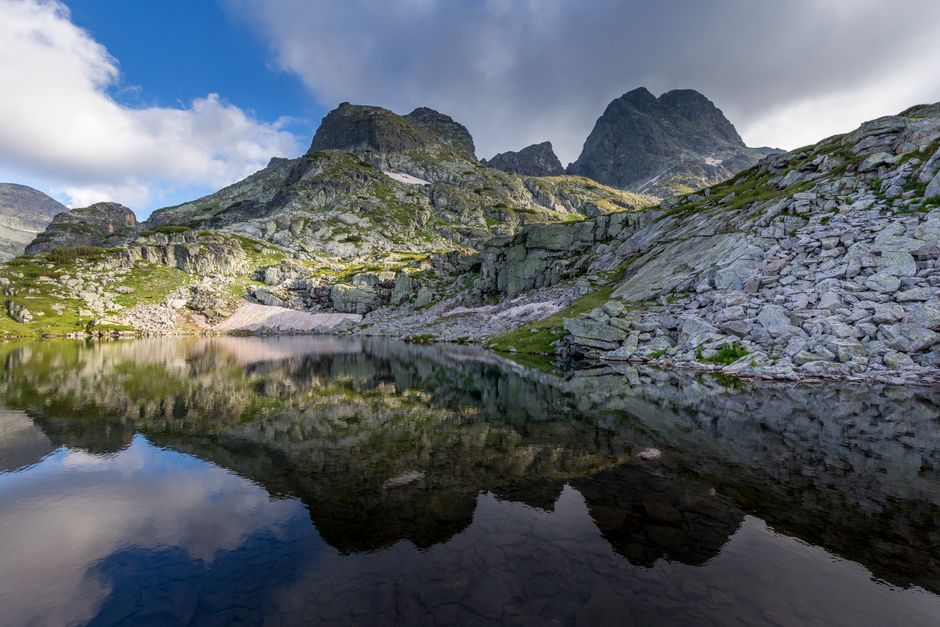
By the time you reach the first lake, Yastan, you've already gained significant elevation. The lake is small, dark, and mirror-like, reflecting the surrounding peaks with eerie clarity. It's a brief respite, a moment to drink water, eat a snack, and adjust your pack. But don't linger too long. The mountain doesn't care about your schedule. The real work is still ahead, and the higher you go, the harder the air becomes. The path continues to climb, winding around the lakes, each one more beautiful than the last. Poplino, Cherni, Belya, Triliste, Dolno, and finally Gorno — the upper lake. Each lake is a jewel set in the rock, a testament to the glacial forces that shaped this landscape thousands of years ago.
The Final Push: Ridge-Walking to the Roof of the Balkans
From the upper lake, the path turns sharp and steep, leading you toward the ridge that separates Musala from its neighbor, Yulen Peak. This is the most challenging part of the hike, where the trail becomes a series of rocky steps and exposed ledges. The wind picks up here, howling across the ridge, threatening to knock you off balance. You have to focus, every step, every breath, every movement. There's no room for error, no margin for distraction. The view from the ridge is spectacular, but it's also terrifying. You're walking on the edge of the world, with nothing but air and rock beneath your feet. The sense of isolation is profound, a feeling of being utterly alone in a vast, indifferent landscape.
As you approach the summit, the path levels out slightly, but the air is thinner here, making every step feel like a marathon. The final push is a test of will, a battle against your own body and mind. Your legs burn, your lungs ache, and your mind screams at you to stop, to turn back, to find shelter. But you keep going, driven by the promise of the view, by the desire to stand at the top, to claim that small piece of triumph. When you finally crest the ridge and see the summit marker, a simple stone cairn with a metal plaque, you feel a rush of adrenaline and relief. You made it. You're standing on the highest point in the Balkans, surrounded by clouds and silence.
The summit of Mount Musala is a small, flat area, barely big enough to fit a few people. There's no grand monument, no fancy signpost, just a simple marker and a vast, empty landscape. It's humbling, in a way. You're standing on top of the world, but the world doesn't care. It doesn't acknowledge your achievement, your struggle, your triumph. It just is. And that's the beauty of it. The mountain doesn't need you. It doesn't need anyone. It's been here for millions of years, and it will be here for millions more. You're just a visitor, a fleeting presence in its eternal existence. But for a moment, you're part of it. You're part of the landscape, the air, the silence. And that's enough.
Routes & Trail Info
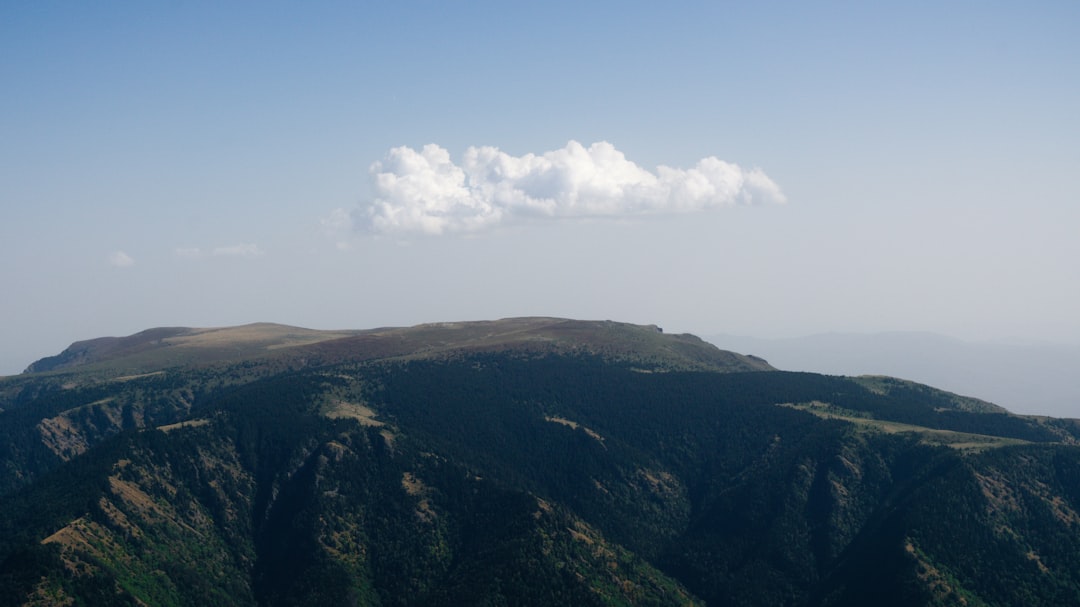
The standard route to Musala via the Seven Rila Lakes is well-marked and popular, but it's not without its challenges. The trail starts at the Rila Monastery parking area, which is at an elevation of about 1,150 meters. From there, you climb through the forest, passing the seven lakes, and then ascend the ridge to the summit. The total distance is approximately 12 kilometers one-way, with an elevation gain of about 1,775 meters. The hike typically takes 6-8 hours one-way, depending on your fitness level and weather conditions. The difficulty is rated as Intermediate to Experienced, due to the steep sections, exposed ridges, and high altitude. It's not a hike for beginners, but it's achievable for anyone with good fitness and proper preparation.
There are alternative routes to Musala, but they are generally more technical and less popular. The route via Yulen Peak is slightly shorter but steeper, and it involves more scrambling over rocks. The route via Trigrad is longer and less direct, but it offers a different perspective on the mountain. Regardless of which route you choose, proper preparation is essential. You need sturdy hiking boots, waterproof clothing, plenty of water and food, and a good map and compass or GPS device. The weather on the mountain can change rapidly, so you should always check the forecast before you go and be prepared for rain, wind, and even snow, even in summer.
Getting There & What to Expect
The nearest town with road access to the trailhead is Rila, a small village at the foot of the mountain. You can get there from Sofia by bus, which takes about 1 hour and costs around 5-7 EUR. The bus drops you off near the monastery, and from there, you can walk to the trailhead or take a short taxi ride. If you're driving, there's a large parking area near the monastery, but it fills up quickly on weekends, so arrive early. The trailhead is well-marked, and the path is clear, but you should still be careful and stay on the marked trail. There are no facilities at the trailhead, so bring everything you need with you. There are no shops or restaurants on the mountain, so you'll need to carry all your food and water. The only accommodation on the mountain is a small hut near the upper lake, but it's basic and often full, so don't rely on it. Most hikers do this as a day trip, starting early in the morning and returning to Sofia in the evening.
Accommodation in Rila or Sofia is affordable. Budget hostels in Sofia cost around 20-40 EUR per night, while mid-range hotels in Rila cost around 60-100 EUR per night. Meals in Sofia are cheap, with street food costing 2-5 EUR and sit-down restaurants costing 10-20 EUR per person. The best months to visit are June to September, when the weather is warm and the snow has melted. July and August are the busiest months, so expect crowds on the trail. May and October can be risky, with unpredictable weather and possible snow at higher elevations. Winter hiking is only for experienced mountaineers with proper equipment and skills.
Search accommodation in Sofia on Booking.com →
The Descent: When the Mountain Lets You Go
Coming down is harder than going up. Your knees take a beating, and the familiar path feels longer, more tedious. The excitement of the summit fades, replaced by the dull ache of fatigue. But there's a different kind of beauty in the descent. The light changes, casting long shadows across the lakes and valleys. The clouds part, revealing glimpses of the world below. You see the monastery again, tiny and distant, a speck of civilization in a vast wilderness. You see the buses waiting for the hikers, the cars parked in the lot, the people going about their daily lives. It's a reminder that the mountain is just one part of the world, one part of the human experience. And when you finally reach the trailhead, when you step back onto the pavement, when you feel the solid ground beneath your feet, you feel a sense of gratitude. You survived. You conquered. And the mountain, indifferent as ever, let you go.
Comments