


The steam hits you like a physical blow, thick with the scent of wet stone and centuries of sweat. I'm standing in the dim, vaulted interior of a bathhouse that has seen empires rise and fall, the air so heavy it feels like breathing soup. A local man, wrapped in a towel, nods at me with a grin that suggests he knows something I don't — that this isn't just a place to wash, but a living archive of Ottoman engineering. The tiles are cracked, the iron pipes groan, but the heat radiating from the floor is unmistakable, a testament to a system that kept this city warm long before central heating existed.
This is Pristina, a city often misunderstood, reduced to headlines and political soundbites. But step into the Old Bazaar, and the noise fades. Here, the architecture speaks a different language — one of domes, arches, and steam. The Ottoman hamam, or bathhouse, is more than a relic; it's a masterclass in thermal engineering, social design, and cultural resilience. And in Pristina, where modernity clashes with memory, these stone structures stand as quiet rebels, defying demolition and decay.
History & Identity
Pristina's Ottoman legacy is etched into its streets, but nowhere more vividly than in its hamams. Built between the 15th and 19th centuries, these bathhouses were not just places for cleansing — they were social hubs, medical centers, and symbols of Ottoman urban planning. The Sultan Murad Mosque and the Old Bazaar form the heart of this historic district, a UNESCO-tentative site that survived wars, fires, and neglect. The hamams were integral to this ecosystem, serving a city that grew under Ottoman rule and retained its architectural soul even after independence.
The design is deliberate: a sequence of rooms progressing from warm to hot to cold, each with a specific purpose. The gymnasium (soyunluk) for undressing, the tepidarium (ılımlı) for acclimatization, the caldarium (sıcaklık) for the main ritual, and the frigidarium (serinlik) for cooling down. This wasn't just about hygiene — it was a ritual of purification, both physical and spiritual. In a city where religion and daily life intertwined, the hamam was a space where class and gender, though separated, shared the same steam.
But Pristina's hamams also tell a story of survival. Many were damaged during the 1999 Kosovo War, their domes cracked, their mosaics shattered. Yet, unlike many Balkan cities that erased their Ottoman past, Pristina preserved these structures, not out of nostalgia, but out of necessity. They are the bones of the city, and without them, the Old Bazaar would be just another tourist market. The recent restoration of the Hamam of Pristina — a project funded by both local and international bodies — signals a shift: these spaces are no longer relics, but active participants in the city's cultural revival.
Where to Go
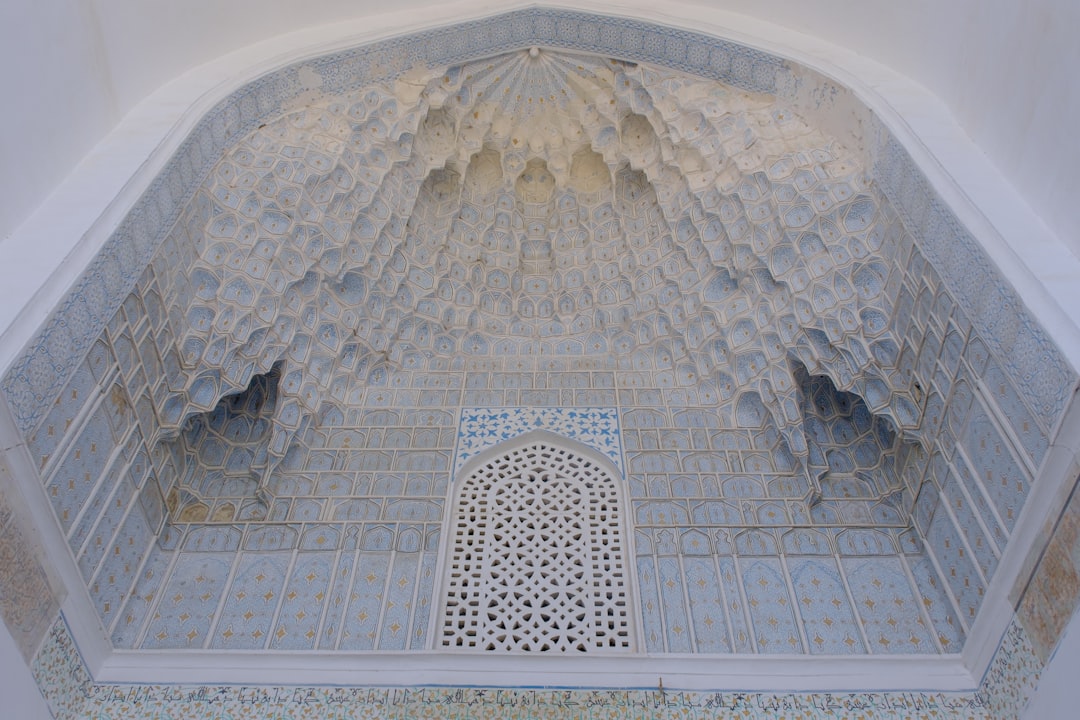
Hamam of Pristina — The crown jewel of Pristina's Ottoman heritage, this 15th-century bathhouse has been meticulously restored. Its central dome, supported by stone arches, still channels steam with the same efficiency as it did five centuries ago. Entry is 5 EUR, and guided tours are available in English. Best visited in the late afternoon when the light filters through the high windows, casting geometric shadows on the marble floors.
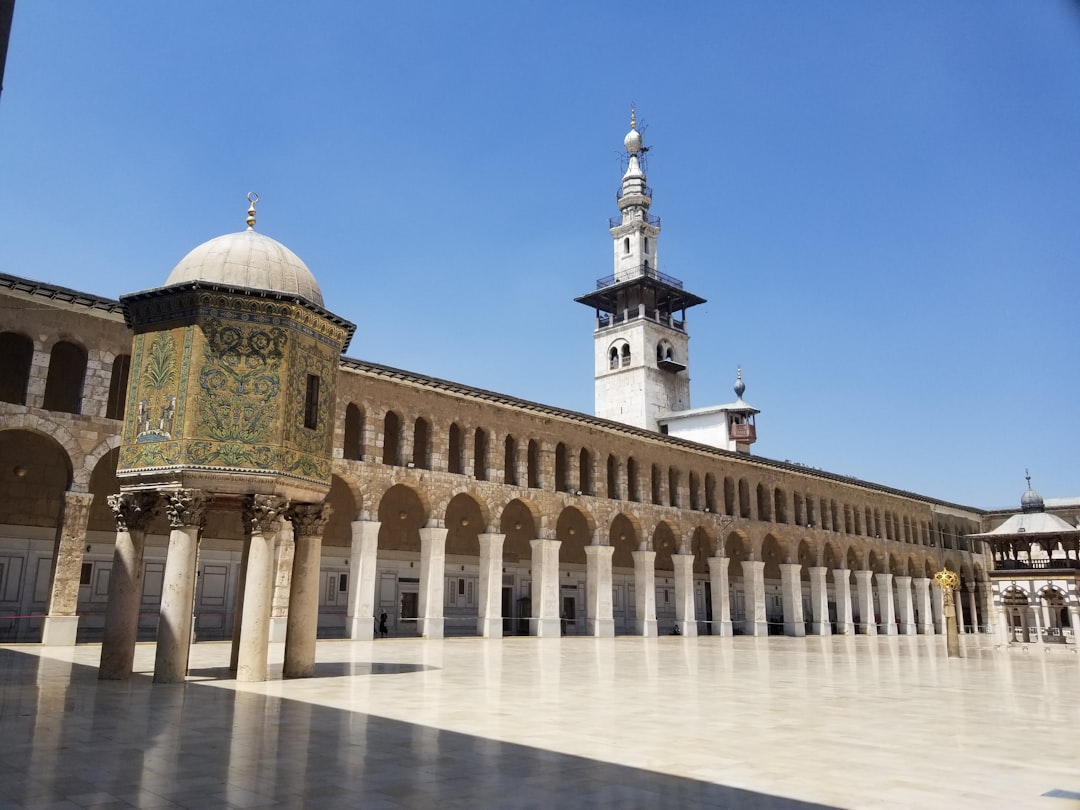
Sultan Murad Mosque — Adjacent to the hamam, this mosque is the oldest surviving Ottoman structure in Pristina. Its minaret, rebuilt after the 1999 war, stands as a symbol of resilience. The courtyard often hosts cultural events, and the call to prayer echoes over the bazaar at dawn and dusk. Entry is free, but visitors must dress modestly.
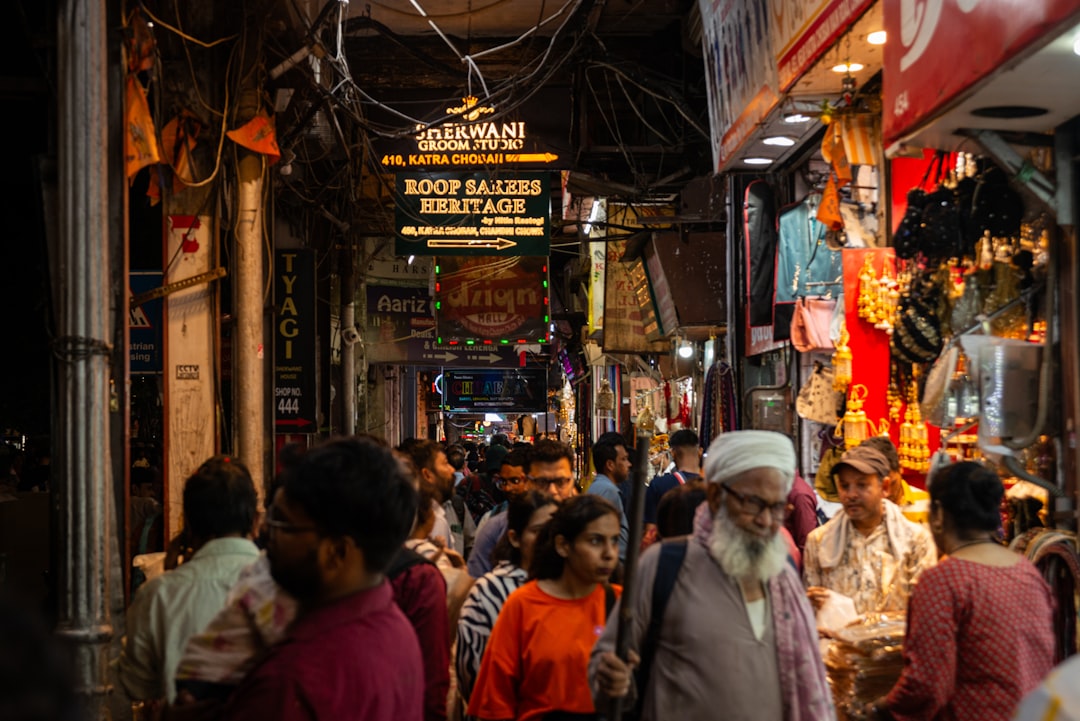
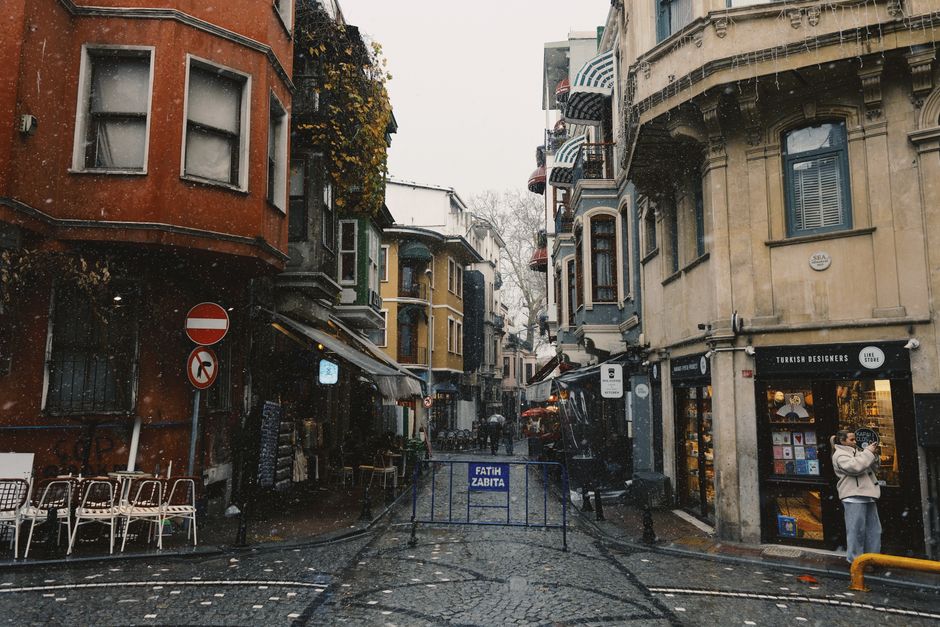
Old Bazaar — A labyrinth of narrow streets lined with copper smiths, spice vendors, and tea houses. The bazaar is alive with the clanging of metal, the smell of cumin, and the sound of bargaining. It's easy to get lost here, but that's part of the charm. The best time to visit is early morning, when the stalls are being set up and the light is soft.
Ethnographic Museum — Housed in a former Ottoman mansion, this museum offers a glimpse into daily life in the region. The exhibits include traditional clothing, household items, and photographs from the 19th century. It's a quiet contrast to the chaos of the bazaar, and well worth the 3 EUR entry fee.
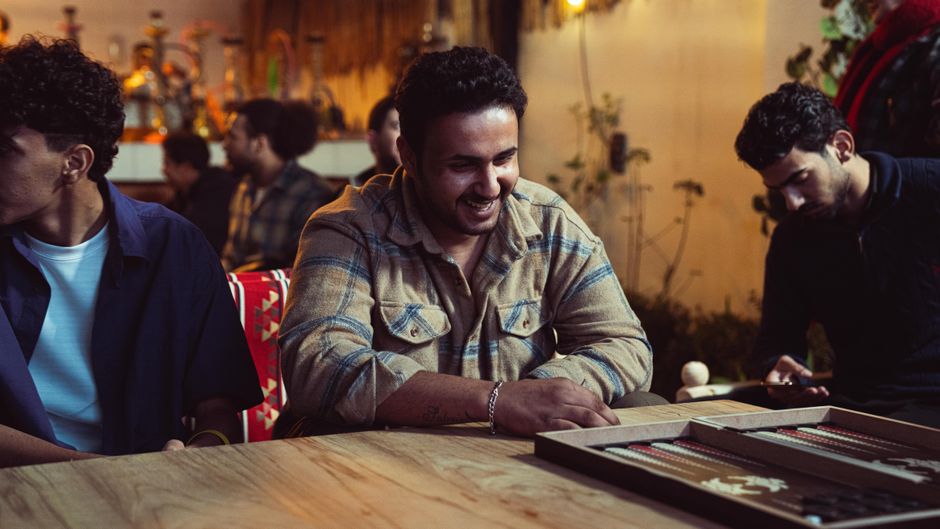
Teahouse of the Bazaar — Not a specific venue, but a category. The old bazaar is dotted with teahouses where men sit for hours, drinking strong tea and playing backgammon. These are not tourist traps — they are community spaces. Order a çaj (tea) for 1-2 EUR and stay as long as you like. The owners don't rush you; they want you to feel the rhythm of the place.
What to Eat & Drink
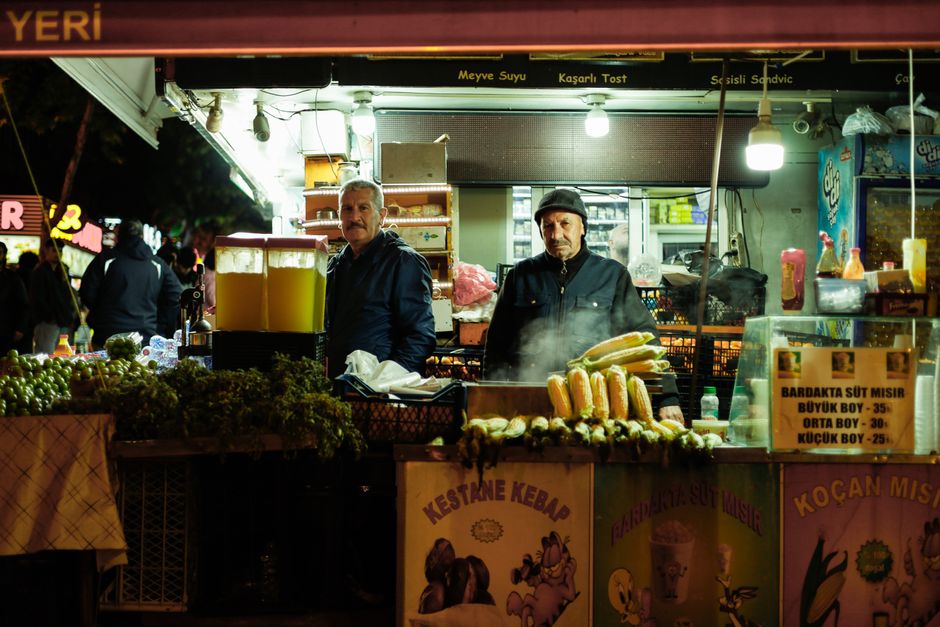
The food in Pristina's Old Bazaar is as old as the architecture. Byrek — flaky pastry filled with cheese, spinach, or meat — is the staple, costing around 2-3 EUR per piece. Qofte (grilled meatballs) are served with flatbread and a spicy yogurt sauce, typically 4-5 EUR. For something lighter, try sharkia, a yogurt-based soup with herbs and garlic, often sold from street stalls for 1-2 EUR.
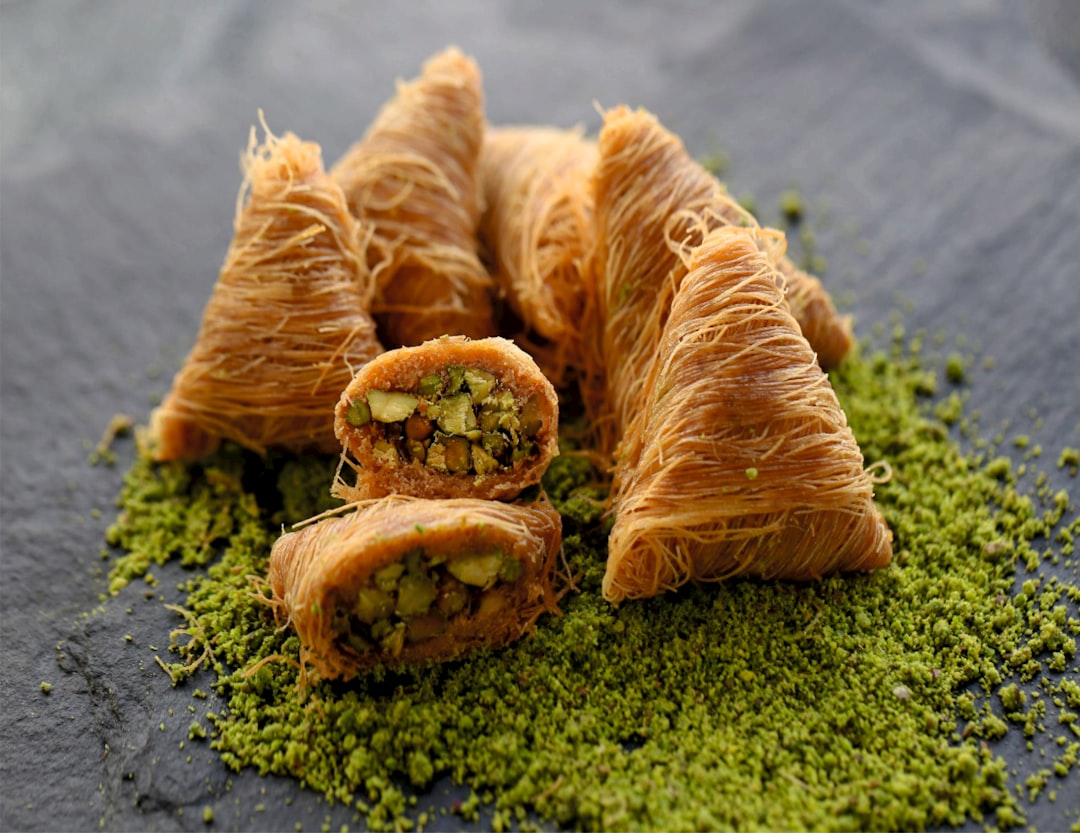
Budget breakdown: Street food and take-away options will keep you under 5 EUR per meal. A sit-down meal at a local restaurant in the bazaar costs 8-12 EUR per person, while mid-range hotels or cafes in the city center run 15-20 EUR. The bazaar itself is a food court of sorts, with vendors selling everything from roasted chestnuts to fresh-squeezed juice. Don't miss the baklava — layered with pistachios and soaked in syrup — for 3-4 EUR per slice.
The main food street is Rruga e Bajram Currit, where the copper shops give way to eateries. For a more refined experience, head to Grand Hotel district, where cafes serve everything from Turkish coffee to craft beer. But for authenticity, stick to the bazaar. The best meals are eaten standing up, surrounded by the noise and smell of the market.
Nightlife
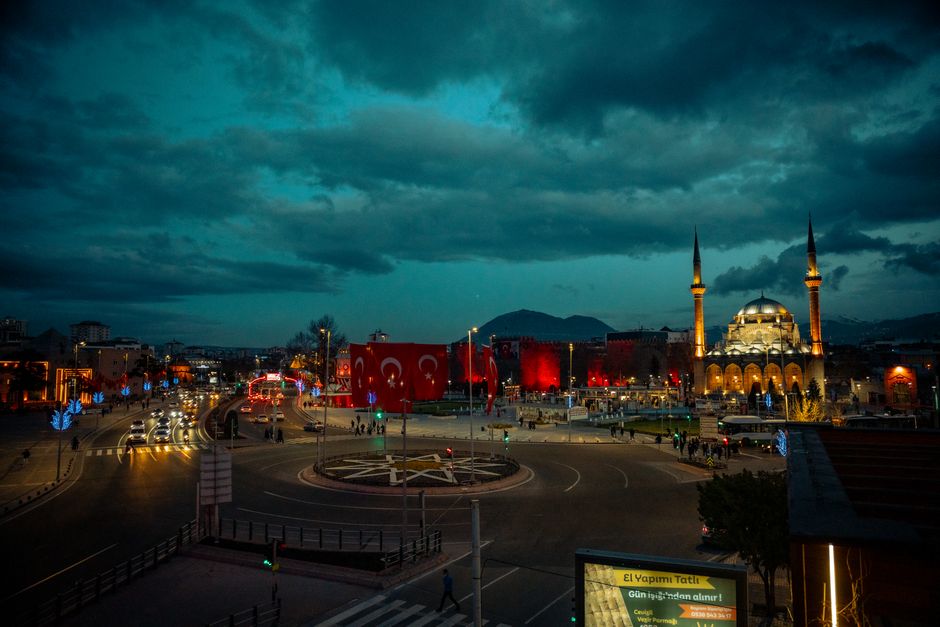
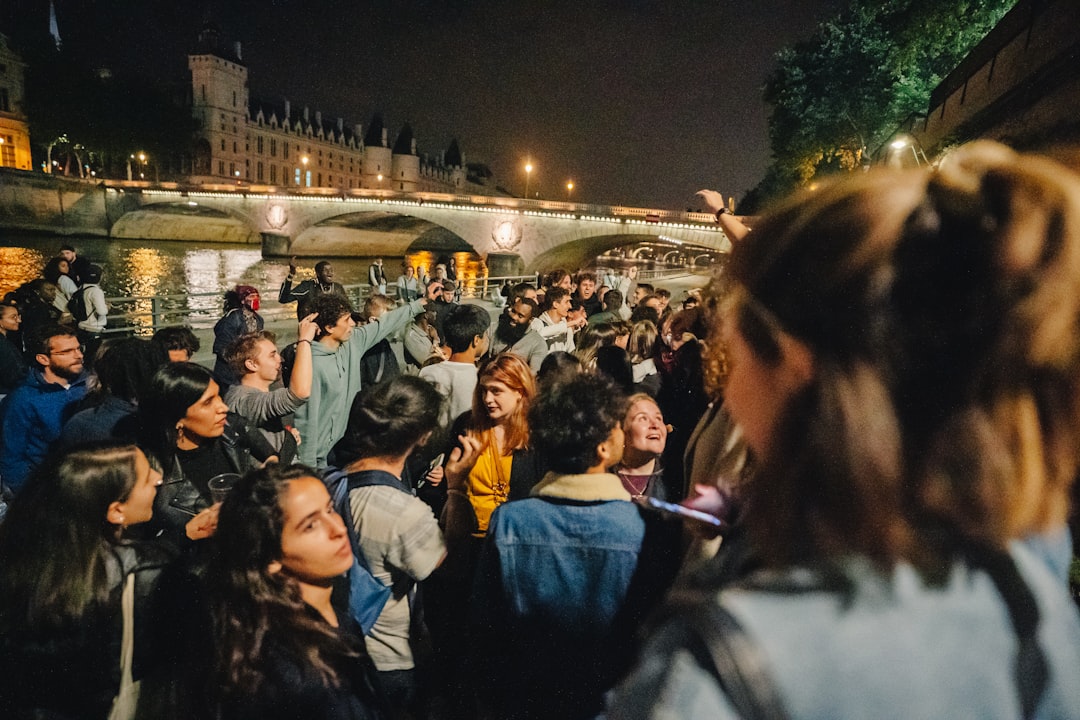
Pristina's nightlife is not in the Old Bazaar — it's in the city center, around Skenderbeg Square. But the bazaar has its own rhythm after dark. The teahouses stay open, the call to prayer fades, and the streets fill with young people heading to clubs. The main nightlife district is Ura e Ujkit (Bridge of the Hawk), where bars and clubs line the street. Club 5 is known for electronic music, with a cover charge of 5-10 EUR. Bar 7 is more laid-back, serving craft beer and live jazz.
But if you want to experience the old world, stay in the bazaar. Some teahouses turn into informal gathering spots after midnight, with locals playing music, smoking, and drinking raki (fruit brandy). It's not glamorous, but it's real. The hamam's steam may have cooled, but the city's pulse is still strong.

Getting There & What to Expect
Pristina International Airport Adem Jashari is the main gateway, with connections from major European hubs. From the airport, a taxi to the Old Bazaar costs 10-15 EUR and takes 20 minutes. Buses from the city center are cheaper (1 EUR) but less frequent. If you're driving, parking near the bazaar is limited, so use the public lots on the outskirts.
Accommodation ranges from budget hostels (15-25 EUR per night) to mid-range hotels (40-60 EUR per night). The best time to visit is spring (April-June) or autumn (September-October), when the weather is mild and the crowds are smaller. Summer can be hot, and winter brings snow, which transforms the bazaar into a winter wonderland but makes the streets slippery.
Expect a mix of old and new. The hamams are preserved, but the city is modernizing fast. English is widely spoken in tourist areas, but learning a few Albanian phrases will earn you respect. The people are friendly, curious, and proud of their history. Don't be surprised if someone invites you for coffee — it's not just a drink, it's a gesture of hospitality.
Search accommodation in Pristina on Booking.com →
The Steam Remembers
I leave the hamam as the sun sets, the steam dissipating into the cool evening air. My skin is flushed, my senses heightened. For a moment, I feel like I've stepped out of time — not into the past, but into a space where time doesn't matter. The stones around me have absorbed centuries of prayers, conversations, and silence. They don't speak of empires or wars, but of people — ordinary people who came here to wash, to rest, to exist.
Pristina is a city of contradictions. It is young and old, modern and ancient, divided and united. But in the Old Bazaar, in the steam of the hamam, these contradictions dissolve. There is only the heat, the stone, and the echo of footsteps. And that, perhaps, is the truest form of history — not written in books, but felt in the body.
Comments