


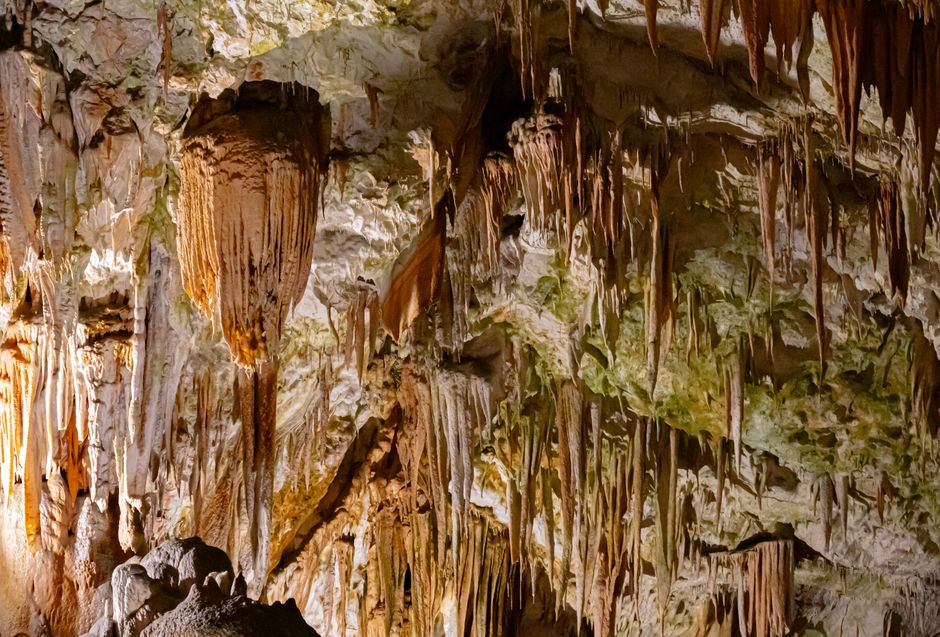
The air down here doesn't smell like a cave. It smells like wet wool, ancient stone, and the faint, metallic tang of adrenaline. I was standing on a narrow railway platform deep inside the earth, watching a train emerge from the blackness like a ghost. The engine was a vintage steam locomotive, chugging through limestone tunnels carved by water over millions of years. The guide, a local Slovene with a flashlight and a dry sense of humor, pointed a beam at a massive pillar of rock and told us it was the size of a cathedral. I didn't believe him until I saw the tourists huddled beneath it, looking like ants under a magnifying glass. This isn't a museum. This is a living, breathing geological beast, and I was about to feed my curiosity to it.
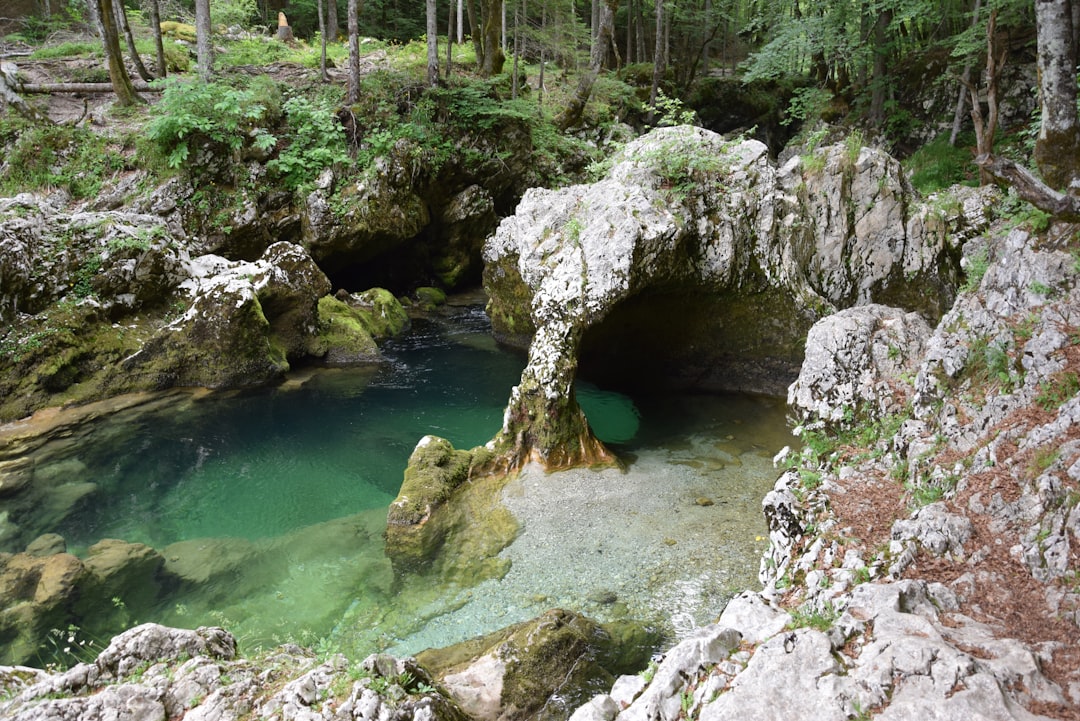
Two hours later, I was standing on a wooden platform overlooking the Reka River, which had punched a hole through the ceiling of a cave so large it could hold the entire Cologne Cathedral. The silence here is heavy. It presses against your eardrums. Above me, the roof of the cave was lost in shadow, but the river below was a dark, churning vein of water that had carved this masterpiece over millennia. I came to Slovenia expecting hills and lakes. I found a labyrinth of stone that felt more like a different planet. If you want to understand the raw, unpolished power of the Balkans, you don't look at the skyline. You go underground.
History & Identity
Slovenia's karst landscape is more than just a geological curiosity; it is the foundation of the country's name and identity. The term "karst" comes from the Kras plateau in southwestern Slovenia, a region defined by limestone terrain that dissolves over time to create caves, sinkholes, and underground rivers. This landscape shaped the lives of the people who lived here, forcing them to adapt to a world where water disappears into the ground and reappears miles away. The caves are not just natural wonders; they are historical archives.
Human history in these caves goes back tens of thousands of years. Archaeologists have found evidence of early human habitation, including tools and remains of extinct animals like cave bears. During World War II, the caves became a refuge for partisans and civilians, adding a layer of poignant history to the geological drama. Today, these underground worlds are protected as national treasures, drawing visitors from across Europe who want to witness the sheer scale of nature's engineering. The Postojna Cave and Škocjan Caves are the crown jewels of this subterranean realm, each offering a unique experience that reflects the rugged beauty of the region.
The identity of this region is tied to the concept of resilience. The landscape is harsh, the winters are long, and the ground is unstable. Yet, the people here have thrived, building a culture that celebrates both the surface and the depths. Visiting these caves is not just a tourist activity; it is a journey into the heart of Slovenian heritage. You are walking in the footsteps of explorers, survivors, and dreamers who have always been fascinated by what lies beneath the surface.
Where to Go
Postojna Cave Railway — The first thing you notice is the train. It's a narrow-gauge railway that takes you deep into the cave system, covering about three kilometers of the total twelve-kilometer length. The train ride is a thrill in itself, as it navigates tight turns and steep drops, with the guide pointing out formations like the "Alpine Palace" and the "Wedding Cake." The rest of the cave is explored on foot, with wooden walkways and bridges that provide safe access to the most spectacular formations. Entry is 25-30 EUR per person, and the whole experience takes about two hours. The best time to visit is early in the morning to avoid the crowds.
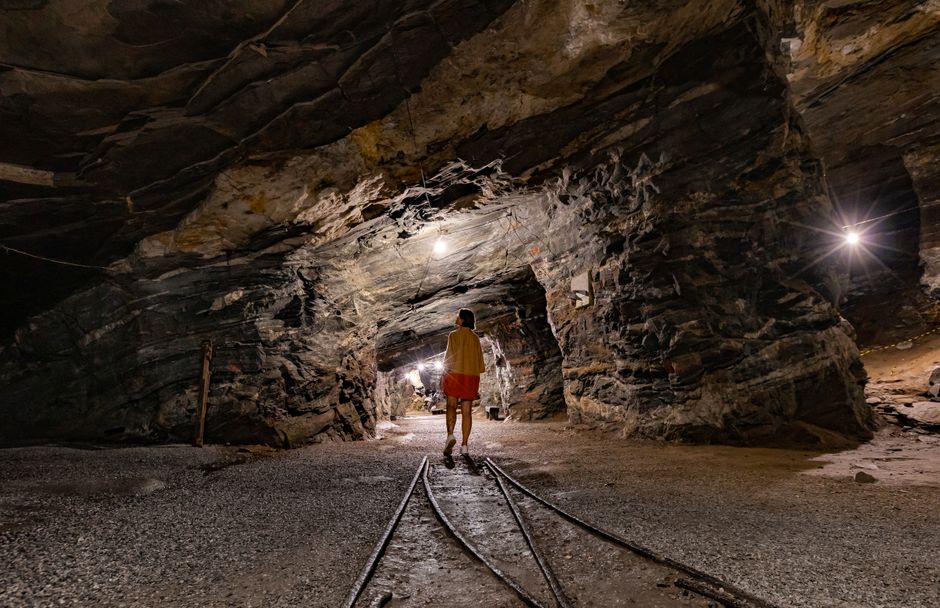
Škocjan Caves — If Postojna is about the journey, Škocjan is about the destination. This cave system is a UNESCO World Heritage Site, known for its massive underground canyons. The highlight is the Great Hall, a vast chamber where the Reka River flows through the earth. The scale is staggering, with ceilings that rise over a hundred meters high. The walkways here are more extensive, allowing you to explore the cave from multiple angles. Entry is 20-25 EUR, and the visit takes about two hours. The atmosphere is more serene and less commercial than Postojna, making it a favorite among serious cavers and nature lovers.
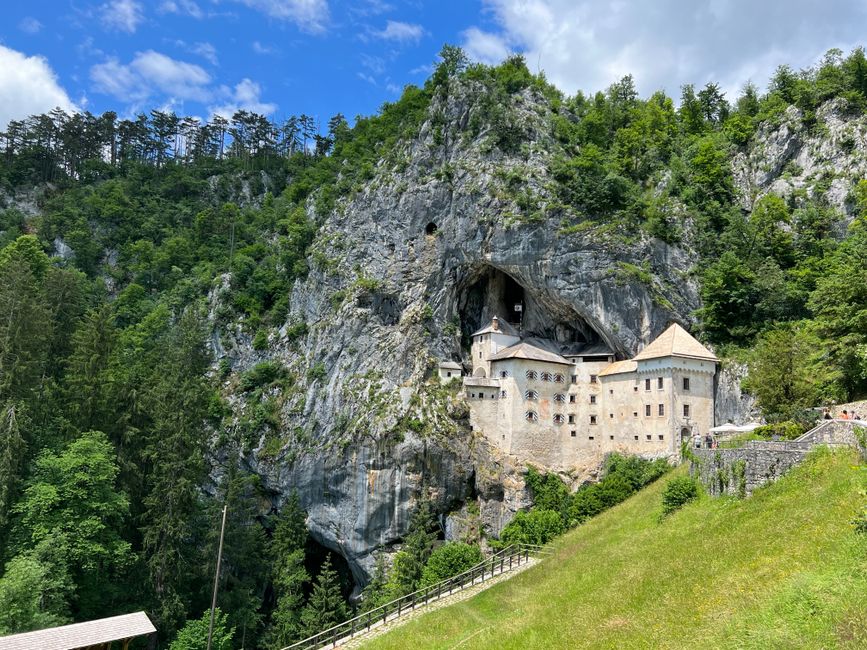
Postojna Castle — Located just above the cave entrance, this medieval fortress offers a stark contrast to the underground world below. Built in the 12th century, the castle has been home to the Kromberger and Purglietti families for centuries. Today, it houses a museum with exhibits on the history of the region, including weapons, armor, and religious artifacts. The views from the castle overlook the surrounding hills and the entrance to the cave. Entry is 10 EUR, and it's a great place to start your day before descending into the earth.
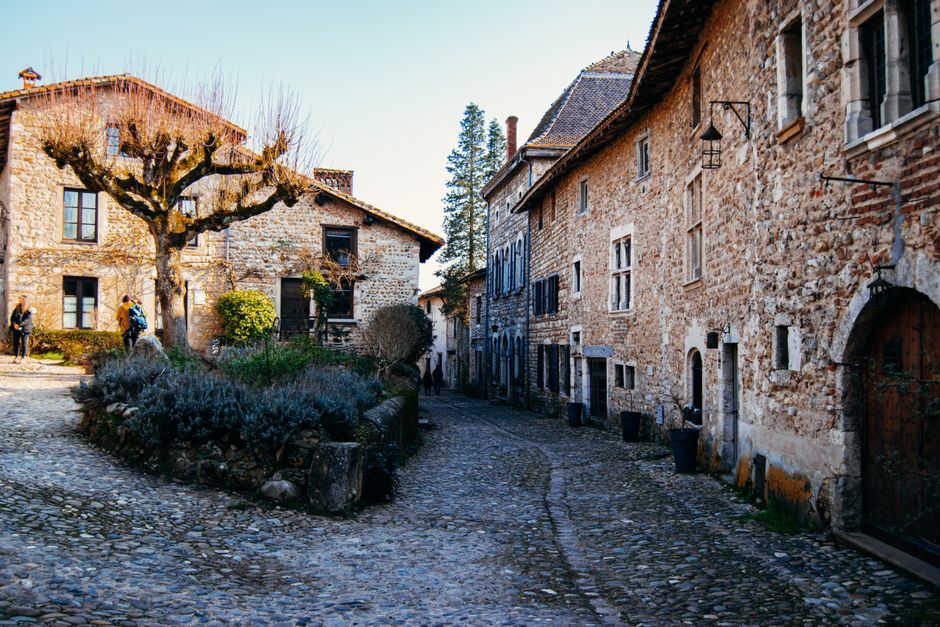
Škocjan Village — The village of Škocjan is a charming spot with cobblestone streets and traditional houses. It's the gateway to the caves, but it's also worth exploring on its own. There are several cafes and restaurants where you can try local dishes like štruklji (rolled dough with various fillings) and potica (a traditional rolled cake). The village square is a good place to grab a coffee and people-watch before heading into the caves. It's a quiet, authentic slice of Slovenian life that feels far removed from the tourist rush.
What to Eat & Drink
Eating in this region is about simplicity and quality. The food is hearty, designed to fuel you for long days in the hills or, in this case, long walks through the dark. Here are a few dishes you must try:
Štruklji — 8-10 EUR. These are rolled dumplings made from thin dough, filled with cheese, spinach, or walnuts. They are a staple of Slovenian cuisine and are served in almost every restaurant in the region. They are light, flavorful, and perfect for a quick lunch before exploring the caves.
Prekmurska Gibanica — 3-5 EUR. This is a layered cake from the Prekmurje region, made with poppy seeds, walnuts, cheese, and curd. It's sweet, rich, and best enjoyed with a cup of strong coffee. It's a great souvenir to take home, and many bakeries in Postojna and Škocjan sell slices by the piece.
Local Wine — . The region is known for its white wines, particularly Rebula and Renski Riesling. These wines are crisp, acidic, and pair well with the local cheese and cold cuts. Many restaurants offer wine tasting flights, which are a great way to sample different varieties without committing to a full bottle.

For budget travelers, there are several options. Street food is limited, but you can find kelbasa (sausage) sandwiches for 3-4 EUR at local kiosks. For a sit-down meal, expect to pay 10-15 EUR for a main course at a local restaurant. Mid-range restaurants charge 15-25 EUR per person, including a drink. The best place to eat in Postojna is along Cesta svobode, where several restaurants offer outdoor seating with views of the castle. In Škocjan, the village center has a few cozy cafes and restaurants that are perfect for a relaxed dinner.
Nightlife
Nightlife in Postojna and Škocjan is not what you would call vibrant. This is not a party destination. However, there are a few options for those who want to unwind after a day of exploring.
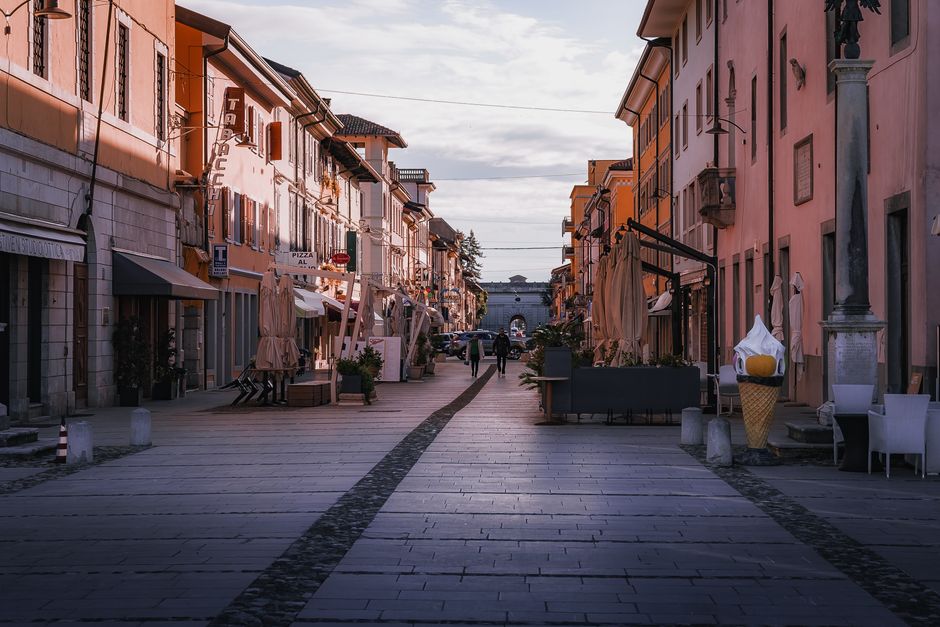
In Postojna, the main bar scene is centered around Cesta svobode. Bar Pri Študentu is a popular spot for locals and tourists alike, offering a wide selection of beers and wines. The atmosphere is casual, with outdoor seating that is perfect for warm evenings. Cover charge is free, but you need to buy a drink. Hostel Postojna also has a bar that hosts occasional live music nights, which are a great way to meet other travelers.
In Škocjan, nightlife is even quieter. Hotel Škocjan has a bar and restaurant that is open late, and it's a good place to grab a drink and chat with other guests. There are no clubs in the village, but the silence of the night is its own kind of entertainment. The stars are incredibly bright here, away from the light pollution of the cities. It's a perfect place to sit outside, have a glass of wine, and think about the day's adventures.
Getting There & What to Expect
Getting to Postojna and Škocjan is relatively easy. The nearest major city is Ljubljana, the capital of Slovenia, which is about 70 kilometers away. From Ljubljana, you can take a bus to Postojna, which takes about an hour and costs 5-7 EUR. There are direct buses from Ljubljana to Škocjan as well, but they are less frequent. If you have a car, the drive is scenic and takes about an hour. The roads are well-maintained, and there are plenty of parking areas near the cave entrances.
For accommodation, Postojna has a wider range of options than Škocjan. Budget hostels charge 20-30 EUR per night, while mid-range hotels charge 50-80 EUR. Škocjan has fewer options, with most accommodations being small guesthouses or hotels near the cave entrance. Prices are similar, with budget options starting at 25 EUR and mid-range hotels at 60-90 EUR. The best time to visit is from April to October, when the weather is mild and the days are long. Winter visits are possible, but the caves can be crowded with holiday tourists.
Search accommodation in Postojna on Booking.com →
What to expect: The caves are well-maintained, with wooden walkways and lighting that highlights the most spectacular formations. The temperature inside the caves is constant at around 8-10°C, so bring a jacket. The air is humid, so wear comfortable shoes that can handle a little slipperiness. Guided tours are mandatory for both caves, and the guides are knowledgeable and engaging. The tours are available in multiple languages, including English. The whole experience is safe and accessible for most people, including children and the elderly, although there are some steep stairs and narrow passages.
Into the Dark
As I emerged from the depths of Škocjan, blinking in the sunlight, I felt a strange sense of disorientation. The world above seemed too bright, too loud, too fragile. Down there, in the dark, the earth felt solid, eternal, and indifferent to human concerns. It was a humbling experience, a reminder that we are just temporary visitors on a planet that has been shaping itself for millions of years.
I walked back to the car, my boots still damp from the cave floor, and looked back at the entrance. The trees swayed in the wind, and the sun was setting behind the hills. I thought about the river below, carving its path through the stone, and the people who had walked these same paths for thousands of years. It was a small moment, but it felt significant. In a world that is constantly changing, there is comfort in knowing that some things remain the same. The earth endures. The water flows. And the caves wait, patient and deep, for the next curious soul to descend.
Comments