


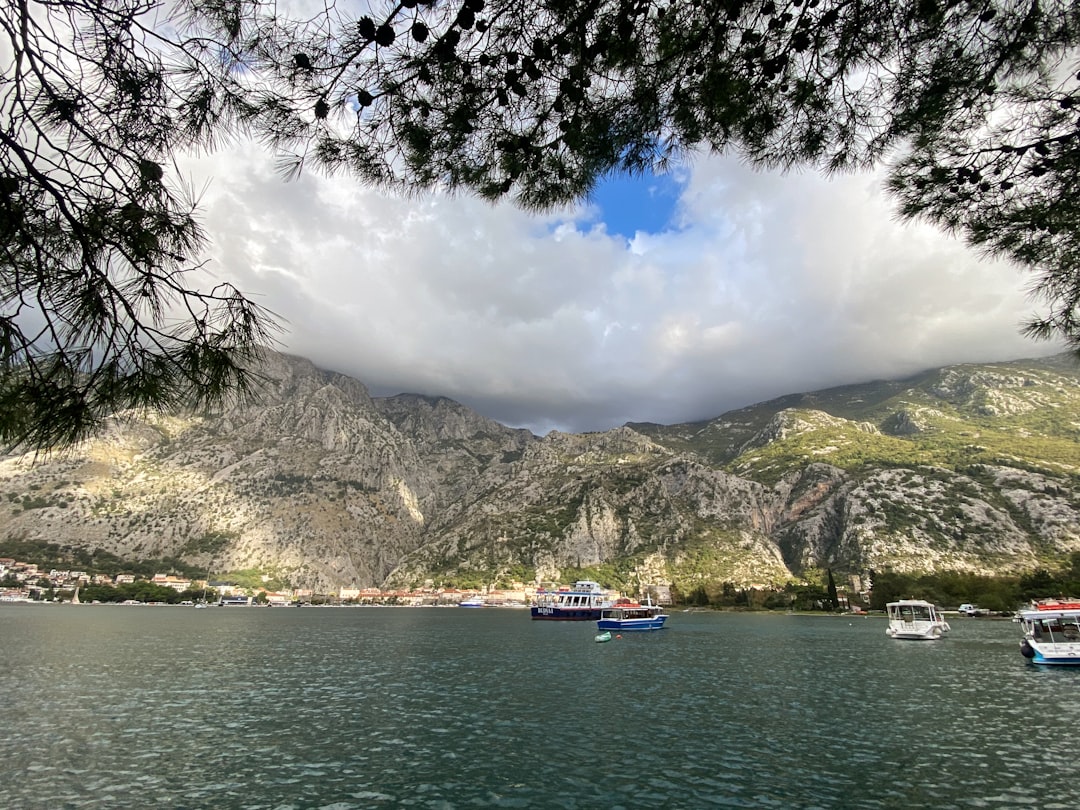
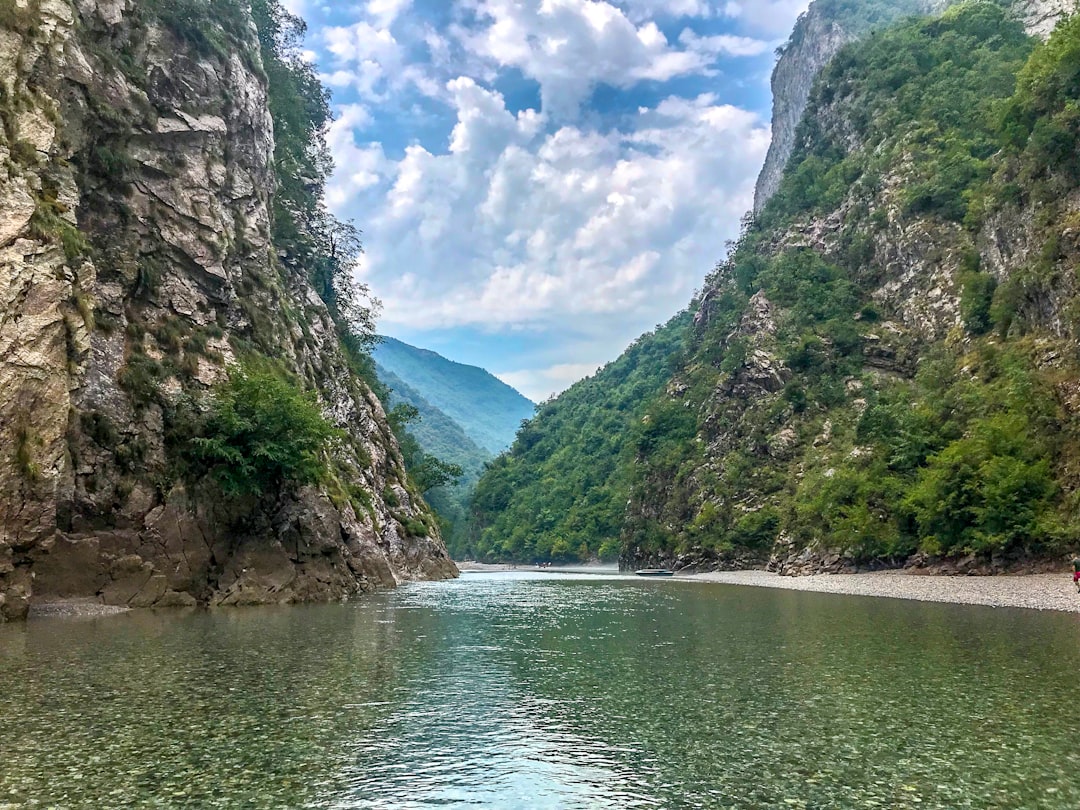
The sea in Kotor Bay doesn't behave like water. It behaves like a mirror held up to a cathedral. I was sitting in a plastic kayak that smelled faintly of diesel and salt, drifting toward a wall of limestone that looked like it had been chiseled by a madman. The air was thick enough to chew. Around me, the Adriatic was a deep, impossible blue, contrasting violently with the blinding white of the marble cliffs rising hundreds of feet straight out of the water. A seagull screamed, sounding like a rusty hinge, and I realized I was about to paddle into a cave that looked more like a throat than a geological formation. This isn't a relaxed holiday cruise. This is entering a concrete-and-marble fortress that has held off empires for five hundred years, and doing it with a plastic paddle.
Most tourists see Kotor, Montenegro from the deck of a cruise ship or a crowded bus, snapping photos of the Venetian walls from a safe distance. They miss the pulse. You don't understand the Bay of Kotor by looking at it; you understand it by getting wet in it. The marble caves here aren't just tourist traps for a quick photo op. They are the scars of the island's violent past, hollowed out by time and used by smugglers, pirates, and warships. Paddling into them feels like trespassing. It's a gonzo baptism into a place where the land refuses to yield to the sea, and the sea refuses to yield to the land.
History & Identity
The Bay of Kotor is a geological anomaly, a drowned river valley that looks like a fjord but isn't. The walls are Orjen Mountain, a jagged spine of limestone that drops vertically into the water. For centuries, this bay was a strategic choke point. First the Romans, then the Byzantines, then the Venetians, and finally the Austro-Hungarians all fought over this narrow strip of water. The marble caves, particularly those on the island of Our Lady of the Rocks and the nearby islet of Sveti Stefan's lesser-known neighbors, were used as hiding spots. Smugglers of contraband goods, from salt to weapons, used these submerged entrances to bypass the heavy taxation and strict control of the Venetian Republic.
The identity of Kotor, Montenegro is forged in this tension between land and sea. The city itself is a medieval masterpiece, a walled fortress that feels frozen in the 15th century. But the water tells a different story. It's a place of movement, of smuggling, of escape. When you kayak here, you are retracing the paths of those who refused to be contained by the walls. The marble is not just stone; it is the physical manifestation of the region's stubbornness. The caves are the cracks in that armor, and they are beautiful, terrifying, and utterly essential to understanding why this place feels so alive.
Where to Go
Our Lady of the Rocks — This tiny, man-made island is the heart of the bay. Built from rocks thrown into the sea by passing sailors over centuries, it holds a small church and a museum of nautical history. While you can't kayak directly into a "cave" here, the rocky perimeter offers a dramatic backdrop for paddling. The church, Our Lady of the Rocks Church, is a masterpiece of Venetian Gothic architecture. Entry to the museum is around 3-5 EUR, and the view from the island back toward the walls of Kotor is unmatched.
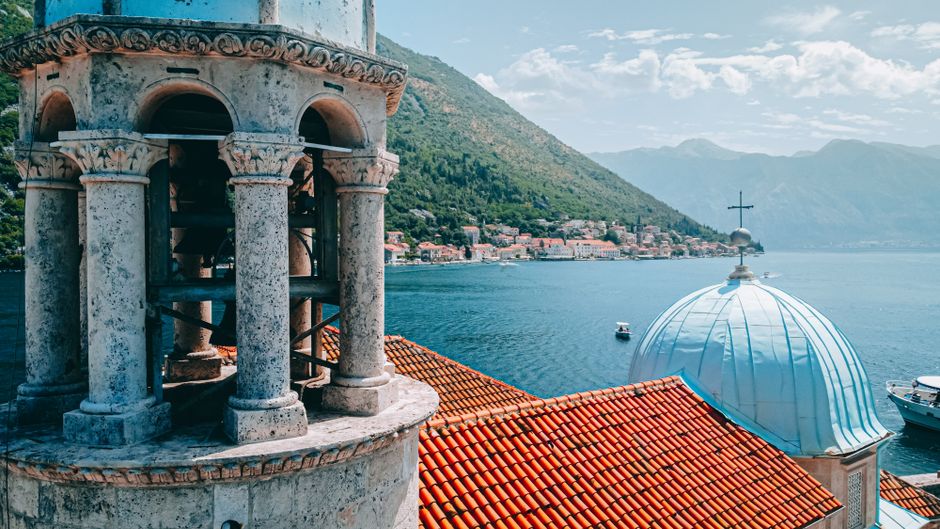
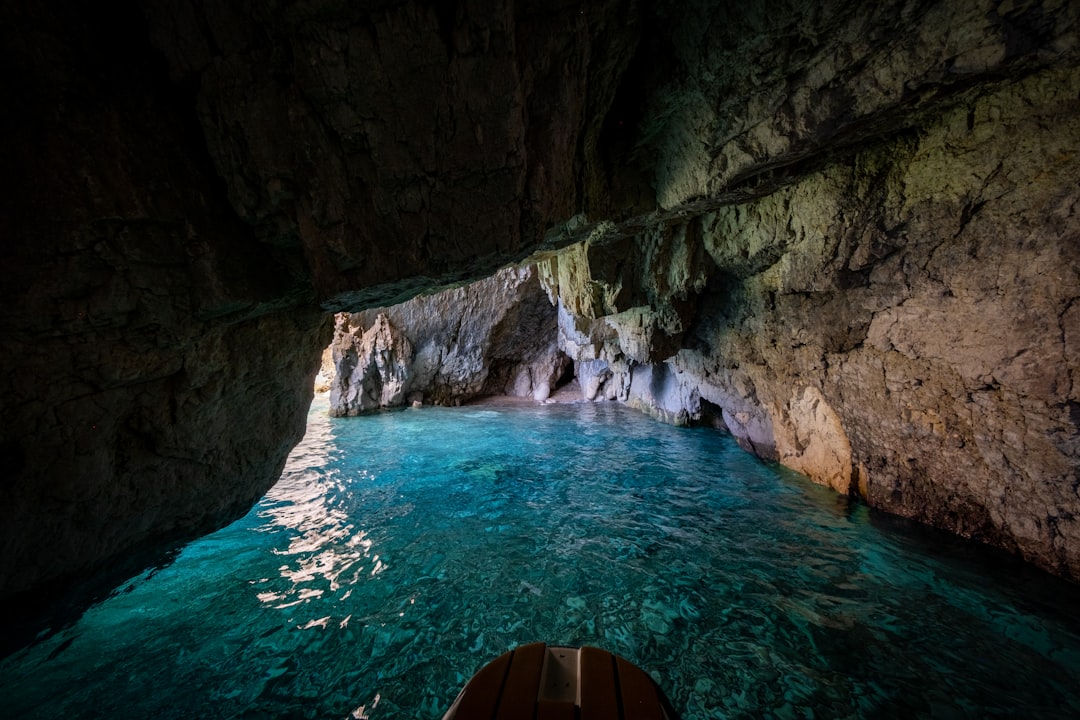
The Marble Caves of Perast — Located just across the bay from Kotor, near the town of Perast, Montenegro, these caves are the real deal. They are not large caverns, but rather submerged arches and hollows in the white limestone cliffs. Kayaking through them requires skill. The water is calm, but the rocks are sharp and the space is tight. The light inside the caves is ethereal, turning the water a translucent turquoise. It's a photographer's dream and a paddler's thrill. There is no entry fee, but you must respect the fragile ecosystem.
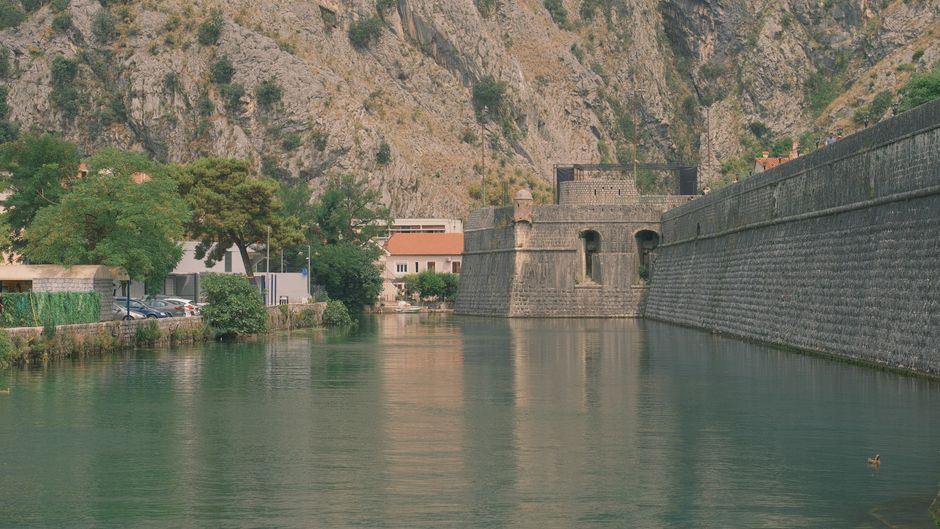
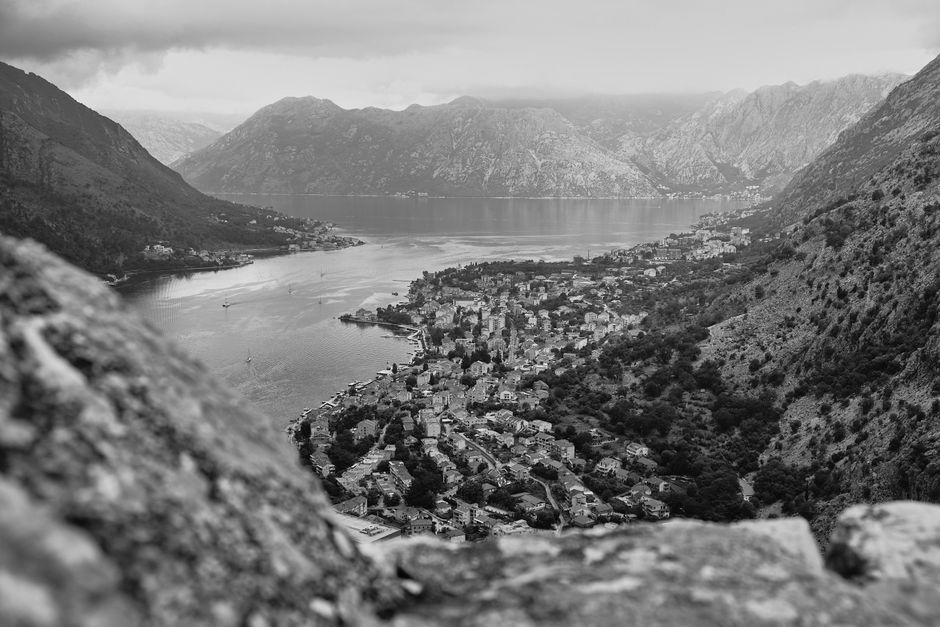
Kotor Old Town Walls — You can't talk about Kotor without the walls. Climbing the City Walls of Kotor is a rite of passage. It's a steep climb of over 1,300 steps, but the view from the top of San Giovanni Fortress is the best orientation map you'll ever have. You can see the entire bay, the islands, and the mountains. Entry to the upper fortress is around 10-15 EUR. Do this early in the morning to avoid the heat and the crowds.
Sveti Stefan — This iconic island, now a luxury resort, is visible from the water. It's connected to the mainland by a narrow strip of sand. While you can't paddle into the resort itself, the rocky shores around it offer great paddling. The contrast between the ancient fishing village aesthetic and the modern luxury is stark. It's a reminder of how the bay has evolved from a smuggler's hideout to a playground for the wealthy.
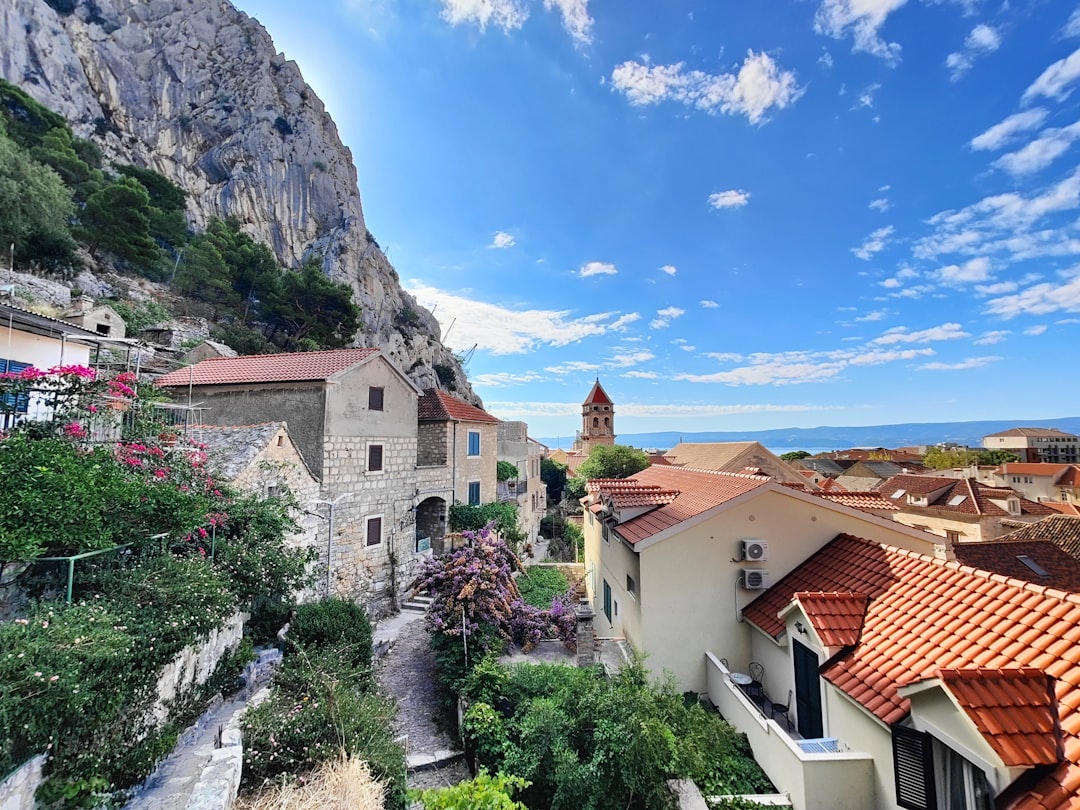
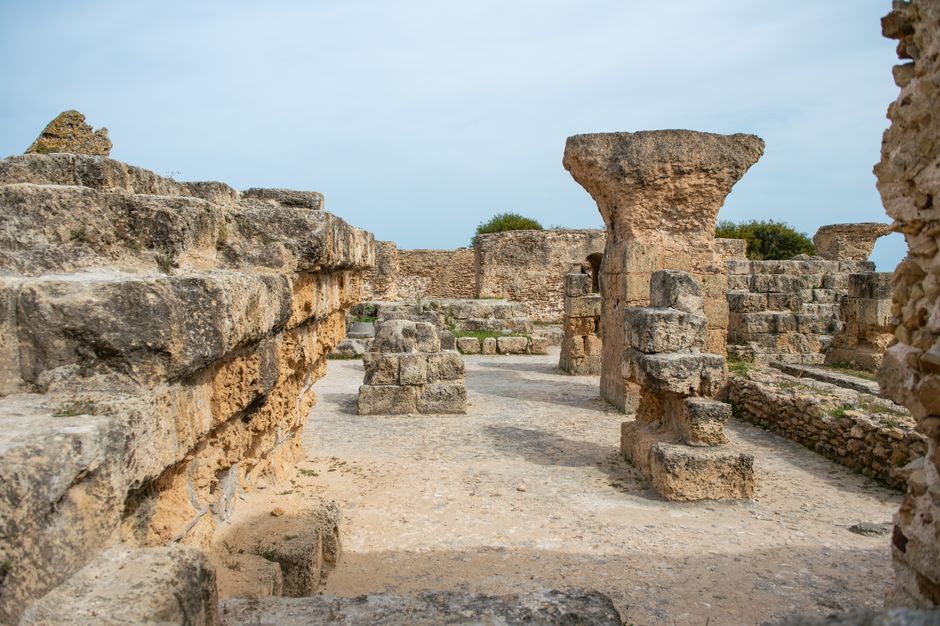
Risan and the Roman Ruins — At the northern end of the bay lies Risan, Montenegro. It's quieter, less touristy, and home to the Roman Villa of Risan, one of the largest Roman villas in the Balkans. It's a good place to end a kayaking day, as the water is calmer and the history is palpable. The ruins are open to the public for a small fee, around 2-3 EUR.
What to Eat & Drink
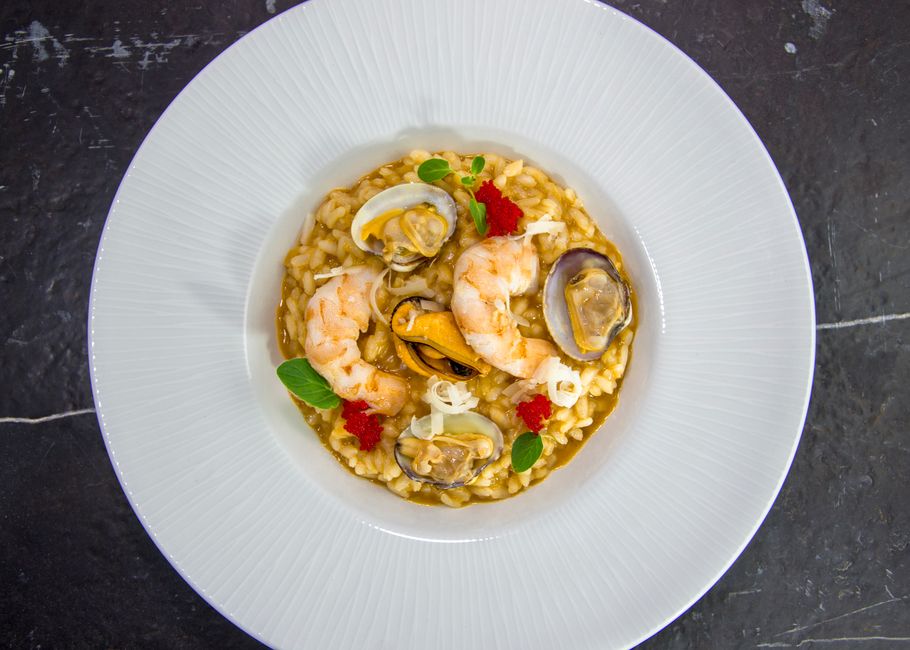
After paddling, you'll need fuel. The food in Kotor is a mix of Montenegrin and Italian influences, thanks to centuries of Venetian rule. You can't leave without trying Crni Rižot, a black risotto made with cuttlefish ink. It's rich, savory, and stains your fingers black. A serving costs around 10-15 EUR. Pair it with Peka, lamb or vegetables slow-cooked under a bell-shaped metal lid with potatoes and peppers. It's a labor-intensive dish that tastes like time itself. Expect to pay 12-18 EUR per portion.
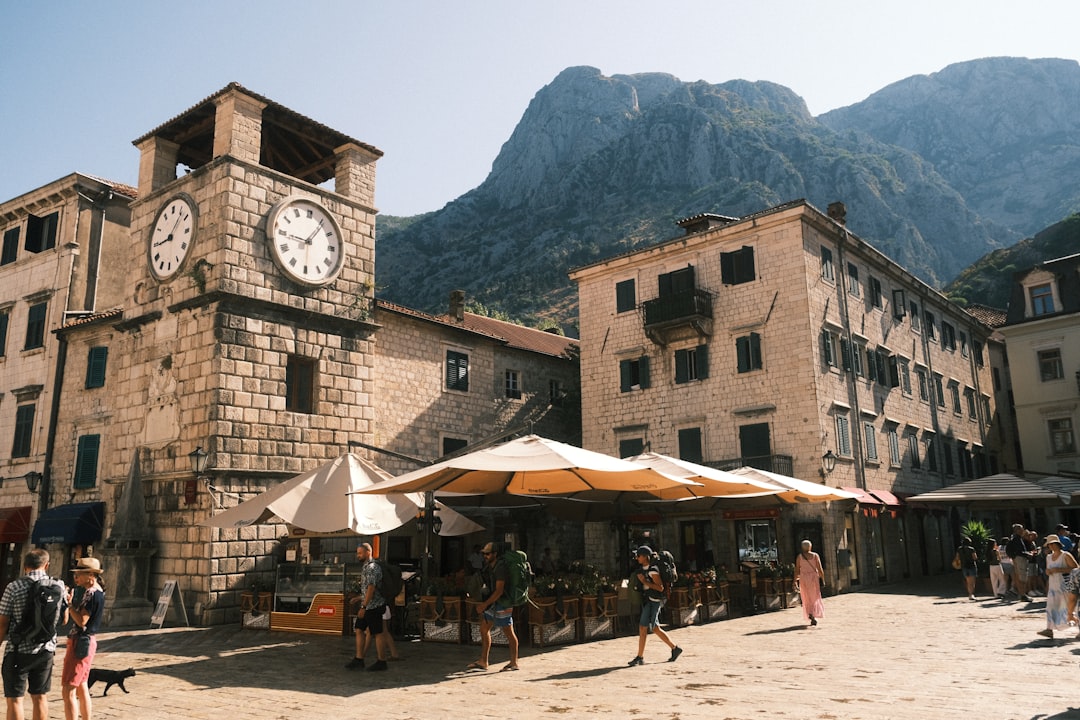
For budget travelers, head to the Kotor Main Bazaar for fresh seafood and Njeguški Pršut, a dry-cured ham that is a local specialty. You can buy slices to take away for 2-4 EUR. Street food options are limited, but you'll find Pljeskavica, a grilled meat patty similar to ćevapi, at local kafanas for 5-8 EUR. Drink Vodica, a local plum brandy, or Rakia, which ranges from 2-5 EUR per shot depending on the quality. The main dining street is Od Župancije, where the restaurants spill out onto the cobblestones. For a sit-down meal, budget 15-25 EUR per person. If you're on a tight budget, look for "dnevni meni" (daily menu) options, which are usually around 8-10 EUR.
Nightlife
Kotor's nightlife is not about clubs; it's about bars and atmosphere. The main strip is Od Župancije, where the bars line the street leading to the cathedral. The vibe is relaxed, with live music spilling out into the night. Bar Kotor is a local favorite, with a mix of tourists and locals. The cover charge is usually just a drink, around 3-5 EUR. For a more upscale experience, Bar Sponza offers cocktails with a view of the bay. Expect to pay 5-8 EUR per cocktail. The music is mostly Balkan pop and some international hits. The night ends late, with people wandering the walls under the moonlight. It's not a party scene, but it's a social one, and that's what makes it special.
Getting There & What to Expect
The nearest airport is Tivat Airport, which is just 15 km from Kotor. You can take a taxi for around 15-20 EUR or a bus for 3-5 EUR. From Podgorica, Montenegro, the capital, it's a two-hour drive or a four-hour bus ride. Buses run frequently and cost around 10-15 EUR. If you're coming from Croatia, the border crossing at Šušanj, Croatia is the most direct route. From there, it's a short drive to Kotor.
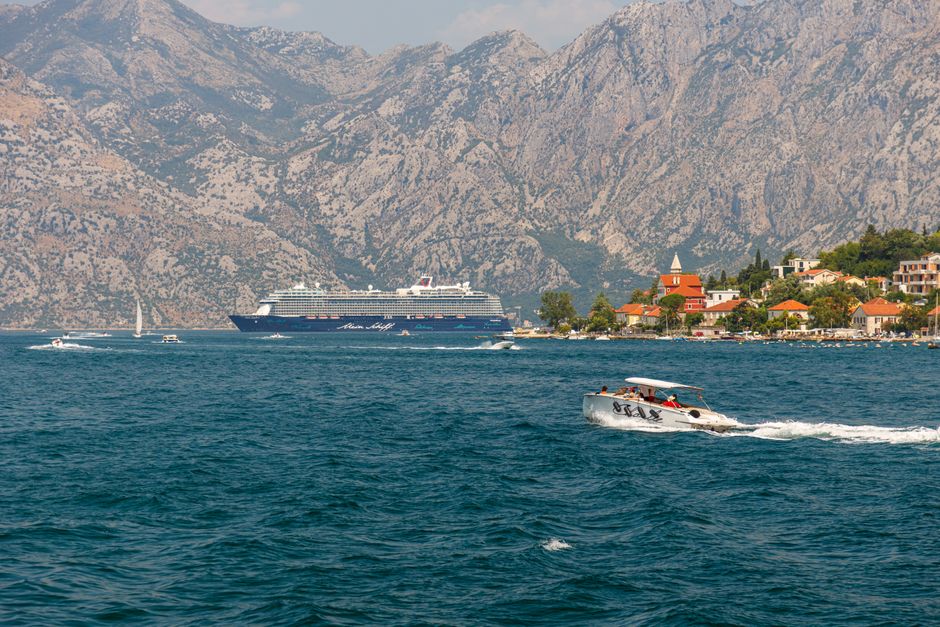
Accommodation in Kotor ranges from budget hostels to luxury hotels. A hostel bed will cost you around 20-40 EUR per night, while a mid-range hotel is 50-100 EUR per night. Luxury options can go well beyond 200 EUR. The best time to visit is May or September, when the weather is warm but the crowds are smaller. July and August are hot and crowded, with cruise ships bringing thousands of visitors daily. Kayaking is best done in the early morning or late afternoon to avoid the midday heat and the biggest crowds.
Kayak rentals are available in Kotor and Perast. A two-hour rental costs around 15-25 EUR per person. Life jackets are included, and most providers offer a brief safety briefing. Bring sunscreen, water, and a camera. The marble caves are best visited on a sunny day, when the light penetrates the water and creates that magical turquoise glow.
Search accommodation in Kotor on Booking.com →
The Last Mile
I sat on the edge of the kayak, dangling my feet in the water, watching the sun dip behind the Lovćen National Park mountains. The bay was turning purple, the marble walls glowing with the last light of day. A boat horn sounded in the distance, a deep, mournful note that echoed off the cliffs. I felt small, insignificant, and completely alive. This place doesn't care about you. It has survived empires, wars, and centuries of neglect. It will survive you too. But for a few hours, you can paddle through its veins, feel its pulse, and understand why it's one of the most beautiful, stubborn places on earth. Don't just look at Kotor. Get in the water. The marble caves are waiting, and they don't forgive hesitation.
Comments