


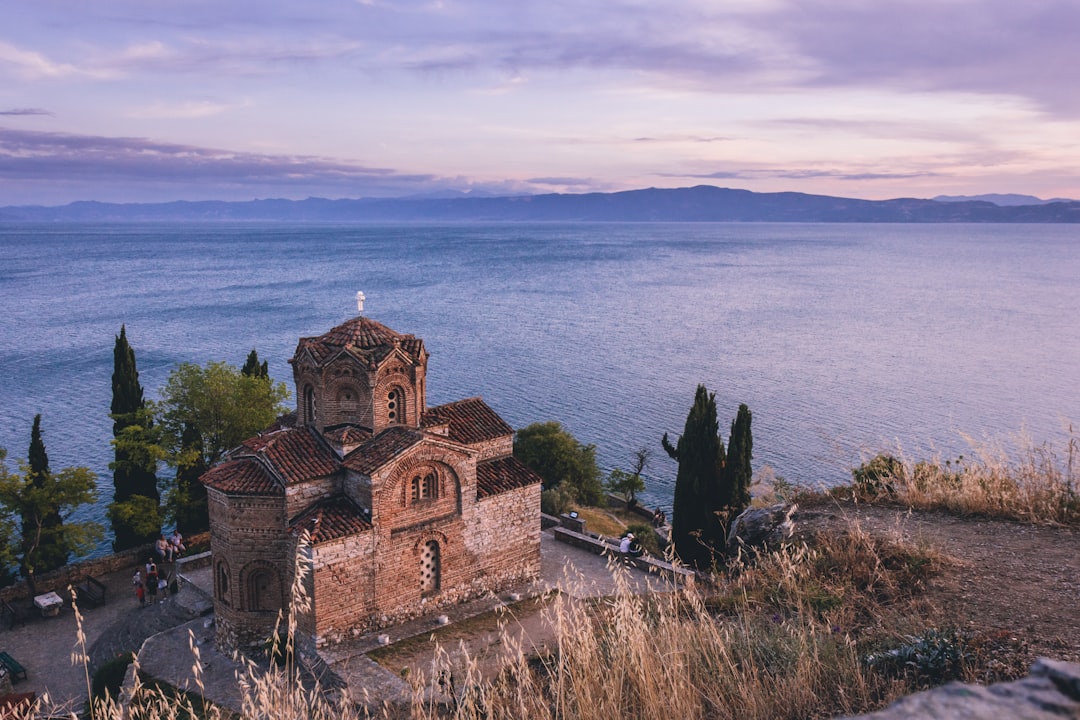
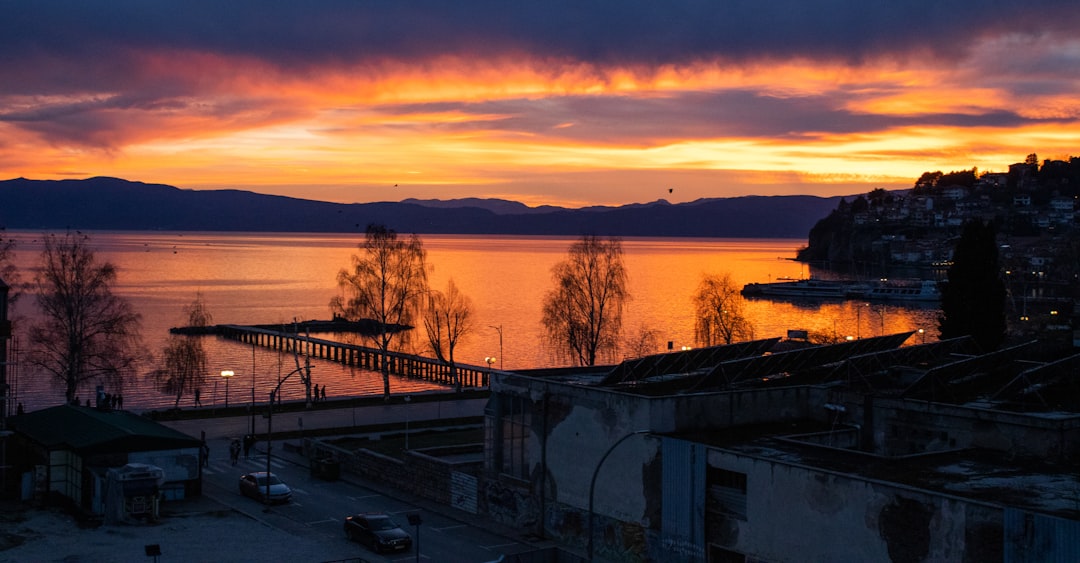
I sat on the limestone steps of St. John at Kaneo, watching the sun bleed into the dark water of Lake Ohrid while a local fisherman argued with a seagull over a half-eaten sandwich. The air smelled of damp stone and pine needles. This isn't a postcard; it's a living, breathing labyrinth of Byzantine echoes and Balkan grit. I came for the UNESCO label, but I stayed for the silence that hits you when you step inside a church built in the 11th century, where the frescoes still glow with a fierce, otherworldly intensity. Ohrid doesn't care about your itinerary. It demands you walk its steep, uneven streets, sweat through the humidity, and let the weight of a millennium press down on you.
The city of Ohrid is a paradox. It's a tourist hub, yes, but peel back the layers of souvenir shops and cafe terraces, and you find a spiritual fortress carved into the mountainside. The lake is the star, but the churches are the soul. They are not just buildings; they are time capsules, each one holding a different fragment of the region's turbulent history. From the grandeur of the Cathedral of St. Clement to the humble, hidden gems in the old town, every step here feels like walking through a gallery that never closes.
History & Identity
Ohrid's identity is forged in fire and faith. In the 10th century, this was the intellectual center of the Slavic world, home to the Ohrid Literary School where Saints Cyril and Methodius's disciples developed the Glagolitic and Cyrillic alphabets. It was here that the Slavic liturgy was born, shaping the religious and cultural landscape of the entire Balkans. The city wasn't just a bishopric; it was a powerhouse of Slavic civilization, a beacon of literacy and faith in a region often torn by empire.
Centuries of Byzantine, Bulgarian, and Ottoman rule left their marks. The churches you see today are palimpsests, built over older structures, renovated after earthquakes and wars. The Ottoman period brought a different architectural language, but the Christian heart of the city beat on. Today, Ohrid is a Serbian Orthodox stronghold, but its history is deeply intertwined with the broader Macedonian and Balkan narrative. The stones remember every conqueror, every prayer, every revolution.
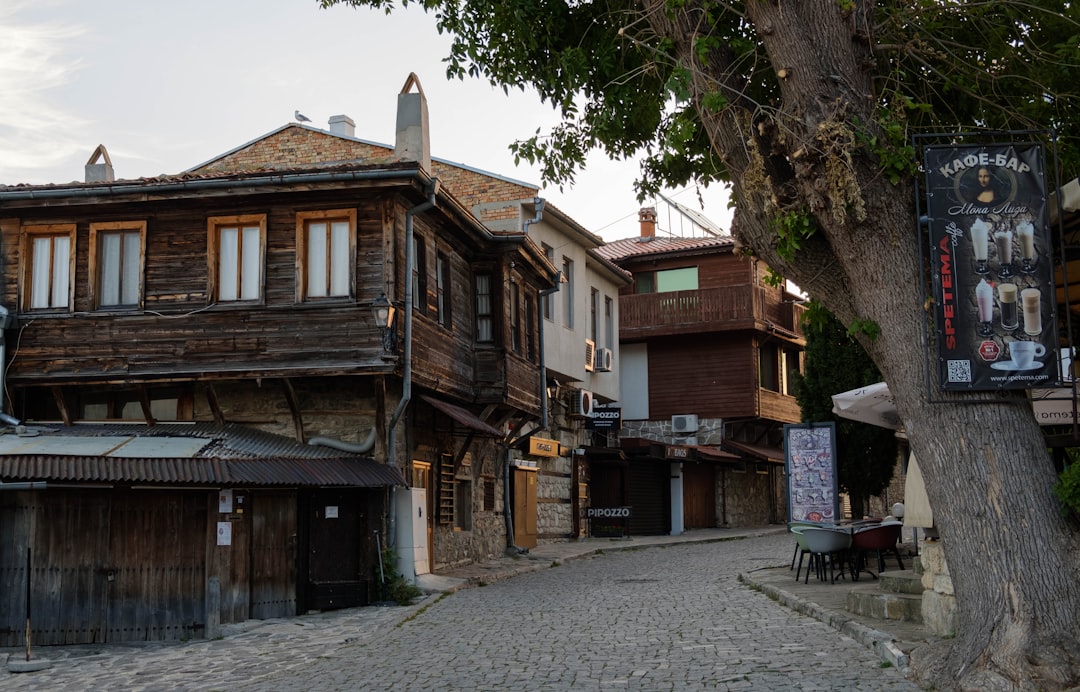
Walking through the Old Bazaar, you feel this layering. The narrow streets, the wooden houses with their intricate carvings, the mosques standing next to churches — it's a testament to a complex, often painful, but undeniably rich coexistence. The city's identity is not monolithic; it's a mosaic, cracked in places, but still holding its shape. The lake, with its ancient origins and mythical creatures, adds a mythic dimension to this historical weight.
Where to Go
Cathedral of St. Clement — The spiritual heart of the city, this 12th-century cathedral is a masterpiece of Byzantine architecture. Its dome, adorned with frescoes, is a highlight, but the real treasure is the atmosphere. The light filters through the windows, illuminating the icons in a way that feels almost sacred. Entry is free, but donations are appreciated. Best visited early morning to avoid crowds.
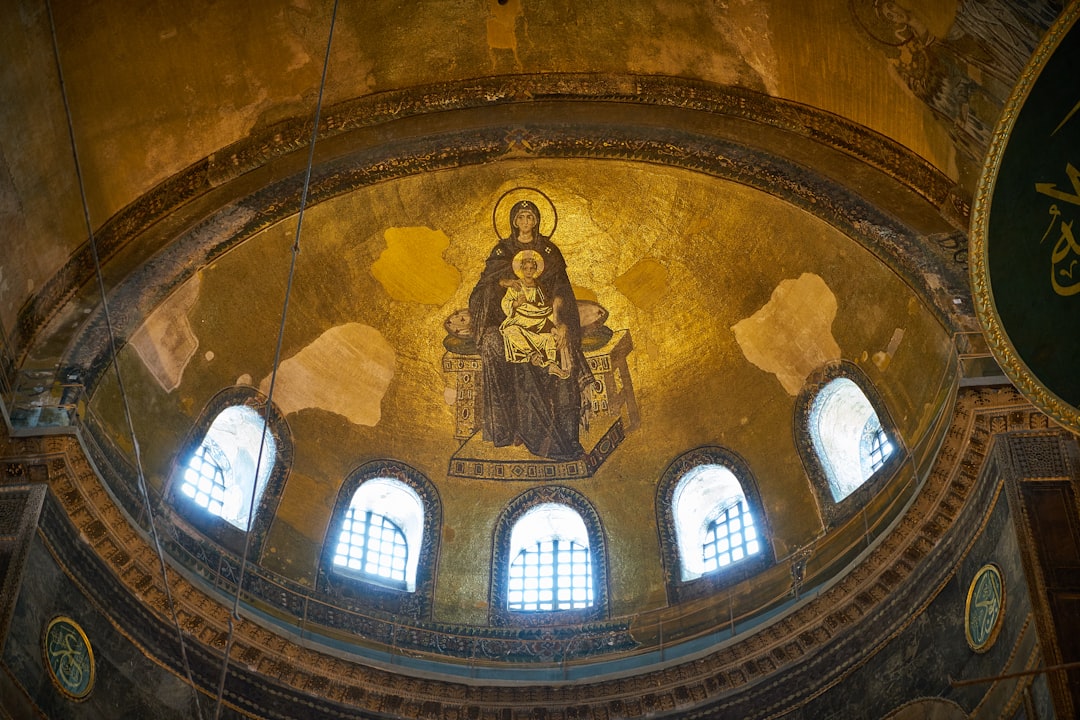
Church of St. Sophia — One of the oldest churches in Ohrid, dating back to the 9th century. Its size and scale are imposing, a reminder of the city's former glory. The frescoes inside are well-preserved, depicting biblical scenes with a raw, emotional power. The church is open daily, and the climb to the top of the bell tower offers a panoramic view of the old town.
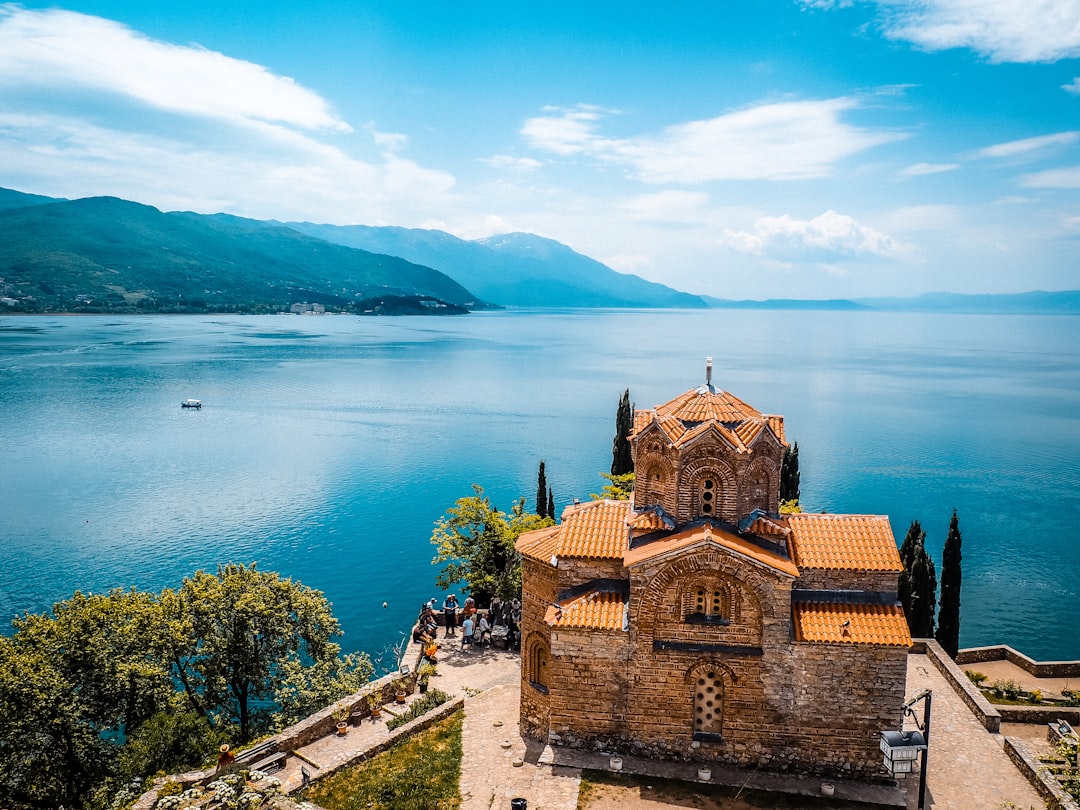
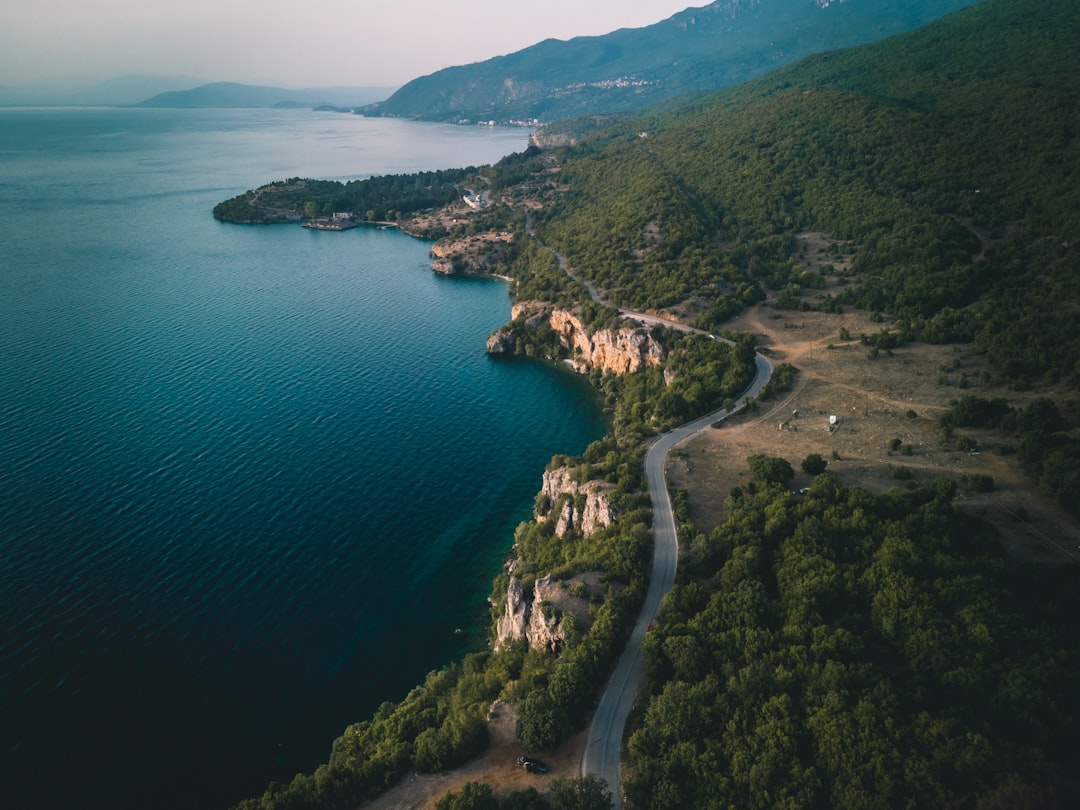
St. John at Kaneo — Perched on a peninsula, this 11th-century church is one of the most iconic images of Ohrid. The view from its steps is breathtaking, looking out over the lake and the old town. The church itself is small but significant, with a simple, elegant design. It's a perfect spot for sunset, when the light turns the water gold and the sky deepens to purple.
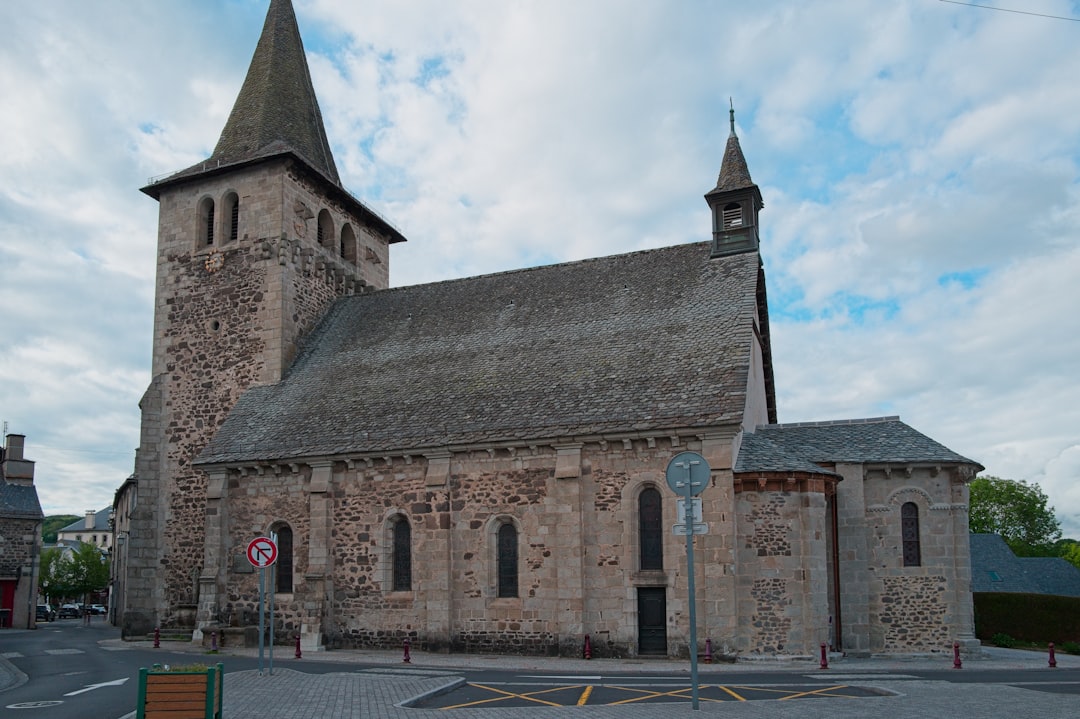
Galichica Monastery — Located on the slopes of Mount Galichica, this monastery offers a quieter, more contemplative experience. The journey up the winding road is part of the pilgrimage, with views of the lake and the surrounding mountains. The monastery itself is peaceful, with beautiful gardens and a sense of isolation from the tourist crowds below. Entry is free.
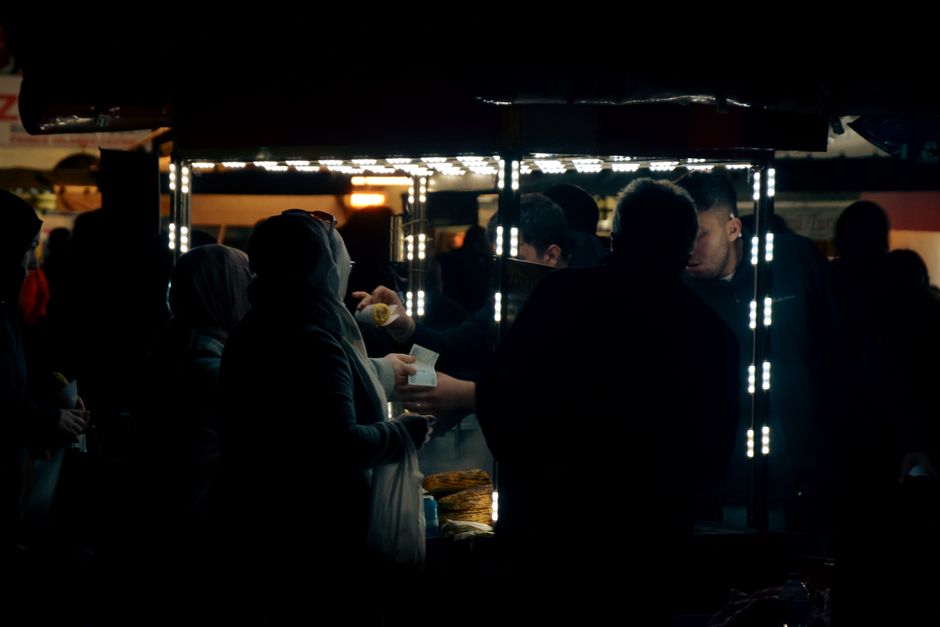
Old Bazaar — Not a church, but essential. The Old Bazaar is a labyrinth of narrow streets, wooden houses, and shops selling everything from handicrafts to spices. It's a place to get lost, to wander, to soak up the atmosphere. The food stalls are a highlight, offering local specialties like burek and ajvar. It's a sensory overload, in the best possible way.
What to Eat & Drink
Ohrid's cuisine is a reflection of its history, a blend of Balkan, Mediterranean, and Ottoman influences. Don't leave without trying ćevapi — grilled minced meat sausages served with somun bread and onions — typically 3-4 EUR per serving. Burek, a flaky pastry filled with meat or cheese, is a staple, costing around 1-2 EUR. For a refreshing side, go for šopska salata, a mix of tomatoes, cucumbers, peppers, and onions, topped with kajmak, for about 3 EUR.
Budget travelers can eat well on the go. Street food and take-away options are plentiful, with meals under 5 EUR. For a sit-down meal at a local restaurant, expect to pay 8-15 EUR per person. Mid-range restaurants, offering a wider selection and a more comfortable atmosphere, range from 15-25 EUR per person.
The Old Bazaar is the food hub, with numerous stalls and small eateries. The lakefront promenade is also lined with cafes and restaurants, many offering views of the water. For a more authentic experience, venture into the side streets of the Old Bazaar, where you'll find family-run establishments serving traditional dishes.
Nightlife
Ohrid's nightlife is centered around the lakefront promenade and the Old Bazaar. The atmosphere is relaxed, with a mix of locals and tourists enjoying the evening air. Bars and cafes spill out onto the streets, creating a vibrant, open-air scene. The music is a mix of traditional Macedonian, pop, and electronic, depending on the venue.
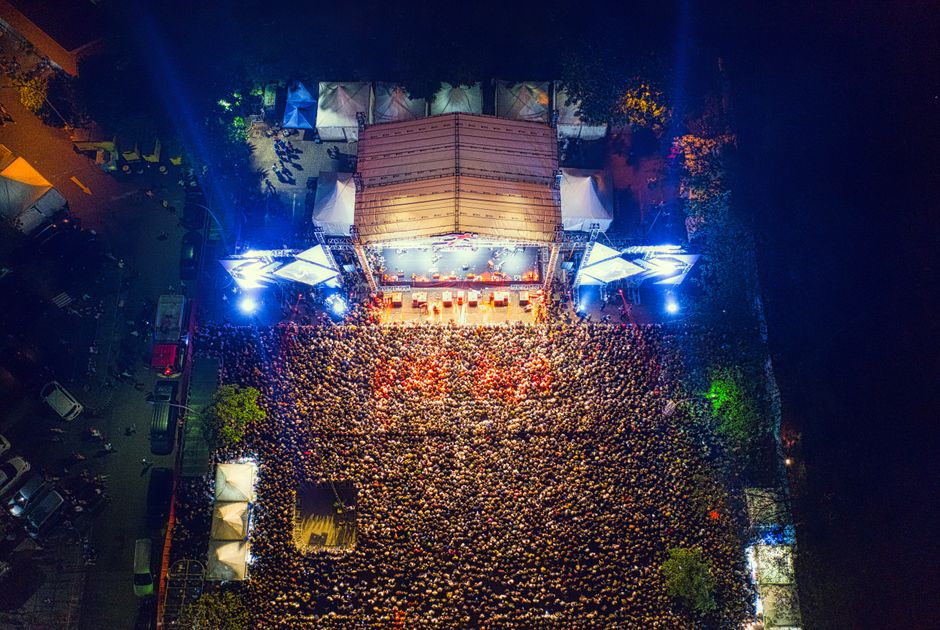
Kino Park — A popular spot for live music and events, this open-air venue hosts concerts, festivals, and cultural shows throughout the year. It's a great place to experience local talent and enjoy the night under the stars.
Bar 1900 — A stylish cocktail bar in the Old Bazaar, known for its creative drinks and cozy atmosphere. It's a good spot for a pre-dinner drink or a late-night chat. Cover charge is usually 0-2 EUR, depending on the event.

Lakefront Clubs — Several clubs along the lakefront offer dancing until the early hours. The music is mostly mainstream electronic and pop, and the crowds are a mix of locals and tourists. Cover charges range from 2-5 EUR, and drinks are priced accordingly.
Getting There & What to Expect
The nearest airport is Skopje Alexander the Great Airport, about 150 km away. Buses run regularly from Skopje to Ohrid, taking around 3-4 hours and costing approximately 10-15 EUR. Direct flights to Ohrid Airport are available during the summer season from various European cities. Train service is limited, so bus or car is the best option.
Accommodation ranges from budget hostels at 20-40 EUR per night to mid-range hotels at 50-100 EUR per night. Luxury options are available for those seeking more comfort. The best time to visit is late spring or early autumn, when the weather is pleasant and the crowds are thinner. Summer is hot and crowded, but ideal for swimming in the lake.
Expect steep streets, uneven cobblestones, and a lot of walking. Comfortable shoes are a must. The city is compact, but the terrain can be challenging. Bring sunscreen, a hat, and plenty of water, especially in summer. The lake is clean and inviting, perfect for a refreshing swim after a day of exploring.
Search accommodation in Ohrid on Booking.com →
The Weight of the Stone
As I left Ohrid, the taste of ajvar still on my lips and the sound of church bells echoing in my ears, I felt a strange sense of loss. This place doesn't let you go easily. It imprints itself on you, in the way the light hits the lake, in the silence of the churches, in the warmth of the people. Ohrid is not just a destination; it's an experience, a journey into the heart of the Balkans. It's a place where history is not just read, but felt, in every stone, every fresco, every glance. I came for the views, but I left with a piece of my soul left on those ancient steps, watching the sun sink into the dark, ancient water.
Comments