


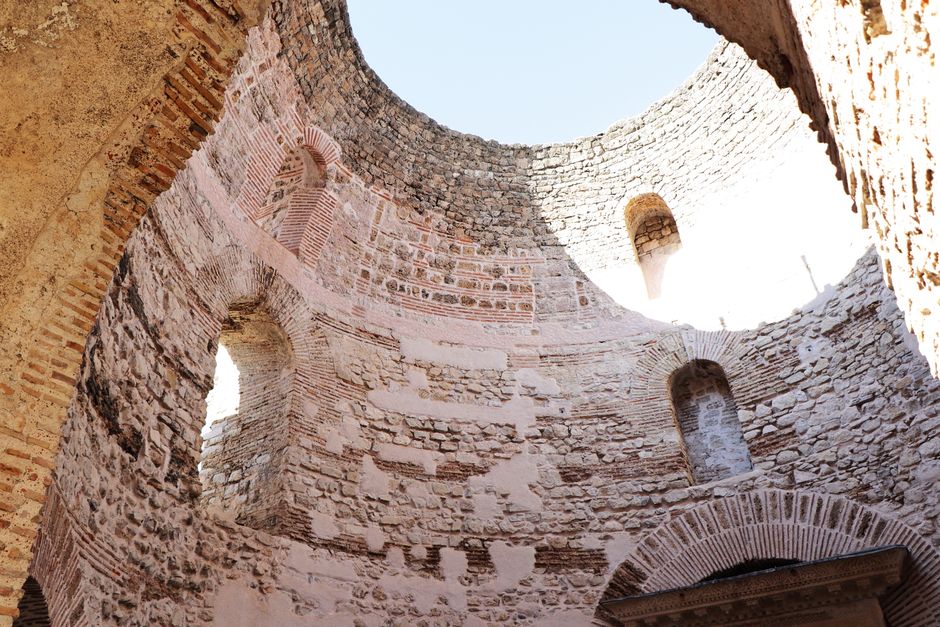
I am standing in the middle of the Peristyle at 2:00 AM, the air thick with the smell of grilled octopus and stale beer, watching a group of backpackers attempt to reenact a gladiator fight with plastic swords bought from a tourist kiosk. This is not a museum. It is not a preserved ruin fenced off for polite admiration. This is Split, Croatia, and the ancient Roman palace at its heart is still being lived in, breathed on, and walked on by twenty thousand residents who treat the Emperor Diocletian’s final resting place as their municipal square. The marble under my boots is cracked, worn smooth by nearly two millennia of footsteps, from Roman legionaries to modern fishermen hauling nets. The city feels less like a tourist destination and more like a time machine that refused to stop ticking.
Most European cities grew around a castle or a cathedral. Split grew out of a mausoleum. The sheer audacity of Diocletian's Palace is not just in its scale, but in its survival. While other Roman fortifications crumbled into dust or were quarried for building materials, this complex was swallowed whole by the medieval and modern city. The result is a chaotic, beautiful, and often frustrating urban landscape where you can turn a corner and find a 3rd-century Roman wall seamlessly supporting a 19th-century apartment balcony. It is raw, unpolished, and utterly unique in the Balkans.
History & Identity
The story begins in the late 3rd century AD, when the Emperor Diocletian Diocletian decided to retire from ruling the known world. He chose a rocky peninsula in Dalmatia Dalmatia to build a fortified city that would serve as his final residence and mausoleum. Construction began around 295 AD, and the resulting structure was a marvel of Roman military engineering. It was a self-contained city, complete with temples, barracks, administrative buildings, and a massive palace complex, all protected by thick walls and towers. It was designed to be impregnable, a fortress against the chaos of the empire's borders.
When Diocletian died in 305 AD, his mausoleum became the nucleus of what is now the Cathedral of Saint Domnius. The walls that were meant to keep enemies out ended up keeping refugees in. During the fall of the Western Roman Empire, locals sought shelter behind the palace walls, and the city of Split was born inside the fortress. This is the key to understanding the place today. The "palace" is not a separate entity from the city; it is the city. The narrow, winding streets are not medieval additions; they are the original Roman grid, adapted over centuries for horses, carts, and now, pedestrians.
The identity of Split is inseparable from this Roman skeleton. The city's layout, its orientation, and even its social dynamics are shaped by the palace walls. The upper town, with its steep stairs and dense housing, contrasts sharply with the lower town near the harbor. This verticality is a direct result of the terrain and the defensive needs of the original builders. The result is a city that feels layered, dense, and intensely lived-in, far removed from the sanitized historical parks found elsewhere in Europe.
Where to Go
Peristyle — The main square of the palace, this open courtyard was the central hub of the imperial complex. Surrounded by colonnades and topped with a canopy in antiquity, it is now the beating heart of Split's social life. By day, it is filled with locals playing chess and tourists eating ice cream. By night, it transforms into a vibrant plaza with street performers and outdoor cafes. The atmosphere is electric, chaotic, and utterly authentic. Entry is free, but the best time to visit is late afternoon when the sun hits the marble columns, casting long shadows across the square.
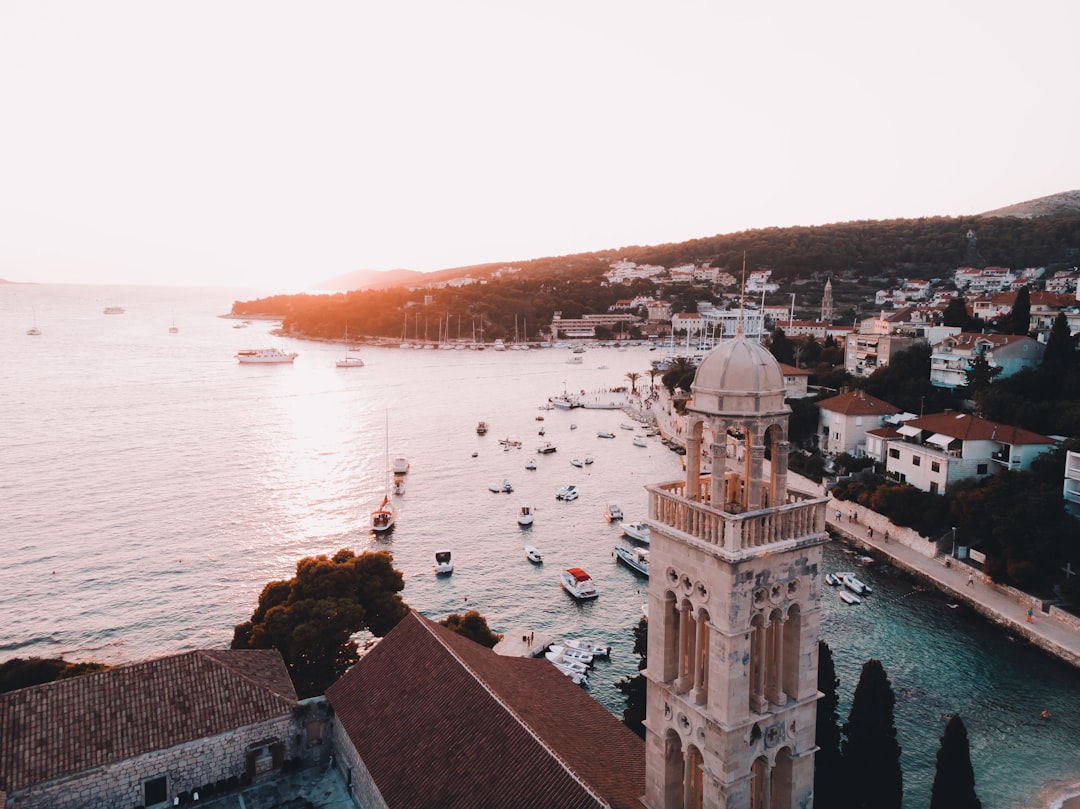
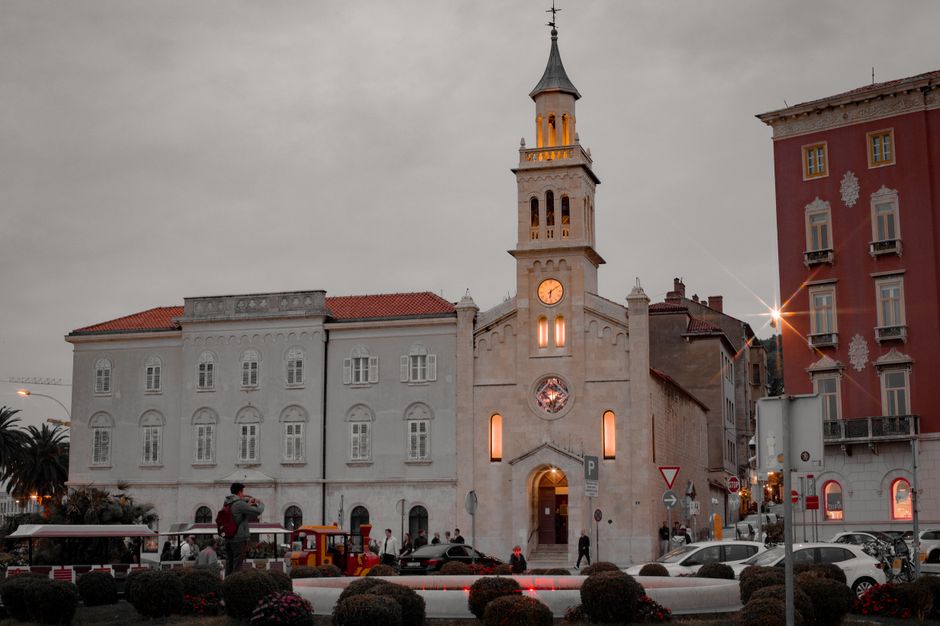
Cathedral of Saint Domnius — Originally built as Diocletian's mausoleum in 305 AD, this structure is the oldest cathedral in Croatia. The conversion to a Christian church took place over centuries, with the original Roman dome and columns remaining intact. The interior is stark, powerful, and surprisingly small compared to the massive exterior. The bell tower, added in the 11th century, offers a panoramic view of the Adriatic and the surrounding islands. Entry fee is approximately 1 EUR. The climb to the top is steep but rewarding.
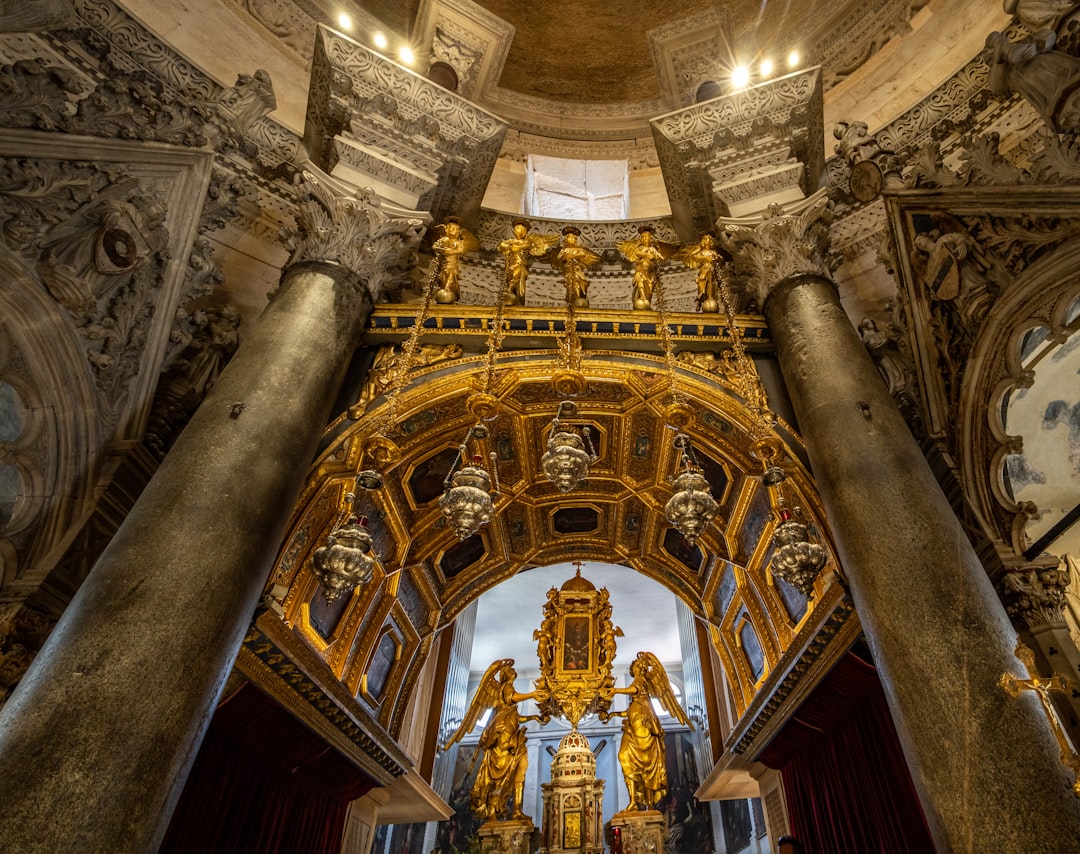
Temple of Jupiter — Located near the Cathedral, this temple was dedicated to the king of the Roman gods. Today, it houses a small museum with artifacts from the palace complex. The structure is modest in size but significant in its preservation. The columns and pediment are original, and the museum offers a glimpse into the religious life of the Roman era. Entry fee is 1 EUR. It is often overlooked by tourists, making it a quiet spot for reflection amidst the noise of the city.
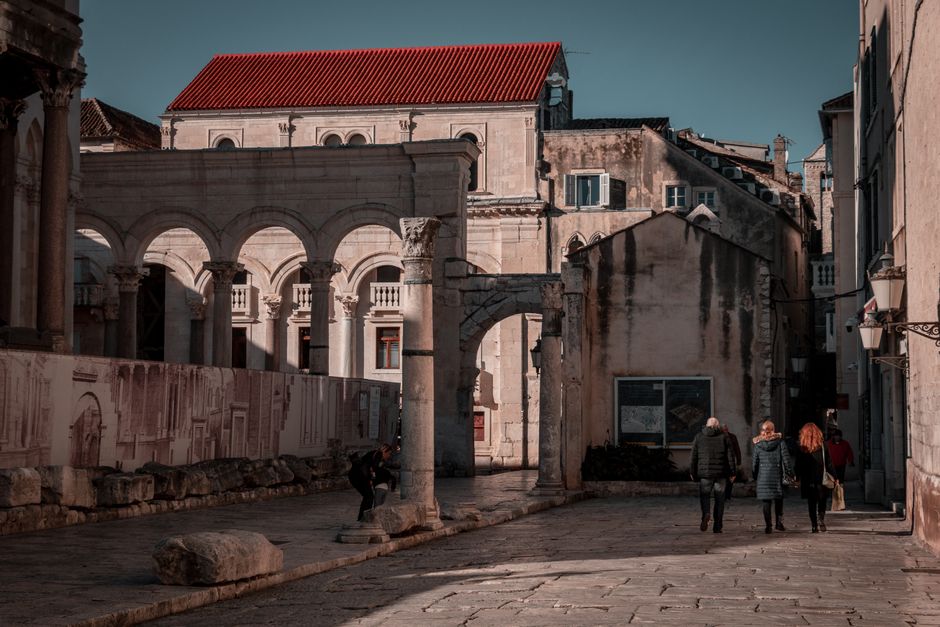
Golden Gate — One of the four original entrances to the palace, the Golden Gate is the most famous and the most photographed. It leads directly to the Cathedral and the Peristyle. The gate is a massive stone structure with a pointed arch, typical of Roman military architecture. It is a key point of entry for tourists and a symbol of the city's Roman heritage. There is no entry fee, but the area around it is crowded with souvenir shops and guides.
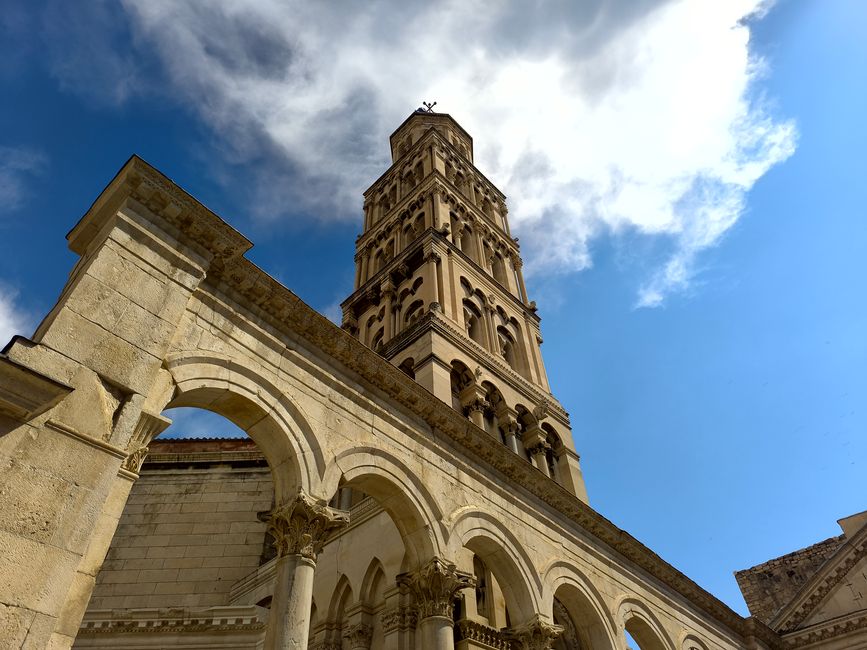
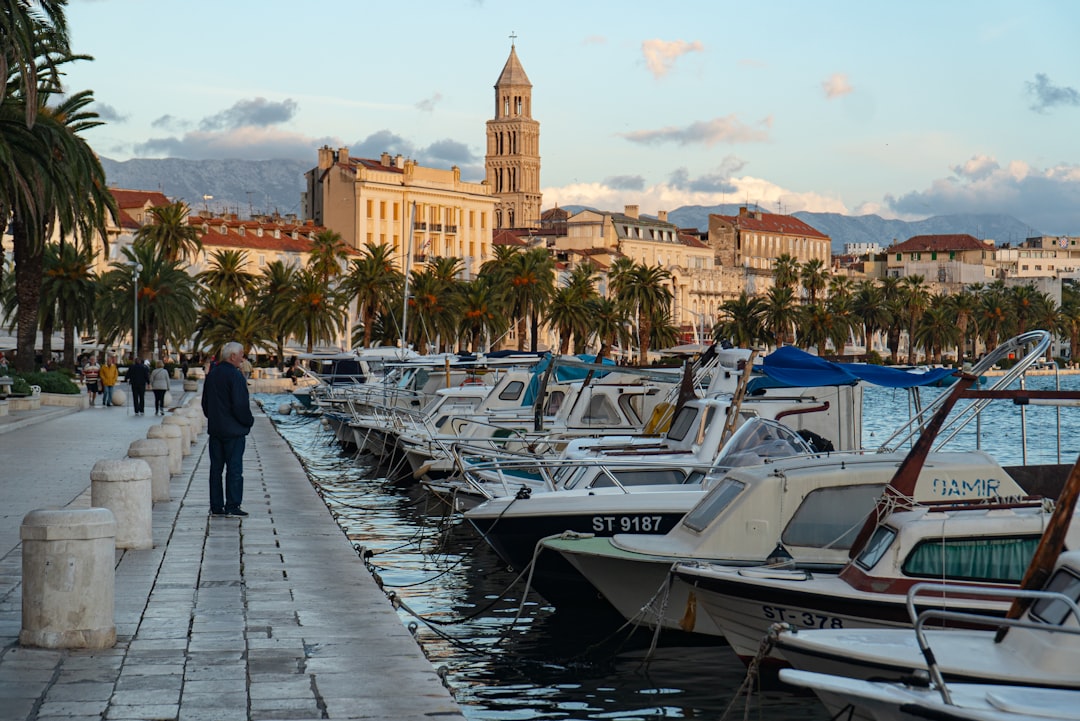
Diocletian's Palace Walls — The massive walls that surround the old town are a testament to Roman engineering prowess. They are up to 12 meters high and 5 meters thick in places. Walking along the walls, particularly the western section near the Riva promenade, offers a sense of the scale and defensive nature of the original structure. The walls are still intact, protecting the old town from the elements and the modern city. There is no entry fee, and the walk is free and open to all.
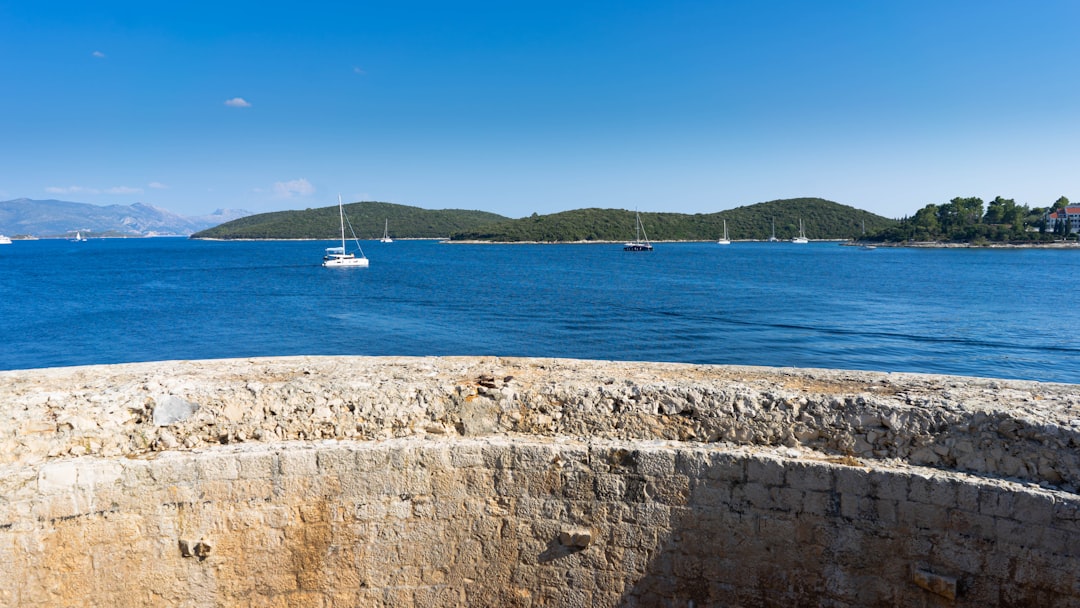
Procurator's Palace — Built in the 16th century on the site of a Roman building, this palace is a masterpiece of Renaissance architecture in the Balkans. It houses a gallery with works by Croatian and European masters. The building itself is a blend of Roman foundations and Renaissance design, showcasing the layered history of the site. Entry fee is 10 EUR. It is a quieter, more refined experience compared to the chaos of the Peristyle.
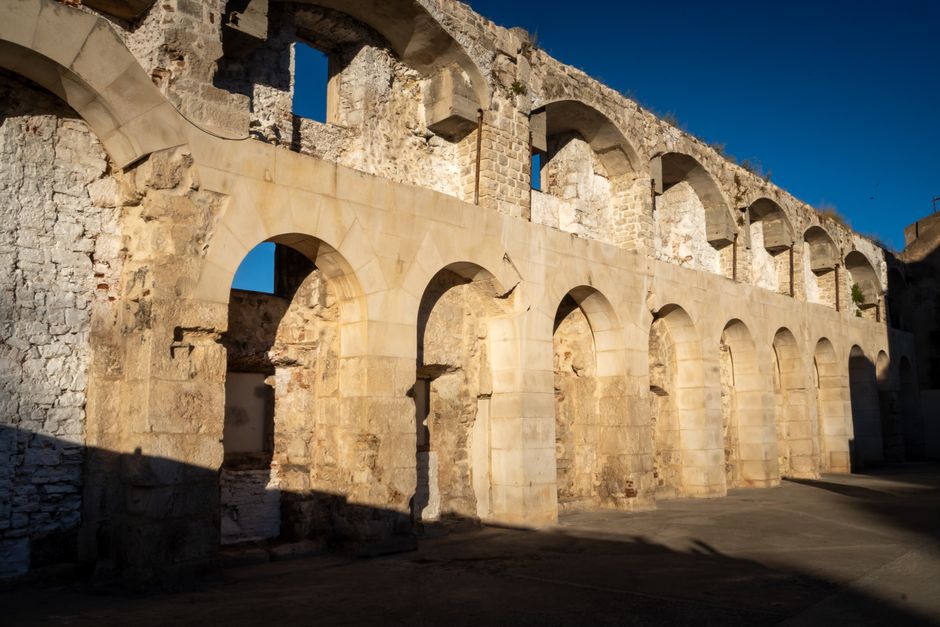
What to Eat & Drink
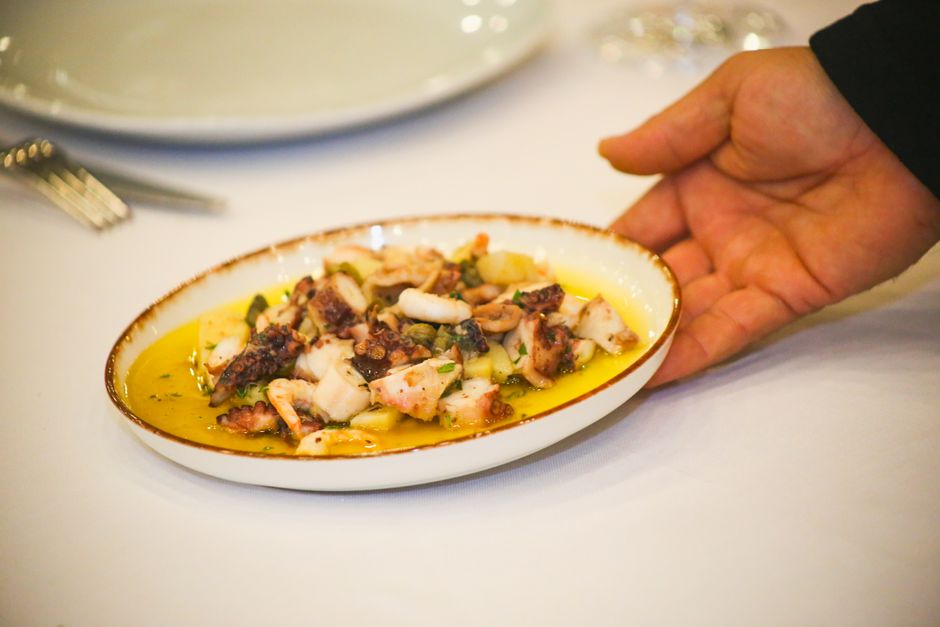
Eating in Split is a matter of finding the right balance between tourist traps and local staples. The Peristyle is surrounded by restaurants that cater to visitors, with prices that can be steep. For a more authentic experience, head to the side streets or the market area. Pašticada is the classic Dalmatian dish, a slow-cooked beef stew served with gnocchi, typically costing 12-15 EUR. Black risotto, made with squid ink, is another local favorite, especially near the harbor, priced around 10-12 EUR. For a lighter meal, šopska salata is a refreshing mix of tomatoes, cucumbers, peppers, and onions, topped with white cheese, costing about 4-6 EUR. Octopus is a must-try, often grilled and served with olive oil and lemon, priced at 8-10 EUR. Peka, a dish of meat and vegetables baked under a bell-shaped metal lid, is a hearty option, costing 10-14 EUR.
Budget travelers can find street food options like roasted corn or squeaky cheese (kajmak) for under 2 EUR. Take-away sandwiches and pastries are widely available, with prices ranging from 3-5 EUR. For a sit-down meal at a local restaurant, expect to pay 10-15 EUR per person. Mid-range restaurants with a view of the harbor or the palace can cost 20-30 EUR per person. The Split Market (Pazar) is a great place to find fresh produce, seafood, and local specialties, with prices that are significantly lower than in restaurants.
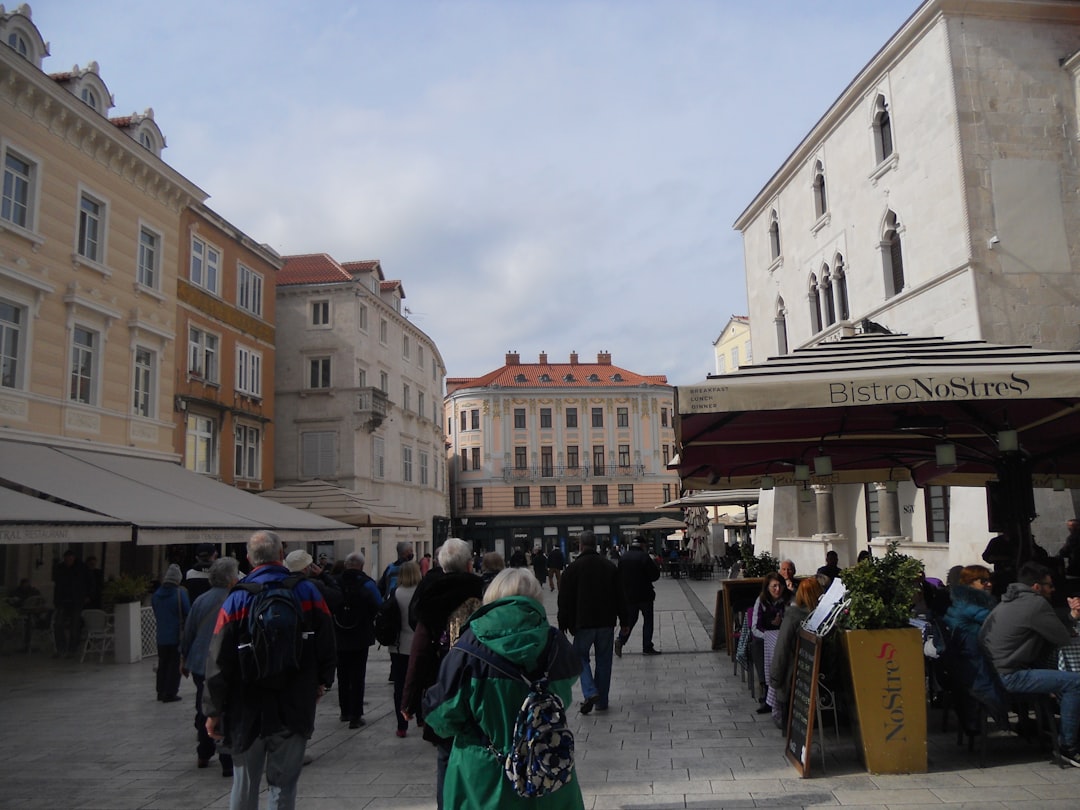
Nightlife
Split's nightlife is centered around the Peristyle and the Riva promenade. The Peristyle comes alive at night, with bars and cafes spilling out onto the square. Bar 1910 is a popular spot with a rooftop terrace offering views of the palace and the sea, serving cocktails for 5-8 EUR. Konoba 1600 is another favorite, known for its traditional Dalmatian atmosphere and live music, with cover charges varying by event. Riva is lined with clubs and bars, catering to a younger crowd. Club 360 is a well-known venue with electronic music and a large dance floor, with entry fees around 5-10 EUR. The atmosphere is lively and energetic, with people dancing until the early hours.
Getting There & What to Expect
The nearest airport is Split Airport Split Airport, located about 20 km from the city center. Buses run regularly from the airport to the main bus station, with a journey time of about 30 minutes and a cost of 5 EUR. From major Balkan hubs like Zagreb or Belgrade, buses are the most common mode of transport, with journey times of 6-8 hours and costs ranging from 20-40 EUR. Trains are also available, but the network is limited in this region. Driving is an option, with good road connections from other parts of Croatia.
Accommodation in Split ranges from budget hostels to luxury hotels. Budget hostels cost around 15-25 EUR per night, while mid-range hotels range from 50-80 EUR per night. Luxury hotels can cost 150-300 EUR or more. The best months to visit are May, June, September, and October, when the weather is pleasant and the crowds are smaller. July and August are peak season, with high temperatures and large numbers of tourists.
Search accommodation in Split on Booking.com →
The Weight of Stone
Walking out of the Golden Gate at dawn, the city is quiet for the first time in hours. The marble of the Peristyle is cool underfoot, the shadows long. It is easy to forget that you are walking on the bones of an empire. But the stones remember. They have seen emperors and beggars, soldiers and saints, tourists and locals. Split is not just a city with a Roman palace; it is a city that is the palace. The engineering of Diocletian was not just about defense; it was about endurance. And after two thousand years, it is still standing, still being lived in, still breathing. It is a testament to the power of stone, and the persistence of life. You do not just visit Split; you inhabit it. And in the end, that is the greatest engineering feat of all.
Comments