


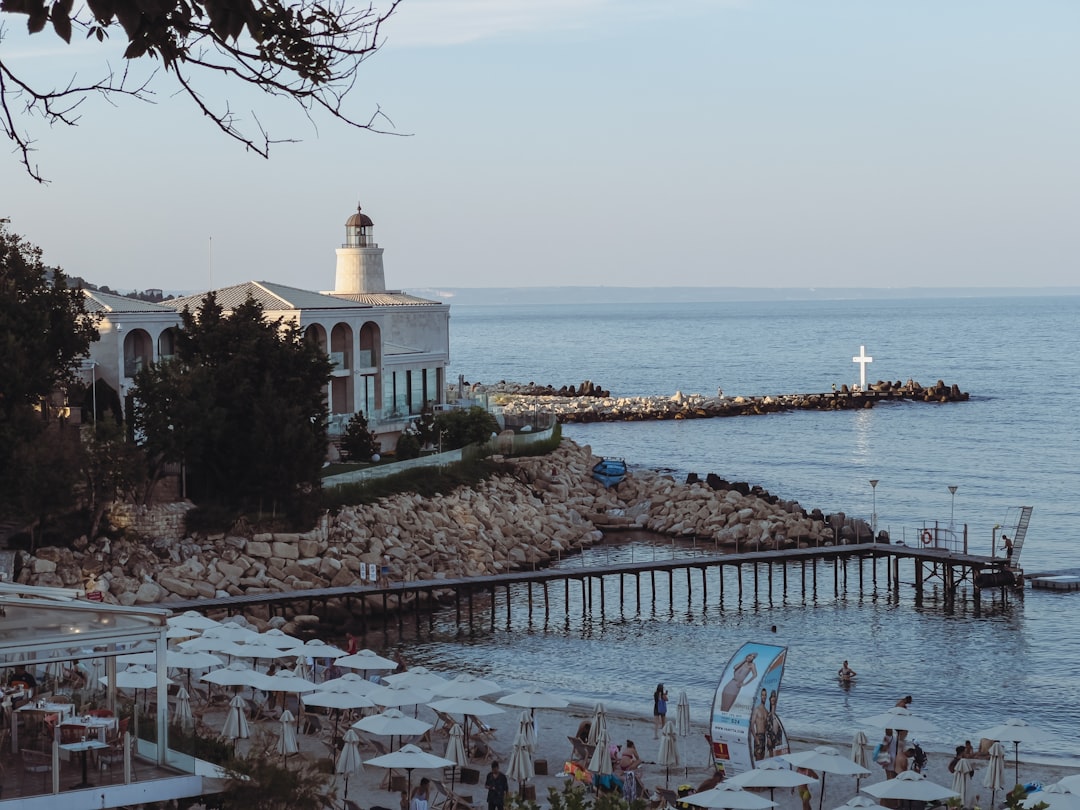
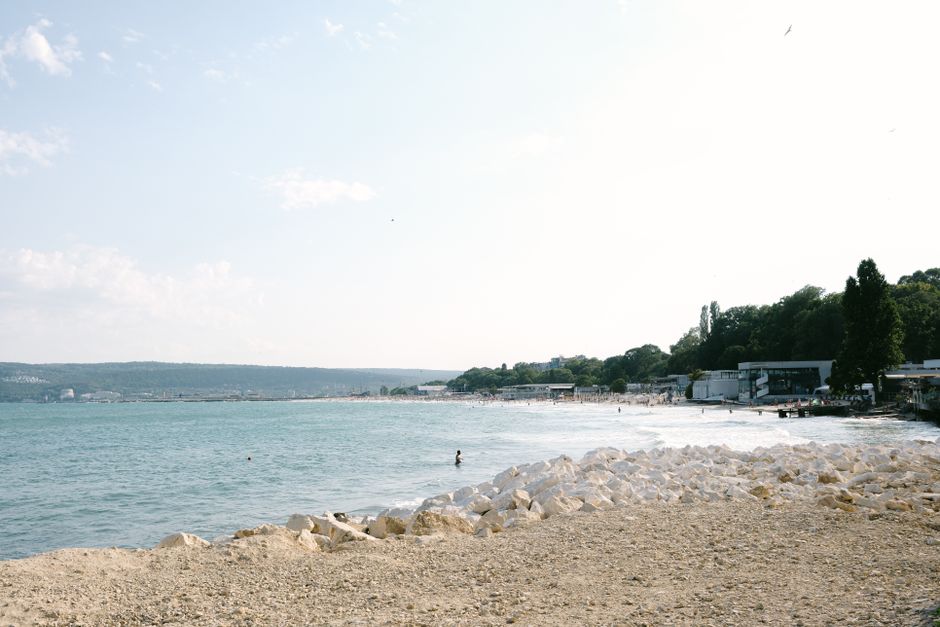
The air in Varna doesn't just smell of salt; it carries the heavy, metallic tang of ancient sulfur and the brine of the Black Sea. I stood on the edge of the Golden Sands beach, watching the sun dip below the horizon, and felt the weight of two thousand years pressing against my ribs. This isn't a city that whispers its history; it screams it. From the moment you step off the ferry or out of the airport, you are hit with a sensory overload of Ottoman minarets, Soviet-era brutalism, and glittering high-rises that look like they were plucked from Dubai. But the real story of Varna isn't in the skyline. It's underground. It's in the steam rising from the thermal springs that have been drawing people here since the Neolithic era. I came here for the heat, but I stayed for the ghosts.
Most tourists treat Varna as a sun-and-sand stopover, a place to burn off calories on the beach before heading to the mountains. They miss the pulse. The pulse is here, in the thermal waters that have been flowing through this city for millennia. The Varna thermal springs are not just a spa attraction; they are a living connection to the Roman past. When I dipped my toes into the warm, mineral-rich water at the Aqua Grand Hotel complex, I felt a strange sense of continuity. The same waters that warmed the bones of Roman legionaries and Thracian kings are still flowing today, heated by the earth's deep geothermal veins. This is a city built on fire and water, and the ruins are just the bones left behind.
History & Identity
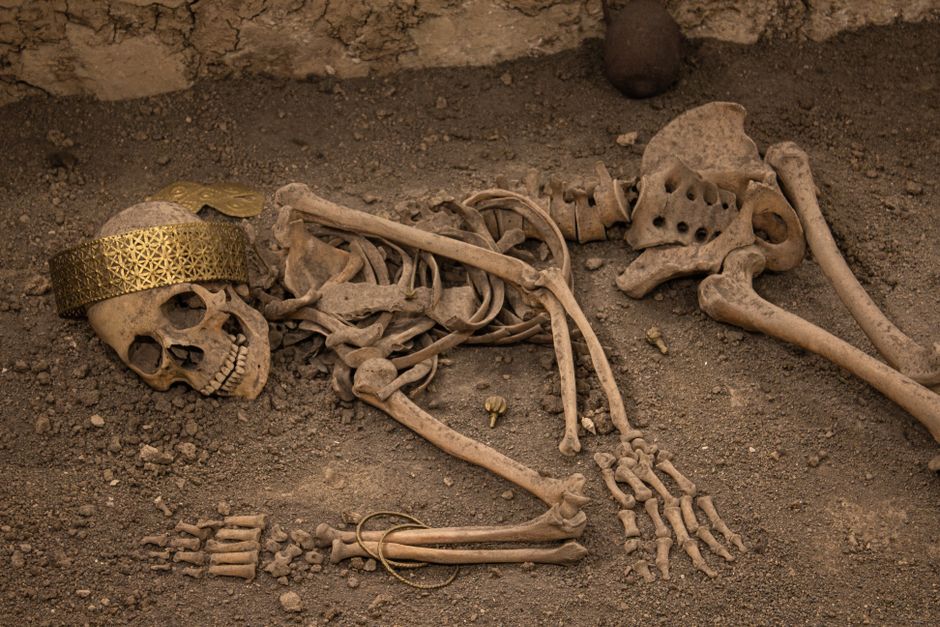
Varna is one of the oldest cities in Europe, with a history stretching back over 6,000 years. The Varna Necropolis, discovered in 1972, contains the world's oldest processed gold, dating back to 4500 BC. This isn't just a footnote; it's the foundation of the city's identity. The Varna region was a melting pot of cultures, from the Thracians to the Romans, the Byzantines to the Ottomans. Each layer left its mark, but the Roman period is the most visible in the city's thermal heritage. The Romans recognized the value of the thermal springs and built elaborate bath complexes, using the natural heat for health, socializing, and relaxation. These baths were not just for the elite; they were community centers, places where news was exchanged, deals were struck, and status was displayed.
The modern city of Varna has struggled to reconcile its ancient past with its Soviet-era present. After World War II, the city was rebuilt under communist rule, with wide boulevards and imposing government buildings. The thermal springs were developed into state-run sanatoriums, but the focus was on mass tourism and health treatment, not heritage. Today, Varna is undergoing a transformation. The old bath complexes are being renovated, and new luxury hotels are springing up around the thermal sites. The city is trying to rebrand itself as a cultural and wellness destination, but the tension between its ancient roots and modern ambitions is palpable. You can see it in the way the Archaeological Museum is tucked away between high-rise apartments, or how the Port of Varna is being expanded while the historic waterfront is being gentrified.
Where to Go
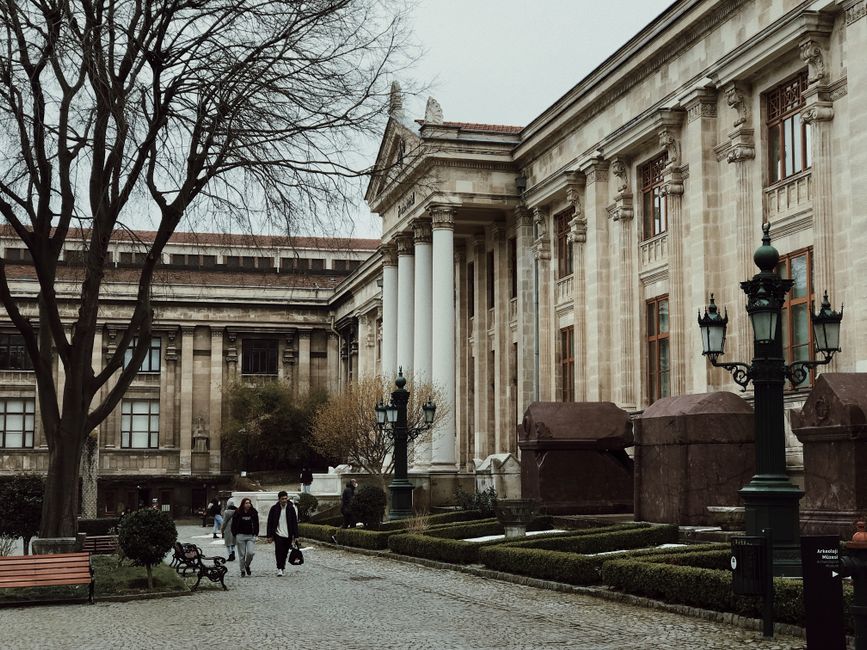
Archaeological Museum of Varna — This is the crown jewel of Varna's cultural offerings. Housed in a neoclassical building in the city center, the museum holds the famous gold from the Varna Necropolis, along with artifacts from the Roman, Byzantine, and Ottoman periods. The gold collection is breathtaking, with intricate jewelry, weapons, and ceremonial objects that speak to the sophistication of the Neolithic societies that lived here. Entry is 8 EUR, and it's worth every penny. Plan to spend at least two hours here, and consider hiring a guide to fully appreciate the context. The museum is open Tuesday to Sunday, 10:00 AM to 6:00 PM.
Varna Necropolis — Located in the western part of the city, the Varna Necropolis is a UNESCO World Heritage Site and one of the most important archaeological sites in Europe. The site contains over 300 graves, many of which were robbed in antiquity, but the ones that remain intact are filled with gold and other treasures. The necropolis provides a glimpse into the burial practices and social structure of the Neolithic communities that lived in the Varna area. There is no entry fee, and the site is open to the public year-round. It's a bit out of the way from the city center, so plan your visit accordingly.
Aqua Grand Hotel Spa — If you want to experience the thermal springs of Varna in style, this is the place to go. The Aqua Grand Hotel is a luxury resort located on the Golden Sands beach, with a spa complex that uses the natural thermal waters. The spa offers a range of treatments, from massages to hydrotherapy pools, all set in a luxurious environment. Entry to the spa is 30-50 EUR for non-guests, and it's open daily. It's a bit pricey, but the quality of the facilities and the service is top-notch. If you're on a budget, you can also visit the public thermal pools in the city center for a fraction of the cost.
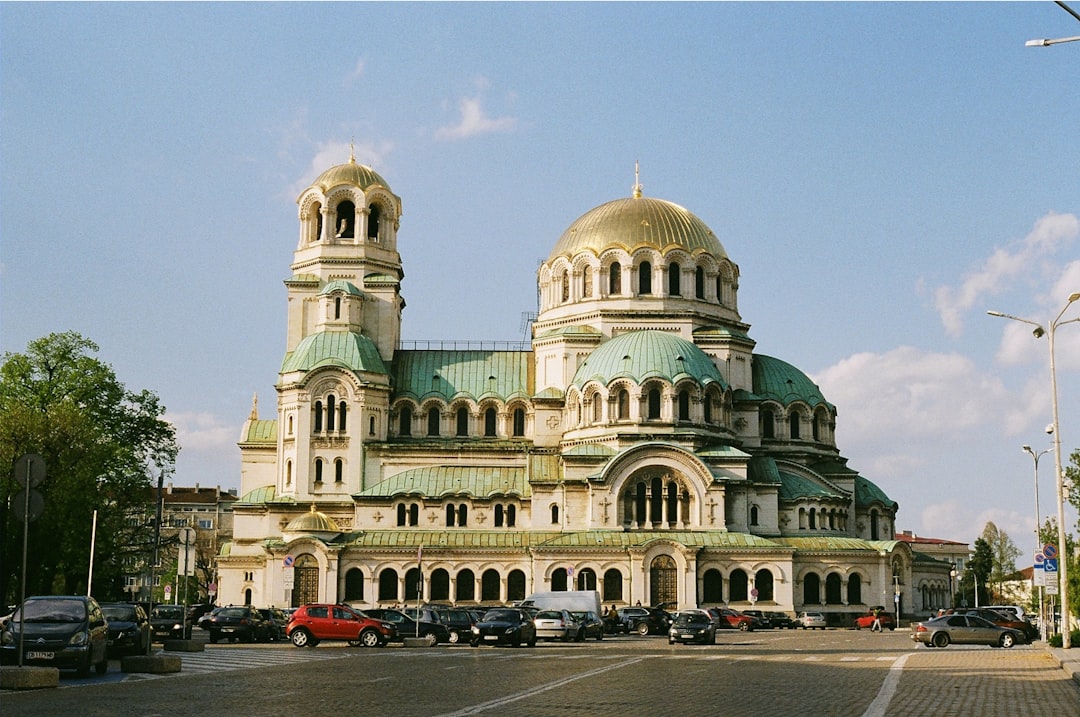
St. Atanas Church — This beautiful Orthodox church is located in the heart of Varna, near the port. Built in the early 20th century, the church is a blend of Byzantine and Russian architectural styles, with a stunning dome and intricate frescoes. The church is a popular spot for locals and tourists alike, and it's a great place to learn about the religious history of the city. Entry is free, and the church is open daily for services and visitors. It's a peaceful oasis in the middle of the bustling city.
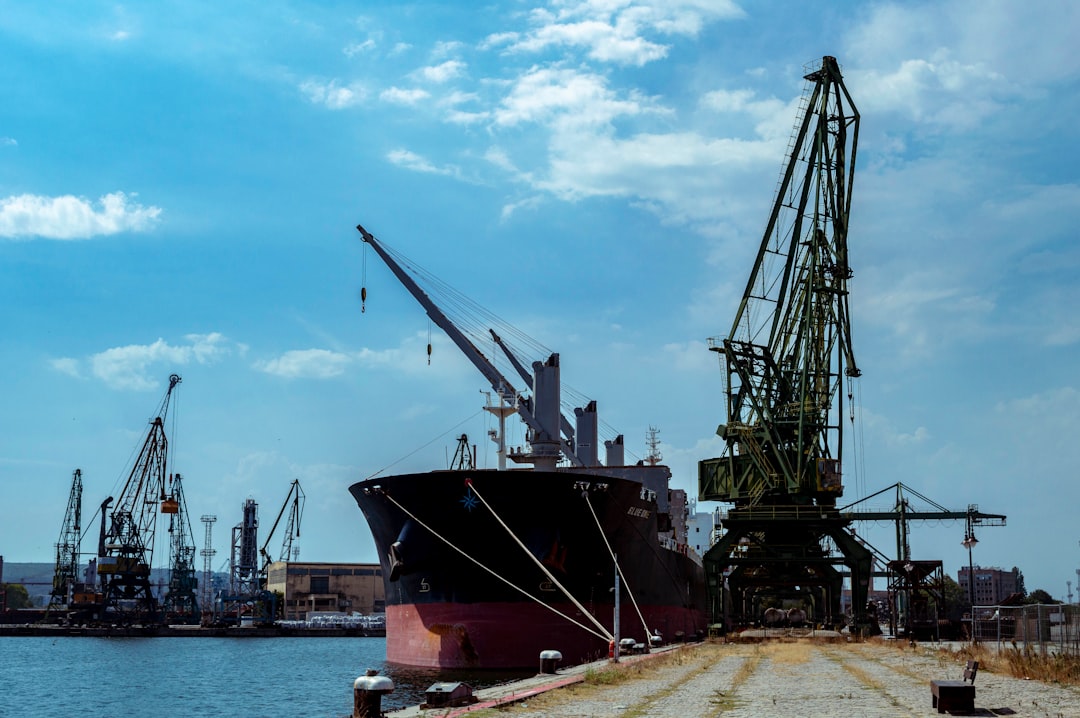
Varna Port — The Varna port is one of the largest on the Black Sea, and it's a hub of activity. You can take a ferry to Kavarna or Shabla, or catch a cruise ship to other destinations in the region. The port area is undergoing redevelopment, with new restaurants, shops, and attractions springing up. It's a great place to grab a bite to eat and watch the ships come and go. The view of the sea and the city skyline is stunning, especially at sunset.
What to Eat & Drink
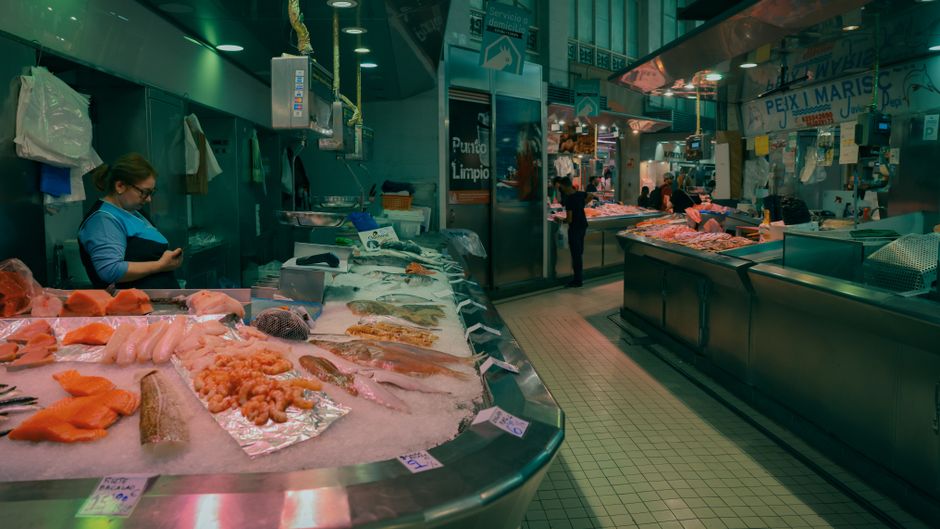
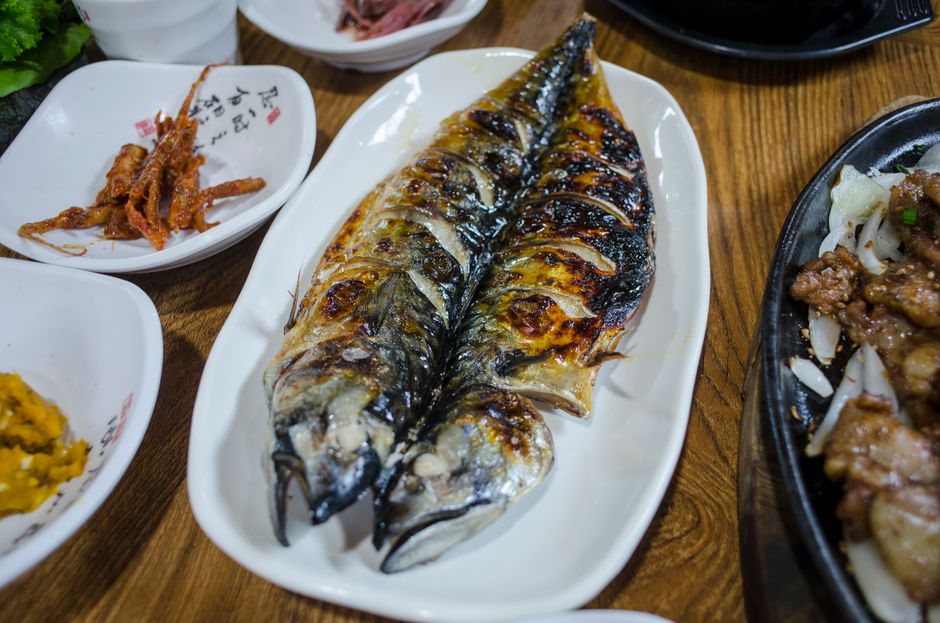
Varna is a foodie's paradise, with a mix of Bulgarian, Turkish, and Mediterranean influences. The city is famous for its seafood, with fresh fish and shellfish available at the local markets. Broiled mackerel is a local favorite, often served with banitsa (a savory pastry) and a cold beer. You can find this for 5-8 EUR at any beachside taverna. For a more traditional Bulgarian experience, try shopska salata (a salad of tomatoes, cucumbers, peppers, and sirene cheese) and kyufte (meatballs). These dishes are cheap and delicious, with a plate of shopska salata costing around 3 EUR and kyufte for 6-10 EUR.
For a more upscale dining experience, head to the Old Town area, where you'll find a range of restaurants serving Bulgarian and international cuisine. Restaurant Mamma Mia is a popular spot for Italian food, while Restaurant Varna offers a more traditional Bulgarian menu. Prices here are higher, with a main course costing 15-25 EUR. For a budget-friendly option, try the Central Market, where you can find fresh produce, cheese, and bread. You can pick up a meal for 3-5 EUR and eat it in the nearby park. Varna also has a vibrant coffee culture, with many cafes serving excellent espresso and Turkish coffee. A cup of coffee costs around 2-3 EUR, and it's the perfect way to start your day.
Nightlife
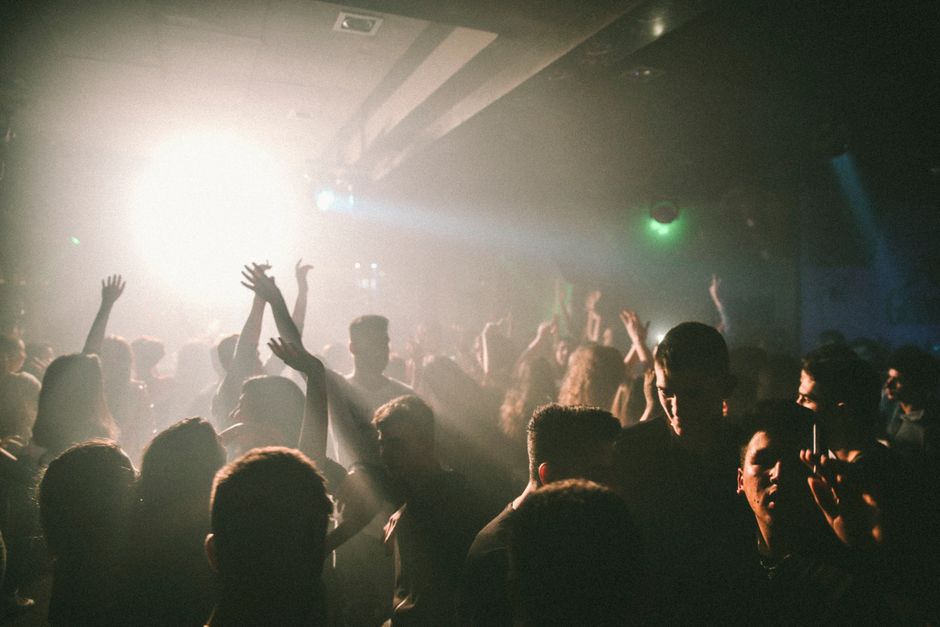
Varna's nightlife scene is centered around the Golden Sands and Albena resort areas, but the city center also has a range of bars and clubs. Club Lido is a popular spot for electronic music, with a large dance floor and a lively atmosphere. Entry is 5-10 EUR, and drinks are reasonably priced. Bar 100 is a more laid-back option, with a relaxed vibe and a focus on cocktails. It's a great place to start the night before heading out to the clubs. For a more traditional Bulgarian experience, try Taberna Varna, a folk music club that offers live performances and traditional food. Entry is 10-15 EUR, and it's a unique way to experience Bulgarian culture.
If you're looking for a more upscale nightlife experience, head to the Aqua Grand Hotel or Monte Casino, both of which have rooftop bars and clubs with stunning views of the sea. Drinks here are more expensive, with a cocktail costing 10-15 EUR, but the atmosphere is unmatched. Varna also has a range of wine bars, where you can sample local Bulgarian wines. A glass of wine costs around 3-5 EUR, and it's a great way to end the night. The city's nightlife scene is diverse and vibrant, with something for everyone.
Getting There & What to Expect
Varna is well-connected to the rest of Bulgaria and the region. Varna Airport offers direct flights to many European cities, including Sofia, Istanbul, and London. You can also reach Varna by train or bus from Sofia, with a journey time of around 6-8 hours. The train is a more comfortable option, with sleeper cars available for 20-30 EUR. Buses are cheaper, with tickets costing 10-15 EUR. Once in Varna, you can get around by bus, taxi, or on foot. The city center is compact and walkable, and the bus system is reliable and affordable. A single bus ticket costs 1.50 EUR, and a day pass is 4 EUR.
Accommodation in Varna ranges from budget hostels to luxury hotels. A bed in a hostel costs around 10-20 EUR per night, while a mid-range hotel costs 50-100 EUR per night. Luxury hotels, like the Aqua Grand Hotel, can cost 200-400 EUR per night. The best time to visit Varna is from May to October, when the weather is warm and the sea is inviting. July and August are the busiest months, so expect crowds and higher prices. If you're looking for a quieter experience, consider visiting in May or September, when the weather is still pleasant and the crowds are thinner. Varna is a city that offers something for everyone, from ancient ruins to thermal springs, and from vibrant nightlife to beautiful beaches.
Search accommodation in Varna on Booking.com →
The Heat Remains
I left Varna with a sunburn, a full stomach, and a head full of ghosts. The thermal springs had done their work, soothing my muscles and calming my mind. But it was the ruins that stayed with me. The Varna Necropolis, the Archaeological Museum, the St. Atanas Church — they were all reminders of the layers of history that make this city so unique. Varna is not just a beach destination; it's a city with a soul. A soul that has been shaped by the sea, the heat, and the people who have lived here for millennia. As I boarded the train back to Sofia, I watched the Black Sea disappear into the horizon, and I knew I would be back. The heat remains, and so do the stories. You just have to know where to look.
Comments