


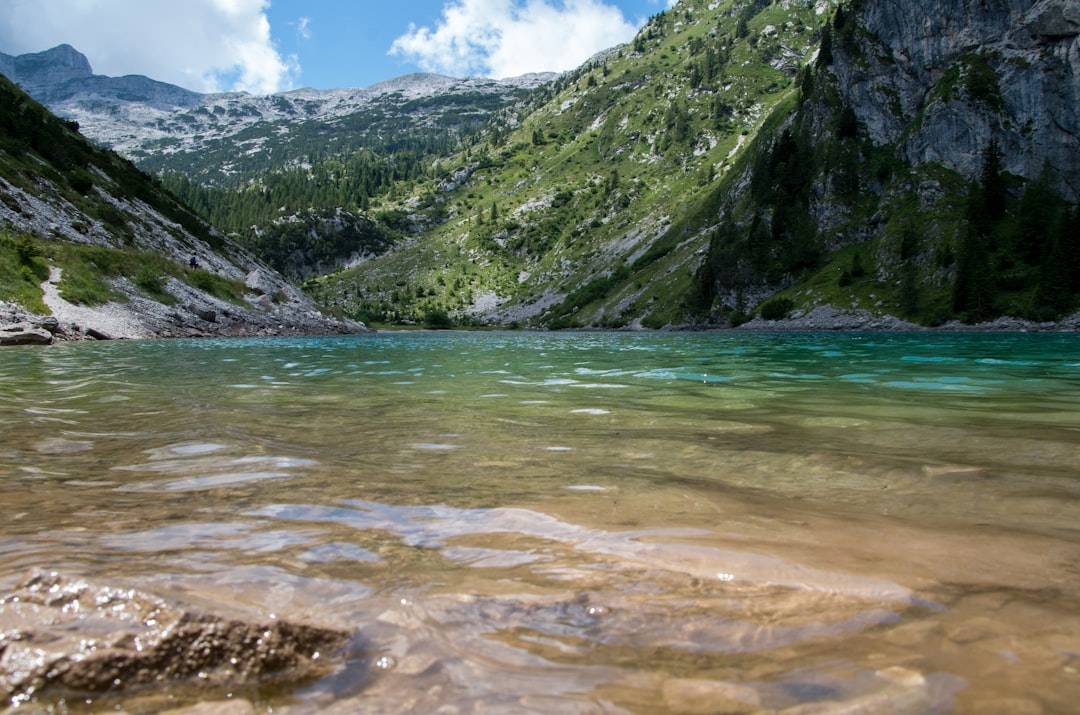
The water is not just cold; it is an assault. It is the kind of cold that stops your heart for a second, making you forget your name, your mortgage, and the fact that you are wearing a swimsuit in the middle of the Julian Alps. I stood at the edge of Bohinj Lake, toes curled, watching a local in a black wetsuit slide in with the grace of a seal. He surfaced, gasping, then laughed. "You look like a chicken," he shouted over the wind. I looked like a chicken. I was shivering, my lips blue, surrounded by peaks that looked like they were carved from granite and spite. This is not a spa. This is Triglav National Park Triglav National Park, and the water here does not care about your comfort. It cares about your survival. And yet, you come back for it.
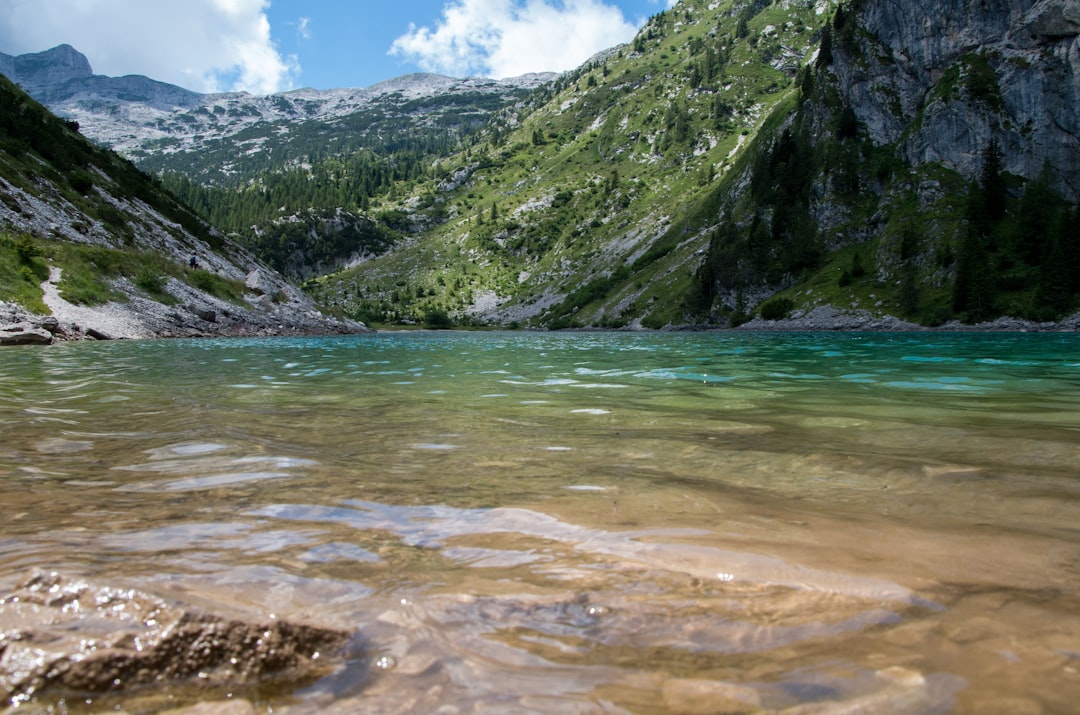
Swimming in the Julian Alps Julian Alps is not a leisure activity. It is a ritual. It is a baptism by ice melt. The lakes here are fed by glaciers, snowmelt, and underground springs that have been churning for millennia. The water is crystal clear, so clear that you can see the stones on the bottom fifty meters down. It is also so cold that most people dip in for ten seconds and run out, shivering and swearing. But those who stay in, who let the cold seep into their bones and then burn away, find a clarity that is hard to explain. It is the alpine blues, the deep, electric blue of water that has never known warmth. And it is worth every shiver.
The Blue Heart of Bohinj
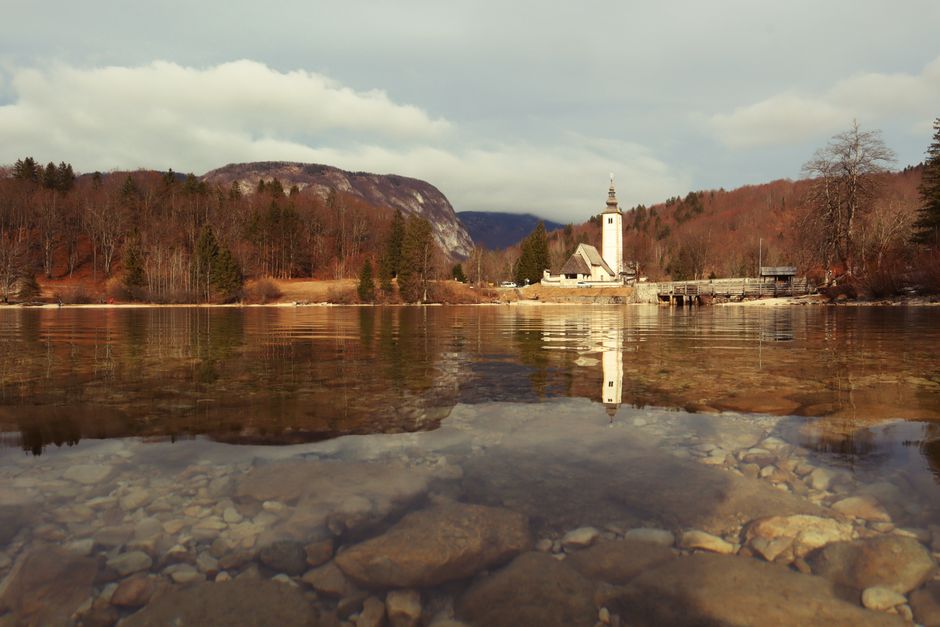
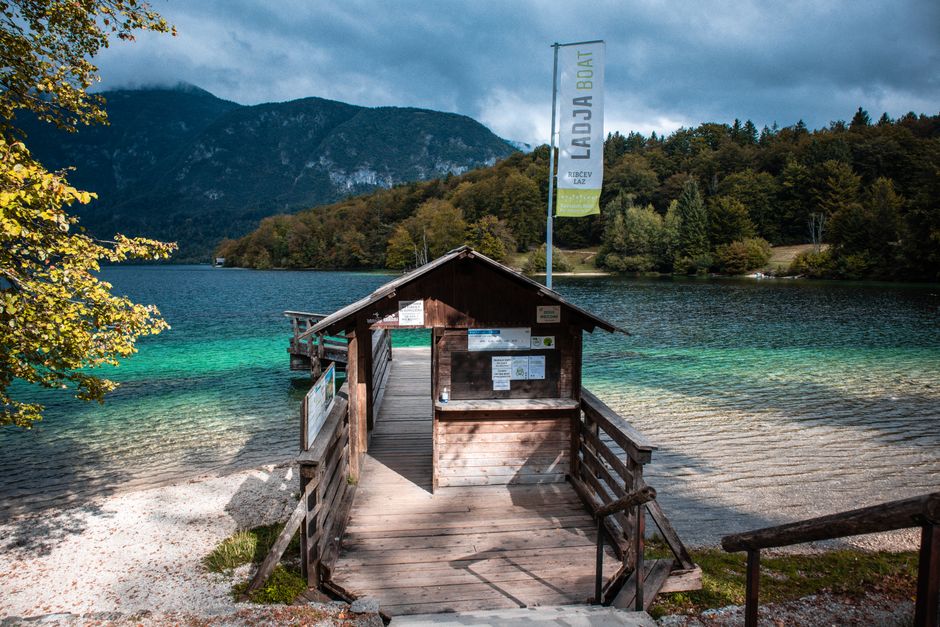
Bohinj Lake Bohinj Lake is the largest natural lake in Slovenia Slovenia, and it is the most accessible of the alpine swimming spots. It sits in the Triglav National Park Triglav National Park like a sapphire dropped into a valley of green and grey. The water here is colder than the sea, but the beaches are sandy, the sun is warm, and the view of Triglav Peak Mount Triglav is a constant reminder of why you are here. The lake is long and narrow, stretching for seven kilometers, with coves and inlets that offer shelter from the wind. The water temperature rarely exceeds 18 degrees Celsius , even in July. It is cold, but it is manageable. You can swim for twenty, thirty minutes, if you are brave. The locals swim here all year round, even in winter, when the water is near freezing. They call it "winter swimming," and they do it with a sense of grim determination that is both admirable and terrifying.
The best place to swim is at the Beach of the Triglav Lakes Bohinj Lake Beaches, near the village of Rateče Rateče. The beach is pebbly, but the water is shallow and clear. There are changing cabins, showers, and a small cafe where you can warm up with a hot chocolate after your dip. The view from the beach is of the lake stretching out to the north, with the mountains rising up on either side. It is a view that makes you feel small, and in a good way. The water is cold, but the air is warm, and the sun is on your back. It is a perfect contrast, a reminder that life is about balance, about finding the warmth in the cold, the joy in the pain.
The Seven Rila of Slovenia: The Seven Lakes of Bohinj
Higher up, in the mountains above Bohinj, lie the Seven Lakes of Bohinj Seven Lakes of Bohinj. These are not large lakes. They are small, alpine tarns, scattered across the slopes of Mount Triglav Mount Triglav. The water here is even colder, even clearer, and even more beautiful. The hike to the lakes is a long one, taking four to six hours, depending on your fitness. The trail is well-marked, but it is steep, and the altitude is high. The air is thin, and the cold is biting. But the view from the top is worth it. You can see the lakes spread out below you, like a string of pearls dropped on a green carpet. The water is so clear that you can see the fish swimming in the depths, so small and so fast that they look like silver streaks.
Swimming in the Seven Lakes is not for the faint-hearted. The water is near freezing, and the rocks are slippery. But for those who dare, it is an experience that will stay with you for the rest of your life. I swam in the Upper Seven Lake Upper Seven Lake, the highest of the seven, and it was the coldest water I have ever been in. It was also the most beautiful. The sky was blue, the mountains were green, and the water was a deep, electric blue. I swam for thirty seconds, and then I got out, shivering and laughing. It was a moment of pure joy, a reminder that life is short, and that we should take risks, that we should push ourselves, that we should live.
The Hidden Gem: Lake Jasna
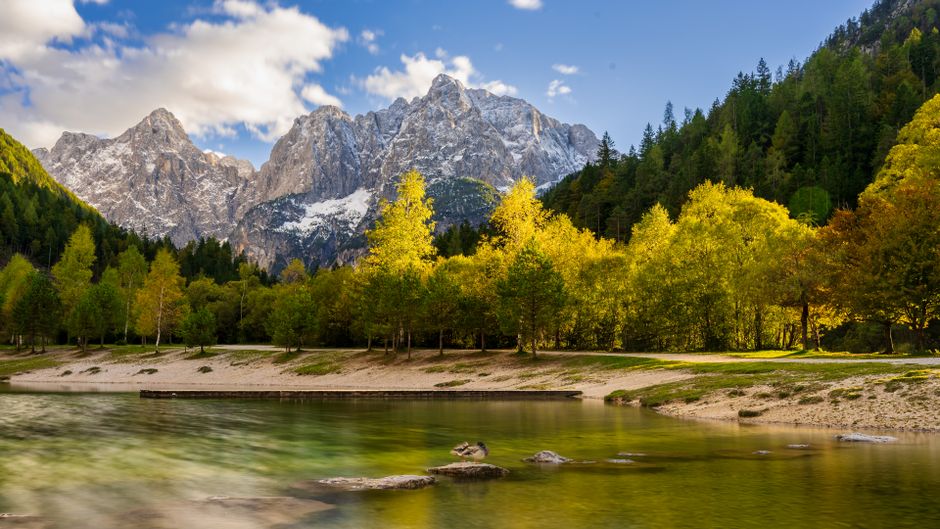
Further north, in the Kranjska Gora Kranjska Gora area, lies Lake Jasna Lake Jasna. It is a small, man-made lake, but it is beautiful, and it is one of the most popular swimming spots in the Julian Alps Julian Alps. The water here is warmer than in Bohinj, and the beach is sandy. It is a family-friendly spot, with shallow water and a gentle slope. The view is of the Vogel Vogel (Slovenia) ski resort, which rises up behind the lake. In the summer, the ski lifts are used for hiking, and the slopes are covered in green grass. The lake is a popular spot for swimming, sunbathing, and picnicking. It is a peaceful place, a place to relax and unwind, to enjoy the beauty of the mountains and the coolness of the water.
The water temperature at Lake Jasna Lake Jasna is around 20 degrees Celsius in July and August. It is still cold, but it is manageable. You can swim for an hour or more, if you want to. The beach is pebbly, but there are wooden platforms and changing cabins. There is also a small cafe where you can buy food and drinks. The lake is surrounded by forest, and there are many hiking trails that start from the beach. It is a great place to spend a day, to swim, to hike, to relax, and to enjoy the beauty of the Julian Alps Julian Alps.
Routes & Trail Info
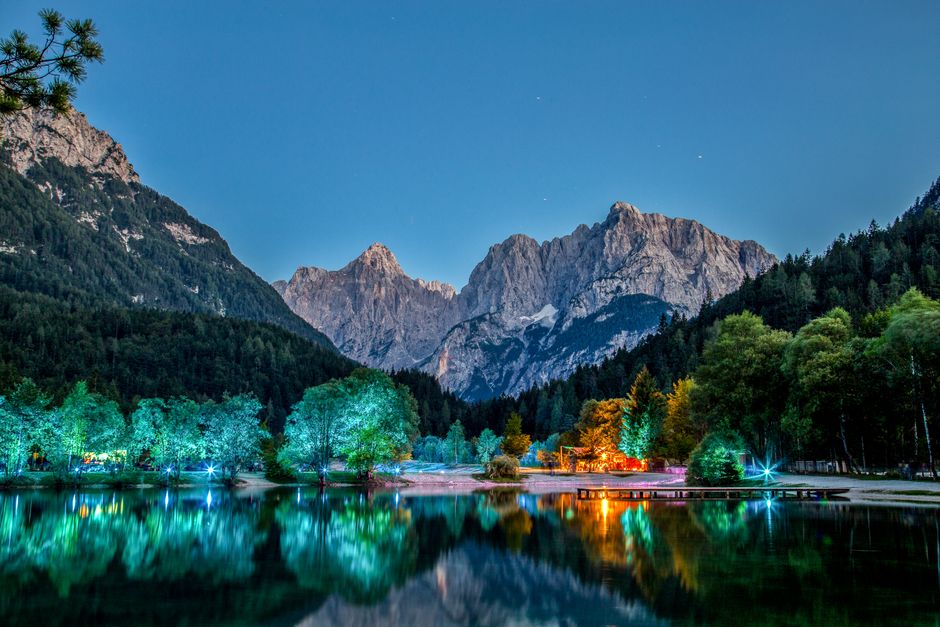
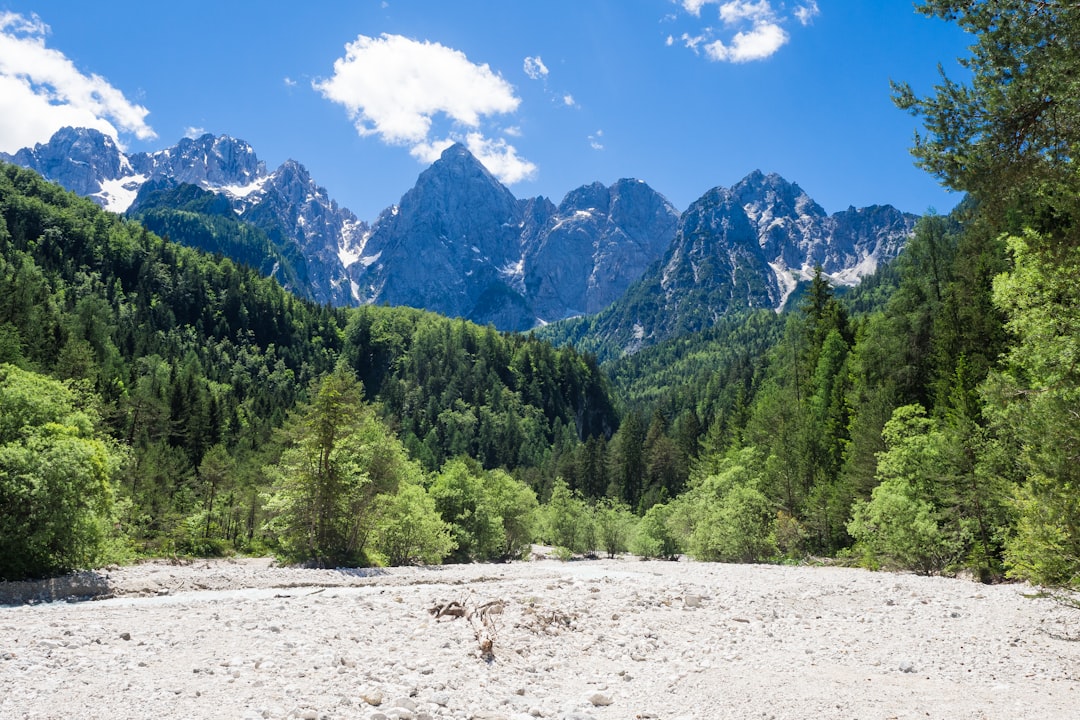
Getting to the lakes requires effort. The Seven Lakes of Bohinj Seven Lakes of Bohinj are accessed via a trail that starts at Rateče Rateče. The trail is 12.5 kilometers long, with an elevation gain of 1,200 meters. It takes 4-6 hours to hike to the Upper Seven Lake Upper Seven Lake and back. The difficulty is Intermediate. The trail is well-marked, but it is steep, and the altitude is high. You need to be fit, and you need to bring plenty of water and food. The trail passes through forest, meadows, and rocky slopes. The view is spectacular, and the air is fresh. It is a hike that will test you, but it will also reward you.
For Bohinj Lake Bohinj Lake, no hike is required. You can drive or take a bus to the lake. The beach is accessible from the road, and there are parking spaces. For Lake Jasna Lake Jasna, you can drive or take a bus to Kranjska Gora Kranjska Gora, and then hike or take a cable car to the lake. The hike is 2 kilometers long, with an elevation gain of 200 meters. It takes 30-40 minutes. The difficulty is Beginner. The trail is easy, and the view is beautiful. It is a great hike for families and for those who are not used to hiking.
Getting There & What to Expect
The nearest major city is Ljubljana Ljubljana, the capital of Slovenia Slovenia. From Ljubljana, you can drive to Bohinj in 1.5 hours or to Kranjska Gora in 1 hour. There are also buses and trains. The bus from Ljubljana to Bohinj takes 2 hours and costs 10-15 EUR. The train to Kranjska Gora takes 1.5 hours and costs 10-12 EUR. Car rental is 40-60 EUR per day. Accommodation in Bohinj is 80-150 EUR per night for a mid-range hotel. Accommodation in Kranjska Gora is 90-160 EUR per night. Camping is 10-15 EUR per night. Meals are 15-25 EUR per person. The best time to visit is July and August, when the water is warmest and the days are longest.
Search accommodation in Bohinj on Booking.com →
The Cold Truth
I left the lake with my skin red, my teeth chattering, and a smile on my face. It was a stupid smile, a wild smile, the kind of smile that comes from doing something that is not supposed to be done. Swimming in alpine lakes is not supposed to be done. It is cold, it is dangerous, it is uncomfortable. But it is also beautiful, it is exhilarating, it is alive. The water in Triglav National Park Triglav National Park is not just water. It is a mirror, reflecting the sky, the mountains, the trees, and the people who dare to enter it. It is a reminder that life is not about comfort, it is about experience, about pushing yourself, about finding the joy in the cold, the beauty in the pain. So go ahead, jump in. You will regret it for ten seconds, and then you will remember it for a lifetime.
Comments