


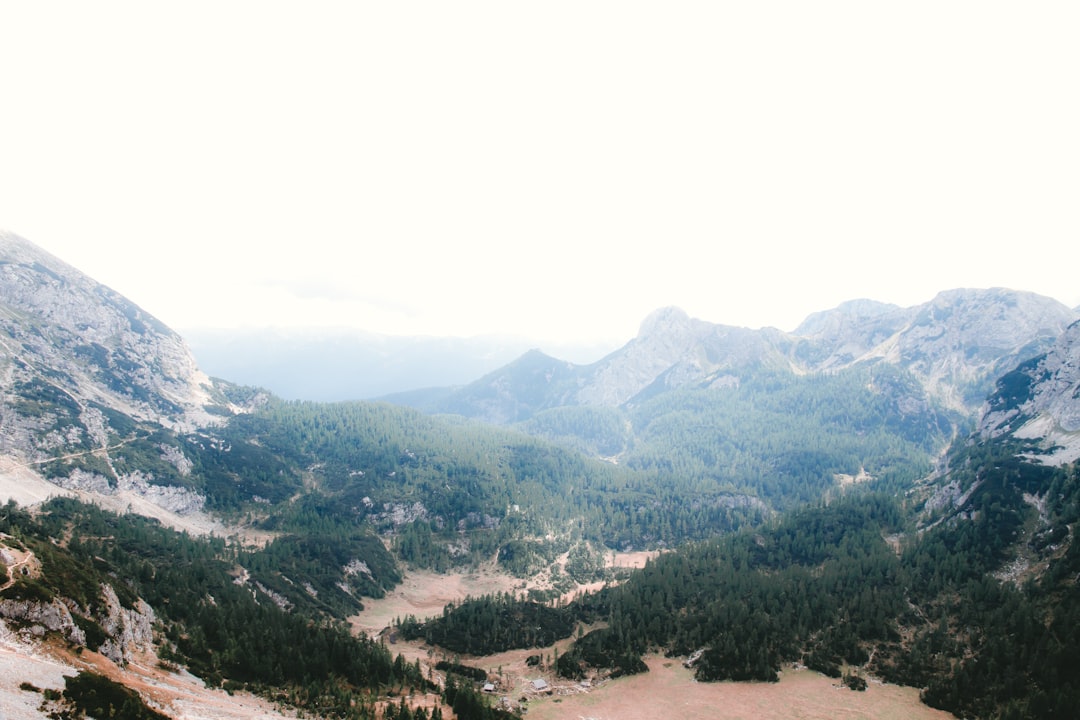
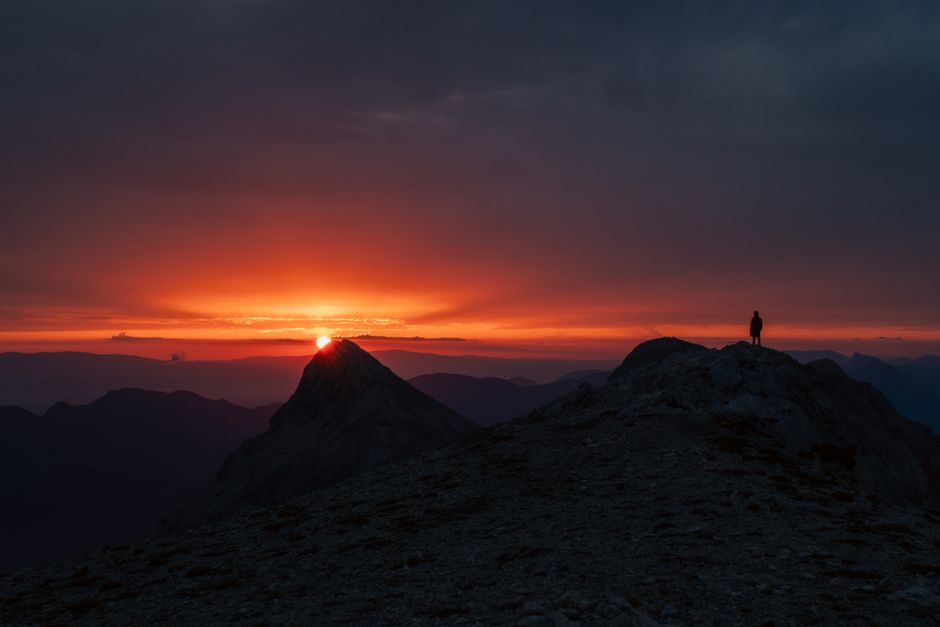
The air up here doesn't just smell like pine; it smells like wet stone and ancient ice. I am sitting on a slab of granite in the shadow of Triglav, the highest peak in Slovenia, nursing a bottle of cheap beer that tastes suspiciously like melted snow. My boots are caked in mud from the Soča River valley below, and my legs feel like they belong to someone else. A local hiker, a woman with a pack nearly as big as she is, walks past without breaking stride. She doesn't offer a smile or a wave. She just points toward a ridge line that looks impossible to climb and says, "You go that way. But hurry. The light dies fast." This isn't a vacation. It's a negotiation with gravity.
Most people think of Slovenia as a quaint, green dot on the map, a place for weekend getaways from Vienna or Ljubljana. They are wrong. The Julian Alps are jagged, unforgiving, and starkly beautiful in a way that feels almost hostile. I came here to escape the noise of the Balkans' urban centers, but I found something louder: the wind howling through the Vintgar Gorge, the crunch of gravel underfoot, and the relentless, pounding rhythm of my own heart as I ascended into the clouds. This is not a walk in the park. It is a pilgrimage to the roof of the country.
The Green Jewel and the Grey Teeth
Triglav National Park is the only national park in Slovenia, a fact that carries weight. Established in 1981, it protects the crown jewel of the Julian Alps, a landscape defined by karst topography, deep glacial lakes, and towering limestone peaks. The park is named after its highest mountain, Triglav, which stands at 2,864 meters and serves as the national symbol of Slovenia. Its three peaks, representing the three parts of the historical Slovene lands, are emblazoned on the country's coat of arms. To hike here is to tread on sacred ground, both culturally and geologically.
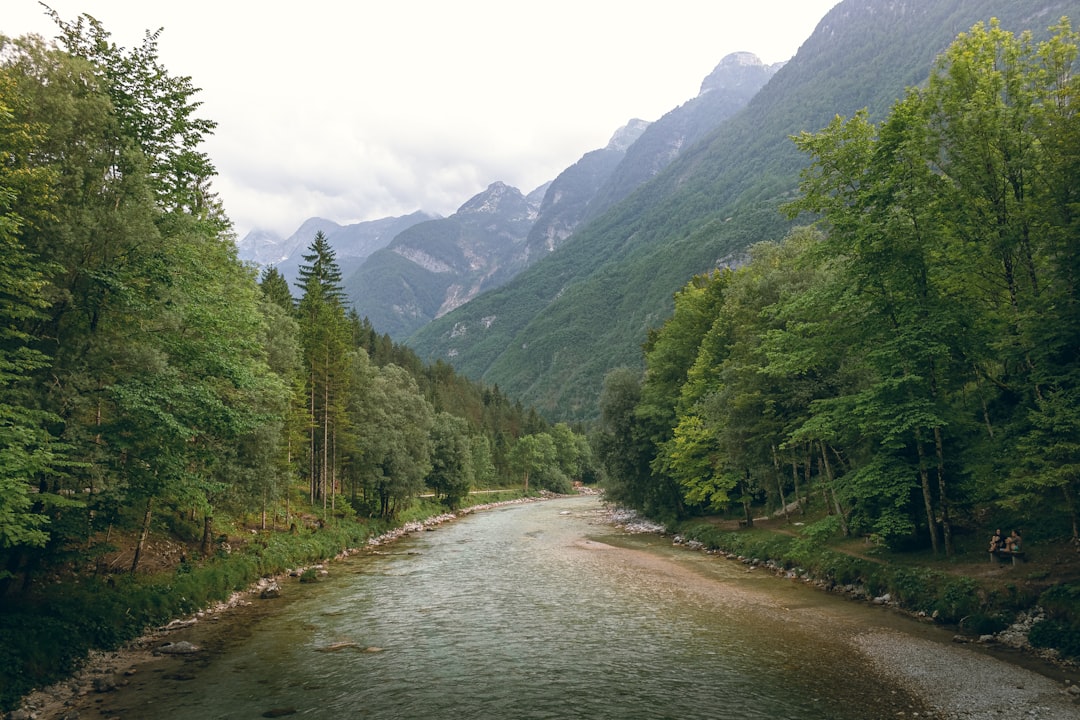
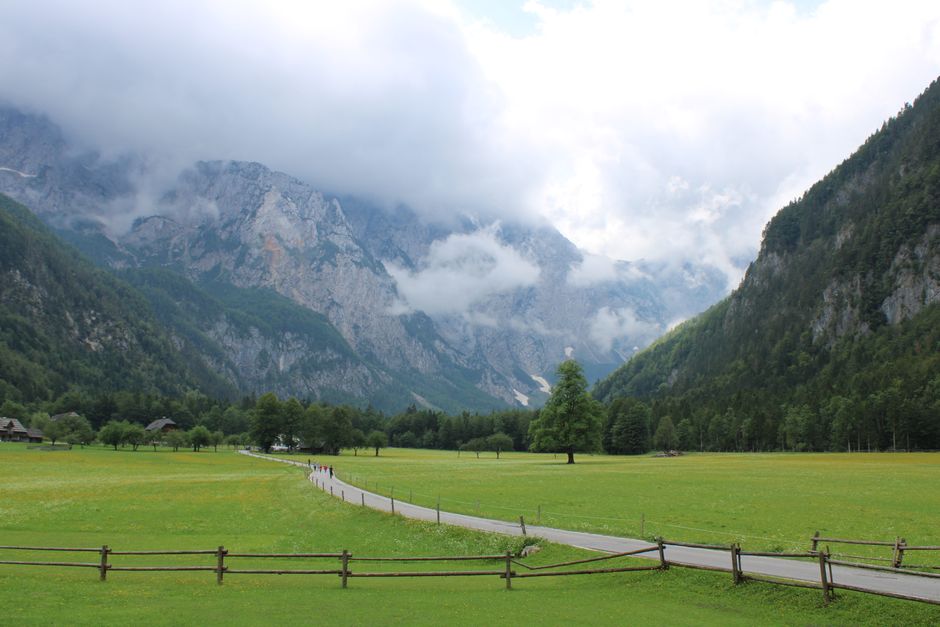
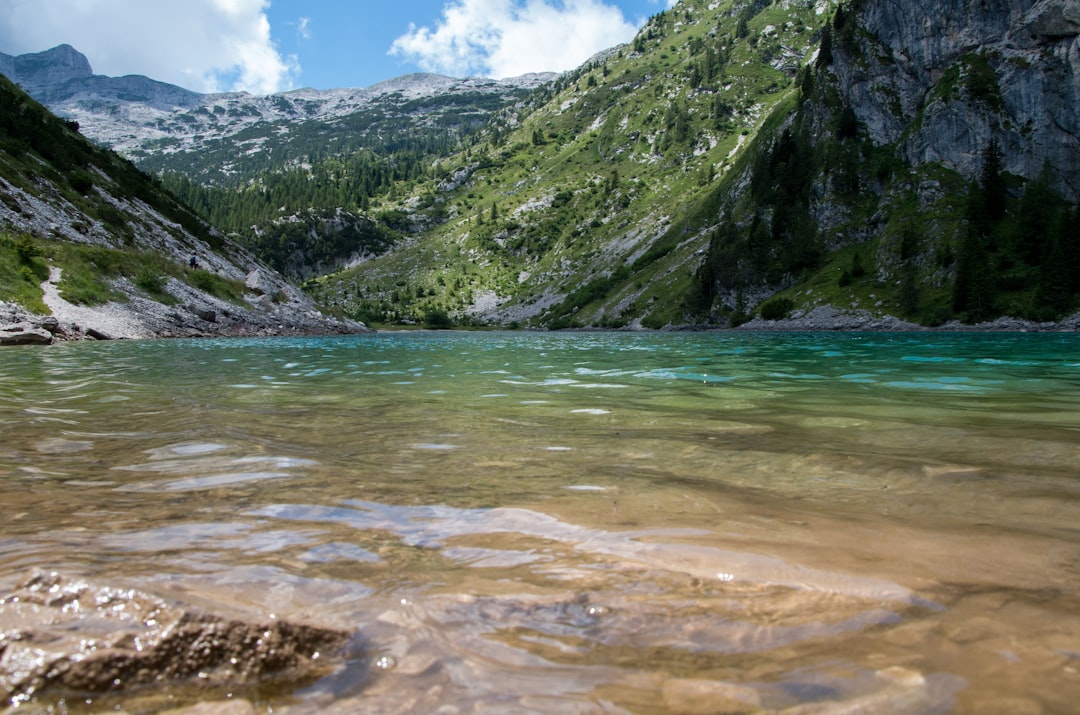
The landscape is a study in contrasts. The lower valleys are lush, dotted with traditional alpine huts (koče) that serve as waystations for hikers and refuges from the sudden storms that roll off the Adriatic. The higher elevations are barren, rocky, and exposed. The Soča River, famous for its electric blue-green color, cuts through the valley floor, a ribbon of turquoise that looks artificial until you stand beside it and feel the cold spray on your face. The water is fed by glaciers and snowmelt, carrying rock flour that gives it its distinctive hue. It is a visual shock, a splash of color in a monochrome world.
But the park is not just about the views. It is about the isolation. There are no cell phones up here, no Wi-Fi signals, no distractions. Just you, the trail, and the mountain. The silence is profound, broken only by the call of a chough or the distant crack of a rockfall. It forces you to confront yourself, to strip away the layers of modern life and stand naked before the elements. It is humbling, terrifying, and utterly addictive.
The Ascent: Routes to the Roof
Getting to the summit of Triglav is not a casual day trip. It is a multi-day undertaking that requires planning, fitness, and respect for the weather. There are several routes, but the most popular is the via ferrata route from Krma to the Planica side. This route is technically demanding, requiring the use of cables, ladders, and bridges to navigate steep rock faces. It is not for the faint of heart or the inexperienced climber.
For those less inclined to dangling from a rope, there is the Prisojnice hut route. This is a long, grueling hike that starts from the Planica valley and climbs steadily for hours. The trail is well-marked, but the elevation gain is relentless. You will pass through dense forests, cross alpine meadows, and finally emerge onto the rocky summit ridge. The views from the top are panoramic, stretching across the Julian Alps to the Dolomites in Italy and the Kamnik-Savinja Alps to the east. It is a reward for the suffering, a moment of clarity that makes every step worth it.
Another option is the Krma hut route, which is slightly shorter but equally steep. This route starts from the Krma valley and climbs to the Krma hut, a traditional alpine refuge that offers basic accommodation and hearty food. From there, you can continue to the summit or explore the surrounding peaks. The Krma hut is a social hub, a place where hikers from all over the world gather to share stories, swap tips, and warm up by the fire. It is a microcosm of the hiking community, a place where strangers become friends in the face of shared adversity.
Regardless of the route you choose, the key is to start early. The weather in the mountains is unpredictable, and storms can roll in quickly. It is best to aim for a summit push before noon, when the light is best and the winds are calm. After that, the clouds descend, the temperatures drop, and the trail becomes slippery and dangerous. Patience is a virtue, but speed is a necessity.
Routes & Trail Info
Route 1: Krma to Triglav Summit (Via Ferrata)
Starting Point: Krma Hut
Total Distance: 8 km (round-trip from hut)
Elevation Gain: 600 m
Estimated Duration: 4-5 hours
Difficulty: Experienced (requires via ferrata equipment and experience)
Route 2: Planica to Triglav Summit (Prisojnice Route)
Starting Point: Planica Valley (Žlebe parking)
Total Distance: 14 km (round-trip)
Elevation Gain: 1,200 m
Estimated Duration: 7-9 hours
Difficulty: Intermediate to Experienced (long distance, steep climb)
Route 3: Krma Hut Access
Starting Point: Krma Valley (Krma parking)
Total Distance: 6 km (one-way)
Elevation Gain: 800 m
Estimated Duration: 3-4 hours
Difficulty: Intermediate (steep, rocky terrain)
These routes are not for beginners. The terrain is rugged, the weather is volatile, and the consequences of error are severe. Proper gear is essential: sturdy hiking boots, waterproof clothing, a helmet for via ferrata sections, and a map and compass (or GPS). It is also wise to hire a guide if you are unfamiliar with the area. The Slovenian Mountain Rescue Service is well-equipped, but it is better to prevent an emergency than to respond to one.
Getting There & What to Expect
The nearest major city is Ljubljana, Slovenia's capital, which is about 100 km from the park. From Ljubljana, you can take a bus or drive to Bled or Bohinj, the two main gateway towns to the park. Bled is more touristy, with its famous lake and castle, while Bohinj is quieter and more rustic. Both towns offer a range of accommodation options, from budget hostels to luxury hotels.
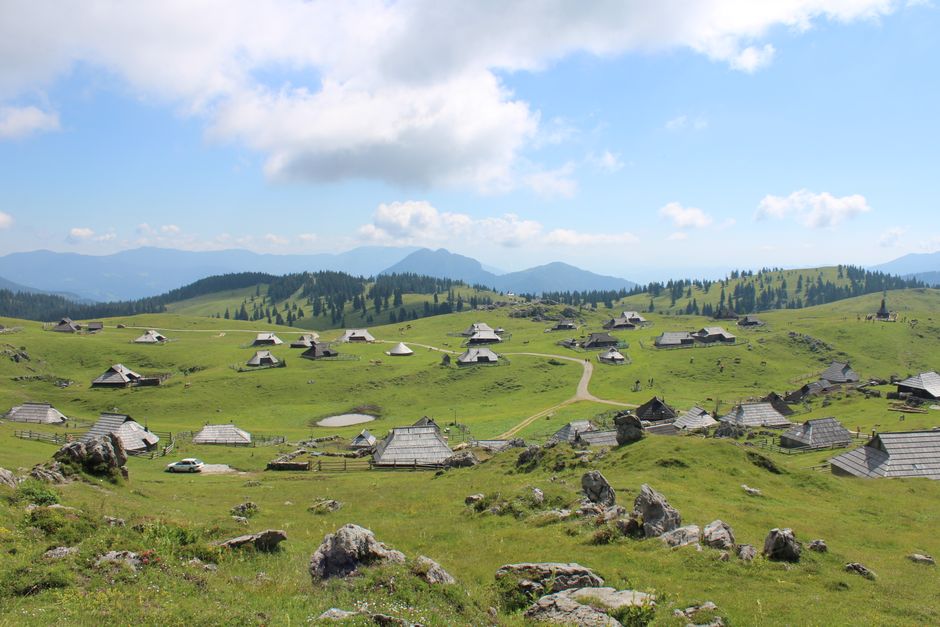
For hikers, the Planica valley is the most convenient base. It is located in the upper Savinja valley, a remote and beautiful area that is largely untouched by mass tourism. The village of Planica is famous for its ski jumping hill, but in summer, it is a hub for hiking and climbing. There are several alpine huts in the valley, including the Planica hut and the Prisojnice hut, which offer basic accommodation and meals. Prices are reasonable, but you should book in advance, especially during peak season (July and August).
Accommodation in the huts costs around 30-50 EUR per night for a bed in a dormitory, including breakfast and dinner. A typical meal costs 15-25 EUR. For those who prefer camping, there are several campsites in the Bohinj area, with prices ranging from 10-20 EUR per person per night. However, wild camping is not permitted in the national park, so you must use designated sites.
The best time to visit is from June to September, when the weather is warm and the trails are clear of snow. July and August are the busiest months, so expect crowds and higher prices. May and October are quieter, but the weather is more unpredictable, and some huts may be closed. Winter is for skiers and mountaineers, not casual hikers.
Search accommodation in Ljubljana on Booking.com →
The Descent: A Different Mountain
Coming down is harder than going up. Your knees are screaming, your muscles are trembling, and your mind is foggy with exhaustion. But there is a different kind of beauty in the descent, a slower, more contemplative pace that allows you to notice the details you missed on the way up: the texture of the lichen on the rocks, the pattern of the moss on the trees, the way the light filters through the clouds. It is a chance to reflect on the journey, to process the experience, to integrate the mountain into your body and your soul.
I reach the valley floor as the sun sets, painting the sky in shades of orange and purple. The air is cool and fresh, smelling of pine and damp earth. I walk into the village, my legs heavy, my spirit light. I find a small restaurant, order a plate of potica (a traditional Slovenian pastry) and a glass of Teran wine, and sit on the terrace. The other patrons are mostly locals, talking in low voices, watching the world go by. I am an outsider here, a transient figure in a permanent landscape. But for this moment, I feel at home.
The mountain does not care about your accomplishments, your status, or your fears. It is indifferent to your existence. But in that indifference, there is a strange comfort. It reminds you that you are small, that you are part of something larger than yourself, that you are connected to the earth and the sky and the wind. It is a lesson in humility, a reminder of what really matters. And when you leave, you carry that lesson with you, a hidden treasure that will sustain you in the days to come.
Comments