


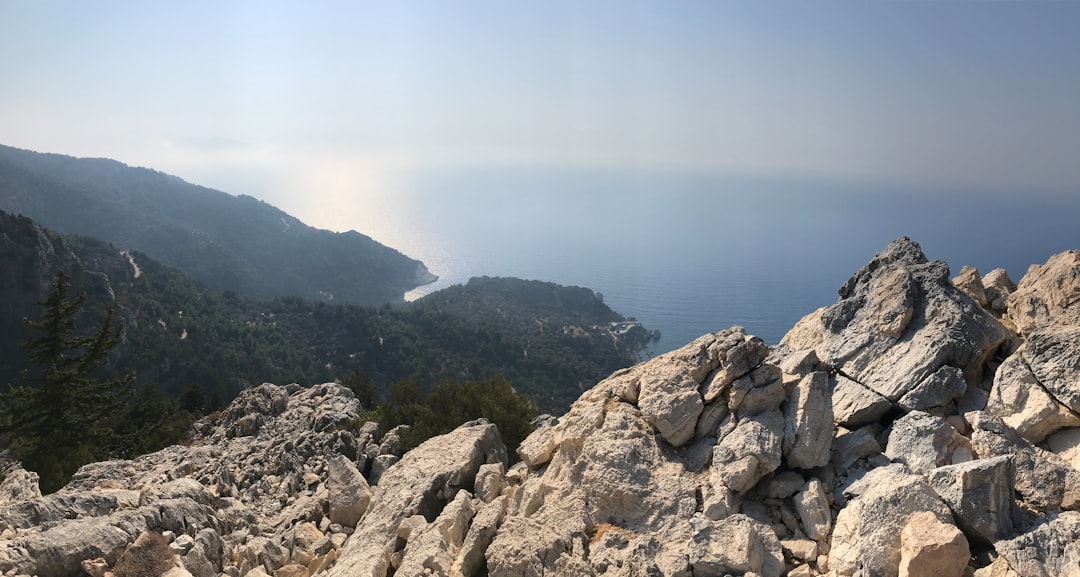
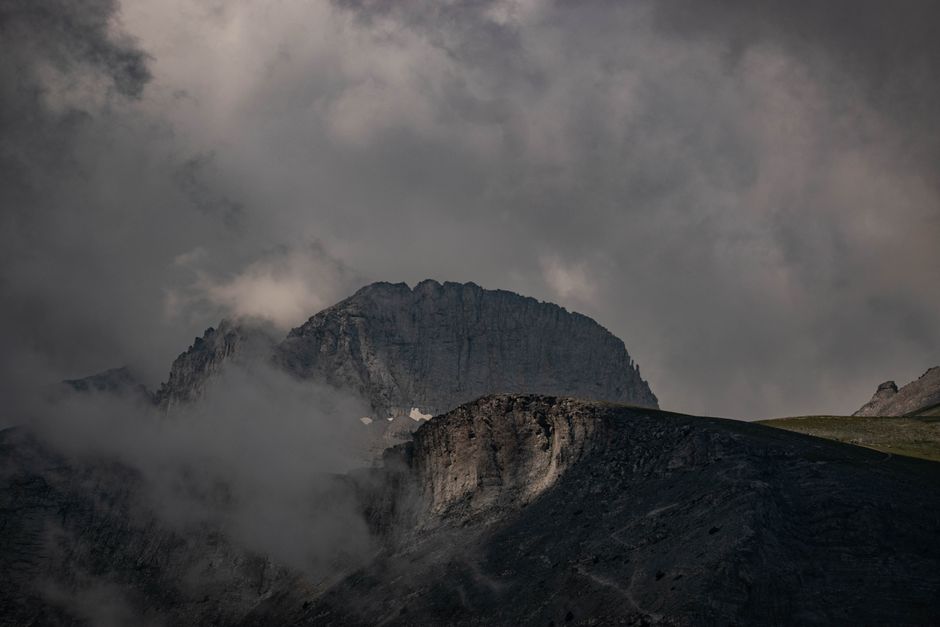
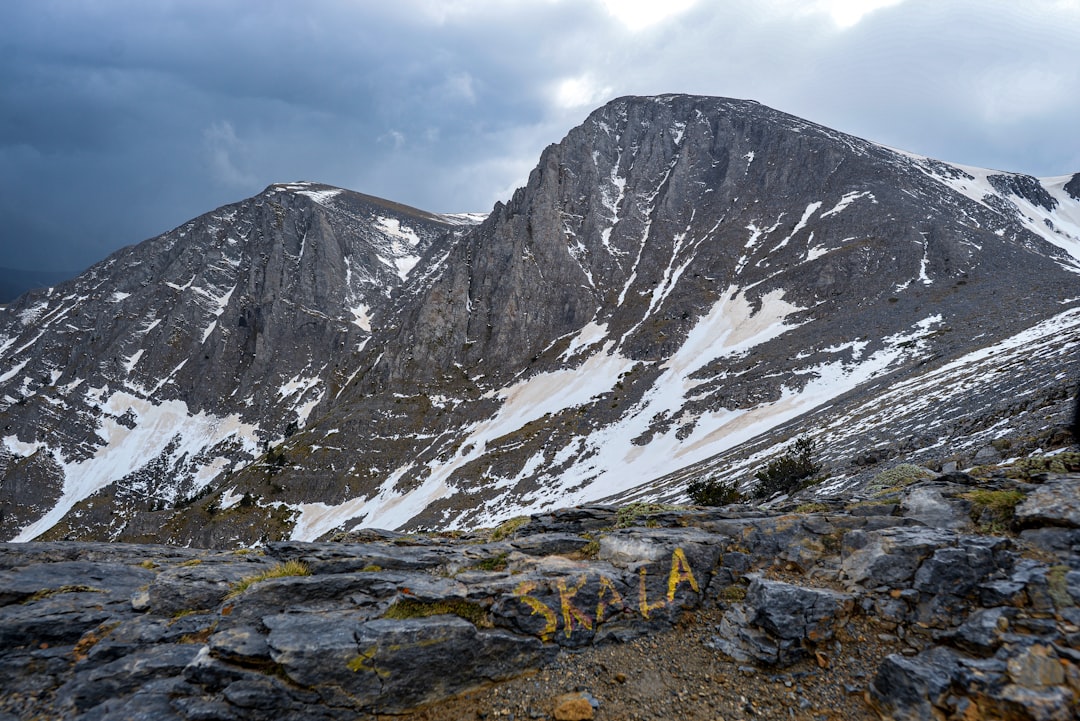
My lungs burned with a mixture of thin air and the sharp, resinous scent of pine. I was sitting on a jagged rock at 2,200 meters, watching a storm roll in from the Aegean like a wall of bruised purple iron. Beside me, a local guide named Nikos lit a cigarette with hands that didn't tremble, despite the wind trying to rip the pack from his grip. He pointed to the jagged spine of Mytikas Peak, shrouded in cloud, and laughed. "The gods are angry today," he shouted over the gale. "They don't like tourists in sneakers." I looked down at my muddy boots, then back up at the granite teeth of the mountain. This wasn't a hike; it was an intrusion. Mount Olympus Mount Olympus doesn't welcome you. It tolerates you, provided you keep moving, keep quiet, and respect the chaos of the stone.
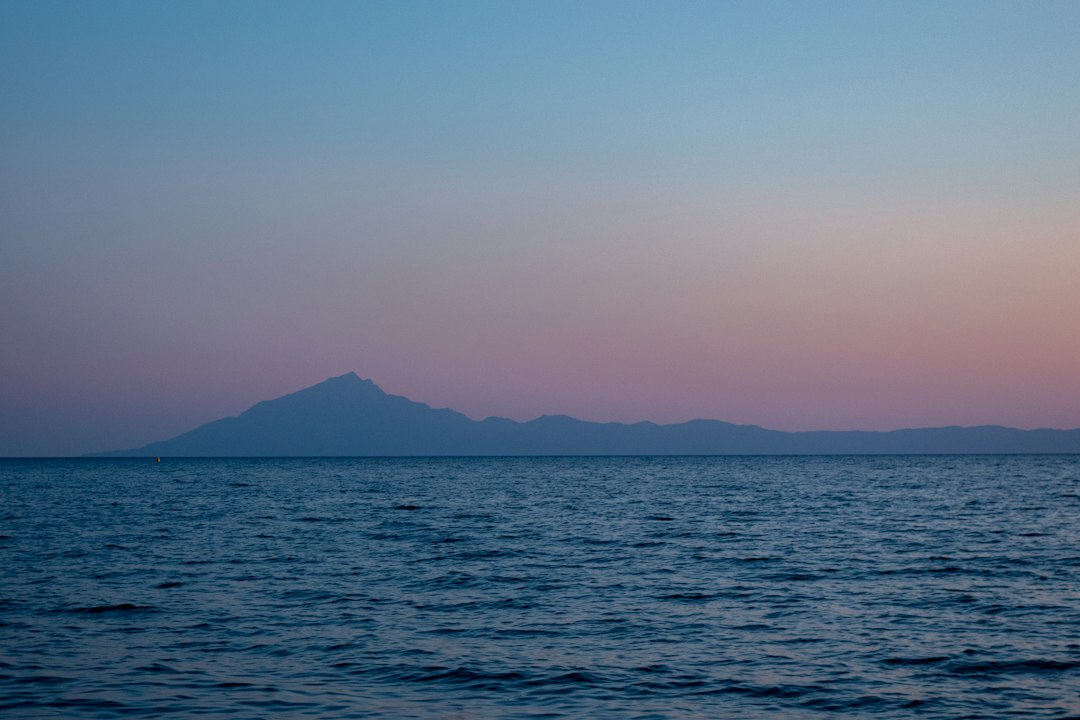
Most people come here for the postcard shot, the silhouette of the peak against a blue sky. They don't come for the reality: the scree slopes that slide under your feet like quicksand, the sudden drops in temperature that turn sweat into ice, and the overwhelming sense that you are walking through a landscape that has been frozen in myth for three thousand years. This is the home of Zeus, Poseidon, and Athena. But the myths are just stories. The mountain is real. It is brutal, beautiful, and indifferent to your presence.
History & Identity
The identity of Olympus National Park Olympus National Park is built on two foundations: ancient mythology and modern ecological conservation. For millennia, this mountain was considered the dwelling place of the twelve Olympian gods. The Temple of Zeus in nearby Dion Dion (Macedonia) was a major religious center, but the mountain itself was the sacred ground. Pilgrims didn't just look up; they climbed, seeking visions and divine favor. Today, the park is a protected area, established to preserve one of Europe's most biodiverse regions. It's a clash of worlds: the ancient spiritual weight of the place versus the modern scientific imperative to protect its flora and fauna.
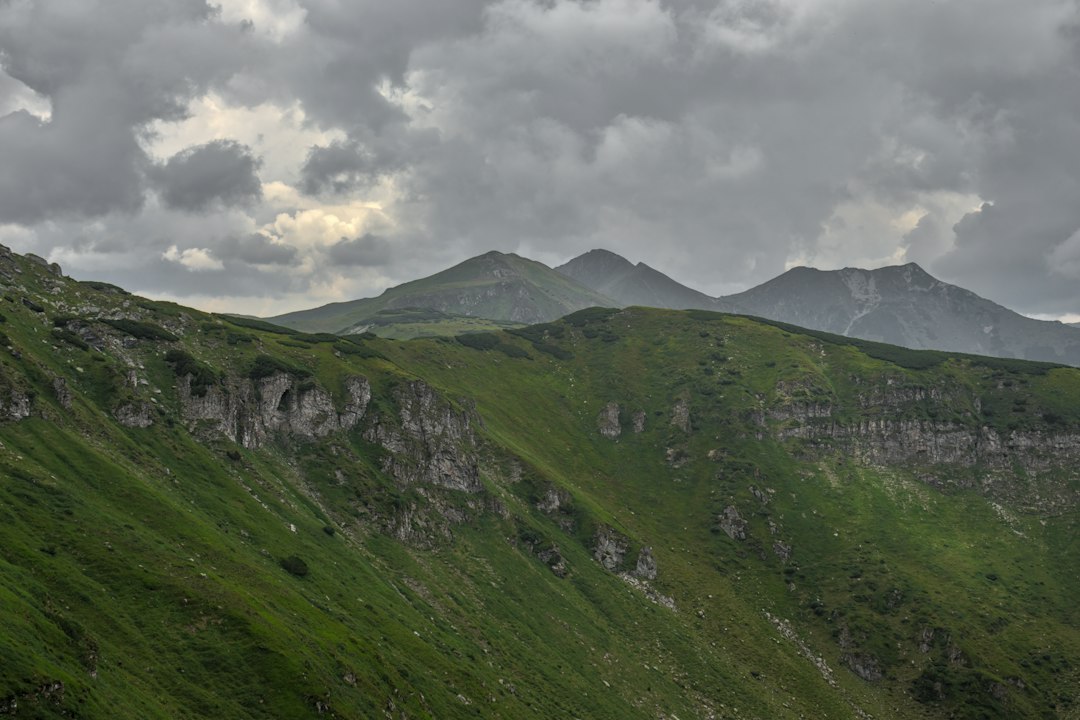
The park covers 398 square kilometers, including the main massif and the surrounding slopes. It's not just about the peaks. It's about the ecosystems. You have sub-alpine meadows, dense forests of fir and pine, and rocky summits that feel like the moon. The history here isn't just in the ruins at the foot of the mountain; it's in the layers of rock, the glacial cirques, and the sheer verticality that has defied easy conquest. Even today, the summit of Mytikas Mytikas is not a walk in the park. It's a scramble, a test of endurance and nerve.
Where to Go
Prionia Refuge — This is the most popular starting point for the summit push. Located at 2,043 meters, it's a concrete block with basic dorms and a communal kitchen. It's crowded, noisy, and smells of sweat and damp wool. But it's strategic. You arrive in the afternoon, eat a cheap meal, and sleep. The next morning, you wake up at 3 AM to beat the crowds and the afternoon storms. Entry to the park is free, but refuge beds cost money. Prionia is the hub for serious climbers. It's not luxurious, but it's functional. You get a bunk, a thin mattress, and a view of the rock face that looms above you. It's a place of transition, where the casual tourist sheds their illusions and becomes a climber.
Spiro's Refuge — A quieter alternative, located on the southern side of the mountain at 1,800 meters. It's family-run, with a warmer atmosphere and better food. The approach is less technical, making it a good option for those who want to explore the lower slopes and the Enipeas Gorge. From here, you can take a different route to the summit, via Paleon and Stefani. It's longer and less crowded, but the views are just as dramatic. The refuge itself is a stone building, blending into the landscape. It feels more like a mountain hut than a hostel. The owners know every trail, every weather pattern. They're part of the mountain's ecosystem.
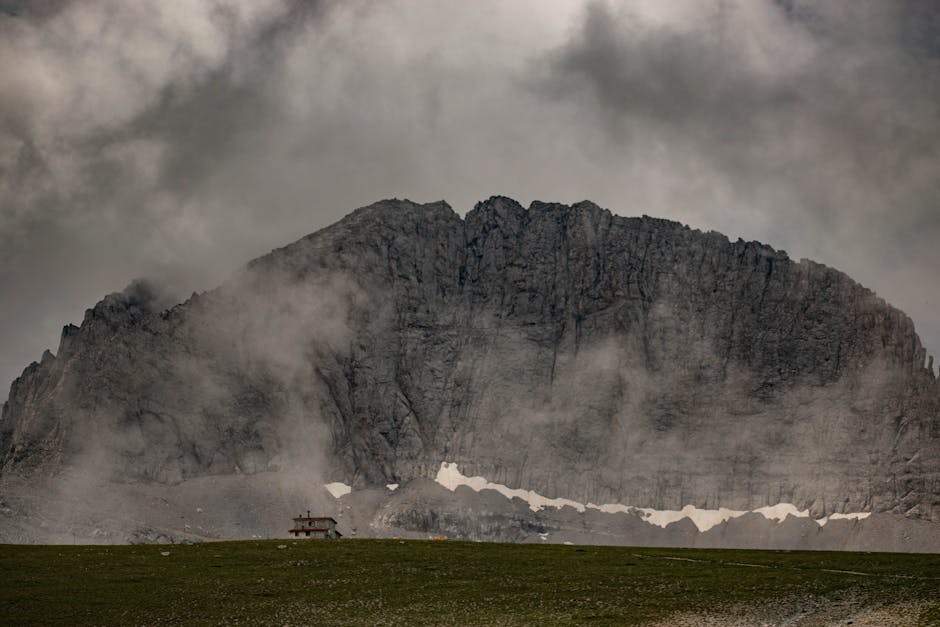
Choria Plateau — This is the gateway to the park, a high-altitude meadow at 1,050 meters. It's covered in wildflowers in spring, turning into a sea of purple, yellow, and red. It's a gentle hike from the parking lot, perfect for families or those who want a taste of the mountain without the summit scramble. From here, you can see the main peaks rising above you, like a wall of stone. It's a place for reflection, for understanding the scale of the mountain before you commit to the climb. There are benches, a small chapel, and a few cafes. It's the last place of civilization before the wild begins.
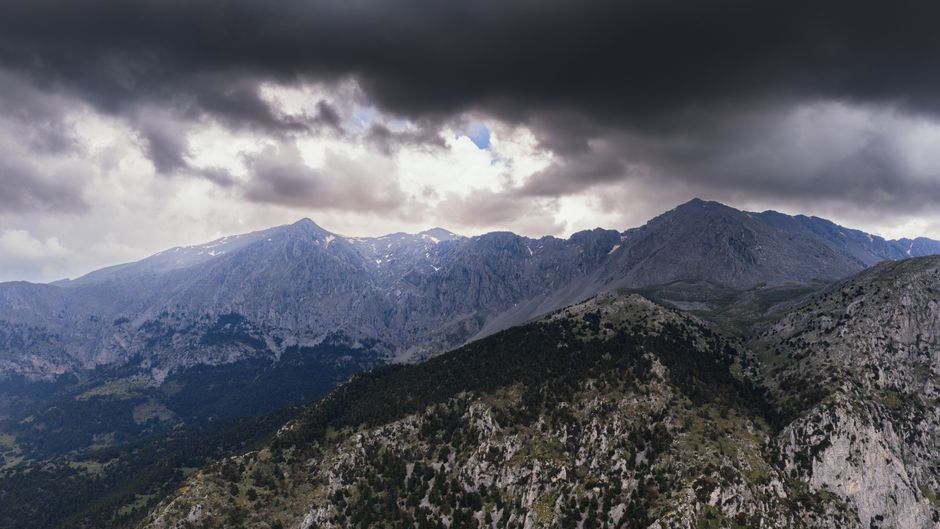
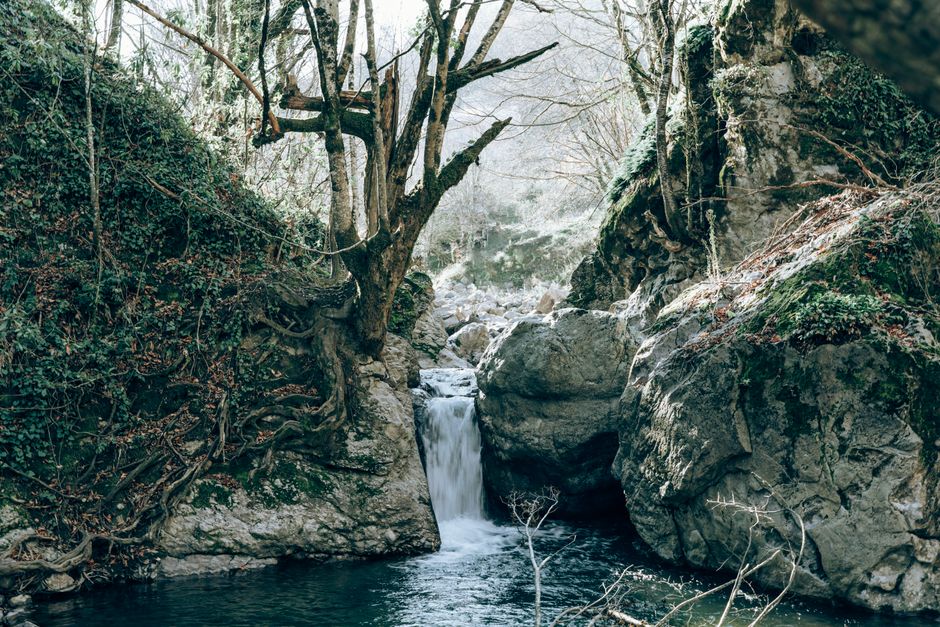
Enipeas Gorge — A deep, narrow gorge on the northern side of the mountain, formed by the Enipeas River. It's a hiker's paradise, with waterfalls, caves, and dense forests. The trail is well-marked, but steep in places. It's a great option for a day hike, or as an approach to the mountain. The gorge is also a place of history, with traces of ancient paths and fortifications. It's a reminder that this mountain has been traversed for centuries, by pilgrims, soldiers, and herders. The water is cold, clear, and fast-moving. It's a force to be respected.
What to Eat & Drink
Food on the mountain is simple, hearty, and designed to fuel you. At the refuges, you'll eat gigantes plaki (giant beans baked in tomato sauce) 6-8 EUR, moussaka 8-10 EUR, and shepherd's salad 5-7 EUR. It's not gourmet, but it's filling. You'll also find tsipouro, a clear anise-flavored spirit, served as a digestif. It's strong, warm, and perfect for the cold mountain nights. At the base, in the villages of Litochoro Litochoro and Agios Dionysios, you'll find a wider variety of food. Try gigantes plaki here too, but also lamb kebab 10-12 EUR and local cheese 5-8 EUR. The villages are known for their hospitality and their food. It's a chance to taste the region before you climb.
Budget breakdown: Street food or a simple meal in the villages will cost you 5-10 EUR. A sit-down meal at a refuge or a good restaurant in Litochoro will run 15-25 EUR. If you're looking for a splurge, there are a few high-end restaurants with mountain views, but you won't find them on the trail. For budget travelers, pack your own food. Snacks, energy bars, and water are essential. You can buy these in the villages before you start. Don't rely on the refuges for everything. They're basic, and supplies can run low in peak season.
Nightlife
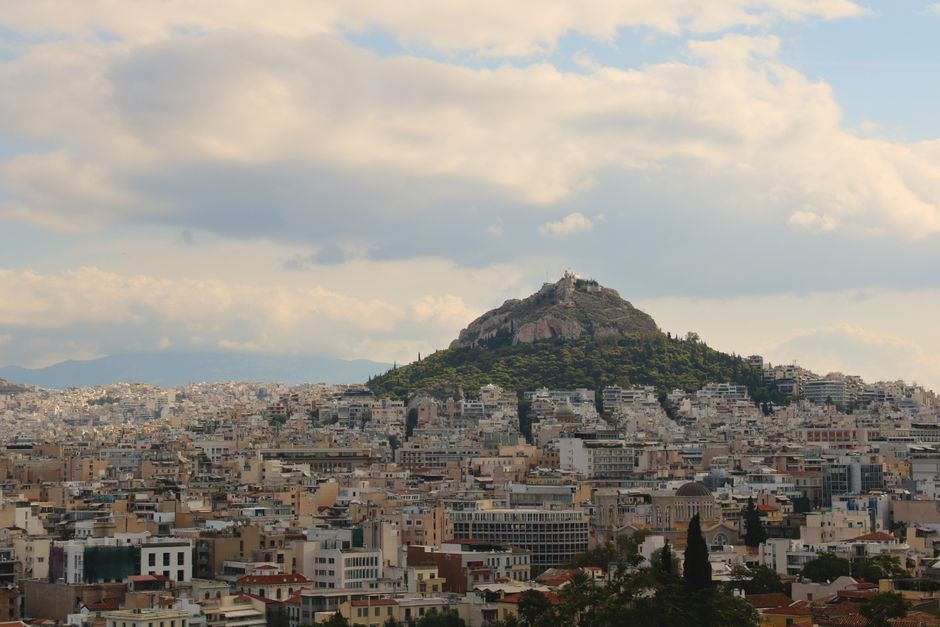
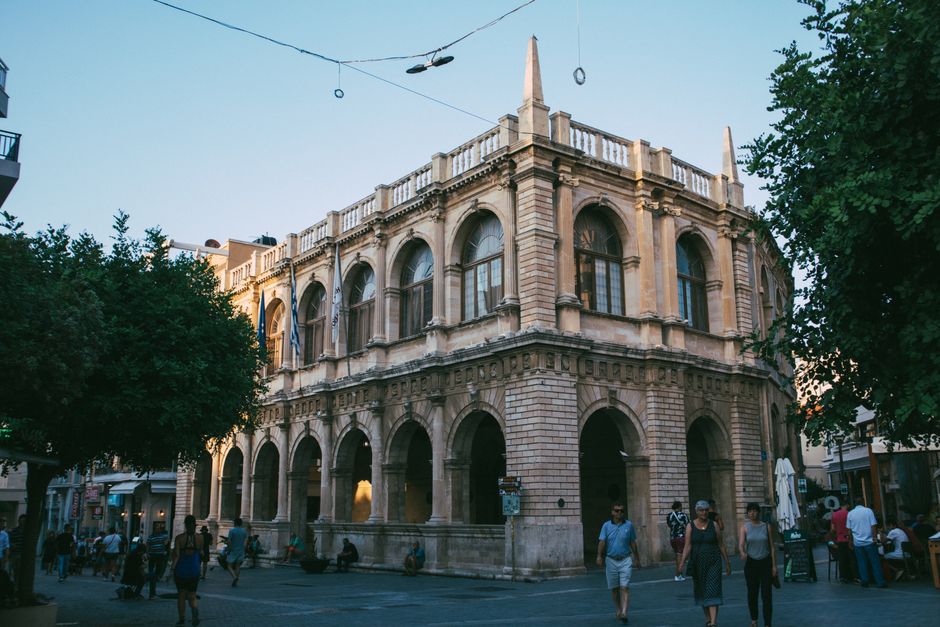
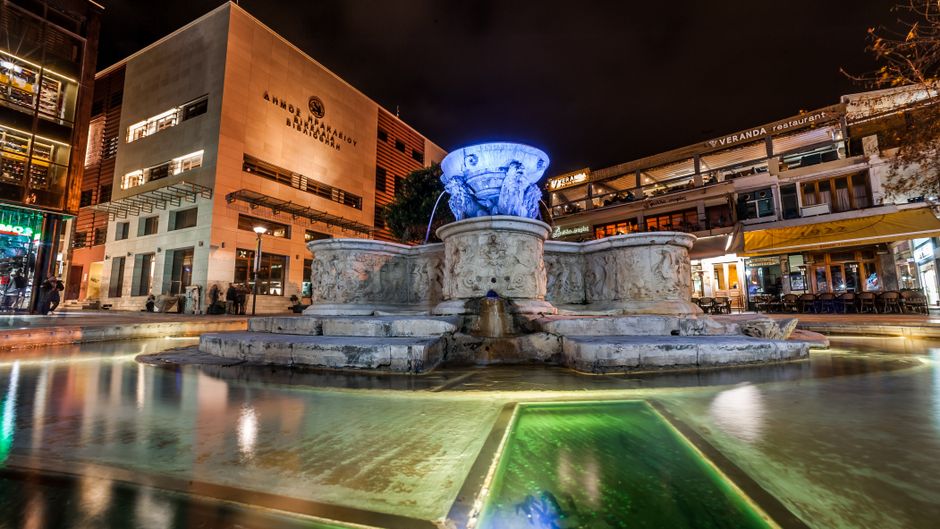
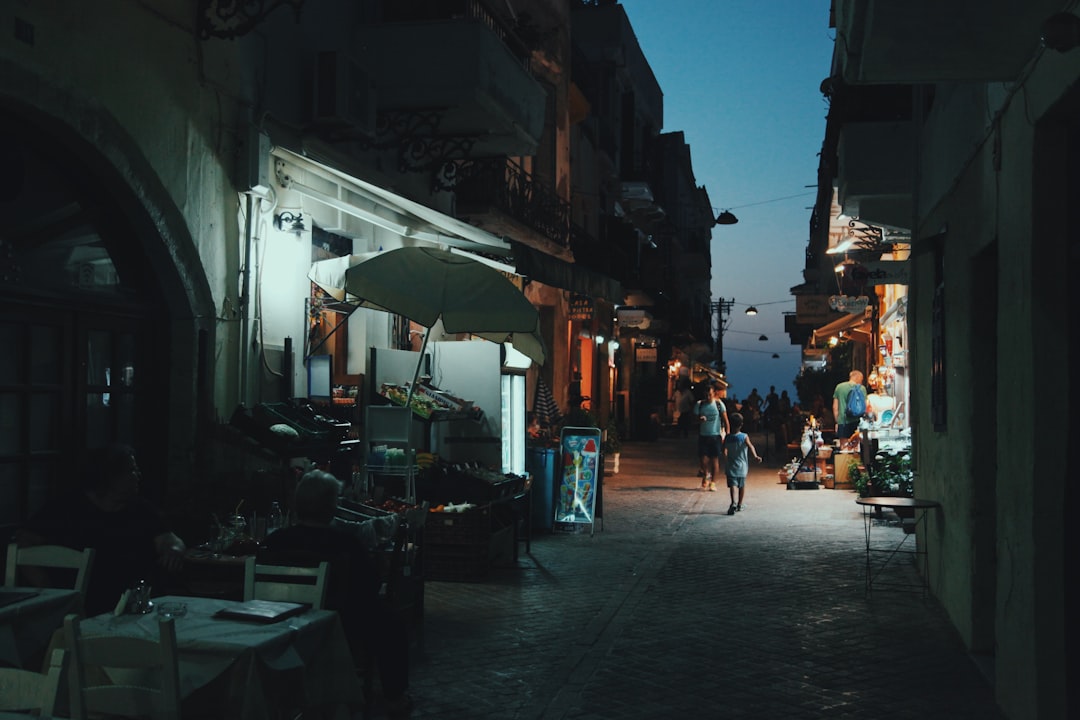
Nightlife on Mount Olympus is non-existent, unless you count the stars and the wind. But in the villages at the base, particularly Litochoro and Agios Dionysios, there's a lively scene. Litochoro is known for its tavernas and bars, where locals and tourists mix. The music is a mix of traditional Greek and modern pop. It's a place to unwind after a day of hiking, to share stories, and to drink. Agios Dionysios is quieter, but still has a few bars and cafes. It's a more relaxed vibe, perfect for those who want a nightcap without the noise. The nightlife here is not about clubs or parties. It's about conversation, food, and the mountain. It's a chance to connect with the local culture, to understand the place before you climb it.
Routes & Trail Info
The main route to the summit of Mytikas Mytikas starts from Prionia Refuge. It's a 2.5 km scramble, with an elevation gain of 300 meters. It takes 2-3 hours to ascend, and 1-2 hours to descend. The route is graded as Experienced, due to the exposed sections and the need for sure-footedness. You'll need good boots, gloves, and a headlamp. The trail is well-marked, but the rock is loose in places. It's not a technical climb, but it's not a walk either. It's a scramble, with some hands-on sections. The views from the summit are incredible, but the descent is where most people get hurt. Be careful.
An alternative route starts from Spiro's Refuge, via Paleon and Stefani. It's longer, about 5 km, with an elevation gain of 600 meters. It takes 4-6 hours to ascend, and 3-4 hours to descend. This route is also graded as Experienced, but it's less crowded and offers more variety. You'll pass through forests, meadows, and rock faces. It's a more scenic route, but it requires more time and energy. It's a good option for those who want to avoid the crowds at Prionia. Both routes require a good level of fitness and experience. Don't attempt them if you're not prepared.
Getting There & What to Expect
The nearest town with road access is Litochoro Litochoro, located at the foot of the mountain. It's about 200 km from Thessaloniki, the major hub in northern Greece. You can take a bus from Thessaloniki to Litochoro, which takes about 3 hours and costs 10-15 EUR. Alternatively, you can drive, which takes about 2.5 hours. From Litochoro, there are buses to the Choria parking lot, which is the starting point for most hikes. The bus costs 5-8 EUR and takes about 30 minutes. From Choria, you hike to the refuges. It's a 4-6 hour hike, depending on your fitness level.
Accommodation in Litochoro ranges from budget hostels 20-40 EUR/night to mid-range hotels 60-100 EUR/night. At the refuges, a bed in a dorm costs 25-40 EUR, and a meal costs 15-25 EUR. Camping is allowed in designated areas, but you need to bring all your own gear. The best months to visit are May to October. July and August are the busiest months, with crowds and high prices. May and June offer wildflowers and cooler temperatures. September and October offer fewer crowds and stable weather, but the nights are colder. Children under 12 are not recommended for the summit routes, due to the difficulty and exposure. But they can enjoy the lower trails and the Choria Plateau.
Search accommodation in Litochoro on Booking.com →
The Descent
Coming down is harder than going up. Your knees ache, your muscles burn, and the scree slides under your feet. You're tired, hungry, and just want to get back to civilization. But as you descend, the mountain reveals itself. You see the layers of rock, the glacial cirques, the forests. You see the scale of the place, the way it dominates the landscape. You feel small, insignificant, but also connected. You've been there, on the summit, among the clouds. You've touched the sky. It's a feeling that stays with you, long after you've left the mountain. Mount Olympus doesn't care about you. But it changes you. It strips away the pretense, the noise, the distractions. It leaves you with the raw, unfiltered experience of the wild. That's the gift. That's the myth. And it's real.
Comments