


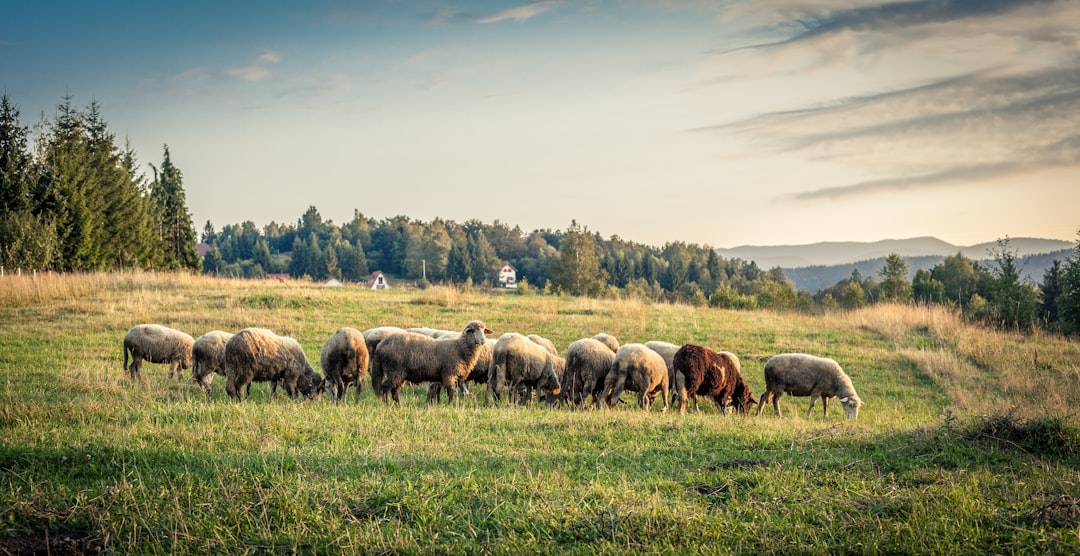
I am sitting on a rock that feels older than the concept of money, shivering in a wind that smells like pine resin and wet stone. Across from me stands a dog the size of a small pony. It is not a pet. It is not a guard. It is a biological tank with a coat like steel wool and eyes that have assessed my threat level and found me lacking. This is a Sarplaninac, the Serbian livestock guardian, and in the shadow of the Prokletije range, it is the only thing standing between a flock of sheep and a wolf that has never seen a human. The shepherd, a man with a face carved from the same granite as the peaks behind him, does not look at me. He is watching the ridge. He knows the rhythm of this place better than the GPS in my pocket. Here, survival is not an app. It is a pact between man, beast, and mountain.
There is no cell service here. There is no Wi-Fi. There is only the crunch of gravel under boots and the low, rumbling bark that vibrates in your chest. I came to Biograd na Moru initially, seeking the coast, but the real story was dragging me north, into the high altitudes where the air gets thin and the silence gets loud. This is not a vacation. This is an immersion into a world that time forgot, or perhaps, a world that time never bothered to update.
The Living Fortress of the Alps
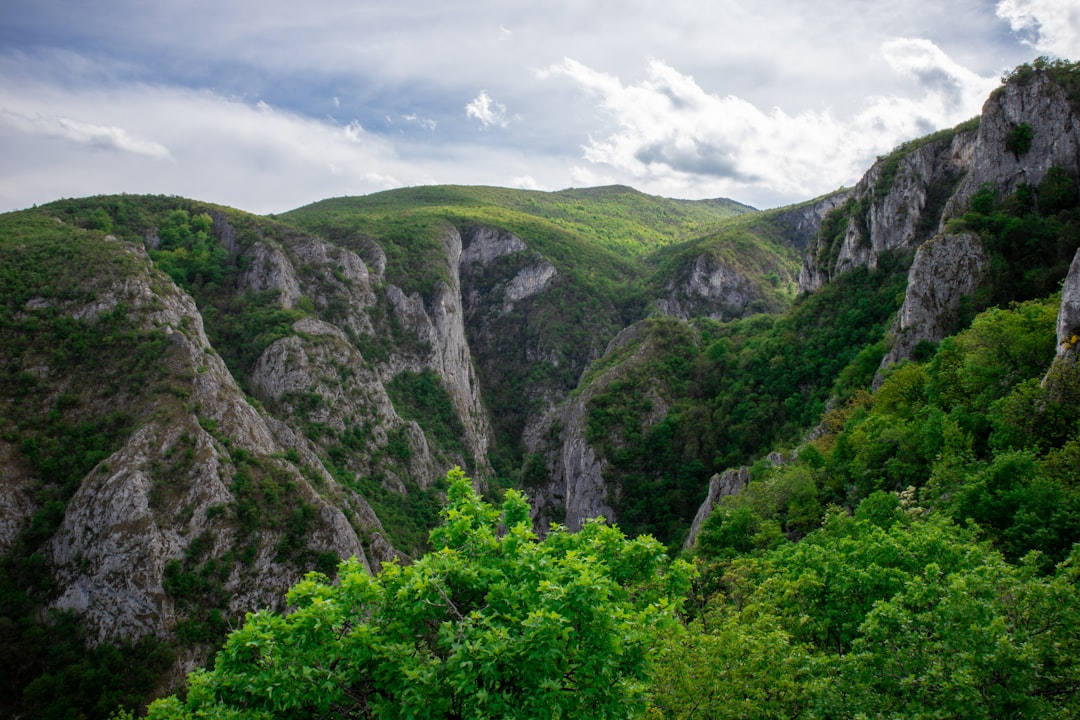
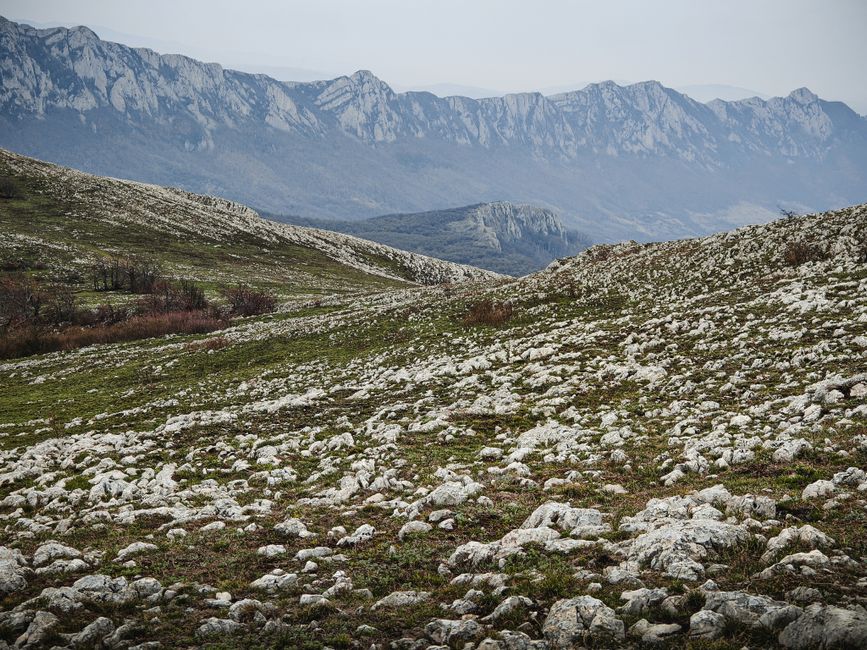
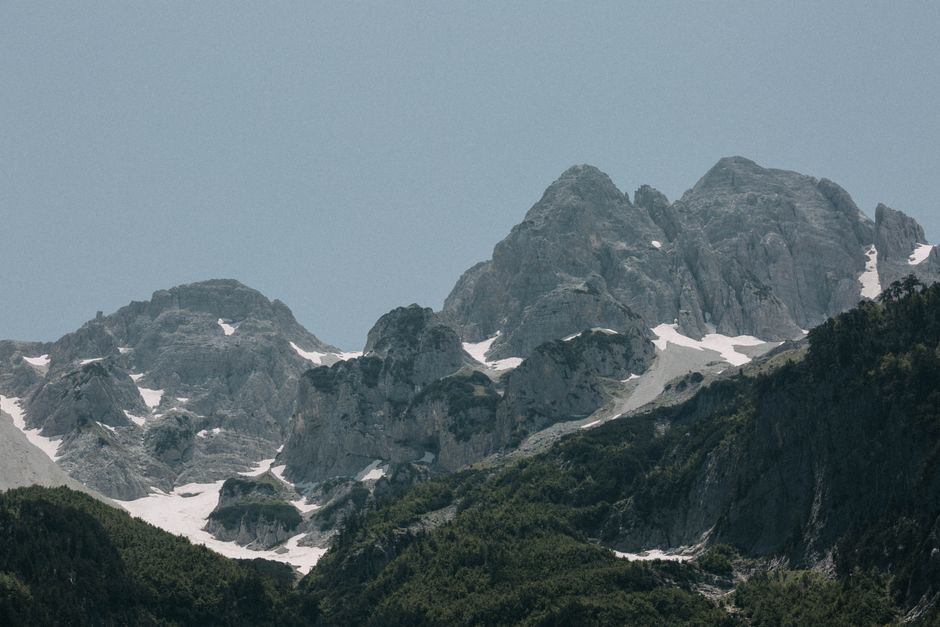
The Prokletije Mountains, often called the Accursed Mountains, are not for the faint of heart. They are jagged, brutal, and indifferent to human comfort. Rising sharply from the borderlands of Serbia, Montenegro, and Albania, these peaks form the southernmost extension of the Dinaric Alps. The name itself is a warning. Locals say the mountains were cursed because the devil and God fought for them, or because the shepherds who climb them are doomed to a hard life. Either way, the geology is unforgiving. Limestone towers pierce the sky, and the valleys are deep, shadowed gorges where water rushes with violent speed.
In this environment, the Sarplaninac — also known as the Yugoslavian Shepherd Dog or Illyrian Shepherd — is not just a breed; it is an institution. Developed over centuries in the Sandžak region, these dogs are massive, often weighing between 40 and 60 kilograms. They are independent thinkers. You cannot command a Sarplaninac; you can only request its cooperation. They are bred to make life-or-death decisions while the shepherd sleeps. If a wolf approaches the flock, the dog does not wait for a whistle. It acts. This autonomy is what makes them so rare and so valuable in modern times. In a world of obedience-trained pets, the Sarplaninac is a sovereign entity.
Silence, Stone, and the Shepherd's Code
Life in the high pastures of Biograd in the Peć valley is a study in minimalism. The shepherd, let's call him Marko, lives in a stone cabin that has no electricity. His days begin before dawn. He checks the fences, inspects the sheep for injuries, and ensures the dogs are positioned correctly. The routine is unbroken by centuries. The only modern intrusion is the occasional drone buzzing overhead, likely a park ranger monitoring illegal poaching or a tourist with too much money and not enough sense.
The relationship between the shepherd and the dog is built on mutual respect, not affection in the human sense. Marko does not cuddle his dogs. He feeds them, he protects them, and they protect the sheep. It is a professional arrangement. The dogs sleep outside, even in the freezing winter nights, because they are better adapted to the cold than the humans. Their thick double coats, usually black and tan or fawn, keep them warm. Their intelligence keeps them alive. To watch a Sarplaninac work is to witness a masterpiece of natural selection. They move with a silent grace, covering vast distances without tiring, always alert, always aware.
The sheep, mostly the local Pramenka breed, are hardy animals. They are small, with long, coarse wool, and they are used to the steep terrain. They move in a tight flock, guided by the dogs. The shepherd rarely needs to shout. A whistle, a wave of his hand, and the dogs adjust the flock's direction. It is a dance of precision and instinct. In this high-altitude arena, chaos is death. Order is survival.
The Wolf at the Door
You cannot talk about the Prokletije without talking about the wolf. The grey wolf is making a comeback in the Balkans, and for shepherds like Marko, this is both a threat and a validation. Without wolves, the Sarplaninac would lose its purpose. The dog's entire existence is defined by the presence of the predator. When the wolf howls in the distance, it is not just a sound; it is a signal. The dogs stiffen. Their ears perk up. They become a wall of fur and muscle between the flock and the darkness.
Marko tells me that he has seen wolves many times. He does not fear them. He respects them. "The wolf is part of the mountain," he says, through my translator. "Without the wolf, the dog is just a big animal. With the wolf, the dog is a hero." This is the core of the shepherd's philosophy. Conflict is not something to be eliminated; it is something to be managed. The balance between predator, prey, and guardian is delicate, but it is the balance that keeps the ecosystem healthy. In a world where we try to control nature, the shepherds of the Prokletije accept it.
The tension is palpable. When the wind shifts and carries the scent of wolf, the air seems to tighten. The dogs do not bark unnecessarily. They know that barking alerts the wolf to their position. Instead, they move silently, positioning themselves to intercept. It is a game of cat and mouse, played out on a scale that is terrifying and beautiful. I am an outsider here, a soft, city-dwelling observer, but I understand why this life has endured. It is honest. It is real. It is stripped of all pretense.
Routes & Trail Info
For those who wish to witness this world, there are trails that lead into the heart of the Prokletije. The most accessible is the trail to Jezerce Peak, the highest point in Serbia. It is a challenging hike, not for beginners. The terrain is steep, rocky, and exposed. Weather can change in minutes, so preparation is essential. The trailhead is near the village of Rogatica, which is reachable by car from Pristina or Peć.
- Route: Rogatica to Jezerce Peak
- Distance: 12 km round-trip
- Elevation Gain: 1,200 m
- Duration: 6-8 hours
- Difficulty: Experienced
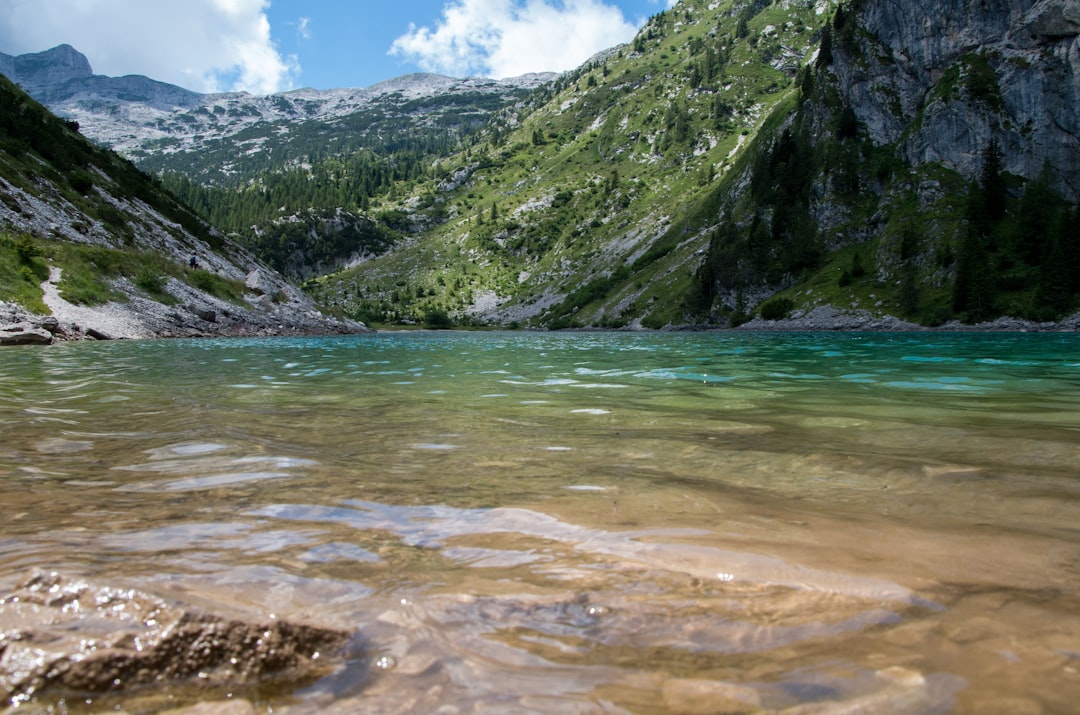
Another option is the hike to Liqen i Zaharës Lake, which crosses into Albania. This route is longer and requires more stamina, but the reward is a stunning alpine lake surrounded by towering peaks. It is a route for seasoned hikers who are comfortable with border crossings and remote camping. Always check local regulations and border conditions before attempting cross-border hikes.
Getting There & What to Expect
The nearest major hub is Pristina in Kosovo, which has an international airport. From there, you can take a bus or rent a car to Peć, which is about 70 km away and takes roughly 1.5 hours by car. Peć is the gateway to the Prokletije National Park. From Peć, you can arrange a local guide or driver to take you to the trailheads in the Biograd valley.
Accommodation in the high mountains is limited. There are a few mountain refuges and private guesthouses in the villages. Budget options like dormitories in Peć cost around 15-25 EUR per night. Mid-range hotels in Peć range from 40-70 EUR per night. In the mountains, you may need to camp, which is free but requires you to bring all your gear. Meals in local restaurants in Peć are affordable, with traditional dishes like byrek or ćevapi costing 3-6 EUR.
The best time to visit is from July to September, when the weather is stable and the trails are clear of snow. Outside of this window, the mountains can be dangerous due to snow, ice, and sudden storms. Always hire a local guide if you are not experienced in high-altitude hiking. The shepherds are not tour guides, but they are happy to share their knowledge with respectful visitors. Just remember: you are a guest in their world. Act like it.
Search accommodation in Peć on Booking.com →
The Last Watch
As the sun sets behind the jagged peaks of the Prokletije, the temperature drops rapidly. The shepherd lights a small fire in the cabin. The dogs gather around, their massive forms casting long shadows on the stone walls. There is no talk of politics, no discussion of global events. There is only the crackle of the fire and the distant howl of a wolf testing the perimeter. I am cold, tired, and utterly out of my depth. But I am also alive in a way I have never been before. In the eyes of the Sarplaninac, I see a reflection of the mountain itself: ancient, stubborn, and unbroken. This is not a place to be conquered. It is a place to be witnessed. And if you are lucky, you might just learn something about what it means to endure.
Comments