


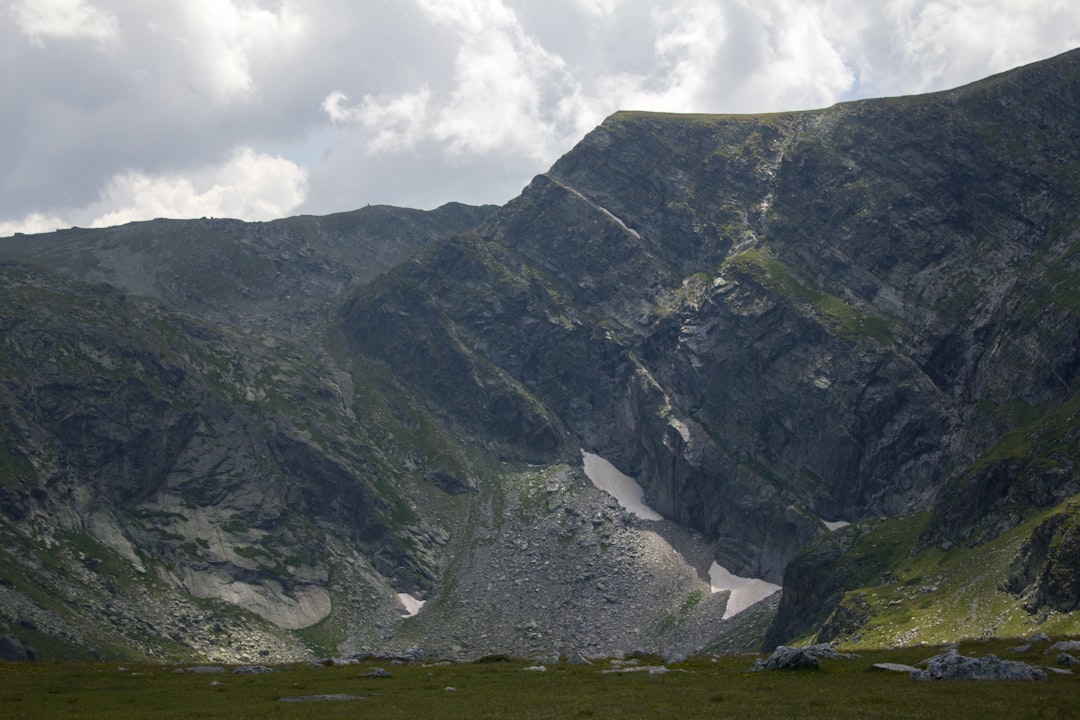
I woke up to the sound of a goat screaming like a banshee directly into my ear. The temperature was somewhere around freezing, the air smelled of wet wool and woodsmoke, and my left foot was numb from sleeping on a wooden plank that hadn't seen a level in forty years. This isn't a glamping retreat in Sofia. This is Rila Monastery's backyard, but higher up, where the asphalt ends and the raw, brutal beauty of Bulgaria's highest peak takes over. I was here to find the katuns — the traditional stone shepherd huts that dot the alpine pastures of the Rila National Park. I expected tranquility. I got a goat in my face, a bowl of sour milk from a woman who didn't speak a word of English, and the most honest meal I've eaten in my life.
The Rila Mountains are not a gentle place. They are jagged, imposing, and fiercely independent. The locals here don't just live in the mountains; they wrestle with them. Every summer, hundreds of shepherds move their flocks from the valleys to these high-altitude pastures, reviving a tradition that predates the Roman Empire. It's a life of back-breaking labor, isolation, and a connection to the land that feels almost spiritual. I spent three days hiking the ridges, sleeping in a kut (a stone hut), and trying to understand why people would choose this life when a comfortable apartment in the capital is just a few hours away. The answer, I found, isn't money. It's freedom.
The Vertical Village
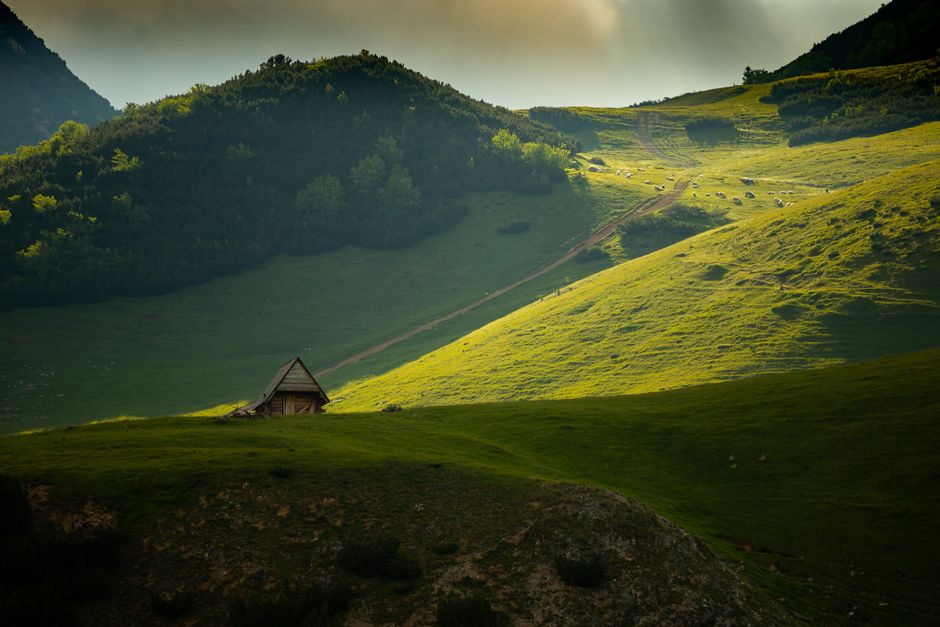
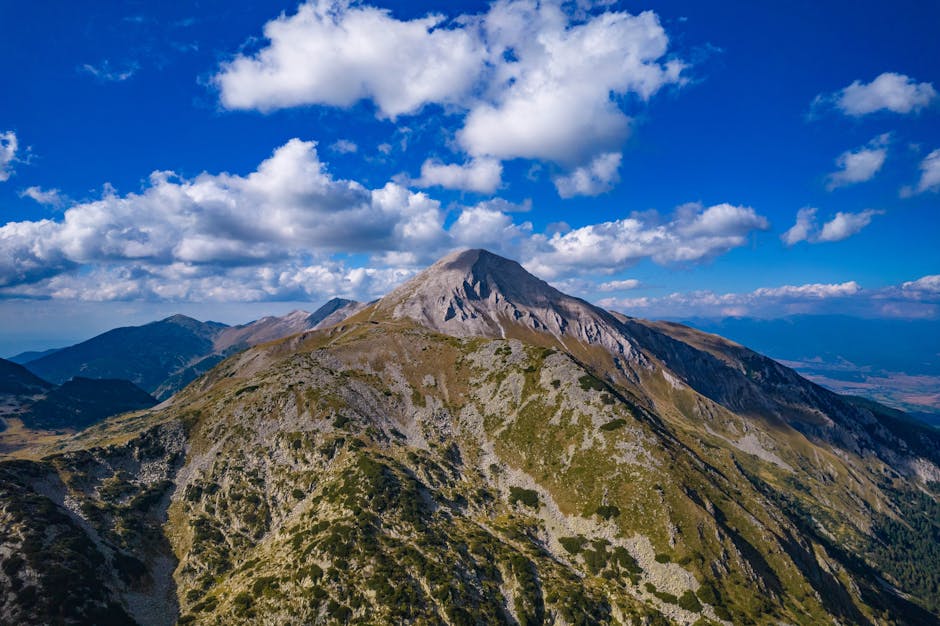
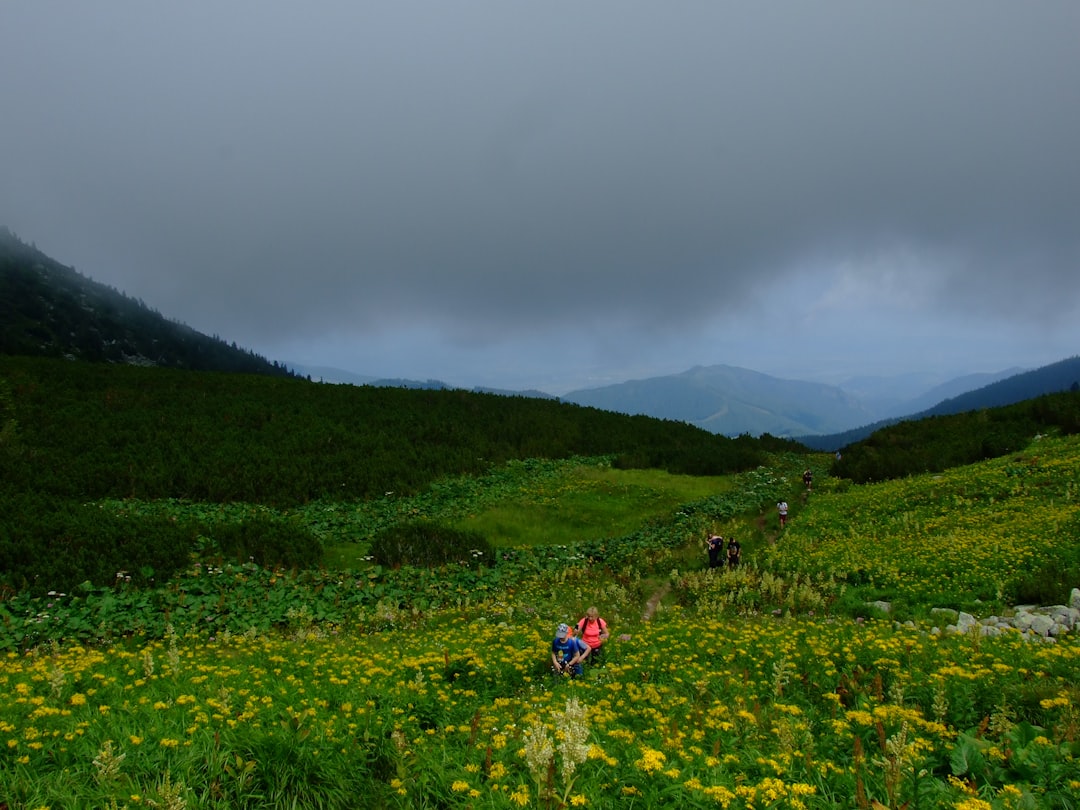
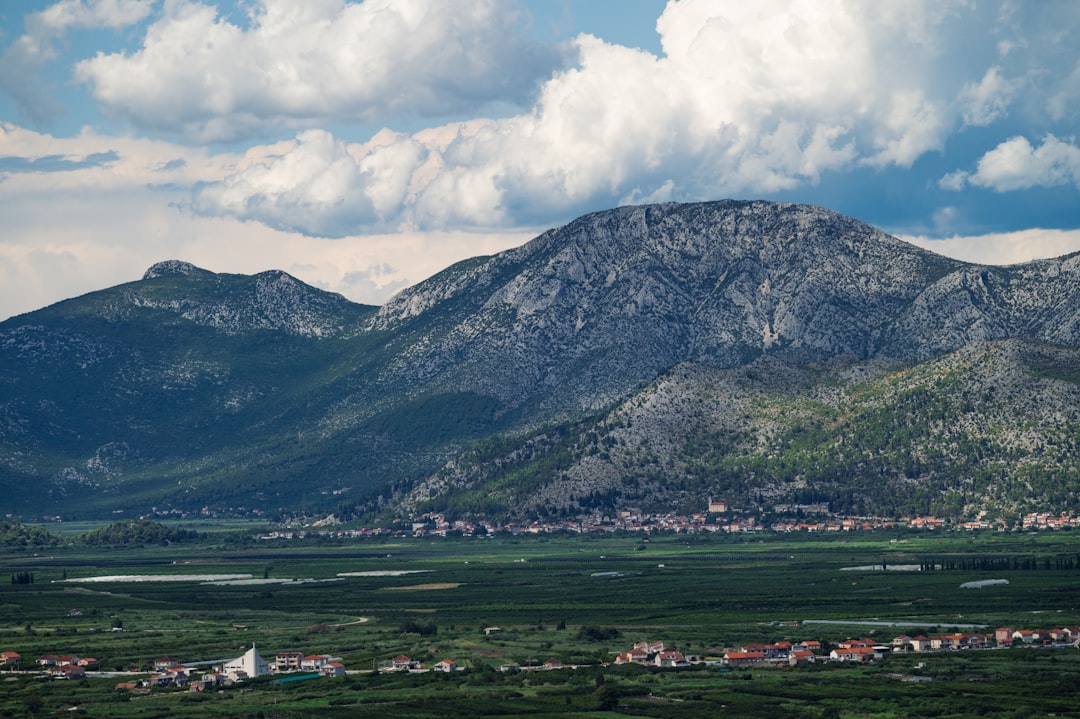
The Rila range is the spine of Bulgaria, and its pastures are its lungs. Above 2,000 meters, the landscape transforms. The dense forests of the lower slopes give way to open meadows carpeted with wildflowers, then to rocky ridges and glacial lakes. This is the realm of the katun. These are not quaint cottages; they are functional structures built from local stone, with wooden beams and slate roofs. Many are centuries old, built by generations of shepherds who understood the mountain's moods better than any meteorologist.
Life in a katun is communal and austere. There is no electricity, no running water, and no internet. The only sounds are the wind, the bleating of sheep, and the occasional crackle of a radio playing Bulgarian folk music. The shepherds, known as chobani, live here from May to October, guiding their flocks across the pastures. They wake before dawn, milk the sheep, and prepare katnich kashkaval — a pungent, high-altitude cheese that is the pride of the region. It's a life that demands respect, not just for the animals, but for the environment that sustains them.
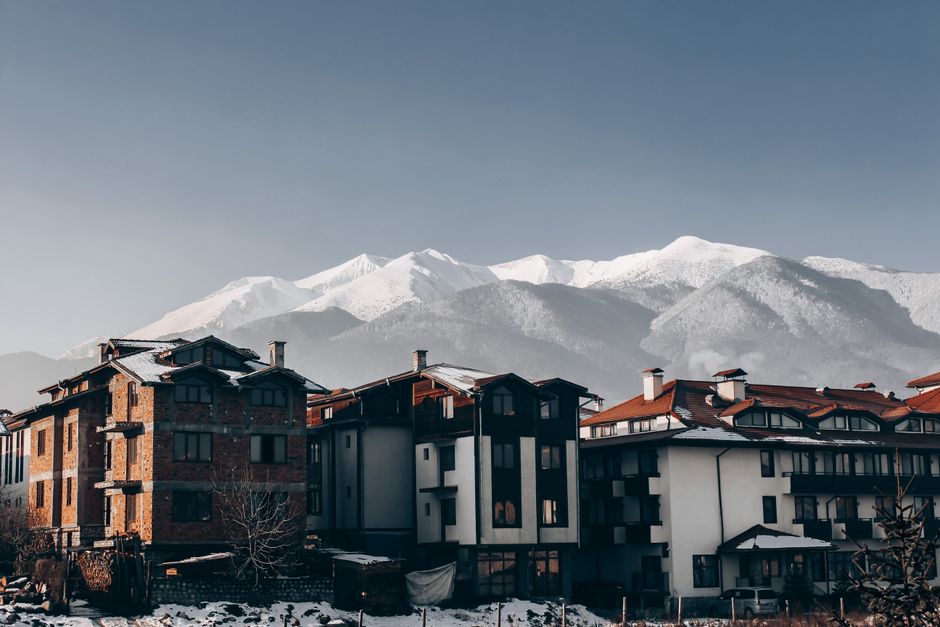
The architecture of these huts is a testament to resilience. Built to withstand heavy snow loads and fierce winds, they are low to the ground, with thick walls that retain heat. Inside, the space is divided into a living area, a kitchen, and a sleeping loft. The floor is often dirt or packed earth, covered with woven rugs. There is no luxury here, but there is a profound sense of comfort that comes from simplicity. You eat what you raise, sleep when you're tired, and wake up to a view that takes your breath away.
The Cheese That Tastes Like the Mountain
You cannot talk about Rila pastures without talking about cheese. Katnich kashkaval is not just food; it's an identity. Produced in these high-altitude huts, it has a protected geographical indication status, meaning it can only be made in this specific region, using traditional methods. The taste is intense, salty, and slightly tangy, with a texture that is firm yet creamy. It's the result of raw sheep's milk, natural rennet, and the unique microflora of the alpine environment.
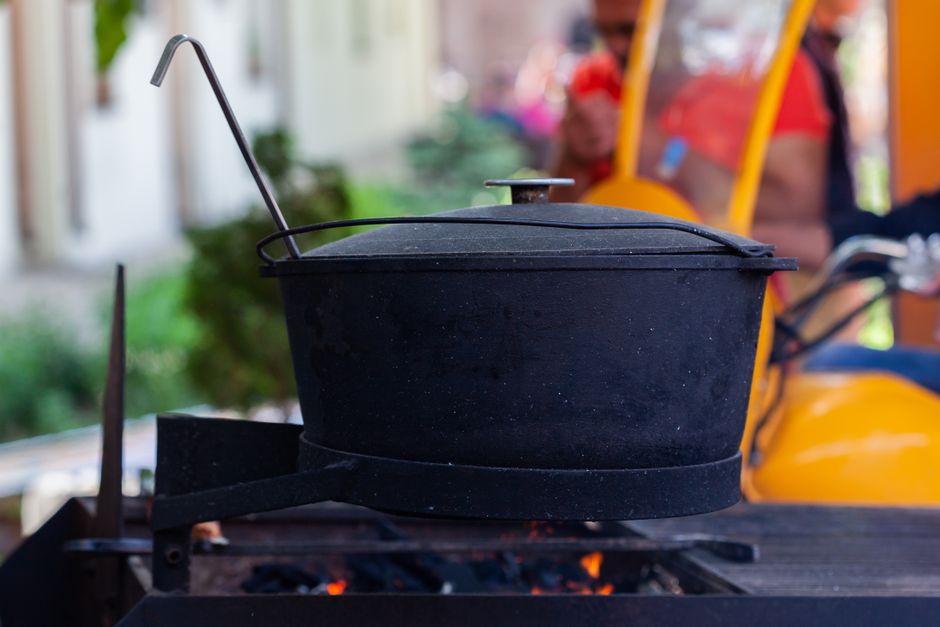
I watched a shepherd named Todor make cheese in a copper cauldron over an open fire. He didn't measure anything; he worked by feel and instinct. "The mountain tells you when it's ready," he said through a translator. The process is slow and labor-intensive. The milk is heated, the curds are cut and pressed, and the cheese is aged in the cool, dry air of the katun. It's not a product for mass production; it's a craft. And it shows. Each batch is slightly different, reflecting the specific pastures and the weather conditions of that season.
But the cheese is just the beginning. The shepherds also make lyutenitsa (a spicy pepper relish), tarator (a cold yogurt and cucumber soup), and kashkaval grilled on a stone. The meals are simple, hearty, and deeply satisfying. There are no fancy restaurants here, just a wooden table and a pot of stew. But the flavor is so pure, so unadulterated, that it makes any Michelin-starred meal seem pretentious. You taste the grass, the rain, and the effort.
Trails That Test Your Soul
Getting to these pastures requires effort. The Rila National Park is a hiker's paradise, with a network of trails that wind through valleys, over ridges, and past glacial lakes. But these are not easy walks. The terrain is rugged, the altitude is high, and the weather can change in minutes. You need good boots, plenty of water, and a head for heights.
One of the most famous trails is the Musala Peak route. At 2,925 meters, it's the highest point in Bulgaria and the Balkans. The hike is challenging, with steep ascents and rocky scrambles, but the reward is a 360-degree view of the surrounding peaks. On a clear day, you can see all the way to the Black Sea. But the real magic is not at the summit; it's in the pastures along the way. Stop at a katun, share a meal with the shepherds, and you'll understand why this place is special.
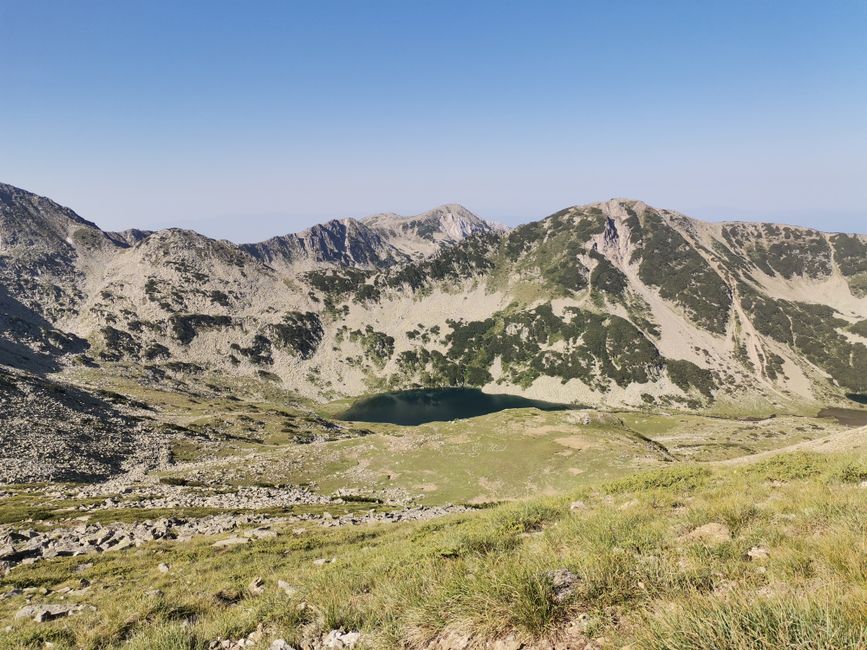
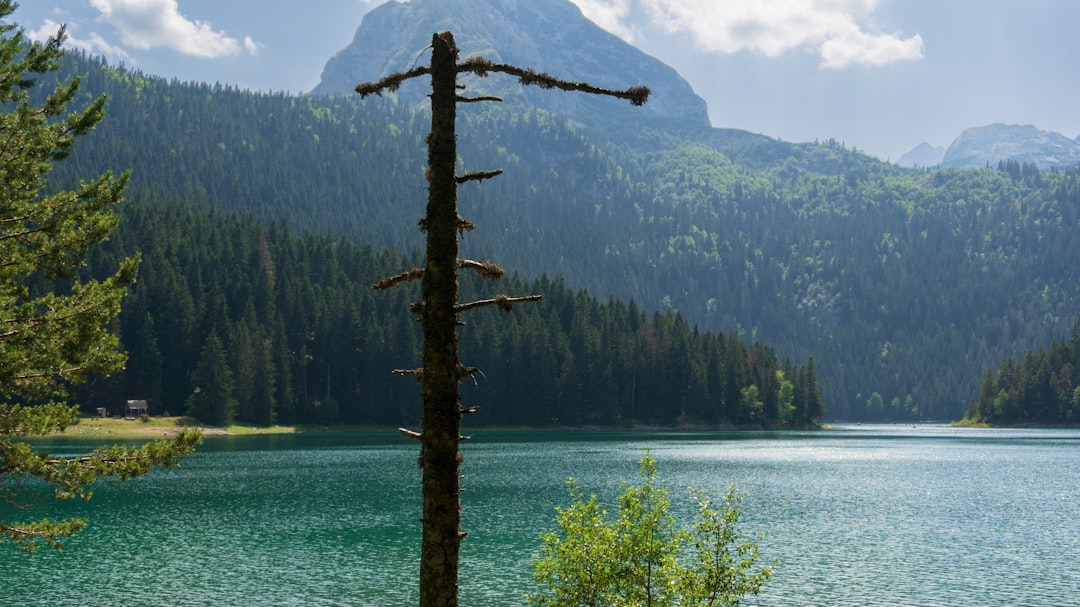
Another great option is the trail to Seven Rila Lakes. These glacial lakes are stunningly beautiful, with deep blue waters surrounded by pine forests and rocky shores. The hike is moderate, with a steady climb, but the scenery is breathtaking. At the top, you can visit a small katun and taste the local cheese. It's a perfect day trip, combining natural beauty with cultural immersion.
For those who want a more immersive experience, there are multi-day hikes that take you through several pastures. You can stay in katuns along the way, sleeping in the same conditions as the shepherds. It's not for the faint of heart, but it's an unforgettable experience. You'll learn about the history of the region, the traditions of the people, and the importance of preserving this way of life.
Routes & Trail Info
Route 1: Musala Peak via Banderishka Bistritsa
Starting Point: Banderishka Bistritsa parking area
Total Distance: 14 km round-trip
Elevation Gain: 950 m
Estimated Duration: 6-7 hours
Difficulty: Experienced
This is the classic route to the summit. It starts with a steep climb through forest, then opens up onto alpine meadows. The final section is rocky and requires some scrambling. It's a tough hike, but the view from the top is worth it.
Route 2: Seven Rila Lakes
Starting Point: Banderishka Bistritsa parking area
Total Distance: 10 km round-trip
Elevation Gain: 700 m
Estimated Duration: 4-5 hours
Difficulty: Intermediate
This route takes you past three of the seven lakes. The hike is steady but not too steep. It's a great option for those who want to see the lakes without a full-day commitment. You can extend the hike to visit all seven lakes, but it adds significant time and distance.
Route 3: Chuprene Pass
Starting Point: Rila Monastery
Total Distance: 12 km round-trip
Elevation Gain: 800 m
Estimated Duration: 5-6 hours
Difficulty: Intermediate
This route takes you through the Chuprene gorge, a stunning valley with waterfalls and pine forests. It's a less crowded option, and you'll pass several katuns along the way. It's a great choice for those who want to experience the pastoral side of the mountains.
Getting There & What to Expect
The nearest town to the Rila National Park is Sapareva Banya, a spa town located at the foot of the mountains. It's a convenient base for hikers, with a range of accommodation options from budget hostels to mid-range hotels. From Sofia, it's about a 2-hour drive, or you can take a bus, which takes around 3 hours. Buses run regularly from Sofia's Central Bus Station, and the journey is scenic, passing through the Rila gorge.
Once in Sapareva Banya, you can take a local bus or taxi to the trailheads. The most popular starting point is Banderishka Bistritsa, which is about 30 minutes from Sapareva Banya. There is a parking area here, and you can start your hike directly from the lot. For those who prefer to stay overnight in the mountains, there are several mountain refuges and katuns that offer basic accommodation. Prices range from 15-30 EUR per night for a bed in a dorm, to 40-60 EUR for a private room. Meals are available at most refuges, with a typical dinner costing 8-12 EUR.
The best time to visit is from June to September, when the weather is warm and the pastures are green. In July and August, the shepherds are at their most active, and you'll have the best chance of seeing the katuns in full swing. Be prepared for variable weather; even in summer, it can rain or snow at higher altitudes. Bring layers, a rain jacket, and sturdy hiking boots.
Search accommodation in Sapareva Banya on Booking.com →
Children can do the shorter trails, like the Seven Rila Lakes route, from around age 8, depending on their fitness level. The Musala Peak route is not recommended for children under 12, due to the difficulty and altitude. Always check with local guides or park rangers for current trail conditions.
The Silence After the Storm
I left the Rila Mountains with mud on my boots, cheese in my stomach, and a strange sense of peace. The noise of the city, the constant ping of notifications, the pressure to be productive — it all faded away up there. In the katun, time is measured by the sun, not the clock. You eat when you're hungry, sleep when you're tired, and talk when you have something to say. It's a life that seems impossible in the modern world, but it's not. It's just a matter of choosing to disconnect, even if only for a few days.
The shepherds of Rila are not just preserving a tradition; they're preserving a way of being. They remind us that we don't need much to be happy. We need good food, good company, and a view that makes us feel small. And if you're lucky, you might even wake up to a goat screaming in your ear. It's not perfect. But it's real. And in a world that feels increasingly fake, that's worth more than gold.
Comments