


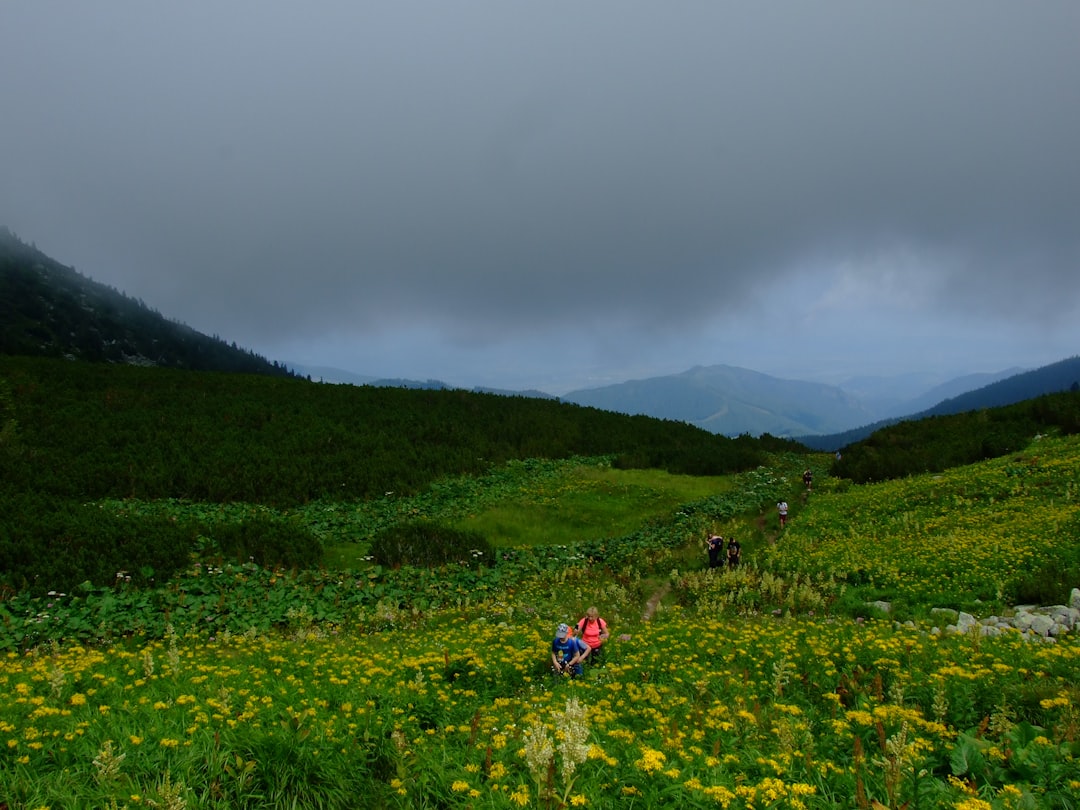
The mud here doesn't just dirty your boots; it claims them. I was standing knee-deep in a slurry of peat and pine needles, staring at a set of hoof prints that looked like they belonged to a prehistoric creature, not a domestic sheep. A local ranger named Andrei, who had been tracking these prints for three hours, spat into the moss and told me I was looking at the work of a chamois, a mountain goat that moves through this granite labyrinth with the grace of a ghost. He didn't care about my expensive Gore-Tex. He cared about the fact that I was breathing too loud. In Retezat National Park, silence isn't just golden; it's the currency of survival. I came looking for a hike. I stayed for the primal realization that I was an intruder in a place that hasn't forgotten how to be wild.
Most people talk about Romania's wilderness in hushed tones, treating it like a museum exhibit behind glass. But Retezat is not a museum. It is a living, breathing beast of limestone peaks, glacial lakes, and dense beech forests that smell of damp earth and ancient decay. There are no paved paths here, no souvenir shops at the summit, and certainly no Wi-Fi. Just the wind howling through the Retezat Mountains and the distant, echoing cry of a wolf that sounds less like an animal and more like a warning. I spent four days trying to keep up with the locals, tracking the faint signs of life in a landscape that is as beautiful as it is indifferent to human presence. This is not a vacation. It is an audit of your own endurance.
The Granite Cathedral
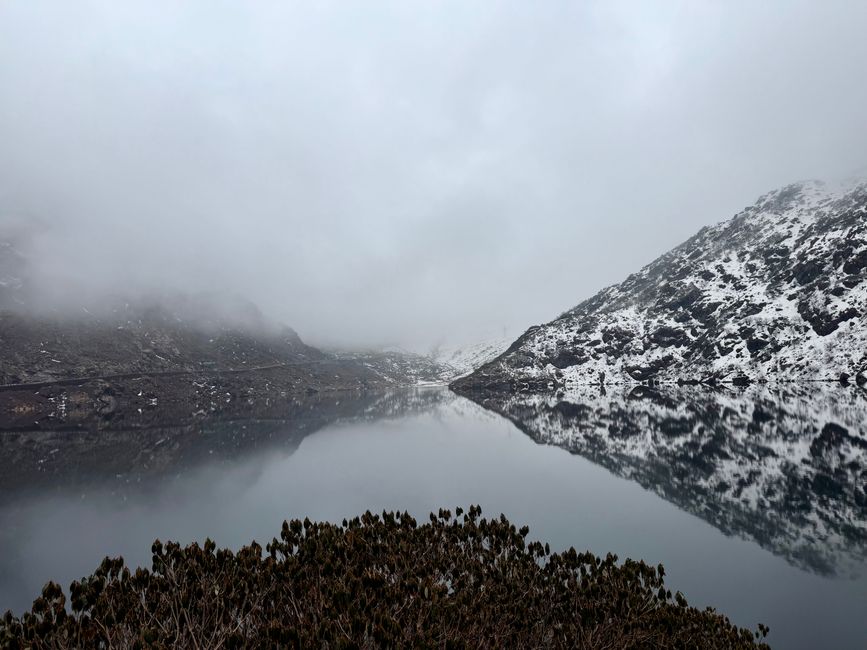
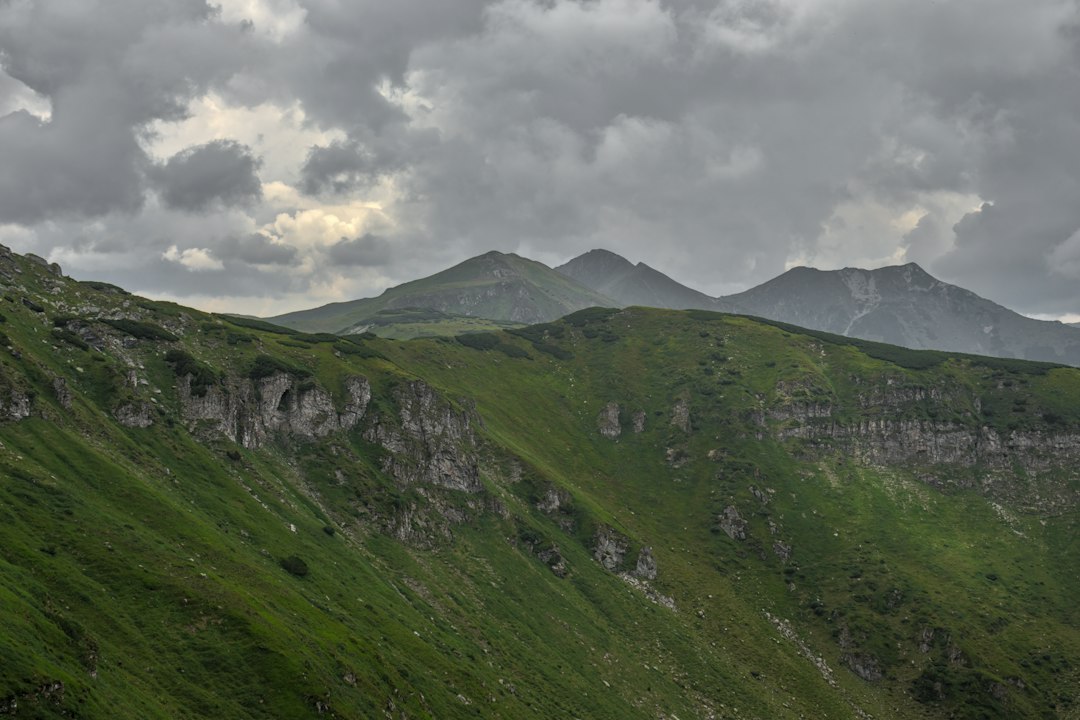
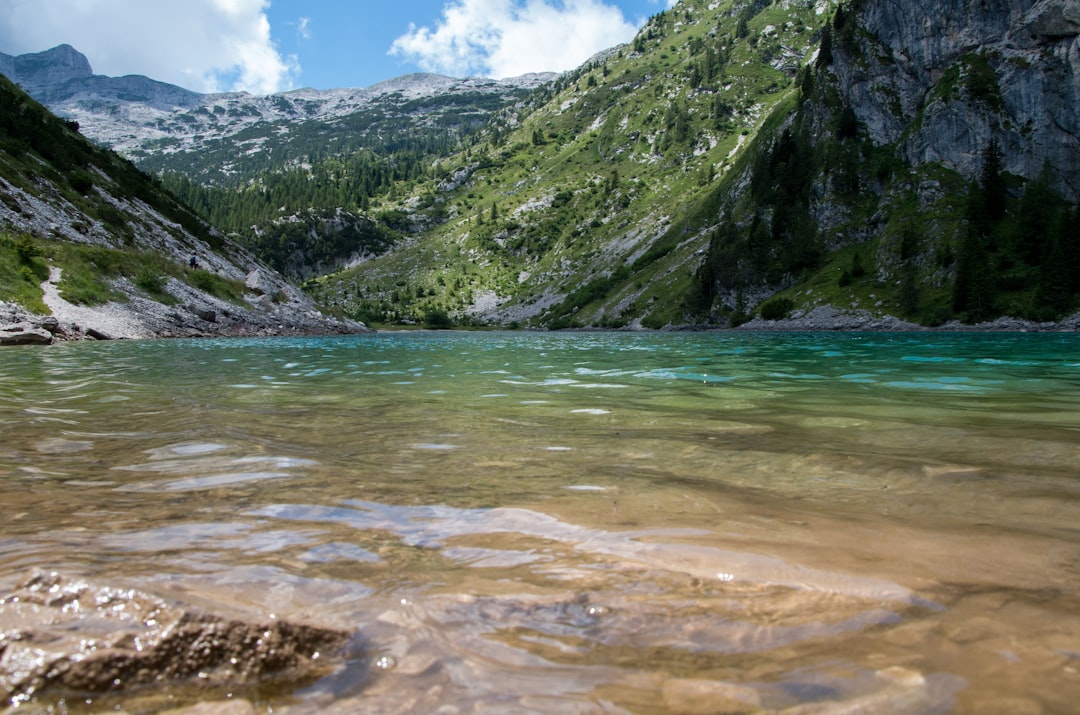
Retezat National Park is the oldest protected area in Romania, established in 1935, but it feels like it has existed for millennia. The park is dominated by the Retezat Mountains, a jagged spine of limestone that rises sharply from the surrounding plains. The highest peak, Peleaga, stands at 2,509 meters, a jagged tooth in the sky that rewards climbers with views that stretch across the Carpathian arc. But the real magic of Retezat is not in its heights; it is in its lakes. There are 132 glacial lakes here, more than in all of the Alps, scattered across the valleys like shattered mirrors. They are cold, clear, and often frozen even in summer, reflecting the stark beauty of the peaks above them.
The park is a UNESCO Biosphere Reserve, a designation that protects not just the landscapes but the intricate web of life that depends on them. From the rare Balkan chamois to the elusive Eurasian lynx, Retezat is a sanctuary for species that have been hunted to near extinction elsewhere. The forests are dominated by beech and fir, with patches of spruce and pine that give way to alpine meadows at higher elevations. The air is thin and crisp, smelling of resin and wet stone. It is a place that demands respect, not just for its beauty but for its fragility. One wrong step, one careless fire, and the delicate balance of this ecosystem could be disrupted for years.
Tracking the Invisible
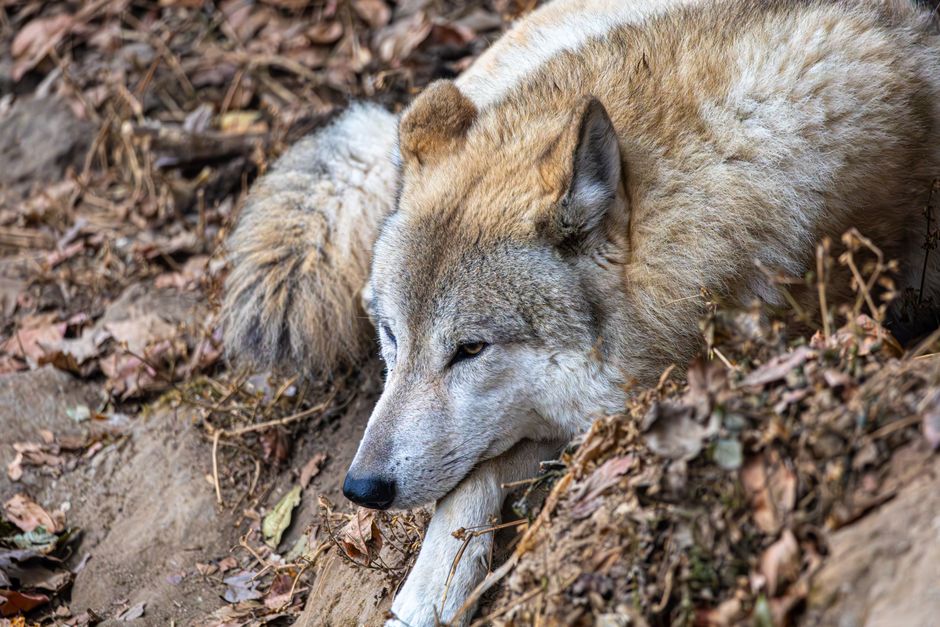
Wildlife tracking in Retezat is not about spotting animals; it is about reading the landscape. Andrei, my guide, showed me how to look for the subtle signs: the scratch marks on tree bark, the scat hidden in the ferns, the fresh tracks in the mud. The Balkan chamois is a master of disguise, blending into the rocky terrain with its brownish-gray coat. Its tracks are small and delicate, with a distinctive cloven hoof print that points upward, indicating the direction of travel. The wolf is harder to find, but its presence is felt in the silence. When the birds stop singing and the wind seems to hold its breath, you know something is watching.
We spent hours hiking through the dense forests, our eyes scanning the ground for any sign of life. Andrei pointed out a fresh set of wolf tracks, the pads large and round, the claws retractable. "They are smart," he said. "They avoid people. But they know we are here." He showed me a tree where a lynx had sharpened its claws, the bark stripped away in long, parallel strips. "This one is old," he said. "Maybe a month. But it means they are still here." The sense of being watched was constant, a low-level hum of awareness that kept me on edge. It was exhilarating and terrifying in equal measure.
One evening, as the sun dipped below the peaks, we heard a howl that echoed through the valley. It was deep and mournful, a sound that seemed to come from the earth itself. We stood still, listening, our hearts pounding in our chests. Andrei smiled. "That is the sound of Retezat," he said. "It is alive." In that moment, I understood why people come here. It is not for the views or the hiking. It is for the feeling of being small in a world that is vast and wild and unbroken.
On the Trail: Routes & Refuges
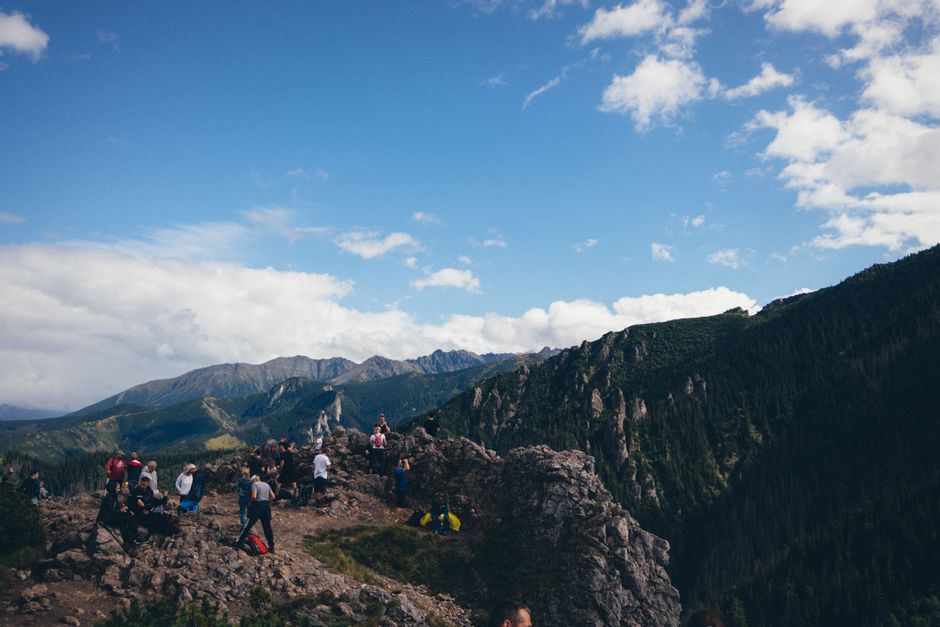
The main gateway to the high peaks is the Peaga Pass, a high-altitude saddle that offers panoramic views of the central massif. From here, several trails branch out, leading to the lakes and summits. The most popular route is the trail to Lacul Bâlea, the largest lake in the park, which is a moderate hike of about 5 kilometers one way. The path is well-marked but steep, with rocky sections that require careful footing. Another option is the trail to Lacul Vârtop, a smaller but more secluded lake that is surrounded by dramatic rock formations. This hike is more challenging, with a steeper ascent and less defined paths.
For those looking for a longer trek, the circuit around the Retezat Mountains offers a multi-day itinerary that covers the major lakes and peaks. This route is demanding, requiring good fitness and experience with mountain hiking. The elevation gain is significant, and the weather can change rapidly, so proper gear is essential. Mountain refuges are available along the trail, providing basic accommodation and meals. The Peaga Refuge is a popular stop, offering bunk beds and simple food. It is a place to rest and recover, surrounded by the silence of the mountains.
Children can enjoy the lower trails, but the high-altitude routes are not suitable for young kids. The air is thin, and the terrain is rugged. It is important to assess each child's ability and comfort level before attempting any hike. The park is a place for adventure, but it is not a playground. Respect the limits, and you will be rewarded with memories that last a lifetime.
Getting There & What to Expect
The nearest town with road access to the trailheads is Târgu Jiu, located about 50 kilometers to the south. From Târgu Jiu, you can take a local bus or hire a taxi to the villages of Peaga or Obârșia Lotrului, which serve as starting points for the hikes. The drive from Bucharest takes about 4 hours, while the trip from Cluj-Napoca is around 3 hours. Public transport options are limited, so renting a car is the most convenient way to explore the park.
Accommodation options range from budget hostels in the nearby towns to mountain refuges inside the park. A night in a hostel in Târgu Jiu costs around 15-25 EUR, while a bunk bed in the Peaga Refuge is approximately 10-15 EUR. Meals in the refuges are simple but hearty, with typical prices of 8-12 EUR for dinner and breakfast. Camping is allowed in designated areas, but you must bring your own gear and food. The best time to visit is from June to September, when the weather is mild and the trails are clear of snow. Winter hiking is possible but requires specialized equipment and experience.
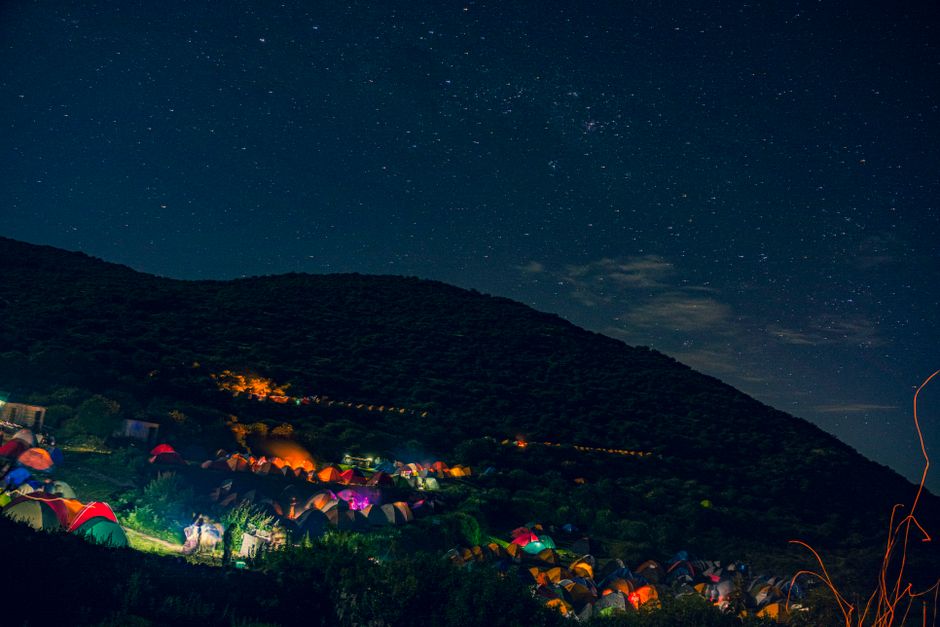
Expect the unexpected. The weather in Retezat is unpredictable, with sudden storms and temperature drops. Bring layers, waterproof gear, and plenty of water. The trails are not maintained, so be prepared for rough terrain and loose rocks. There are no shops or services inside the park, so stock up on supplies before you arrive. The silence is profound, and the stars are brilliant. It is a place to disconnect from the world and reconnect with yourself.
Search accommodation in Târgu Jiu on Booking.com →
The Silence After the Storm
I left Retezat with mud on my boots and a strange emptiness in my chest. The city noise felt like an assault, a constant barrage of sirens and engines that drowned out the inner voice I had finally heard in the mountains. I tried to explain it to my friends, to describe the way the light hit the limestone at dawn, the sound of the wind in the pines, the feeling of being watched by something ancient and wild. But words fell flat. They wanted photos, coordinates, tips. They didn't understand that Retezat is not a place you visit. It is a place that visits you.
Some nights, I still wake up hearing the howl of the wolf, echoing through the valley. I close my eyes and I am back there, standing in the mud, watching the hoof prints of the chamois disappear into the fog. I am small, insignificant, and alive. The park doesn't care about my Instagram followers or my job title. It only cares if I am quiet enough to listen. And in that silence, I found something I didn't know I was missing: the raw, unfiltered truth of being human in a world that is still wild. Retezat doesn't offer escape. It offers return. And that is a journey worth taking, even if it means losing your boots in the mud.
Comments