


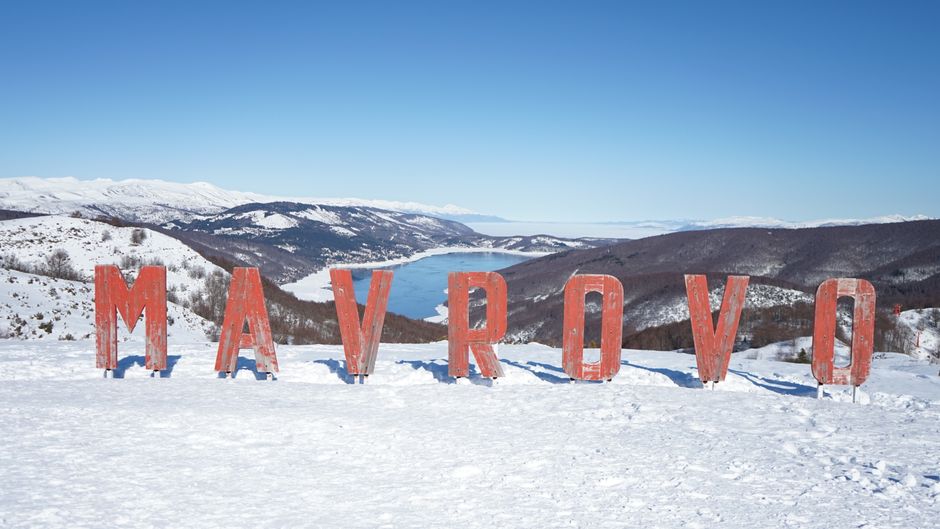
I didn't expect the silence to hit me like a physical wall. One minute I was grinding through the traffic of Bitola, the exhaust of diesel buses and the chatter of vendors thick in the humid air. The next, after an hour's drive up into the mountains, the engine noise of my rental car felt obscene. I killed the ignition at the trailhead near Debarca, and the only sound was the wind tearing through the crowns of ancient pines. This isn't a park you visit to check a box. It's a place where time seems to have curdled, preserved in amber and ice. The air smells of resin and cold stone. You come here to remember what the world looked like before we paved it.
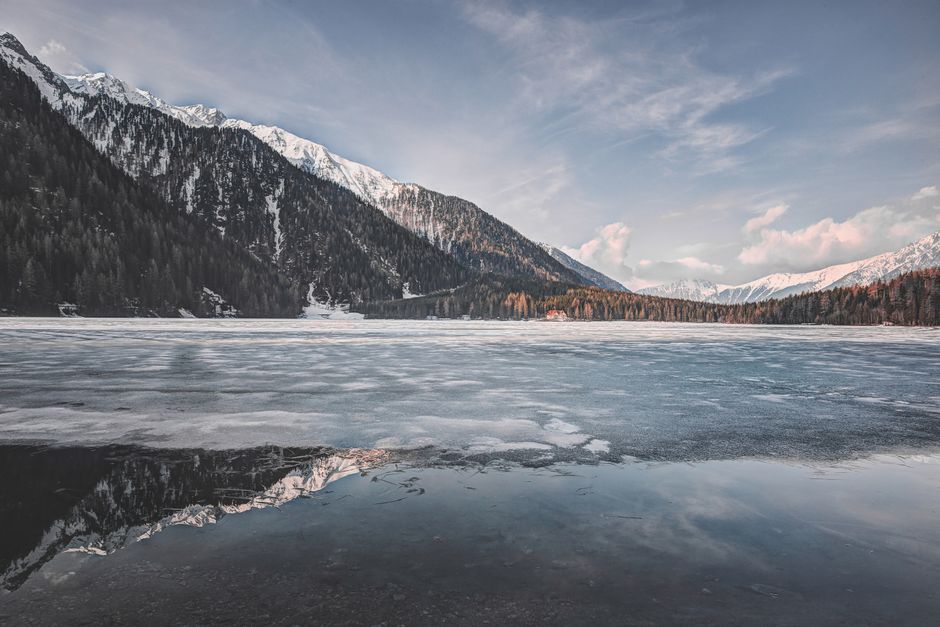
Standing on the shore of Lake Mavro, the water is so dark it looks like polished obsidian, reflecting the jagged peaks of the Pelister massif. A local guide, a grizzled man with a face carved from the same granite as the mountains, told me that the Pelister pine trees here are among the oldest in Europe, some over a thousand years old. They don't just grow here; they hold the ground together. Walking through this subalpine forest, you feel small in the best possible way. It's not a curated garden. It's wild, ancient, and indifferent to your existence.
A Living Laboratory of Nature
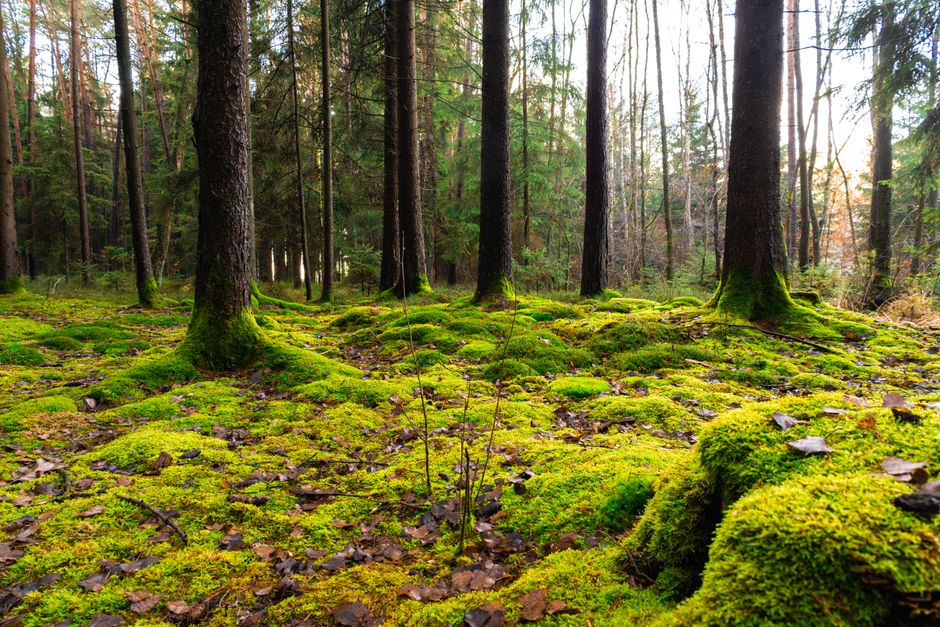
The heart of Pelister National Park Pelister National Park is a geological and biological anomaly. The park protects a unique subalpine forest of Pinus peuce, commonly known as the Macedonian pine. These trees are relicts from the last Ice Age, surviving in this specific microclimate when they vanished elsewhere in Europe. The forest floor is carpeted in moss and fallen needles, creating a soft, silent path that feels more like a cathedral than a wilderness. The trees are gnarled and twisted, shaped by centuries of high-altitude winds and heavy snow loads. Walking among them, you realize these aren't just trees; they are living monuments to survival.
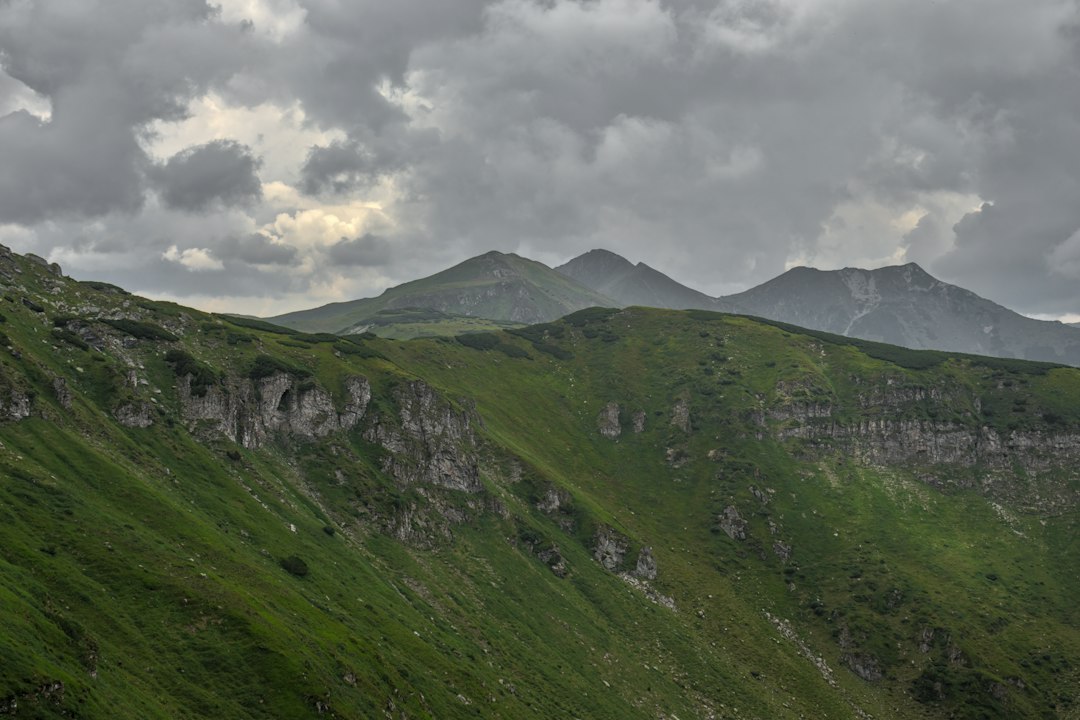
The park's ecosystem is fragile. The pine forests transition into alpine meadows at higher elevations, where wildflowers burst into color in late spring and early summer. The Pelister range rises sharply from the surrounding plains, creating a dramatic contrast between the green valleys below and the rocky peaks above. This verticality supports a diverse range of wildlife, from chamois and deer to golden eagles circling the ridges. The park is a designated UNESCO Biosphere Reserve, a recognition of its global ecological significance. But beyond the labels, it's a place that feels untouched, a rare pocket of wilderness in a region that has seen centuries of conflict and change.
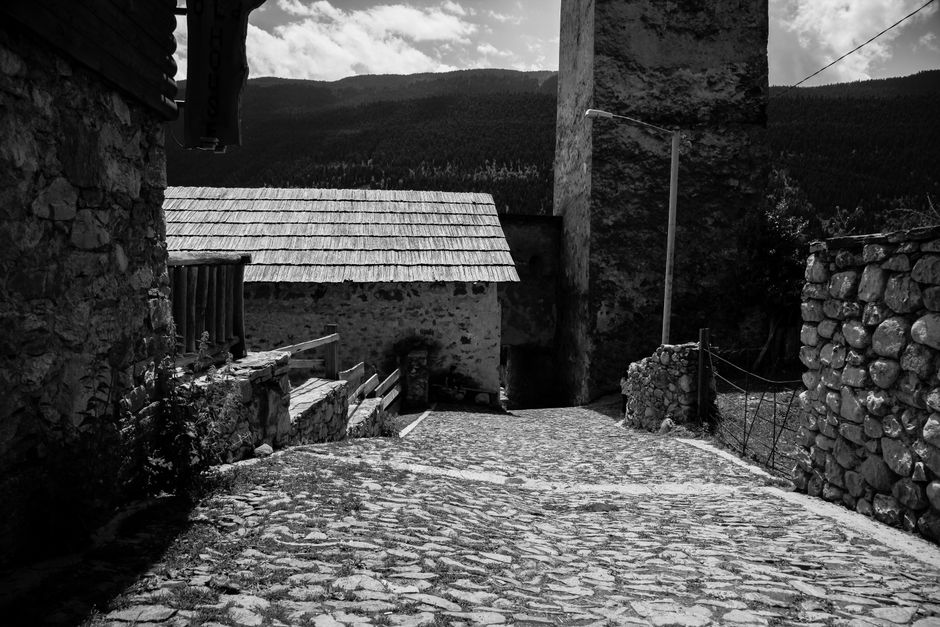
The history of the park is intertwined with the local communities. The villages of Debarca and Podlog Podlog sit at the gateways to the park, their inhabitants living in harmony with the forest for generations. Traditional stone houses with steep roofs dot the landscape, built to withstand the harsh winters. The locals know every trail, every spring, and every secret corner of the park. They are the stewards of this ancient landscape, balancing tourism with conservation. Their hospitality is warm and genuine, offering a glimpse into a way of life that is slowly disappearing.
Lake Mavro and the Alpine Highs
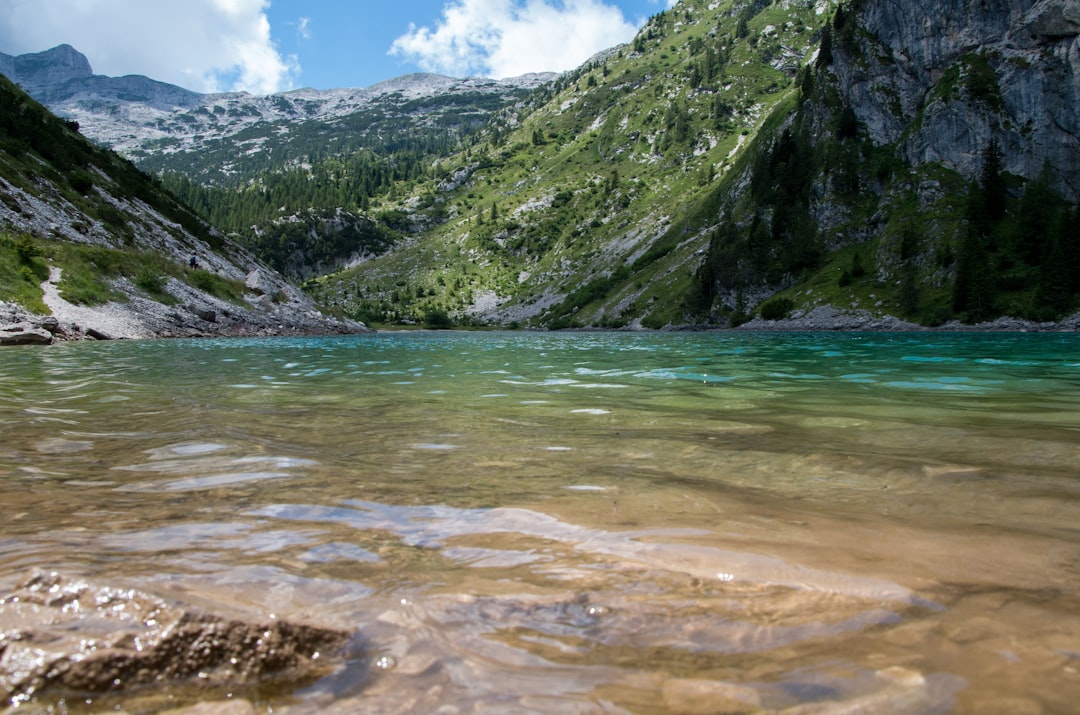
At the center of the park lies Lake Mavro Lake Mavro, a glacial lake perched at 1,920 meters above sea level. The name means "Black Lake," a reference to its deep, dark waters that seem to absorb the light. The lake is surrounded by a ring of dense pine forest, creating a secluded and tranquil atmosphere. In summer, the lake is a hub of activity, with small boats available for rent and a small village offering basic accommodation and food. But even at its busiest, the lake retains a sense of peace. The water is cold and clear, perfect for a refreshing swim on a hot day. The view from the lake, looking up at the surrounding peaks, is one of the most striking in North Macedonia.
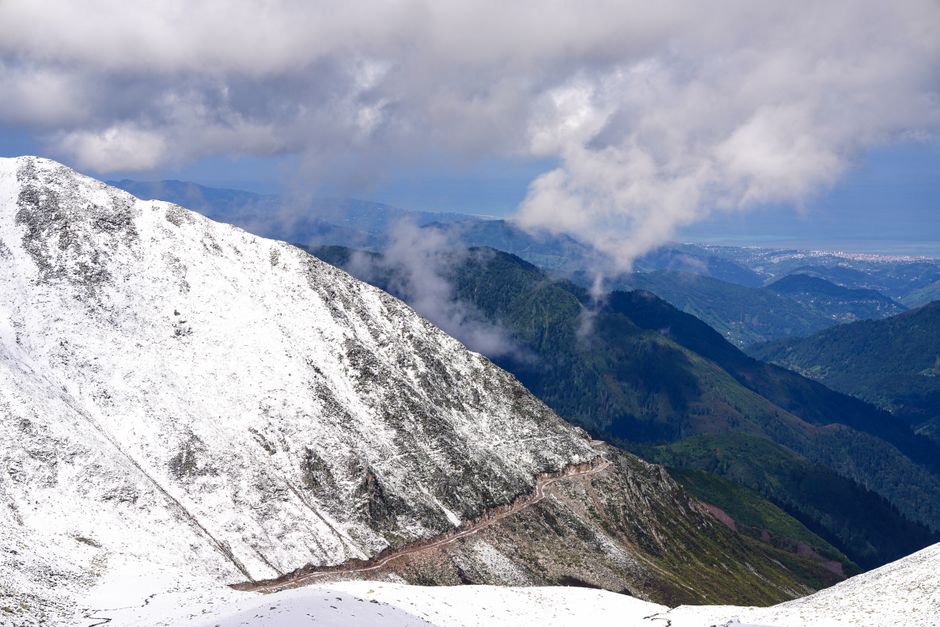
For those seeking more adventure, the trails around Lake Mavro lead to higher altitudes. The hike to Krivoglav Peak, the highest point in the park at 2,601 meters, is a challenging but rewarding trek. The trail winds through alpine meadows and rocky terrain, offering panoramic views of the lake and the surrounding mountains. At the summit, you can see as far as the Albanian border on a clear day. The sense of achievement at the top is palpable, a reward for the effort of the climb. The descent can be done via a different route, passing through the Debarca valley, offering a different perspective on the landscape.
The lake is also a gateway to the Pelister massif, a range of rugged peaks and deep valleys. The trails here are less crowded, offering a more solitary experience. The Stenice Valley is a popular destination for hikers, with its lush meadows and crystal-clear streams. The valley is home to several mountain huts, providing shelter for overnight treks. The experience of sleeping in a mountain hut, waking up to the sound of birds and the smell of pine, is one of the highlights of visiting the park. It's a chance to disconnect from the modern world and reconnect with nature.
Routes & Trail Info
The most iconic route in the park is the Pine Forest Trail, a loop that takes you through the heart of the ancient pine forest. The trail is well-marked and relatively easy, making it suitable for families and casual hikers. It covers approximately 5 kilometers and takes about 2 hours to complete. The trail is shaded by the towering pines, providing relief from the sun in summer. Along the way, you'll encounter information panels explaining the ecology of the forest and the significance of the Pelister pine. The trail ends near the lake, offering a perfect spot for a picnic.
For a more strenuous challenge, the hike to Krivoglav Peak is the way to go. The trail starts from Lake Mavro and climbs steadily for about 4 hours. The elevation gain is around 700 meters, and the terrain is rocky and uneven. The trail is marked with red and white paint, but it's essential to have a good map and compass, especially in poor weather. The summit offers 360-degree views of the park and the surrounding region. The descent can be done via the same trail or via a different route through the Debarca valley. The total round-trip distance is approximately 12 kilometers.
Another popular route is the Stenice Valley trek, which leads to the Stenice Mountain Hut. The trail is about 8 kilometers one-way and takes around 3 hours. The valley is a lush green corridor, with streams and wildflowers lining the path. The hut is a basic but comfortable refuge, offering meals and accommodation for hikers. The trek can be extended to higher peaks in the Pelister massif for those with more experience and time.
Getting There & What to Expect
The nearest major city is Bitola Bitola, located about 30 kilometers from the park entrance. The drive from Bitola takes approximately one hour, following a winding mountain road that offers stunning views. Public buses run regularly from Bitola to Debarca and Podlog, the main villages at the park's entrance. The bus fare is affordable, around 2-3 EUR, and the journey is a scenic one. For those driving, there is parking available near Lake Mavro and at the trailheads.
Accommodation options range from basic guesthouses in the villages to more comfortable hotels in Bitola. In Debarca, you can find simple rooms with breakfast for around 20-30 EUR per night. For a more luxurious experience, hotels in Bitola offer a wider range of amenities, with prices starting from 40-60 EUR per night. Camping is also an option in designated areas near the lake, with fees around 5-10 EUR per person. The mountain huts in the park are basic but provide essential shelter and meals for hikers, with prices around 15-20 EUR for a bed and two meals.
The best time to visit Pelister National Park is from June to September, when the weather is warm and the trails are clear. Summer is the peak season, with Lake Mavro bustling with visitors. Spring and autumn are quieter, with fewer crowds and cooler temperatures. Winter transforms the park into a snowy wonderland, popular for skiing and snowshoeing, but some trails may be closed due to snow. Regardless of the season, the park offers a unique and unforgettable experience.
Search accommodation in Bitola on Booking.com →
The Weight of the Pines
As I left the park, driving back down the winding road toward Bitola, the noise of the world rushed back in. The contrast was jarring. The silence of the pines, the clarity of the lake, the sheer age of the landscape—it all felt like a dream. But the smell of resin still clung to my clothes, a reminder that it was real. Pelister National Park is not just a destination; it's a state of mind. It's a place where you can escape the chaos of modern life and reconnect with something older, something wilder. It's a place that demands respect, not just for its beauty, but for its fragility. These ancient forests have survived millennia. It's up to us to ensure they survive the next.
Comments