


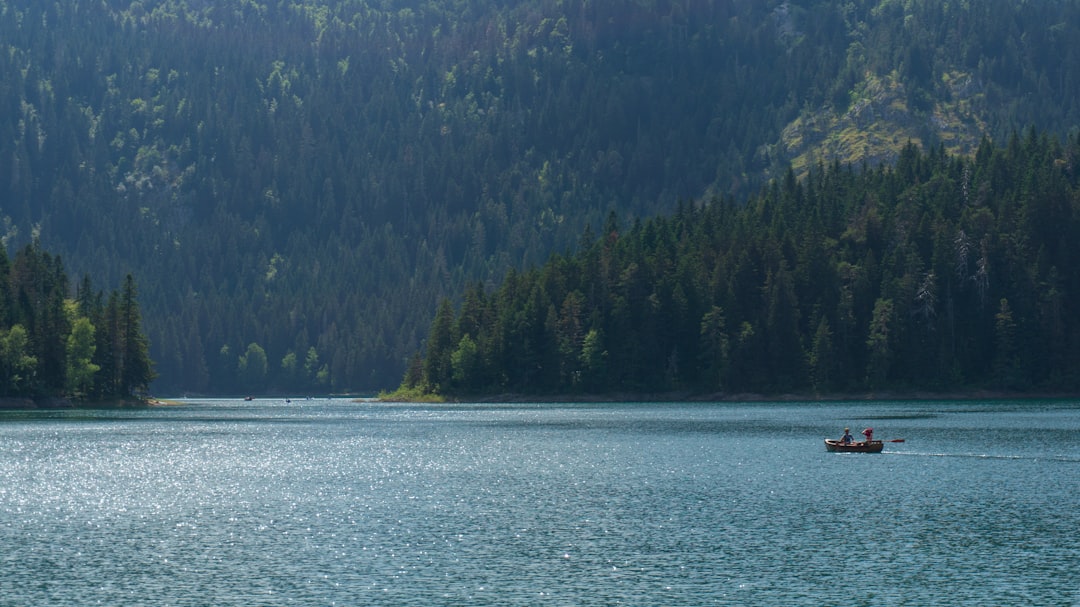
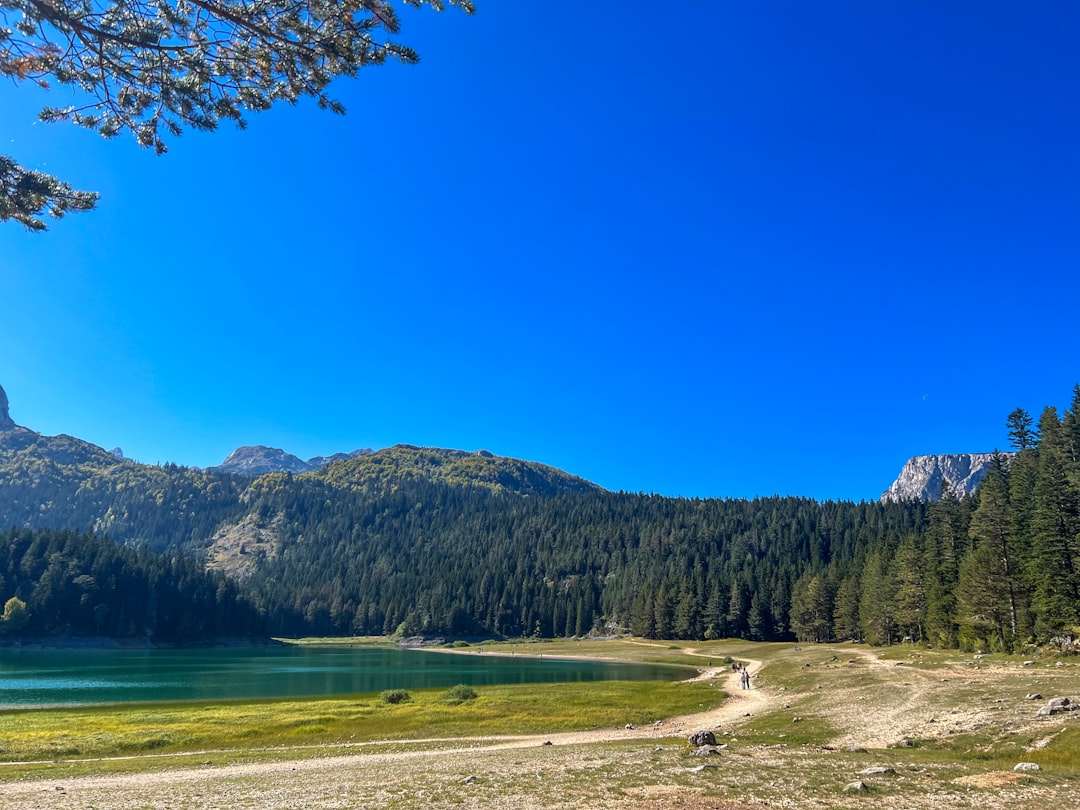
I didn't come to Durmitor National Park to find peace. I came because a local bartender in Žabljak slammed a cracked beer glass onto the bar and told me the fog in the mountains eats people who walk too slow. I believed him. The air here at 1,600 meters is thin, sharp, and smells like wet pine needles and woodsmoke. I stood at the edge of Crno Jezero, the Black Lake, watching a lone eagle circle above the granite peaks of the Seven Sisters of Durmitor. My boots were already soaked. My breath plumed in front of me like a ghost trying to escape. This isn't a hike; it's a confrontation with the raw, unforgiving spine of the Balkans.
The Black Lake Loop is not a casual stroll. It is a 6.5-kilometer circuit that demands respect, offering some of the most intense alpine scenery in Europe without requiring technical climbing gear. But don't let the moderate difficulty fool you. The trail is uneven, rocky, and often shrouded in mist that can disorient even seasoned trekkers. I walked this loop at dawn, when the silence is so heavy it feels like pressure in your ears. Every step echoed off the sheer cliff faces that plunge down to the glacial waters below. This is the real Montenegro, far from the Adriatic beaches and luxury yachts. This is ancient, wild, and utterly indifferent to your presence.
The Geology of Silence
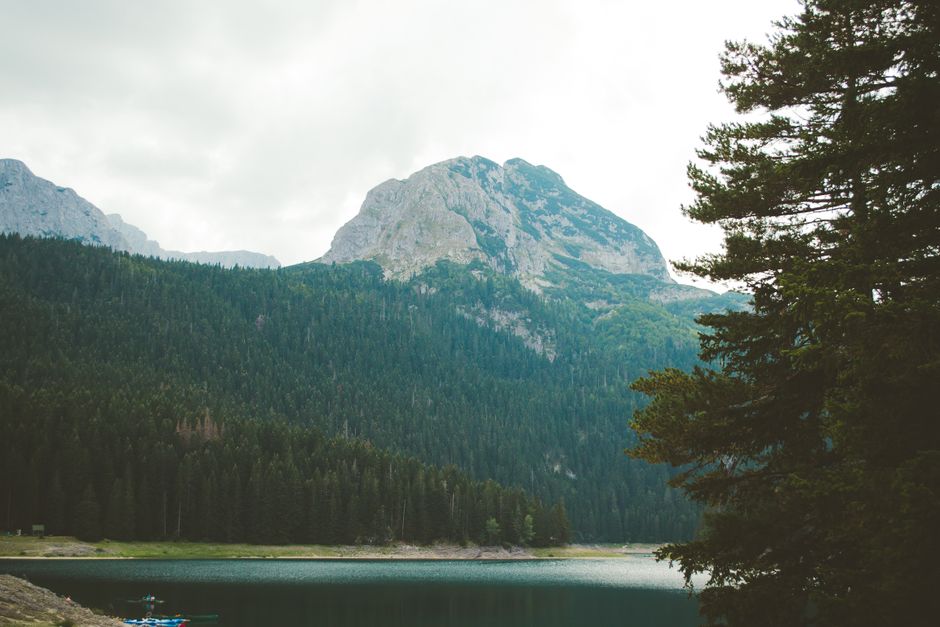
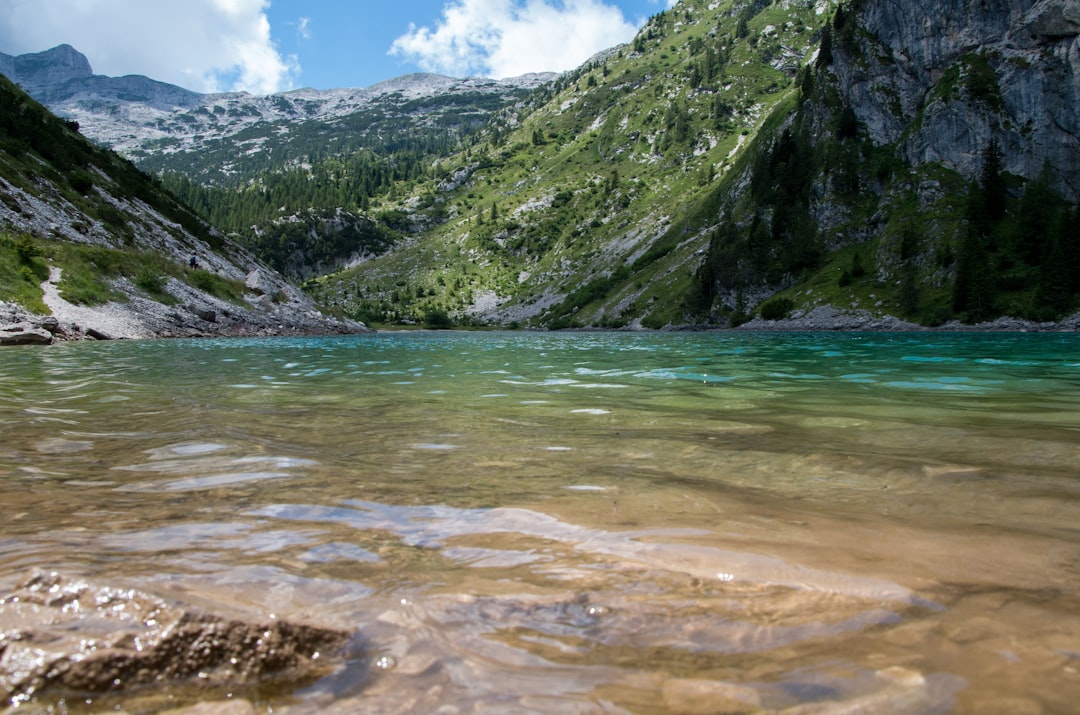
The Black Lake exists because of violence. Formed during the last Ice Age, this glacial lake sits at the foot of a massive limestone cliff that rises nearly 1,000 meters straight up. The water is dark, not because of pollution, but because of the depth and the dense spruce and fir forests that surround it. The trail skirts the lake's eastern shore, passing through dense woodland before emerging onto open alpine meadows. The contrast is jarring. One minute you are walking under a canopy of towering trees, their branches dripping with moss; the next, you are exposed to the full force of the mountain wind, with nothing but sky and stone above you.
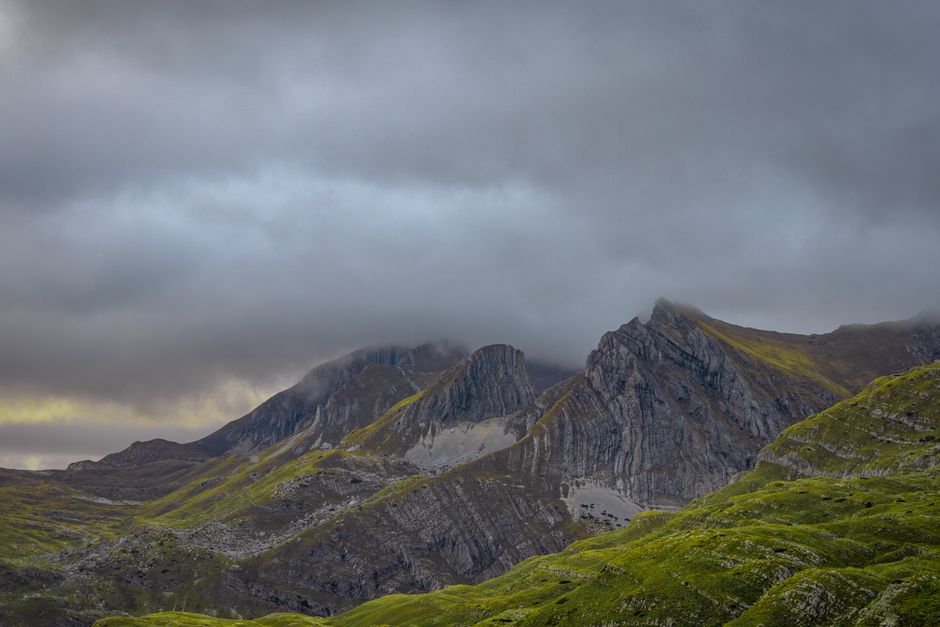
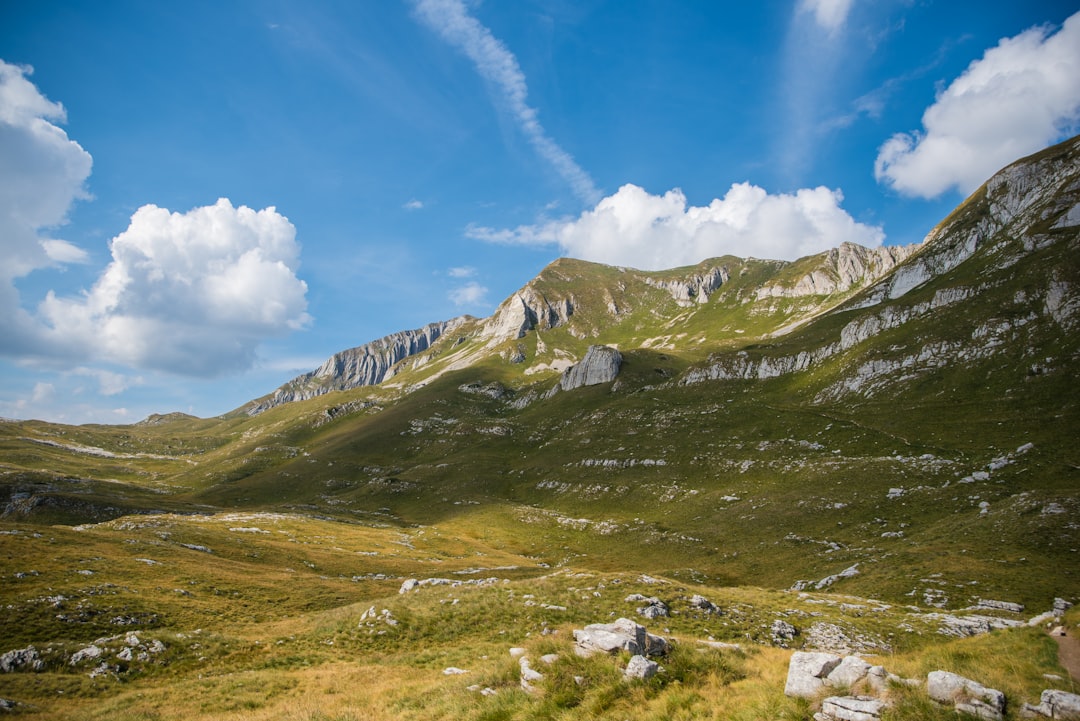
The geology here is dramatic. The cliffs are composed of thick layers of limestone, carved by glaciers and rivers over millennia. You can see the striations in the rock face, like fingerprints left by ancient ice. The trail often runs close to these cliffs, offering vertiginous views down to the lake and across to the opposing peaks. It is a place where the earth feels alive, shifting and groaning under the weight of its own history. Walking here, you understand why the locals have a superstitious reverence for the mountains. This is not just scenery; it is a force of nature.
The Trail Experience
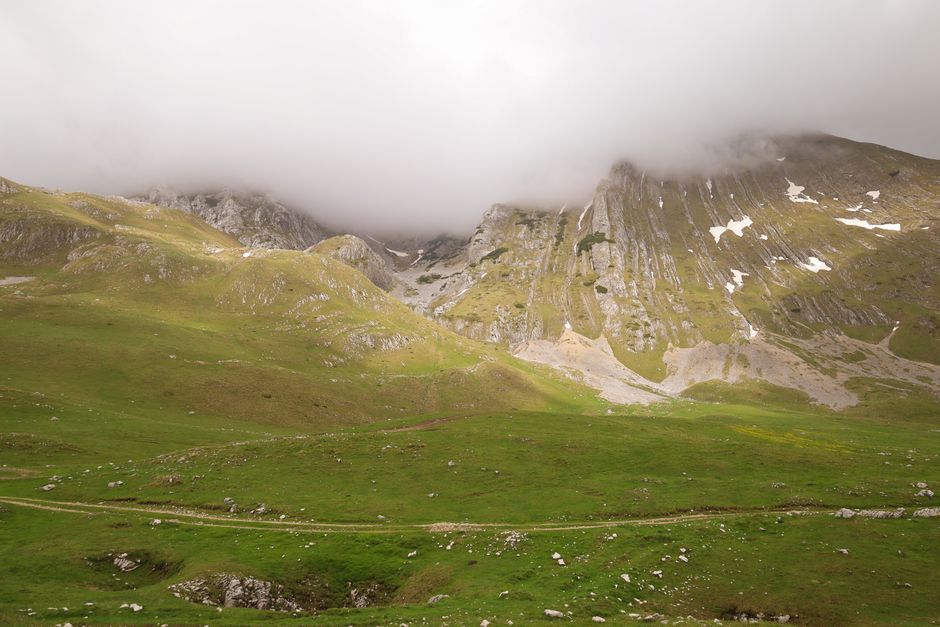
The loop begins near the main parking area at the lake's western end. The first kilometer is paved and easy, lined with benches and small kiosks selling souvenirs and hot drinks. But as you head north, the path narrows and becomes a rocky track. The terrain is uneven, with loose stones and tree roots that demand attention. There are no railings, no safety nets. Just a narrow path along the edge of steep drops. This is where the "eco" part of the trail comes in. There is no infrastructure beyond the path itself. No trash cans, no signage beyond simple markers. You are expected to carry out what you bring in, and to stay on the path to protect the fragile alpine vegetation.
As you ascend slightly, the forest thins out, revealing panoramic views of the lake and the surrounding peaks. The Seven Sisters dominate the skyline, their jagged profiles cutting into the sky like broken teeth. On a clear day, you can see the snowfields that cap these peaks, even in summer. The light changes rapidly here. One moment the sun is blazing, the next a thick fog rolls in from the north, reducing visibility to a few meters. I waited in this fog for twenty minutes, listening to the wind howl through the trees, before it lifted again to reveal the lake shimmering in the sunlight. It is a reminder that you are a guest here, and the mountain decides when you can see it.
Wildlife and Flora
The biodiversity in Durmitor National Park is exceptional. The spruce and fir forests around the Black Lake are home to a variety of mammals, including bears, wolves, and wild boar. While sightings are rare, the evidence of their presence is everywhere. Scratched tree bark, tracks in the mud, and the occasional howl in the distance. The park is also a haven for birds. I saw golden eagles soaring above the cliffs, and flocks of choughs circling the peaks. The alpine meadows are dotted with wildflowers in summer, including edelweiss, gentians, and orchids. These flowers are protected, and picking them is strictly forbidden. The trail passes through these meadows, offering close-up views of the delicate flora without disturbing it.
The water quality in Crno Jezero is pristine. It is fed by snowmelt and underground springs, and is used as a source of drinking water for the village of Žabljak. This means it is strictly protected from pollution. There is no swimming allowed, and fishing is restricted. The lake is a sanctuary, and the trail respects that. You walk along the edge, but you do not intrude. The silence here is profound, broken only by the sound of your own footsteps and the occasional call of a bird. It is a place where you can truly disconnect from the noise of the modern world and reconnect with the natural environment.
Routes & Trail Info
The Black Lake Loop is a well-defined circuit, but it can be approached in different ways depending on your fitness level and time constraints. The standard loop is 6.5 kilometers long and takes approximately 2.5 to 3 hours to complete at a moderate pace. The elevation gain is minimal, around 150 meters, but the terrain is rocky and uneven, which can slow you down. Here are the key details for the main route:
Route Name: Crno Jezero Black Lake Loop
Starting Point: Main parking area at the western end of Crno Jezero
Total Distance: 6.5 km (round-trip loop)
Elevation Gain: 150 meters
Estimated Duration: 2.5 - 3 hours
Difficulty: Intermediate (due to rocky terrain and exposure)
For those who want a shorter experience, you can walk just the eastern side of the lake, which is about 2 kilometers and takes 45 minutes to an hour. This section offers the best views of the cliffs and the Seven Sisters, and is suitable for families with older children. However, to truly experience the trail, you should complete the full loop. There are no other major alternative routes for this specific lake, but the trail connects to the larger network of paths in Durmitor, including the route to the Sedam Jezera (Seven Lakes), which is a much more demanding hike.
Getting There & What to Expect
The nearest town with road access to the trailhead is Žabljak, the administrative center of Durmitor National Park. Žabljak is located about 120 kilometers north of Podgorica, Montenegro's capital, and takes approximately 2.5 to 3 hours to drive via the mountain road. The road is paved but winding, with many hairpin turns, so drive carefully. Buses run regularly from Podgorica and Mojkovac to Žabljak, with tickets costing around 5-7 EUR. From Žabljak, the Black Lake is a 10-minute drive north, or a 45-minute walk through a scenic valley. There is a small parking lot at the lake, which can get crowded in peak season (July-August).
Accommodation in Žabljak ranges from budget hostels to mid-range hotels. A dorm bed in a hostel costs around 15-25 EUR per night, while a private room in a mid-range hotel is around 40-70 EUR per night. There are also several guesthouses and apartments available for rent. Meals in Žabljak are reasonably priced, with a typical lunch costing 10-15 EUR and dinner 15-25 EUR. The local cuisine is hearty, featuring grilled meats, cheese, and potatoes. The best time to visit the Black Lake Loop is from June to September, when the weather is warm and the trails are clear of snow. In winter, the lake freezes, and the trail can be icy and dangerous.
Search accommodation in Zabljak on Booking.com →
The Weight of the Mountain
I finished the loop as the sun began to set, casting long shadows across the lake. The air was cold, and my muscles ached, but I felt alive in a way I hadn't in years. The Black Lake Loop is not just a hike; it is a meditation on impermanence. The cliffs that surround the lake are slowly eroding, grain by grain, returning to the earth. The trees around it grow and die in a cycle that is indifferent to human time. Standing there, watching the light fade, I realized how small we are in the face of such vast, ancient forces. This is why we come to places like Durmitor. Not to conquer, but to witness. To stand in the presence of something greater than ourselves, and to remember our place in the world. The fog will return tomorrow. The eagle will still be there. And I will be gone. But for a few hours, I was part of this silent, stone cathedral. And that was enough.
Comments