


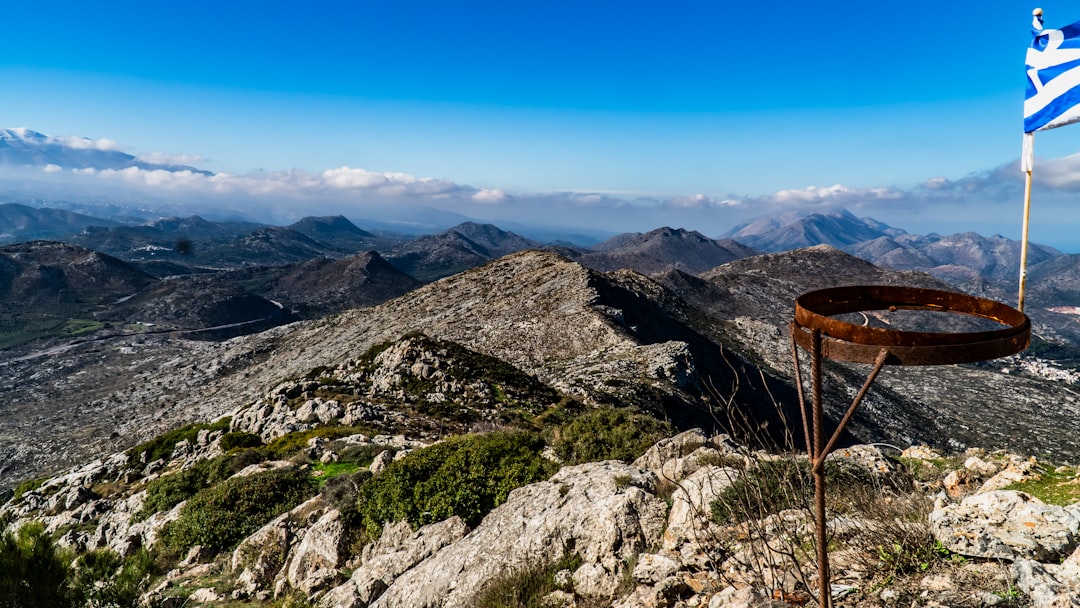
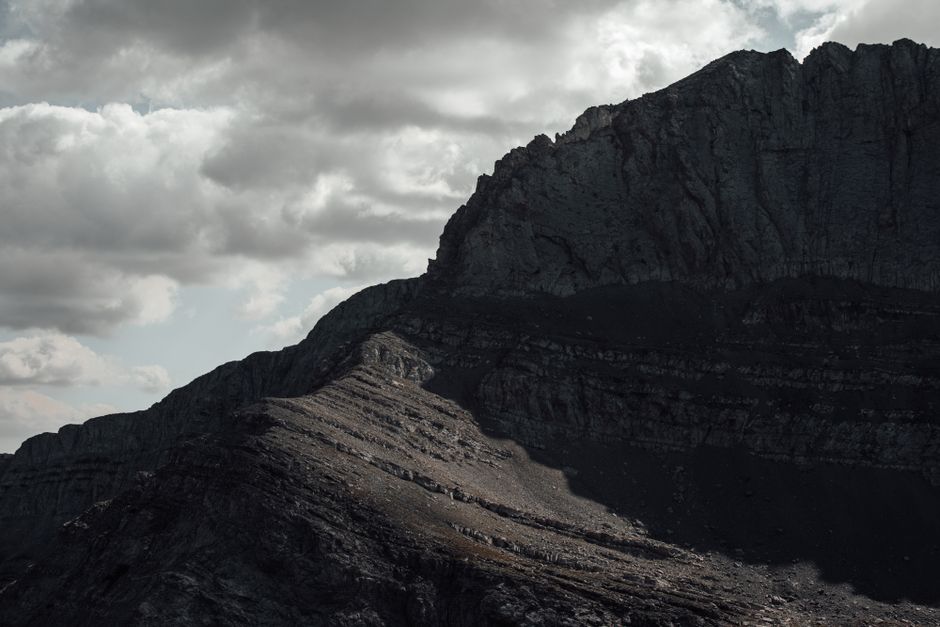
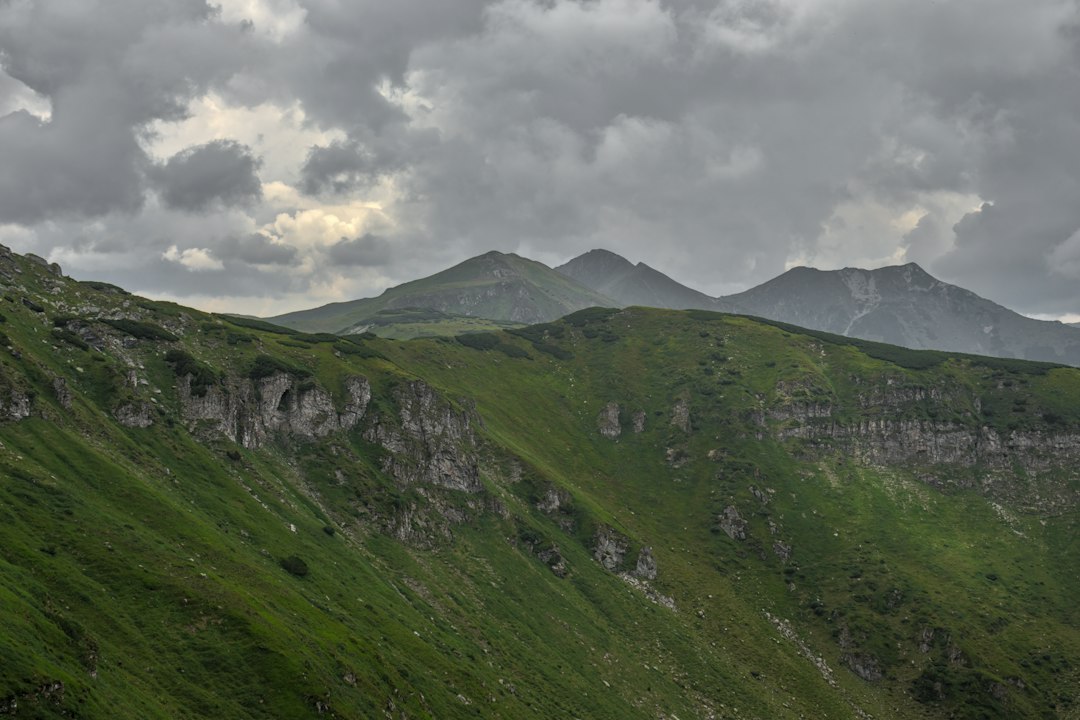
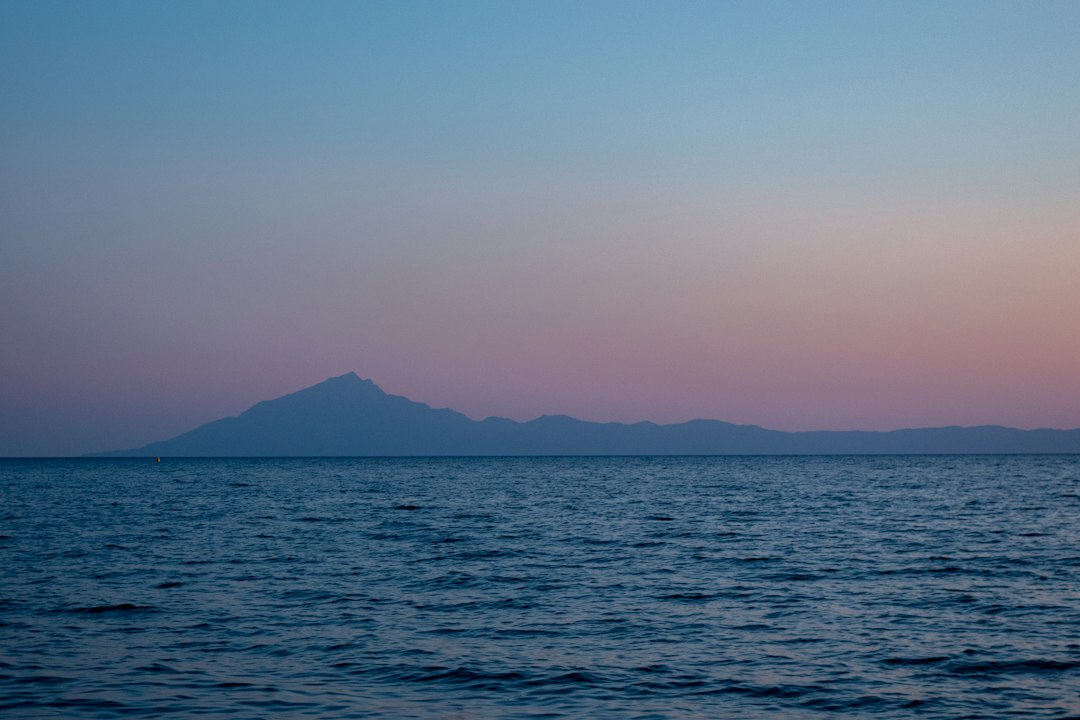
The air up here doesn't just thin; it tastes like wet granite and ancient arrogance. I am sitting on a jagged outcrop of Mount Olympus at 2,500 meters, watching a cloud bank swallow the ridge line whole. My boots are caked in red dust, my lungs are burning, and the silence is so absolute it feels like a physical weight. Below me, the Aegean Sea is a distant, shimmering rumor. Above me, the mist churns with the ghosts of Zeus and his court. This isn't a hike; it's an ascent into a living mythology where the gods didn't just live here—they ruled here. And if you're not careful, the mountain will remind you who's in charge.
Most travelers treat Greece as a beach holiday with a side of ruins. They hit the islands, drink their ouzo, and leave. But Mount Olympus demands something else. It demands respect. It demands sweat. It demands that you leave your comfort zone in Litochoro and climb into a world where the trails are marked by stone cairns rather than polished signage, where the weather can flip from sun to sleet in ten minutes, and where the only company you'll keep are the wind, the eagles, and the sheer, unadulterated will to reach the top. This is the real Greece. Wild. Untamed. Unforgiving.
History & Identity
For millennia, Mount Olympus was not just a mountain; it was the seat of the universe. Homer wrote of it as the dwelling place of the twelve Olympian gods, a place of eternal spring and divine revelry. For ancient Greeks, this wasn't metaphor. It was geography. The peaks were visible from the coast, shrouded in clouds, a constant reminder of the divine presence overhead. Pilgrims climbed not for sport, but for proximity to the gods. The identity of the region is inextricably linked to this mythology. The town of Litochoro, the main gateway to the mountain, still celebrates this heritage. The local culture is steeped in the belief that the mountain is alive, a entity to be respected, not conquered.
Today, the mountain is a national park, protected and revered. But the mythology hasn't faded; it has simply shifted. The gods have been replaced by climbers, but the reverence remains. The trails are named after mythical figures. The caves are said to be the beds of Zeus and Hera. The wind howls through the Stefani Plateau like a chorus of nymphs. To climb Mount Olympus is to walk through a living museum of myth, where every rock and ridge tells a story that is thousands of years old. The identity of this place is not just geological; it is spiritual. And that changes everything.
Where to Go
Stefani Plateau — This is the starting point for most serious climbers. A high-altitude meadow at 2,630 meters, it is the gateway to the upper peaks. The plateau is dotted with wildflowers in spring and offers panoramic views of the surrounding ranges. It is also the location of the main mountain refuges, making it the essential staging ground for summit attempts. Entry is free, but the altitude is no joke. Acclimatize before you push higher.
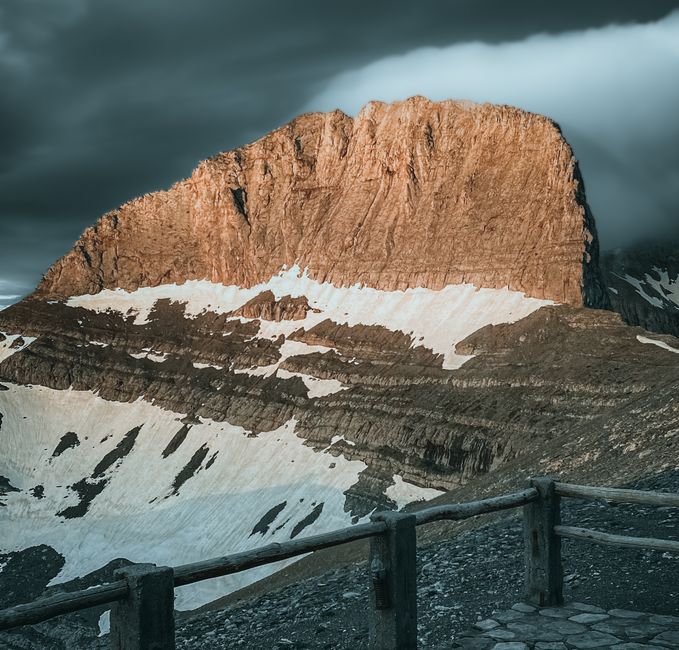
Prionia Refuge — The first major stop on the Spilios Agapitos Trail, located at 1,780 meters. This is where most hikers spend their first night. The refuge is basic but sturdy, offering dormitory-style sleeping and hot meals. It is a hub of activity, with climbers from around the world sharing stories and tips. The views from the terrace are spectacular, especially at sunrise. Booking in advance is mandatory during peak season. Cost: 20-30 EUR per night for a bed in a dorm.
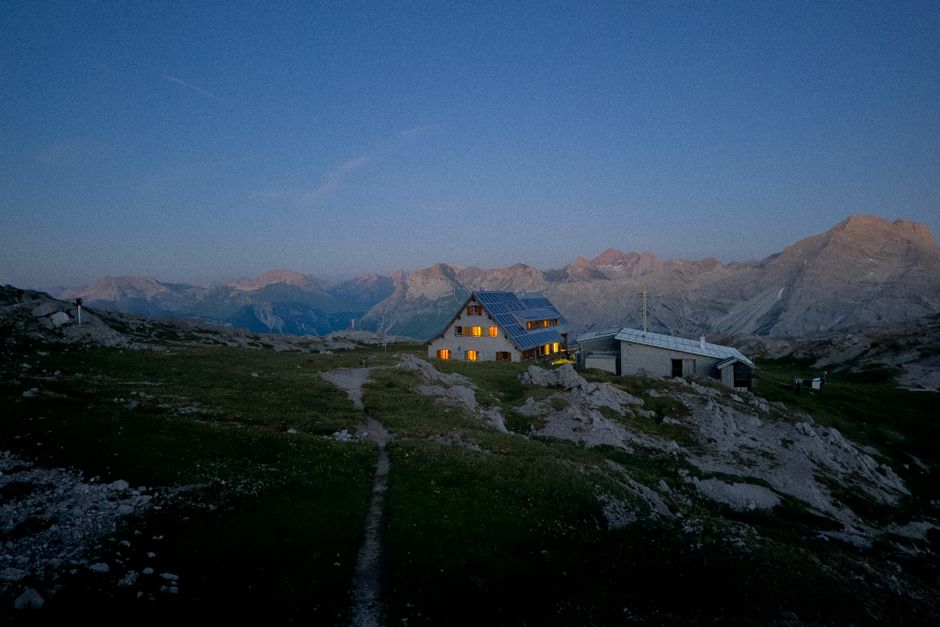
Skolio Peak — The second-highest peak of Mount Olympus, at 2,918 meters. It is often climbed in conjunction with the main summit, but it stands on its own as a formidable challenge. The ascent involves exposed scrambling and steep ridges. The views from the top are unparalleled, looking out over the entire range and the Aegean Sea. It is a test of endurance and nerve. Only for experienced hikers with proper gear.
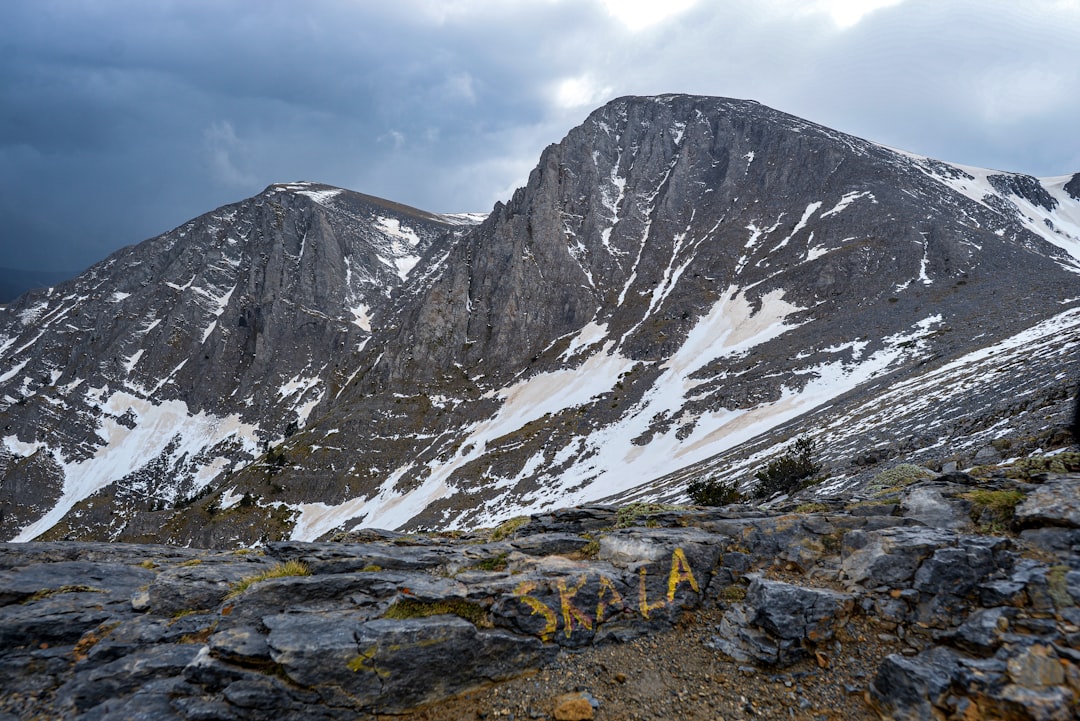
Mytikas Summit — The highest point of Mount Olympus at 2,917 meters. It is the iconic peak, the one that resembles the head of Zeus. Reaching it is the ultimate goal for most climbers. The final ascent involves a steep, rocky scramble that requires both hands and feet. The sense of achievement is immense, but the descent is just as dangerous. Weather can change rapidly, so timing is critical. The best time to attempt the summit is early morning, before the afternoon storms roll in.
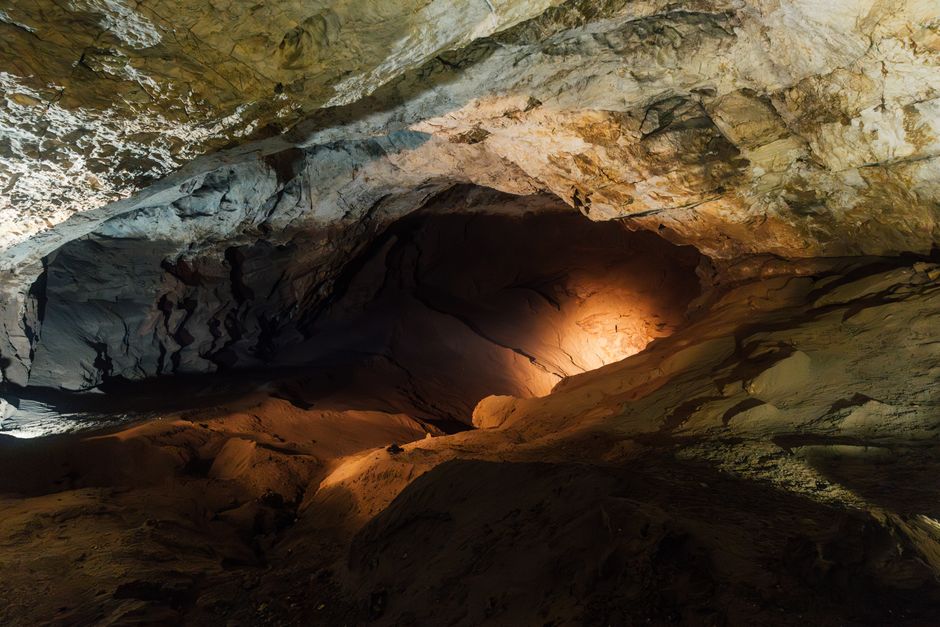
Enipeas Cave — A hidden gem located in the southern slopes of the mountain. This cave is said to be the entrance to the underworld in Greek mythology. It is a short hike from the village of Litochoro and offers a glimpse into the darker side of the mountain's lore. The cave is dark and damp, requiring a headlamp. It is a place of mystery and reverence, a reminder that the mountain has secrets that remain untouched by modern tourism.
What to Eat & Drink
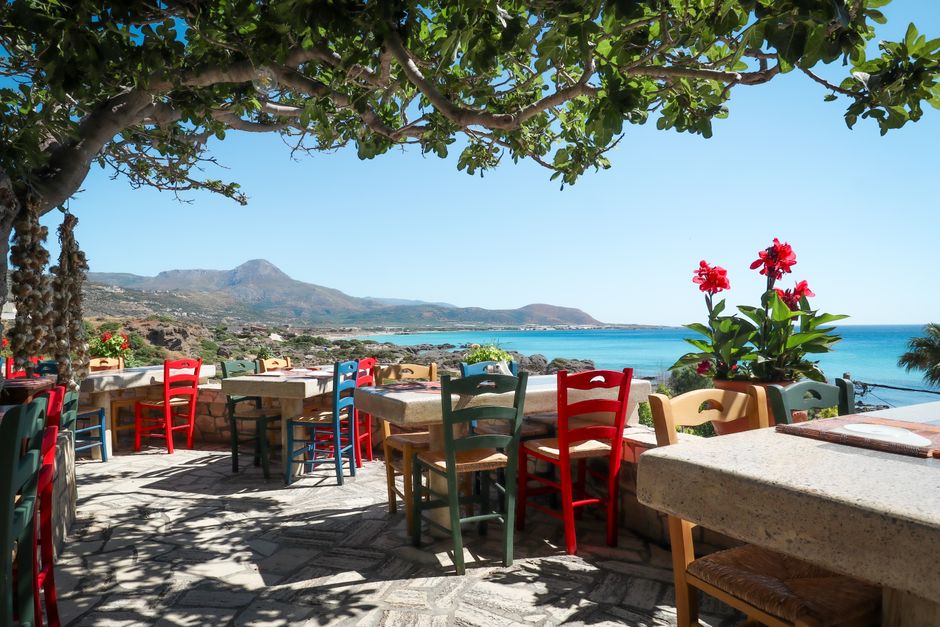
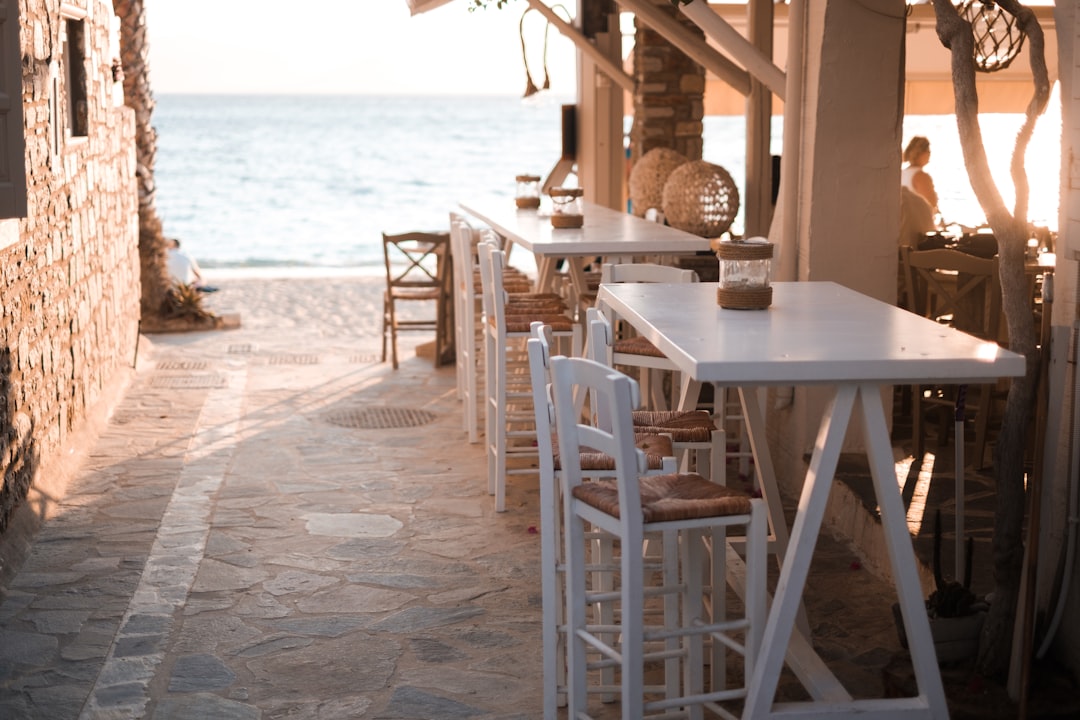
Food on Mount Olympus is not about gourmet experiences; it is about fuel. But that doesn't mean it's bad. In fact, the local cuisine is hearty, rustic, and designed to keep you warm in the cold mountain air. In Litochoro, you'll find tavernas serving traditional Greek dishes with a local twist. The staple is stifado — a slow-cooked beef stew with onions and spices — which costs around 10-12 EUR per serving. It is rich, flavorful, and perfect for refueling after a long day on the trails. Another must-try is mountain cheese — a hard, aged cheese made from local sheep's milk. It is often served with olives and fresh bread, costing around 5-7 EUR for a plate.
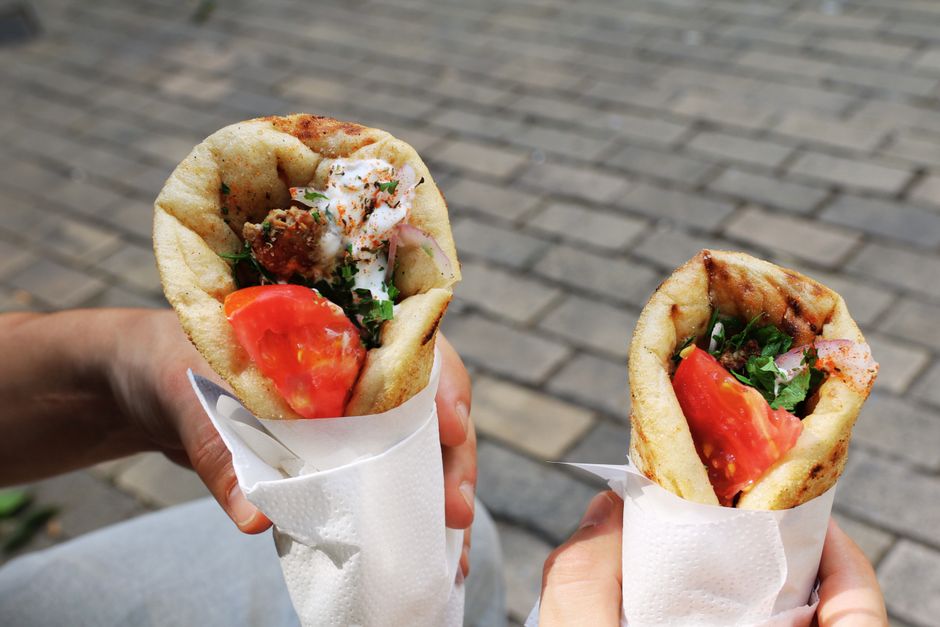
For budget travelers, street food is the way to go. gyros and souvlaki are available everywhere, costing between 3-5 EUR per serving. They are quick, cheap, and filling. For a sit-down meal, expect to pay 8-15 EUR per person at a local taverna. Mid-range restaurants, which offer a more extensive menu and a nicer atmosphere, will cost 15-25 EUR per person. The main dining area is along the main street of Litochoro, where you'll find a mix of traditional tavernas and modern cafes. For take-away, there are several bakeries and delis offering fresh bread, pastries, and cold cuts. The mountain refuges also serve hot meals, but they are expensive. A three-course meal at the Prionia Refuge costs around 25-30 EUR, so bring your own snacks if you're on a tight budget.
Nightlife
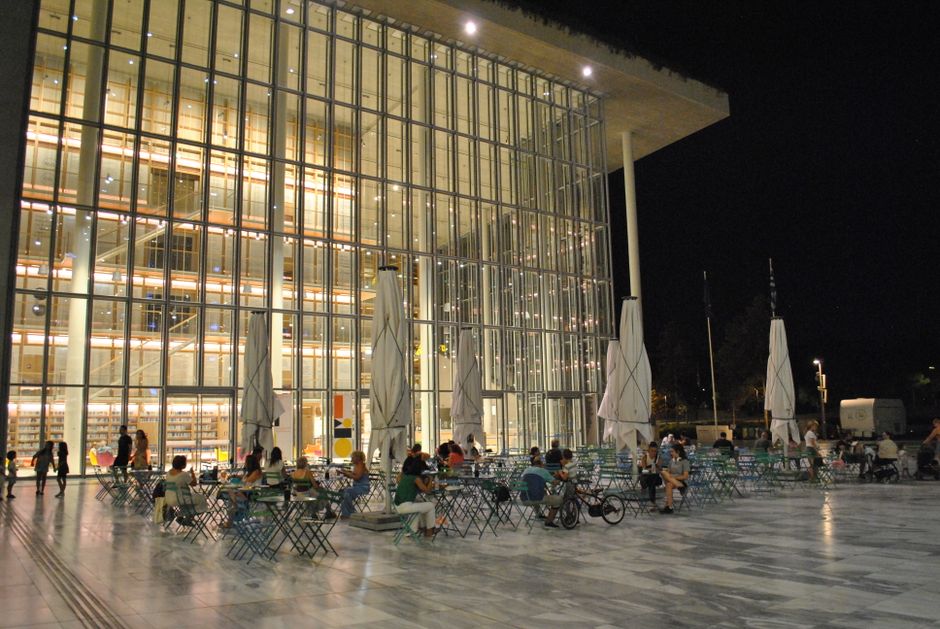
Nightlife in Litochoro is not about clubs and dancing; it is about atmosphere and conversation. The town comes alive in the evenings, with locals and travelers alike gathering in the bars and cafes along the main street. The vibe is relaxed and friendly, with live music playing in the background. Bar Olympus is a popular spot, known for its cocktails and friendly staff. The cover charge is free, but drinks cost around 5-8 EUR per glass. Café Mountain is another favorite, offering a cozy atmosphere and a great selection of wines. It is a good place to meet fellow climbers and share stories.
For those who prefer a more lively scene, Club Zeus is the place to go. It is a small club with a dance floor and a DJ playing Greek and international music. The cover charge is 5-10 EUR, and drinks are around 6-10 EUR per glass. It is not a major nightlife destination, but it is a good option for those who want to let their hair down after a long day on the trails. The nightlife in Litochoro is not about excess; it is about connection. It is about sharing a drink with strangers who have become friends, and talking about the mountain until the early hours of the morning.
Getting There & What to Expect
The nearest major airport is Thessaloniki Airport, located about 150 kilometers from Litochoro. From the airport, you can take a bus to Thessaloniki city center, and then a KTEL bus to Litochoro. The total travel time is around 3-4 hours, and the cost is approximately 20-30 EUR one way. Alternatively, you can rent a car from the airport, which gives you more flexibility. The drive from Thessaloniki to Litochoro is scenic and takes about 2 hours. The cost of a rental car is around 40-60 EUR per day.
Once in Litochoro, you can take a bus or a taxi to the trailhead. The bus runs regularly during the hiking season (May to October) and costs around 5-10 EUR one way. A taxi will cost around 20-30 EUR one way. The main trailhead is at the Prionia Refuge parking area, which is the starting point for the Spilios Agapitos Trail. The trail is well-marked, but the terrain is rugged and requires good physical condition. Children under 12 are not recommended for the summit attempt, but they can enjoy the lower trails. Accommodation in Litochoro ranges from budget hostels at 20-40 EUR per night to mid-range hotels at 50-100 EUR per night. The best months to visit are June, July, September, and October, when the weather is stable and the trails are clear.
Search accommodation in Litochoro on Booking.com →
The Descent into Reality
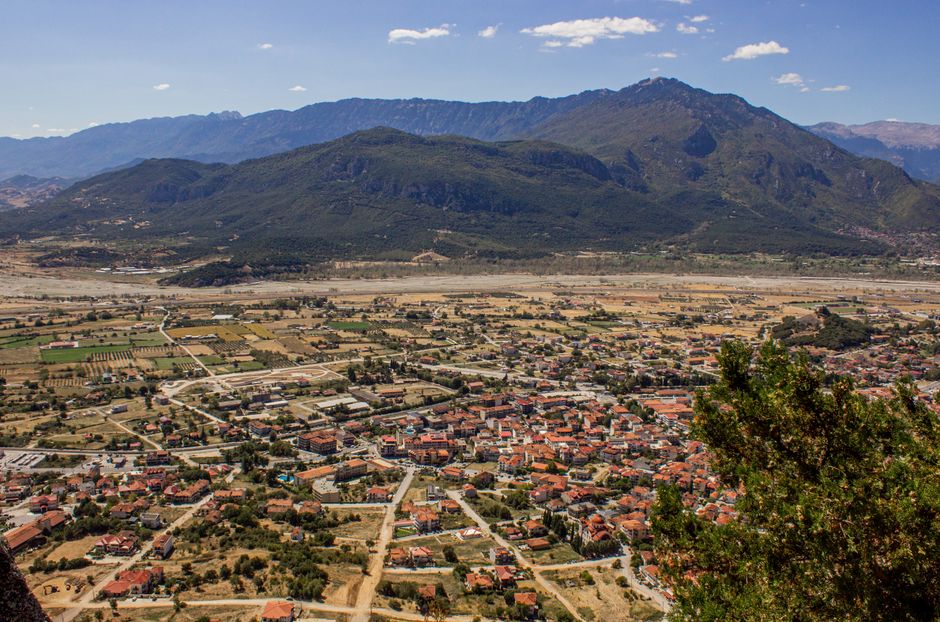
Descending from Mount Olympus is always harder than climbing. Your legs are screaming, your mind is foggy, and the ground feels unstable. But as you come down, the world opens up again. The clouds part, the sea reappears, and the town of Litochoro comes into view, a cluster of white buildings against the green slopes. You are no longer a god; you are a human being again. But you carry the mountain with you. The silence, the wind, the granite. It changes you. It strips away the noise and leaves you with something raw and real. And when you look back at the peaks, shrouded in mist once more, you know you'll be back. Because Mount Olympus doesn't just let you go. It calls you back. Always.
Comments