


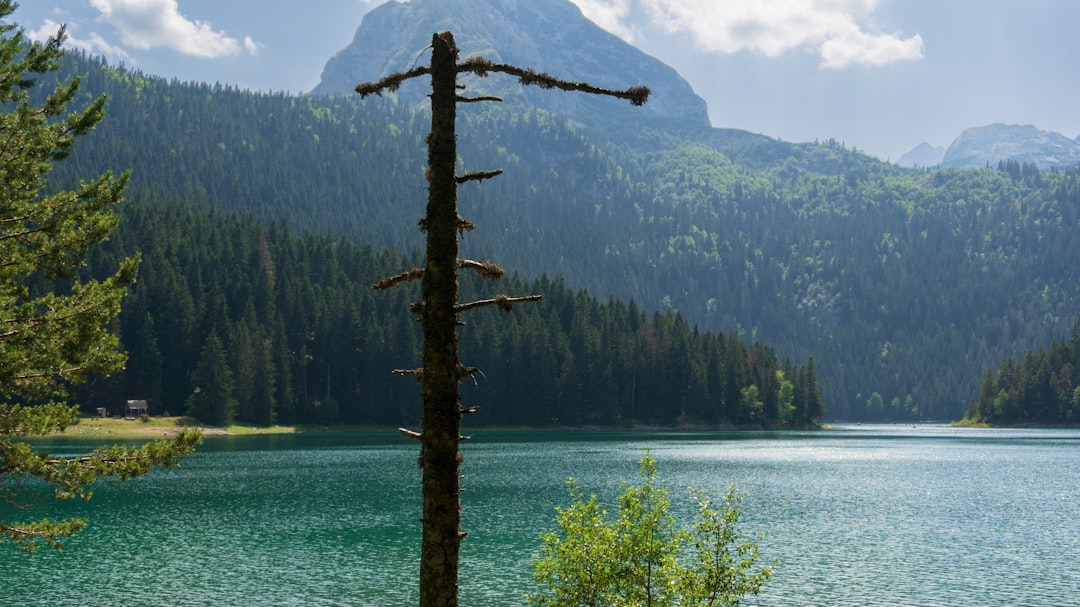
The wind in the Durmitor National Park doesn't just blow; it interrogates. I stood at the edge of Crno Jezero (Black Lake), shivering in a thin jacket that had seemed adequate in the parking lot twenty minutes prior. The air tasted of pine resin and ancient ice. A local shepherd, his face carved from the same granite as the surrounding peaks, watched me fumble with my camera lens. He didn't speak, just pointed a calloused finger toward the jagged spine of the Sedam Jezera (Seven Lakes) trail and nodded once. It wasn't a suggestion; it was a summons. This isn't a walk in the park. It's a negotiation with gravity, altitude, and the kind of silence that makes your own heartbeat sound like a drum solo.
Most tourists treat Montenegro like a beach holiday with a side of mountain air. They hit the Adriatic coast, grab a coffee in Podgorica, and call it a day. But up here, in the heart of the Dinaric Alps, the rules change. The Black Lake trail is the gateway to one of the Balkans' most punishingly beautiful landscapes. It's not for the faint of heart, the unprepared, or anyone who thinks "hiking" means walking to a brewery. This is raw, unfiltered wilderness, and it demands respect.
History & Identity
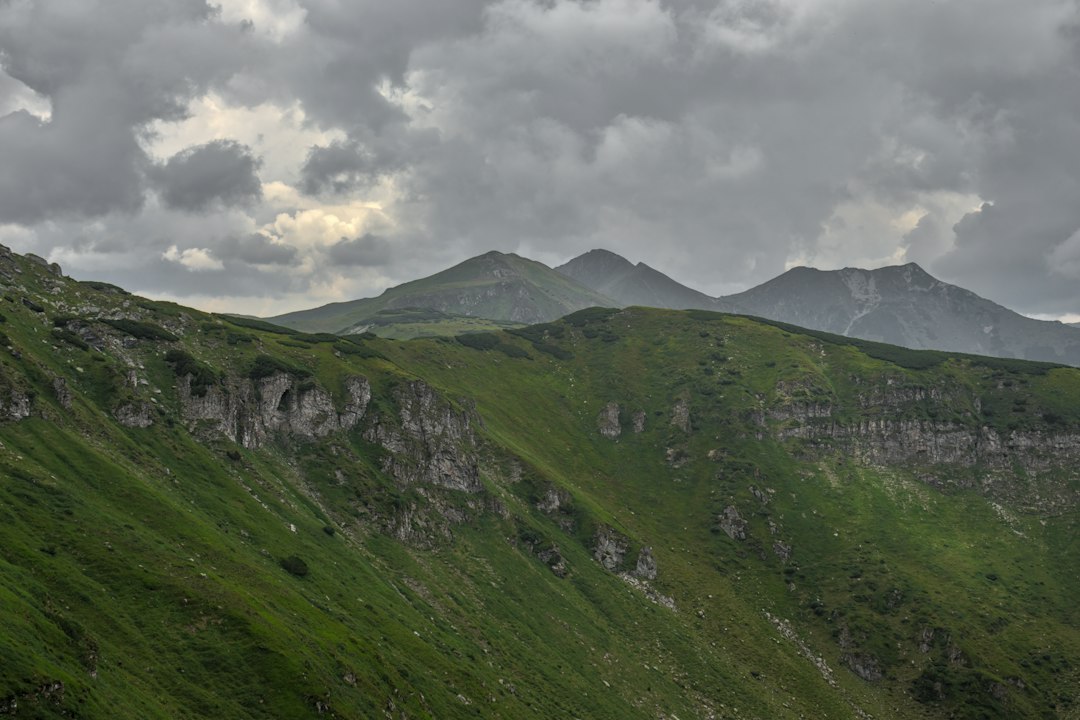
The Durmitor Massif isn't just a collection of peaks; it's a geological monument to the collision of tectonic plates. Formed during the Alpine orogeny, this limestone range is a UNESCO World Heritage site, carved by glaciers during the last Ice Age into the deep canyons and glacial lakes that define the region. The name "Durmitor" comes from the Slavic word *durmiti*, meaning "to sleep," referring to the peak's resemblance to a sleeping giant. Locals, however, know it better as the "Black Mountain," a nod to the dense spruce forests that cloak its lower slopes.
Human history here is etched in stone and sacrifice. During World War II, the rugged terrain of the Durmitor National Park became a sanctuary for the Yugoslav Partisans. The nearby Žabljak village served as a strategic base, and the surrounding valleys were witness to fierce battles. Today, the region is a symbol of resilience, where the scars of war are slowly being reclaimed by nature. The Tara River Canyon, one of the deepest in Europe, cuts through the park like a scar, a reminder of the raw power that shaped this land.
Where to Go
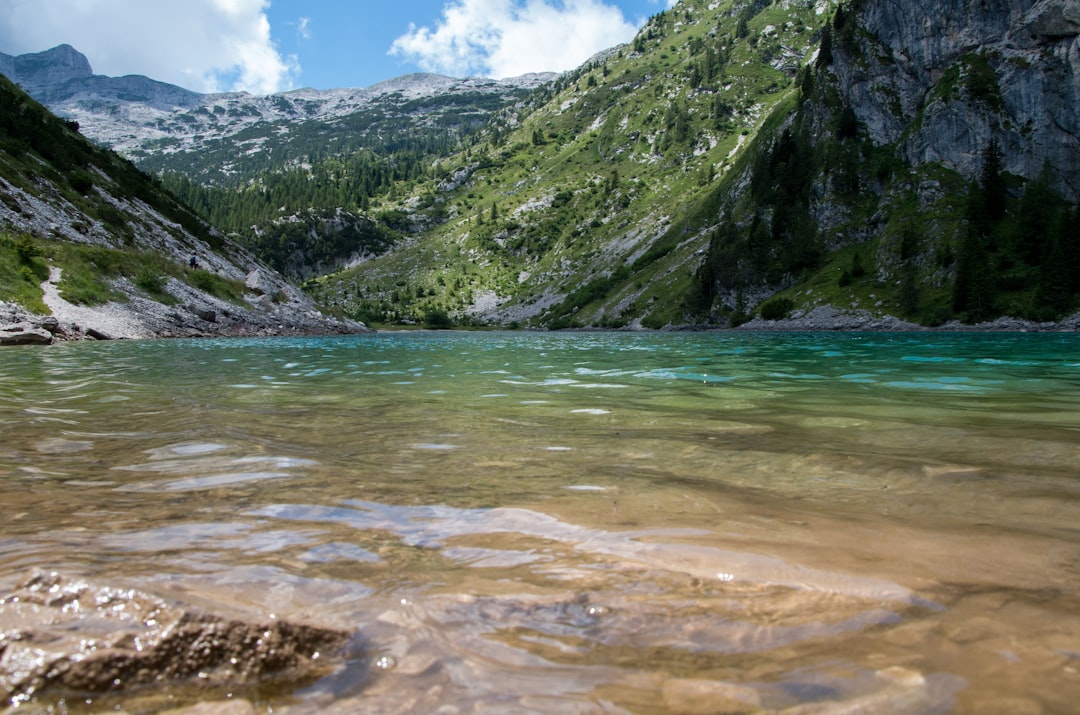
Crno Jezero (Black Lake) — The heart of the trail. This glacial lake is surrounded by a 4.2 km paved path, perfect for a warm-up or a contemplative stroll. The water is unnervingly deep, often frozen in winter, and reflects the towering peaks like a dark mirror. Entry is free, but the cold bites hard. Best visited at dawn to avoid the midday crowds.
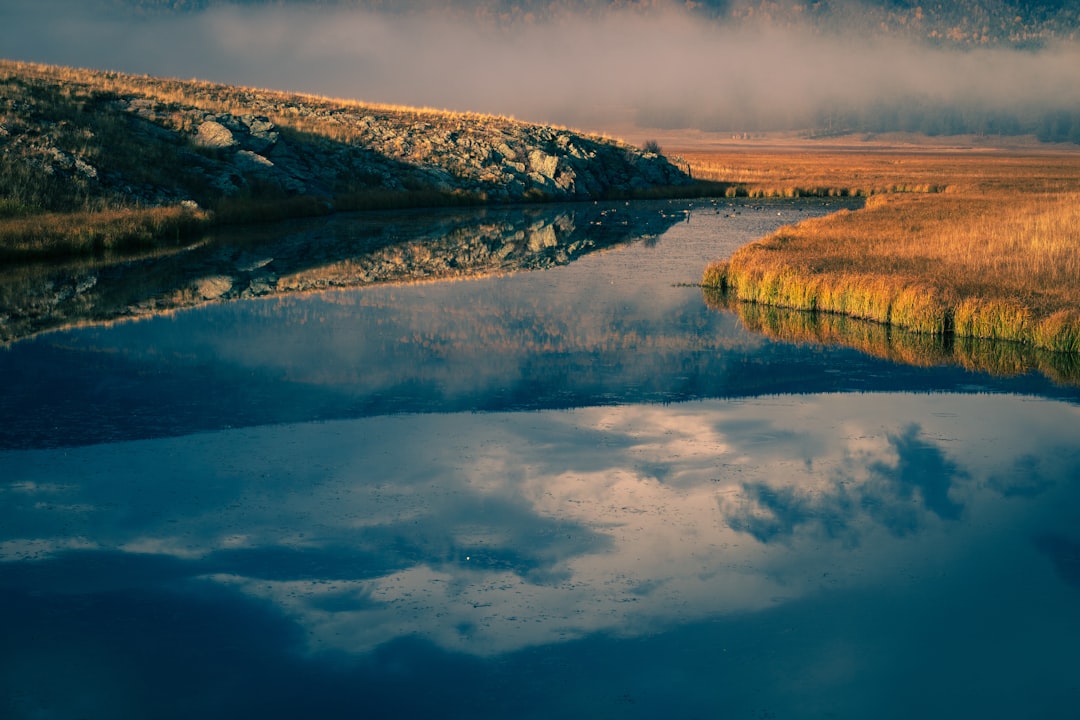
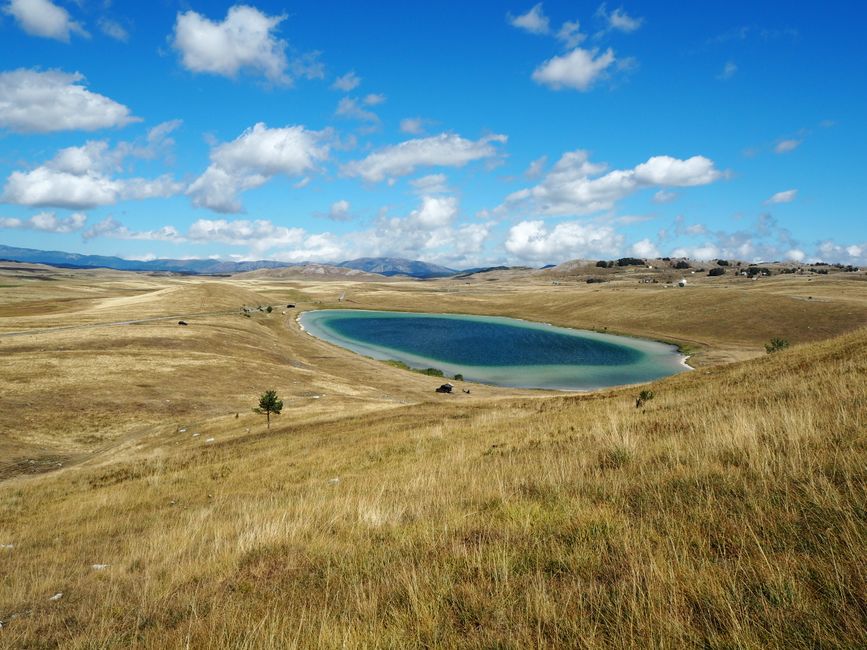
Sedam Jezera (Seven Lakes) — A short, steep hike from the Black Lake leads to a series of seven glacial lakes nestled in a cirque. The highest lake, Veliko Jezero, sits at 2,148 meters. The trail is well-marked but steep, with rocky sections. It's a 2-3 hour round trip, offering some of the best views in the park.
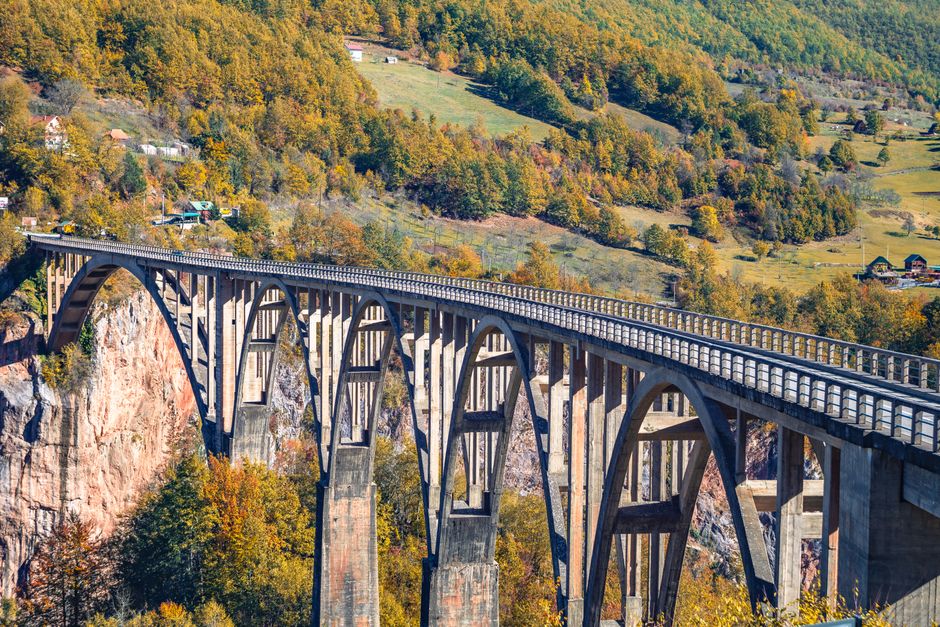
Tara River Canyon Bridge — Located about 30 minutes from Žabljak, this iconic bridge spans the Tara River Canyon, the deepest in Europe (1,300 meters). The view from the top is vertigo-inducing. It's a stop for photos, but also a reminder of the sheer scale of the landscape.
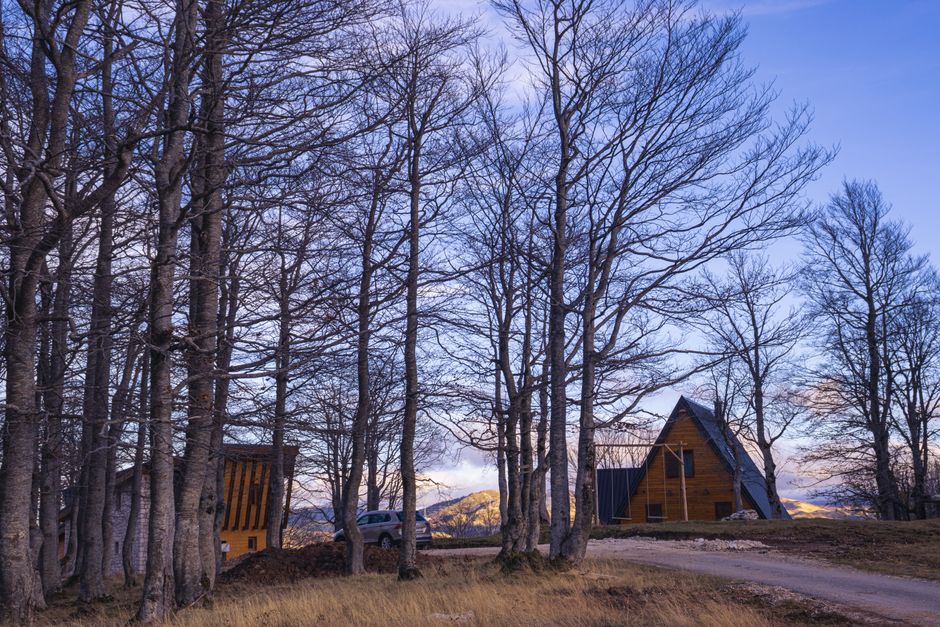
Žabljak Old Town — The village itself is a small, charming town with wooden chalets and a few cafes. It's the base for most hikers, with a range of accommodations and restaurants. The Crno Jezero is just a 10-minute drive away, making it a convenient hub.
What to Eat & Drink
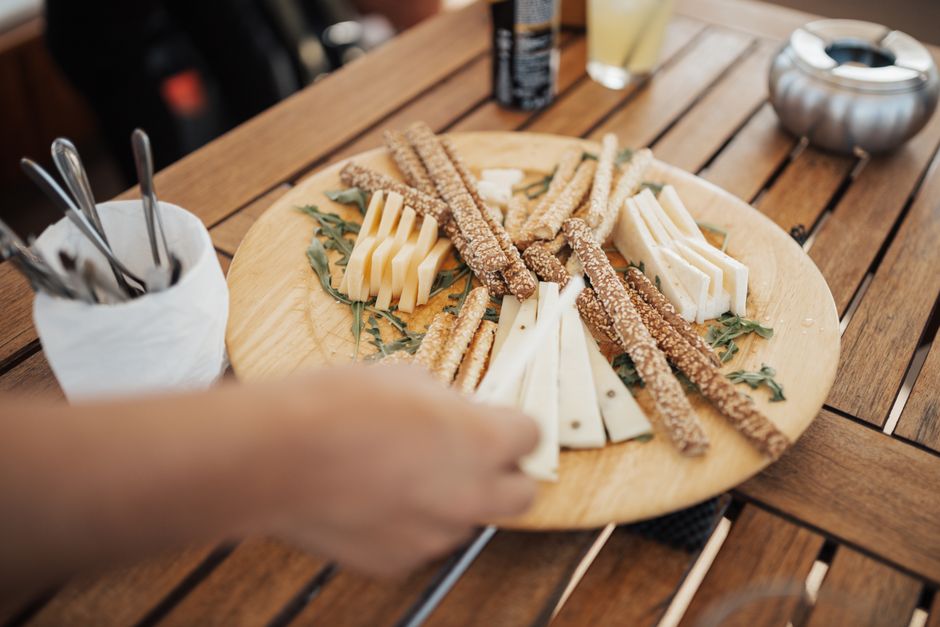
Eating in Žabljak is a matter of survival and sustenance. The menu is dominated by hearty, calorie-dense dishes designed to fuel hikers. Ćevapi — small grilled minced meat sausages — are a staple, costing around 5-7 EUR. Pair them with lepinja (flatbread) and ajvar (red pepper relish) for a meal that sticks to your ribs. Pršut (cured ham) and kačkavalj (cheese) are also ubiquitous, often served as appetizers or snacks.
For a sit-down meal, expect to pay 10-15 EUR per person for a main course like jagnjetina (roast lamb) or ribli paprikaš (fish stew). Street food options are limited, but you can find pogača (savory pie) for 2-3 EUR from local bakeries. Don't miss the žabljak market for fresh produce and local cheeses. For a quick bite, domaći sir (homemade cheese) with honey is a sweet and salty treat.
Nightlife
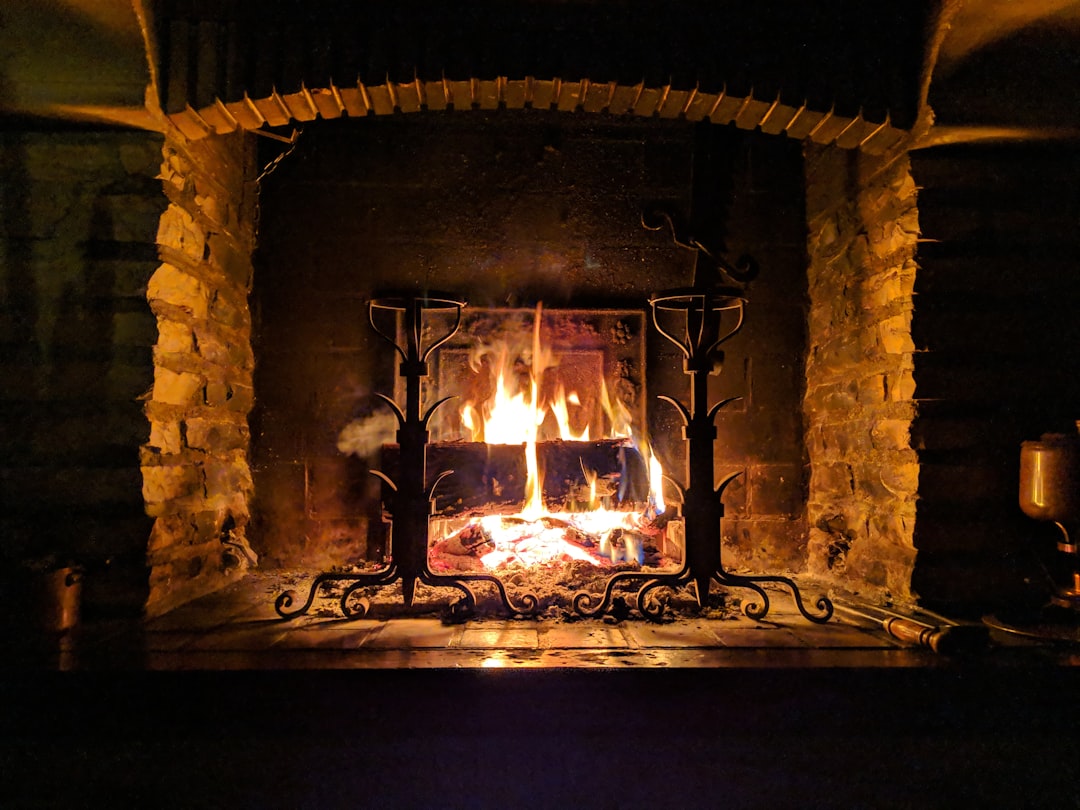
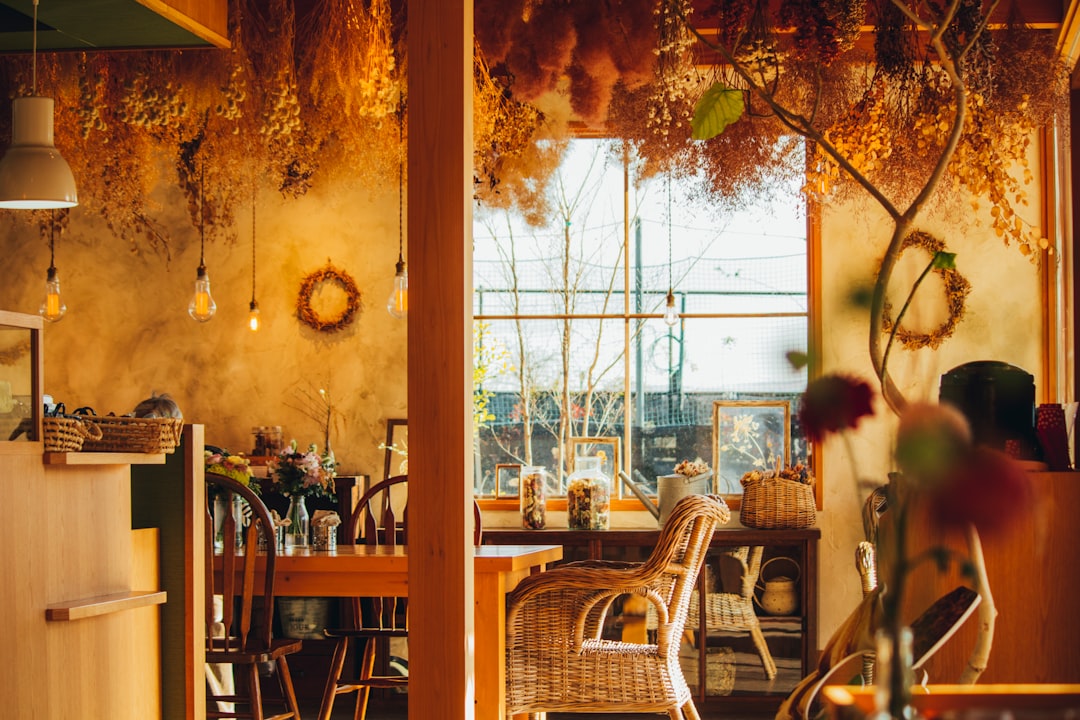
Forget clubs and neon lights. Nightlife in Žabljak is quiet, centered around a handful of bars and cafes where hikers gather to warm up and share stories. Bar Crno Jezero is a popular spot, with live music on weekends and a cozy fireplace. Cafe 13 is another favorite, known for its strong coffee and relaxed atmosphere. Prices are reasonable: a beer costs 2-3 EUR, and a cocktail 4-6 EUR. The vibe is more "campfire chat" than "dance floor frenzy," but it's the perfect end to a day in the mountains.
Getting There & What to Expect
The nearest airport is Podgorica Airport, about 150 km from Žabljak. From there, you can take a bus or rent a car. The drive takes about 2.5 hours, but the road can be winding and challenging in winter. Buses from Podgorica to Žabljak cost 10-15 EUR and take about 3 hours. If you're coming from Belgrade or Sarajevo, the journey is longer (4-5 hours by bus or car).
Accommodation in Žabljak ranges from budget hostels (20-30 EUR/night) to mid-range hotels (50-80 EUR/night). Camping is also an option, with a few campsites near the Crno Jezero. The best time to visit is from June to September, when the weather is mild and the trails are clear. In winter, the park is a skier's paradise, but the Sedam Jezera trail is often closed due to snow.
Search accommodation in Žabljak on Booking.com →
The Final Push
As the sun dipped below the peaks, casting long shadows across the Crno Jezero, I realized I hadn't taken a single photo of the Sedam Jezera. My hands were too cold, my mind too full. The shepherd was gone, but his nod lingered. This place doesn't want to be captured; it wants to be felt. The trail to the seven lakes is a test, but the reward isn't just the view. It's the silence, the cold, the sense that you're walking on the edge of the world. And if you listen closely, you might just hear the giant breathing.
Comments