


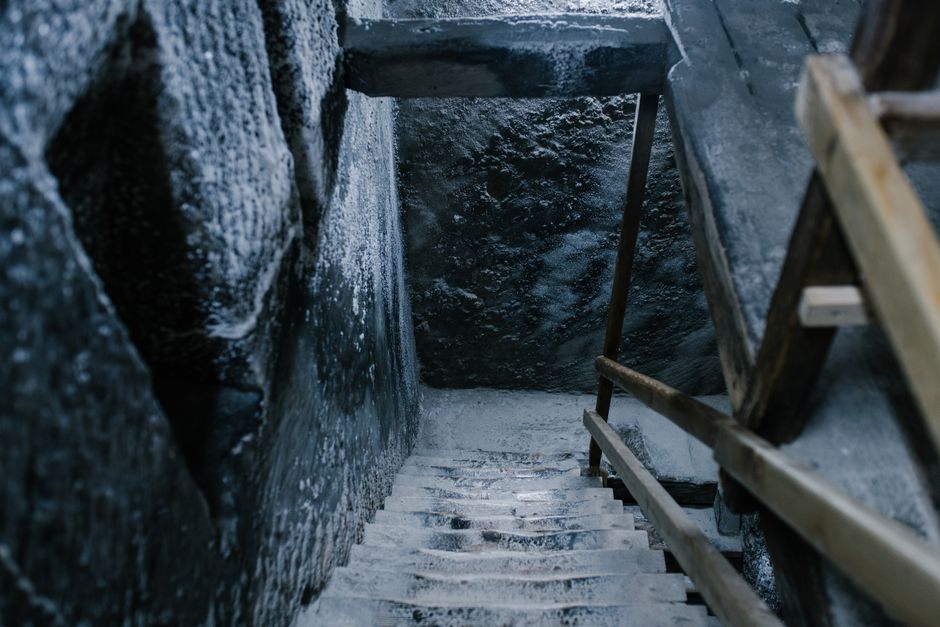
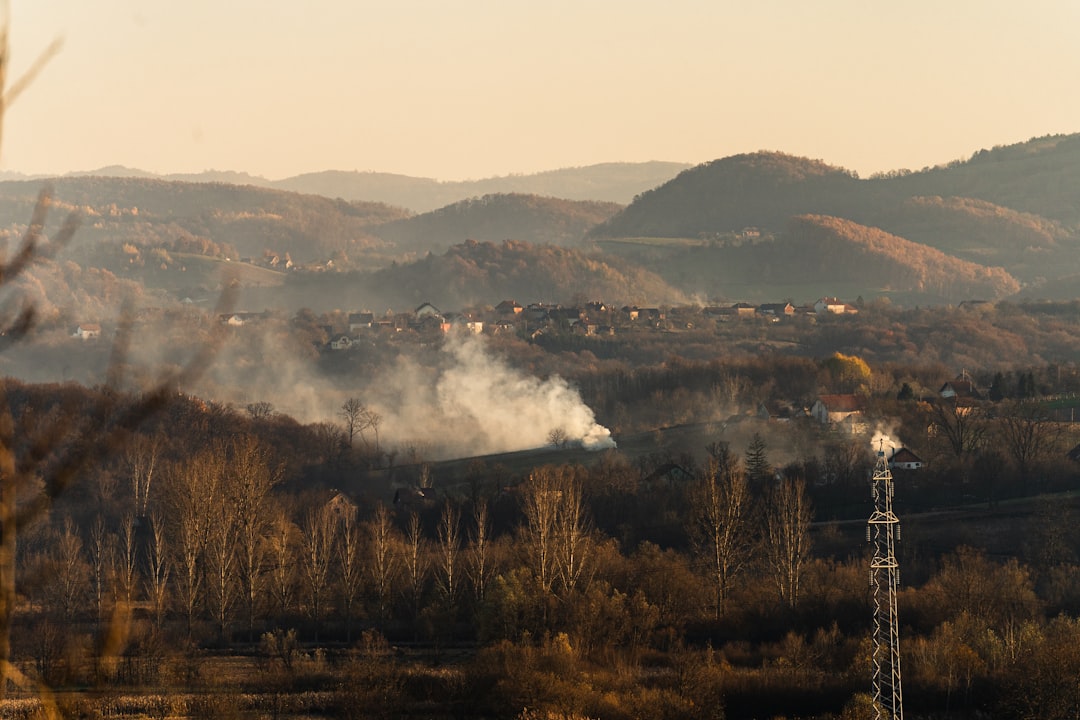
The air in Slatina doesn't just smell of brine; it tastes of it. I arrived at dusk, the sky bruising purple over the Pannonian Plain, and the first thing that hit me wasn't the sight of the town, but the sound. A low, rhythmic thrumming vibrated through the soles of my boots, a subterranean heartbeat that had been pounding for over a century. It's the sound of machinery, yes, but it feels older, primal. I sat on a bench near the main square, watching locals sip coffee, their faces illuminated by the warm glow of streetlamps, while underground, the earth was still being hollowed out. This isn't a ghost town frozen in time; it's a living, breathing organism fueled by its own white blood.
Most people drive past Slatina on their way from Novi Sad to Belgrade, seeing only the nondescript buildings and the railway tracks. They miss the point. This town exists because of what's beneath it. To visit Slatina is to step into a world where industry and identity are fused. It's not about the "hidden gem" narrative; it's about the raw, unpolished reality of a community built on extraction. The salt here isn't just a commodity; it's the reason the streetlights are on, the reason the cafes are full, and the reason the history books have a page dedicated to this specific patch of Serbia.
History & Identity
The story of Slatina is the story of salt. Long before the Ottoman Empire or the modern Serbian state, the region was known for its saline springs. But it was in the 19th century that things changed. The construction of the railway in the 1880s connected this small settlement to the wider world, turning a local resource into an industrial powerhouse. The town literally grew around the mine. If you look at the map, the urban layout radiates from the industrial zone, a clear testament to how the mine dictated the flow of life here.
During the Yugoslav era, Slatina became a symbol of socialist industrial progress. The mine was modernized, expanded, and became a point of local pride. Workers marched in parades, and the town's identity was inextricably linked to the salt production. Even today, you can see the remnants of that era in the architecture and the community spirit. The mine didn't just provide jobs; it provided a sense of purpose. It was a place where people knew their role in the larger machine, and that sense of belonging still lingers in the streets.
Today, the mine is still operational, though it has evolved. It's no longer just about raw extraction; it's about processing, packaging, and even tourism. The town has managed to balance its industrial heritage with a growing interest in its history. The Salt Museum is a key part of this, preserving the tools, photographs, and stories of the miners who came before. It's a reminder that while the methods may change, the essence of Slatina remains the same.
Where to Go
The Salt Museum — This is the heart of Slatina's heritage. Housed in a building that once served the mine, the museum offers a comprehensive look at the history of salt production in the region. You'll find old mining equipment, photographs of miners from different eras, and exhibits on the scientific aspects of salt extraction. It's not just a dusty collection of artifacts; it's a well-curated journey through time. Entry is affordable, and the staff are knowledgeable and passionate about their subject. It's the best place to start if you want to understand why this town matters.
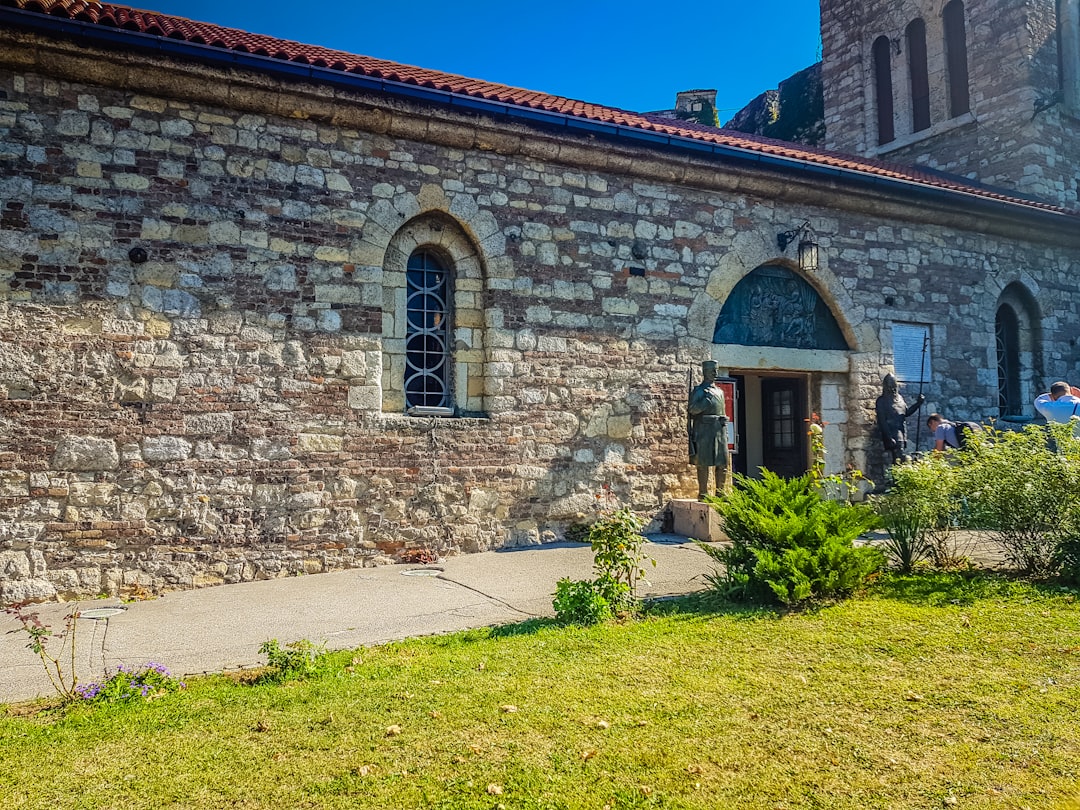
The Old Mine Entrance — Located just outside the town center, the old mine entrance is a striking visual reminder of Slatina's industrial past. The structure is imposing, with heavy iron gates and weathered stone walls. While you can't go underground without a guided tour, standing at the entrance gives you a sense of the scale and depth of the operation. It's a popular spot for photographers and locals alike, who often gather here to talk about the mine's history. The surrounding area is being developed into a small park, making it a pleasant place for a short walk.
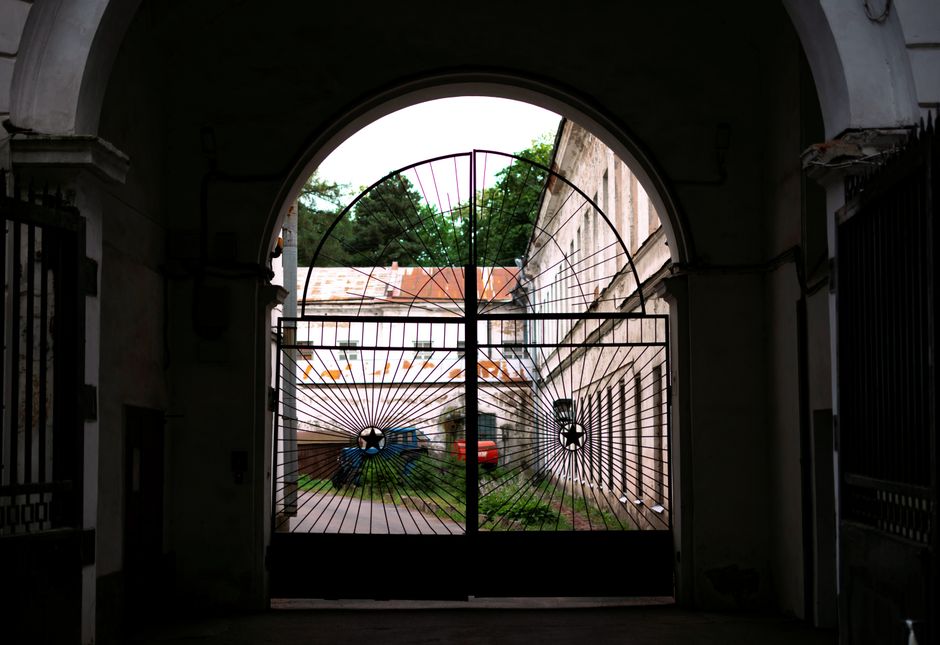
The Town Square — At the center of Slatina lies the town square, a bustling hub of activity. Surrounded by cafes, shops, and the local church, it's the perfect place to soak up the local atmosphere. On weekends, you'll find street vendors selling fresh produce and handicrafts. It's a lively, friendly spot where you can strike up a conversation with locals and get a real sense of community life. The square is also a good base for exploring the rest of the town on foot.
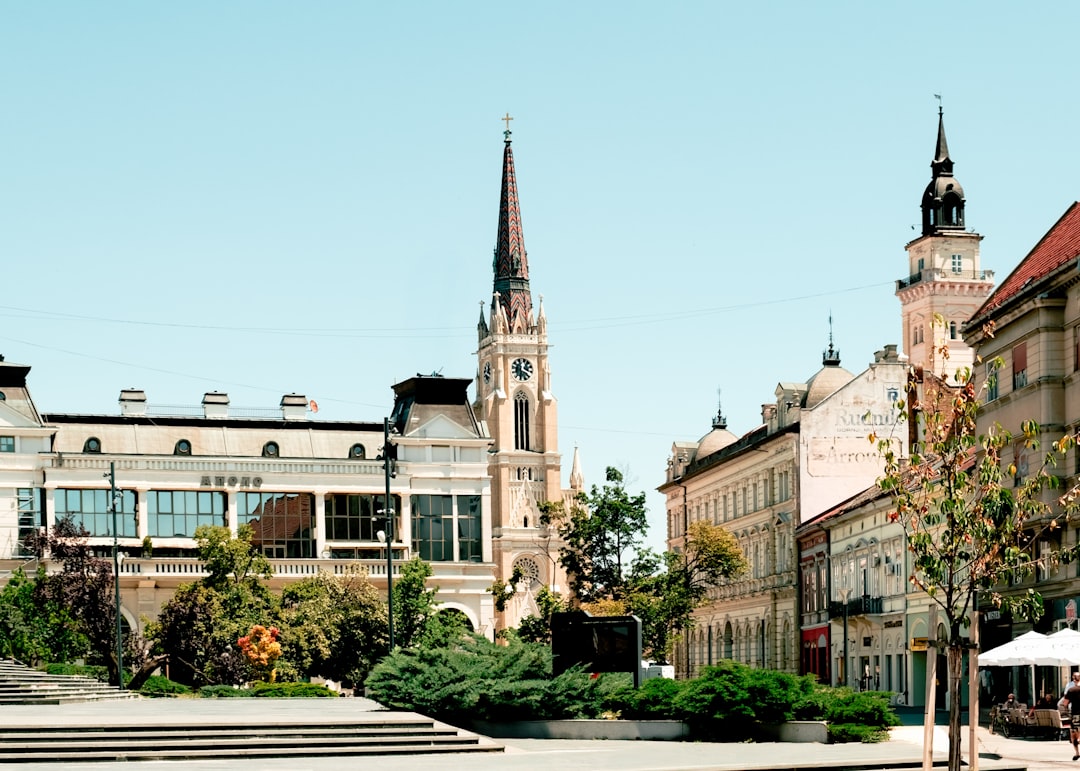
The Railway Station — The railway station in Slatina is more than just a transit point; it's a piece of living history. The building itself is a charming example of late 19th-century architecture, with ornate details and a sense of grandeur that speaks to the importance of the railway in the town's development. Today, it's still a busy hub, with trains connecting Slatina to Novi Sad and Belgrade. It's a good place to watch the comings and goings of travelers and to appreciate the role the railway played in shaping the town.
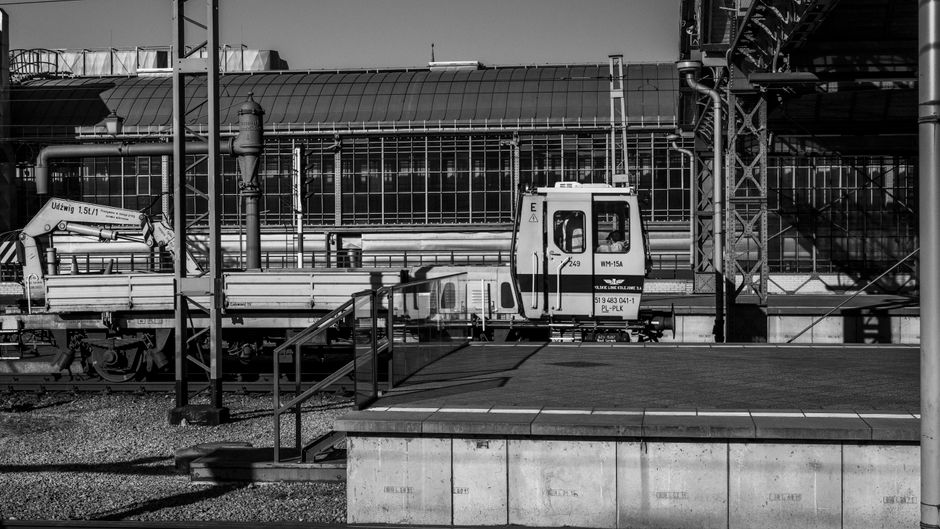
The Salt Processing Plant — For those interested in the modern side of Slatina's industry, the salt processing plant is worth a visit. While access is restricted for safety reasons, you can often get a good view from the surrounding roads. The plant is a testament to the technological advancements in salt production, with modern machinery and efficient processes. It's a reminder that Slatina is not just a relic of the past but a dynamic, evolving town.
What to Eat & Drink
Eating in Slatina is a no-frills affair, focusing on hearty, traditional Serbian cuisine. You won't find Michelin-starred restaurants here, but you will find food that is flavorful, affordable, and made with care. The local cuisine is influenced by the broader Vojvodina region, with a focus on meats, dairy, and fresh vegetables.
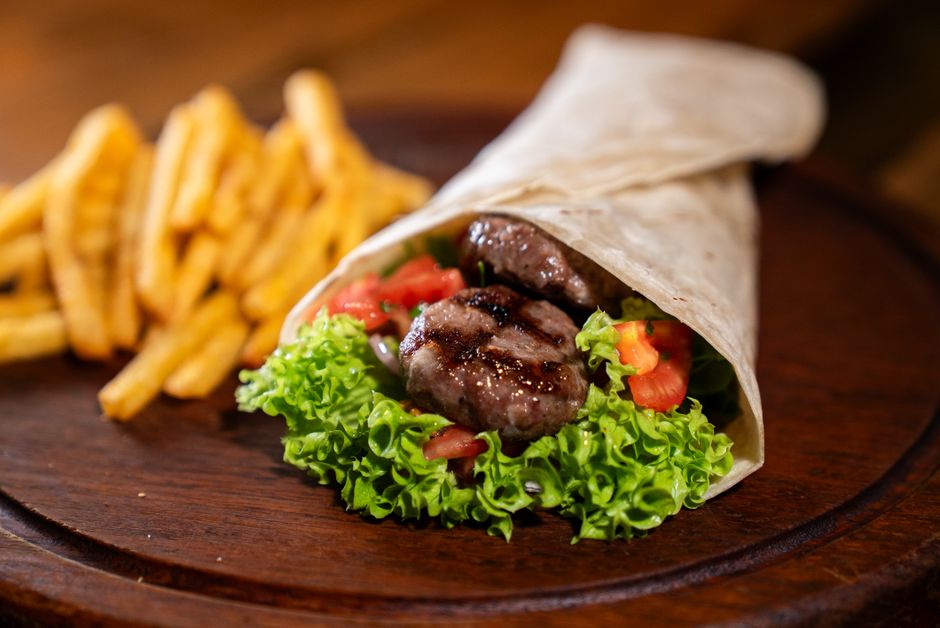
Start with ćevapi — small, grilled minced meat sausages served with somun bread and onions. They're typically priced at 3-4 EUR per serving and are a staple of Serbian street food. For something lighter, try šopska salata — a refreshing mix of diced tomatoes, cucumbers, onions, and peppers, topped with kajmak (a creamy dairy product). It's usually around 3 EUR and is a perfect accompaniment to any meal. Don't miss the sarma — cabbage rolls stuffed with minced meat and rice, slow-cooked to perfection. It's a hearty dish that's perfect for colder days and costs about 5-7 EUR.
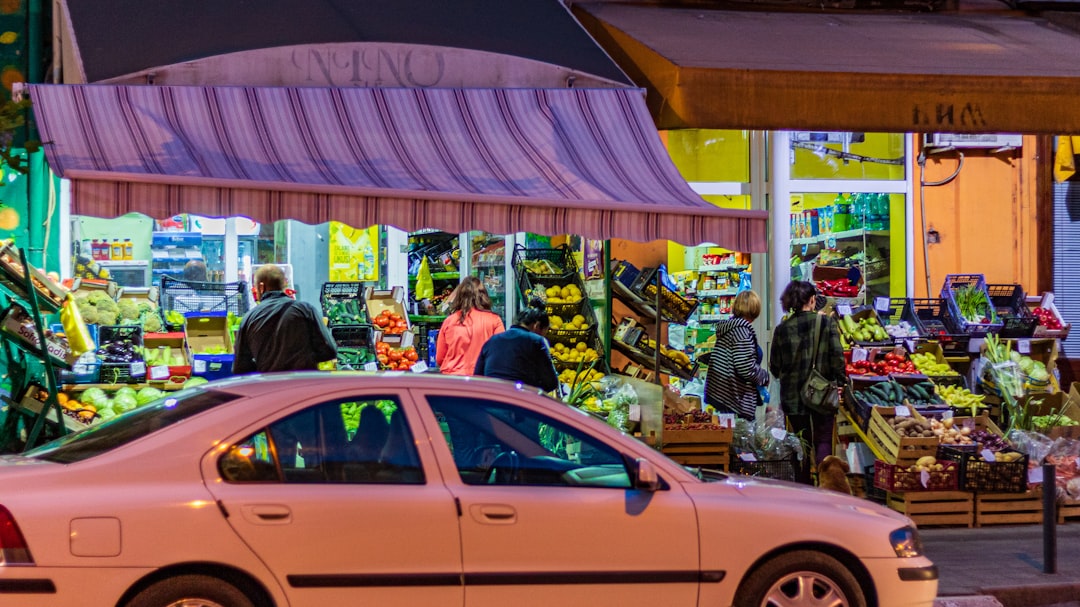
For a budget-friendly meal, head to one of the local bakeries or kiosks. You can grab a pogacha (a traditional bread) or a gibanica (a cheese pie) for 1-2 EUR. These are perfect for a quick snack or a picnic. If you're looking for a sit-down meal, the local restaurants offer a range of dishes at reasonable prices. A main course typically costs 8-15 EUR, while a full meal with a drink can be had for 15-25 EUR. The Slatina Market is a great place to find fresh produce and local delicacies, with prices that are often lower than in the supermarkets.
Nightlife
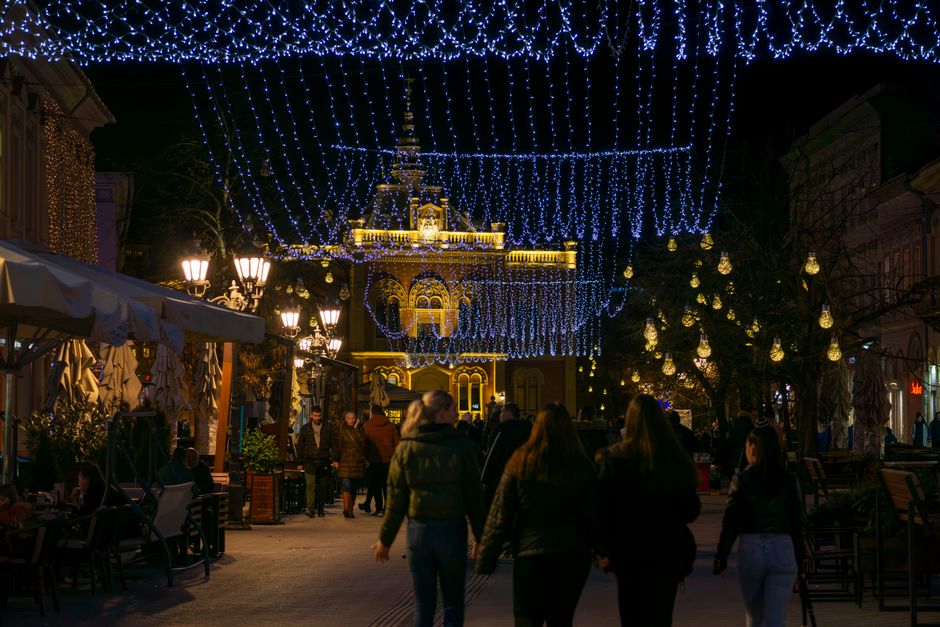
Nightlife in Slatina is low-key and community-focused. There aren't any big clubs or neon-lit bars, but there are plenty of places to unwind with a drink and a conversation. The main hub is the town square, where several cafes and bars spill out onto the sidewalks. In the summer, these outdoor spaces are lively, with locals enjoying the warm evenings and live music.
One of the most popular spots is Kafana Slatina, a traditional cafe that serves a variety of drinks and snacks. It's a place where you can hear folk music, play cards, and chat with locals. The atmosphere is relaxed and friendly, and it's a great way to experience the local culture. Another option is Bar Plaza, a more modern bar that attracts a younger crowd. It has a wider selection of drinks and often features live DJ sets on weekends.
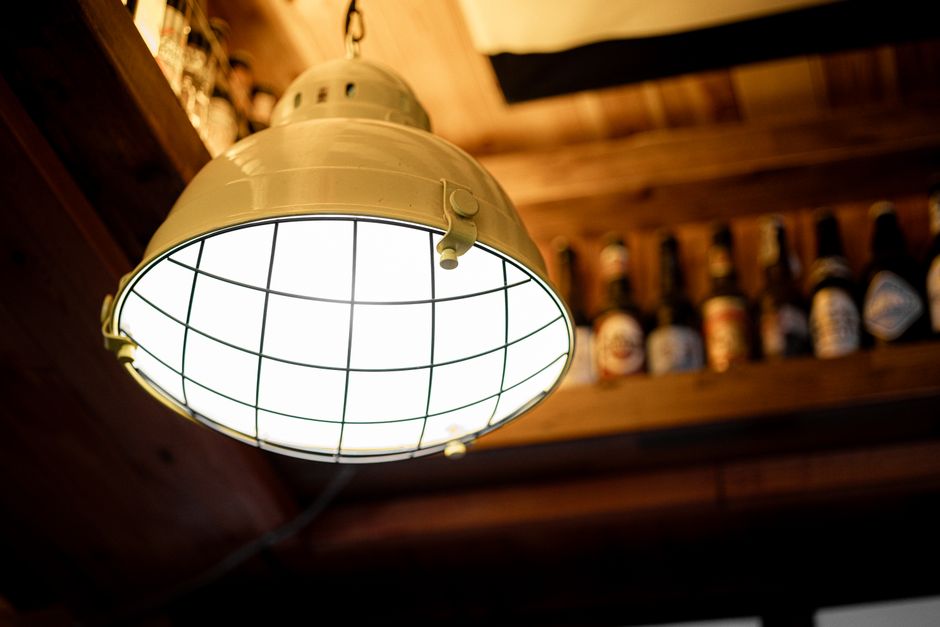
For a more unique experience, try Pub Miners, a themed bar that celebrates Slatina's mining heritage. The decor is industrial, with mining equipment and photos from the mine's history. It's a fun, quirky spot that's perfect for a night out with friends. Cover charges are minimal, usually around 2-3 EUR for a drink, and the atmosphere is always lively.
Getting There & What to Expect
Getting to Slatina is straightforward, thanks to its location on the main railway line between Novi Sad and Belgrade. The nearest major airport is Nikola Tesla Airport in Belgrade, which is about 100 km away. From there, you can take a bus or train to Slatina. The journey from Belgrade takes about 1.5 hours by train, with tickets costing around 5-10 EUR. From Novi Sad, it's a shorter trip, taking about 45 minutes by train, with tickets around 3-5 EUR.
If you're driving, Slatina is easily accessible via the E75 highway. The town is well-signposted, and there are several parking areas available. Public transport within the town is limited, so walking is the best way to get around. The town is compact, and most attractions are within a short distance of each other.
Accommodation in Slatina is affordable, with budget hostels and guesthouses offering rooms for 20-40 EUR per night. Mid-range hotels are also available, with prices ranging from 40-70 EUR per night. These hotels typically offer comfortable rooms, free Wi-Fi, and breakfast. For a more local experience, consider staying in a guesthouse, where you can often interact with the hosts and get insider tips on the best places to visit.
The best time to visit Slatina is during the spring and autumn months, when the weather is mild and pleasant. Summer can be hot, and winter can be cold, but the town is still worth a visit year-round. The Salt Museum and other attractions are open throughout the year, and the local community is always welcoming.
Search accommodation in Slatina on Booking.com →
The Underground Pulse
Leaving Slatina, I realized that the thrumming I'd felt under my feet hadn't stopped. It was still there, a constant reminder of the life force beneath the surface. This town isn't trying to be something it's not. It's not a polished tourist destination with curated experiences and overpriced souvenirs. It's a working town, proud of its heritage and unapologetic about its industry. That's what makes it special. In a world that's increasingly homogenized, Slatina stands out for its authenticity. It's a place where history isn't just a story in a book; it's a living, breathing part of everyday life. And that's a lesson worth taking home.
Comments