


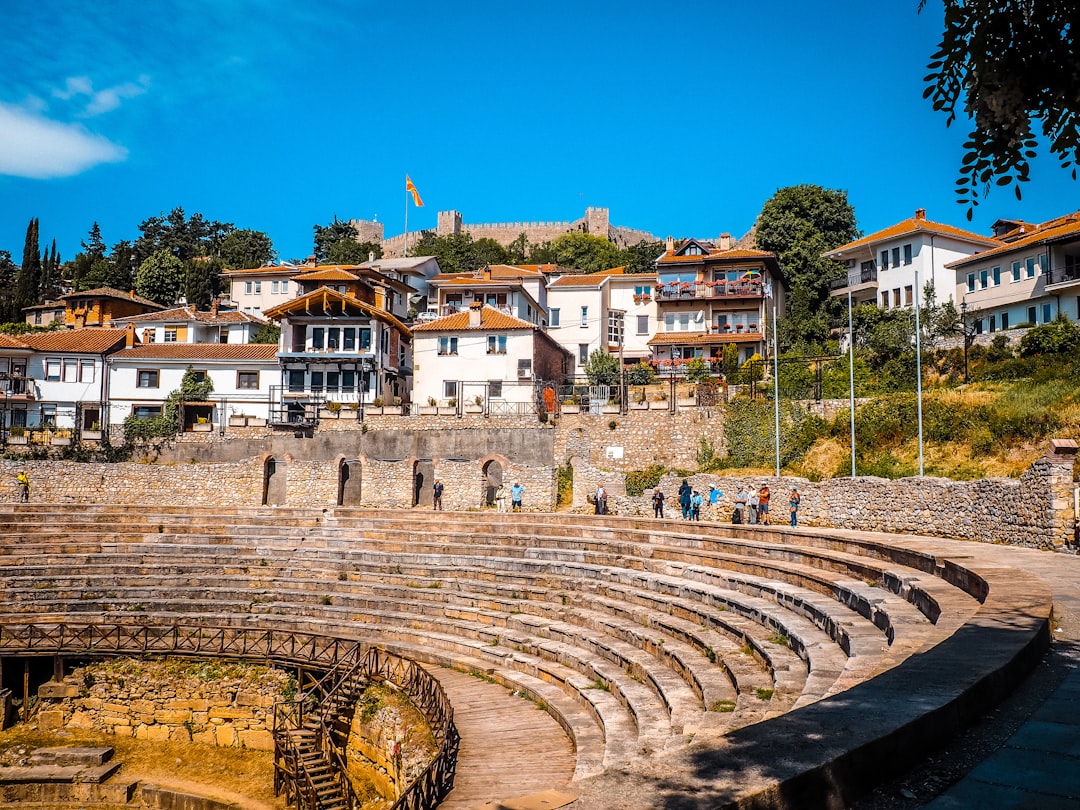
The air in Ohrid doesn't just smell of lake water and grilled fish; it smells of dust and dead empires. I am sitting in the back row of the Ancient Theatre of Ohrid, the stone hard against my spine, watching a group of teenagers from Skopje rehearse a scene from "The Illiad" for a summer festival that hasn't started yet. One kid, shirtless and sweating through the mid-July heat, screams a line at a girl holding a prop sword made of painted cardboard. His voice doesn't echo. It swallows the space. It hits the limestone walls of the Matka Canyon across the bay and bounces back, heavier, older. This isn't a museum piece. It is a living, breathing mouth that has been chewing on history for two thousand years, and it is hungry.
Most tourists in Ohrid are too busy posing in front of the Church of St. John at Kaneo or eating ice cream on the main promenade to notice the stone amphitheater cutting into the hillside near the Old Bazaar. They walk past it, eyes glued to their phones, missing the fact that this is one of the best-preserved ancient theaters in the entire Balkans. I am here because I want to feel the ground shake. I want to know what it felt like to be a slave, a noble, or a drunkard in the first century AD, sitting in the exact same spot, waiting for the curtain to rise on a tragedy that would end in blood. The heat is oppressive, the cicadas are screaming, and the stone is still warm from the Roman sun. This is not a polite visit. This is a confrontation with the past.
History & Identity
The story of this theater is not a gentle one. It was built in the first century AD, during the height of Roman influence in the region, when the city was known as Lychnidos and later as Lychnidos. It was a place of spectacle, of politics, and of excess. The theater could hold up to 5,000 spectators, a massive crowd for a provincial town, indicating that Ohrid was not just a sleepy lakeside settlement but a hub of cultural and political power. The architecture is classic Roman: semicircular seating carved directly into the limestone bedrock, a stage building with elaborate decorations, and a sophisticated drainage system that still works today. It was a place where the elite came to see plays, gladiatorial games, and public speeches.
But empires fall, and stones are reused. In the Middle Ages, the theater was abandoned. The stone was quarried, the stage crumbled, and the site was covered in debris and vegetation. It was forgotten, buried under layers of time and neglect. It wasn't until the early 20th century that archaeologists began to uncover the site. Excavations revealed the impressive scale of the structure, including the cavea (seating area), the orchestra, and the stage building. The theater was restored in the mid-20th century, and today it stands as a testament to the city's ancient past. It is a physical link to a time when Ohrid was a center of Roman civilization, a place where the culture of the empire was performed and consumed.
The theater's identity is tied to the city's broader historical narrative. Ohrid has been a crossroads of cultures for millennia, influenced by Greeks, Romans, Slavs, Byzantines, and Ottomans. The theater represents the Roman layer of this complex history, a period when the city was integrated into the wider Mediterranean world. It reminds us that Ohrid was never isolated, always connected to the larger currents of European history. The stone seats are worn smooth by thousands of feet, a tactile connection to the people who sat here centuries ago. When you run your hand along the stone, you are touching the same surface that a Roman senator might have touched two thousand years ago.
Where to Go
Ancient Theatre of Ohrid — The main attraction. The semicircular seating area is impressive, with rows of stone seats rising up the hillside. The stage building is partially reconstructed, giving you a sense of what the original structure might have looked like. There are informational plaques in several languages, explaining the history and architecture of the theater. Entry is , which is roughly 3 EUR. It is best visited in the early morning or late afternoon to avoid the worst of the heat and the crowds. The acoustics are still remarkable; if you stand in the center of the orchestra and speak, your voice carries clearly to the highest row.
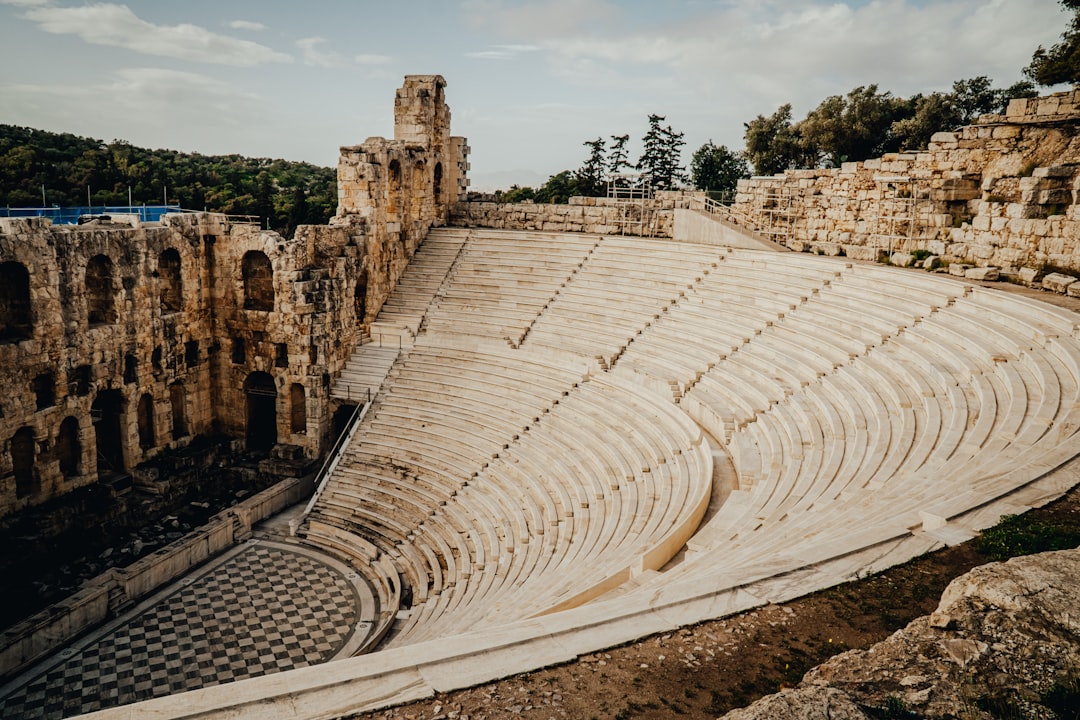
Old Bazaar — Located just a short walk from the theater, the Old Bazaar is a maze of narrow streets, wooden houses, and Ottoman-era buildings. It is a place of vibrant commerce, with shops selling leather goods, jewelry, and traditional crafts. The atmosphere is chaotic and energetic, a stark contrast to the quiet solemnity of the theater. It is a place to get lost, to wander, to discover hidden courtyards and small cafes. The Lead Mosque is a key landmark here, its minaret rising above the rooftops. The bazaar is a living history book, where the Ottoman layer of Ohrid's past is still visible and active.
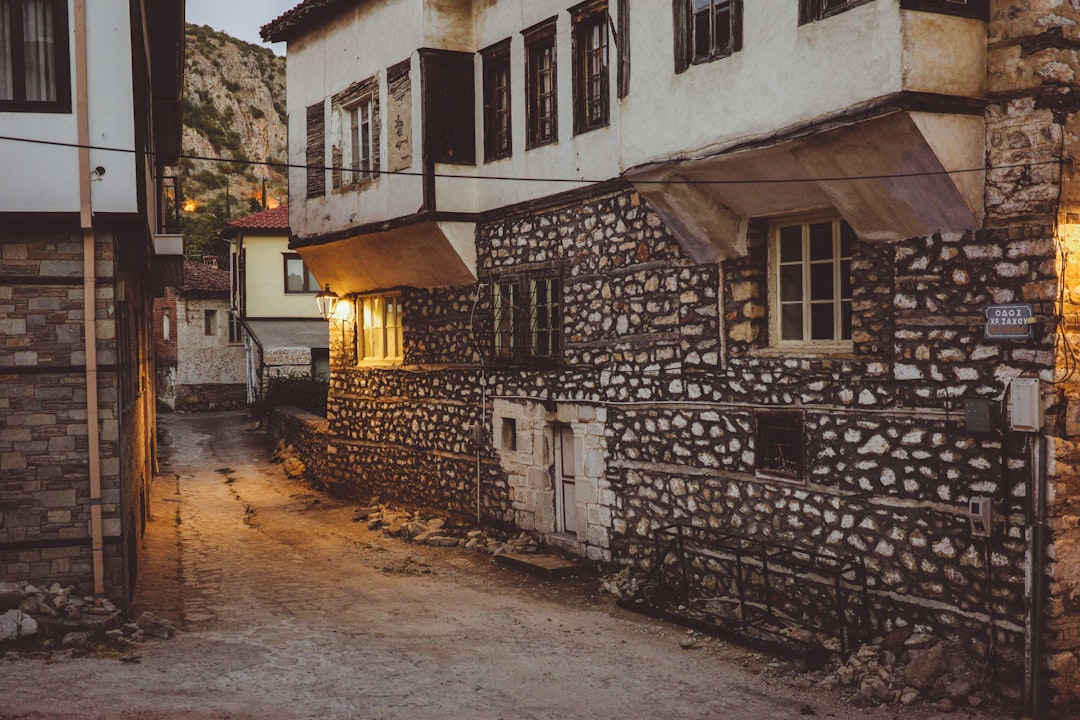
Galichica National Park — For a change of pace, head to Galichica National Park, which surrounds the western side of Lake Ohrid. The park is a network of hiking trails, waterfalls, and monasteries. The landscape is rugged and beautiful, with dense forests and rocky peaks. It is a place to escape the crowds and the heat, to breathe fresh air and enjoy the silence. The Grluša Waterfall is one of the most popular destinations, a powerful cascade that plunges into a deep pool. The park is a reminder of the natural beauty that surrounds Ohrid, a beauty that has been preserved for centuries.
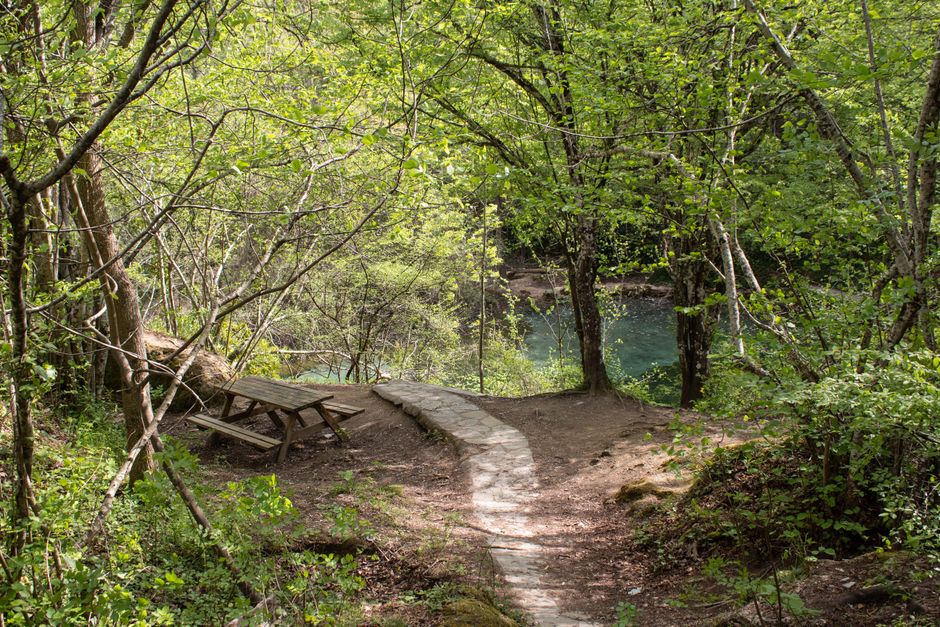
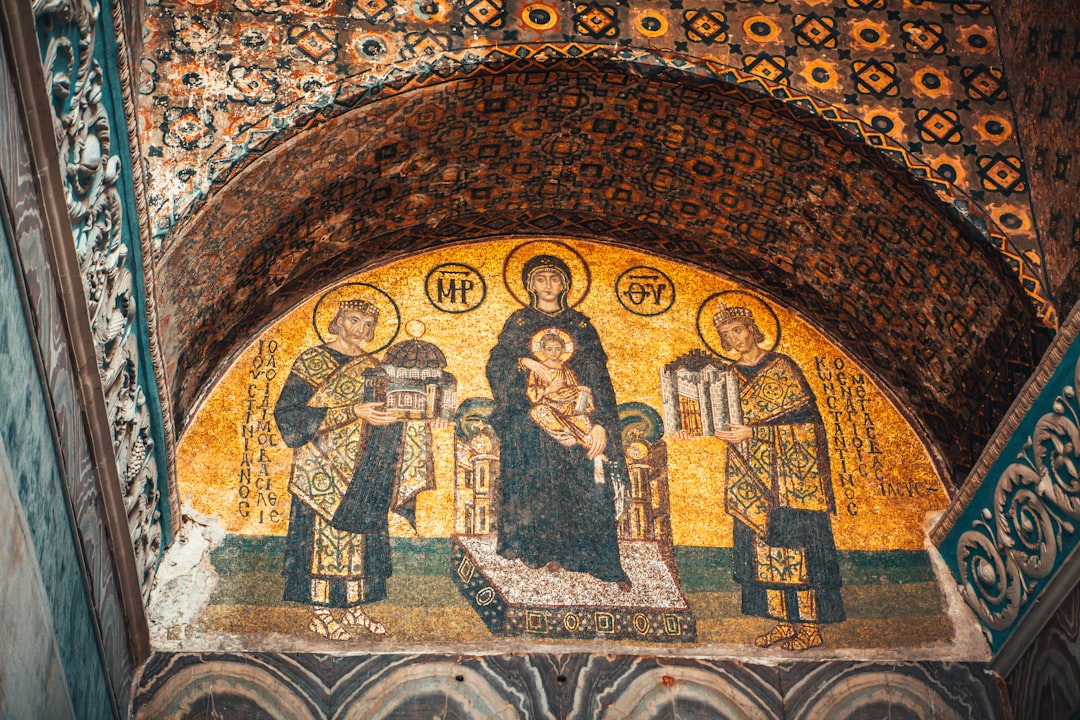
Church of St. Sophia — Another key historical site in Ohrid, the Church of St. Sophia is a Byzantine church built in the 11th century. It is one of the most important examples of Byzantine architecture in the Balkans, with impressive frescoes and mosaics. The church is a museum today, and it houses a collection of religious artifacts and manuscripts. It is a place of quiet contemplation, a contrast to the noisy energy of the Old Bazaar. The frescoes are vibrant and well-preserved, depicting scenes from the Bible and the lives of the saints. It is a testament to the religious and cultural significance of Ohrid in the Middle Ages.
What to Eat & Drink
After exploring the theater, you will be hungry. The food scene in Ohrid is a mix of traditional Macedonian cuisine and international influences. You can find ćevapi (small grilled meat sausages) for 2-3 EUR, served with somun bread and onions. Shopska salad (tomatoes, cucumbers, peppers, onions, and sirene cheese) is a refreshing side dish for 2-3 EUR. For something more substantial, try tavče gravče (baked beans with peppers and meat), a hearty dish for 4-5 EUR. If you want to try something local, look for pastrma (cured meat) or tračka salata (a variation of shopska salad with more peppers).
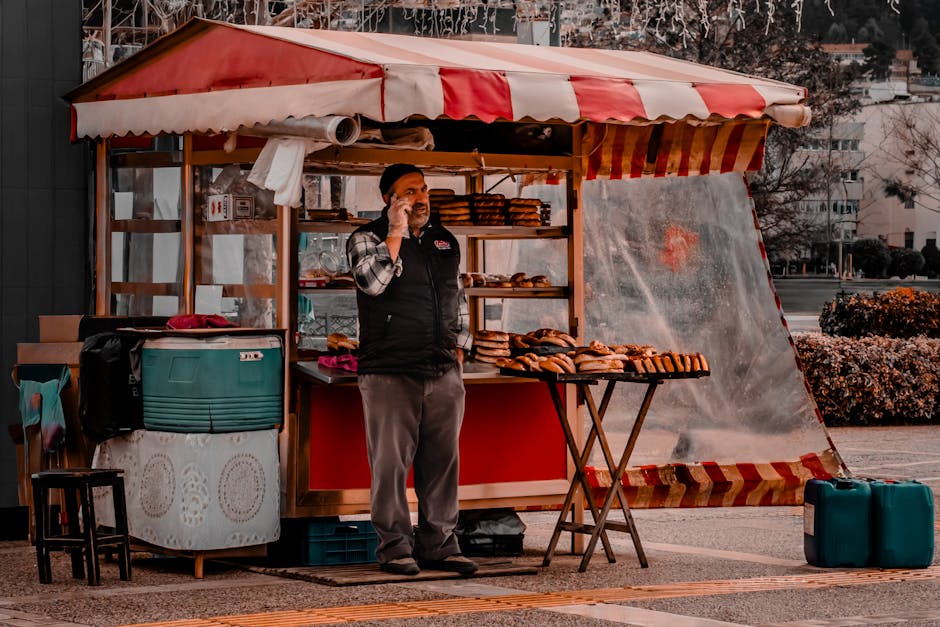
Budget travelers can eat well in Ohrid. Street food and take-away options are plentiful and cheap. You can find burek (meat or spinach pie) for 1-2 EUR, perfect for a quick snack. Sit-down local restaurants offer meals for 8-15 EUR per person, including a main dish and a drink. Mid-range restaurants, often with lake views, charge 15-25 EUR per person. The main food street is St. Clement of Ohrid Street, which runs along the lake and is lined with cafes and restaurants. There are also several food courts and markets where you can find cheap and tasty food. Don't miss the local rakija (fruit brandy), which is strong and flavorful. A glass of lozova (grape rakija) costs about 1-2 EUR.

Nightlife
Ohrid's nightlife is centered around the lakefront and the Old Bazaar. The main bar district is along St. Clement of Ohrid Street, where you will find a mix of cocktail bars, beer gardens, and clubs. The atmosphere is relaxed and friendly, with locals and tourists mingling. Popular venues include Bar Lake, a stylish cocktail bar with lake views, and Pub Old Bazaar, a lively pub with live music. Cover charges are rare, but drinks can be expensive. A beer costs about 2-3 EUR, and a cocktail can cost 5-8 EUR. The nightlife scene is not as intense as in bigger cities like Skopje or Belgrade, but it is vibrant and enjoyable. The music ranges from pop and rock to traditional Macedonian folk music.
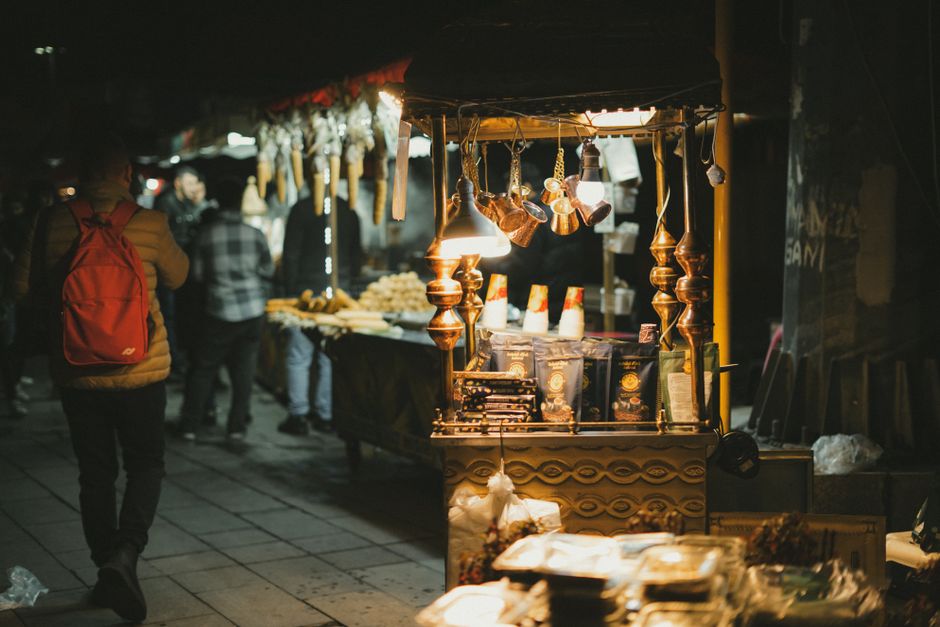
For a more authentic experience, head to the Old Bazaar, where you will find smaller bars and cafes tucked away in the narrow streets. These places are often less crowded and more intimate, with a more local clientele. The atmosphere is cozy and relaxed, perfect for a quiet drink and a conversation. The Old Bazaar Night Market is a popular spot in the summer, with street food, live music, and a festive atmosphere. It is a place to experience the local culture and to meet the people of Ohrid. The nightlife here is not about partying until dawn; it is about enjoying the evening, the company, and the unique atmosphere of this ancient city.
Getting There & What to Expect
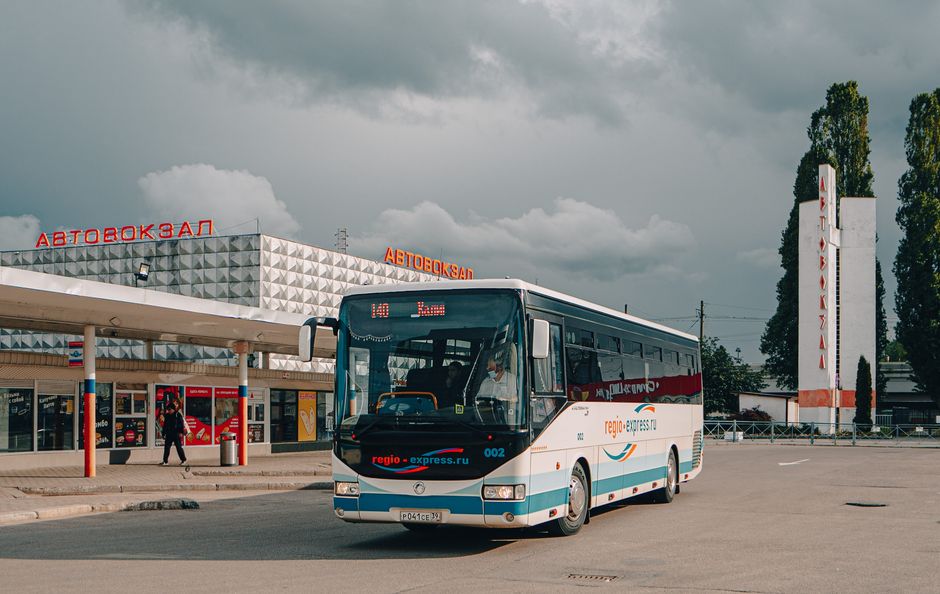
Ohrid is well-connected by road and bus. The nearest airport is in Skopje, about 150 km away. Buses run regularly between Skopje and Ohrid, taking about 2.5 to 3 hours and costing 10-15 EUR. You can also rent a car in Skopje and drive to Ohrid, which is a scenic route through the Macedonian countryside. Buses also run from other major cities in the region, including Belgrade, Sofia, and Tirana. The bus station in Ohrid is located in the center of the city, a short walk from the lake. Taxis are available but can be expensive. It is best to negotiate the fare before you get in.
Accommodation in Ohrid ranges from budget hostels to luxury hotels. Budget hostels cost about 20-40 EUR per night, while mid-range hotels cost 50-100 EUR per night. Luxury hotels with lake views can cost 150-300 EUR per night. The best time to visit Ohrid is in the spring (April to June) or autumn (September to October), when the weather is mild and the crowds are smaller. Summer (July and August) is hot and crowded, but it is also the peak season for festivals and events. Winter is quiet and cold, but it is a good time to see the city without the tourist crowds. Expect to spend at least two or three days in Ohrid to see all the main sights and to experience the local culture.
Search accommodation in Ohrid on Booking.com →
The Stone Remembers
I leave the theater as the sun sets, the stone cooling beneath my feet. The teenagers are gone, the cardboard sword is broken, and the silence returns. But the feeling remains. The theater is not just a ruin; it is a vessel. It holds the echoes of laughter, tears, and screams from two thousand years ago. It is a reminder that we are not the first to seek entertainment, to seek meaning, to seek connection. The stone is indifferent to our presence, but it is not empty. It is full of voices, full of stories, full of life. I walk back to the lake, the sound of my footsteps echoing in the narrow streets. I am just another visitor, another foot on the stone, but for a moment, I felt the weight of history. I felt the past. And it was heavy, and it was real, and it was mine.
Comments