


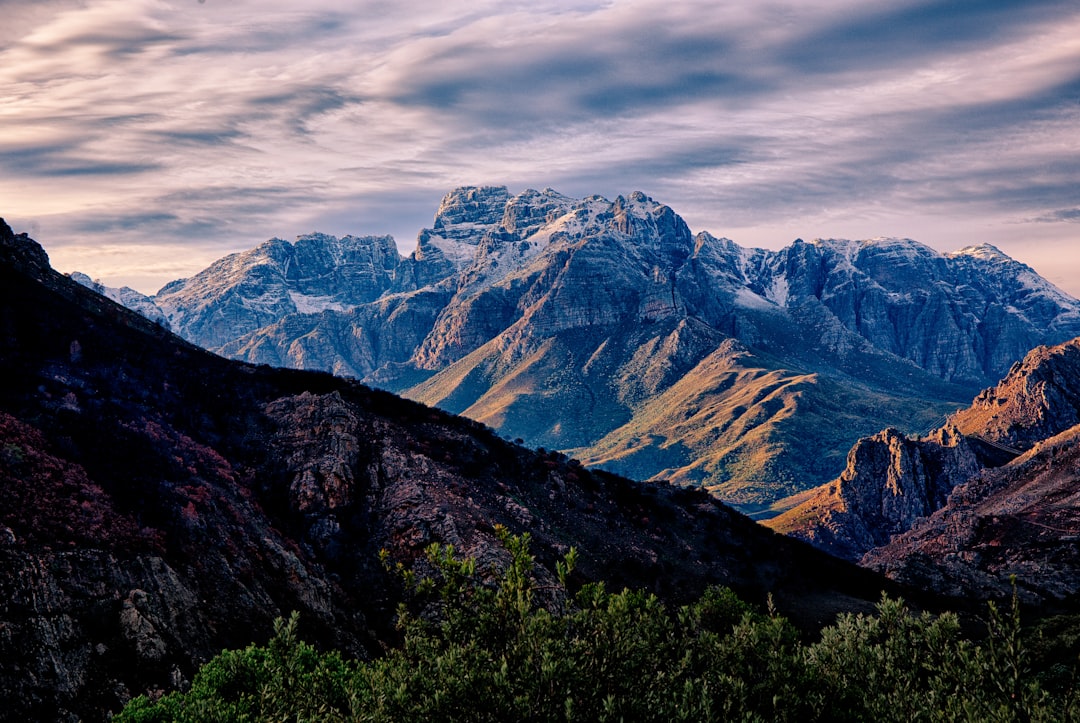
My hands are shaking, not from fear, but from the sheer, bone-chilling reality of hanging off a limestone spire that looks like it was carved by a mad god. The wind here in the Accursed Mountains doesn't blow; it screams. It tears at my harness, rattles my helmet, and carries the scent of pine and ancient stone. Below me, a thousand meters down, the world is a blurred tapestry of green valleys and white river rapids. Above me, only the jagged, tooth-like silhouette of Pyramid Peak remains. This isn't a hike. This isn't a scenic stroll for Instagram. This is technical alpinism in the last true wilderness of the Balkans.
I’m not alone in this madness. Beside me, a local guide from Theth checks my knots with a calmness that borders on arrogance. He’s done this route a hundred times. I’m doing it for the first time. The air is thin, sharp, and tastes like iron. This is the north of Albania, a region that has guarded its secrets behind a wall of communism and geography for decades. Now, the walls are coming down, but the mountains remain indifferent to your presence. They demand respect, skill, and a willingness to face the void.
The Fortress of the Balkans
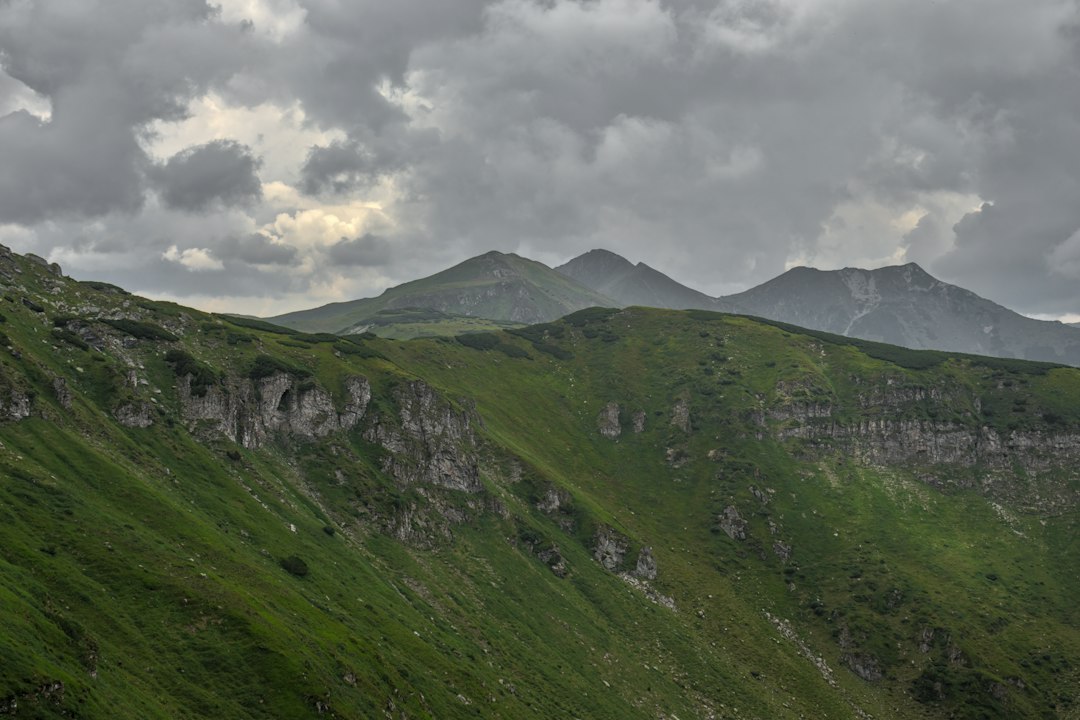
The Accursed Mountains, or Prokletije as they are known locally, form a jagged spine along the borders of Albania, Montenegro, and Kosovo. For centuries, these peaks were considered cursed because of their sheer inaccessibility. They were the refuge of bandits, the hideout of rebels, and the final frontier for explorers. The geology is brutal: towering limestone and dolomite spires that rise abruptly from deep, forested valleys. There are no gentle slopes here, only vertical faces and razor-sharp ridges.
Pyramid Peak is one of the most iconic formations in this range. Standing at 2,534 meters, it is not the highest peak in the Prokletije—that title belongs to Jezerca at 2,694 meters—but it is arguably the most dramatic. Its shape is unmistakable: a sharp, symmetrical pyramid that pierces the sky. The climb involves exposed scrambling, short sections of technical rock climbing, and a final push up a narrow, vertigo-inducing ridge. It is a climb that tests your nerve as much as your fitness.
The history of the region is as rugged as its terrain. The Albanian Alps were isolated from the rest of the world during the communist era under Enver Hoxha. Borders were sealed, and the mountains became a no-go zone. Today, the area is part of Theth National Park and the Valbona Valley National Park, protected areas that are slowly opening up to adventure tourism. But the infrastructure is still raw. There are no cable cars, no ski lifts, no paved roads to the summit. You earn every meter of elevation.
The Approach and the Ascent
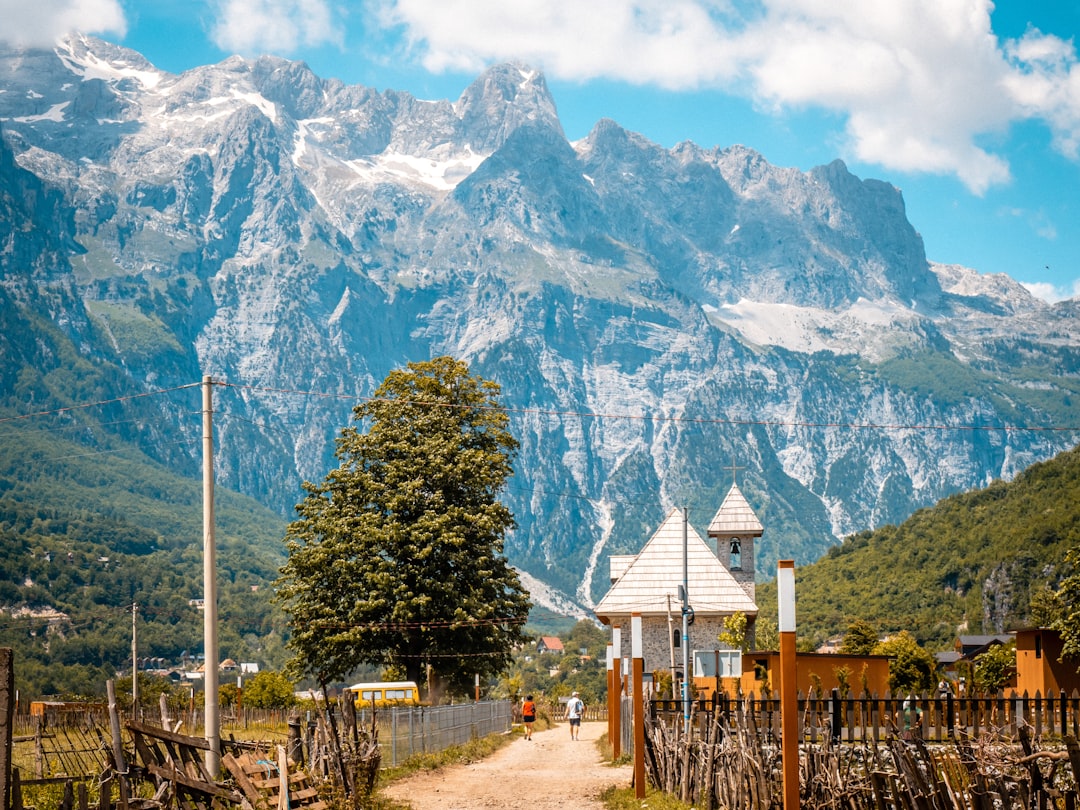
The journey begins in Theth, a small village perched high in the valley at 1,417 meters. The village is a cluster of traditional stone houses, their dark wood balconies carved with intricate floral patterns. It’s a place where time seems to have stopped, where the only sounds are the ringing of cowbells and the rush of the Theth River below. From here, the approach to Pyramid Peak is a long, grueling trek through dense forests and rocky scree fields.
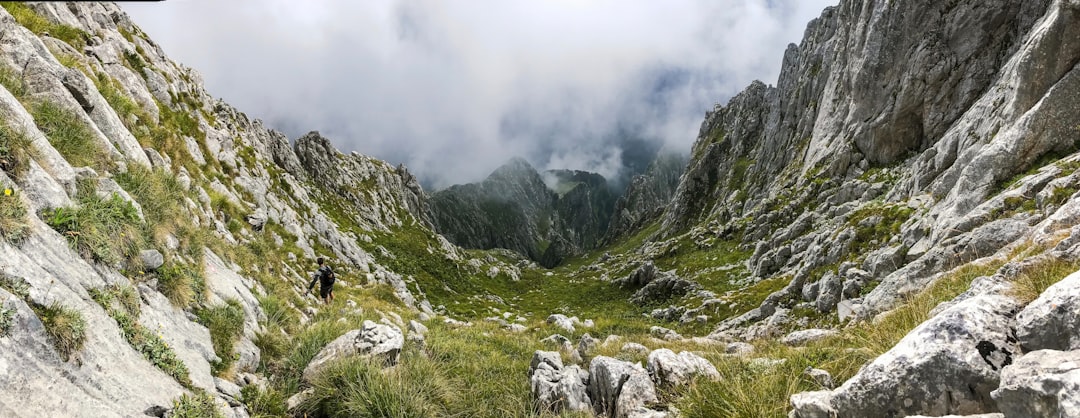
The trail starts near the Grunas Waterfalls, a series of cascades that drop down a cliff face like frozen lightning. The path is well-marked but steep, gaining elevation quickly. As you ascend, the forest thins, giving way to alpine meadows dotted with wildflowers in the summer and stark, grey rock in the winter. The air gets thinner, the wind stronger. By the time you reach the base of the peak, you’ve already climbed over 1,000 meters.
The technical section begins at the base of the pyramid. The rock is limestone, often chalky and loose, requiring careful foot placement and solid handholds. The climb is rated as moderate to difficult, depending on the route. The classic route involves a series of short pitches, each requiring ropes and harnesses. The exposure is intense, with drops on all sides. It’s not a climb for beginners, but for experienced alpinists, it’s a thrilling challenge.
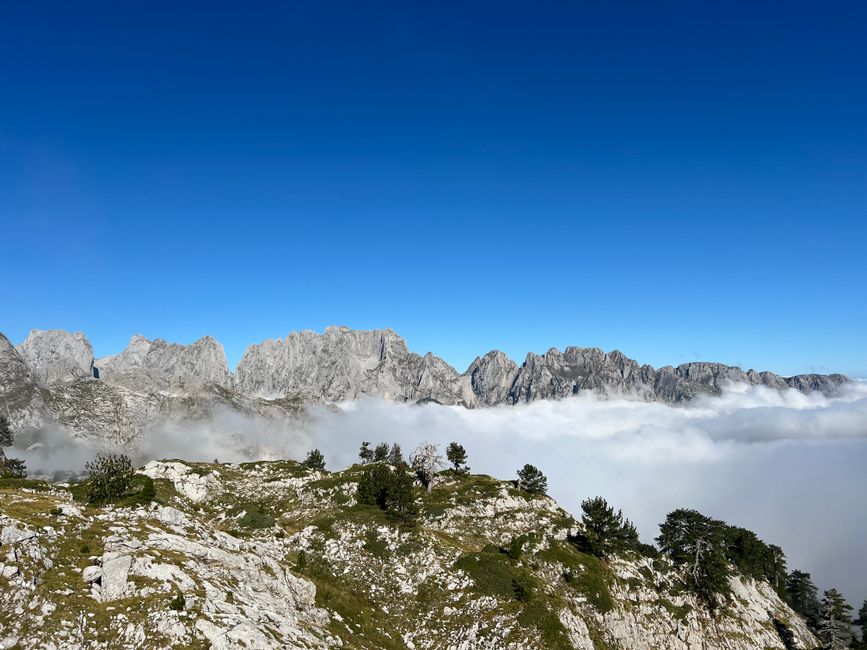
The final push to the summit is a scramble up a narrow ridge. The rock is sharp, cutting into gloves and skin. The wind is ferocious, nearly knocking you off balance. But when you finally crest the top, the view is worth every second of struggle. The entire Accursed Mountains range stretches out before you, a sea of jagged peaks and deep valleys. To the south, you can see the Adriatic Sea on a clear day, a blue sliver on the horizon. It’s a view that humbles you, reminding you of how small you are in the face of nature’s grandeur.
Routes & Trail Info
The ascent of Pyramid Peak is not a single trail but a combination of trekking and technical climbing. There are two main approaches, each with its own challenges and rewards.
Route 1: The Theth Approach
- Starting Point: Theth Village, near the Grunas Waterfalls parking area.
- Total Distance: 12 km round-trip to the base of the peak, plus 1.5 km of vertical climbing.
- Elevation Gain: 1,100 meters to the base, plus 400 meters of technical climbing.
- Estimated Duration: 8-10 hours total, including climbing time.
- Difficulty: Intermediate to Experienced. Requires alpine climbing skills and equipment.
Route 2: The Valbona Approach
- Starting Point: Valbona Village, near the Valbona River bridge.
- Total Distance: 15 km round-trip to the base, plus 1.5 km of vertical climbing.
- Elevation Gain: 1,400 meters to the base, plus 400 meters of technical climbing.
- Estimated Duration: 10-12 hours total, including climbing time.
- Difficulty: Experienced. Longer approach and more exposed terrain.
Both routes require a guide, especially for the technical climbing sections. The weather in the Accursed Mountains is unpredictable, and conditions can change rapidly. It’s essential to check the forecast before attempting the climb and to be prepared for rain, fog, or even snow, even in summer.
Getting There & What to Expect
Reaching Theth is an adventure in itself. The nearest major city is Shkodër, located about 80 km away. From Shkodër, you can take a bus or a private car to Theth. The road is narrow, winding, and often in poor condition, taking about 2-3 hours depending on traffic and weather. Buses run daily, costing around 5-10 EUR per person. Private cars are more expensive, around 30-50 EUR for a round-trip taxi.
Once in Theth, accommodation is basic but charming. There are several guesthouses and hostels in the village, offering simple rooms with shared bathrooms. Prices range from 15-30 EUR per night for a double room. Meals are hearty and local, featuring dishes like byrek (savory pie), trilece (three-milk cake), and grilled meat. A typical meal costs 5-10 EUR.
For the climb, you’ll need a local guide and a porter to carry your gear. Guides cost around 50-100 EUR per day, while porters charge 20-30 EUR per day. Equipment rental is also available in Theth, including ropes, harnesses, and helmets, for 10-20 EUR per item. It’s essential to book your guide and porter in advance, especially during peak season (June to September).
The best time to climb Pyramid Peak is from June to September, when the weather is most stable and the snow has melted. However, even in summer, temperatures can drop below freezing at night, so bring warm clothing and a sleeping bag if you plan to camp. The climb is not recommended for children, and it’s not suitable for those with a fear of heights or a lack of climbing experience.
Search accommodation in Theth on Booking.com →
The Descent and the Aftermath
Descending from Pyramid Peak is just as challenging as the ascent. The rock is loose, the footing is precarious, and the fatigue sets in quickly. But there’s a sense of accomplishment that comes with making it down safely. You’ve faced the mountain, you’ve conquered it, and you’ve survived.
Back in Theth, the village feels different. The stone houses seem warmer, the people more welcoming. You’ve earned your place here. You sit in a local tavern, drinking rakia and eating qepo (a meat dish cooked in its own fat), and you feel a connection to this place that goes beyond tourism. You’ve seen the raw, untamed beauty of the Accursed Mountains, and you know that this is a place that will stay with you forever.
The Accursed Mountains are not for everyone. They demand effort, skill, and respect. But for those who are willing to pay the price, they offer a reward that few other places in the world can match: the chance to stand on top of a pyramid, looking out over a landscape that has remained unchanged for millennia. It’s a chance to feel alive, to feel small, and to feel connected to something greater than yourself. And that, perhaps, is the true magic of the mountains.
Comments