


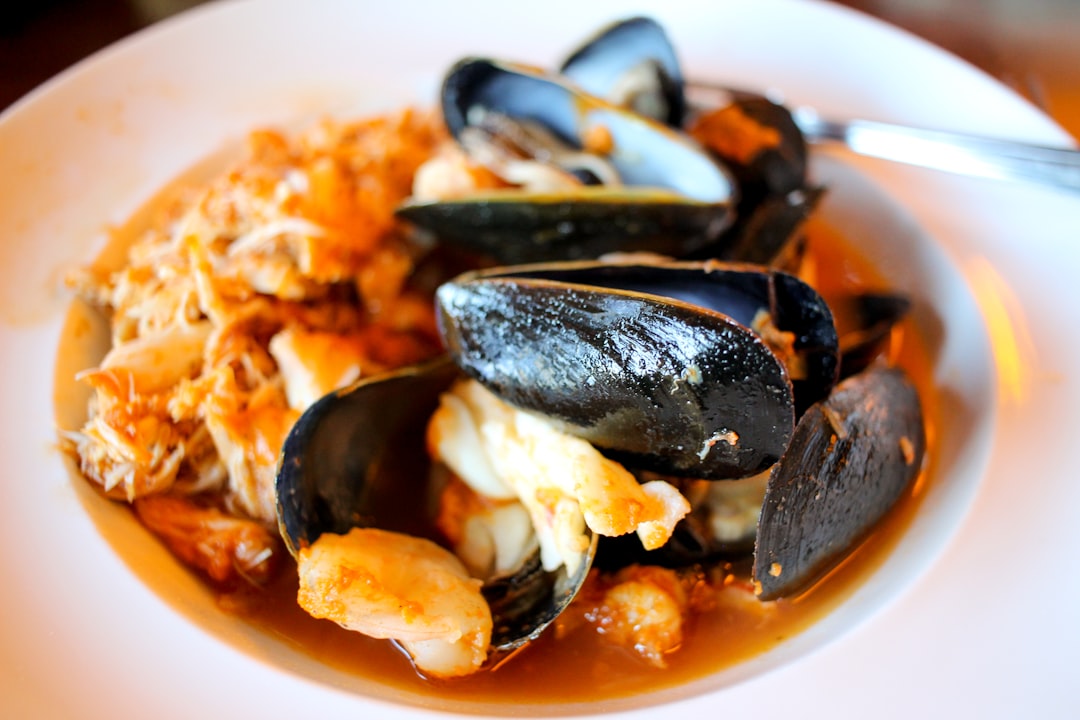
I sat down in a stone-walled tavern in Ston, expecting the heavy, earthy aroma of saffron risotto or the sharp, sheep-milk punch of Pecorino Sardo. I had come looking for a culinary bridge between the Adriatic and the Tyrrhenian, a ghostly echo of Mediterranean cousins. Instead, the waiter placed a plate of fuži pasta in front of me. The short, twisted noodles were swimming in a rich, dark ragù made from wild boar and truffle oil. I took a bite, and the flavor was unmistakably Dalmatian. It was rich, rustic, and deeply local. There was no Sardinian influence here. No porceddu, no culurgiones, no pane carasau. The premise of a "Sardinian-style cuisine" tour in the Dalmatian Islands was a mirage, a tourist trap built on a misunderstanding of Mediterranean history. But in that confusion, I found something better: the true, unadulterated taste of the Dalmatian Coast.
The idea that Sardinian and Dalmatian cuisines share a deep, direct lineage is a persistent myth. While both regions are islands (or archipelagos) in the Mediterranean, their culinary histories diverged centuries ago. Sardinia was heavily influenced by the Phoenicians, Carthaginians, Romans, Byzantines, and later the Spanish and French. Its cuisine is characterized by sheep's milk cheeses, barley, and unique wheat products like pane carasau. Dalmatia, on the other hand, was shaped by the Romans, the Byzantines, the Venetians, and the Austro-Hungarians. Its cuisine is a blend of Italian, Slavic, and Ottoman influences, with a heavy emphasis on seafood, olive oil, and fresh herbs. The "Sardinian" connection is a tourist invention, a way to sell a more exotic narrative. But the reality is far more interesting. The Dalmatian Islands have their own distinct culinary identity, one that is worth exploring on its own terms.
History & Identity
The culinary identity of the Dalmatian Coast is a product of its complex history. For centuries, the region was a crossroads of civilizations, each leaving its mark on the local food. The Romans introduced olive oil and wine, the Byzantines brought spices and techniques for preserving fish, and the Venetians left an indelible mark on the island's pasta and seafood dishes. The Austro-Hungarian Empire introduced baked goods and sweets, while the Ottoman influence can be seen in the use of spices and the popularity of grilled meats. But it was the Venetian rule that had the most profound impact on Dalmatian cuisine. The Venetians controlled the region for centuries, and their influence can be seen in the use of tomatoes, basil, and garlic, as well as in the preparation of fuži and pagliari, two types of pasta that are now staples of the region.
The Dalmatian Islands are not a monolith. Each island has its own distinct culinary traditions, shaped by its geography, climate, and history. Hvar is known for its wine and lavender, Brač for its cheese and seafood, and Korčula for its pršut (cured ham) and malvazija wine. But there are common threads that run through all of them: a reverence for fresh, local ingredients, a mastery of seafood preparation, and a love of simple, rustic dishes. The cuisine is not about complexity or refinement; it is about flavor, texture, and the joy of eating well. It is a cuisine that is deeply connected to the land and the sea, and it is a cuisine that is worth exploring on its own terms.
The myth of the Sardinian connection is a testament to the power of tourism to reshape reality. Tourists come to the Dalmatian Islands looking for a taste of the exotic, and the tourism industry is happy to oblige. But the reality is far more interesting. The Dalmatian Islands have their own distinct culinary identity, one that is worth exploring on its own terms. It is a cuisine that is rich, diverse, and deeply rooted in the local culture. It is a cuisine that is worth discovering, not as a pale imitation of Sardinian food, but as a vibrant, living tradition in its own right.
Where to Go
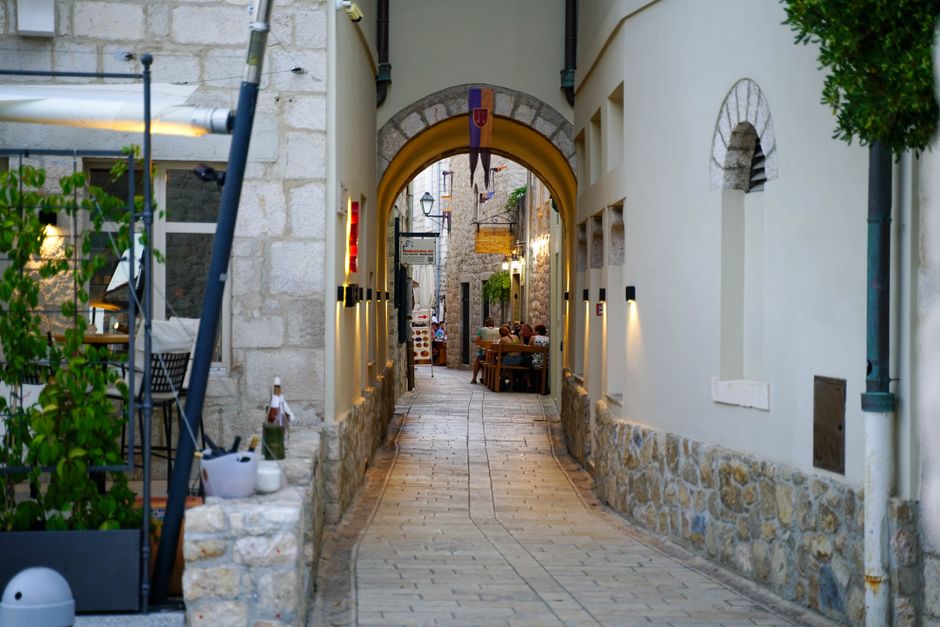
Ston — This historic walled town is famous for its oysters. The oysters here are grown in the Mali Ston bay, and they are considered some of the best in the world. You can eat them fresh, grilled, or in a bisque. The town itself is a maze of narrow streets and stone houses, and it is a perfect place to spend a day exploring. Entry to the town is free, but oyster tasting starts at 10-15 EUR per dozen.
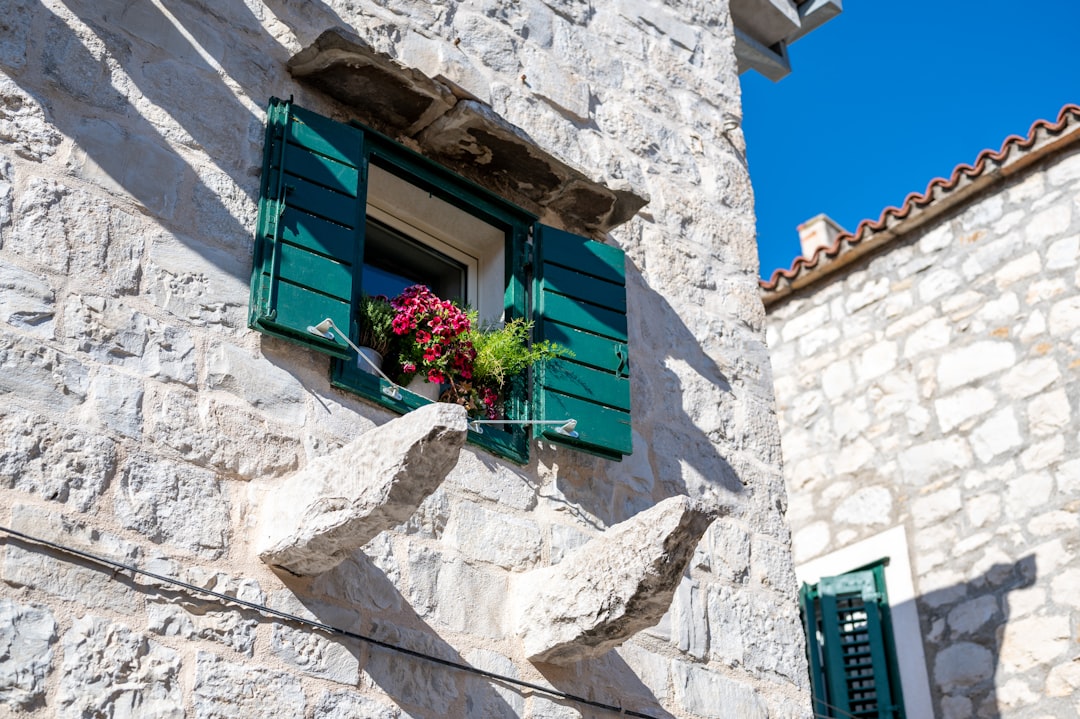
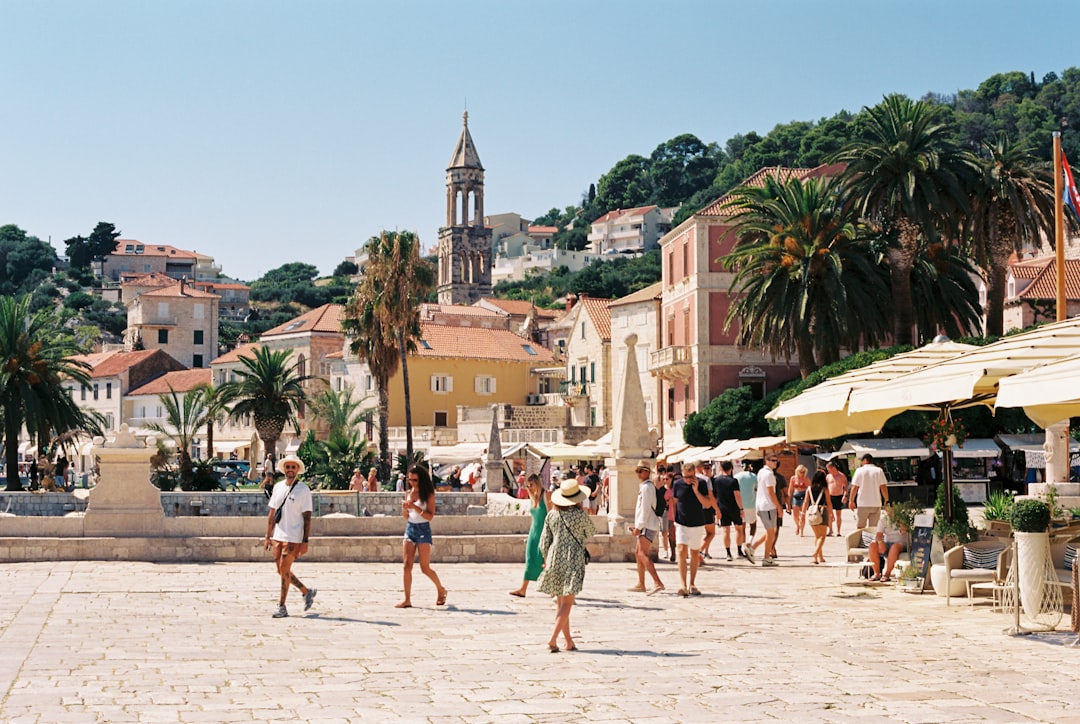
Hvar Town — The capital of the island of Hvar is a vibrant, cosmopolitan town with a rich cultural scene. It is known for its theater, opera, and music festivals, but it is also a great place to eat. The town has a wide range of restaurants, from casual beach bars to high-end seafood restaurants. The Pjaca (main square) is a great place to sit and people-watch, and the old town is a maze of narrow streets and colorful houses. Best time to visit: June to September.
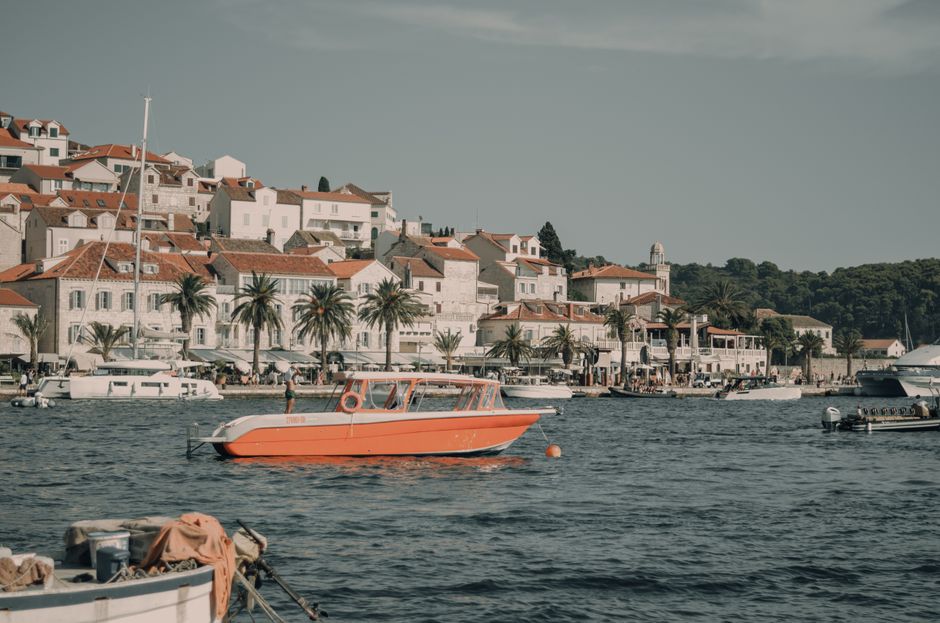
Brač Island — This island is known for its white stone, which was used to build the Diocletian's Palace in Split. It is also known for its cheese, particularly paški sir, a sheep's milk cheese that is made on the island. The island has a rugged, beautiful landscape, with high mountains and crystal-clear waters. It is a great place for hiking, swimming, and exploring. The cheese can be tasted at local farms and restaurants, and it costs around 5-8 EUR per 100g.
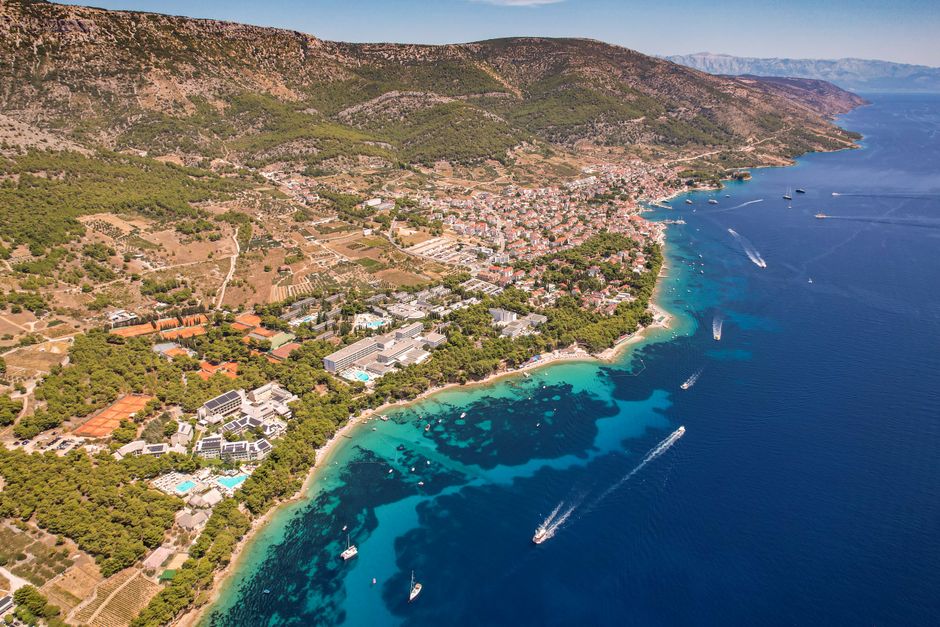
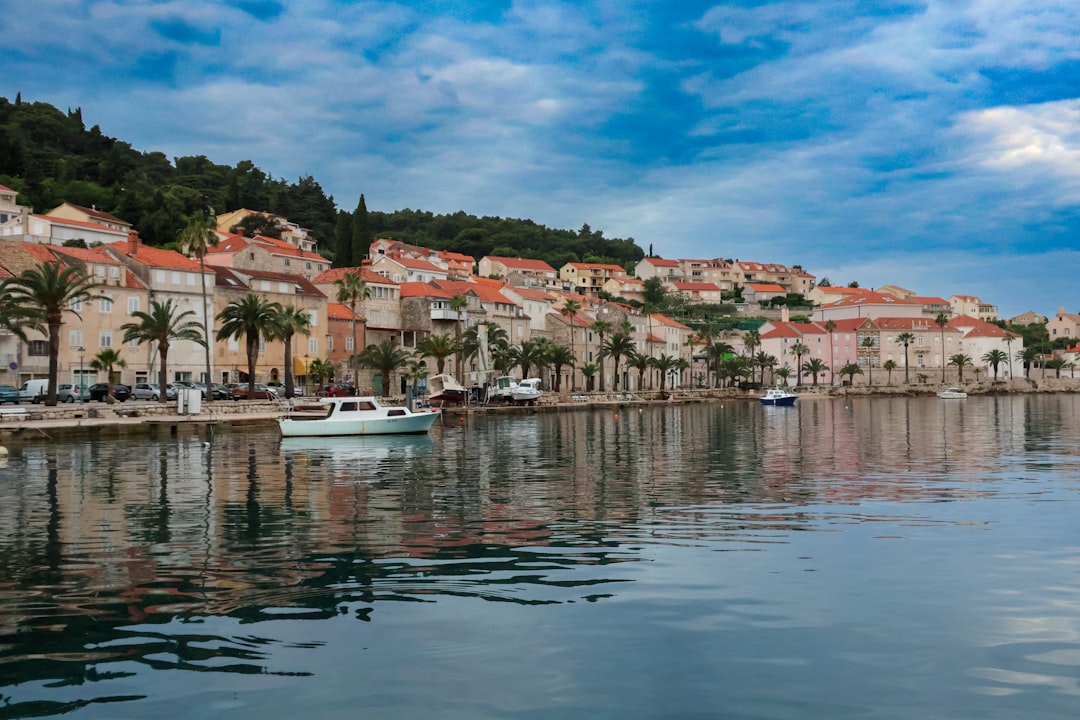
Korčula Town — This picturesque walled town is the birthplace of Marco Polo, and it is a great place to explore. The town has a rich history, with a cathedral, a fortress, and a narrow, winding streets. It is also known for its pršut (cured ham) and malvazija wine. The ham is cured in the fresh sea air, and it is a delicious, salty treat. The wine is a white wine that is light and fruity, and it is a perfect accompaniment to seafood. Best time to visit: May to October.
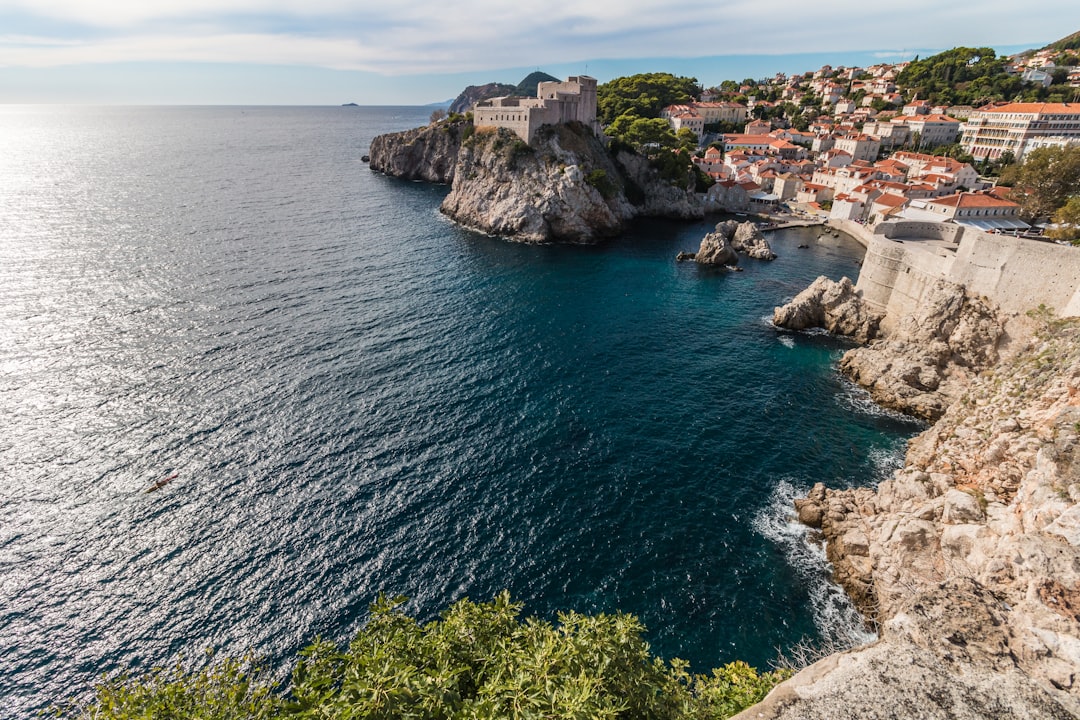
Vis Island — This is the southernmost island of the Croatian archipelago, and it is known for its rugged, wild beauty. It was a restricted military zone during the Cold War, and it is still a relatively unspoiled place. The island has a rich history, with ancient ruins, a volcanic cave, and a beautiful beach. It is also known for its seafood, particularly octopus and lobster. The island is a great place for hiking, swimming, and exploring. Best time to visit: June to September.
What to Eat & Drink
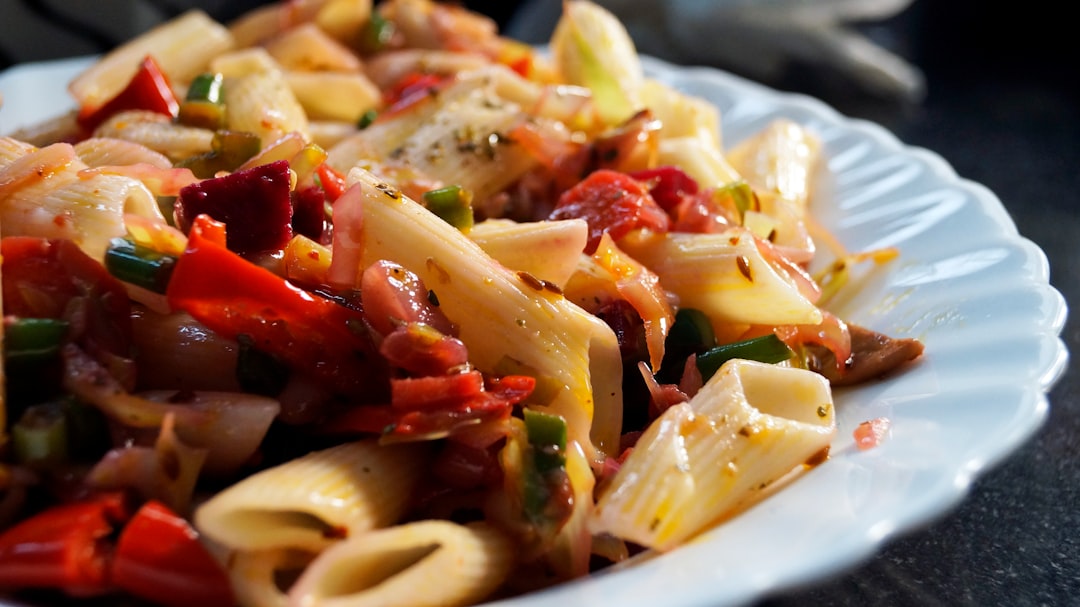
Fuži — This is a type of short, twisted pasta that is made by hand. It is typically served with a rich, dark ragù made from wild boar, venison, or truffle oil. It is a hearty, rustic dish that is perfect for a cold evening. Price: 8-12 EUR per plate.
Paški Sir — This is a sheep's milk cheese that is made on the island of Brač. It is a hard, white cheese that has a sharp, tangy flavor. It is typically eaten with bread and olive oil, or grated over pasta. Price: 5-8 EUR per 100g.
Pršut — This is a type of cured ham that is made from pork. It is cured in the fresh sea air, and it is a delicious, salty treat. It is typically eaten with bread and cheese, or as part of a charcuterie board. Price: 10-15 EUR per 100g.
Black Risotto — This is a type of risotto that is made with squid ink. It has a rich, briny flavor and a striking black color. It is typically served with calamari and a squeeze of lemon. Price: 10-15 EUR per plate.
Malvazija — This is a white wine that is grown on the island of Korčula. It is a light, fruity wine that is a perfect accompaniment to seafood. Price: 3-5 EUR per glass.
Budget breakdown: Street food / take-away under 5 EUR per meal; sit-down local restaurant 8-15 EUR per person; mid-range 15-25 EUR. For budget travelers, the Ston market is a great place to find fresh produce and local delicacies. In Hvar Town, the Pjaca has several affordable cafes and bakeries. In Komiža on Vis, the harbor area has several fish taverns that offer fresh seafood at reasonable prices.
Nightlife
The nightlife in the Dalmatian Islands is vibrant and diverse. Hvar Town is known for its club scene, with venues like Pacha Hvar and Carpe Diem attracting international DJs and party-goers. The Pjaca (main square) is a great place to start the night, with several bars and cafes that spill out onto the street. The music is a mix of electronic, pop, and traditional Dalmatian tunes. Cover charges at clubs can range from 10-20 EUR, but many bars are free entry.
Korčula Town has a more relaxed nightlife scene, with several bars and taverns that offer live music and a more laid-back atmosphere. The Fortress area is a great place to sit and enjoy a drink with a view of the old town. The music is typically traditional Dalmatian, with local bands playing folk songs and dances. It is a great place to experience the local culture and meet the locals.
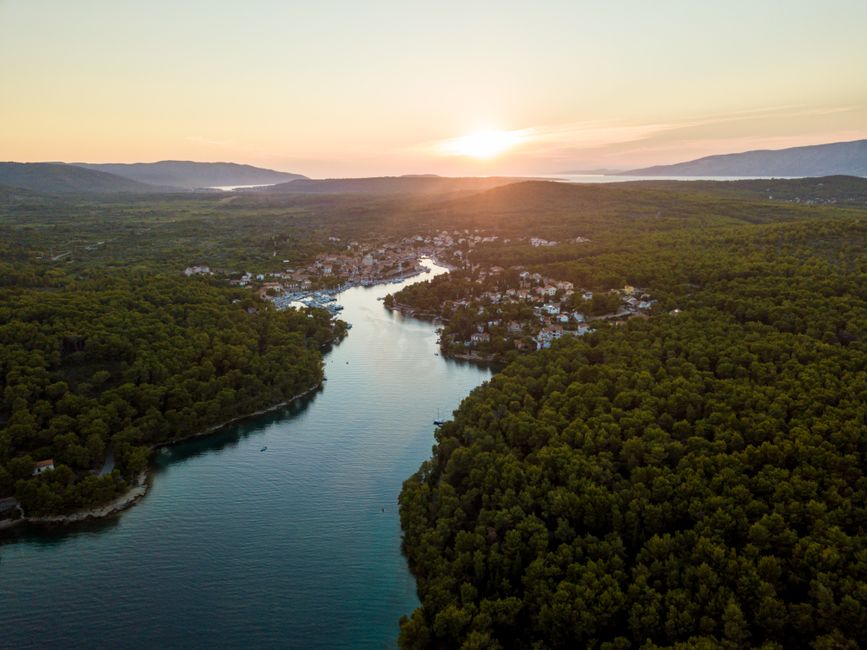
Komiža on Vis has a more bohemian nightlife scene, with several bars and cafes that cater to artists and travelers. The harbor area is a great place to sit and enjoy a drink with a view of the fishing boats. The music is a mix of indie, rock, and traditional Dalmatian tunes. It is a great place to experience the more alternative side of the Dalmatian Islands.
Getting There & What to Expect
The nearest airport to the Dalmatian Islands is Split Airport Split Airport, which is located on the mainland. From Split, you can take a bus or a ferry to the islands. The bus to Hvar takes about 2 hours and costs around 10-15 EUR. The ferry to Hvar takes about 1.5 hours and costs around 15-20 EUR. The bus to Korčula takes about 4 hours and costs around 15-20 EUR. The ferry to Korčula takes about 2 hours and costs around 20-30 EUR. The bus to Vis takes about 5 hours and costs around 20-25 EUR. The ferry to Vis takes about 3 hours and costs around 25-35 EUR.
Accommodation prices: Budget hostel 20-40 EUR/night; mid-range hotel 50-80 EUR/night. Best months to visit: June to September. The weather is warm and sunny, and the sea is calm and clear. It is the best time to swim, hike, and explore. But it is also the most crowded and expensive time to visit. If you want to avoid the crowds, consider visiting in May or October.
Search accommodation in Split, Croatia on Booking.com →
The Taste of Reality
I left Ston with a belly full of oysters and a head full of questions. The Sardinian connection was a myth, a tourist fabrication. But the food was real. The fuži, the paški sir, the pršut, the black risotto, the malvazija — they were all real. They were the taste of the Dalmatian Islands, a taste that was rich, diverse, and deeply rooted in the local culture. It was a taste that was worth discovering, not as a pale imitation of Sardinian food, but as a vibrant, living tradition in its own right. And as I walked back to my hotel, the scent of garlic and olive oil still lingering in the air, I knew that I would be back. Not for the myth, but for the reality. The reality of the Dalmatian Islands, and their incredible food.
Comments