


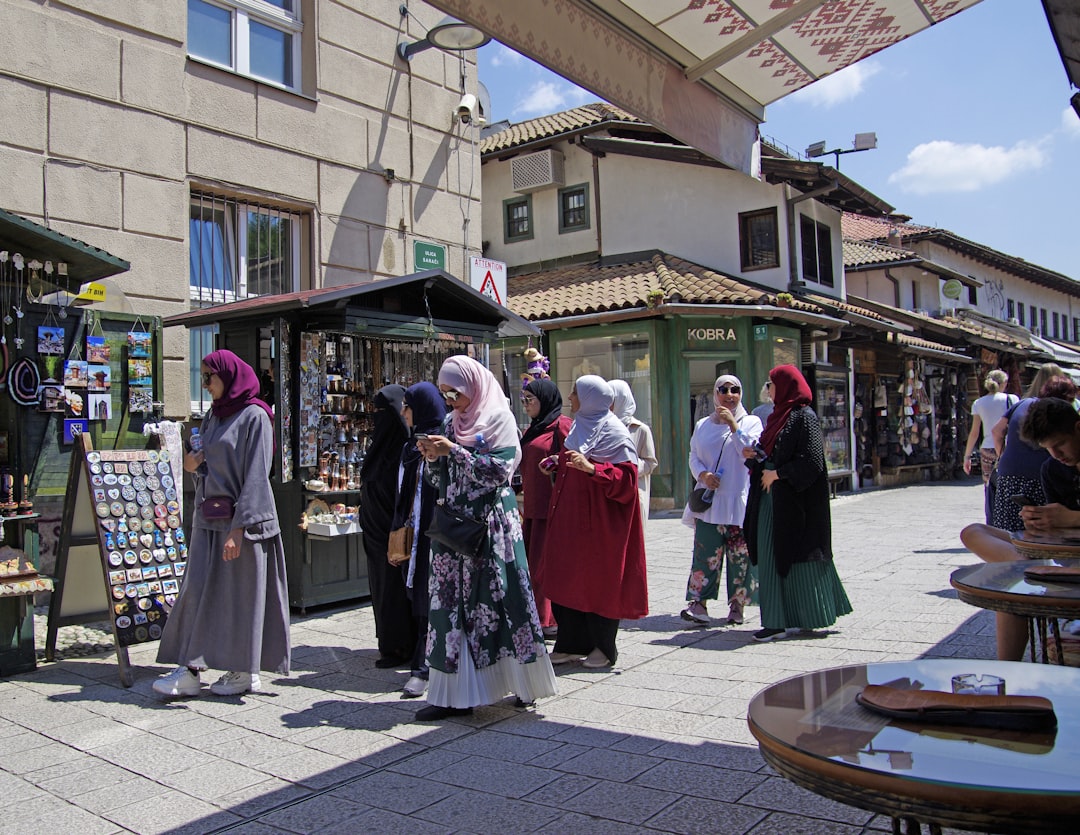
I am sitting on a plastic crate in a basement bar in Baščaršija, nursing a rakija that tastes like burnt sugar and regret, while a man in a keffiyeh argues with a guy in a NATO surplus jacket about the geopolitics of the 1990s. The air is thick with the scent of roasted lamb, stale tobacco, and something sharper, metallic, like old blood that never quite washed out of the cobblestones. This is Sarajevo, Bosnia and Herzegovina, a city that doesn't just remember its history; it wears it like a scar tissue suit. You don't just visit Sarajevo. You survive it, briefly, before the mountains close in again.
They call it the "Jerusalem of Europe," a poetic label that ignores the fact that this place is more of a geopolitical pressure cooker than a spiritual sanctuary. As I step out into the Millennium Bridge district, the contrast hits you like a physical blow. On one side, the Ottoman-era chaos of domes and minarets; on the other, the Austro-Hungarian rigidity of stone facades and tram tracks. It is a city split down the middle, not just by the Miljacka River, but by memory, ideology, and the lingering ghost of a siege that lasted longer than any other in modern history.
History & Identity
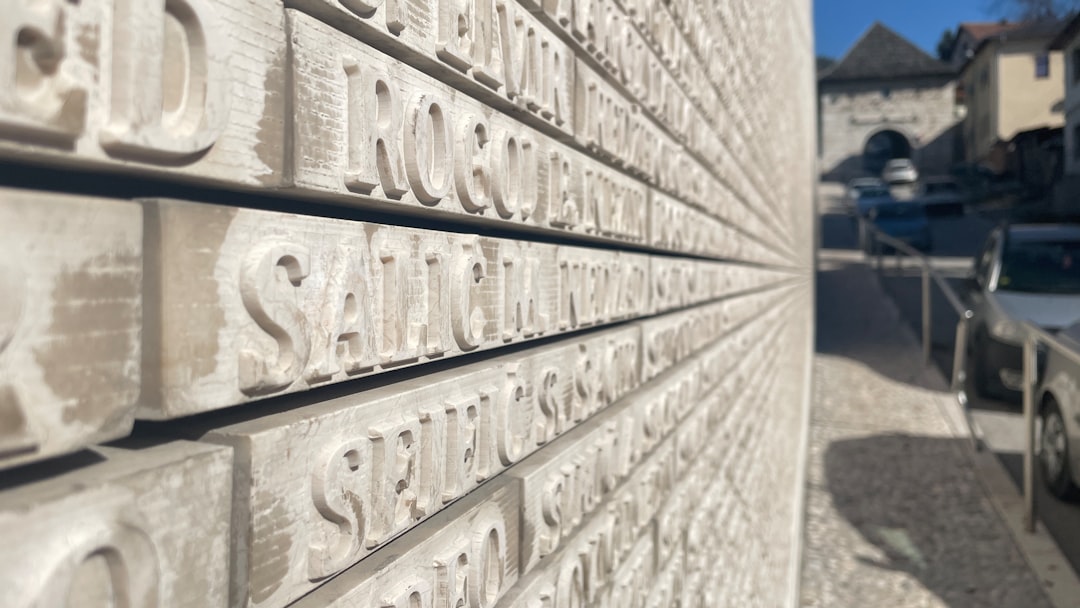
To understand Sarajevo, you have to understand the collision. For centuries, it was the westernmost outpost of the Ottoman Empire, a place where the call to prayer mixed with the clatter of Austrian tram wheels after the 1878 annexation. This dual identity created a unique cosmopolitan culture, a "Sarajevo spirit" that was famously tolerant until the 1990s. Then came the siege, the longest in modern history, lasting 1,425 days. The city was shelled from the surrounding hills, divided by snipers, and starved into submission.
Today, the history is not hidden; it is weaponized and commodified. You walk past the Sarajevo Tunnel of Hope, a subterranean passage that kept the city connected to the outside world when all roads were blocked. You see the bullet holes still embedded in the stone facades of buildings along Sarajevo's main boulevards, some patched, some left as open wounds. The identity of the city is a fractured mirror. You have the Old Bridge area, steeped in Ottoman heritage, and the Vratnik hills, where the war's final battles were fought. The city is a palimpsest, where every layer of history is visible, and none of them quite agree on what happened.
The modern identity is a struggle between nostalgia and progress. Young people want to forget the war, to build a European future, while older generations cling to the trauma as a defining feature. This tension plays out in the streets, in the politics, and in the cafes. It is exhausting, fascinating, and utterly real.
Where to Go
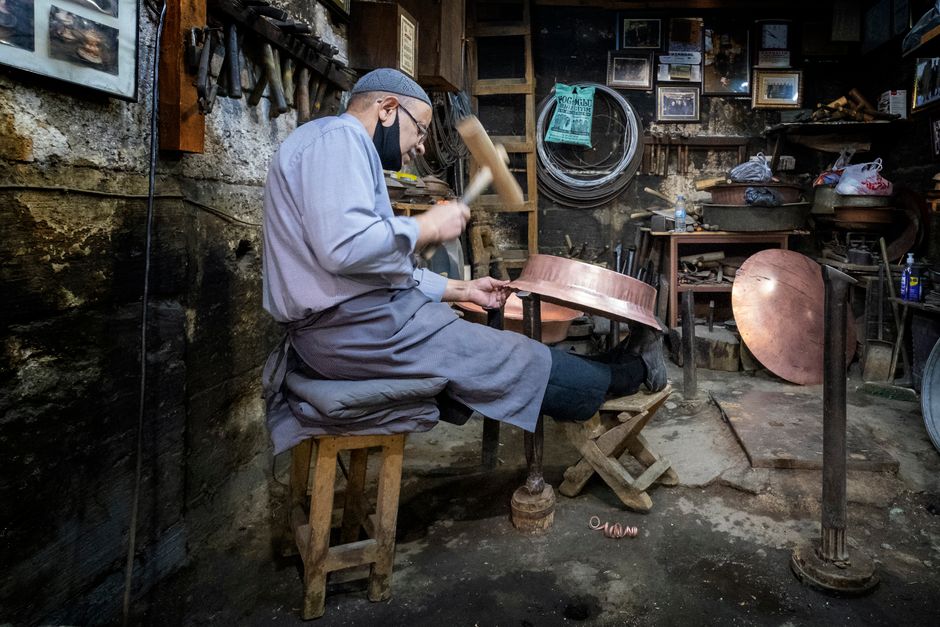
Baščaršija — The heart of the Ottoman quarter, this pedestrian zone is a maze of narrow streets lined with copper workshops, spice shops, and coffee houses. The air smells of cumin and hot metal. It is touristy, yes, but the energy is undeniable. Visit the Sebilj fountain in the center, where pigeons rule the roost. Entry is free, but be prepared to haggle for copper souvenirs. Best visited in the late afternoon when the light hits the cobblestones.
Sarajevo Tunnel Museum — Located in Igman municipality, this museum preserves the actual tunnel that saved the city during the siege. It is a dark, cramped experience, but profoundly moving. You walk through the narrow passage, hearing the sounds of shelling. It is a stark reminder of the city's resilience. Entry fee is approximately 2 EUR. Allow 45 minutes.
Gazi Husrev-beg Mosque — The largest and most important mosque in Bosnia, built in the 16th century. Its architecture is a masterpiece of Ottoman design, with a large courtyard and a library containing rare manuscripts. The atmosphere inside is hushed and reverent. Dress modestly. Entry is free, but donations are appreciated.

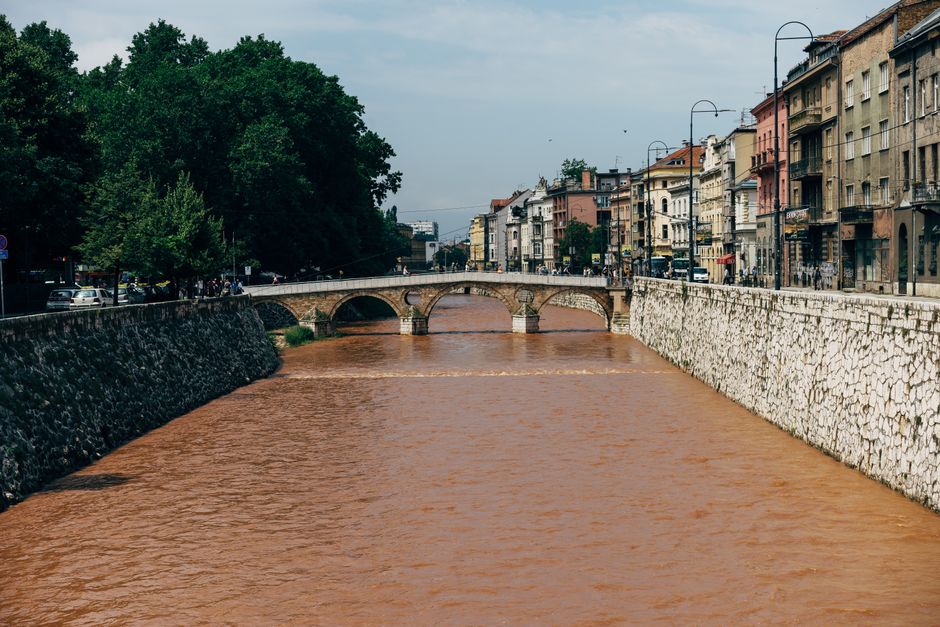
Latin Bridge — The site where Archduke Franz Ferdinand was assassinated in 1914, sparking World War I. The bridge itself is unassuming, but the museum on the other side provides essential context. The view down the Miljacka River is pleasant, but the historical weight is heavy. Entry to the museum is 2 EUR.
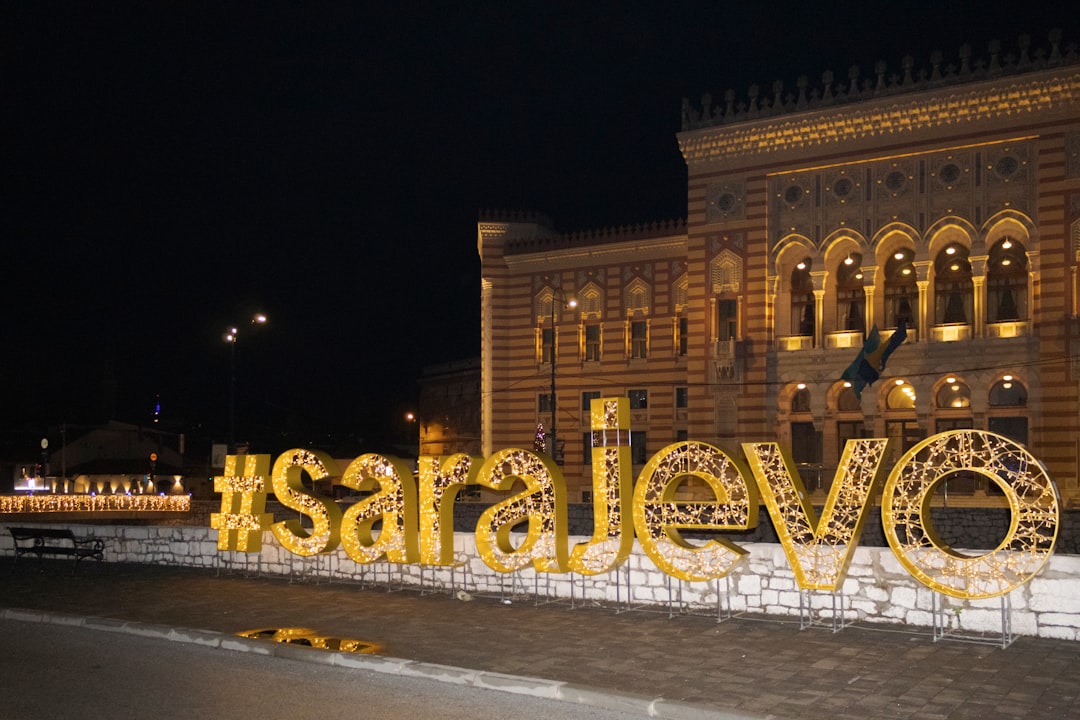
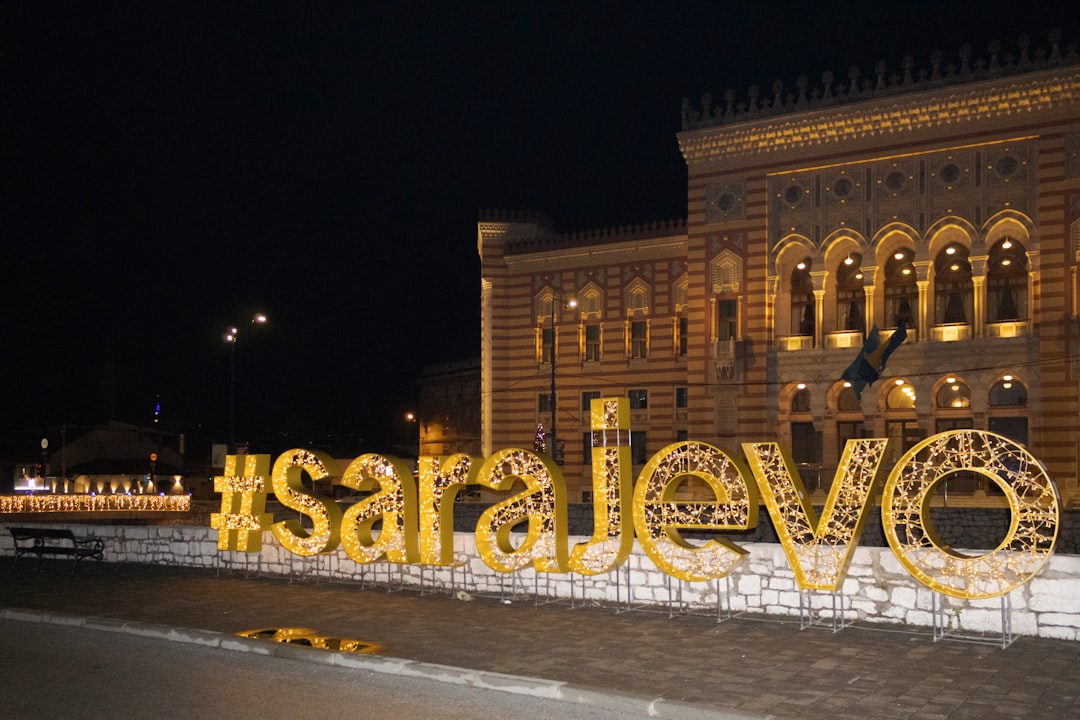
Vijećnica (City Hall) — A stunning Moorish-style building that was burned down during the war and meticulously restored. It now houses the National Library. The interior is breathtaking, with intricate woodwork and stained glass. It symbolizes the city's rebirth. Entry is free for the exterior, but guided tours of the interior may have a small fee. Best visited at night when it is illuminated.
What to Eat & Drink
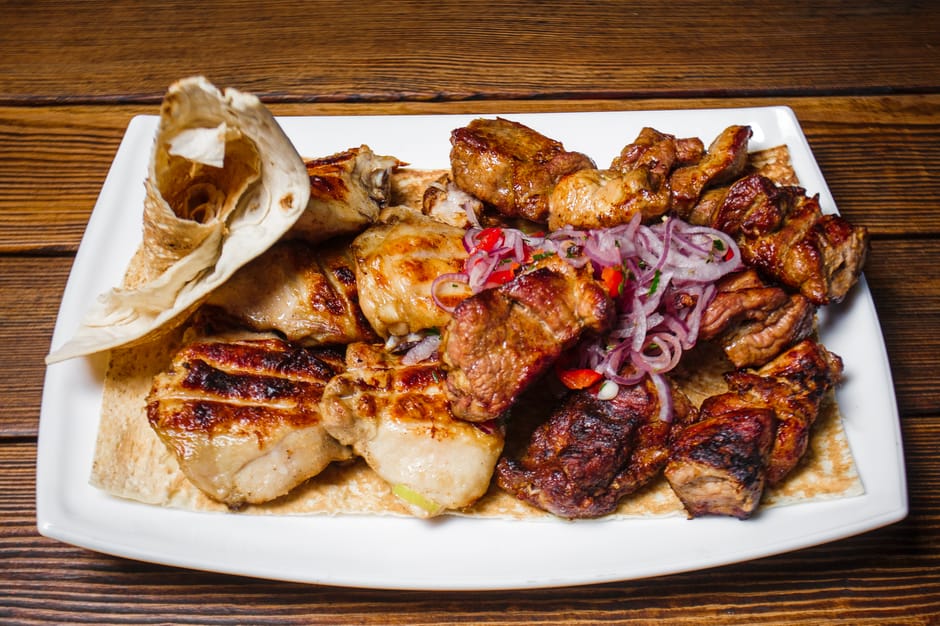
Sarajevo's food is a reflection of its history: heavy, meaty, and deeply satisfying. You cannot leave without trying ćevapi — small grilled sausages served with somun bread and onions. A plate of 10 ćevapi costs about 3-4 EUR. Pair it with a bosanska pita, a layered pie filled with meat, potatoes, and cheese, for 4-5 EUR. For a lighter option, try šopska salata, a refreshing mix of tomatoes, cucumbers, and onions, priced at 2-3 EUR.
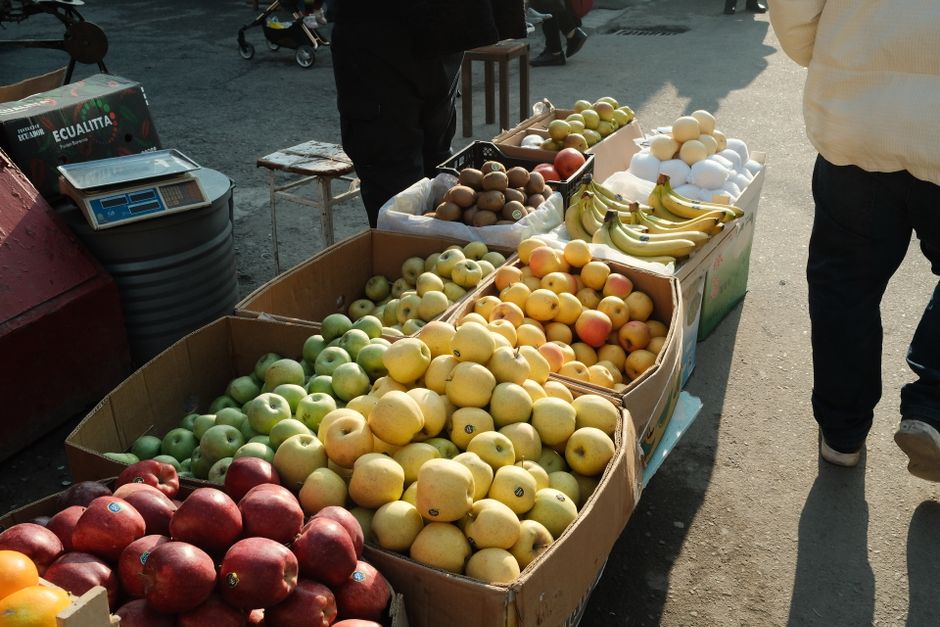
Budget breakdown: Street food and take-away options like burek or ćevapi are under 5 EUR per meal. A sit-down local restaurant with a main course and drink will cost 8-15 EUR per person. Mid-range restaurants in the city center range from 15-25 EUR per person. For budget travelers, the Markale Market offers fresh produce and local delicacies at low prices. There are also food courts in malls like Avaz Twist Park for quick, cheap meals.
Nightlife
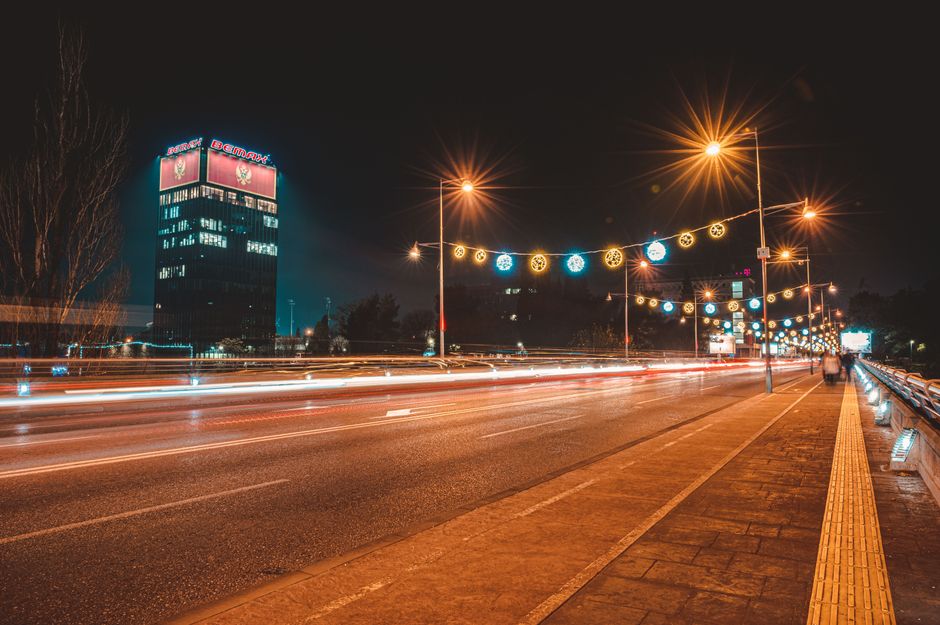
Sarajevo's nightlife is centered around the Millennium Bridge area and the Bistrik district. The vibe is lively, with a mix of traditional cafes and modern clubs. Šeher is a popular club with a mix of Balkan and international music, cover charge around 5-10 EUR. Bar Ex-YU is a nostalgic spot for old-school Yugoslav hits, with cheap drinks and a retro atmosphere. Cafe Bar Sarajevo offers a more upscale experience with craft cocktails and live jazz.
The streets are filled with young people until the early hours, especially on weekends. The energy is infectious, a release from the city's heavy history. Be aware that some clubs may have dress codes, so dress smartly.
Getting There & What to Expect
The nearest airport is Sarajevo International Airport, located in Budak, about 14 km from the city center. Buses run frequently from the airport to the city, costing 2-3 EUR and taking about 20 minutes. From major Balkan hubs like Belgrade or Zagreb, you can take a bus or train, with travel times ranging from 6 to 12 hours and costs between 15-30 EUR. Driving from Zagreb takes about 4 hours, from Belgrade about 6 hours.
Accommodation prices: Budget hostels range from 15-25 EUR per night. Mid-range hotels cost 40-70 EUR per night. Best months to visit are April to June and September to October, when the weather is mild and the crowds are thinner. Avoid July and August if you dislike heat and tourists.
Search accommodation in Sarajevo on Booking.com →
The Ghost in the Machine
I leave Sarajevo at dawn, the city still asleep under a blanket of mist. As I drive up the Igman road, I look back at the skyline, a jagged silhouette of domes and minarets against the grey sky. It is a beautiful city, yes, but it is a beauty born of pain. The divided streets are not just a historical curiosity; they are a living reality, a testament to the fragility of peace and the resilience of people. Sarajevo does not let you forget. It grabs you by the throat and makes you look it in the eye. And somehow, in that moment, you understand why it is worth the trouble.
Comments