


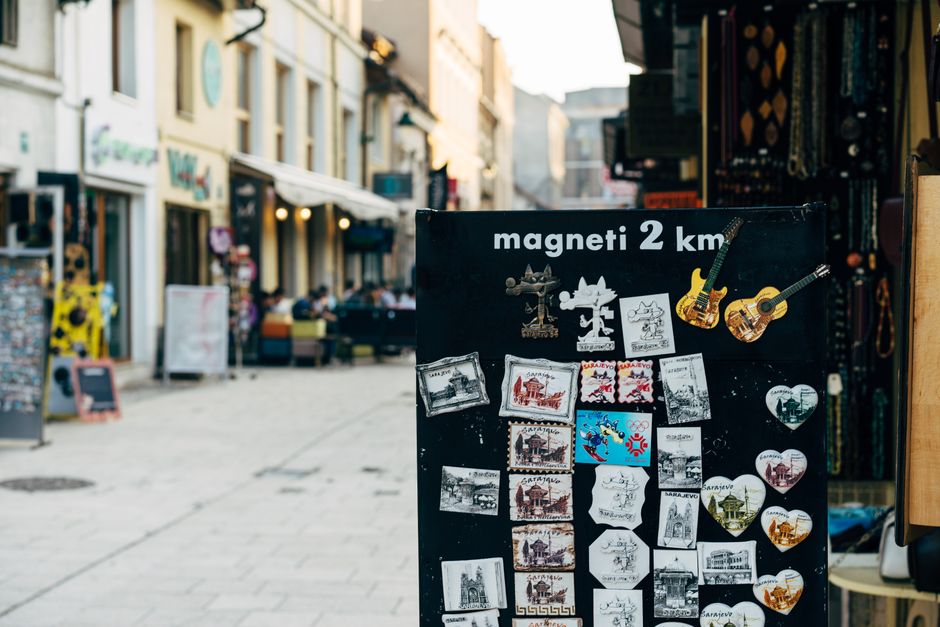
The coffee here doesn't just sit in a cup; it waits for you. I sat on a splintered wooden bench outside a copper shop in Baščaršiya, watching steam rise from a džezva into the cold Balkan morning air. A cat with one ear missing judged me from a pile of crates. The air smelled of roasted coffee beans, diesel from a passing tram, and the sharp, metallic tang of the Miljacka River winding through the streets. This isn't a museum exhibit behind glass. It is a living, breathing, slightly chaotic marketplace where the Ottoman Empire didn't just leave; it never really left at all.
I came to Sarajevo looking for history, but I found a rhythm. The clanging of copper hammers is the metronome of this district. Every strike against the metal is a heartbeat of a trade that has survived wars, empires, and modernization. In Baščaršiya, the past isn't something you read about; it's something you trip over on the cobblestones.
History & Identity
Founded in 1461 by Gazi Husrev-bey, Sarajevo was built as an Ottoman provincial capital, a strategic hub connecting Europe and Asia. The name itself is said to come from Sarai al-Jedid, meaning "New Castle" or "New Palace." For centuries, this city was a crossroads of cultures, where the call to prayer mingled with the bells of churches and the sounds of Jewish liturgy. The Baščaršiya district, literally meaning "First Market," was the economic and social heart of this multicultural society.
The Ottoman influence is etched into the urban fabric. The layout of the streets, the architecture of the mosques, and the traditional crafts are all testaments to this era. Even after the Austro-Hungarian occupation and the turbulent 20th century, including the siege during the Bosnian War, the core identity of Baščaršiya remained resilient. The copper craftsmen, the coffee house culture, and the market traditions persisted, adapting to new times while holding onto their old soul.
Today, Baščaršiya is a place of contrasts. You can see the scars of war on some buildings, standing next to vibrant shops selling traditional textiles and sweets. It's a place where history is not just remembered but lived. The identity of Sarajevo is deeply tied to this district, which serves as a symbol of the city's enduring spirit and cultural heritage.
Where to Go
Gazi Husrev-bey Mosque — The largest and most significant mosque in Baščaršiya, built in 1531. It is a masterpiece of Ottoman architecture, with its elegant dome and minaret. The mosque complex includes a madrasa, a fountain, and a library. It remains an active place of worship and a center of Islamic culture in the Balkans. Visitors should dress modestly and remove their shoes before entering. Entry is free.
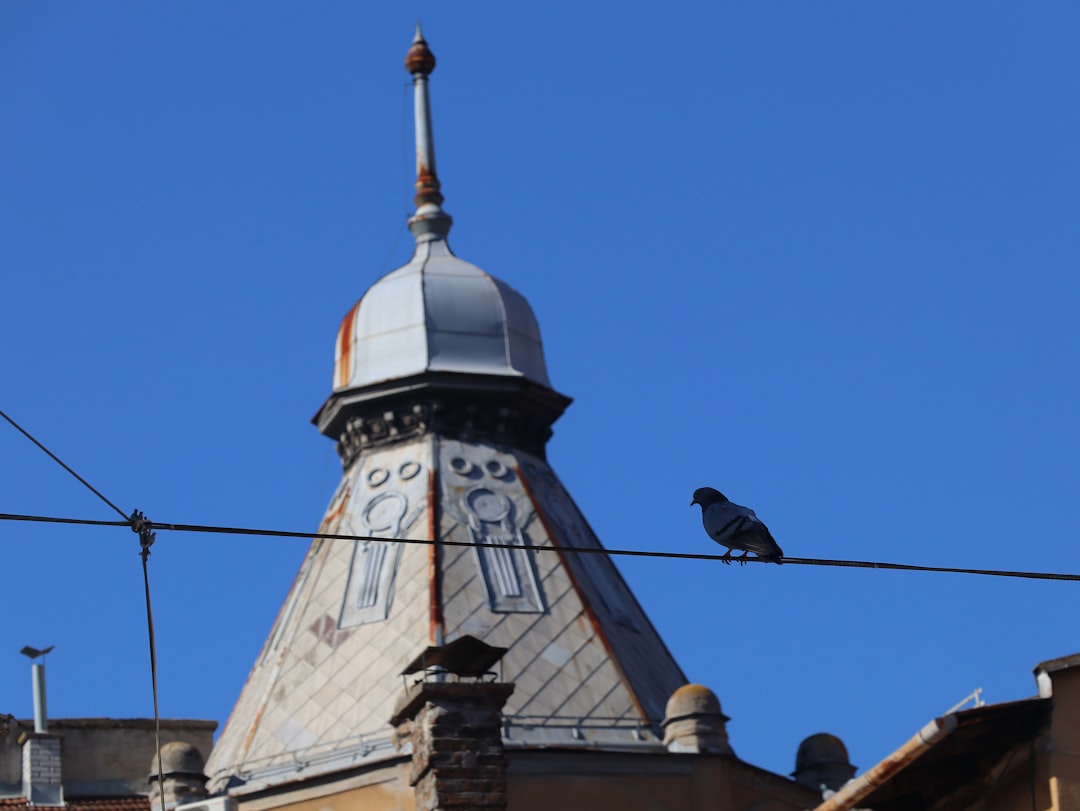
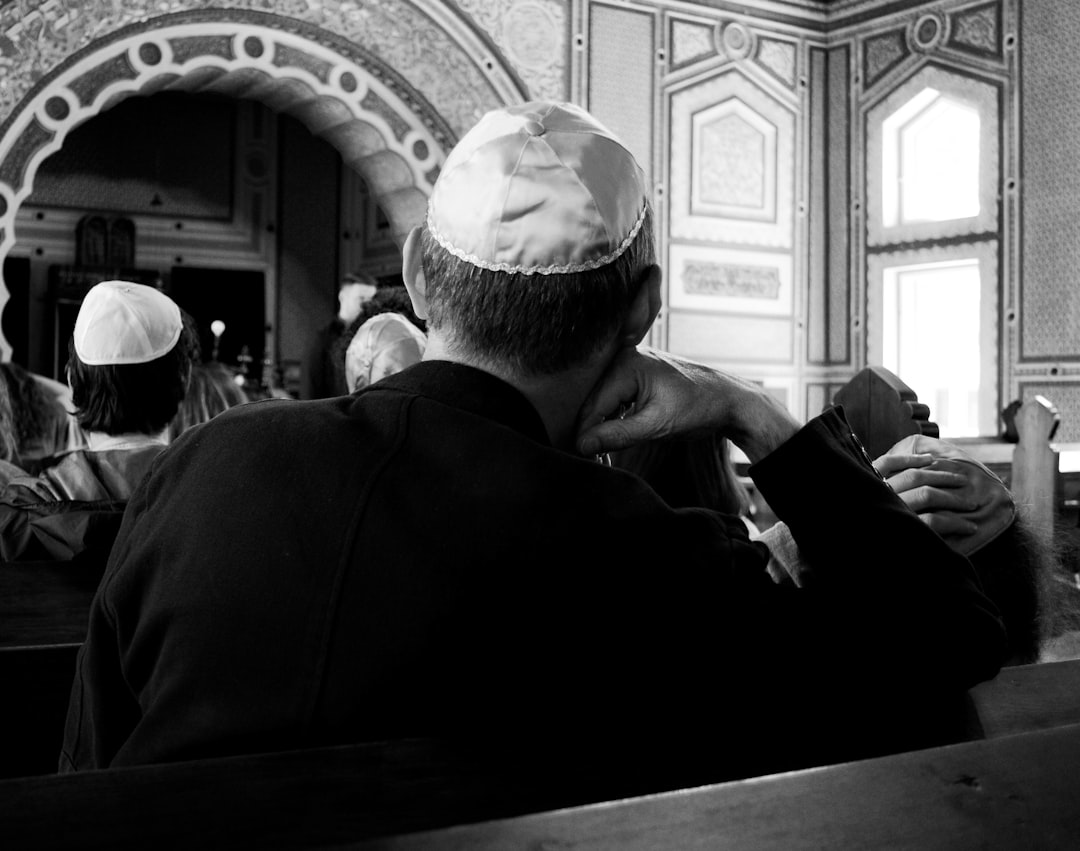
Sephardic Synagogue — A hidden gem in the heart of the old bazaar, this synagogue was built in 1630. It is one of the oldest surviving synagogues in Southeast Europe. The interior is simple and unadorned, reflecting the Sephardic Jewish tradition. The synagogue is a testament to the long history of Jewish life in Sarajevo. Entry is free, but donations are appreciated.
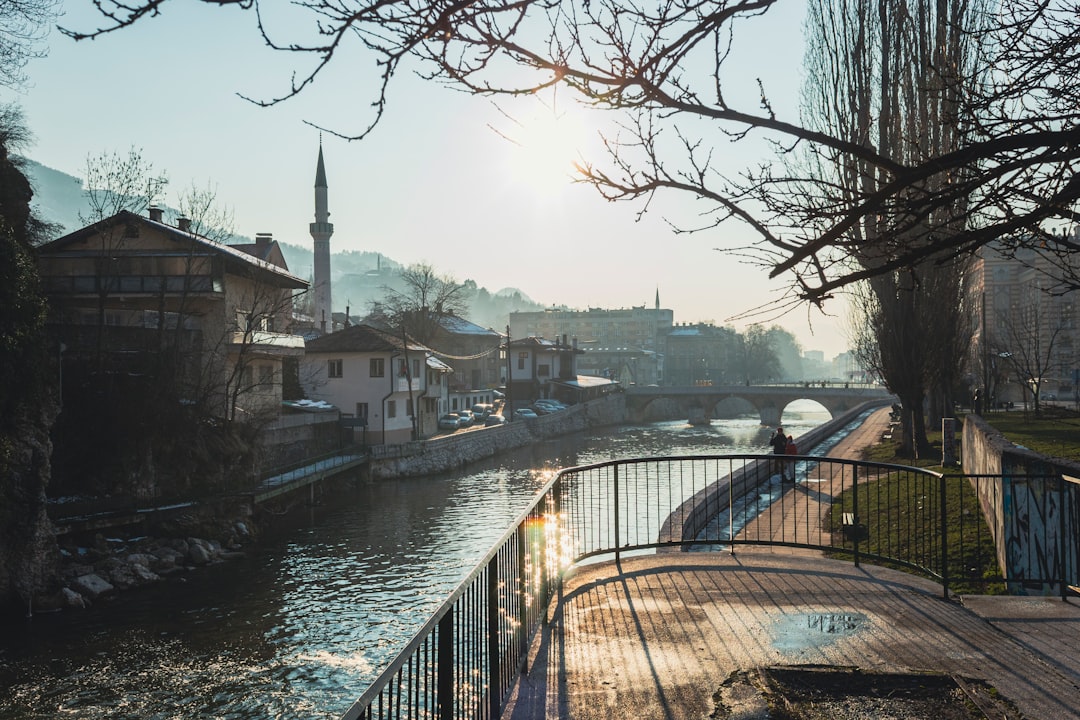
Latin Bridge — Located just outside the main bazaar area, this bridge is famous for being the site of the assassination of Archduke Franz Ferdinand in 1914, which sparked World War I. The bridge has been rebuilt several times, and the current structure is a reconstruction from the 19th century. It is a somber reminder of the city's pivotal role in modern history. There is no entry fee.
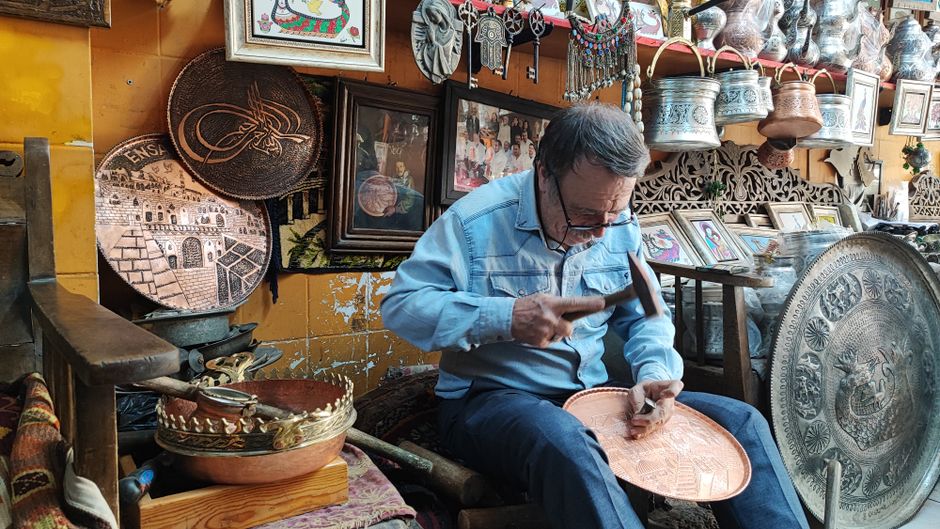
Kujundžiluk — This street is lined with copper workshops where craftsmen still produce traditional items like trays, pots, and decorative objects using techniques passed down through generations. The rhythmic sound of hammers hitting copper is the soundtrack of the bazaar. It's a great place to buy souvenirs and watch the artisans at work.
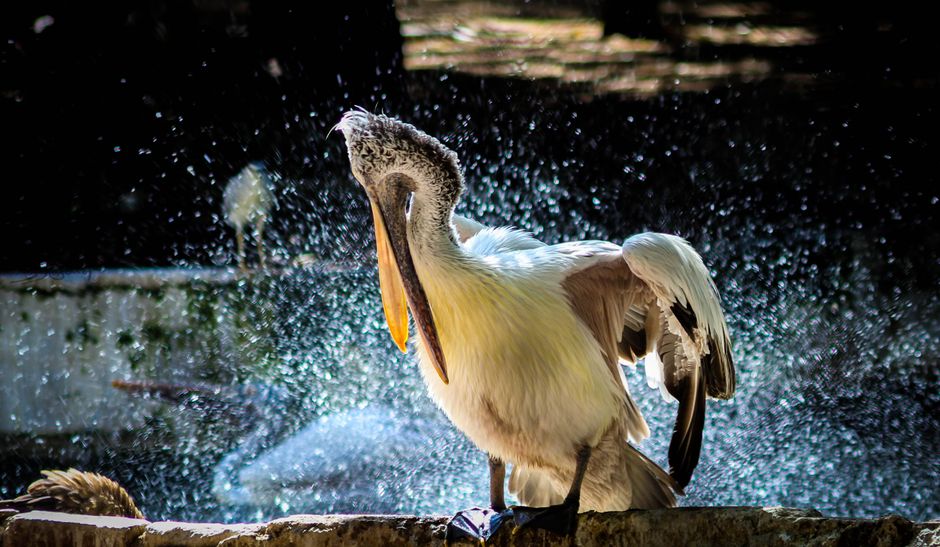
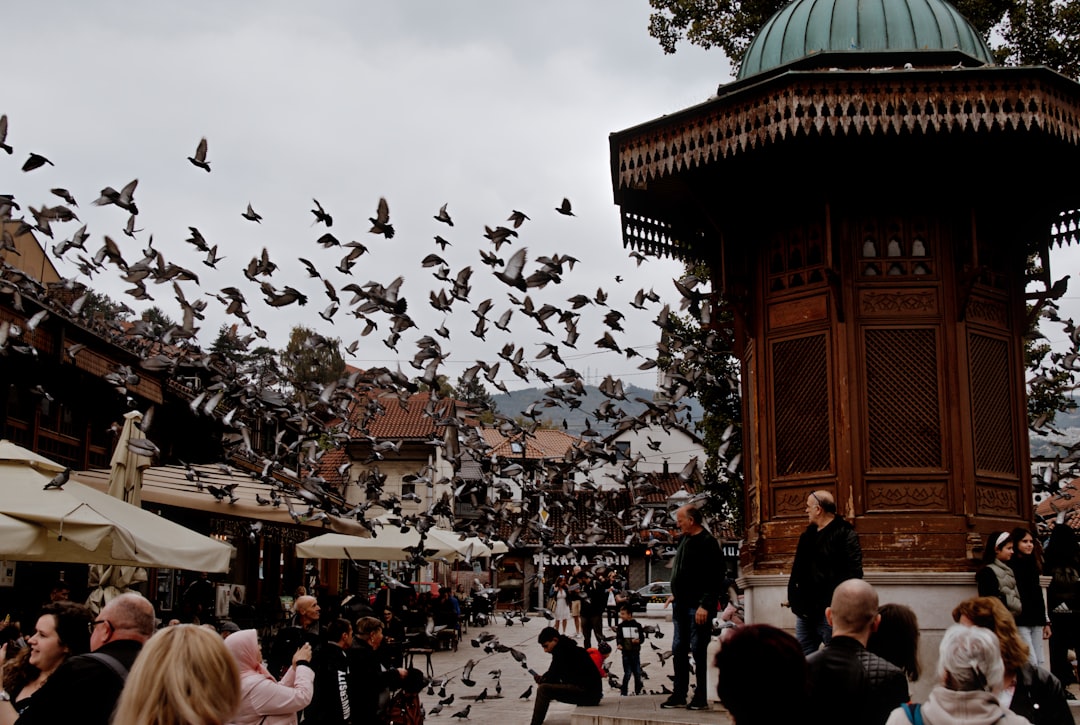
Sebilj Fountain — Located in the center of Baščaršiya, this ornate fountain is a popular meeting spot and a symbol of the city. Built in 1894, it is surrounded by white pelicans in the summer months. It's a great place to take a break and soak in the atmosphere of the bazaar.
Ali Pasha's Caravanserai — This historic building dates back to the 16th century and was once a place where merchants and travelers could stay. Today, it houses a cafe and restaurant, offering a glimpse into the past while serving modern Bosnian cuisine. It's a great place to see the blend of old and new in Baščaršiya.
What to Eat & Drink
The food in Baščaršiya is as much a part of the experience as the sights. You can't leave without trying ćevapi — small grilled meat sausages served with lepinja bread and onions. A portion of ćevapi costs around 5-8 EUR. Another must-try is burek, a flaky pastry filled with meat, cheese, spinach, or potatoes. A piece of burek is cheap and filling, usually 2-4 EUR.
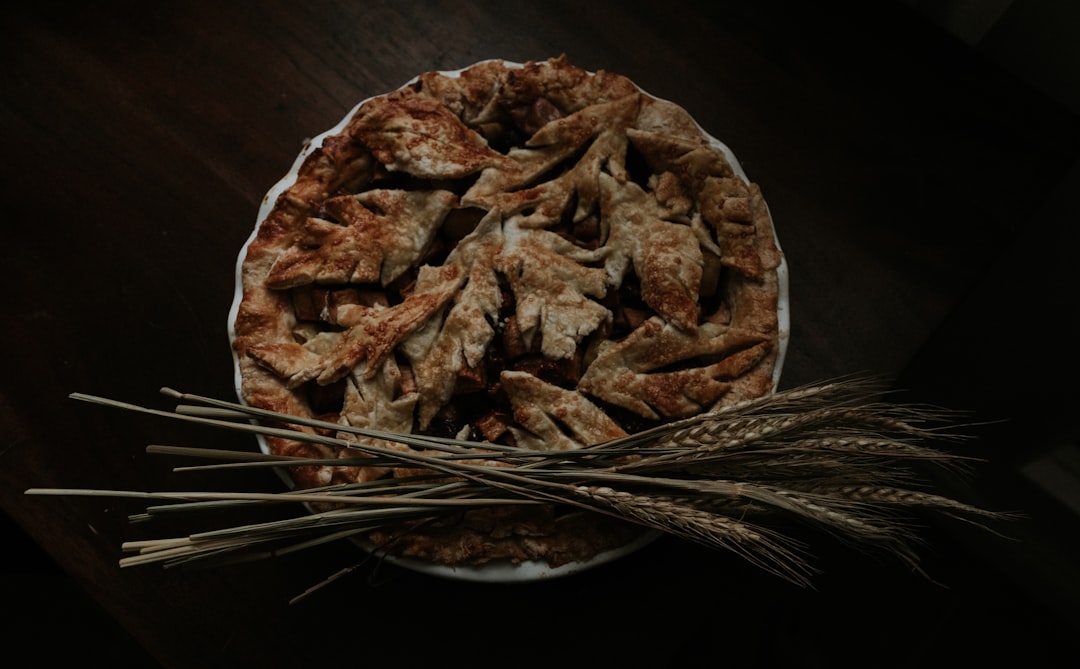
For something sweet, try baklava or tulumba. Baklava is a layered pastry with nuts and syrup, while tulumba is a fried dough pastry soaked in syrup. Both are delicious and can be found in many bakeries throughout the bazaar. A piece of baklava costs around 2-3 EUR.
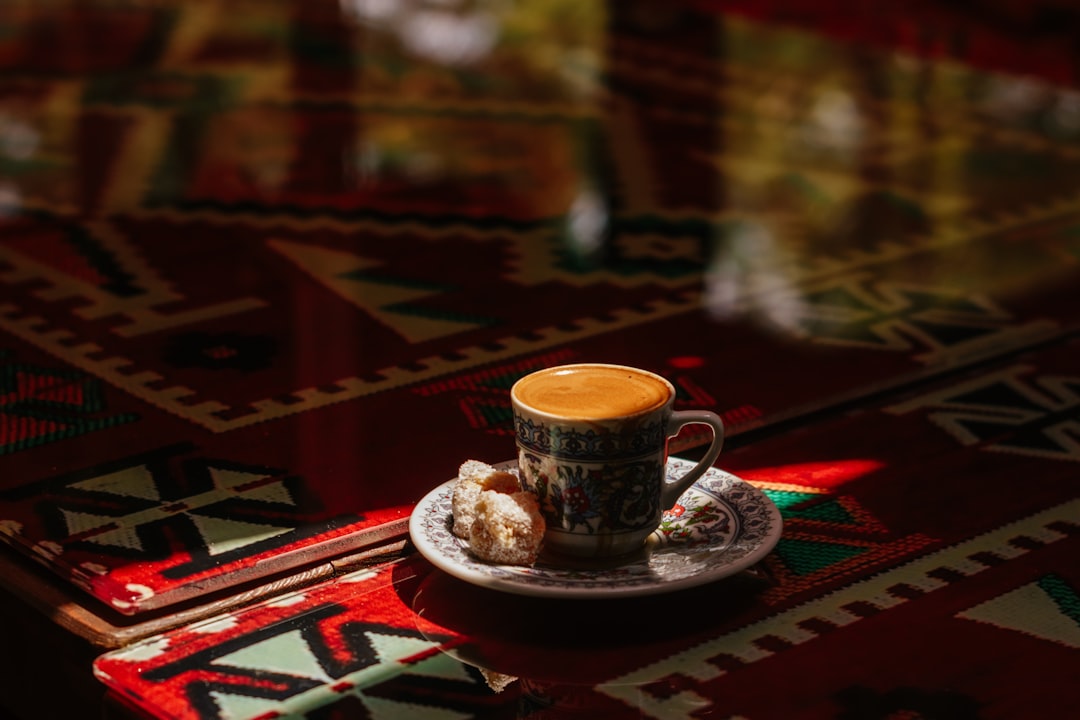
Bosnian coffee is a ritual, not just a drink. Served in a small cup with a spoon and a piece of lokum (Turkish delight), it's a way to slow down and enjoy the moment. A cup of Bosnian coffee with lokum costs around 3-5 EUR.
Budget travelers can eat well on 10-15 EUR per day by eating at local bakeries and street food stalls. Mid-range restaurants in the bazaar area charge 15-25 EUR per person for a meal.
The main food street is Kujundžiluk and the surrounding alleys, which are filled with bakeries, cafes, and restaurants. Baščaršiya also has several food courts and take-away options for budget travelers.
Nightlife
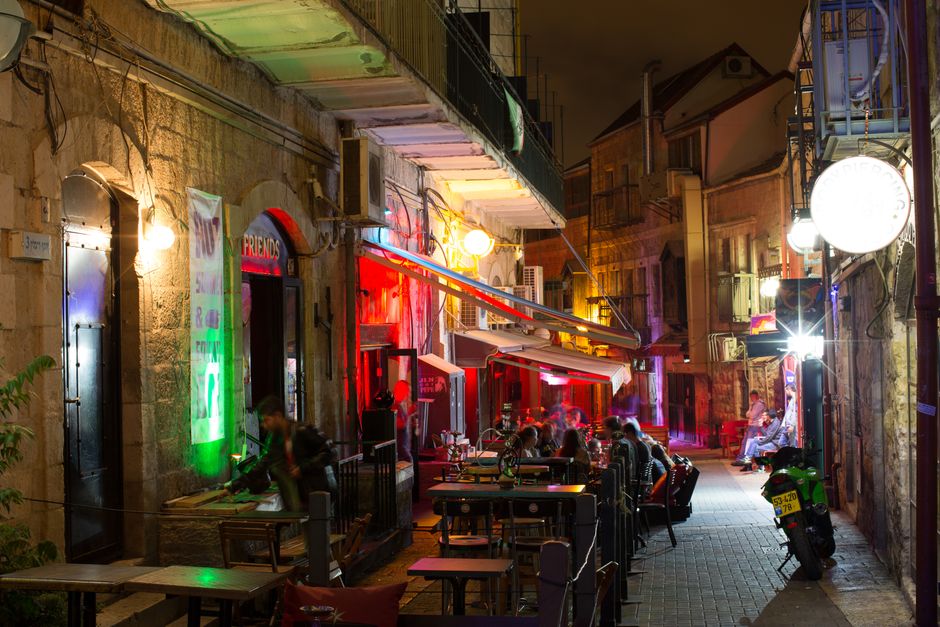
While Baščaršiya is known for its daytime market, the nightlife is centered around the cafes and bars in the old bazaar. The atmosphere is relaxed and social, with people gathering to drink coffee, rakija, or beer and enjoy the lively ambiance. Cafe Ferhadija is a historic cafe that has been a meeting place for intellectuals and artists for over a century. It's a great place to experience the old-world charm of Sarajevo.
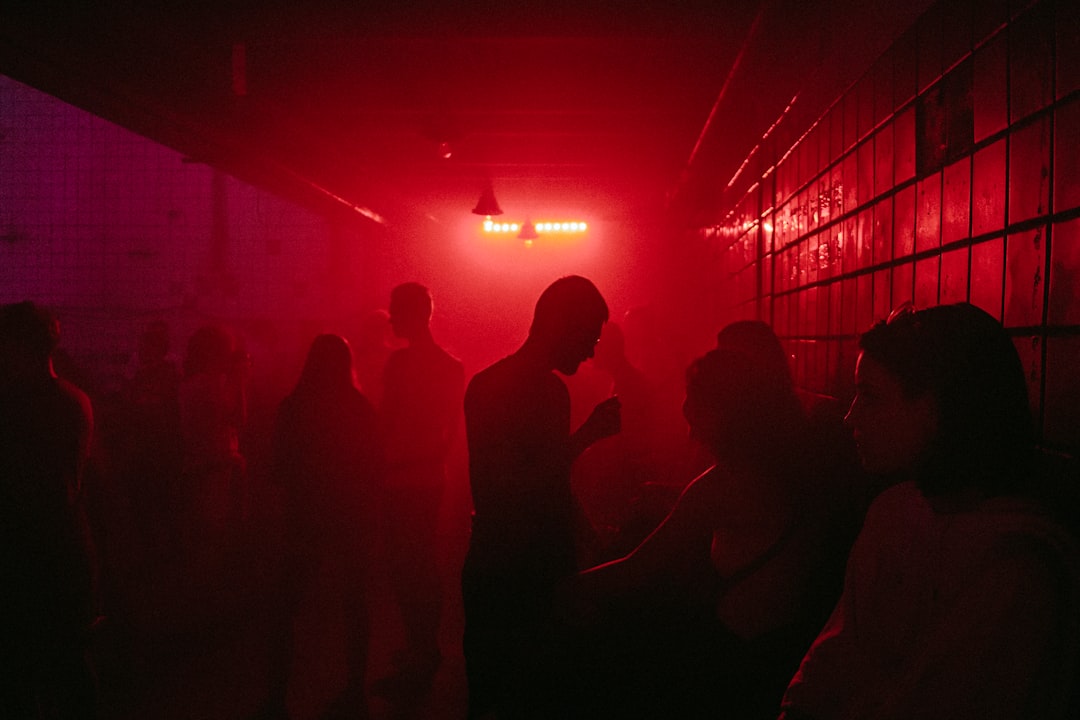
For a more modern vibe, head to Marijin Dvor, the Austro-Hungarian quarter, which is a short walk from Baščaršiya. This area has a variety of bars and clubs, including Pub 195 and Club Ex. The music ranges from live traditional Bosnian music to modern electronic beats. Cover charges vary, but most bars are free to enter.
The nightlife in Sarajevo is vibrant and diverse, with something for everyone. Whether you prefer a quiet drink in a historic cafe or a night out dancing in a club, you'll find it in the city.
Getting There & What to Expect
Sarajevo International Airport is located about 15 km from the city center. You can take a taxi to Baščaršiya, which costs around 10-15 EUR. There are also bus and shuttle services available. From other major Balkan hubs like Belgrade or Zagreb, you can take a bus or train to Sarajevo. The journey from Belgrade takes about 5-6 hours, while from Zagreb it takes about 4-5 hours. Bus tickets cost around 20-30 EUR.
Accommodation in Sarajevo ranges from budget hostels to luxury hotels. A budget hostel room costs around 10-20 EUR per night, while a mid-range hotel costs 40-80 EUR per night. There are also many apartments and guesthouses available for rent.
The best time to visit Sarajevo is during the spring (April to June) or autumn (September to October), when the weather is mild and pleasant. The city is also beautiful in the winter, especially if you're interested in skiing or experiencing the Christmas market.
Search accommodation in Sarajevo on Booking.com →
The Ghost in the Machine
I left Baščaršiya as the sun set, casting long shadows over the cobblestones. The copper hammers had stopped, but the echoes of their rhythm lingered in the air. The streets were quieter, but the spirit of the place remained. It's a place where history isn't just a story; it's a living, breathing entity. The Ottoman legacy in Sarajevo isn't just about the past; it's about the present and the future. It's a reminder that cultures can coexist, that traditions can endure, and that the human spirit can survive even in the face of adversity.
As I walked back to my hotel, I couldn't shake the feeling that Sarajevo is a city of ghosts, but they're friendly ghosts. They're the ghosts of copper craftsmen, coffee drinkers, and merchants who have walked these streets for centuries. They're the ghosts of a city that has seen it all and has survived it all. And they're waiting for you to come and meet them.
Comments