


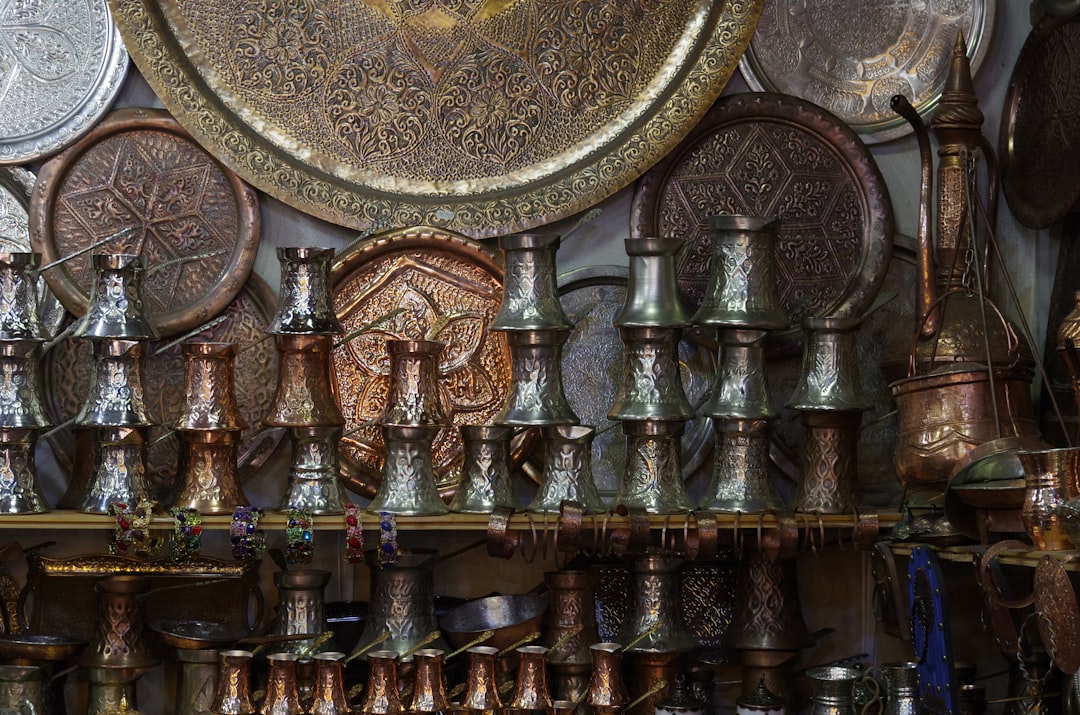
The Smell of Hot Metal and Roasted Beans
The air in Baščaršija doesn't just smell like old Europe; it smells like sulfur, turpentine, and dark roast. I was standing on the cobblestones of Šehera Čaršija, watching a man in a leather apron hammer a red-hot copper sheet with a rhythmic, deafening clack that echoed off the Ottoman-era stone facades. He didn't look up. He didn't need to. The tourists parted like water around his anvil. I ordered a boza from a woman who looked like she had been serving the same sticky, fermented grain drink since 1992, and I realized I wasn't in a museum. I was in a machine that has kept grinding for centuries, fueled by cheap tobacco, strong coffee, and the stubborn refusal of this city to forget who it was.
This is the Ottoman heart of Sarajevo, a district that feels less like a tourist trap and more like a living, breathing artery of the Balkans. The streets are narrow, the architecture is a chaotic mix of wooden galleries and stone foundations, and the pace is dictated not by clocks but by the slow pour of coffee from a džezva. You can't rush here. If you try, the crowds will swallow you, and the smell of roasting coffee will pull you into a wooden house where time stops completely. This is the real Bosnia and Herzegovina, stripped of the post-war gloss and left with the raw, beautiful grit of daily life.
History & Identity
The identity of Baščaršija is forged in fire and faith. Established in the 15th century after the Ottoman conquest, this market district became the commercial and spiritual center of Sarajevo. It wasn't just a place to buy spices or copper; it was the stage for the political drama that would ignite World War I. The Latin Bridge, just a short walk away, is where Gavrilo Princip assassinated Archduke Franz Ferdinand, an act that sent shockwaves through the globe. But here, on the ground, the history feels more personal. The Sarajevo Haggadah, a masterpiece of medieval Jewish art, was hidden in the vaults of the National Library during the siege, a symbol of the city's desperate attempt to preserve its multicultural soul against the backdrop of war.
The architecture tells the story too. The wooden houses with their projecting upper floors, known as čardaks, are a direct import from the Ottoman world, designed for privacy and shade. The Gazi Husrev-beg Mosque, completed in 1531, stands as a testament to the power and piety of the Ottoman governor who built it. It is the largest mosque in the Balkans and remains a functioning center of worship, not a hollowed-out shell for tourists. The district survived the siege of Sarajevo (1992-1995) with scars visible in the bullet holes that still mar some of the stone walls, a stark reminder that this beauty was nearly erased. Today, the identity of Baščaršija is a complex blend of Ottoman heritage, Austro-Hungarian influence, and the resilient spirit of a people who have rebuilt their lives from the rubble.
Where to Go
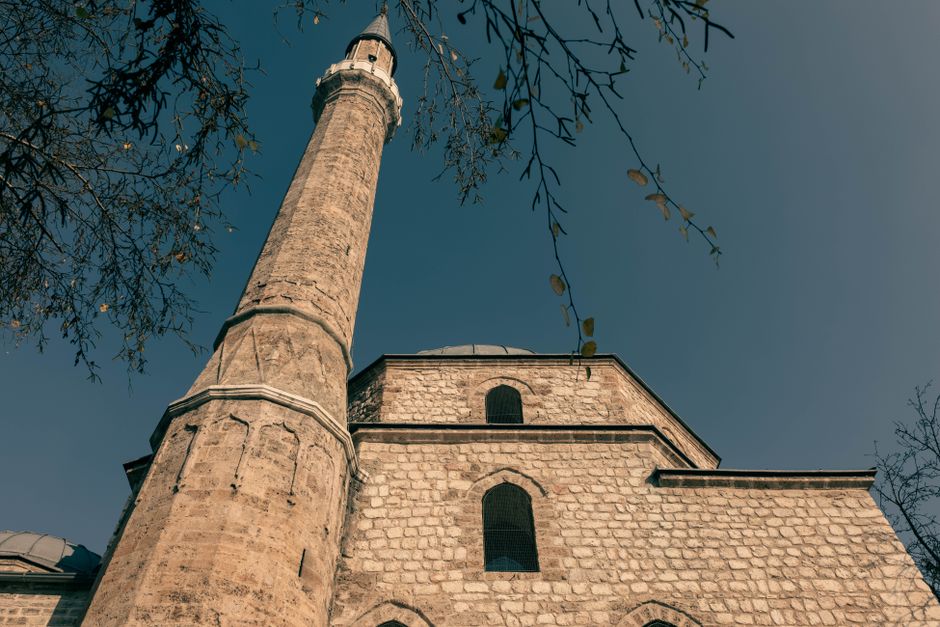
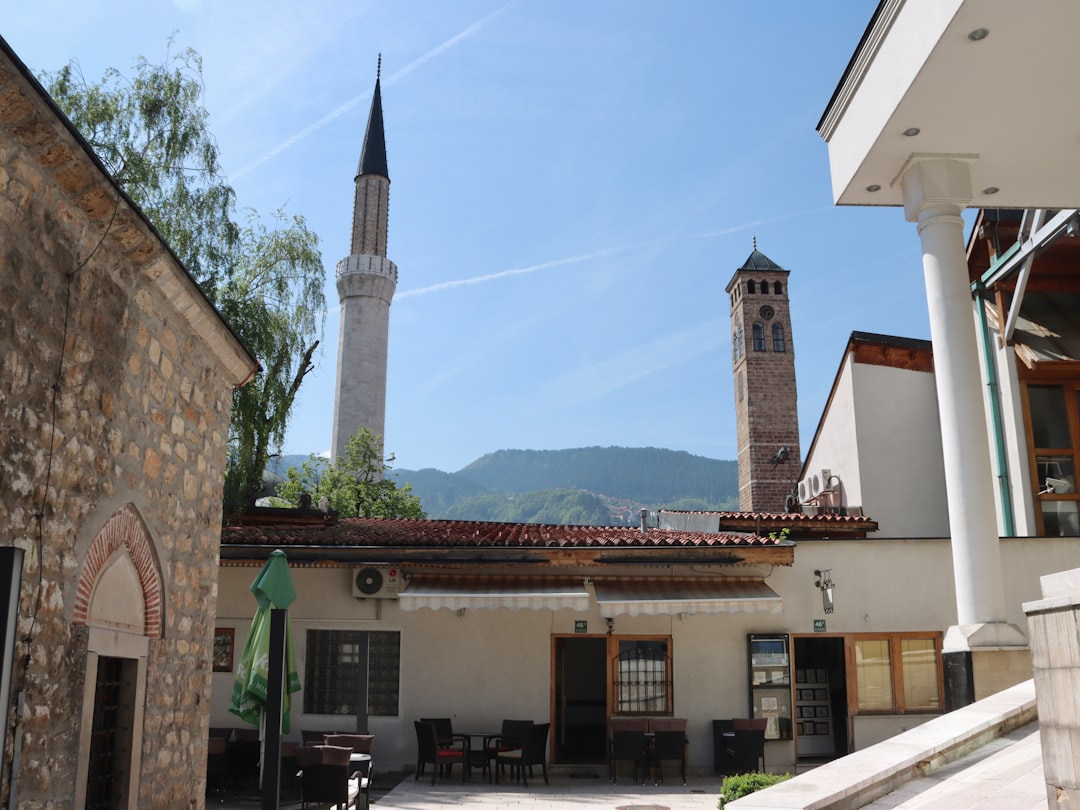
Begova Džamija — The Sultan's Mosque, built in 1530, is the oldest mosque in Sarajevo. Its tall, slender minaret dominates the skyline of the old town. The interior is simple, stripped of ornamentation, focusing on the spiritual experience. It's a place of quiet contemplation amidst the chaos of the market. Entry is free, but modest dress is required. Visit early in the morning to avoid the crowds and catch the light hitting the wooden ceiling.
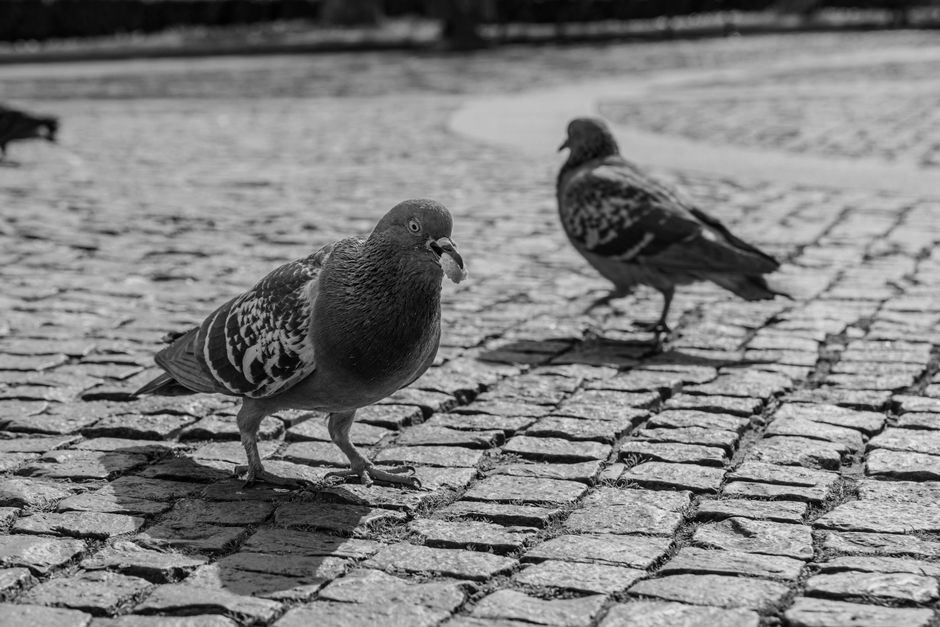
Sebilj Fountain — This green iron fountain is the symbolic heart of Baščaršija. Built in the 19th century, it replaced an older Ottoman water fountain. Locals and pigeons flock here. It's a meeting point, a place to cool off, and a symbol of the city's water history. The white pigeons are a beloved fixture, and feeding them is a ritual for many visitors. It's free to access and surrounded by the main market streets.
Ćumur Kuća — This is where you go to understand the copper culture of Baščaršija. It's a traditional copper shop where you can watch artisans hammering copper sheets into trays, bowls, and decorative items. The sound of the hammer is the soundtrack of the street. You can buy souvenirs here, but the real value is in the demonstration of a centuries-old craft. It's a sensory experience of heat, noise, and metal. Entry is free, but expect to be pitched for a purchase.
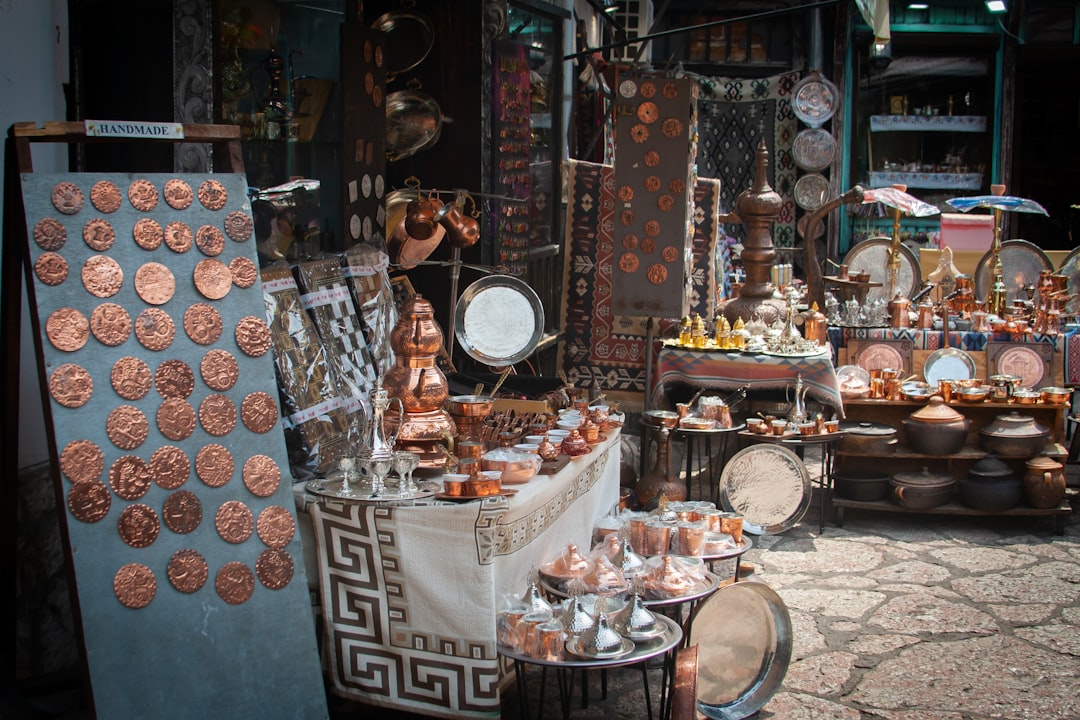
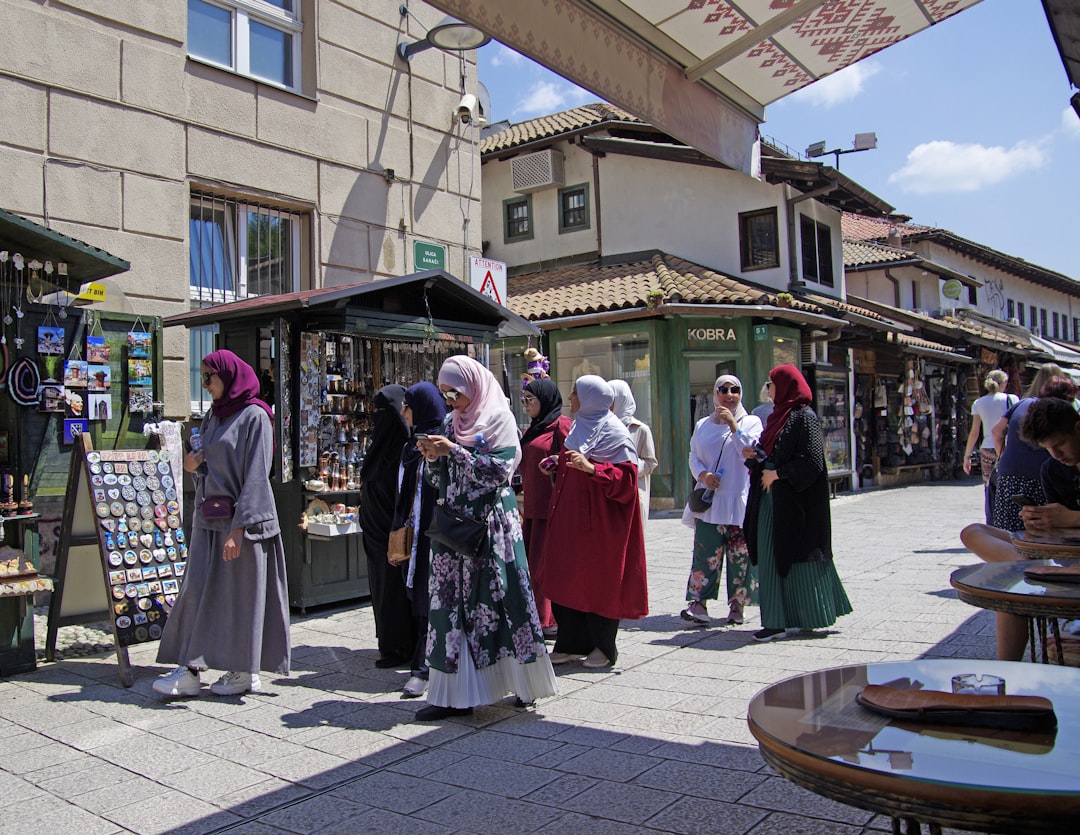
Šehera Čaršija — The main street of the old bazaar. It's a pedestrian-only zone lined with shops selling leather, ceramics, jewelry, and souvenirs. The atmosphere is vibrant and chaotic. It's the best place to wander without a map, getting lost in the narrow alleys that branch off. The shops are often family-run, and the prices are negotiable. It's a lively, bustling environment that captures the essence of a traditional Ottoman market.
Emperor's Hamam — This 16th-century Ottoman bathhouse is one of the best-preserved in the Balkans. It features a central dome, heated marble floors, and intricate stone carvings. Today, it operates as a cultural center and exhibition space, but you can still feel the steam and history in the air. It's a fascinating glimpse into the social and hygienic practices of the Ottoman era. Entry fee is approximately 5 EUR.
What to Eat & Drink
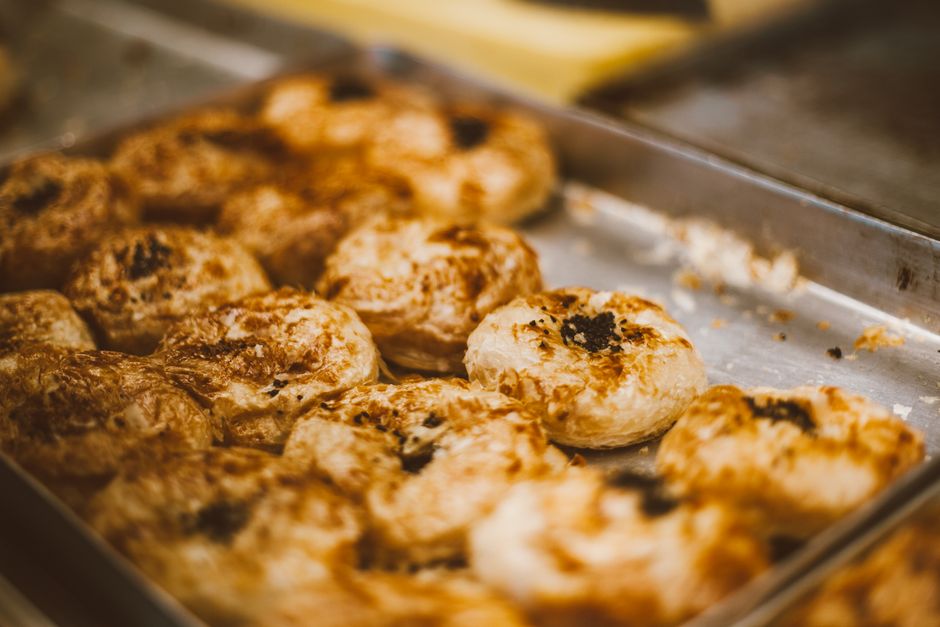
The food in Baščaršija is heavy, rich, and deeply traditional. You're not here for light salads. You're here for meat, bread, and strong coffee. Burek is the king of the street food scene. These flaky pastries filled with minced beef are everywhere. A single portion costs around 2-3 EUR and is best eaten hot, right out of the bakery. Ćevapi, small grilled meat sausages served with lepinja (flatbread) and onions, are the staple meal. A plate of 10 ćevapi will set you back about 6-8 EUR in a local restaurant. Šopska salata, a fresh salad of tomatoes, cucumbers, and onions topped with kajmak, is a common side dish, costing around 3-4 EUR.
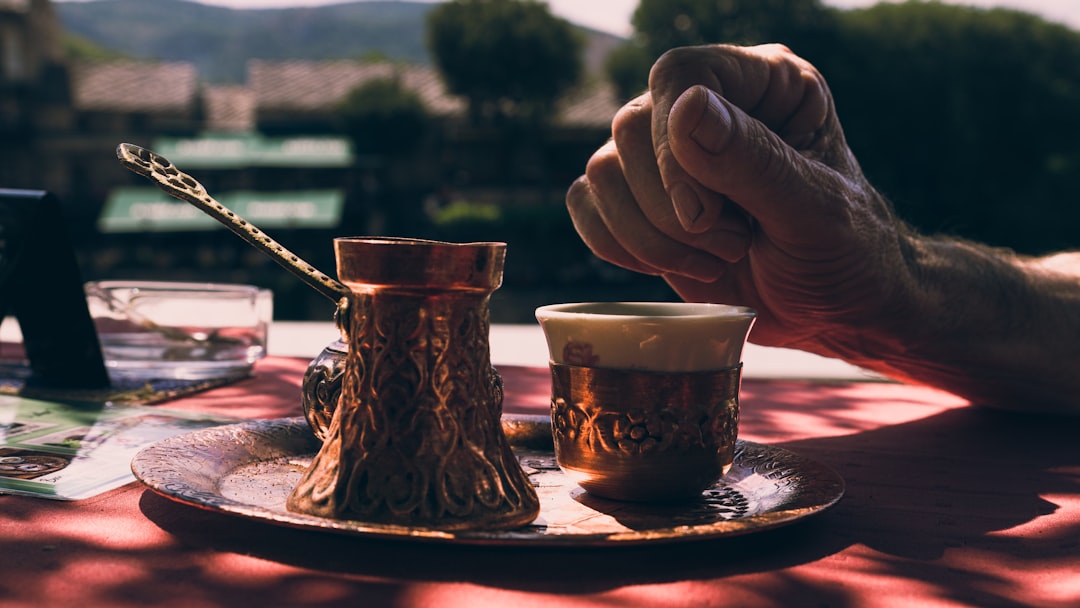
For coffee, you must try the Bosnian coffee. It's prepared in a džezva (a long-handled pot) and served in a fildžan (small cup) with a lump of rahat lokum (Turkish delight). It's strong, unfiltered, and served with a glass of water. A cup costs about 1.50-2.50 EUR. The ritual is important: you drink it slowly, and the coffee grounds are used for fortune-telling. Boza, the fermented grain drink I mentioned earlier, is a sweet, thick beverage that's perfect for a cold day. A small glass costs around 1-2 EUR.
Budget travelers can eat well on 10-15 EUR per day if they stick to street food and small cafes. A sit-down meal at a local restaurant like Hisar or Kod Plaha will cost around 15-25 EUR per person for a main course and a drink. For a more upscale experience, places like Fejić's offer a refined take on traditional cuisine, with prices ranging from 25-40 EUR per person. The food market at Baščaršija is a great place to pick up fresh ingredients if you're staying in an apartment.
Nightlife
Nightlife in Baščaršija is not about loud clubs and neon lights. It's about kafe culture. The coffee houses are open late, and the streets fill with people sitting outside, smoking, drinking, and talking. The atmosphere is relaxed and social. Kod Plaha is a historic restaurant and coffee house that has been a gathering place for writers and intellectuals for decades. It's a great place to experience the old-world charm of Sarajevo. The music is usually traditional Bosnian or Turkish, played live in the evenings.
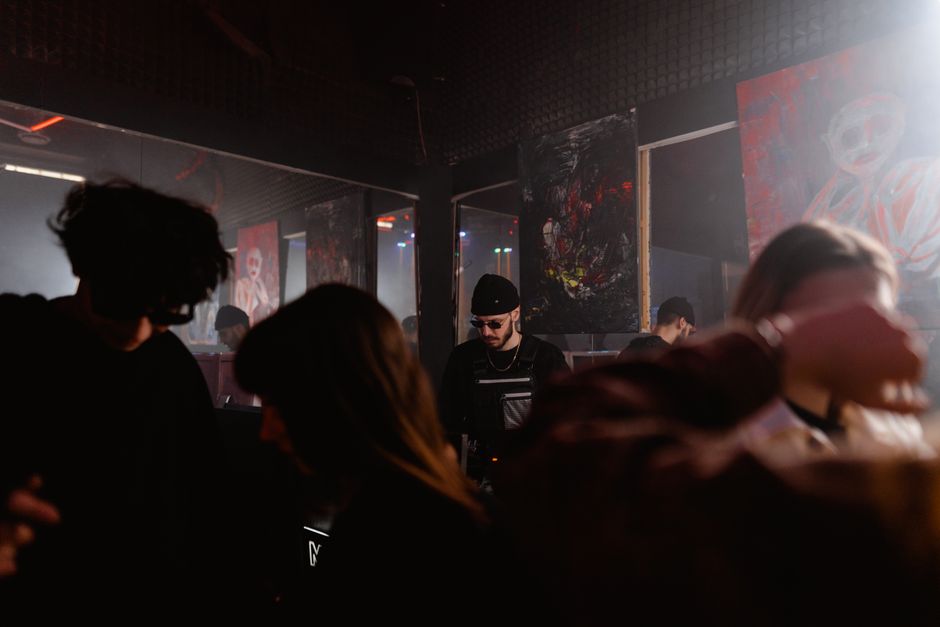
For a more modern vibe, head to Sarajevo's main nightlife district, which is a short walk away from Baščaršija. Bijelo Dugme is a popular bar with a mix of local and expat crowds. Club Bordo is a larger venue with DJs and dance music. Cover charges vary, but expect to pay around 5-10 EUR for entry and drinks. The nightlife scene is vibrant but not overwhelming, reflecting the city's laid-back attitude.
Getting There & What to Expect
Sarajevo International Airport is located about 15 km from the city center. Taxis to Baščaršija cost around 15-20 EUR. Buses are a cheaper option, costing about 2-3 EUR, and take around 30-40 minutes. From major Balkan hubs like Belgrade or Zagreb, buses are the most common way to reach Sarajevo, with travel times of 6-8 hours and costs ranging from 30-50 EUR. Trains are also available but are slower and less frequent.
Accommodation in Baščaršija ranges from budget hostels to boutique hotels. A bed in a hostel costs around 15-25 EUR per night. A mid-range hotel room costs about 50-80 EUR per night. For a luxury experience, expect to pay 100-150 EUR per night. The best time to visit is spring (April-May) or autumn (September-October), when the weather is mild and the crowds are smaller. Summer can be hot and crowded, while winter is cold and snowy, but offers a beautiful, quiet atmosphere.
Search accommodation in Sarajevo on Booking.com →
The Hammer Never Stops
I left Baščaršija with the smell of copper still on my hands and the taste of bitter coffee on my tongue. It's a place that doesn't apologize for its history, its complexity, or its intensity. The hammering of the copper smiths is a reminder that this city is still being forged, still being shaped by the hands of its people. It's not a postcard. It's a living, breathing, sometimes chaotic, always compelling place. If you're looking for a sanitized, tourist-friendly experience, go somewhere else. But if you want to feel the pulse of the Balkans, come to Baščaršija. Sit in a coffee house. Watch the world go by. And listen to the hammer. It's the sound of survival.
Comments