


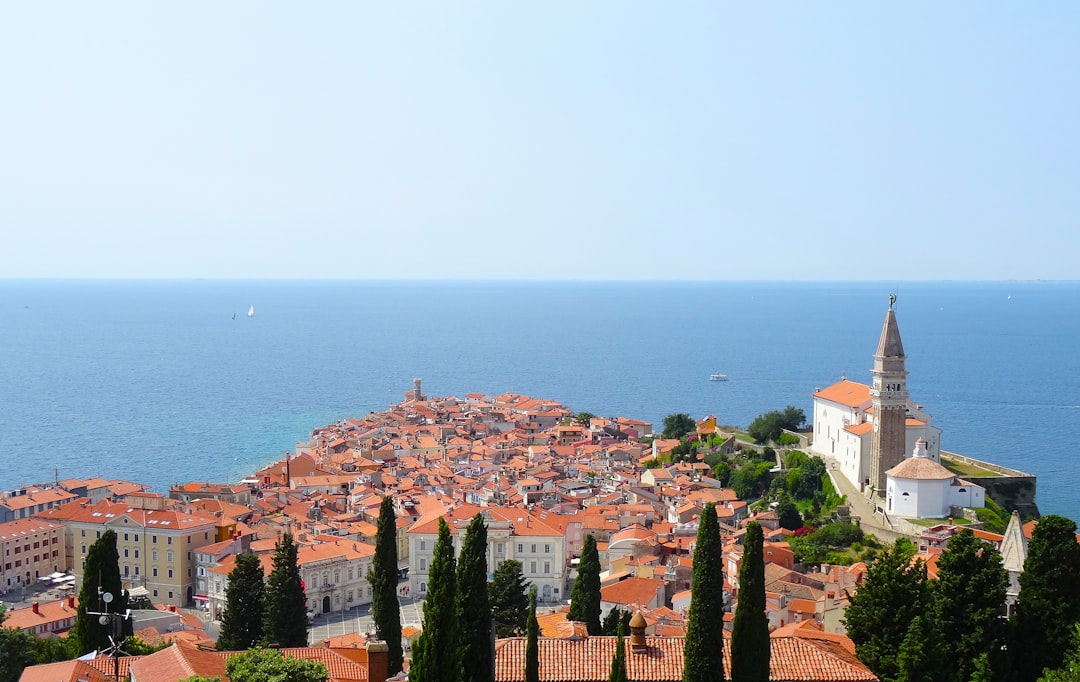
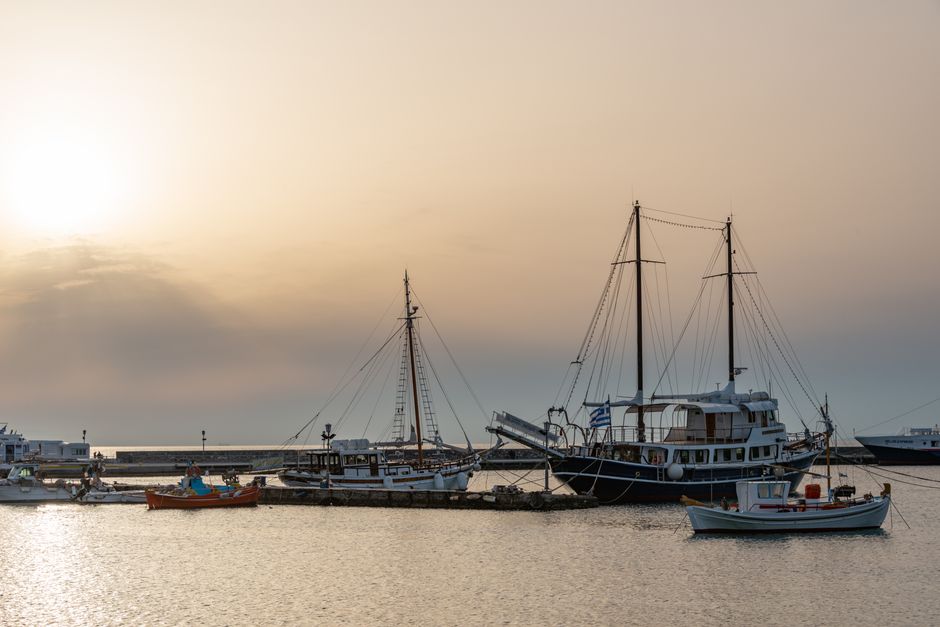
The air here tastes like copper and old salt. I’m standing on the edge of Piran, staring at the Adriatic Sea through a haze of morning mist and exhaust fumes from a passing ferry. My bike is leaning against a stone wall that has seen empires rise and fall, from Venice to Austria-Hungary. There is no grand mountain pass here, no hairpin bends screaming for adrenaline. Instead, there is a flat, brutal stretch of asphalt that connects two of Slovenia’s most important ports. It is a route that feels less like a vacation and more like a commute for the ghosts of the Venetian Republic. The wind cuts through your jersey not with the chill of the Alps, but with the humid, heavy breath of the Mediterranean. This is the Slovenian Riviera, and it is deceptively simple.
I set off from the harbor of Piran, the cobblestones under my tires clicking like a metronome. The route to Koper is only about 15 kilometers long, but it is packed with history, salt flats, and the kind of coastal scenery that makes you forget you are in a country surrounded by mountains. It is a ride that demands attention, not because of the physical exertion, but because of the sheer density of visual and historical data hitting you every few hundred meters. You are cycling through a landscape shaped by tides, trade, and empire.
The Landscape of Salt and Stone
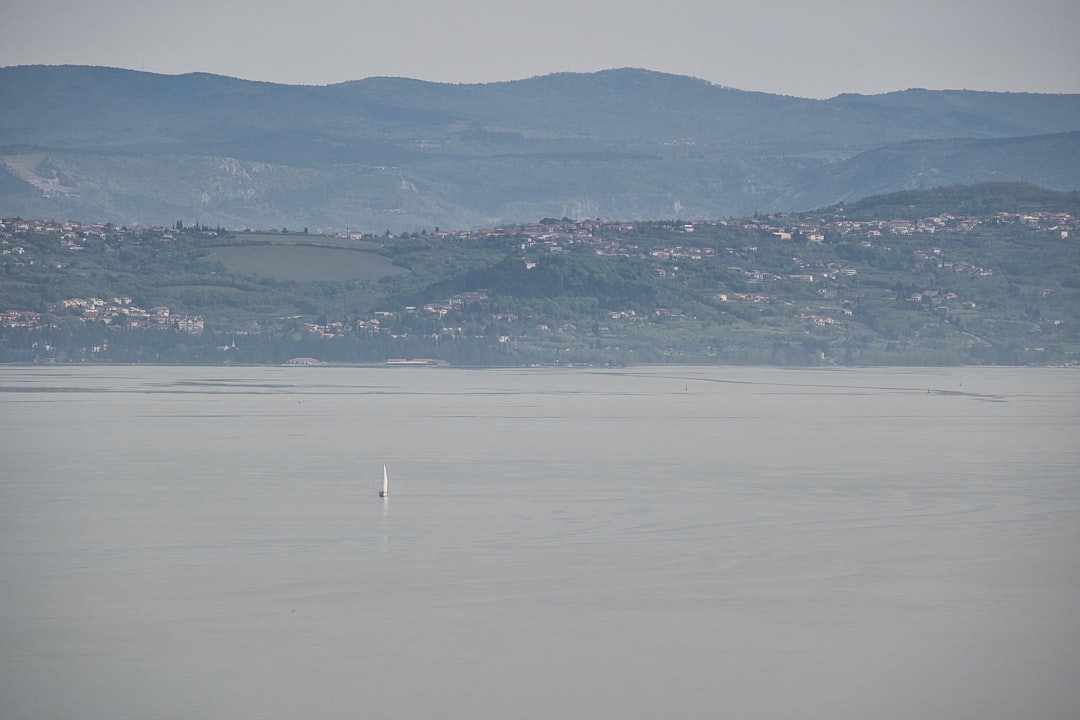
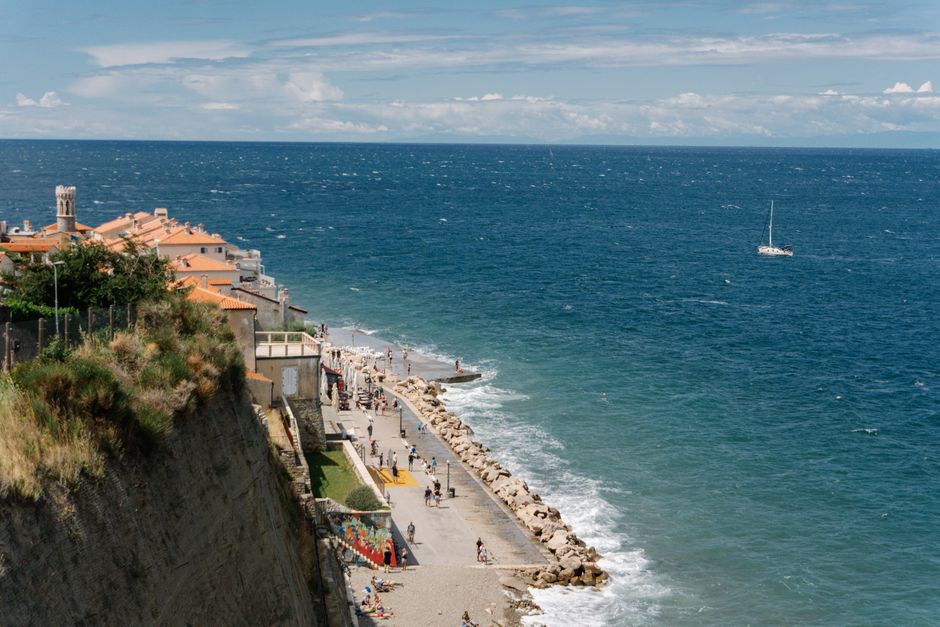
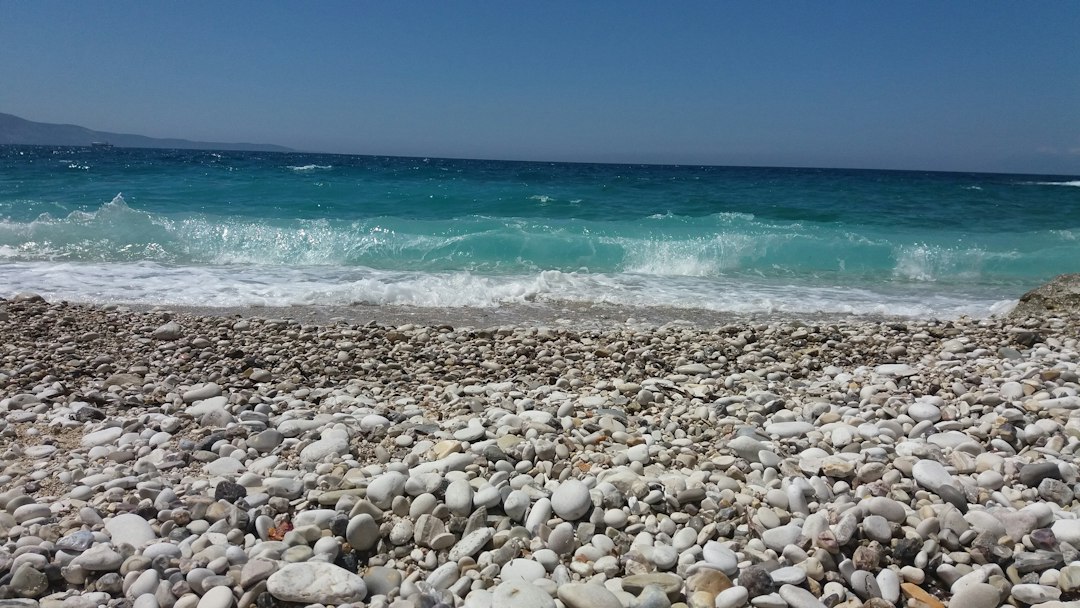
The first thing you notice is the flatness. Unlike the rest of Slovenia, which is a vertical country of peaks and valleys, the coast is a horizontal expanse. The road hugs the coastline, offering uninterrupted views of the Adriatic Sea Adriatic Sea to the south and the limestone cliffs of the Karst plateau to the north. The asphalt is smooth, recently repaved in sections, and marked with clear cycling lanes in most places. However, the wind is your true opponent. If it is blowing from the east, as it often does in the morning, you will be fighting a headwind that feels like a wall. If it is from the west, you will be surfing the breeze, but beware the sudden gusts that funnel through the gaps in the coastal cliffs.
As you leave Piran, the town’s Venetian architecture gives way to the open landscape of the Škocjan Caves Škocjan Caves region, though the caves themselves are inland. What you see here are the salt pans of Salina, a historic salt production site that dates back to Roman times. The salt pans are a striking visual contrast to the blue sea, with their geometric patterns of white and turquoise. The air here is thick with the scent of brine, and the sky is often filled with flocks of flamingos and other migratory birds. It is a reminder that this coast is not just about tourism; it is a working landscape, still producing the salt that has been a cornerstone of the local economy for millennia.
Historical Layers on the Road
This route is a timeline of European history. Piran was a Venetian stronghold, and you can see the influence in the town’s layout, its churches, and its fortifications. As you cycle towards Koper, you pass through the village of Lucija, a small fishing village that retains a sense of isolation despite its proximity to the larger towns. The houses here are built in the traditional Istrian style, with stone walls and red-tiled roofs, clustered tightly together for protection against the strong Bura Bura wind. The Bura is a cold, dry wind that can reach hurricane speeds, and it is a force to be reckoned with. Cyclists are advised to check the wind forecast before setting out, as a strong Bura can make the ride dangerous, especially for less experienced riders.
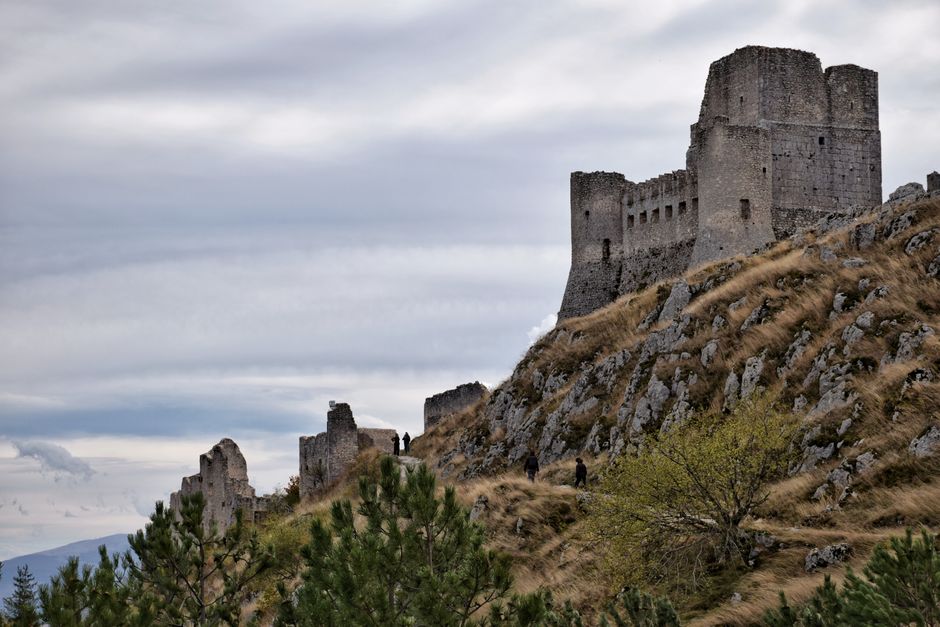
Koper, the endpoint of the ride, was once a major port for the Venetian Republic and later for the Habsburg Empire. The town’s history is visible in its old town, with its narrow streets and medieval buildings. The Koper Castle Koper Castle stands as a testament to the town’s strategic importance, dominating the skyline from its hilltop position. The castle was built in the 13th century and has been modified and expanded over the centuries, reflecting the changing needs of its occupants. Today, it houses a museum and offers panoramic views of the town and the sea. The ride into Koper is a gradual uphill climb, a welcome change from the flat sections earlier in the journey, and it provides a sense of arrival as the town’s modern port facilities come into view.
On the Ground: Practicalities and Pitfalls
The route from Piran to Koper is well-signposted, with clear markers for cyclists. However, it is not a dedicated cycling path for the entire distance. In some sections, you will be sharing the road with cars, trucks, and buses. This requires caution, especially during peak tourist season when traffic is heavy. The road is generally wide, but there are no shoulders in some places, so you need to be alert and predictable. The best time to ride is early in the morning, when the traffic is light and the wind is often calmer. The road surface is good, but there are some potholes and cracks, so a bike with good suspension and sturdy tires is recommended.
There are few services along the route, so it is essential to carry enough water and snacks. The distance is short, but the heat and humidity can be intense, especially in the summer months. There are a few cafes and restaurants in Lucija and Koper, but they are not always open early in the morning. If you are planning to do the ride in one go, make sure to start well before the midday heat sets in. The route is suitable for most fitness levels, but the wind can make it challenging even for experienced cyclists. If you are not confident in your ability to handle strong winds, consider doing the ride in stages or using a taxi to return to your starting point.
Getting There & What to Expect
Most international visitors arrive in Slovenia via Ljubljana Jože Pučnik Airport Ljubljana Jože Pučnik Airport, which is about 100 kilometers north of Piran. From Ljubljana, you can take a bus to Piran, which takes about 1.5 to 2 hours. The bus service is frequent and reliable, with tickets costing around 10-15 EUR one way. Alternatively, you can rent a car in Ljubljana and drive down to the coast, which gives you more flexibility but requires navigating through mountain passes. The drive is scenic, but it is not as direct as the bus route.
Once you are in Piran, there are several bike rental shops in the town center. You can rent a standard road bike or a hybrid bike for around 15-25 EUR per day. Make sure to check the condition of the bike before you set off, especially the brakes and tires. There are also guided cycling tours available, which can provide valuable insights into the history and culture of the region. These tours typically cost around 40-60 EUR per person and include transportation back to your starting point.
Accommodation in Piran and Koper ranges from budget hostels to luxury hotels. A bed in a hostel dormitory costs around 20-30 EUR per night, while a private room in a mid-range hotel costs around 60-90 EUR per night. There are also camping sites available in the area, with pitches costing around 10-15 EUR per night. The best time to visit is during the spring or autumn, when the weather is mild and the crowds are smaller. Summer is hot and crowded, but it is also the best time for swimming and enjoying the coastal atmosphere.
Search accommodation in Piran on Booking.com →
The Final Stretch
As I rolled into Koper, the sun was beginning to set, casting a golden glow over the port. The smell of grilled fish and fresh bread wafted from the restaurants lining the waterfront. I parked my bike near the castle and walked down to the harbor, where fishermen were pulling in their nets. The ride had been short, but it had been rich in texture and history. It was a reminder that travel is not always about covering great distances or conquering difficult terrain. Sometimes, it is about slowing down, paying attention, and letting the landscape speak to you. The Slovenian Riviera is a place of contrasts, where the mountains meet the sea, and where history is written in stone and salt. It is a place that deserves to be explored, not just visited.
Comments