


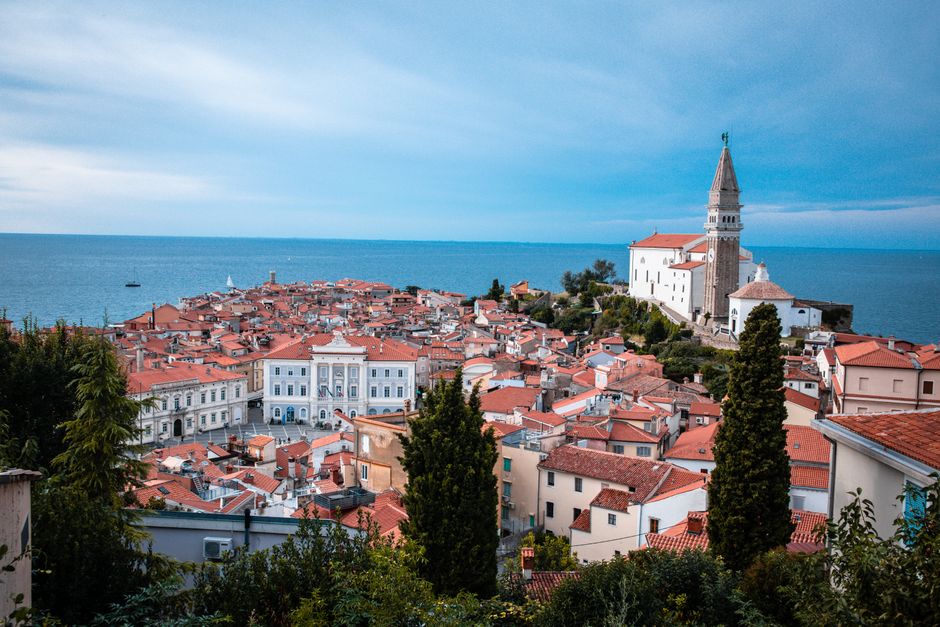
I sat on a heated stone bench in Thermae Portorož, steam fogging my glasses while the scent of eucalyptus and salt hung heavy in the air. My feet were submerged in mineral-rich water, and above me, the glass ceiling revealed a sky shifting from bruised purple to dawn grey. This wasn't some generic wellness retreat; it was a sensory overload of heat, cold, and the relentless rhythm of the sea just meters away. The Thermae isn't just a spa; it's a fortress of relaxation carved directly into the limestone cliffs of the Slovenian coast, offering a thermal experience that feels worlds away from the humid heat of the Mediterranean summer.
The contrast here is jarring and delicious. Outside, the Adriatic Sea slaps against the rocks, smelling of brine and sun-baked pine. Inside, the air is controlled, humid, and thick with the promise of relief. I came here seeking escape from the relentless pace of travel, but I found something more: a place where the geology of the Slovenian Littoral dictates the rhythm of your day. It is the only place in Slovenia where you can soak in thermal waters while the Mediterranean breeze rattles the windows, a unique intersection of Alpine geology and coastal climate.
History & Identity
The story of Portorož Portorož is one of deliberate reinvention. For centuries, this stretch of coast was a quiet, rugged landscape of limestone karst and pine forests, largely ignored by the grand tour travelers who flocked to Italy's Riviera. It wasn't until the mid-20th century that the state recognized the potential of the area's thermal waters and mild climate. The development of the Aquamarin Aquamarin Portorož complex in the 1970s marked a turning point, but it was the construction of Thermae Portorož in 2017 that truly transformed the town into a year-round wellness destination.
The identity of Portorož is no longer just about sandy beaches and summer crowds. It has shed its skin as a purely seasonal resort to become a sophisticated hub for health and leisure. The Thermae sits on the site of the former Hoteli Portorož complex, a brutalist-era hotel that once dominated the skyline. Its demolition and replacement with the sleek, glass-and-stone Thermae signaled a new era: one focused on sustainability, modern design, and a deeper connection to the natural environment. The building itself is a feat of engineering, built into the hillside to minimize its visual impact while maximizing views of the sea.
This shift reflects a broader trend in Slovenia Slovenia, a country that has aggressively marketed itself as a green, sustainable destination. Portorož is the coastal anchor of this strategy, proving that the Adriatic coast can offer more than just sunbathing. The thermal waters, sourced from deep underground aquifers, are rich in minerals like magnesium and calcium, offering therapeutic benefits that have been known since Roman times. Today, the Thermae harnesses this ancient resource with modern technology, creating a spa experience that is both luxurious and grounded in local geology.
Where to Go
Thermae Portorož — The main attraction is the spa complex itself, a sprawling facility divided into two main zones: the Thermae Spa and the Thermae Beach Club. The Spa offers a range of thermal pools, saunas, and steam rooms, while the Beach Club provides open-air pools with sea views. Entry to the Spa is 35-45 EUR for a half-day ticket, which includes access to the relaxation areas and pools. The Beach Club is slightly cheaper at 25-30 EUR and offers a more casual, summer-focused vibe. The best time to visit is early morning or late evening to avoid the midday crowds.
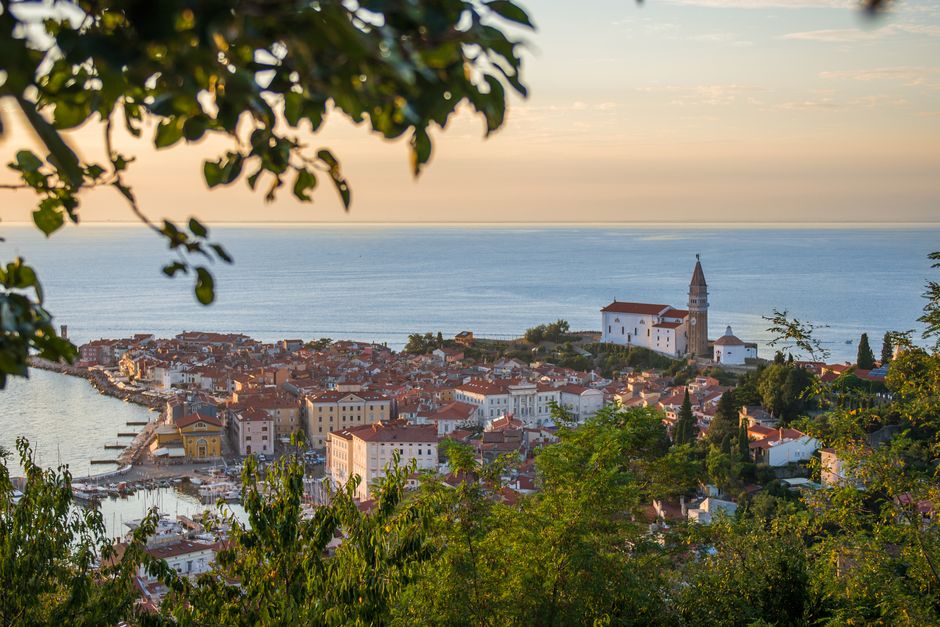
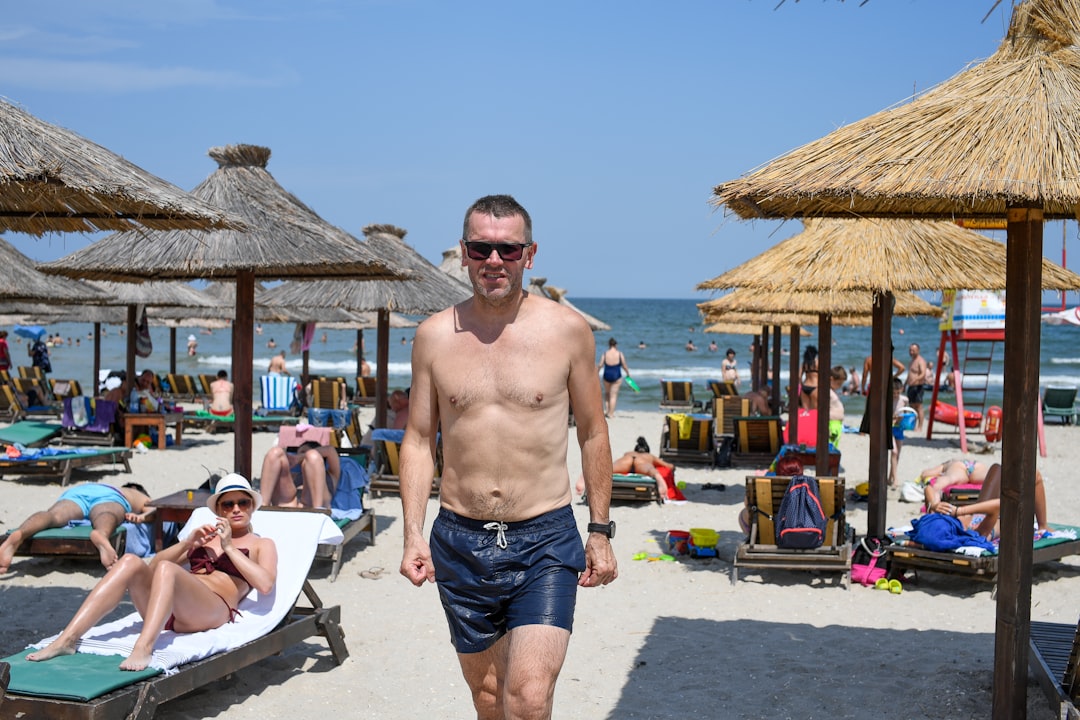
Portorož Beach — Just steps from the Thermae is the town's famous sandy beach, one of the few natural sandy beaches on the Slovenian coast. The sand is fine and golden, a stark contrast to the pebbly shores found further north. The beach is well-maintained, with sunbeds and umbrellas available for rent at 10-15 EUR per day. The water is shallow and warm, making it ideal for families. In the evening, the beachfront promenade comes alive with restaurants and cafes.
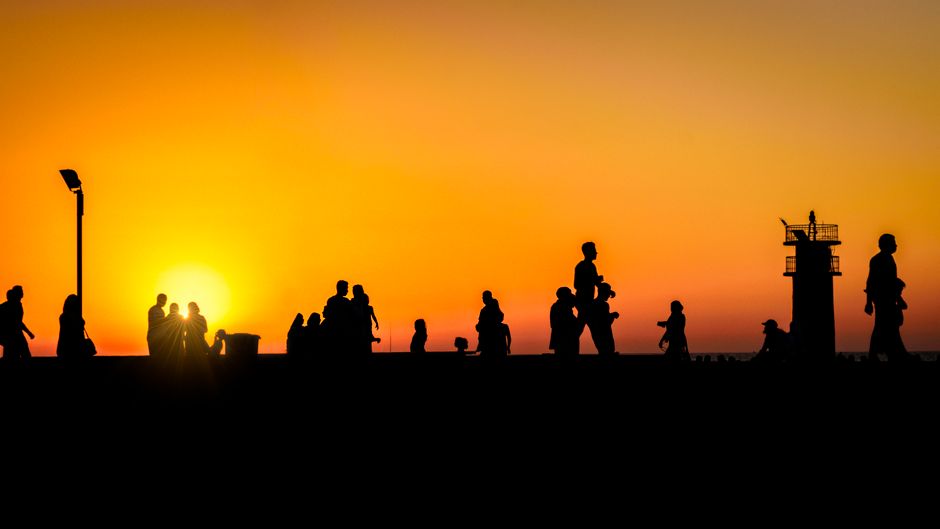
Strunjan Lighthouse — A short walk south from Portorož leads to the Strunjan Lighthouse Strunjan Lighthouse, a striking white tower perched on a limestone cliff overlooking the sea. The lighthouse was built in 1882 and is still operational. The surrounding area offers dramatic views of the coast and the Soča River delta. The trail to the lighthouse is steep and rocky, but the panoramic views are worth the effort. It's a perfect spot for a sunset walk after a day at the Thermae.
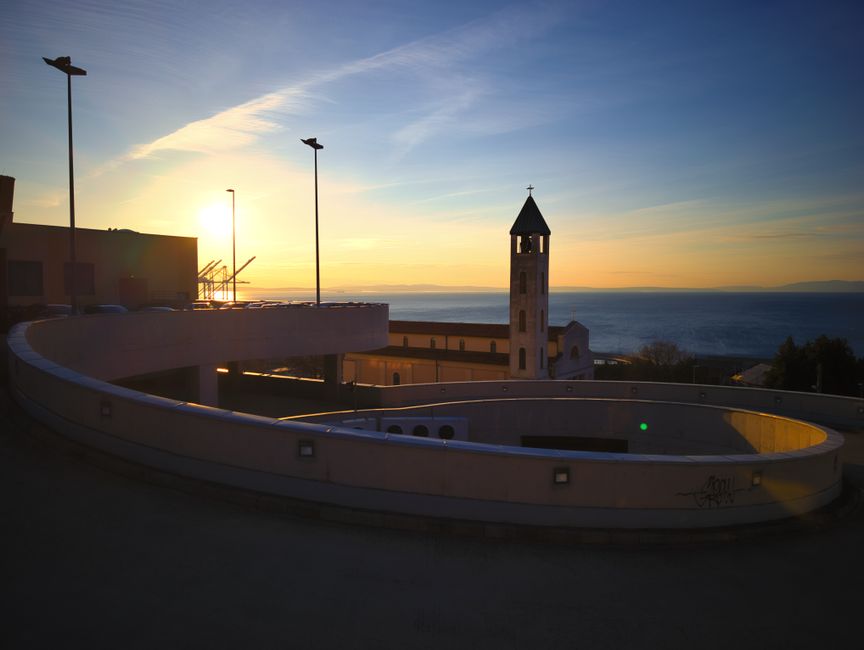
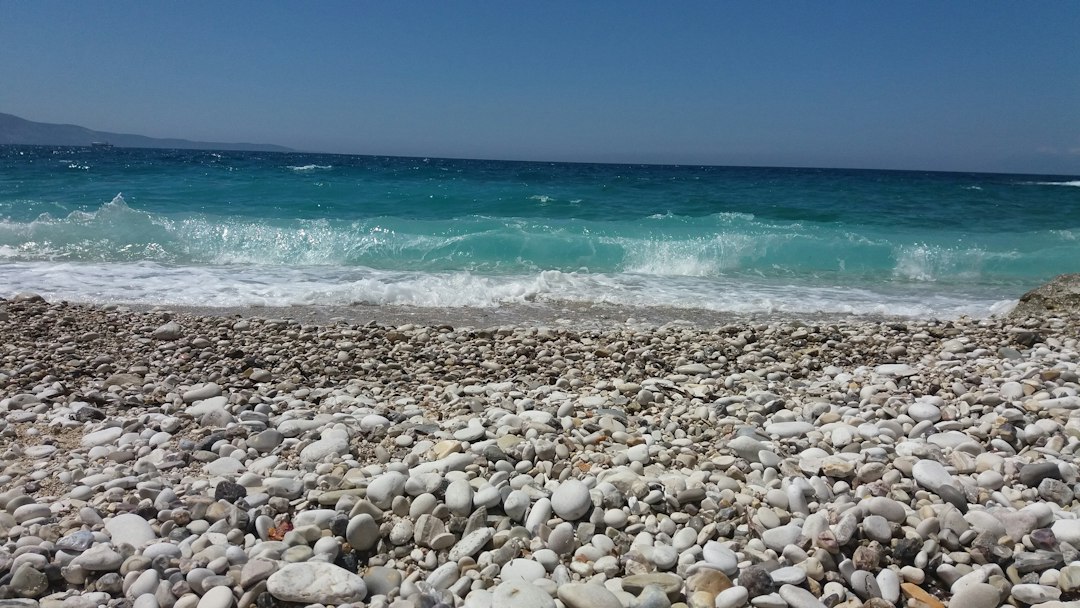
Dragonja Village — Just south of Strunjan is the tiny fishing village of Dragonja Dragonja. It's a quiet, picturesque place with a small harbor and a few traditional restaurants. The village is surrounded by pine forests and offers a more authentic, local feel than the busier Portorož. It's a great place to escape the crowds and enjoy a quiet meal by the sea. The beach here is pebbly, but the water is clear and inviting.
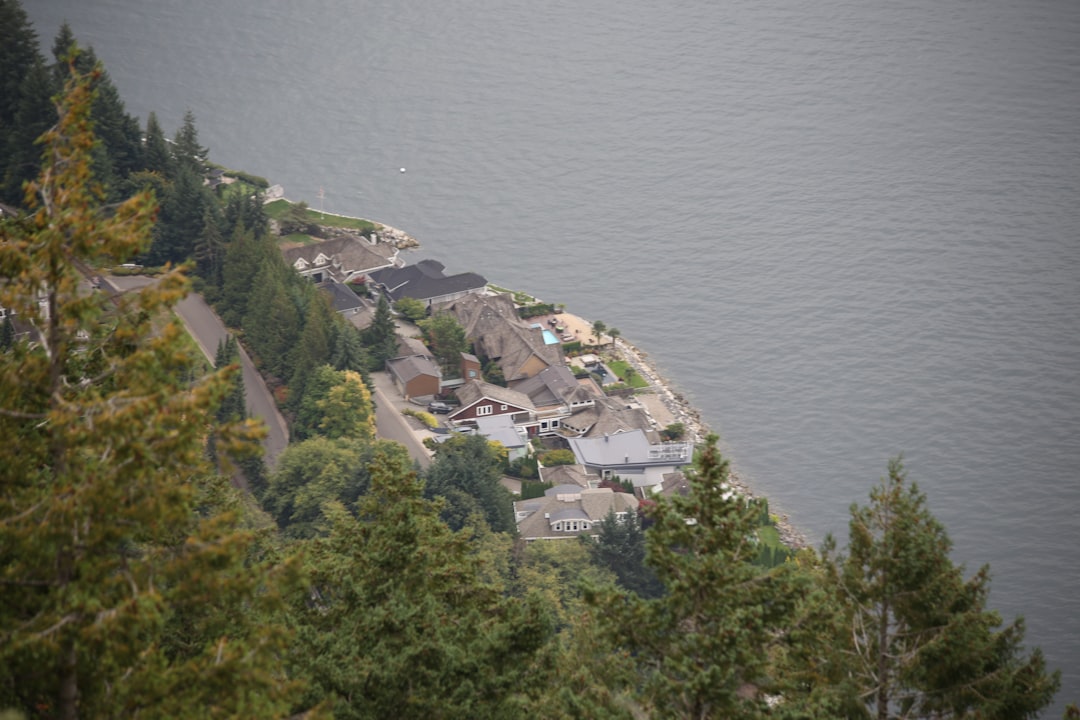
Aquamarin Portorož — For those who prefer swimming in the sea, the Aquamarin Portorož Aquamarin Portorož complex offers large, open-air pools with a wave pool and water slides. It's a popular spot for families and offers a more active alternative to the relaxing Thermae. Entry is 15-20 EUR for a day pass. The complex is located right on the beachfront, making it easy to combine a swim in the pools with a dip in the sea.
What to Eat & Drink
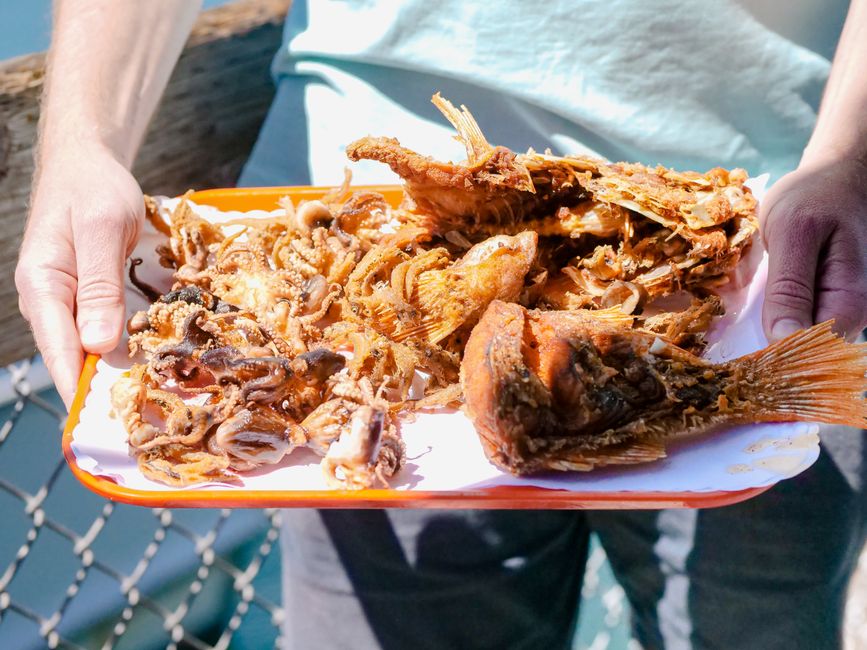
Portorož is a foodie's paradise, with a focus on fresh seafood and Mediterranean flavors. The town has a long tradition of fishing, and you'll find high-quality fish and shellfish on almost every menu. A typical meal might include grilled octopus 12-15 EUR, risotto with mussels 10-12 EUR, and fresh sardines 8-10 EUR. For a lighter option, try the Portorož salad 6-8 EUR, a local take on the classic Mediterranean salad with fresh vegetables and olive oil.
Budget travelers can find affordable meals at the local markets and take-away spots. A simple piadina (a flatbread sandwich) costs 5-7 EUR and is a perfect lunch option. There are also several bakeries and cafes where you can grab a coffee and pastry for 2-4 EUR. For sit-down meals, expect to pay 15-25 EUR per person at mid-range restaurants, while high-end dining can cost 40-60 EUR or more.
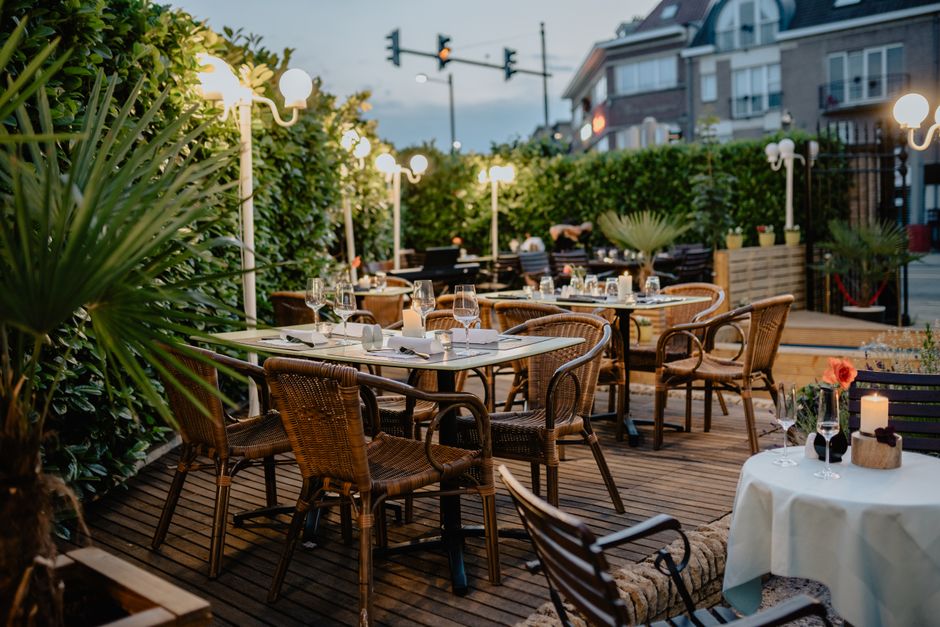
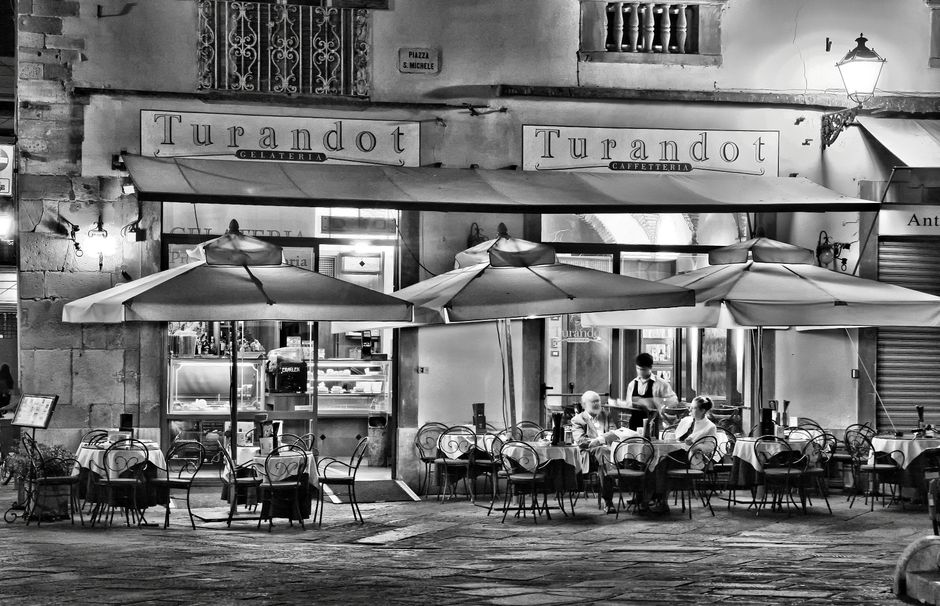
The main dining street is Obala, which runs along the beachfront. This is where you'll find the majority of the town's restaurants, bars, and cafes. It's a lively area in the evening, with outdoor seating and live music. Another popular spot is the Portorož Market Square, where you'll find a mix of food stalls and small restaurants. For a more authentic experience, head to Dragonja, where you can find traditional Slovenian and Italian dishes at a lower price.
Nightlife
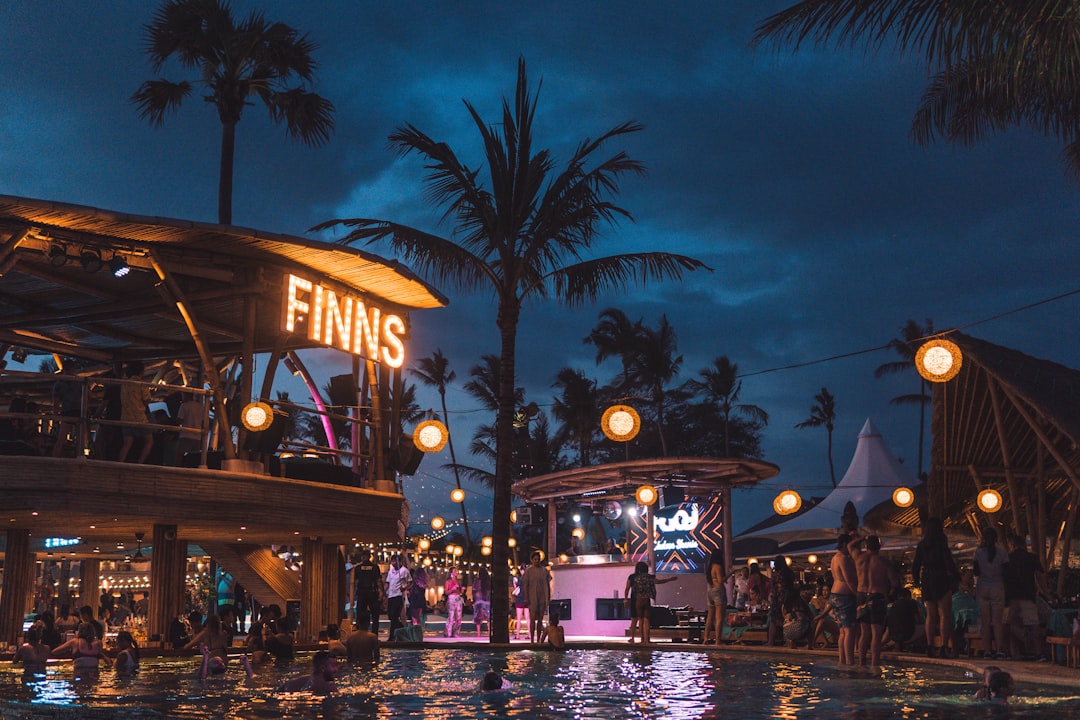
Portorož's nightlife is centered around the beachfront promenade and the Thermae Beach Club. The Beach Club has a popular bar and lounge area, which opens in the evening and offers cocktails, live music, and a relaxed atmosphere. It's a great place to unwind after a day at the spa or beach. The cover charge is usually included in the entry fee, but drinks cost 6-10 EUR each.
For a more lively scene, head to the Portorož Casino Casino Portorož, which has a bar and lounge area that stays open late. The casino itself is a popular attraction, but the bar is a great place to meet locals and tourists alike. There are also several bars and clubs along the Obala street, offering a mix of live music, DJs, and dance floors. Expect to pay 5-8 EUR for a drink and 10-15 EUR for a bottle of wine.
Getting There & What to Expect
The nearest airport is Trieste Airport Trieste Airport in Italy, which is about 30 km from Portorož. From Trieste, you can take a bus or taxi to Portorož, which takes about 30-45 minutes. Bus tickets cost 5-10 EUR and run regularly. Alternatively, you can rent a car at the airport for 30-50 EUR per day and drive to Portorož, which offers more flexibility for exploring the region.
From Ljubljana Ljubljana, the capital of Slovenia, you can take a bus or train to Portorož. The bus journey takes about 2 hours and costs 10-15 EUR. The train journey takes about 3 hours and costs 15-20 EUR. Both options are comfortable and scenic, offering views of the Slovenian countryside.
Accommodation in Portorož ranges from budget hostels to luxury hotels. A bed in a hostel dormitory costs 20-30 EUR per night, while a mid-range hotel room costs 80-120 EUR per night. Luxury hotels can cost 200-400 EUR or more per night. It's best to book in advance, especially during the summer months.
Search accommodation in Portorož on Booking.com →
The best months to visit Portorož are from May to October, when the weather is warm and sunny. The peak season is from July to August, when the town is crowded and prices are highest. For a more relaxed experience, consider visiting in May, June, or September, when the weather is still pleasant but the crowds are thinner.
The Final Rinse
Leaving the Thermae feels like stepping out of a dream. The air is cooler, the light is sharper, and the noise of the world rushes back in. But the warmth of the thermal waters lingers in your muscles, a gentle reminder of the escape you just had. Portorož isn't just a place to see; it's a place to feel. It's a place where the sea and the spa merge, where the past and the present collide, and where you can find a moment of peace in the midst of the chaos. Whether you're here for the history, the food, or the relaxation, Portorož has something to offer. And if you're lucky, you might just find that moment of clarity that makes the journey worth it.
Comments