


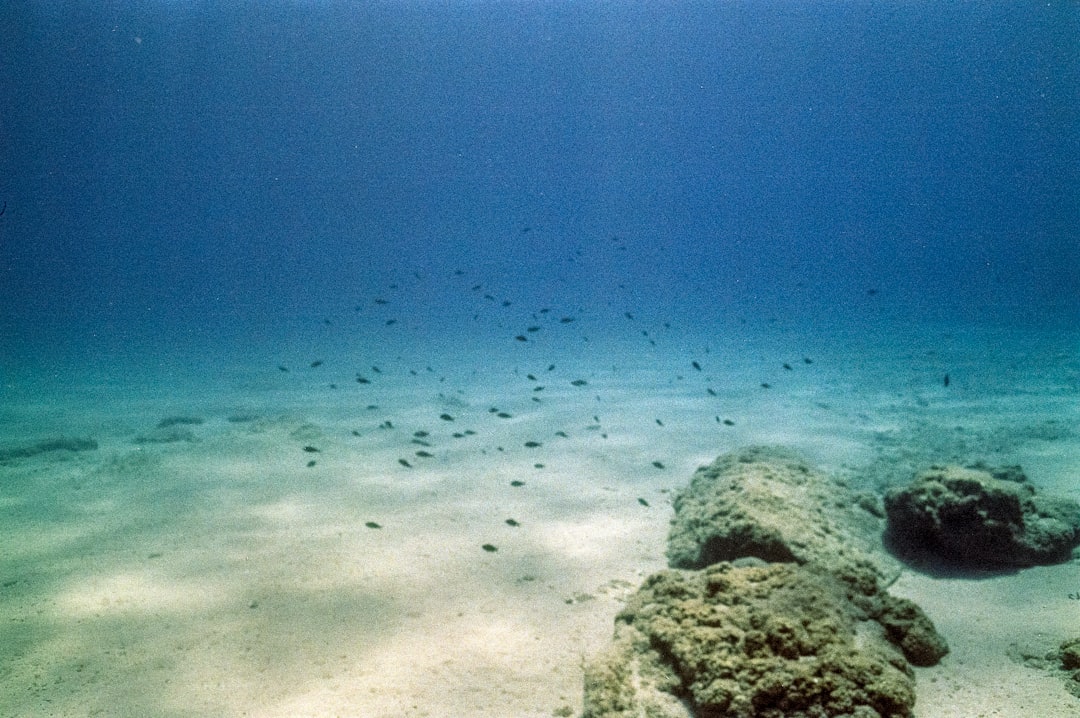
Wind, Salt, and the Ghosts of the Aegean
I am standing on the jagged edge of Limnos, a volcanic island that feels less like a holiday destination and more like a geological argument. The Meltemi wind is not a breeze here; it is a physical assault, tearing at my notebook and forcing me to squint against a spray of Aegean salt that tastes of iron and old history. A local fisherman, his skin cured like leather by decades of this relentless gale, spits over the side of his boat and tells me, "You want corals? You look where the rocks bleed red." He doesn't mean blood. He means the calcified ghosts of ancient reef systems that survive in this high-energy, nutrient-rich chaos. This is not the postcard-perfect, shallow-water snorkeling of the Caribbean. This is the deep, dark, mineral-heavy reality of the northern Aegean, where life clings to existence with a desperation that commands respect.
Limnos is an island of contradictions. It is one of the few places in Greece where you can hike through pine forests that smell of resin and sulfur, then dive into waters so cold and clear they feel like stepping into liquid glass. The coral here is not the sprawling, colorful gardens of tropical reefs. It is hard, encrusting, and ancient. It is the skeleton of the sea, built by polyps that have survived volcanic eruptions, tectonic shifts, and the occasional passing warship. To find them, you have to go where the boats don't usually linger — the deep channels near the southern tip, where the water drops off into abyssal darkness and the light fades to a eerie, bioluminescent blue.
The Geology of Survival
To understand the reefs of Limnos, you have to understand the rock. This island is a massive volcanic plug, rising from the sea floor like a clenched fist. The substrate is basalt and rhyolite, hard and unforgiving. Unlike the sandy bottoms of Crete or the limestone shelves of the Cyclades, Limnos offers vertical walls and deep crevices. This topography creates upwellings — cold, nutrient-rich water rising from the depths. For coral, specifically the cold-water varieties found here, this is paradise. They don't need the warm, shallow sun of the tropics. They need the food particles carried by these currents, and the hard surfaces to anchor their slow, millennia-long growth.
The most significant formations are found near Myrina, the capital, but not in the harbor. You have to go out. Past the fishing fleets, past the tourist boats heading to the sandy beaches of Agia Paraskevi, into the open water. Here, the reef structure is dominated by black coral and red coral, species that thrive in the cooler, darker depths. These are not the branching acroporas of the Maldives. These are dense, bushy, or encrusting forms that can withstand the crushing pressure and the violent storms that tear through the Aegean in winter. They are survivors. They are the quiet, slow-moving architects of the underwater landscape, building complexity out of barren rock.
Where to Dive the Reefs
The Southern Channel — This is the prime zone for serious divers. Located off the southern tip of the island, this area features steep drop-offs and deep walls. The visibility is often exceptional, exceeding 30 meters on calm days. You will find encrusting corals, sponges, and occasional sightings of red coral colonies at depths of 30-40 meters. This is not for beginners. The currents can be strong, and the depth requires experience. Entry is typically via local dive centers in Myrina, with boat trips costing 50-70 EUR per dive including gear. Best time: June to September for calm seas.
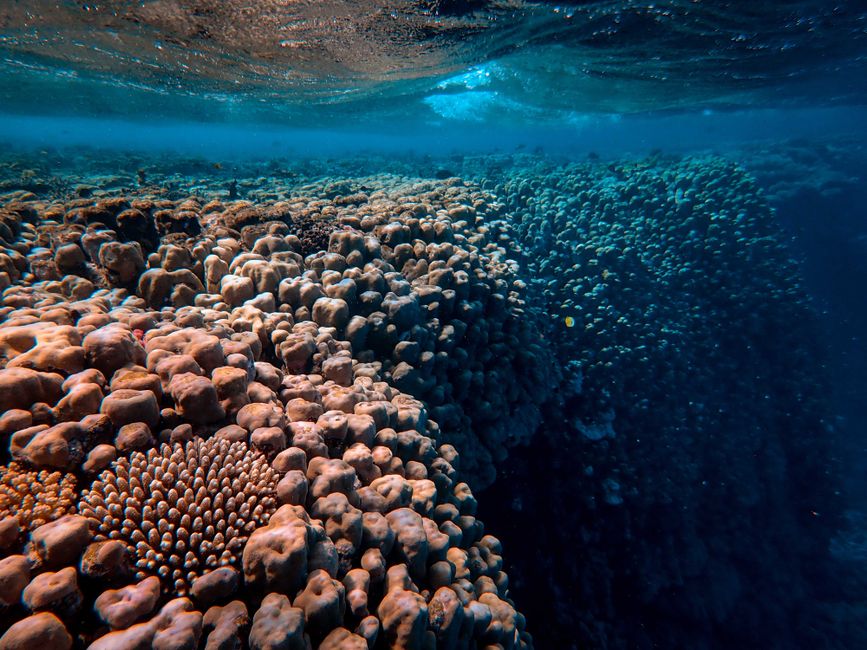
Agia Paraskevi Reef Edge — While the beach itself is sandy, the reef structure begins just a few hundred meters out. This is a more accessible site for intermediate divers. The seabed transitions from sand to rock, and you can find smaller coral colonies, sea fans, and a variety of fish species. It's a gentler introduction to the island's underwater ecosystem. Many local boats offer snorkeling trips to this area, costing around 15-20 EUR per person. The water is cold, so a wetsuit is recommended even in summer.
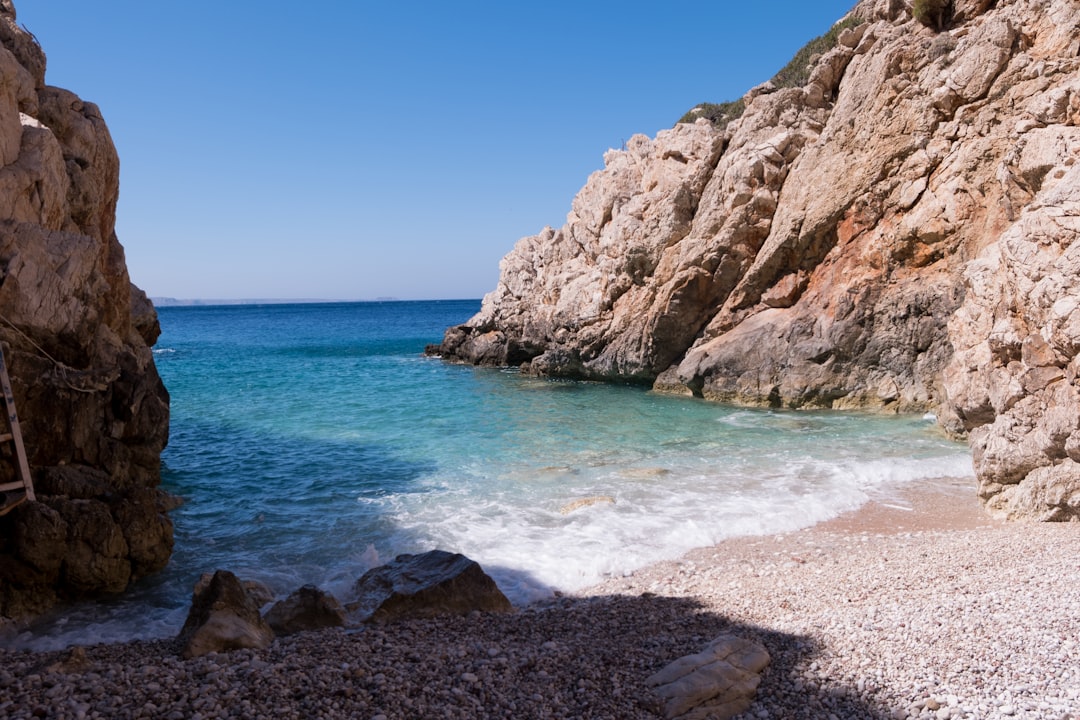
Volcanic Caves of Krasochoria — Near the village of Krasochoria, the volcanic coastline creates sea caves and arches. These structures are often home to unique micro-ecosystems, including corals that grow in shaded, protected niches. Exploring these sites requires careful navigation and good buoyancy control. The play of light and shadow in the caves creates a surreal, cathedral-like atmosphere. Dive trips to this area are less frequent, often requiring a private charter or a specialized excursion from Myrina, costing 80-100 EUR for the boat and guide.
What to Eat & Drink on the Island
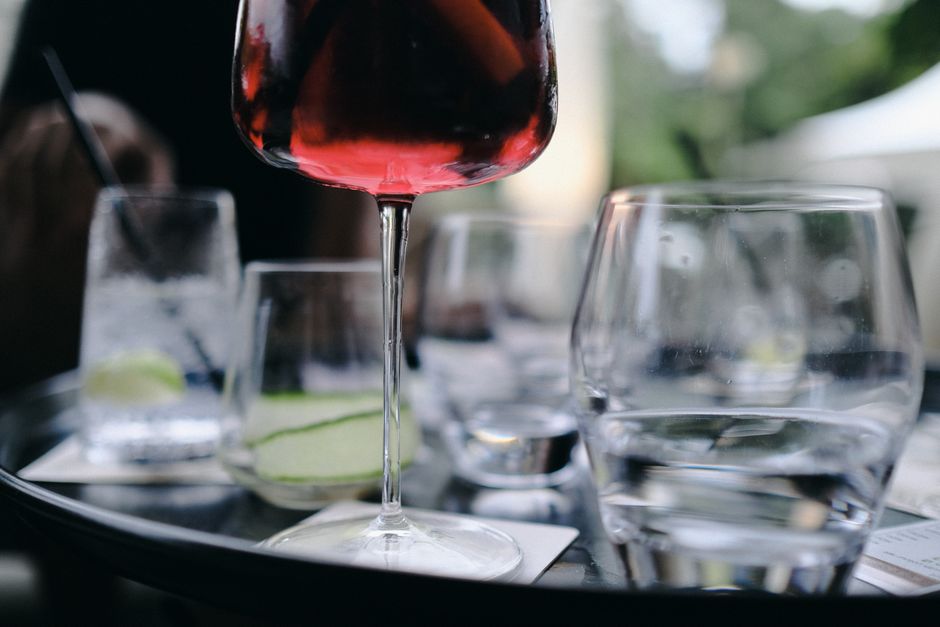
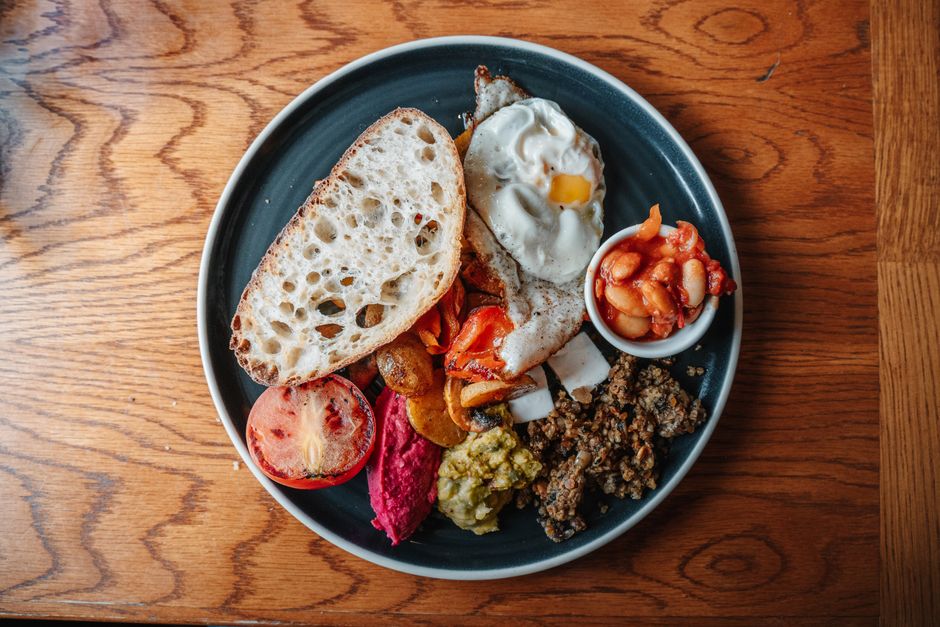
After a dive, you need fuel. Limnos is famous for its wine, specifically the Limnos PDO wine, a sweet, dessert wine made from the Moschato Aspromatiko grape. It is rich, aromatic, and pairs perfectly with the island's heavy, rustic cuisine. For a meal, expect to pay 10-15 EUR per person at a local taverna for a plate of grilled fish and local wine. If you're on a budget, you can find [strong>gigantes plaki (baked giant beans) for 5-7 EUR or a simple [strong>salata for 3-4 EUR. Street food is limited, but you can find fresh [strong>souvlakimelomakarona, sweet sesame cookies, which are a must-try snack. For a more upscale experience, mid-range restaurants in Myrina offer menus for 25-35 EUR per person, featuring local seafood and organic produce.
Nightlife in Myrina
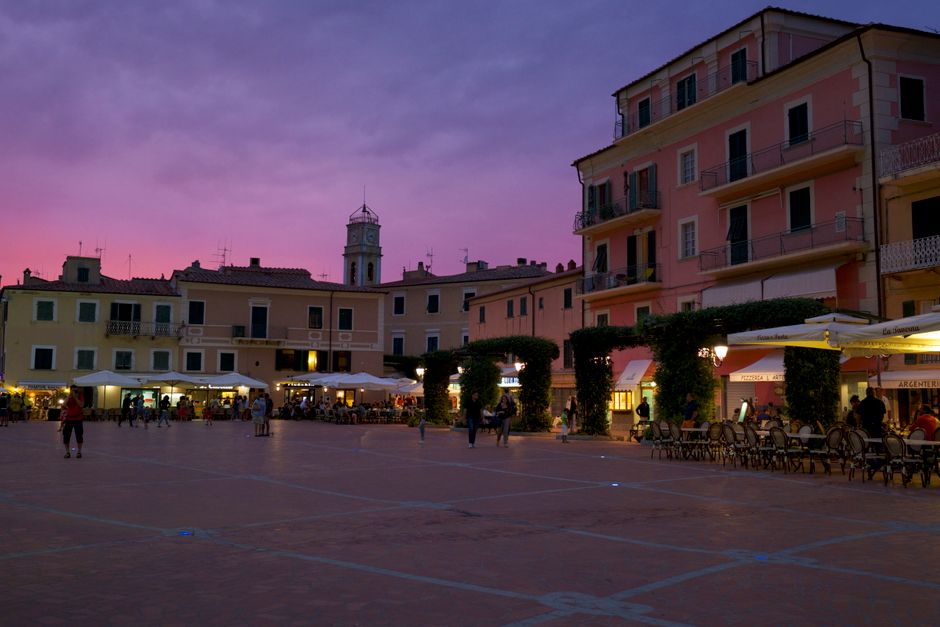
Nightlife on Limnos is low-key and authentic. The main action is concentrated in Myrina, along the waterfront and the main streets. Bars here are more about conversation and wine than loud music. You can find live traditional music on weekends, with covers of 5-10 EUR for drinks. The atmosphere is relaxed, with locals and tourists mingling. There are no major clubs, but a few venues offer DJ sets on summer nights. It's a place to unwind after a day of diving or hiking, not to party until dawn. The best spots are the small cafes on the main square, where you can watch the world go by with a glass of local wine.
Getting There & What to Expect
Getting to Limnos requires a flight or a ferry. The nearest airport is Limnos Airport, which has seasonal flights from Athens. A flight costs 80-150 EUR one way and takes about an hour. Ferries depart from Athens (Piraeus) and Thessaloniki, with journeys taking 8-12 hours. Ferry tickets cost 50-100 EUR for a standard seat. Once on the island, renting a car is essential for exploring the dive sites and villages. A compact car costs 30-50 EUR per day. Accommodation ranges from budget guesthouses in Myrina at 40-60 EUR per night to mid-range hotels at 80-120 EUR per night. Camping is also an option, with sites costing 10-15 EUR per night. The best time to visit is from June to September, when the seas are calm and the weather is warm. Winter is rough, with strong winds and rough seas, making diving difficult and dangerous.
Search accommodation in Myrina on Booking.com →
The Silence Beneath
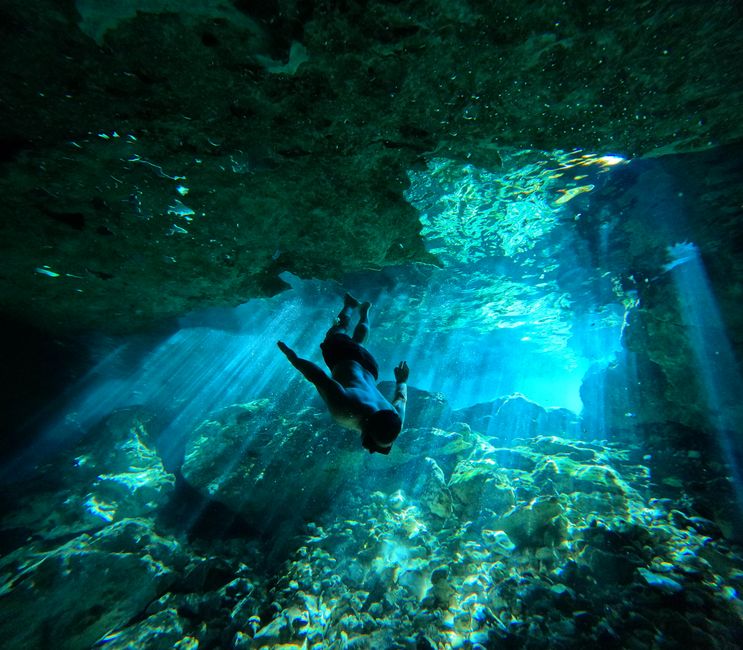
There is a silence down there that you cannot find anywhere else. It is not the absence of sound, but the presence of something deeper. The hum of the current, the crackle of shrimp, the distant groan of the volcanic rock settling. When you are surrounded by these ancient corals, growing millimeters per year, you feel the weight of time. It is a humbling experience. You are a visitor in a world that has been here long before you, and will be here long after. The wind on the surface is a distraction. The truth is in the dark, cold water, where the corals hold on, quietly, stubbornly, to their place in the world. It is a reminder that life, in all its forms, is resilient. And that sometimes, the most beautiful things are found in the most unlikely places.
Comments