


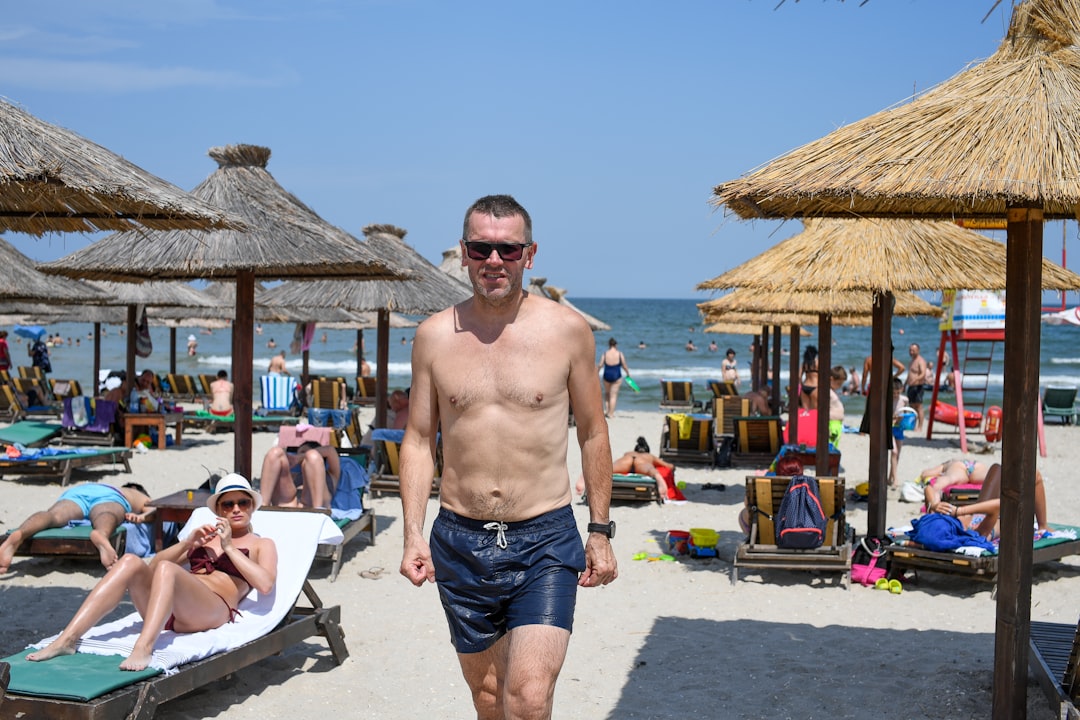
The salt in the air here doesn't just stick; it welds. I'm sitting on a plastic chair outside a crumbling 1970s concrete block in Mamaia, sweating through a linen shirt that cost more than my lunch, watching a line of locals queue for thermal water that bubbles up from the earth like a geological burp. This isn't the polished, turquoise-postcard Riviera you see in the brochures. This is Constanta, Romania's oldest city and its primary Black Sea port, a place where Soviet-era brutalism clashes violently with ancient Roman ruins, and where the "spa culture" feels less like a luxury retreat and more like a public utility. I came expecting a beach holiday. I found myself wading into a muddy, mineral-rich pool at 38 degrees Celsius, surrounded by retirees discussing politics and pension reform, while the Black Sea crashed against the sea wall just fifty meters away. It's chaotic, it's unpretentious, and it's completely addictive.
Constanta has long been overshadowed by its glamorous, artificial neighbor, Mamaia. But the city proper is undergoing a quiet, gritty renaissance. The thermal springs, once the exclusive domain of state-run sanatoriums, are now the beating heart of a local wellness movement that rejects the sterile, overpriced spa model in favor of something raw and communal. The water here is sulfurous, high in magnesium, and drawn from deep underground reservoirs. It smells like rotten eggs, tastes like metal, and somehow makes your joints feel like they're floating. This is the gonzo truth of Constanta: it's not pretty, but it works.
History & Identity
Constanta was founded in the 7th century BC by Greek colonists from Miletus as Tomis, a name immortalized by Ovid's banishment poems. For over two millennia, this city has been a crossroads of empires: Greek, Roman, Byzantine, Ottoman, and finally Romanian. This layering of history is visible in the streets, where Ottoman-era mosques sit uncomfortably close to Art Nouveau villas and communist-era administrative blocks. The city's identity is tied to its port, which serves as the gateway to the Danube Delta, but its soul is tied to the water—both the sea and the springs beneath it.
During the communist era, the thermal resources were heavily exploited for state-run health resorts. The regime built massive, impersonal sanatoriums that treated thermal bathing as a medical necessity rather than a leisure activity. After the fall of communism, many of these facilities fell into disrepair, becoming magnets for urban legends and squatters. In the last decade, however, a shift has occurred. Private investors and local entrepreneurs have begun renovating these spaces, not into five-star hotels, but into accessible, community-focused thermal centers. The result is a unique hybrid: a spa culture that retains the gritty, no-nonsense attitude of its socialist past while embracing modern wellness trends.
Where to Go
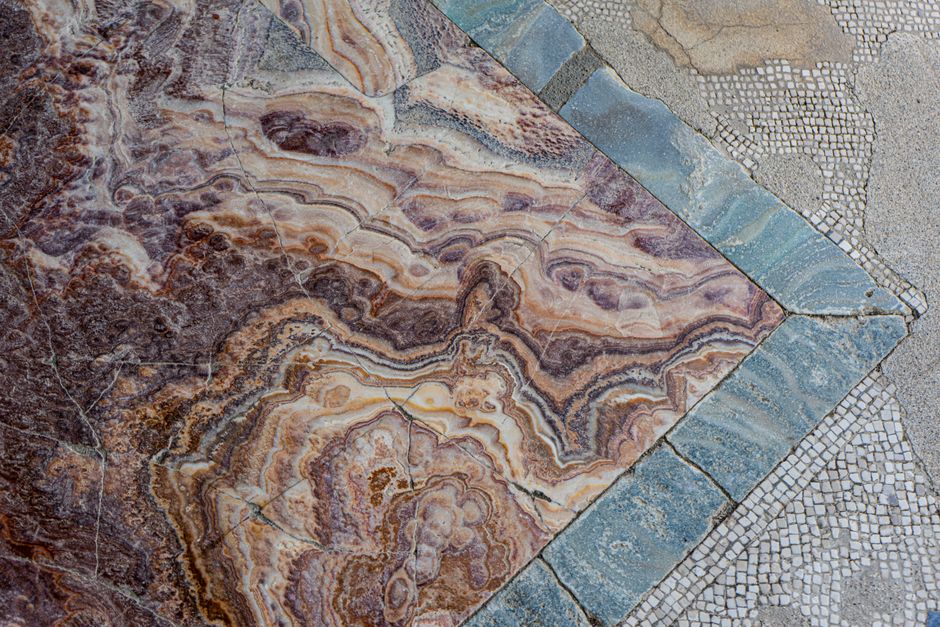
The Roman Mosaic Museum — This is the crown jewel of Constanta's ancient heritage. Housed in a former French school, the museum displays the largest collection of Roman mosaics in Southeastern Europe, excavated from the surrounding area. The intricate geometric and mythological designs are preserved in stunning detail, offering a tangible link to the city's time as Tomis. Entry is 4 EUR, and it's best visited early in the morning to avoid the school groups. The contrast between the quiet, scholarly atmosphere of the museum and the chaotic street outside is striking.
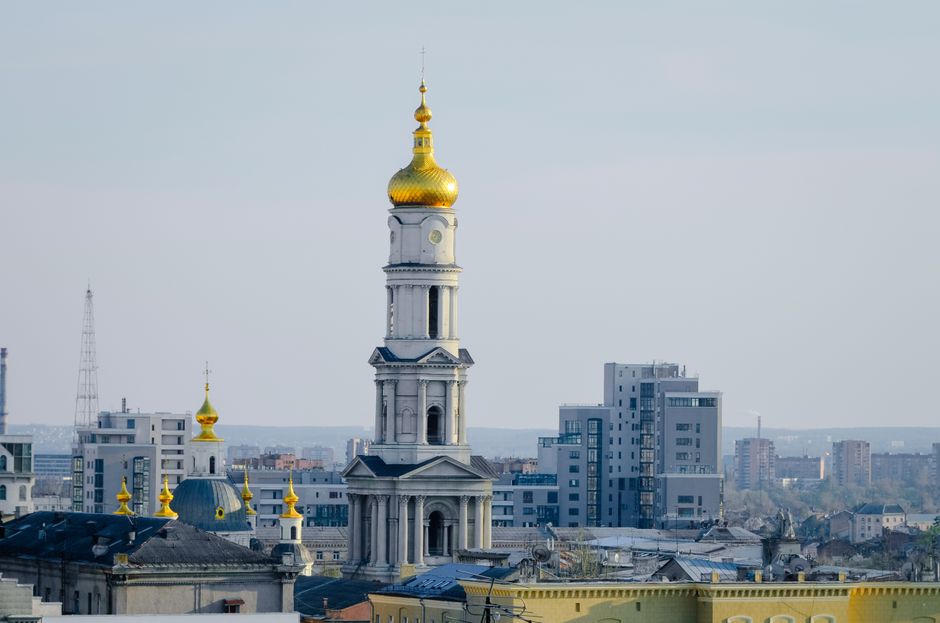
The Cathedral of the Assumption — Dominating the city center, this neo-Byzantine cathedral is a massive, imposing structure that feels out of place yet perfectly suited to Constanta's eclectic skyline. Its golden domes reflect the harsh Black Sea sun, and the interior is surprisingly serene, filled with the scent of incense and old wood. It's a place to pause and reflect, especially after navigating the bustling Strada 1 Decembrie 1918, the main pedestrian street. There is no entry fee, but donations are appreciated.
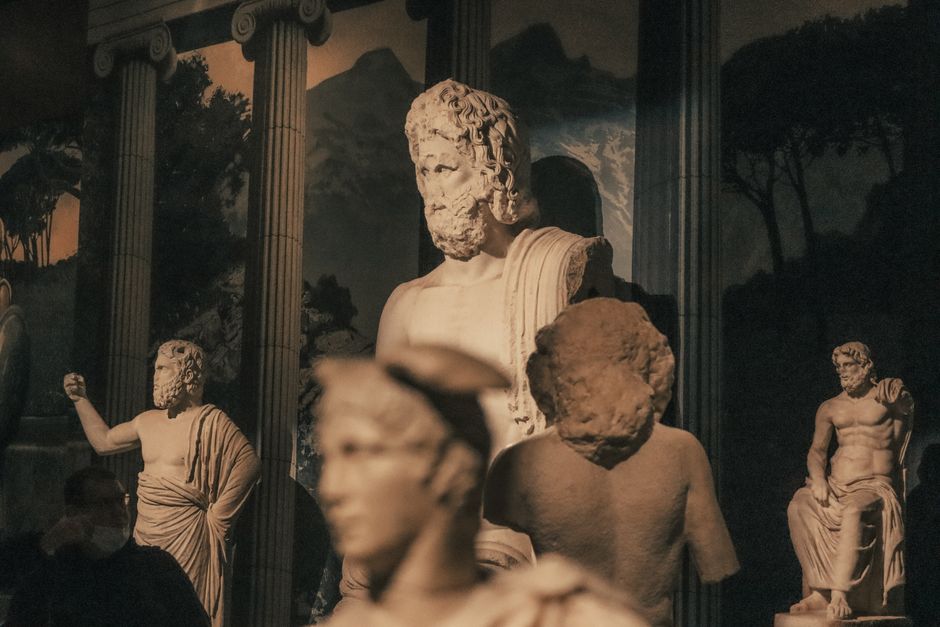
The Archaeological Museum of Constanta — Located near the city center, this museum holds artifacts spanning from prehistoric times to the Ottoman period. The highlights include the Tomb of the Athletes replica and various Roman sculptures. It's a smaller, more intimate institution than the Mosaic Museum, but it provides essential context for understanding the city's long history. Entry is 3 EUR. It's a perfect stop for history buffs who want to dig deeper than the surface-level ruins.
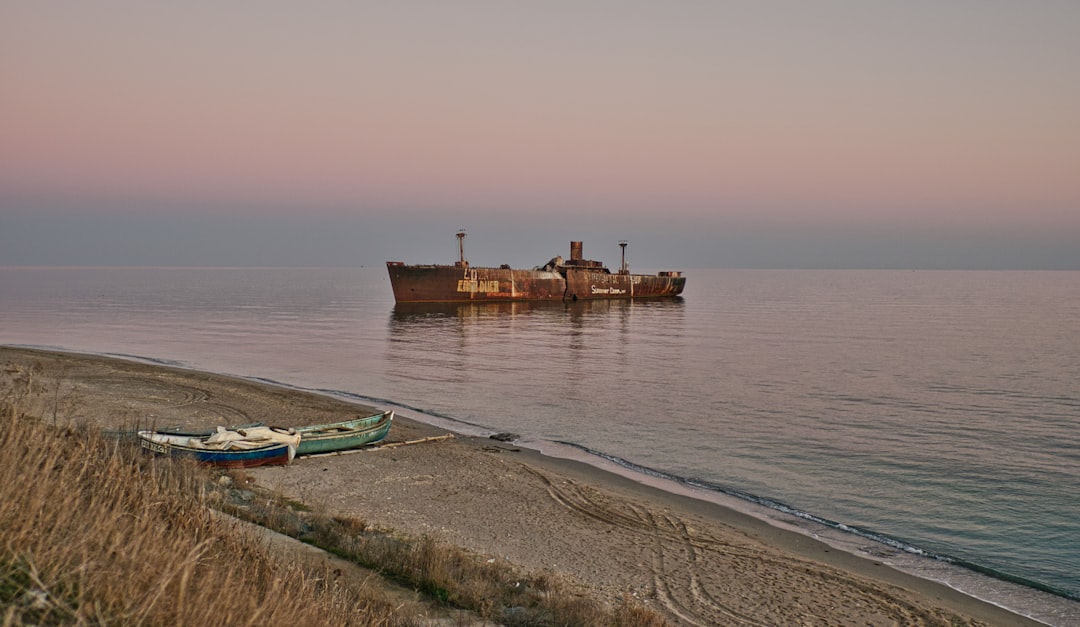
The Port of Constanta — You can't ignore the port. It's the lifeblood of the city, a sprawling industrial zone where cargo ships from across the Black Sea dock. Walking along the waterfront promenade, you'll see the stark contrast between the commercial shipping activity and the leisurely pace of locals jogging or feeding pigeons. It's gritty, loud, and real. There are no entry fees, just the open air and the smell of diesel and salt. It's best visited at sunset, when the industrial lights clash with the fading daylight.
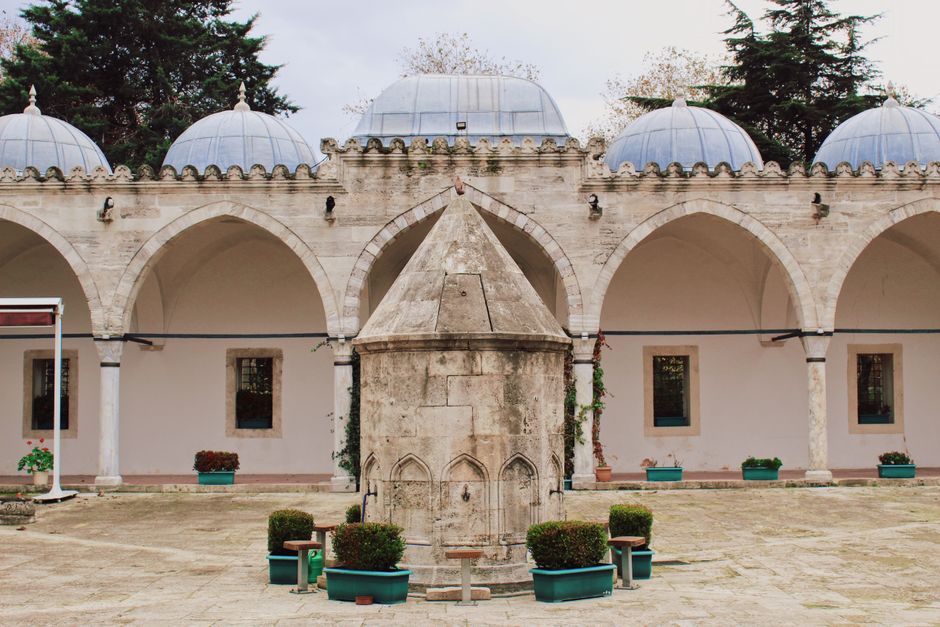
The Ethnographic Museum — Housed in a beautifully preserved 19th-century Ottoman-style building, this museum offers a glimpse into the daily lives of Constanta's inhabitants over the centuries. The exhibits include traditional costumes, household items, and agricultural tools. It's a quiet, understated gem that highlights the multicultural heritage of the region. Entry is 2 EUR. It's a perfect way to understand the local culture before heading into the thermal spas.
What to Eat & Drink
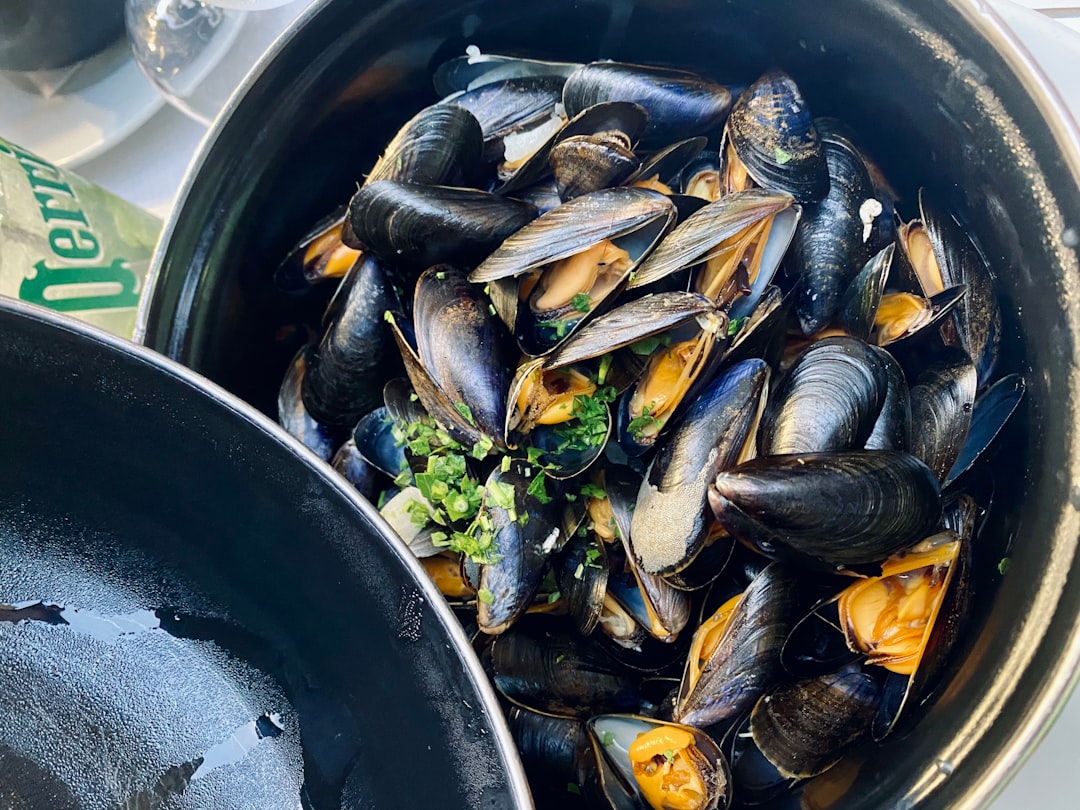
Constanta's food scene is a direct reflection of its history: a mix of Romanian, Greek, Turkish, and Sephardic Jewish influences. The seafood is fresh, often caught just hours before it hits the plate, but the real stars are the traditional dishes that have evolved over centuries. Sarmale (cabbage rolls) are a staple, typically costing 6-8 EUR per serving in a local restaurant. Midii la Conacul (mussels in a creamy tomato sauce) are a local specialty, available for 10-12 EUR. Gulași (a hearty beef stew) is another must-try, priced around 7-9 EUR.
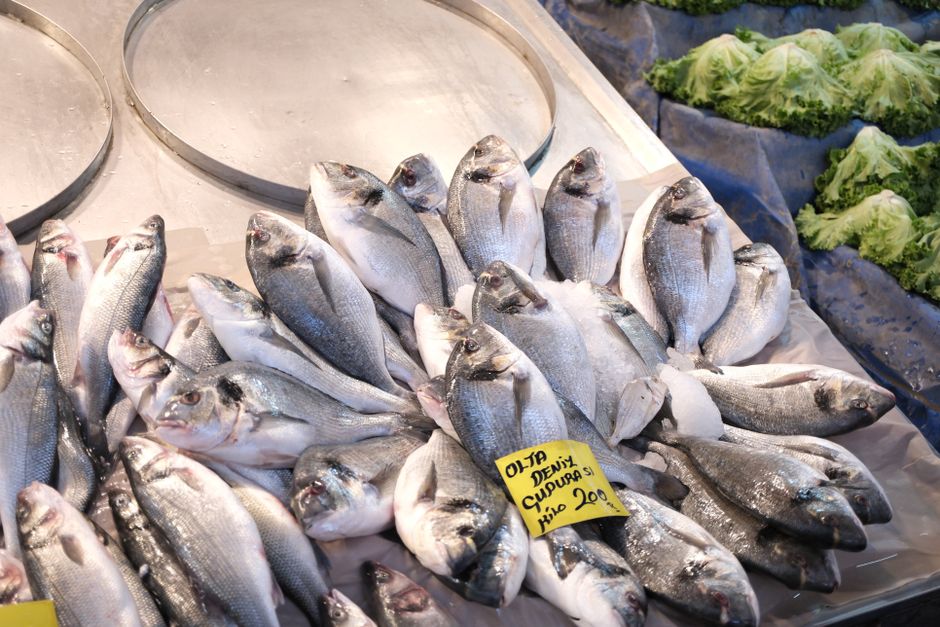
For budget travelers, Piața Centrală (Central Market) is the place to be. Here, you can buy fresh fish, local cheeses, and pastries for as little as 2-4 EUR per item. Street food options include plăcinte (filled pastries) for 1-2 EUR and mici (grilled minced meat rolls) for 3-4 EUR. A sit-down meal at a mid-range restaurant typically costs 15-20 EUR per person, while a budget hostel or guesthouse can be found for 25-40 EUR per night.
Nightlife
Constanta's nightlife is centered around the Strada 1 Decembrie 1918 and the nearby Strada 20 Mai. These streets are lined with bars, clubs, and live music venues that cater to both locals and tourists. Mamaia, the adjacent resort town, is the main hub for nightlife, but Constanta proper has its own vibe. Bar de Foc is a popular spot for live rock music, with a cover charge of 5-10 EUR. Club 300 is a larger venue that hosts DJs and international acts, with entry fees ranging from 10-15 EUR. The atmosphere is lively, loud, and unpretentious, with a mix of students, locals, and expats.
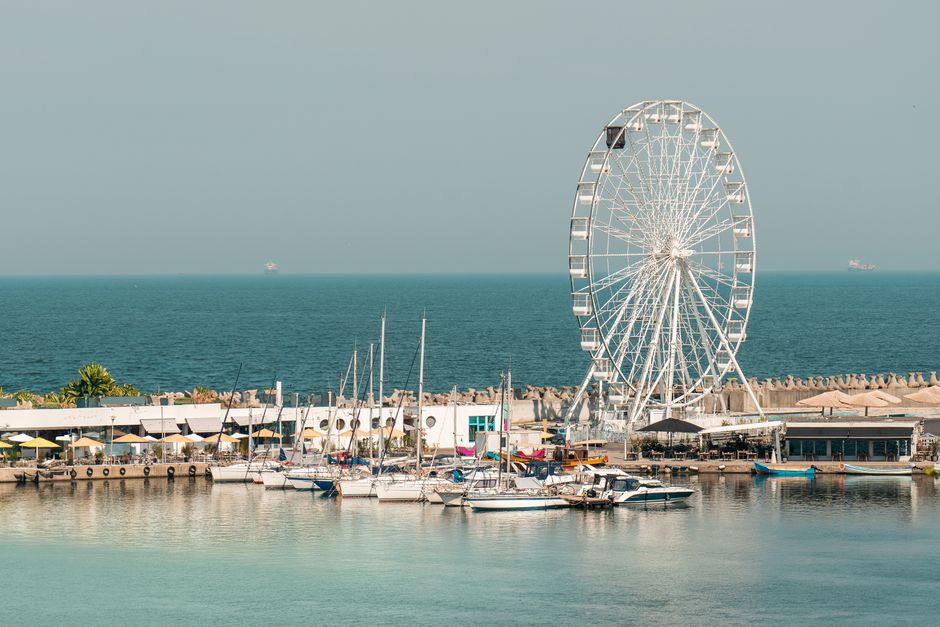
For a more relaxed evening, head to the Waterfront Promenade, where outdoor cafes and beer gardens offer views of the port. Drinks here are cheaper, typically 3-5 EUR for a beer, and the vibe is more about conversation than dancing. The nightlife in Constanta is not as polished as in Bucharest or Cluj, but it has a raw, authentic energy that is hard to find elsewhere.
Getting There & What to Expect
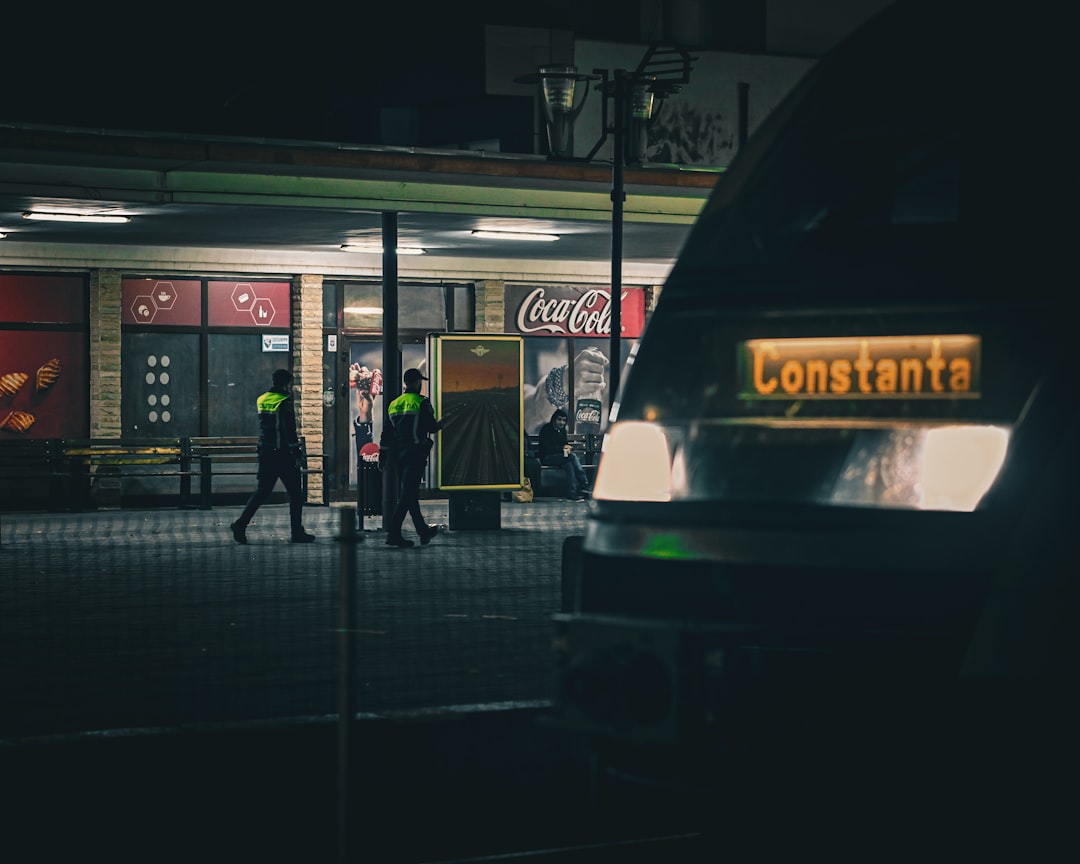
The nearest airport is Mihail Kogălniceanu International Airport, located about 16 km north of the city center. It receives seasonal flights from various European cities, and there are regular bus and taxi connections to Constanta. The bus ride takes about 30 minutes and costs 2-3 EUR, while a taxi will cost around 15-20 EUR. From Bucharest, the train journey takes about 8-10 hours, with tickets ranging from 15-25 EUR. Buses are faster, taking about 6-7 hours, with fares of 10-15 EUR.
Accommodation in Constanta ranges from budget hostels at 25-40 EUR per night to mid-range hotels at 50-80 EUR per night. Luxury options are available but less common, with prices starting at 100 EUR per night. The best time to visit is between May and October, when the weather is warm and the thermal spas are in full swing. However, July and August can be crowded, so shoulder months like May and September are ideal.
Search accommodation in Constanta on Booking.com →
The Thermal Truth
As the sun sets over the Black Sea, the thermal centers fill up. It's a strange, surreal experience: adults in swimsuits, some in wheelchairs, others in full health, all soaking in the same mineral-rich water. There's no judgment, no pretension. Just the hiss of the water, the smell of sulfur, and the sound of the sea. I sat in the pool for an hour, watching the steam rise into the cool evening air, feeling the tension in my shoulders dissolve. This is what Constanta offers: not a polished, Instagram-ready escape, but a real, raw, human connection to the land and the water. It's gritty, it's salty, and it's unforgettable.
Comments