


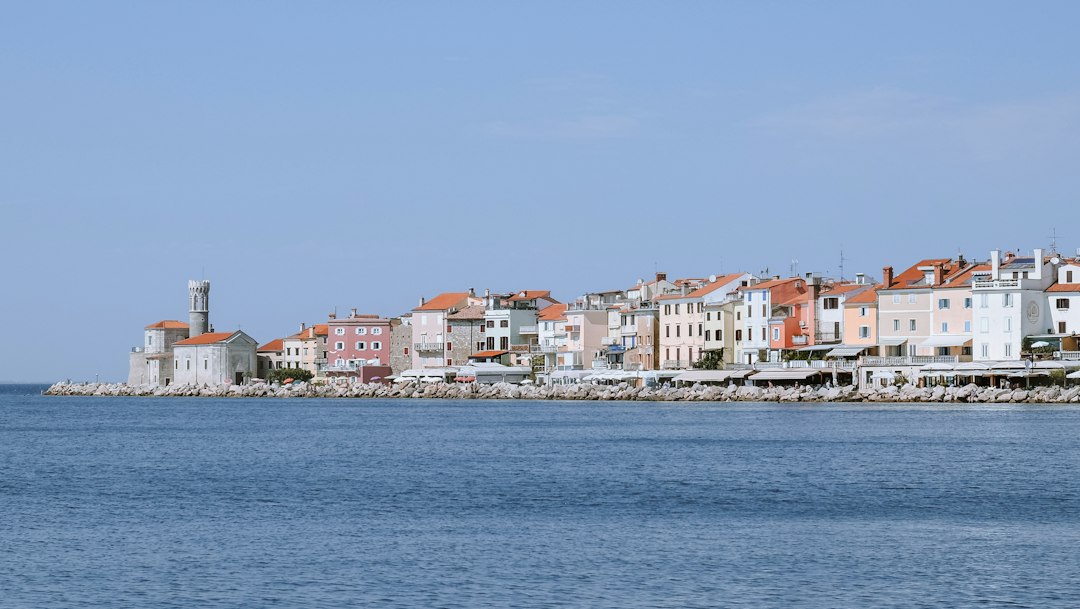
I am standing ankle-deep in mud that tastes like the end of the world, or at least the end of an empire. The wind off the Adriatic hits me with the force of a wet towel, carrying the sharp, metallic tang of brine and diesel. This isn't a postcard. It's a graveyard of industry. I'm here in Piran, staring at the skeletal remains of the salt pans, where for centuries, men boiled the sea to feed the tables of Venice, Vienna, and beyond. The sun is setting, turning the shallow evaporation pools into sheets of hammered copper, but the silence is heavy. It’s the silence of abandoned machinery, of rusted cranes that once moved tons of white gold, now frozen in time. I feel like an intruder in a cathedral of commerce, picking through the bones of a labor system that broke backs and built fortunes.
There’s a grit to this place that modern Slovenia often polishes away. You don’t come here for the smoothie bowls or the boutique hotels. You come to see how the sea was conquered. The air smells of sulfur and decayed wood. I watch a lone heron stalk the edges of the drying beds, indifferent to the human drama that unfolded here for over a millennium. This is the raw edge of the coast, where the industrial past isn't just history—it's the landscape itself. The salt pans of Salina Piran are not a park; they are a preserved machine, paused in its final cycle.
History & Identity
The story of salt in this corner of the Adriatic is the story of power. For centuries, Piran was a vital port for the Republic of Venice, and salt was its liquid currency. The salt pans, known locally as the Salina, were established in the 13th century, transforming the coastal wetlands into a highly engineered production facility. This wasn't small-scale farming; it was an industrial operation of immense scale, regulated by strict Venetian laws. The salt produced here was exported across Europe, funding the grand architecture of Piran’s old town and the fortifications that still guard the harbor.
Identity in Piran is split between the maritime charm of the Venetian-era core and the harsh, utilitarian reality of the salt works. While tourists flock to the bell tower of the Parish Church of St. George, the true engine of the town’s medieval economy lay just outside the walls. The salt industry survived the fall of Venice, the Napoleonic era, and the Austro-Hungarian period, adapting to new technologies and markets. It was a place of hard labor, where workers battled the elements to harvest the crystals. The rhythm of life in Piran was dictated by the seasons of the salt: the pumping of seawater, the evaporation under the summer sun, and the manual raking of the harvest.
Even after the decline of traditional salt production due to cheaper imports and changing economics, the Salina remained a symbol of resilience. In the 20th century, it transitioned from a purely industrial site to a protected cultural and natural heritage zone. Today, it stands as a testament to human ingenuity and the relentless drive to extract value from nature. The rusted machinery and the network of canals serve as a physical archive of this industrial past, reminding visitors that beauty and brutality often coexist in the same landscape.
Where to Go
Salina Piran Museum — Located within the salt works complex, this small but potent museum traces the history of salt production from the Venetian era to the present day. It houses artifacts, tools, and photographs that document the labor-intensive process. Entry is often included in the general admission to the salt pans. Best visited early in the morning to avoid the heat and crowds.
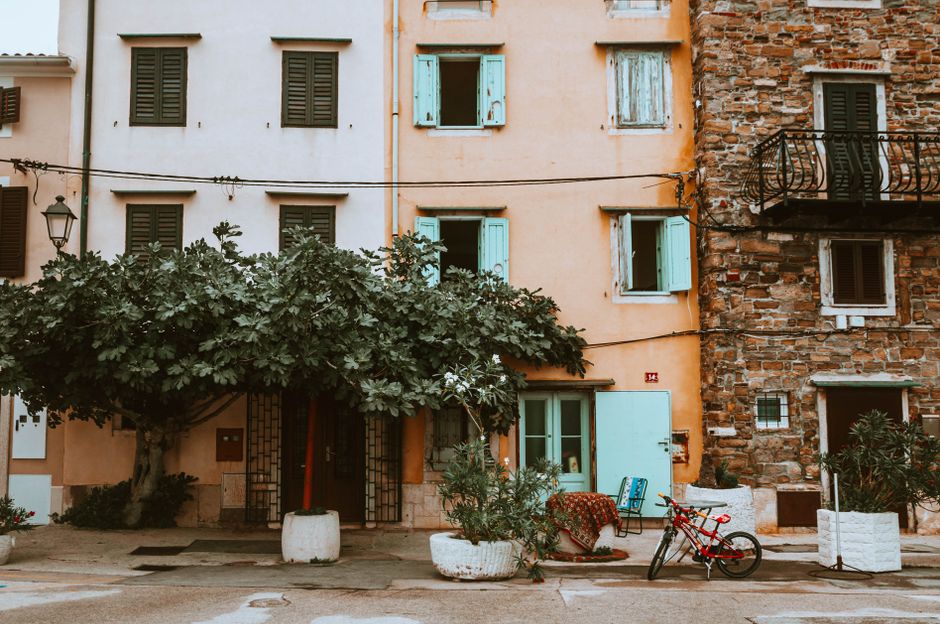
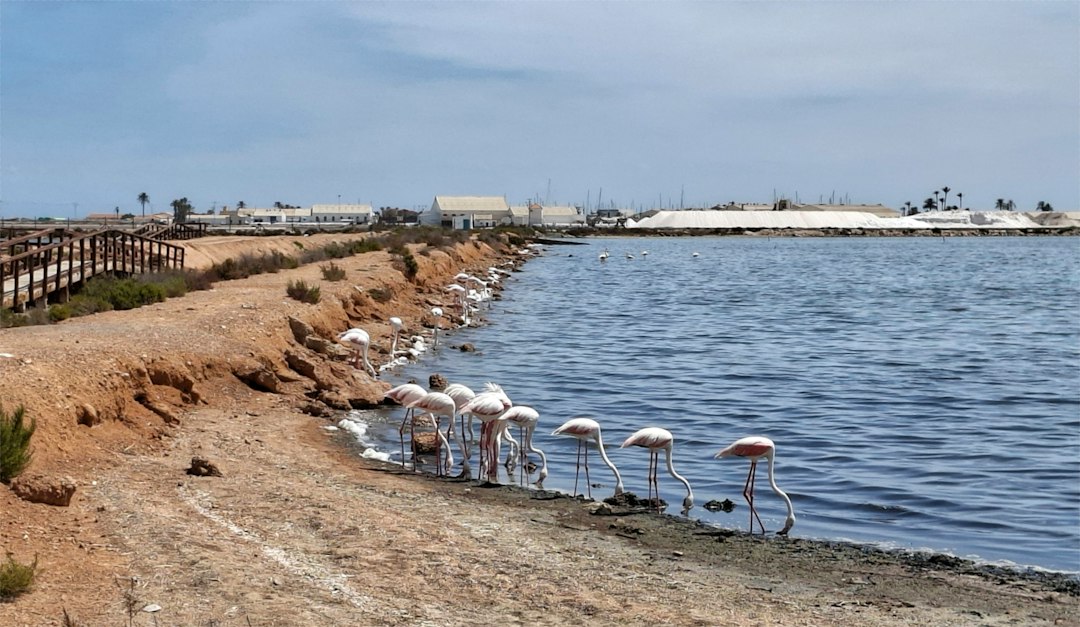
The Evaporation Pools — The heart of the industrial site, these vast, shallow pools are where seawater is left to evaporate under the sun and wind. The geometric patterns of the pools create a striking visual contrast with the organic forms of the surrounding wetlands. Walking the wooden boardwalks offers a unique perspective on the scale of the operation. Look for the colorful flamingos that nest here in the spring and summer.
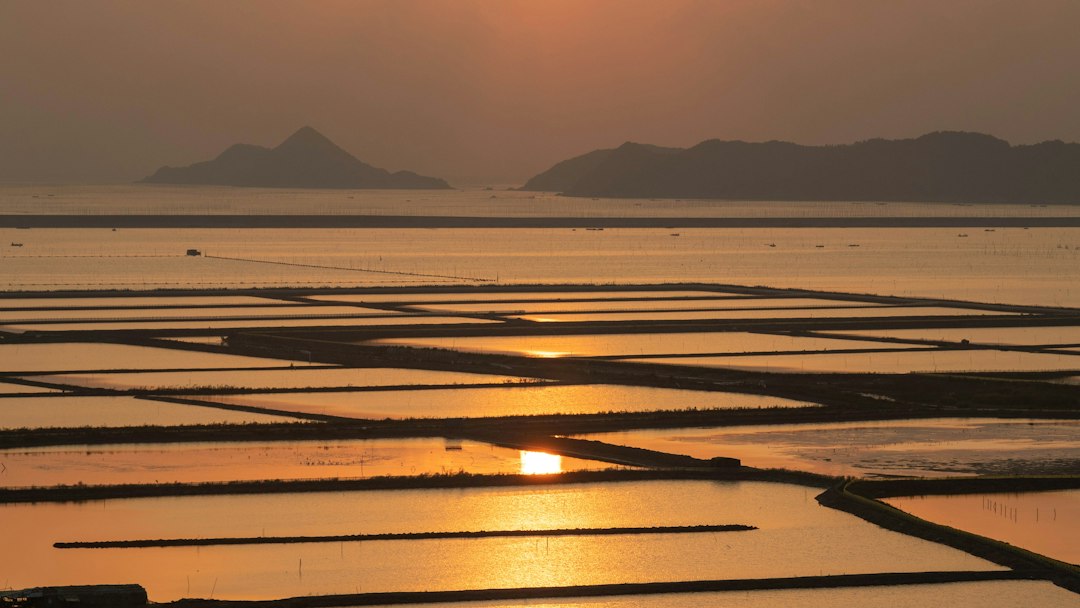
Villa Berti — A historic building within the Salina complex, Villa Berti served as the residence for the salt works manager. Its architecture reflects the wealth generated by the salt trade. Today, it houses exhibition spaces and event venues, offering a glimpse into the lifestyle of the industrial elite who oversaw the operations. The surrounding gardens provide a peaceful retreat from the industrial atmosphere.

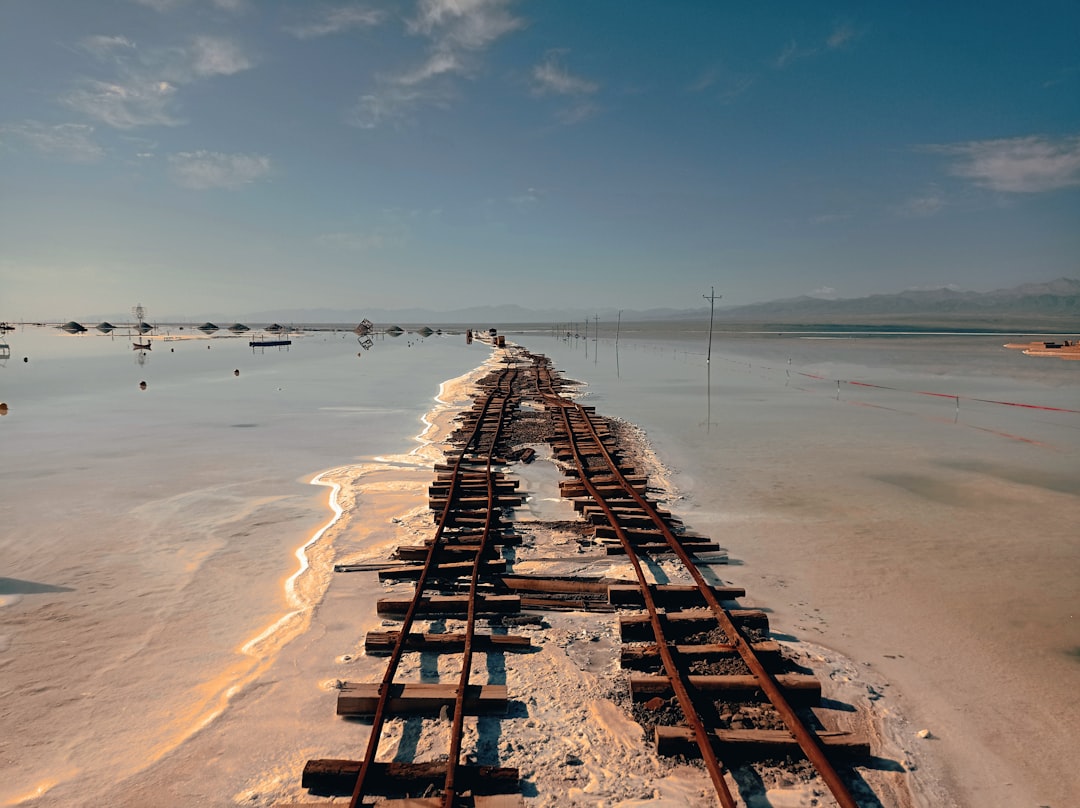
The Saltworks Tramway — A narrow-gauge railway line once transported salt from the harvesting areas to the port. Remnants of the track and some of the old rolling stock can still be seen. The tramway is a powerful symbol of the industrial infrastructure that supported the salt industry. Walking along the old rail corridor provides a linear tour of the site’s layout and history.
Birdwatching Tower — The salt pans are a crucial habitat for migratory birds, particularly flamingos and various wading species. The observation tower offers panoramic views of the wetlands and the surrounding coastline. It’s an ideal spot for birdwatchers and photographers, especially during the migration seasons in spring and autumn. Bring binoculars for the best experience.
What to Eat & Drink
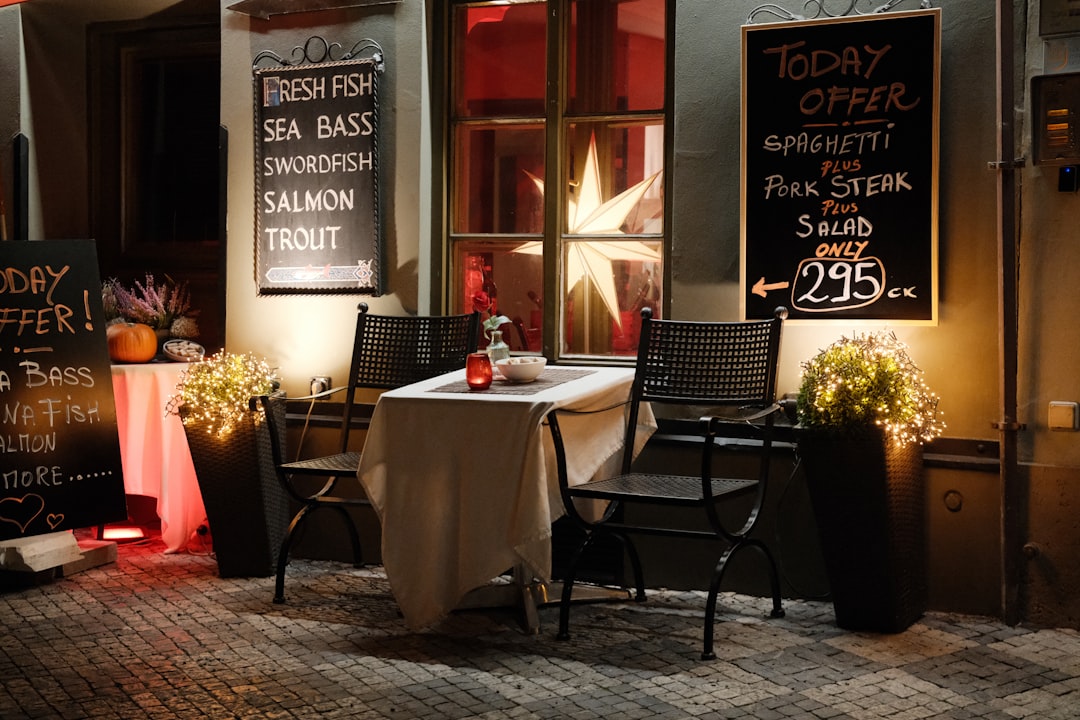
The cuisine of Piran is heavily influenced by its maritime history, with fresh seafood and local ingredients dominating the menu. While the salt pans themselves don’t offer dining, the nearby town center is filled with options. For a taste of the local flavor, try špageti z rdečo ribiško juho (spaghetti with red fisherman's sauce) — 10-12 EUR per plate. It’s a rich, tomato-based sauce with chunks of local fish, perfect for soaking up the briny air. Another staple is pirogi (pierogi), a Slavic dumpling that reflects the region's multicultural past, often filled with potato and cheese — 6-8 EUR.
Budget travelers can find affordable meals at local bakeries and take-away spots. A simple prošut (prosciutto) sandwich costs around 4-6 EUR. For a more substantial meal, sit-down restaurants in the old town range from 15-25 EUR per person for a main course and a drink. The Tartini Square area is the hub for dining, with numerous cafes and restaurants overlooking the harbor. Don’t miss the local Malvazija wine, a white wine grown in the surrounding hills, which pairs beautifully with seafood — 3-5 EUR per glass.
For a quick bite, head to the local market or one of the many bakeries near the harbor. Fresh pastries and sandwiches are available for under 5 EUR. The food scene in Piran is compact but diverse, offering everything from traditional Slovenian dishes to international cuisine. The key is to eat fresh, local seafood and pair it with regional wines.
Nightlife
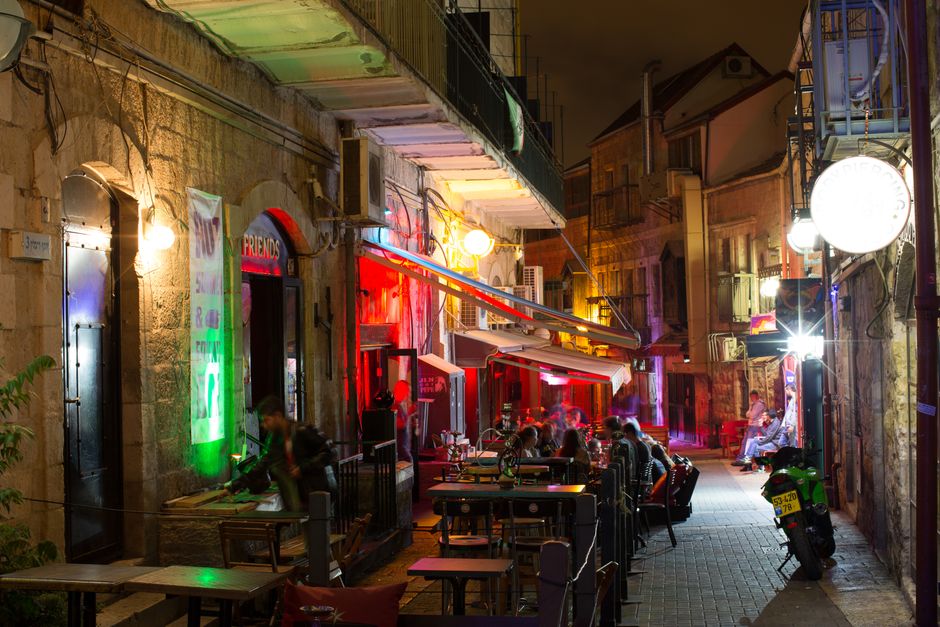
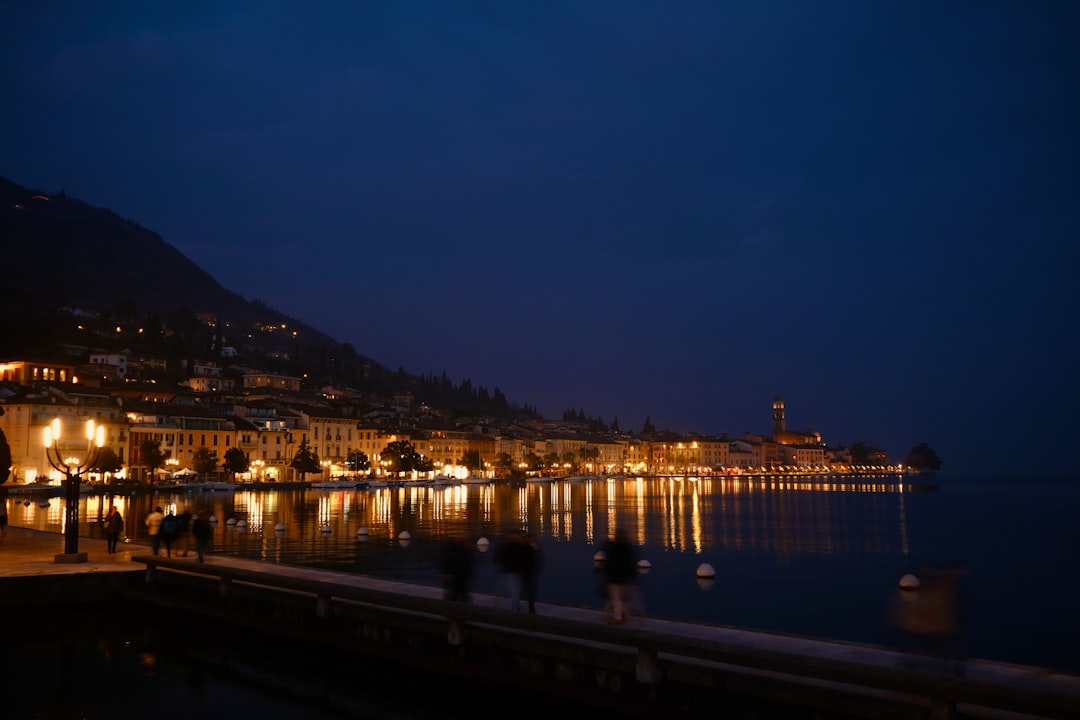
Nightlife in Piran is low-key and intimate, reflecting the town’s size and historic character. The main action centers around Tartini Square and the narrow streets of the old town. Bars and cafes spill out onto the cobblestones, creating a cozy atmosphere for evening drinks. The vibe is relaxed, with live music occasionally filling the air. It’s not a place for wild clubbing, but rather for conversation and soaking in the ambiance.
One of the most popular spots is Bar Galeb, located right on the waterfront. It’s a classic Adriatic bar with a view of the harbor and the Italian coast beyond. The crowd is a mix of locals and tourists, and the drinks are reasonably priced — 3-5 EUR for a beer or wine. Another option is Club Sirena, a small venue that hosts occasional live music and DJ sets. The cover charge is usually around 5-10 EUR, depending on the event.
For a more unique experience, check out Klet, a wine bar located in a historic cellar. It offers a curated selection of local wines and a quiet, atmospheric setting. The prices are slightly higher — 4-6 EUR per glass — but the quality is exceptional. Nightlife in Piran is about savoring the moment, not burning the candle at both ends. It’s the perfect place to unwind after a day exploring the salt pans and the old town.
Getting There & What to Expect
The nearest major airport is Portorož Airport, located just a few kilometers from Piran. From there, it’s a short taxi ride or a bus journey to the town center. If you’re flying into Ljubljana Jože Pučnik Airport, the drive to Piran takes about 1.5 hours. Buses run regularly from Ljubljana to Piran, with the journey taking approximately 2 hours and costing around 10-15 EUR. Trains are not available directly to Piran, but you can take a train to Sežana and then a bus or taxi to the coast.
Accommodation in Piran ranges from budget hostels to luxury hotels. A night in a budget hostel costs around 20-30 EUR, while mid-range hotels range from 60-100 EUR per night. The best months to visit are May to June and September to October, when the weather is pleasant and the crowds are thinner. Summer can be hot and crowded, but it’s the best time for swimming and beach activities.
The Salina Piran salt pans are open year-round, with extended hours in the summer. Admission to the salt pans and museum is typically around 5-7 EUR. It’s recommended to allow at least 2-3 hours for a visit. Wear comfortable walking shoes and bring water, as there are limited facilities within the salt pans. The site is accessible to most visitors, but some areas may be difficult for those with mobility issues.
Search accommodation in Piran on Booking.com →
The Salt Remains
As I leave the Salina, the sun has dipped below the horizon, leaving the sky a bruised purple. The salt pans are dark now, reflecting the first stars. I feel a strange kinship with the workers who toiled here, their hands cracked and salted, their lives defined by the rhythm of the tides and the heat of the sun. It’s a reminder that history isn’t just in books; it’s in the land, in the air, in the taste of the wind. Piran is more than a pretty postcard; it’s a place of layers, of industry and beauty, of past and present colliding. The salt remains, and so does the story. And that, perhaps, is the most valuable crystal of all.
Comments