


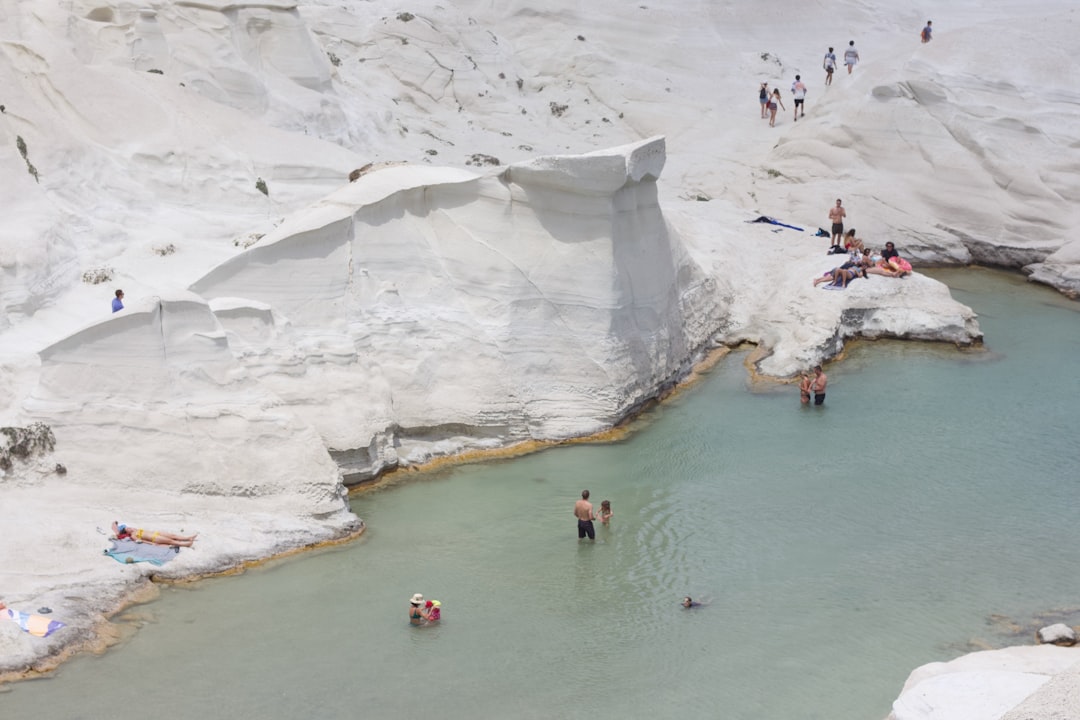
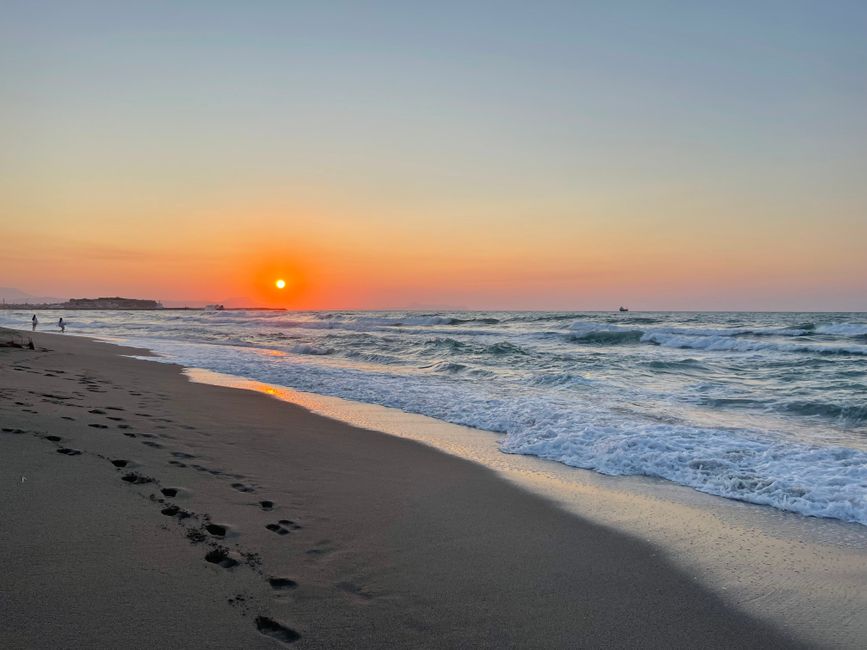
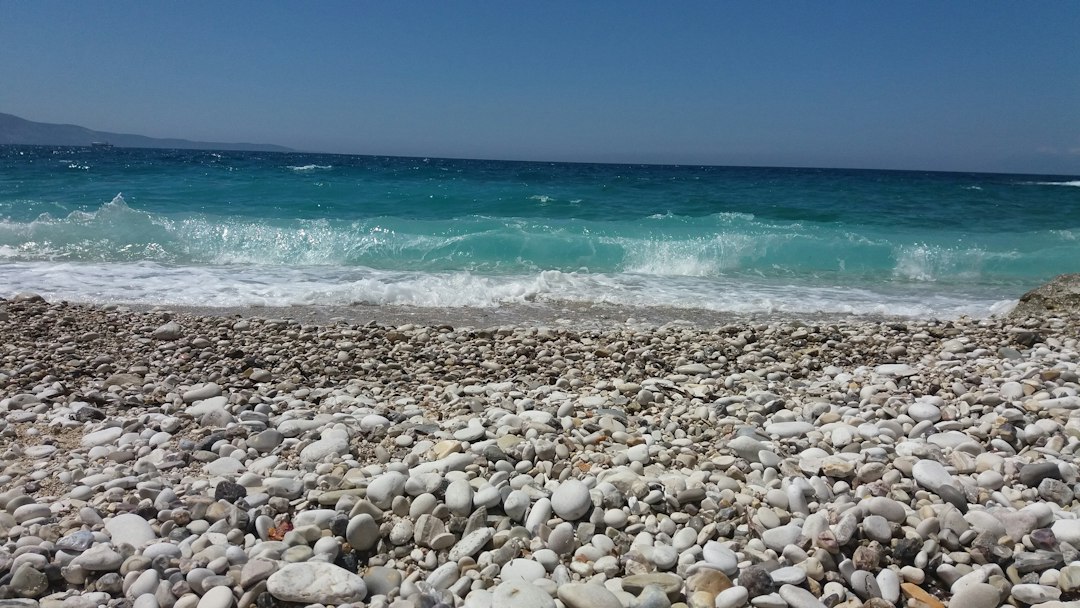
I stand ankle-deep in the Aegean, the water cold enough to make my teeth ache, and turn around to find a pool of near-boiling spring water bubbling up through the sand just ten meters away. It's a geological glitch, a place where the earth's internal furnace meets the Mediterranean chill in a chaotic, steaming embrace. I'm not in a spa. I'm not in a resort. I'm on a public beach in Nea Anchialos, a town that smells faintly of sulfur and salt, where locals treat the thermal waters like a daily vitamin rather than a luxury experience. The air here is thick, humid, and strange, clinging to your skin like a wet wool blanket. It's not pretty in the postcard sense; it's raw, industrial, and utterly fascinating.
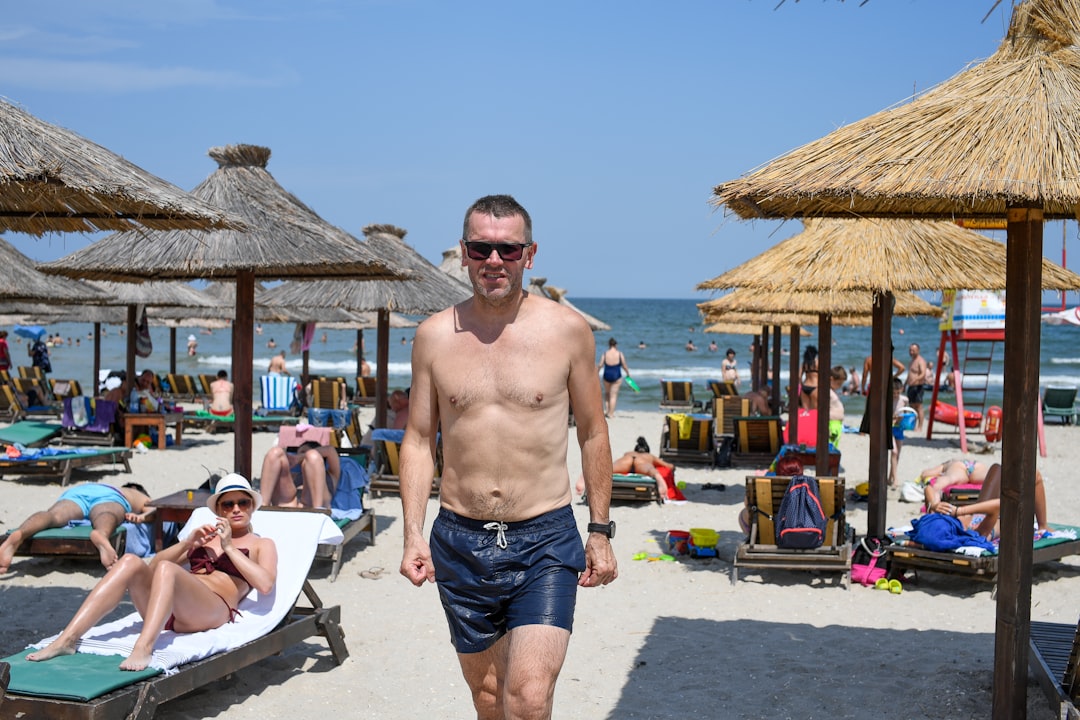
There's no polished marble here, no waiters in white linen serving ouzo. Just the sound of waves crashing against a shoreline that's technically a natural hydrotherapy clinic. I watch an old man in swim trunks wading into the hot spring, steam rising around his legs like a ghost, while a teenager nearby throws a football into the cold sea. It's a juxtaposition that defines this place: ancient healing traditions colliding with the gritty reality of a working coastal town. This isn't a destination for the faint of heart or the aesthetically obsessed; it's for the curious, the aching, and the adventurous.
History & Identity
The story of Nea Anchialos is written in heat. The ancient Greeks knew about these springs, but it was the Romans who really capitalized on them, building elaborate bath complexes that drew visitors from across the empire. The name itself, Anchialos, hints at this maritime and thermal heritage. For centuries, the town was a minor stop, overshadowed by larger coastal hubs, but the water kept flowing, keeping the local identity tied to healing and resilience.
In the modern era, Nea Anchialos transformed from a sleepy fishing village into a recognized health resort. The mid-20th century saw an influx of visitors seeking relief from arthritis, skin conditions, and respiratory issues. The town's infrastructure grew around the springs, with hotels and pensions springing up near the thermal pools. Today, it's a mix of the old and the new: weathered stone buildings stand next to modern medical centers, and the beach remains a public, unpretentious space where the natural phenomenon takes center stage.
The identity of Nea Anchialos is stubbornly un-commercialized. Unlike the manicured resorts of Thessaloniki or the island hopping destinations of the Cyclades, this town keeps its secrets close. The thermal waters are a public resource, not a gated commodity. This has created a culture of authenticity, where the focus is on the water, the health, and the simple act of being by the sea. It's a place that refuses to be polished, and that's exactly why it works.
Where to Go
Nea Anchialos Thermal Beach — This is the main event. The beach is divided into sections, with the thermal springs bubbling up directly into the sea or in shallow pools near the shore. The water temperature can reach up to 50°C (122°F) at the source, cooling down as it mixes with the sea. There are no entry fees, and it's open to everyone. The best time to visit is early morning or late afternoon when the crowds are thinner. Bring your own towel, and be prepared for the sulfur smell.
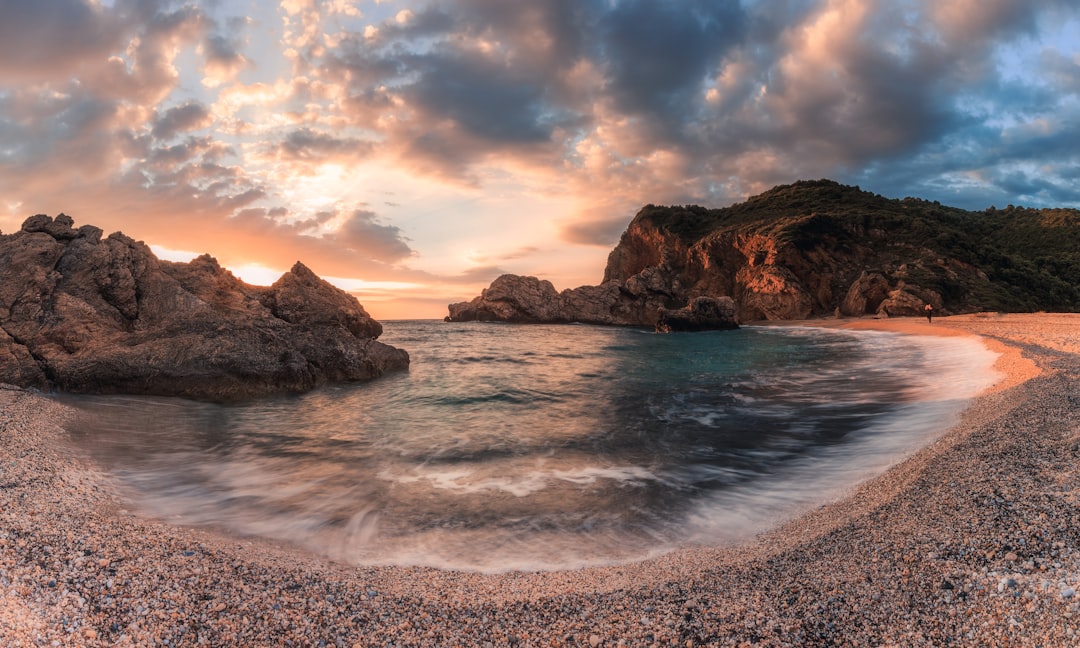
Ancient Anchialos Ruins — Just a short walk from the beach, you can find the remnants of the ancient town. The ruins are modest, consisting of foundations, pottery shards, and occasional columns, but they provide a tangible link to the past. There's no formal museum, but the site is marked with informational signs. It's a quiet spot for reflection, away from the bustle of the beach.
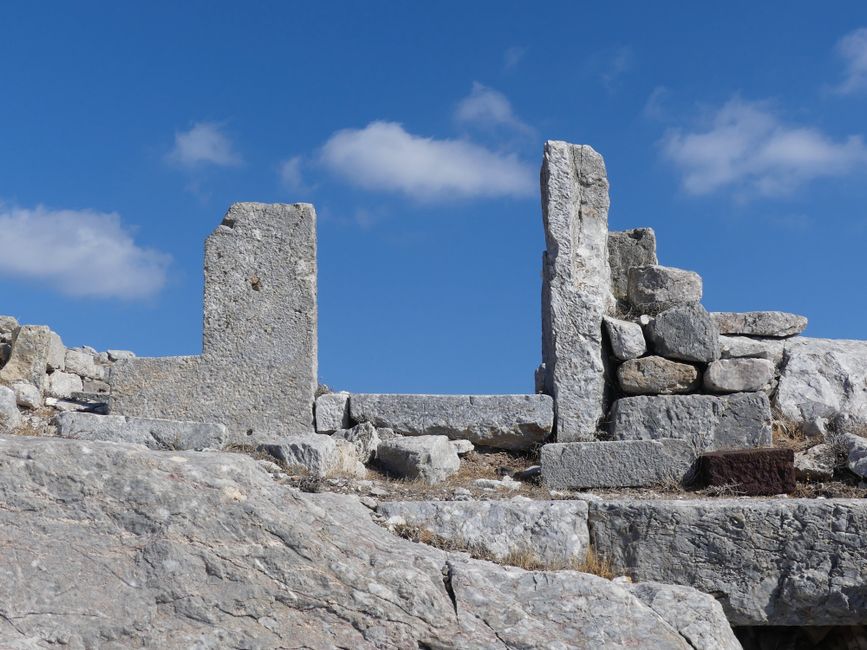
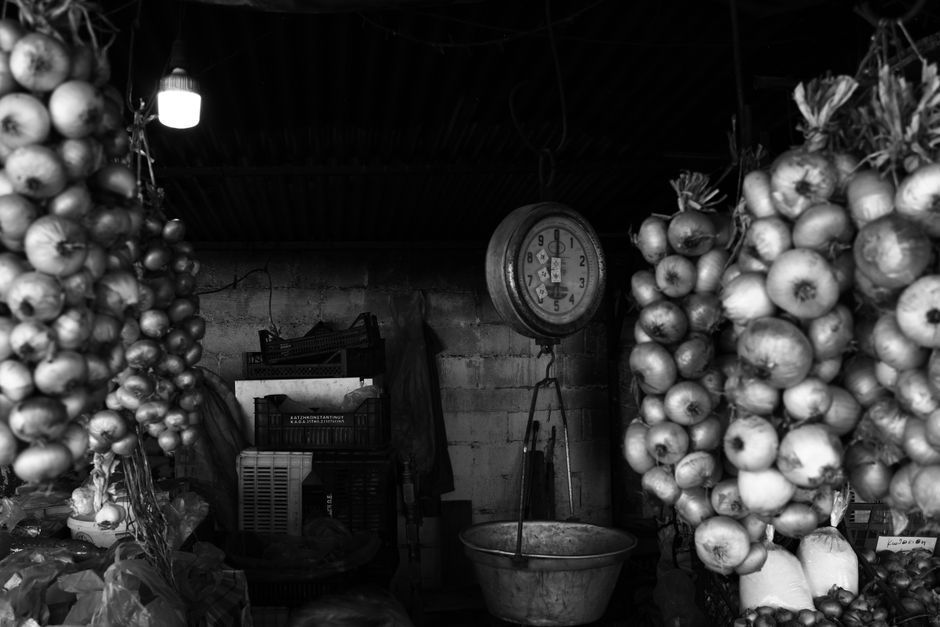
Nea Anchialos Town Center — The town center is a grid of streets lined with small shops, cafes, and pensions. It's not a place for luxury shopping, but for essential supplies and local interaction. The main square hosts a small market on weekends, where you can buy fresh produce, cheeses, and local delicacies. It's a good place to grab a coffee and watch the locals go about their day.
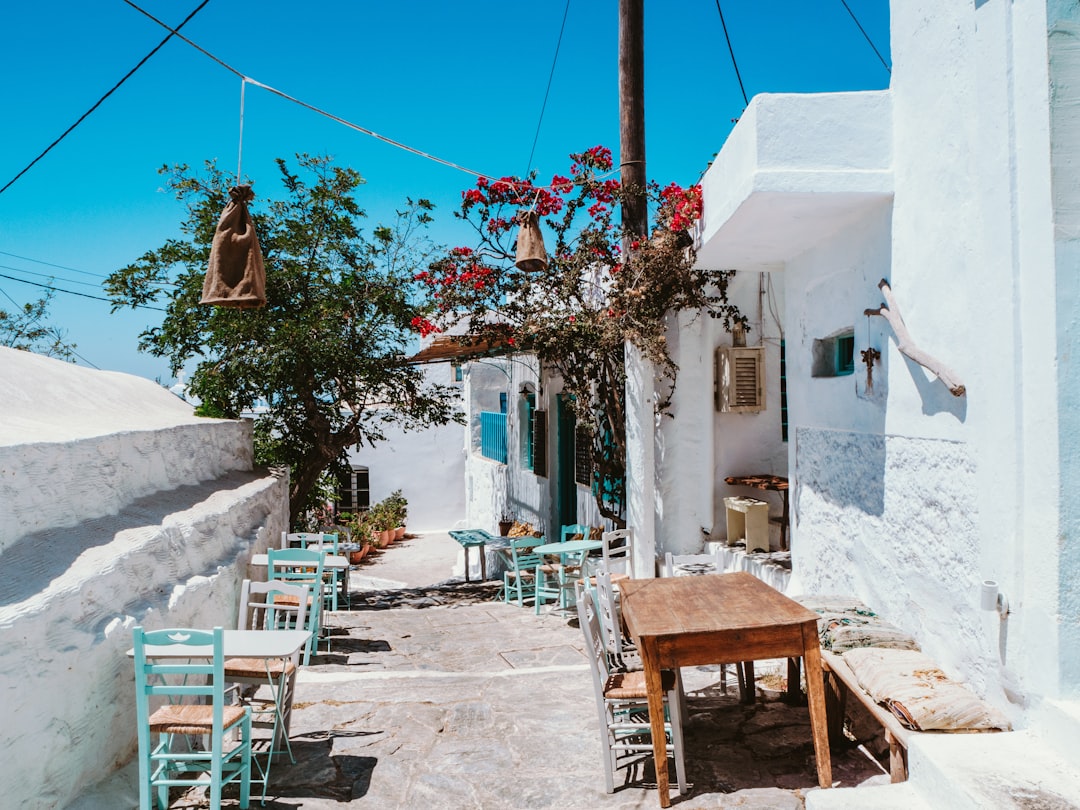
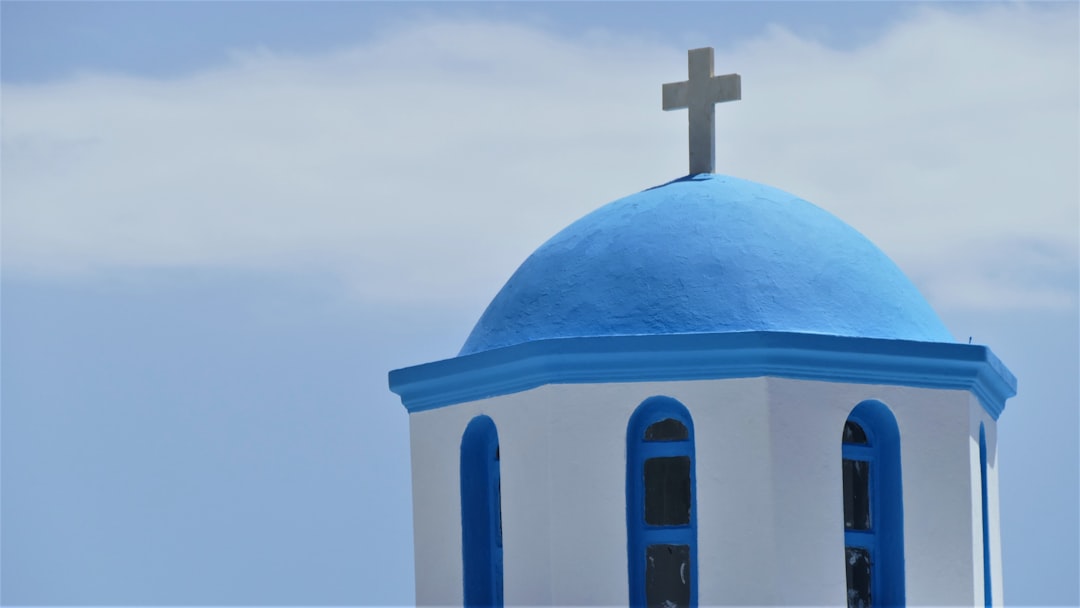
Agios Nikolaos Church — A small, unassuming church perched on a slight rise overlooking the town. It's dedicated to Saint Nicholas and features traditional Byzantine architecture with a blue dome. The interior is simple, with frescoes that have faded with time. It's a peaceful spot for a quick visit, offering a view of the coastline and the thermal beach below.
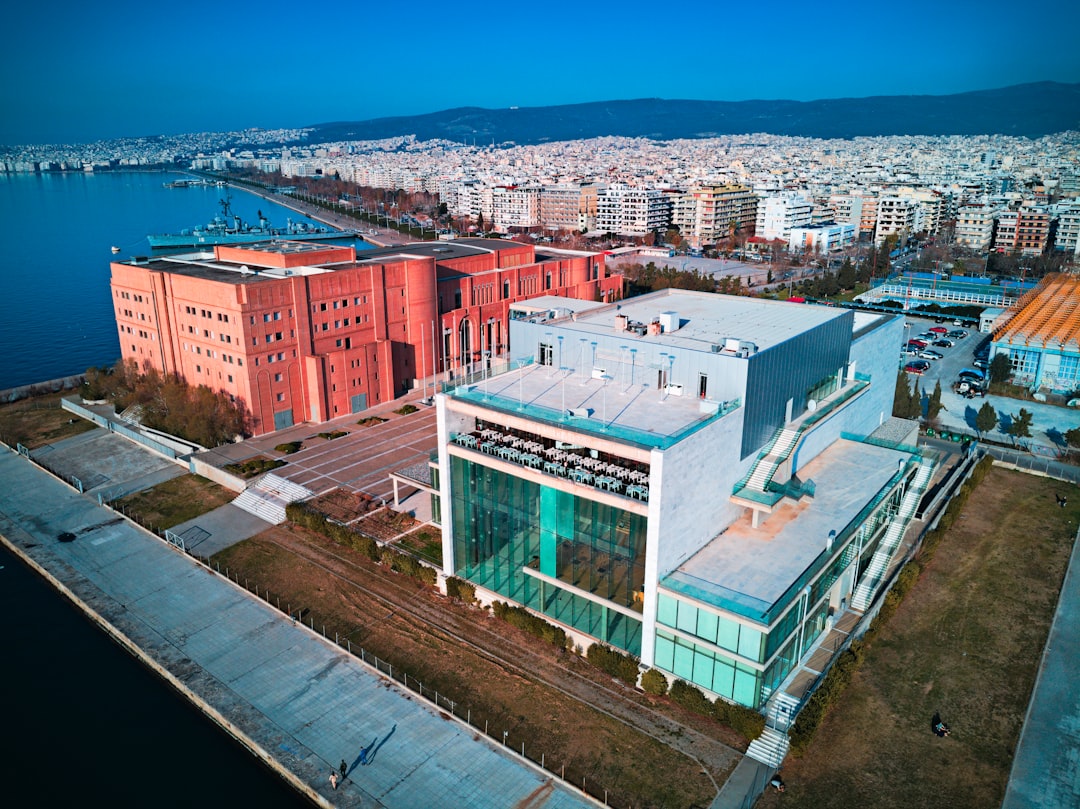
Nea Anchialos Medical Center — For those serious about the health benefits, the town has a medical center that offers hydrotherapy treatments and medical consultations. It's a modern facility with professional staff, providing a more structured approach to using the thermal waters. Appointments are recommended, and treatments are priced per session. It's a good option if you want to maximize the therapeutic potential of the springs.
What to Eat & Drink
The food scene in Nea Anchialos is straightforward and unpretentious. You won't find Michelin-starred restaurants here, but you will find hearty, home-cooked meals that reflect the local agricultural traditions. The town is surrounded by olive groves and vineyards, so expect olive oil and wine to feature prominently in every dish.
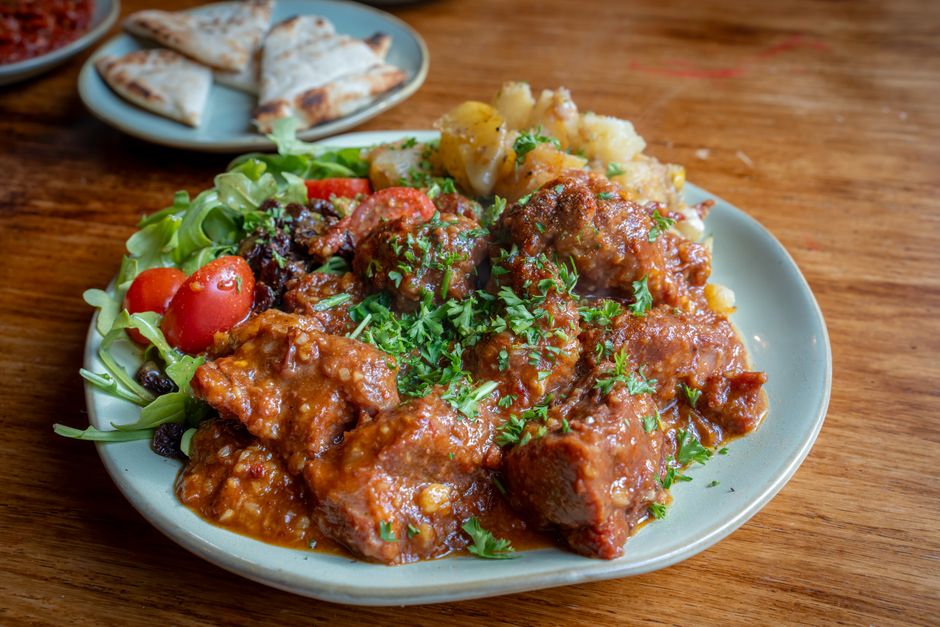
Stifado — A slow-cooked beef or rabbit stew with onions, tomatoes, and spices. It's a classic Greek dish, but in Nea Anchialos, it's often made with local ingredients and served with rice or bread. Expect to pay around 10-12 EUR per serving. Giouvetsi — Lamb or beef cooked with pasta and tomato sauce. It's a comfort food staple, rich and filling. Prices are similar, around 10-12 EUR. Fresh Fish — Given the coastal location, fresh fish is a must. Grilled sea bass or octopus are popular choices, priced around 15-20 EUR per portion. Local Cheese — The region produces excellent feta and kefalotyri cheese. You can buy small portions at local shops for around 3-5 EUR. Ouzo — No Greek meal is complete without ouzo. Local brands are available, and a small glass costs around 2-3 EUR.
For budget travelers, there are several tavernas near the beach that offer simple meals for under 10 EUR. You can also find bakeries selling fresh bread and pies for 1-2 EUR. The town center has a small supermarket where you can buy ingredients for self-catering, which is a popular option for those staying longer.
Nightlife
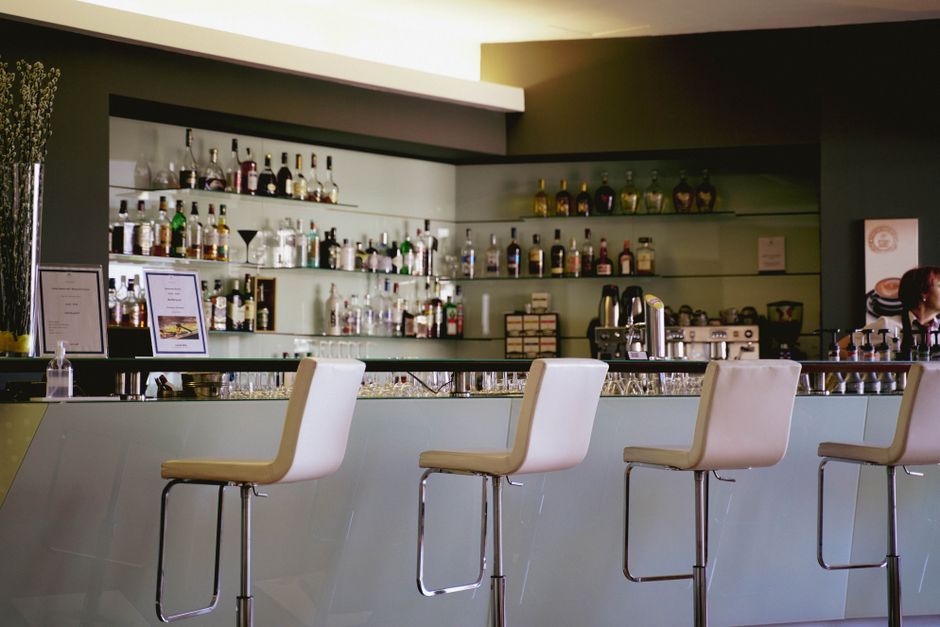
Nightlife in Nea Anchialos is not a major draw. The town is primarily a health and beach destination, and most visitors are here for the water, not the party. However, there are a few bars and cafes that stay open late, offering a relaxed atmosphere for those who want to unwind after a day at the beach.
Café Poseidon — Located near the beach, this café serves drinks and light snacks. It has outdoor seating and a view of the sea. It's a good place to watch the sunset and have a beer or an ouzo. The vibe is casual and friendly. Taverna Agapi — A small taverna that doubles as a bar in the evening. It offers live music on weekends, featuring traditional Greek songs. The crowd is mostly locals, and the atmosphere is intimate and authentic. Hotel Lobby Bars — Several hotels in town have lobby bars that are open to non-guests. They offer a quieter option for drinks and conversation.
If you're looking for clubbing, you'll need to head to Thessaloniki, which is about an hour's drive away. But for most visitors to Nea Anchialos, the lack of wild nightlife is a feature, not a bug. It's a place to relax, not to rave.
Getting There & What to Expect
The nearest major airport is Thessaloniki Airport, which is about 70 km away. You can take a bus or a taxi to Nea Anchialos, with the journey taking approximately 1.5 hours. Bus tickets cost around 10-15 EUR, while taxis can cost 80-100 EUR. Alternatively, you can drive from Thessaloniki via the E75 highway, which is well-maintained and fast.
Accommodation in Nea Anchialos ranges from budget pensions to mid-range hotels. Budget options, such as family-run pensions, can be found for 30-50 EUR per night. Mid-range hotels, which often include breakfast and access to private thermal pools, cost around 70-100 EUR per night. There are also several apartments available for rent, which are a good option for families or groups.
The best time to visit is between May and October, when the weather is warm and the sea is swimmable. July and August are the busiest months, with higher prices and more crowds. If you prefer a quieter experience, consider visiting in June or September.
Search accommodation in Nea Anchialos on Booking.com →
The Steam and the Silence
I leave Nea Anchialos with my skin tingling and my mind quiet. It's not a place that demands your attention; it waits for you to find it. The thermal waters don't promise miracles, but they offer a moment of pause, a chance to feel the earth's pulse beneath your feet. In a world of curated experiences and filtered images, Nea Anchialos is a reminder that some places are still real, raw, and unapologetically themselves. I'll be back, not for the luxury, but for the heat, the steam, and the strange, beautiful chaos of it all.
Comments