


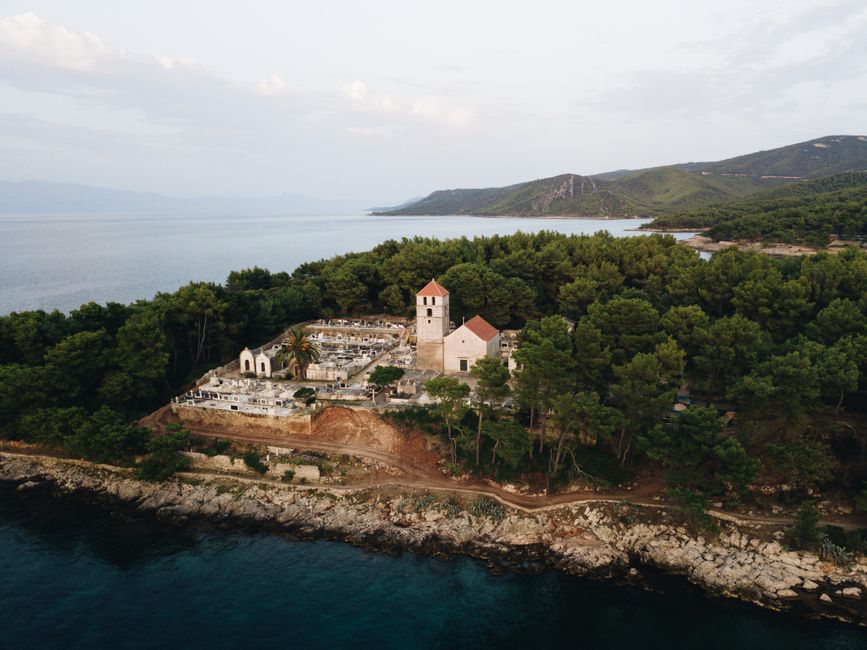
I sat on a bench in Baška Voda, watching a line of elderly women in wool cardigans march past me with the grim determination of soldiers on patrol. They weren't heading to war. They were heading to the pine forest. It was 7:00 AM on a Tuesday in November, the air crisp and smelling of resin and damp earth. These women, some with walking sticks, some with the steely gaze of someone who has survived two world wars and a communist regime, were there for one reason: the air. They breathed it in like it was liquid gold. I joined them, not because I needed to, but because I had read the legends. This isn't just a holiday island; it is a place where the atmosphere itself is sold as medicine. The pine-scented wind, the maestral, is said to cure everything from asthma to existential dread. I came to see if it worked.
Mali Lošinj is not the loud, thumping party island of its neighbor, Krk. It is quieter, wealthier, and obsessed with wellness. The entire island is a sprawling health resort, a concept born in the 19th century when the Austro-Hungarian Empire realized that the clean air here could save the lungs of its urban citizens. Today, you still see the legacy of that era in the wide boulevards, the sanatoriums turned into luxury hotels, and the locals who measure their day not by coffee breaks, but by their morning walk through the Pineta forest. It is a place where health is a religion, and the pines are the gods.
History & Identity
The story of Mali Lošinj begins not with pirates or pirates' gold, but with doctors. In the mid-19th century, the island was a sleepy fishing community until the Austro-Hungarian authorities recognized the therapeutic value of the climate. The dense pine forests, which cover nearly half the island, produce a high concentration of phytoncides — natural compounds released by trees that are believed to have antibacterial and immune-boosting properties. The empire built the first sanatoriums, and by the turn of the century, Mali Lošinj had become the premier health resort of the Adriatic. The wealthy Viennese and Hungarian aristocracy flocked here to breathe, walk, and recover from the smog of industrial cities.
This history is visible in the town's architecture. The main promenade, Obala Kralja Zvonimira, is lined with grand, pastel-colored buildings that were once part of the island's health infrastructure. The town of Mali Lošinj itself is a pedestrian-only zone, a decision made to preserve the air quality and the tranquility that the health resort brand demands. There are no cars in the center, only scooters, bicycles, and the slow amble of tourists and locals alike. This car-free policy is not just a modern eco-friendly gesture; it is a continuation of the island's original identity as a place of rest and recovery. The identity of the island is deeply tied to its natural environment, and the community takes pride in maintaining the cleanliness and order that first attracted the health-seekers of the 19th century.
The transition from a medical destination to a luxury wellness hub has been seamless. Today, the island attracts a different kind of visitor — not necessarily the sick, but the well-to-do who want to stay well. The spa culture is alive and well, with modern facilities offering treatments that blend traditional Croatian herbal remedies with contemporary hydrotherapy. The pine forests are still the centerpiece, but now they are accompanied by yoga retreats, organic farm-to-table dining, and high-end boutique hotels. The spirit of the 19th-century health resort remains, but it has been refined for the 21st-century traveler who values experience over mere treatment.
Where to Go
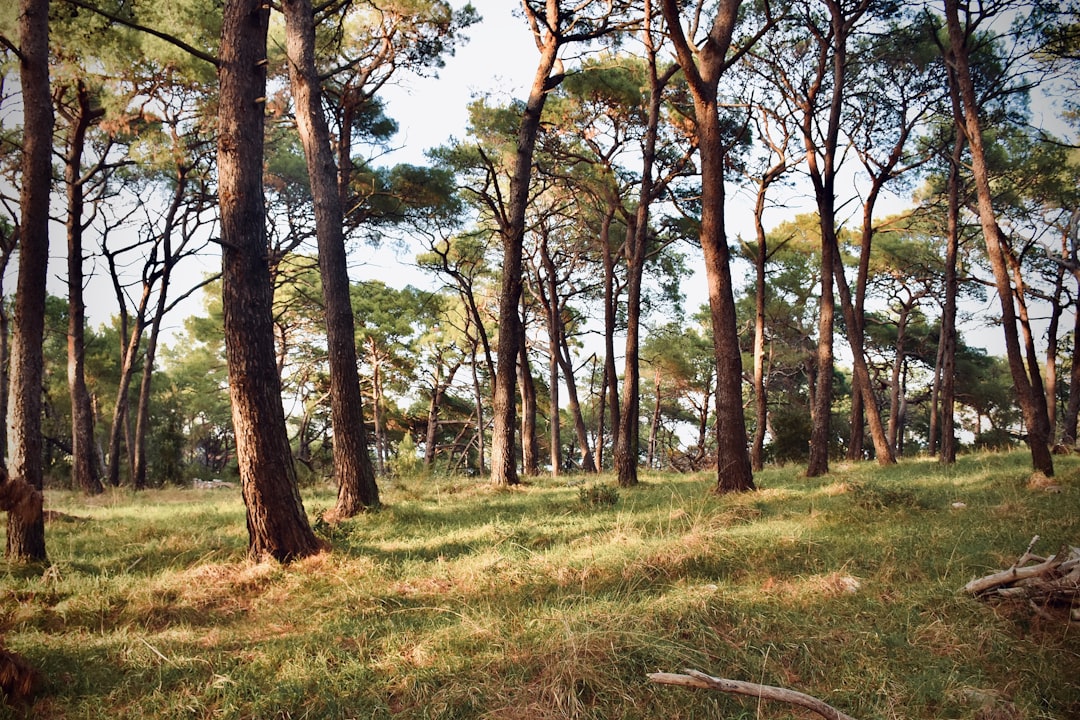
Pineta Forest — The heart of the island's health claim. This dense pine forest is located just north of the town center and offers a network of walking paths that are easy to navigate. The air here is noticeably fresher, and the scent of pine is overpowering in the best way. There are benches scattered throughout, perfect for stopping to breathe deeply or to watch the light filter through the branches. It is free to enter, and the best time to visit is early morning or late afternoon when the forest is quiet and the light is soft.
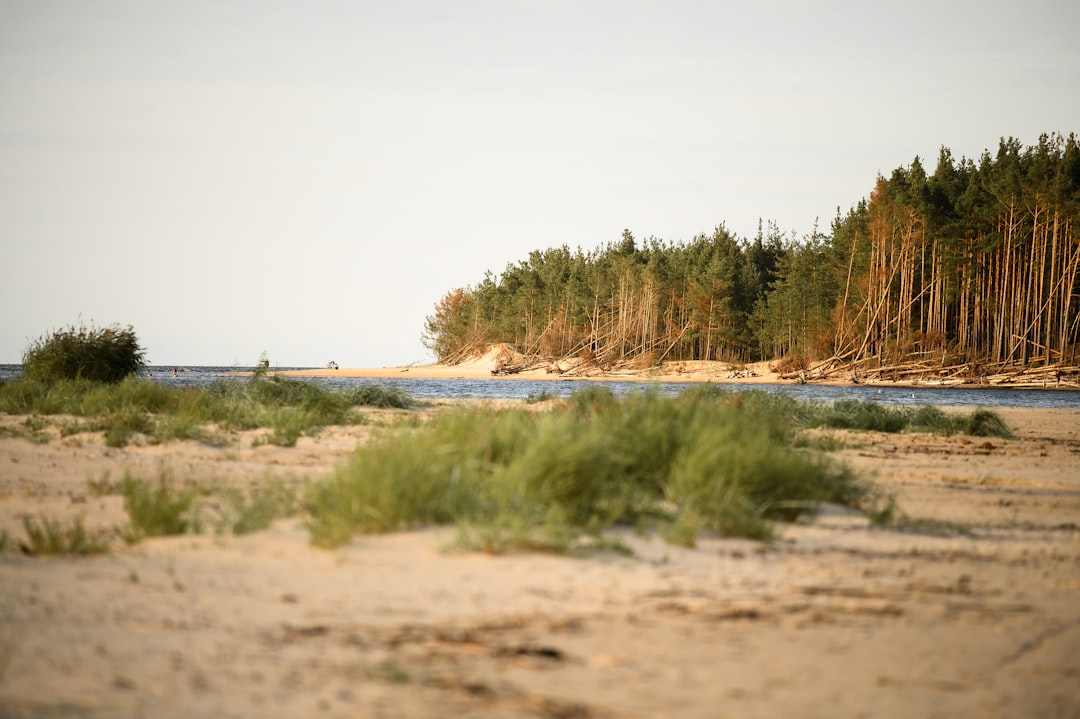
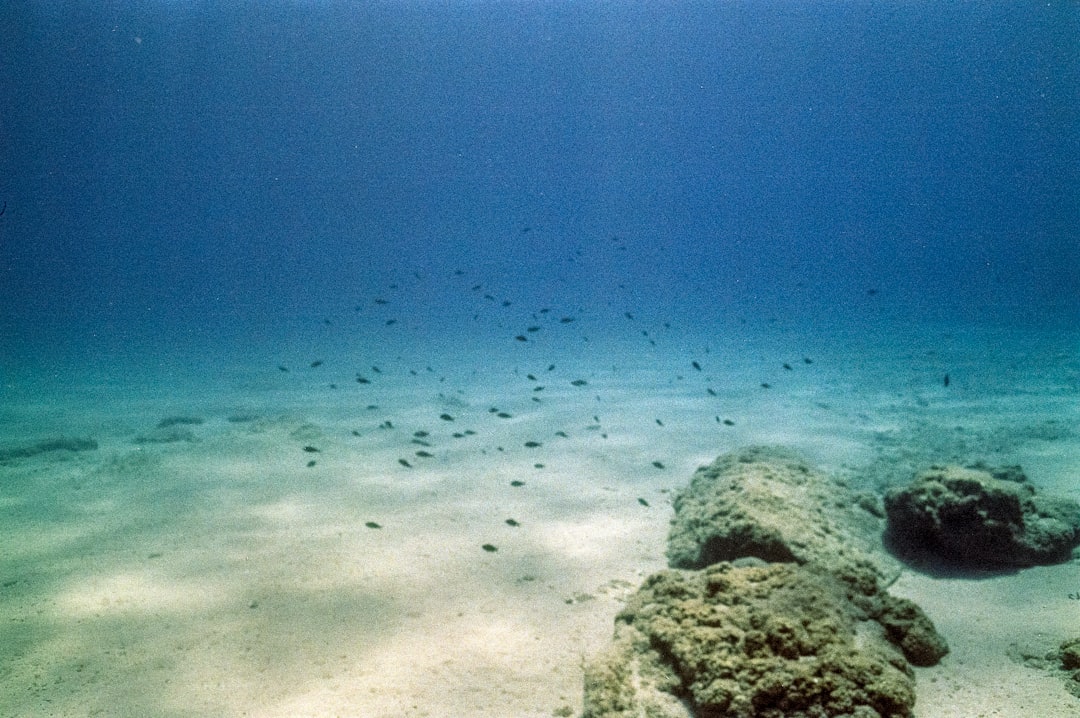
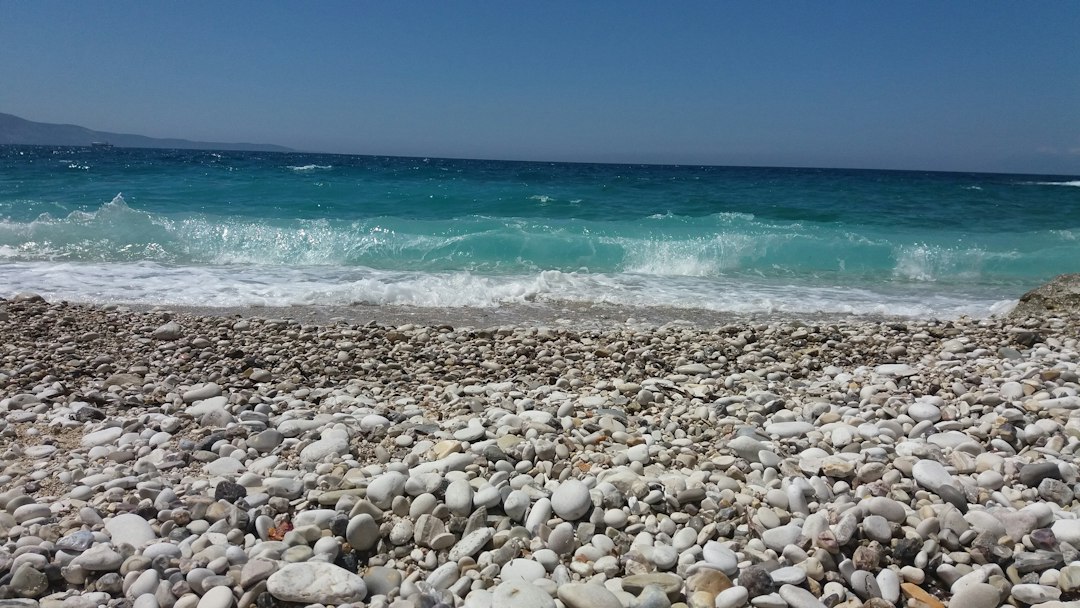
Baška Voda — A picturesque village on the east coast of the island, known for its long, sandy beach and the Pineta forest that extends down to the shore. The beach is a mix of sand and pebbles, and the water is clear and calm, making it ideal for swimming. The village has a relaxed atmosphere, with small cafes and restaurants lining the promenade. It is a great place to spend a day, swimming in the morning and walking through the forest in the afternoon. There is no entry fee, and it is accessible by bus or car from the town center.
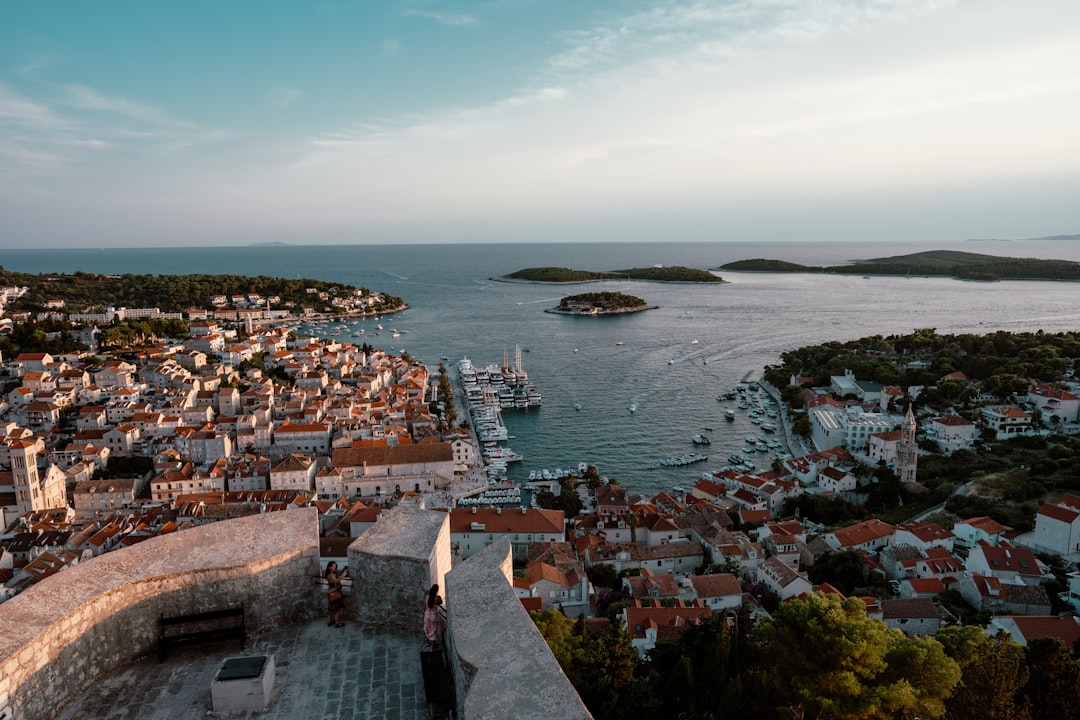
Lošinj Castle — Located on a hill overlooking the town, this 15th-century castle was originally built for defense but later served as a residence for the island's governors. Today, it houses a small museum and offers panoramic views of the town and the surrounding islands. The climb to the castle is steep but short, and the views are worth the effort. The museum is small but interesting, with exhibits on the island's history and its role as a health resort. Entry is 5 EUR, and it is open daily from 9 AM to 5 PM.
St. Mary's Church — The main church in the town center, this 16th-century church is a mix of Gothic and Renaissance styles. The interior is simple but elegant, with frescoes and a beautiful altar. The church is located on the main square, Trg Svetog Duha, and is surrounded by cafes and shops. It is free to enter, and the best time to visit is during the day when the square is lively and the church is open for prayer.
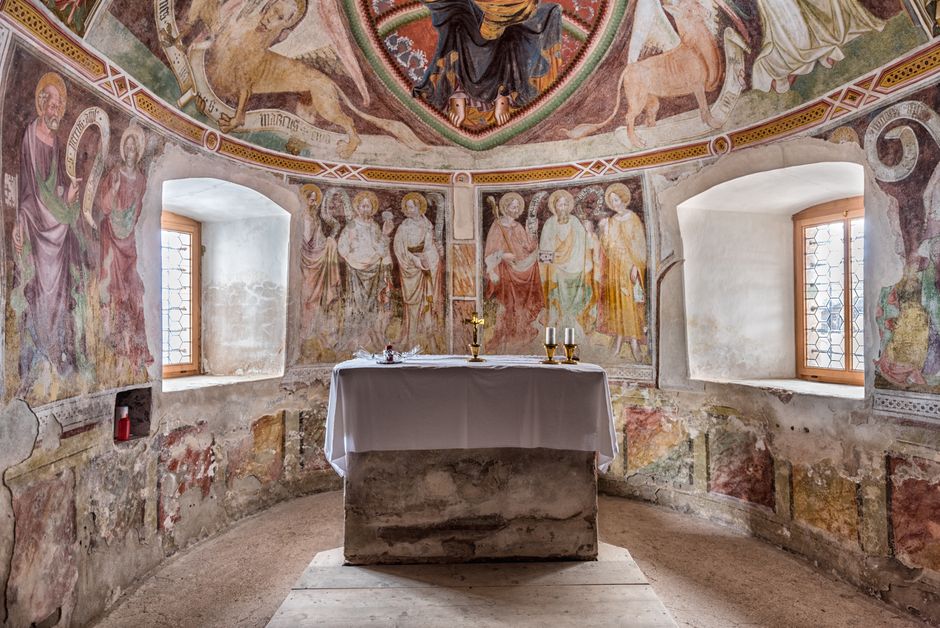
Kornati National Park — While not on the island itself, a boat trip to Kornati National Park is a must-do for any visitor. The park is a archipelago of 150 islands, islets, and rocks, with crystal-clear water and rugged landscapes. The boat trips depart from Mali Lošinj and Baška Voda, and the cost is around 30-50 EUR per person, depending on the duration and the type of boat. The park is a UNESCO Biosphere Reserve, and the scenery is breathtaking. The best time to visit is in the summer when the weather is warm and the water is calm.
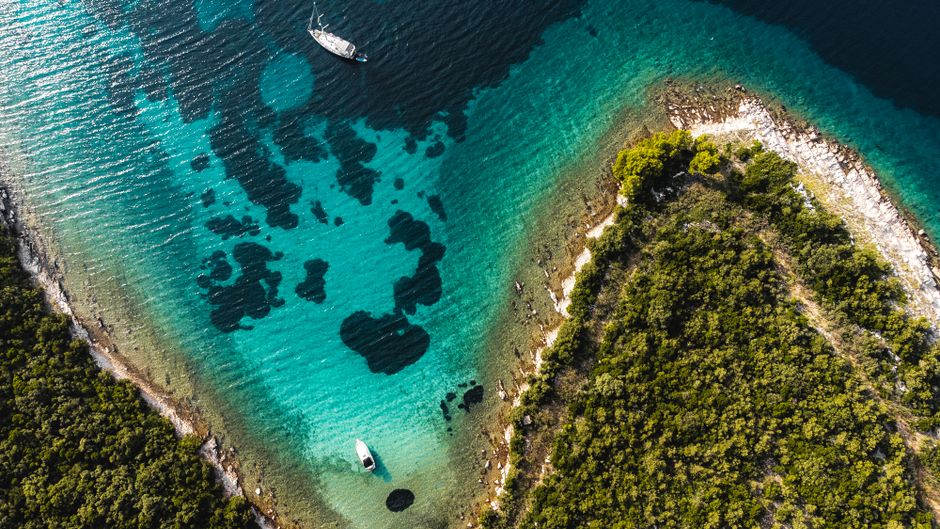
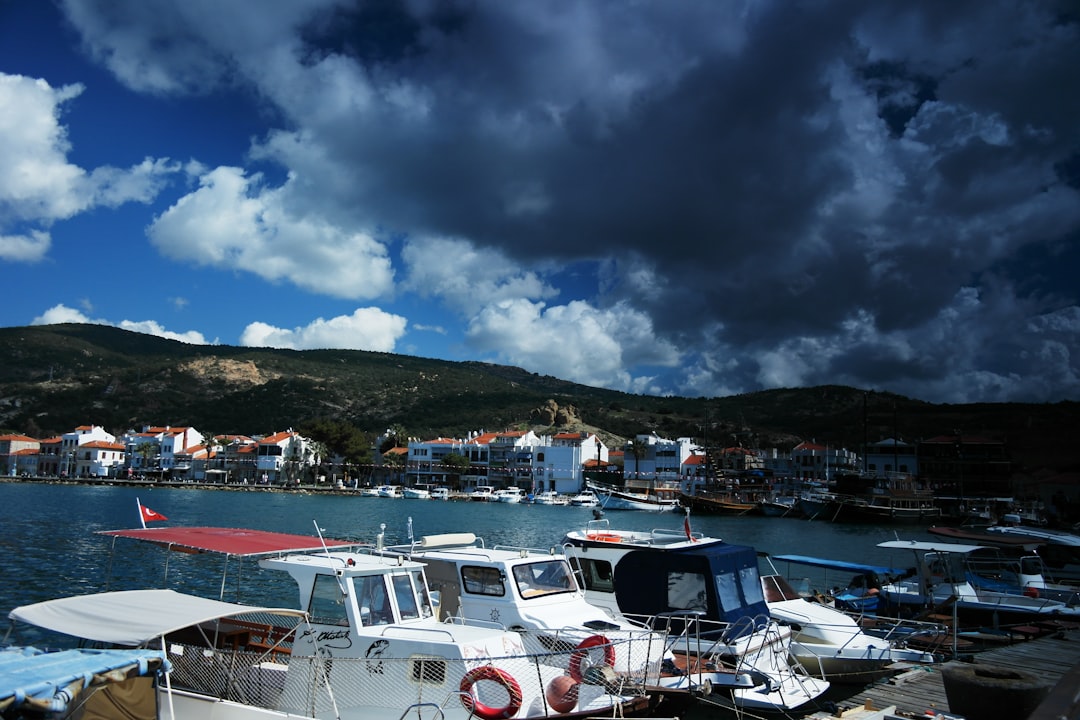
Veliki Lošinj — The largest village on the island, located on the southern coast. It is a more authentic and less touristy place than the town center, with a traditional fishing village atmosphere. The harbor is filled with fishing boats, and the main street is lined with small shops and cafes. It is a great place to try local seafood and to experience the daily life of the islanders. There is no entry fee, and it is accessible by bus or car from the town center.
What to Eat & Drink
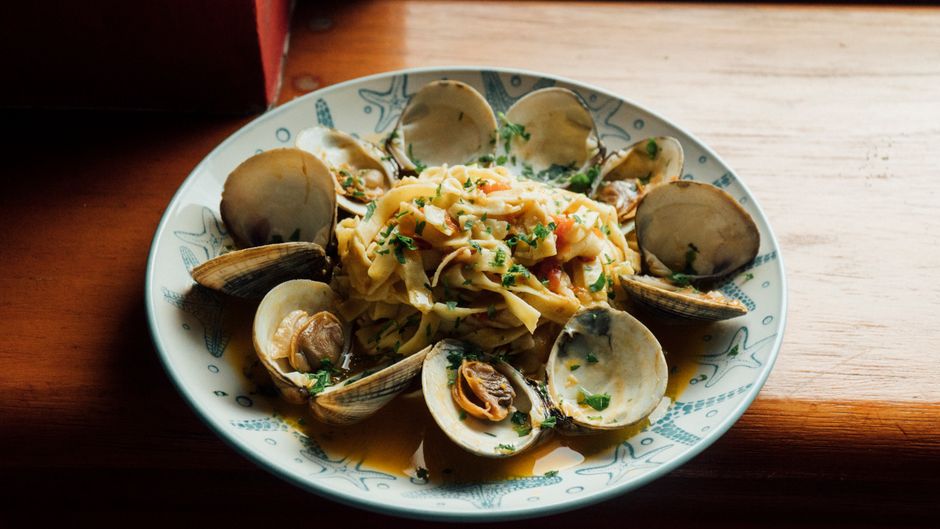
The food on Mali Lošinj is a reflection of its island location and its health-conscious culture. The diet is heavily based on seafood, olive oil, and fresh vegetables, with a focus on simple, flavorful dishes that are both delicious and healthy. The local cuisine is a mix of Croatian and Italian influences, with a unique twist that comes from the island's isolation and its reliance on local ingredients.
Oštro — A spicy tomato sauce made with garlic, chili peppers, and olive oil, served with grilled fish or octopus. It is a staple of the island's cuisine, and it is found in almost every restaurant. A serving costs around 8-12 EUR.
Brudet — A slow-cooked fish stew made with a variety of local fish, tomatoes, onions, and wine. It is traditionally served with homemade pasta or polenta. A serving costs around 10-15 EUR.
Peka — A dish of meat or seafood cooked under a bell-shaped metal lid, slow-cooked over embers. It is a traditional Croatian dish, and it is particularly popular on the islands. A serving costs around 12-18 EUR.
Pršut — A dry-cured ham that is a specialty of the island. It is made from local pigs and is cured in the sea air. It is served as an appetizer, often with cheese and bread. A plate costs around 6-10 EUR.
Lošinj Wine — The island produces its own wine, including a crisp white wine called Malvazija and a robust red wine called Plavac Mali. A glass of wine costs around 3-5 EUR, and a bottle costs around 10-20 EUR.
For budget travelers, there are several options for cheap eats. The local market in the town center offers fresh produce, cheese, and bread, which can be used to make a simple and inexpensive meal. There are also several bakeries and cafes that offer sandwiches and pastries for under 5 EUR. For a sit-down meal at a local restaurant, expect to pay around 15-25 EUR per person, while mid-range restaurants can cost 25-40 EUR per person. The most famous food street is the promenade in Baška Voda, where you can find a variety of restaurants and cafes overlooking the sea.
Nightlife
Nightlife on Mali Lošinj is not about loud clubs and neon lights. It is about relaxed evenings, good music, and beautiful views. The main nightlife area is the promenade in the town center, where you can find a variety of bars and cafes that stay open late. The atmosphere is laid-back, and the music is usually soft and acoustic, perfect for enjoying a drink and a conversation.
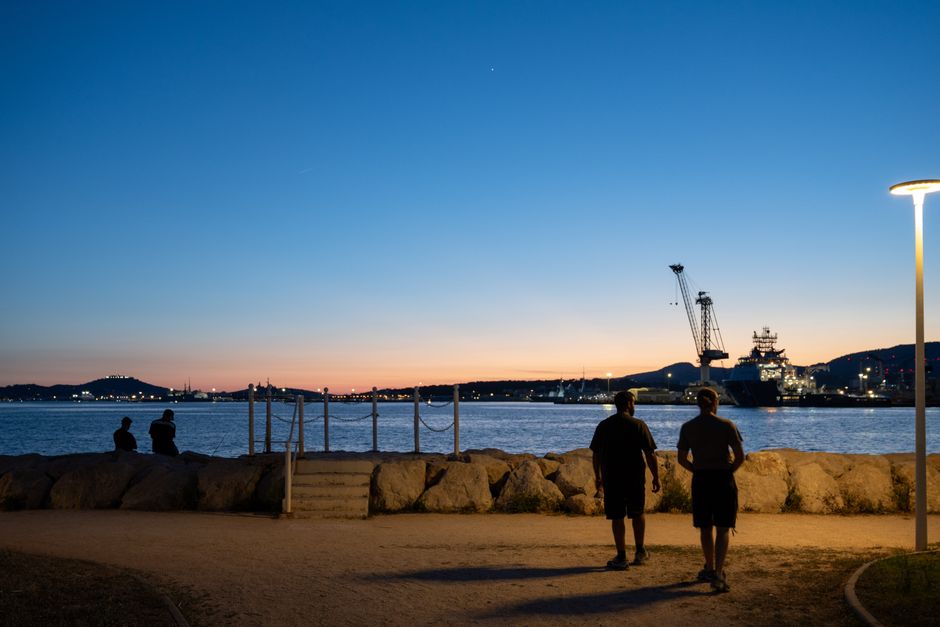
Bar Capri — A popular bar on the promenade, known for its cocktails and its view of the harbor. It is a great place to watch the sunset and to meet other travelers. The cover charge is free, and the drinks cost around 5-8 EUR.
Club Marina — A small club located near the harbor, it plays a mix of pop and dance music. It is a popular spot for locals and tourists alike, and the atmosphere is lively but not overwhelming. The cover charge is around 5 EUR, and the drinks cost around 6-10 EUR.
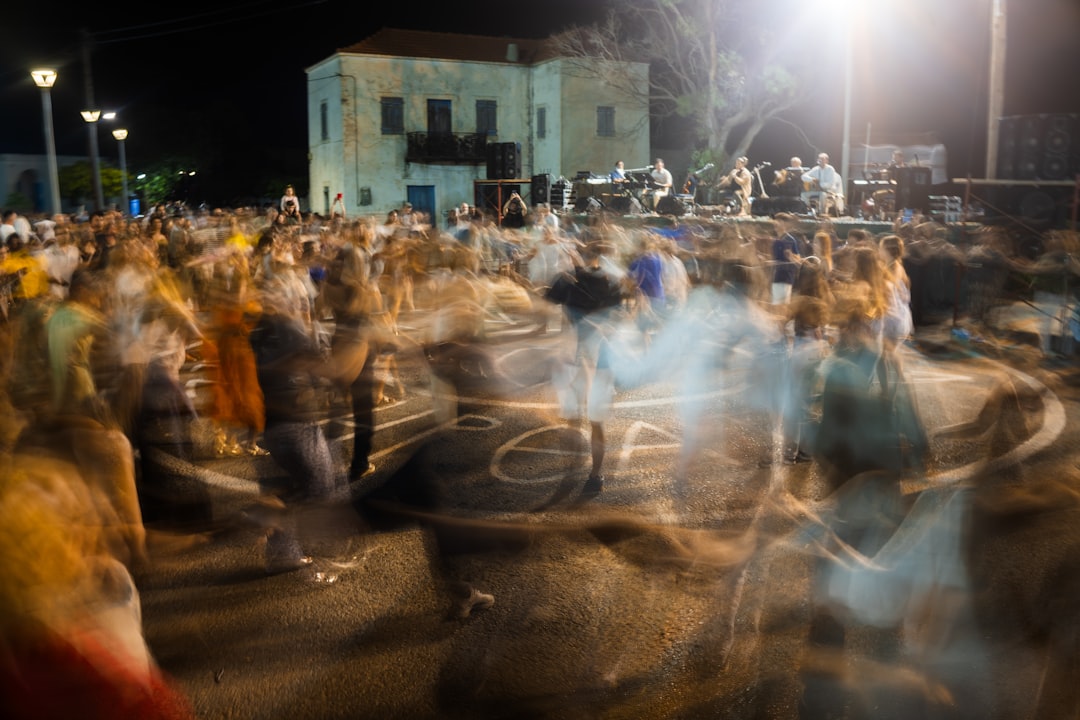
Cafe Bar Školjka — A cozy cafe bar located in a small square near the town center. It is known for its live music and its friendly staff. It is a great place to enjoy a quiet evening, with a glass of wine and a plate of pršut. The cover charge is free, and the drinks cost around 4-7 EUR.
Getting There & What to Expect
The nearest airport is Rijeka Airport, which is about 45 km from the island. From the airport, you can take a bus to the port of Rijeka, and then take a ferry to Mali Lošinj. The bus ride takes about 45 minutes and costs around 10 EUR, while the ferry ride takes about 1 hour and costs around 15-25 EUR per person, depending on the season. You can also drive to the port of Rijeka and take the ferry with your car, which costs around 40-60 EUR one way.
Alternatively, you can take a bus from Zagreb or Split to the port of Rijeka, and then take the ferry to Mali Lošinj. The bus from Zagreb takes about 3 hours and costs around 15-20 EUR, while the bus from Split takes about 4 hours and costs around 20-25 EUR. The ferry schedule is frequent in the summer, with departures every hour, but it is less frequent in the winter, with only a few departures per day.
Accommodation on the island ranges from budget hostels to luxury hotels. A bed in a hostel costs around 20-40 EUR per night, while a room in a mid-range hotel costs around 80-150 EUR per night. Luxury hotels can cost 200-400 EUR per night. The best months to visit are May, June, September, and October, when the weather is warm but not too hot, and the crowds are smaller. In the summer, the island can be crowded and expensive, but the nightlife is more lively and the beaches are more popular.
Search accommodation in Mali Lošinj on Booking.com →
The Breath of the Island
I left Mali Lošinj with a strange sense of calm. It wasn't just the air, though that was certainly part of it. It was the pace of life, the lack of cars, the focus on wellness, and the beauty of the landscape. The island feels like a place where time moves slower, and where people take the time to breathe, to walk, to enjoy the simple things in life. It is a place where health is not just a goal, but a way of life. The pine forests, the clear water, the good food, and the relaxed atmosphere all contribute to a sense of well-being that is hard to find elsewhere. I went there as a skeptic, but I left as a believer. The air on Mali Lošinj is not just air; it is a cure. And I intend to come back for my annual dose.
Comments