


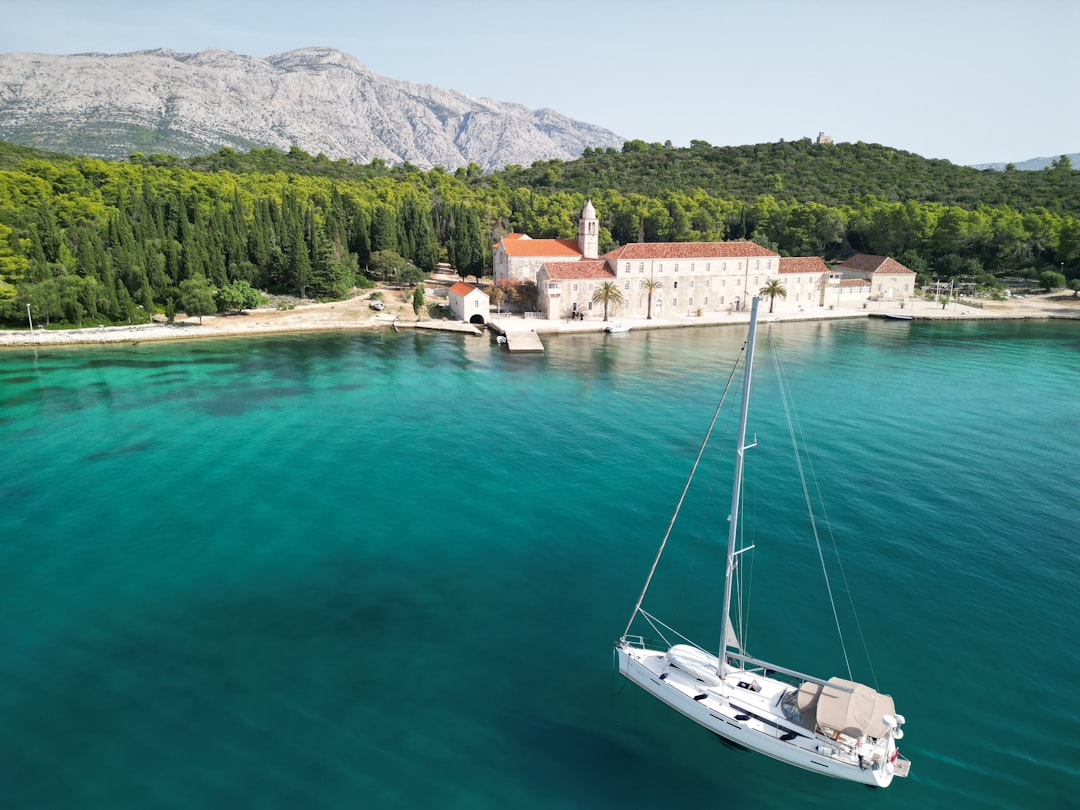
The air in Dubrovnik tastes like salt and ancient stone, but down here, twenty meters beneath the surface, the air tastes like iron and time. I am hanging off the side of a rubbery dive boat, regulator in my mouth, watching the sun fracture into a million shimmering coins on the seafloor. A local dive instructor, a wiry Croatian with a beard that looks like it was carved from driftwood, points a gloved finger toward a jagged silhouette emerging from the blue gloom. It is not coral. It is not rock. It is the rusted ribcage of a World War II submarine, resting in the silt like a sleeping leviathan. This is not a vacation. This is a séance.
In the Balkans, history is not something you read in a textbook; it is something you trip over on the sidewalk, it is something you eat for dinner, and sometimes, it is something you dive into. The Adriatic Sea is a graveyard of metal, a submerged museum of conflict that stretches from the Italian border down to the Albanian Riviera. While the tourists above sip rakija and snap photos of Venetian palaces, we are descending into a world where the war never really ended—it just went underwater. The silence here is heavy, broken only by the hiss of my own breathing and the occasional bubble escaping from a crack in a hull that has been holding its breath since 1943.
The Iron Graveyard of the Adriatic
The Second World War turned the Adriatic into a naval chessboard, a violent struggle between the Axis powers and the Yugoslav Partisans, with the Italian Navy and the Royal Navy clashing in the narrow, sun-drenched waters. When the fighting stopped, the ships did not always sail away. Many sank, others were scuttled, and some were simply abandoned to the elements. Today, these wrecks form a unique underwater heritage site, a collection of artifacts that tells a story far more complex than the dry dates found in history books. The wrecks are not just metal; they are time capsules.
Diving these sites requires more than just certification; it requires respect. The sea here can be unpredictable, with currents that can shift without warning and visibility that can drop from crystal clear to pea soup in minutes. But for those who are prepared, the rewards are immense. You are not just looking at a ship; you are looking at a moment frozen in time. You see the personal effects of sailors who never made it home, the machinery that once powered empires, and the sheer brutality of war reflected in the twisted metal. It is a sobering experience, one that leaves you with a profound sense of humility and a deep appreciation for the peace we enjoy today.
The wrecks are scattered along the coast, from the northern islands near Rijeka to the southern tips near Korčula. Each site has its own story, its own character, and its own challenges. Some are shallow and accessible to recreational divers, while others require technical skills and deep-water certifications. But all of them share one thing in common: they are ghosts. And like all ghosts, they have stories to tell, if you are willing to listen.
Where to Dive: The Ghost Fleet Sites
The "Istra" Submarine — This is perhaps the most famous wreck in the Adriatic, a German U-boat that sank in 1943. The wreck lies at a depth of around 40 meters, making it a site for experienced divers only. The hull is remarkably well-preserved, with the conning tower still visible and the interior filled with silt and marine life. It is a haunting sight, a reminder of the deadly game of cat and mouse that was played out in these waters during the war. Entry requires a technical dive certification and a local guide. 80-100 EUR per dive trip.
The "Baron" Destroyer — Located off the coast of Split, this Italian destroyer sank in 1941 after hitting a mine. The wreck lies at a depth of around 30 meters, making it accessible to advanced recreational divers. The hull is broken in two, with the bow section resting on the seafloor and the stern section tilted at an angle. The interior is filled with debris and marine life, including large schools of fish and occasional sea turtles. It is a spectacular wreck, with a sense of drama and tragedy that is palpable even underwater.
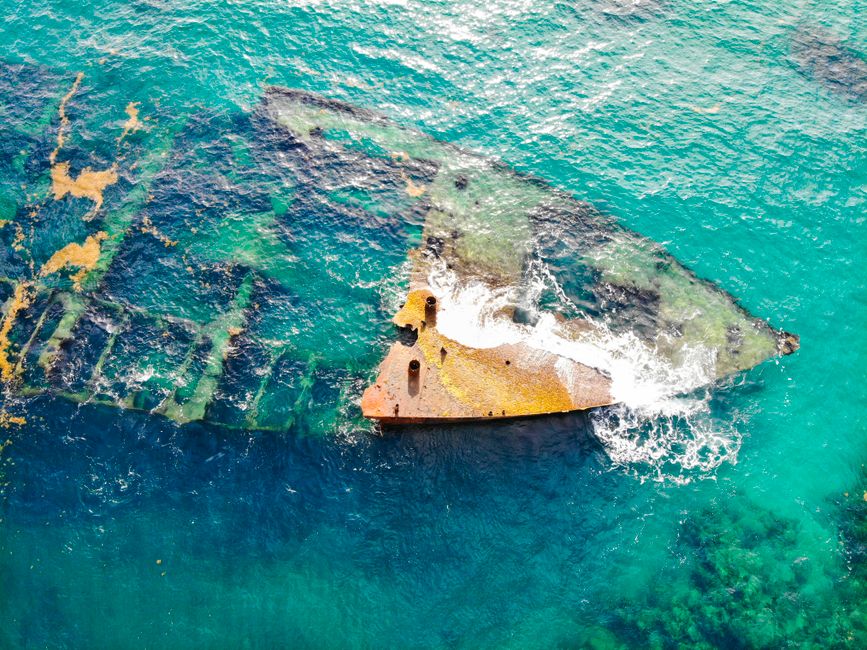
The "Velebit" Wreck — This is a lesser-known wreck, a Yugoslav patrol boat that sank in 1945. The wreck lies at a depth of around 20 meters, making it accessible to recreational divers. The hull is mostly intact, with the deck and superstructure still visible. The interior is filled with silt and marine life, including small fish and crustaceans. It is a quiet wreck, with a sense of peace and tranquility that is in stark contrast to the violence of its final moments.
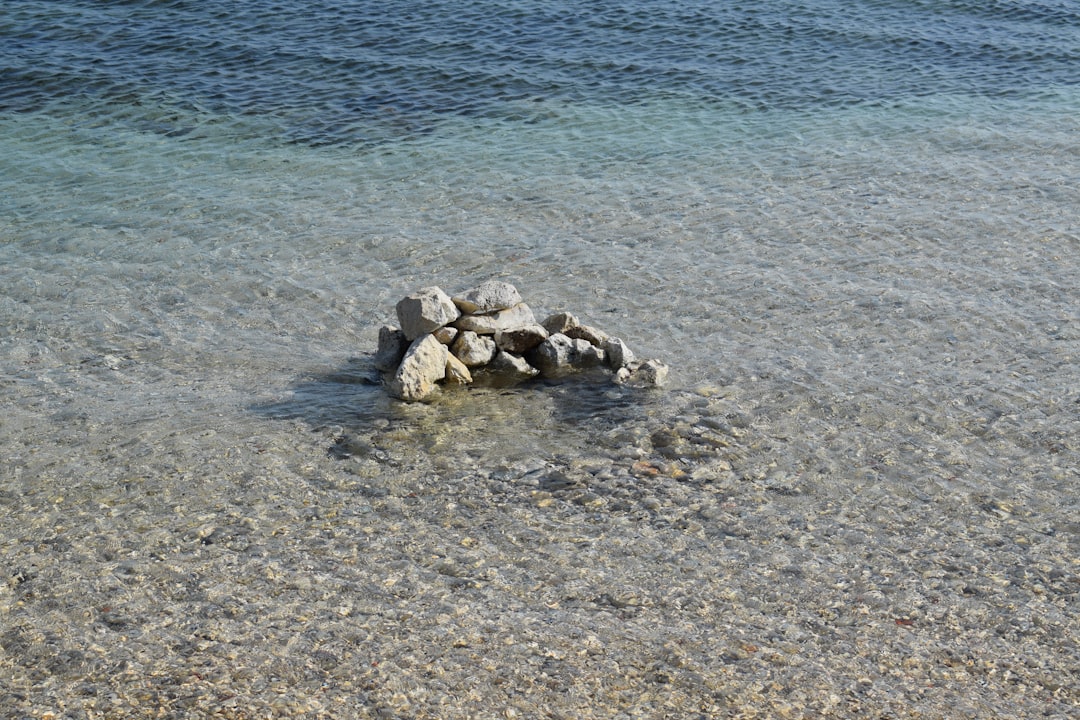
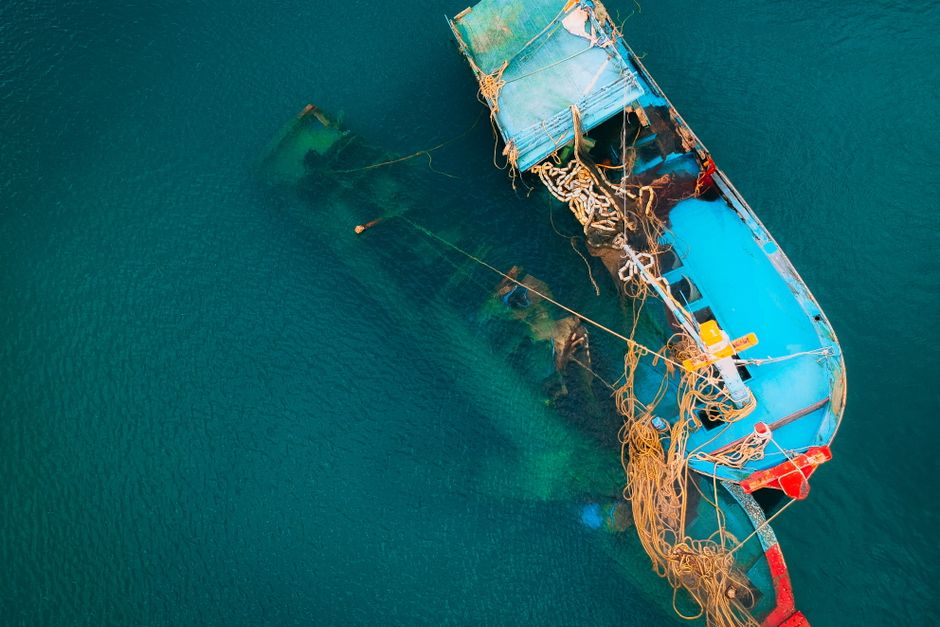
The "Korčula" Cargo Ship — Located off the coast of Korčula, this Italian cargo ship sank in 1943 after being bombed. The wreck lies at a depth of around 35 meters, making it a site for experienced divers only. The hull is broken in several places, with the interior filled with debris and marine life. It is a complex wreck, with multiple compartments and passages to explore. It is a challenging dive, but one that rewards those who are up to the task with a sense of adventure and discovery.
What to Eat & Drink After the Dive
After spending an hour or two in the cold, dark depths of the Adriatic, there is nothing quite like a hot meal and a cold drink to bring you back to the world of the living. The coastal towns of Croatia are famous for their seafood, and for good reason. The fish here is fresh, the wine is excellent, and the atmosphere is relaxed and welcoming. It is the perfect place to recover from a dive and share your experiences with friends.
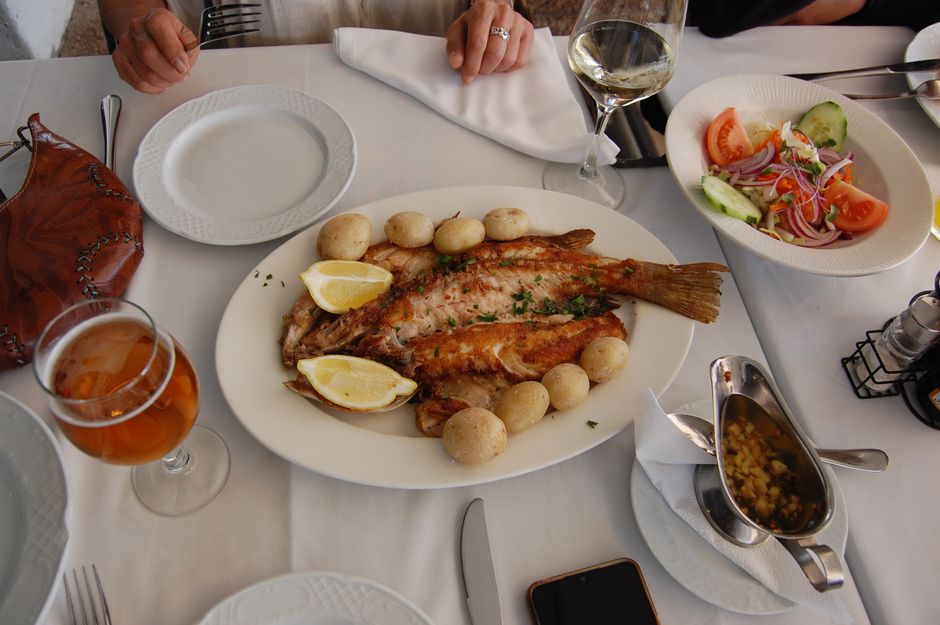
Brudet — This is a traditional Dalmatian fish stew, made with local fish, tomatoes, onions, and white wine. It is typically served with fuži, a type of pasta that is rolled by hand. The flavor is rich and complex, with a hint of spice that warms you from the inside out. 12-15 EUR per serving.
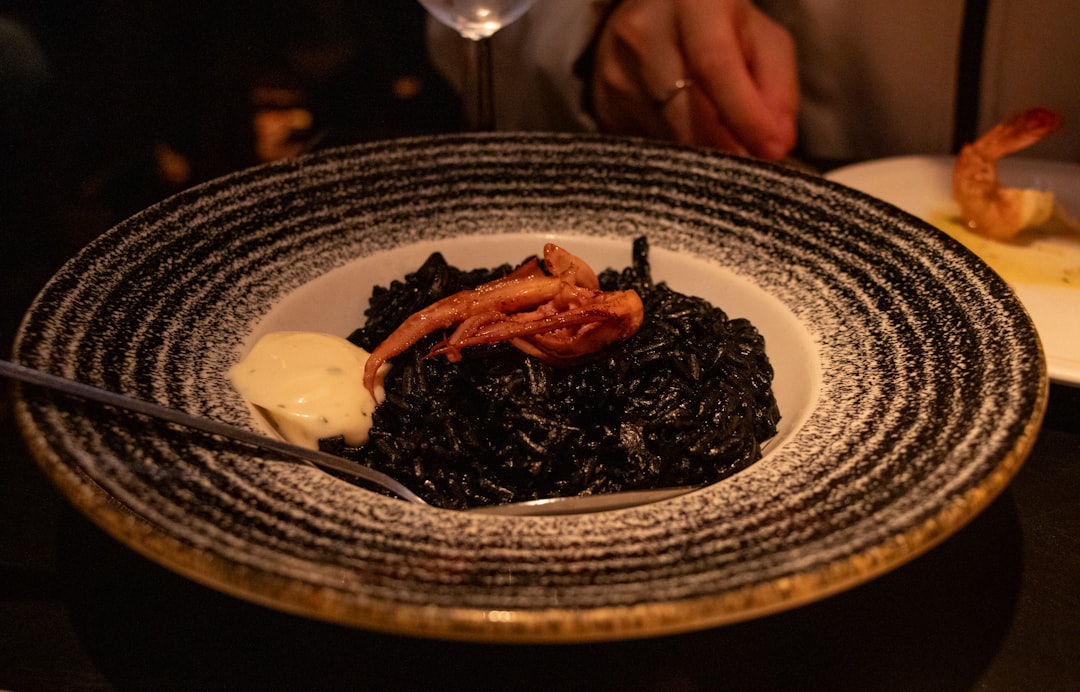
Crni Rižot — This is a black risotto, made with squid ink, which gives it a distinctive color and a slightly briny flavor. It is typically served with a squeeze of lemon and a drizzle of olive oil. The texture is creamy and smooth, with a hint of sweetness from the squid. 10-12 EUR per serving.
Pašticada — This is a slow-cooked beef stew, made with beef, vegetables, and a variety of spices. It is typically served with funčići, a type of ribbon pasta. The flavor is rich and savory, with a hint of sweetness from the prunes and raisins that are added to the stew. 14-18 EUR per serving.
For drinks, you cannot go wrong with a glass of Plavac Mali, a red wine that is grown in the southern Dalmatian region. It is full-bodied and robust, with notes of dark fruit and spice. 4-6 EUR per glass. For something stronger, try Loza, a grape-based brandy that is distilled from the skins of the Plavac Mali grape. It is smooth and sweet, with a hint of oak. 3-5 EUR per shot.
Nightlife: From Diving Decks to Dance Floors
When the sun goes down, the coastal towns of Croatia come alive with a vibrant nightlife that is as diverse as it is energetic. From beach clubs to rooftop bars, there is something for everyone. It is the perfect place to unwind after a day of diving and meet new people from around the world.
Banana Beach Club — Located in Zrće on the island of Pax, this is one of the most famous beach clubs in the Adriatic. It features world-class DJs, stunning views of the sea, and a party atmosphere that lasts until dawn. It is a high-energy venue, with a diverse crowd of young people from around the world. Cover charge: 10-15 EUR.
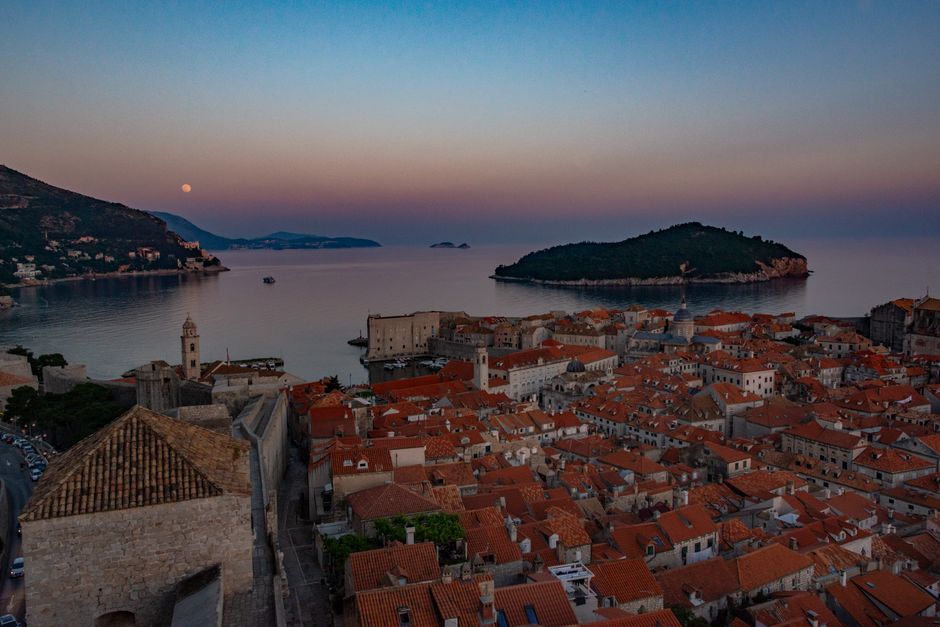
Skybar 360 — Located in Dubrovnik, this rooftop bar offers panoramic views of the old town and the sea. It is a more relaxed venue, with a focus on cocktails and conversation. It is the perfect place to end the night with a drink and a view. Cover charge: 5-10 EUR.
Barok Club — Located in Split, this is a historic club that has been hosting parties for decades. It features live music, dancing, and a lively atmosphere. It is a more local venue, with a focus on traditional Croatian music and dance. Cover charge: 5-8 EUR.


Getting There & What to Expect
The best way to explore the shipwrecks of the Adriatic is to base yourself in one of the major coastal cities, such as Dubrovnik, Split, or Zadar. From there, you can take day trips to the various wreck sites, or book a multi-day diving package with a local dive center. The weather is best from May to October, when the water is warm and the visibility is good. However, the summer months can be crowded, so it is best to book in advance.
Accommodation in Croatia ranges from budget hostels to luxury hotels. A night in a budget hostel costs around 20-40 EUR, while a mid-range hotel costs around 80-150 EUR. A night in a luxury hotel can cost 200-500 EUR or more. For food, expect to pay 10-15 EUR for a meal at a local restaurant, and 20-30 EUR for a meal at a high-end restaurant. For drinks, expect to pay 3-5 EUR for a beer and 4-6 EUR for a glass of wine.
The nearest airports are Dubrovnik Airport, Split Airport, and Zadar Airport. All three airports are well-connected to major European cities, with direct flights from London, Paris, Berlin, and other major hubs. From the airport, you can take a taxi or a bus to your accommodation. A taxi ride costs around 20-30 EUR, while a bus ride costs around 5-10 EUR.
For those who are serious about diving, it is recommended to book a package with a local dive center. These packages typically include accommodation, diving trips, and meals. A package for a week of diving costs around 800-1200 EUR. This is a great way to explore the wrecks of the Adriatic without having to worry about the logistics.
Search accommodation in Dubrovnik on Booking.com →
The Silence Below
As I surface from the dive, the sun is setting, casting a golden glow over the water. The boat rocks gently beneath me, and the air is warm and sweet. I take a deep breath, filling my lungs with the fresh air, and feel a sense of peace wash over me. The ghosts of the past are still down there, resting in the silt, but for now, I am here, in the present, alive and well. It is a feeling that is hard to describe, but easy to understand. The Adriatic is a place of beauty and tragedy, of life and death, of past and present. And for those who are willing to dive into its depths, it offers a glimpse of something truly profound. It is a reminder that history is not just something that happened; it is something that is still happening, right here, right now. And it is a reminder that we are all connected, by the sea, by the past, and by the shared human experience.
Comments