


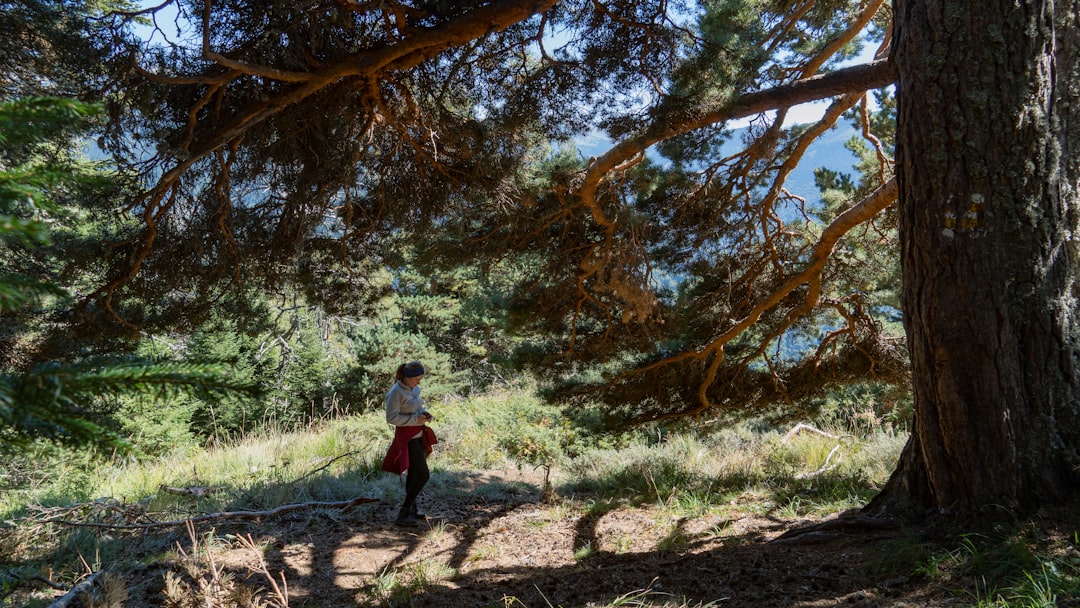
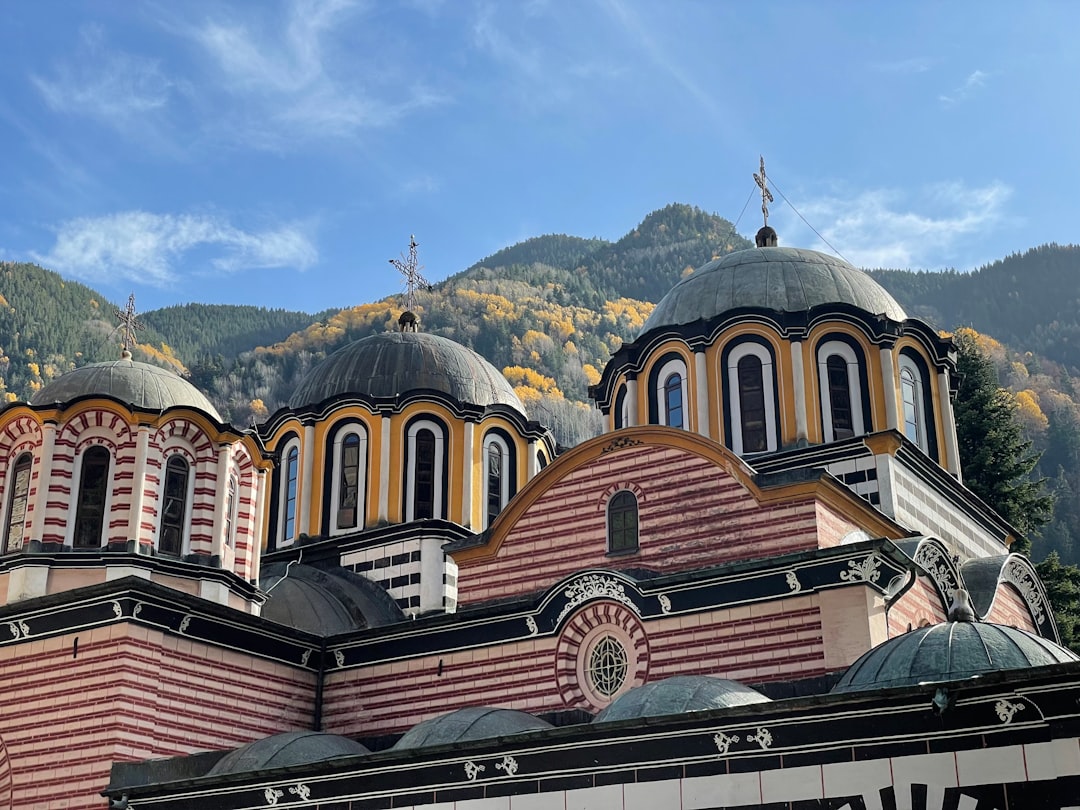
The air up here tastes like pine resin and old incense. I am standing on the stone terrace of the Rila Monastery, watching a group of tourists in neon windbreakers try to photograph a monk who looks like he hasn't blinked since 1989. The contrast is violent. Below me, the Rila Mountains rise in jagged, granite fists against a sky that is shifting from blue to bruised purple. This isn't just a tourist stop. This is the spiritual anchor of a nation that has been pulled apart by empires, ideologies, and economic shocks. I bought a cheap souvenir cross at the entrance, the plastic warm from the sun, and felt a strange weight in my pocket. It felt less like a trinket and more like a contract.
They tell you this place is beautiful. They are wrong. It is imposing. The walls are thick, the towers are fortified, and the silence inside the main church is heavy enough to crush a casual thought. I came here looking for a photo op for the weekend edition. I stayed because the silence demanded it. This is not a gentle pilgrimage site. It is a fortress of faith that has survived Ottoman occupation, communist atheism, and the modern chaos of mass tourism. If you want to understand Bulgaria, you do not look at the beaches in the south or the clubs in Sofia. You look here, at the stone and the icons.
History & Identity
The Rila Monastery was founded in the 10th century by Saint John of Rila, a hermit who fled the world to live in a cave in these mountains. What started as a single cell became a sprawling complex, a center of learning, and eventually a symbol of Bulgarian resistance. When the Ottoman Empire conquered the Balkans, the monastery became a sanctuary for the Bulgarian language and Orthodox faith. It was one of the few places where the Bulgarian identity was kept alive while the rest of the country was systematically erased. The walls you see today are mostly from the 19th century, rebuilt after fires and destruction, but the spirit is medieval.
During the communist era, the state tried to strip the monastery of its power. It was turned into a museum, its religious function suppressed. Yet, it never died. The monks stayed. The faithful kept coming. When the regime fell in 1989, the monastery was returned to the church, but the damage and the resilience are both part of its story. Today, it is a UNESCO World Heritage site, a status that brings money and crowds, but also a reminder of its global significance. It is not just a Bulgarian icon; it is a testament to the stubbornness of faith in the face of political erasure.
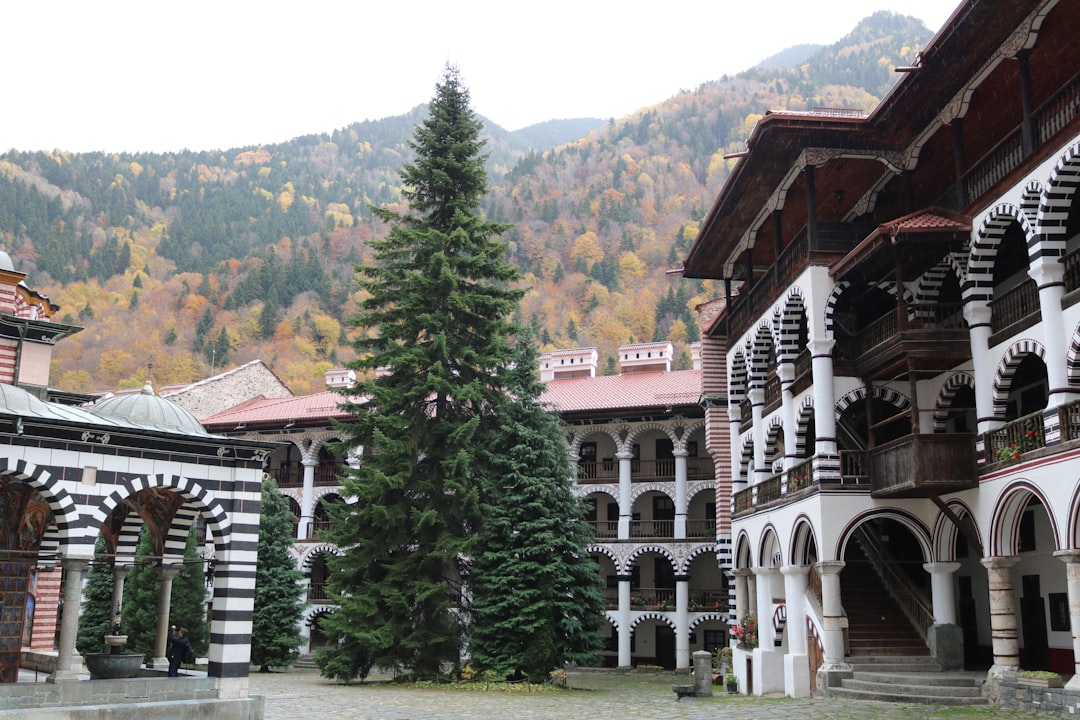
The architecture itself is a defense mechanism. The high walls, the watchtowers, the narrow gates — this was built to keep people out as much as to keep the divine in. Walking through the main gate, you pass under a canopy that feels like entering a different time. The noise of the parking lot, the buses, and the tour guides fades away, replaced by the sound of bells and the shuffling feet of pilgrims. It is a deliberate disconnection from the modern world, a physical manifestation of the spiritual journey.
Where to Go
The Main Church of the Nativity of the Virgin — This is the heart of the complex. Built in the 19th century, it houses the most important icons in Bulgaria, including the famous "Our Lady of Rila." The frescoes inside are vibrant, depicting scenes from the Bible and the history of the monastery. The air is thick with incense, and the light is dim, focused on the altar. Entry is free, but donations are expected. The best time to visit is early morning, before the tour groups arrive, when you can stand in the silence and actually see the details of the paintings.
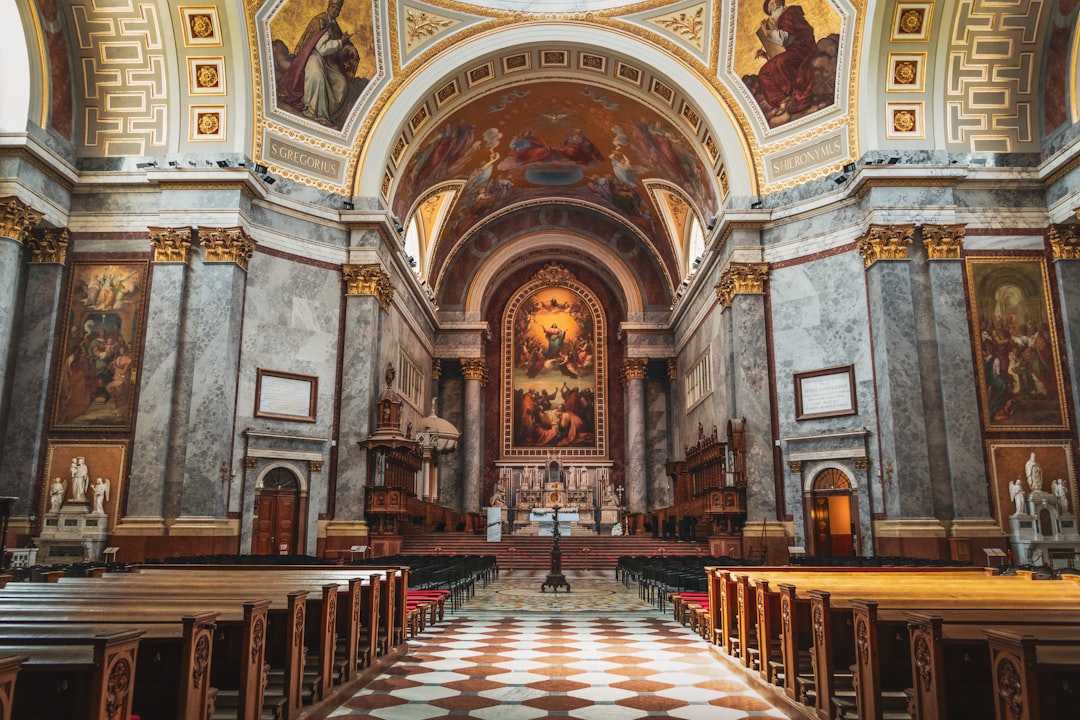
The Tower of the Bells — Standing 61 meters tall, this tower is the most recognizable symbol of the monastery. It houses 11 bells, the largest weighing 5,800 kilograms. The bells ring on the hour, and the sound carries across the valley. You can climb the stairs to the top for a panoramic view of the mountains and the surrounding complex. The climb is steep, but the view is worth it. It gives you a sense of the isolation and the protection the monastery has enjoyed for centuries.
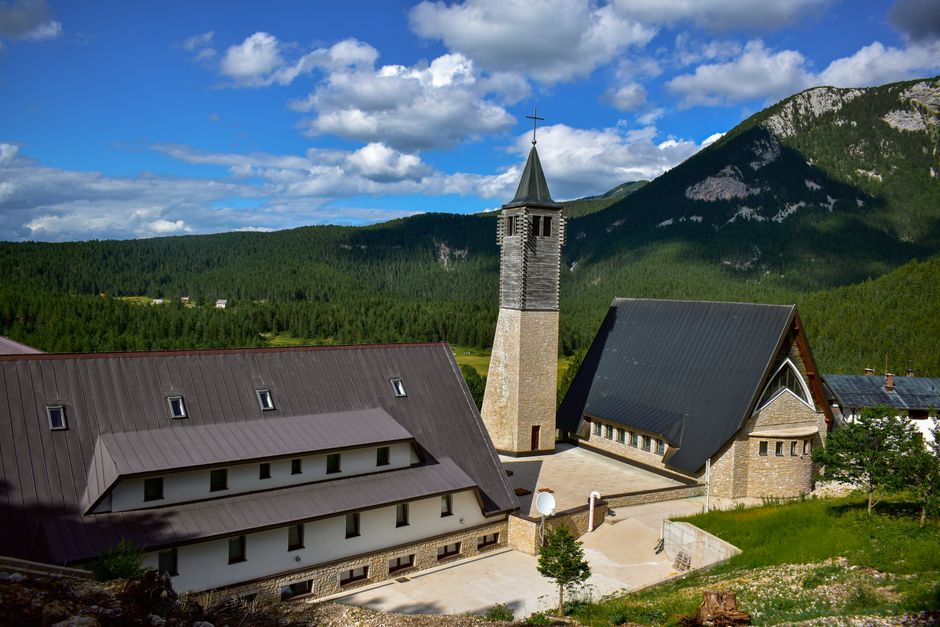
The Museum of Religious and Secular Art — Located in the old refectory, this museum holds a collection of icons, manuscripts, and liturgical objects dating back to the 14th century. It is a quiet, scholarly space, a stark contrast to the bustling courtyards. The guides are knowledgeable and passionate, explaining the symbolism behind each piece. Entry costs 5 EUR, and it takes about an hour to see everything. It is essential for understanding the artistic and historical context of the monastery.
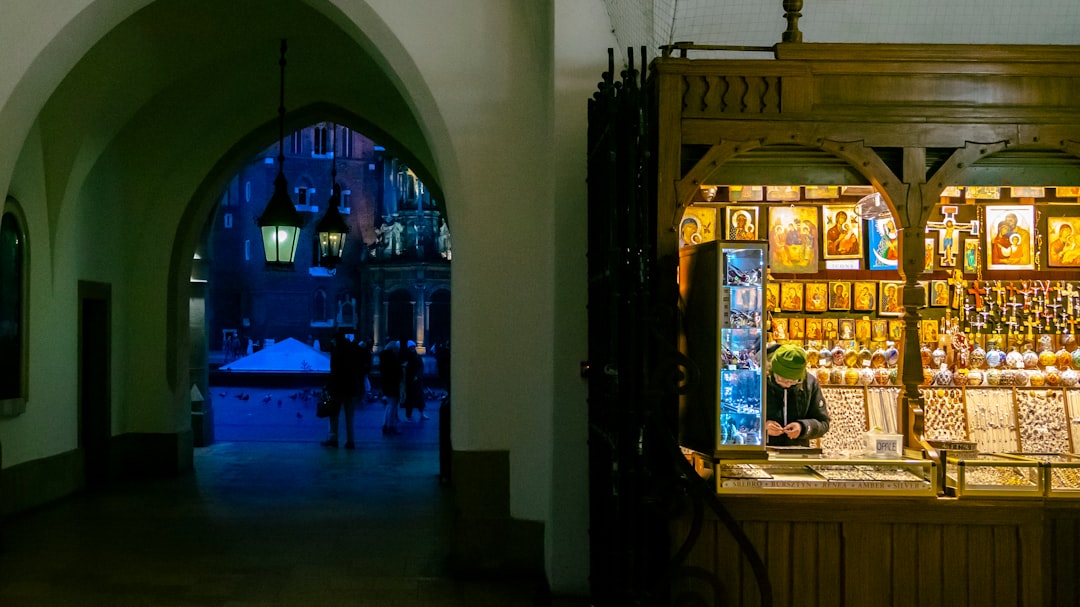
The Stone Bridge — This is the entrance to the monastery, a large stone archway that spans the road. It is a popular spot for photos, especially at sunset when the light hits the stone. The bridge is a symbol of transition, marking the boundary between the secular world and the sacred space. It is a simple structure, but it carries immense symbolic weight. Standing under it, you feel the shift in atmosphere.
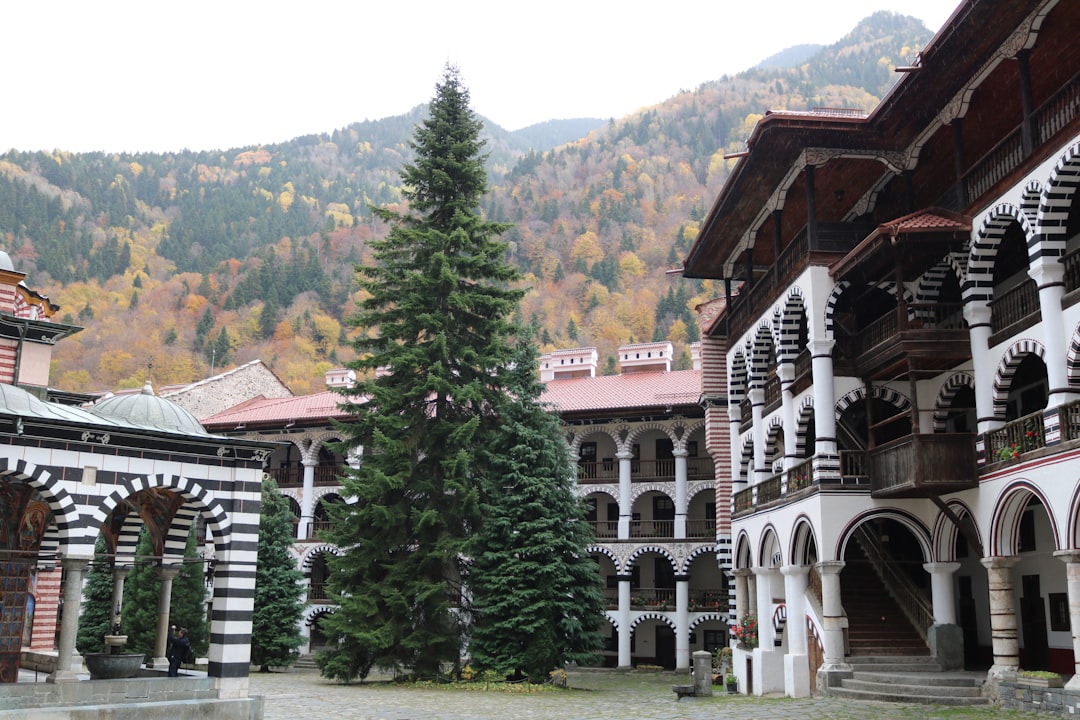
The Monastery Garden — A small, peaceful area with flowers and trees, it is a place for reflection and quiet prayer. It is often overlooked by tourists rushing to the church, but it offers a moment of calm. The garden is tended by the monks, and the flowers change with the seasons. In spring, it is a burst of color; in autumn, it is a quiet, golden space. It is a reminder of the connection between the spiritual and the natural world.
What to Eat & Drink
Food at the monastery is simple, humble, and deeply rooted in tradition. The monks follow a strict diet, and the meals served in the refectory reflect that. You will not find heavy, rich dishes here. Instead, you will find bread, cheese, vegetables, and occasionally, meat on feast days. The coffee is strong, served in small cups, and it tastes of earth and patience.
- Monastery Bread — Freshly baked, dense, and slightly sour. It is made with local flour and water, and it is a staple of the meal. 1-2 EUR
- White Cheese (Sirene) — Salty, crumbly, and perfect with bread. It is made from sheep's milk and is a key part of the Bulgarian diet. 2-3 EUR
- Vegetable Stew — A simple mix of seasonal vegetables, cooked slowly with olive oil and herbs. It is warm, comforting, and deeply satisfying. 3-4 EUR
- Monastery Wine — Produced by the monks, it is dry, earthy, and has a hint of spice. It is served in small glasses and is best enjoyed slowly. 2-3 EUR
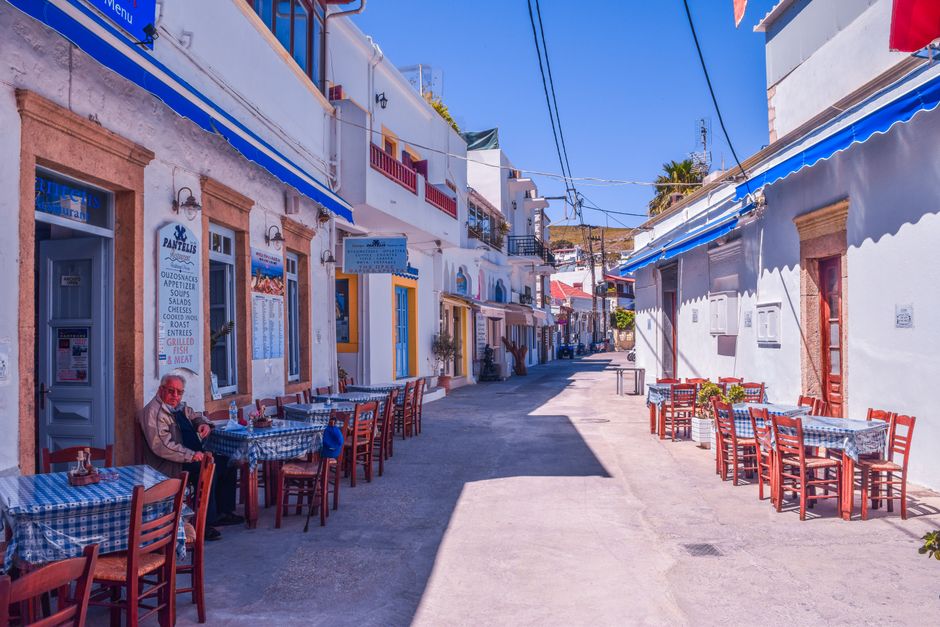
Budget travelers can pick up take-away meals from the small cafes near the entrance. A sandwich and a coffee will cost you around 4-6 EUR. For a sit-down meal at one of the local restaurants in the village of Rila, expect to pay 8-12 EUR per person. The food is home-style, hearty, and affordable. There are no luxury dining options here, and that is part of the charm. It is about sustenance, not spectacle.
The main food area is the village of Rila, just a short walk from the monastery. It has a few small restaurants and cafes, all serving traditional Bulgarian food. The atmosphere is casual, and the service is friendly. It is a good place to rest your feet after walking around the complex.
Nightlife
Let's be clear: there is no nightlife at the Rila Monastery. The complex closes at dusk, and the surrounding area is quiet. The village of Rila has a few small bars, but they are more for a quiet drink than a wild party. The focus here is on reflection, not revelry. If you are looking for clubs and late-night entertainment, you are in the wrong place. This is a place for silence, for prayer, and for contemplation.
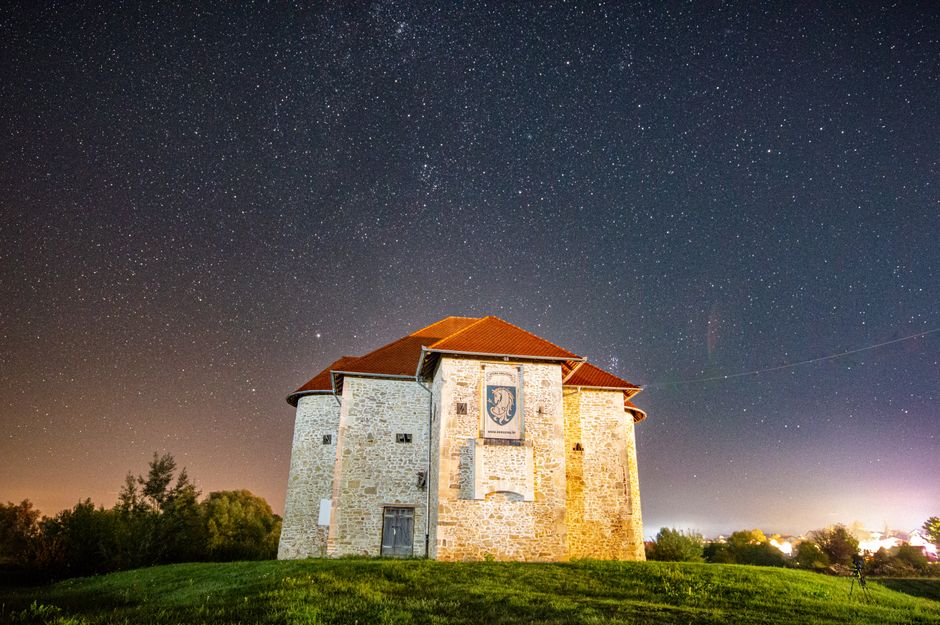
The closest nightlife is in Sofia, about two hours away. But why would you want to leave? The night here is beautiful. The stars are bright, the air is cool, and the silence is profound. It is a chance to disconnect from the noise of the modern world and reconnect with yourself. It is not for everyone, but for those who seek it, it is a gift.
Getting There & What to Expect
The nearest major city is Sofia, about 120 kilometers away. You can get there by bus, which takes about 2.5 hours and costs around 10-15 EUR. Buses leave from the central bus station in Sofia and arrive at the monastery entrance. It is a direct route, and the buses are comfortable. You can also drive, taking the Rila Road, which is scenic but winding. The drive takes about 1.5 to 2 hours, depending on traffic.
Accommodation options are limited. There are a few guesthouses in the village of Rila, with prices ranging from 30-50 EUR per night for a basic room. For a more comfortable stay, you can book a hotel in nearby Samokov, about 30 minutes away. Prices there range from 50-80 EUR per night. Camping is also an option in the summer, with sites available near the monastery for around 5-10 EUR per night.
The best time to visit is between May and October, when the weather is mild and the mountains are green. In winter, the monastery is covered in snow, and the roads can be icy. It is still beautiful, but more challenging to reach. The monastery is open every day, from 8:00 AM to 6:00 PM in summer, and 9:00 AM to 4:00 PM in winter. Dress modestly, as it is a religious site. Shoulders and knees should be covered.
Search accommodation in Rila on Booking.com →
The Weight of Stone
I left the monastery as the sun was setting, the bells ringing one last time. The plastic cross was still in my pocket, warm from the day's sun. I did not put it on. I did not throw it away. I just carried it. It felt like a reminder that some things are not meant to be consumed, but carried. The Rila Monastery is not a place you visit; it is a place that visits you. It stays with you, in the silence, in the stone, in the weight of the history that surrounds you. It is a fortress of faith in a world that has forgotten how to believe. And that, perhaps, is why it endures.
Comments