


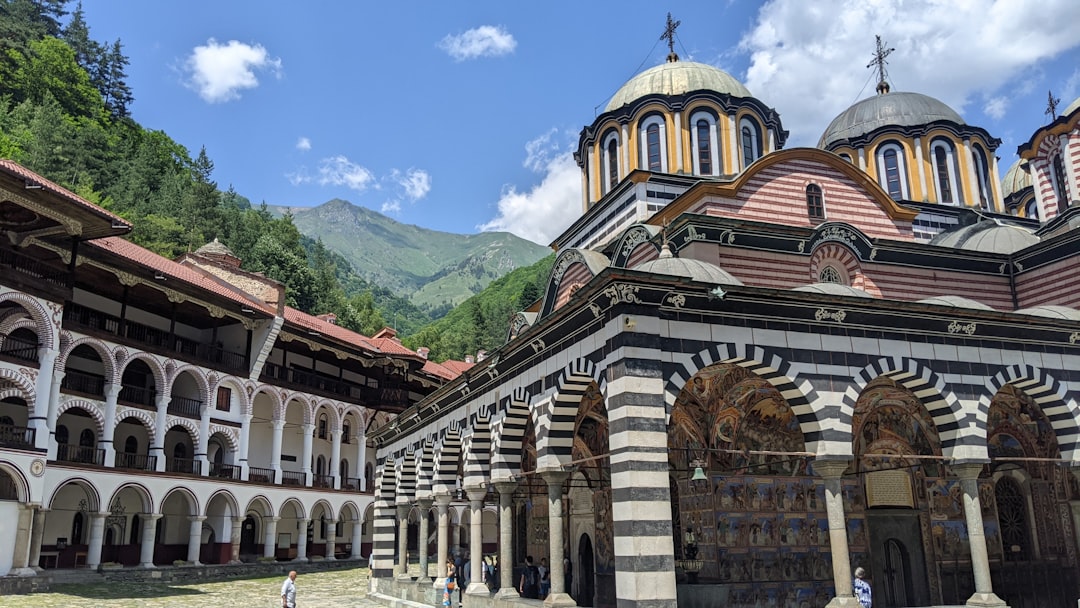
The air up here doesn't just smell like pine and old stone; it smells like centuries of incense and survival. I arrived at Rila Monastery with a headache from the long drive out of Sofia and a blister on my left heel that throbbed with every step up the paved approach. But the moment I turned the final corner, the noise of the world seemed to get sucked into the valley below. The monastery doesn't sit in the landscape; it dominates it, a massive, colorful complex that looks less like a place of prayer and more like a medieval stronghold designed to withstand both Ottoman cannons and the harsh Rila winters. I watched a local monk in a dark robe walk past a group of shivering tourists, his expression unreadable, as if he knew something about the weight of this place that we all missed.
This isn't a quiet, hidden gem. It is the spiritual heart of Bulgaria, and it shows no interest in being subtle. The sheer scale of the complex is overwhelming. You are not just visiting a church; you are walking through a living museum of national identity, painted in bright reds, yellows, and greens that pop against the grey mountain backdrop. It is loud, crowded, and intensely patriotic. The history here isn't locked behind glass; it is plastered on the walls in frescoes that stare back at you, reminding every visitor that this land has been fought over, occupied, and reclaimed more times than most people can count.
History & Identity
The story of the monastery begins in the 10th century, founded by St. John of Rila, a hermit who sought solitude in these rugged mountains. But the structure you see today is largely a 19th-century reconstruction. For centuries, the original buildings were destroyed and rebuilt, often by the Ottomans who viewed the growing influence of the monastery as a threat to their control. The current complex, built between 1834 and 1839, was a defiant act of Bulgarian nationalism. It was designed to be a fortress, with high walls and watchtowers, protecting not just the monks but the cultural memory of the Bulgarian people during the Ottoman occupation.
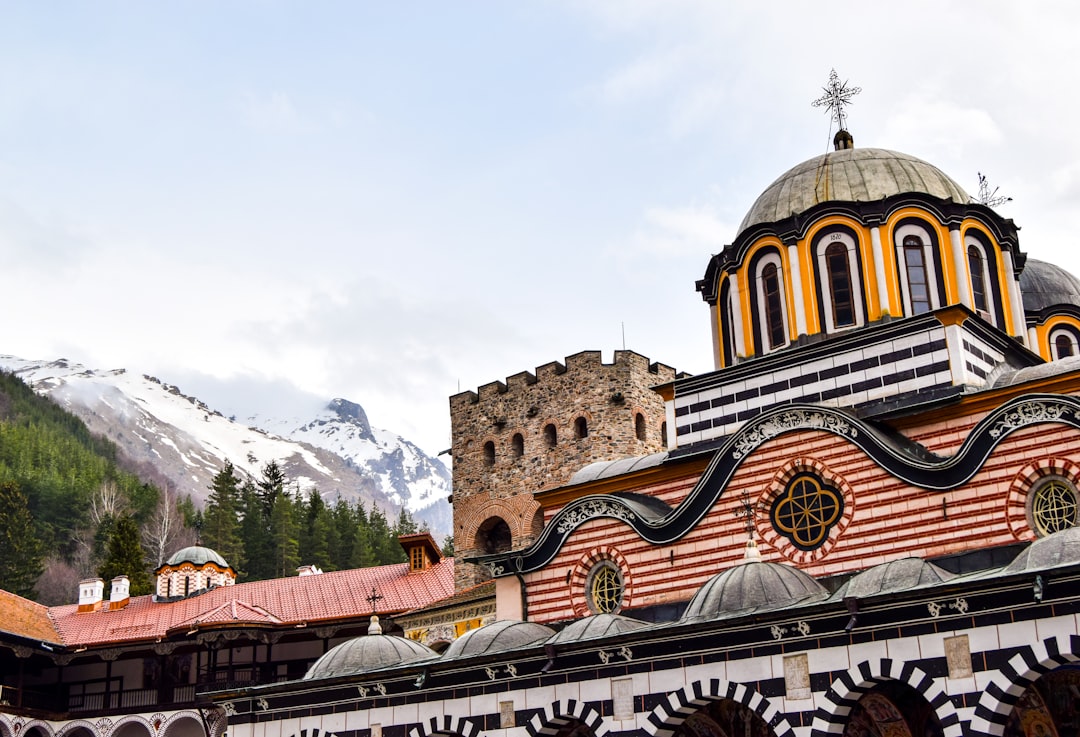
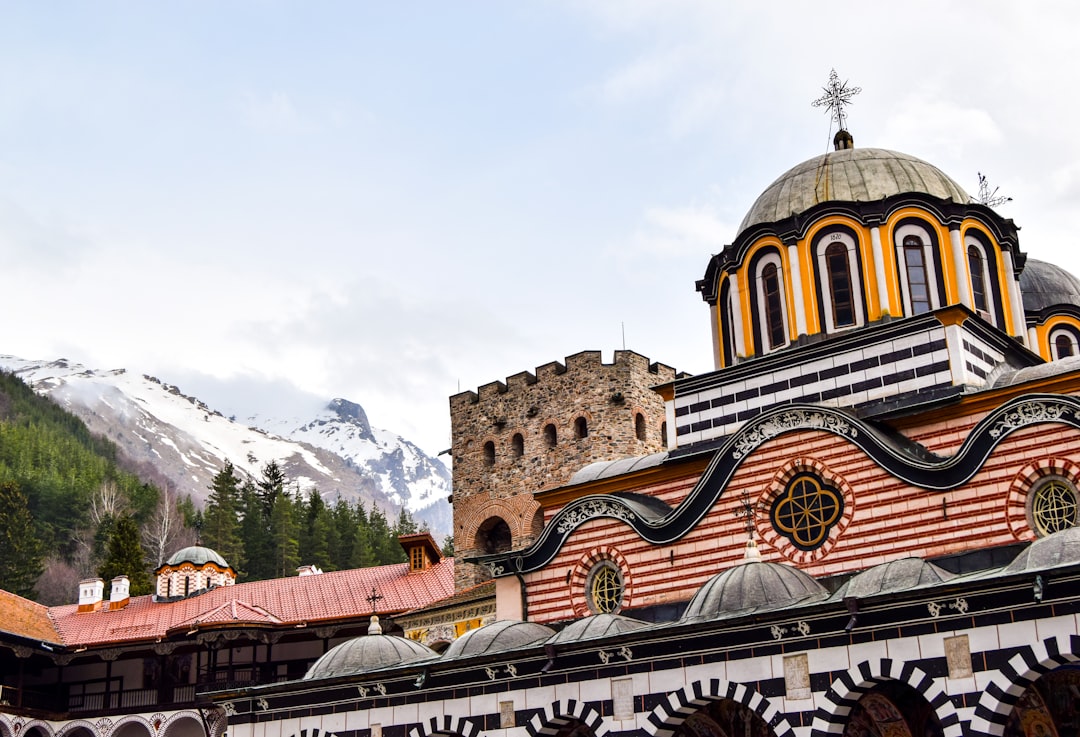
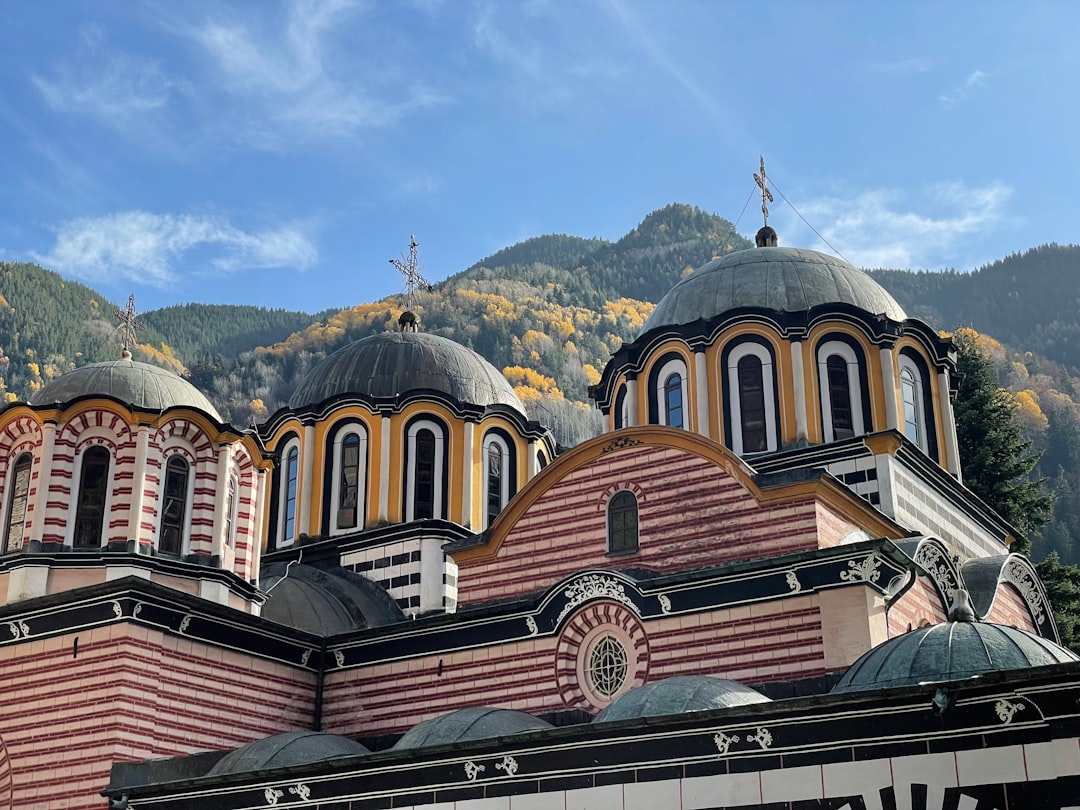
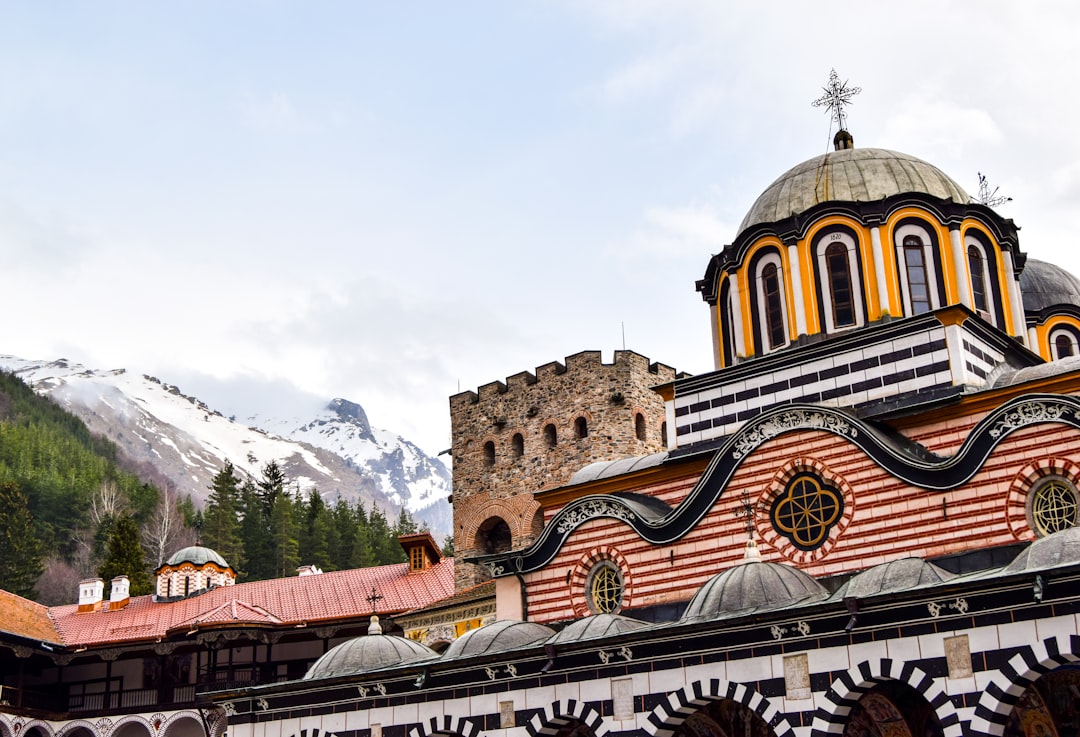
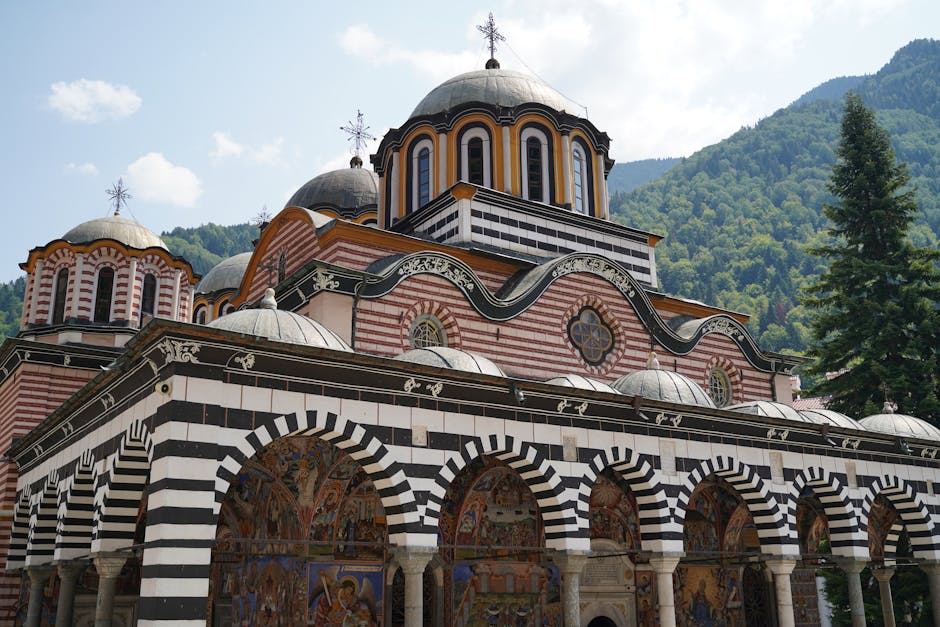
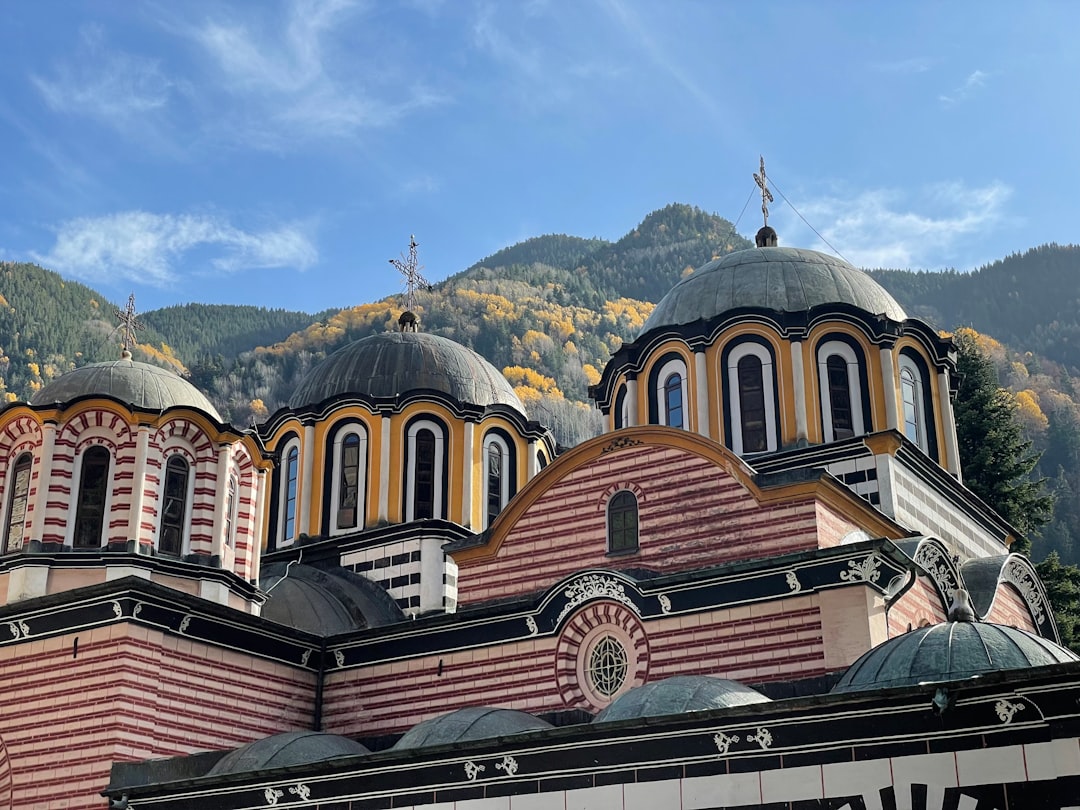
The architecture is a unique blend of Bulgarian revival style and medieval fortification. The main church, the Church of the Dormition of the Mother of God, is the centerpiece, topped with a golden dome that glints in the sunlight. The walls are adorned with frescoes by some of Bulgaria's most renowned artists, including Zahari Zograf and Theophilus Zograf. These paintings aren't just religious art; they are historical records, depicting biblical scenes alongside contemporary figures and events of the time. The monastery became a symbol of resistance and hope, a place where Bulgarian language and culture were preserved in secret when they were banned elsewhere.
Today, the monastery is a UNESCO World Heritage site and the most visited landmark in Bulgaria. It is a place of pilgrimage for Orthodox Christians from across the region, but it also draws tourists fascinated by its dramatic history and striking appearance. The complex includes several chapels, bell towers, and living quarters for the monks, who continue to live and work here, maintaining the traditions that have kept this place alive for over a thousand years. Walking through the courtyards, you can feel the tension between its role as a sacred space and its status as a major tourist attraction. It is a paradox that defines much of the Balkan experience: history that is both revered and consumed.
Where to Go
The Main Church — The heart of the complex is the Church of the Dormition of the Mother of God. Built in the mid-19th century, it is a masterpiece of Bulgarian revival architecture. The exterior is painted in vibrant colors, with intricate stone carvings and a golden dome that dominates the skyline. Inside, the frescoes are breathtaking, covering every surface with detailed religious scenes. The atmosphere is solemn, with a constant murmur of prayers and the scent of incense. Entry is free, but donations are expected. Visit early in the morning or late in the afternoon to avoid the largest crowds.
The Bell Towers — The monastery features four bell towers, each with its own distinct style and history. The largest, the Main Bell Tower, was built in 1872 and stands 53 meters tall. It houses some of the largest bells in Bulgaria, which can be heard echoing across the valley. The other towers, including the Old Bell Tower and the New Bell Tower, offer different perspectives on the complex and the surrounding mountains. Climbing to the top of the Main Bell Tower provides a panoramic view of the Rila Mountains, a reward for the steep climb. Entry to the towers is free, but the climb is not recommended for those with mobility issues.
The Monastery Museum — Located within the complex, the museum houses a collection of religious artifacts, manuscripts, and historical objects. The highlights include the Rila Charter, a 10th-century document that records the founding of the monastery, and a collection of icons and liturgical vestments. The museum provides context for the history of the monastery and its role in Bulgarian culture. It is a quiet refuge from the crowds outside, allowing for a more reflective visit. Entry fee is 2 EUR. Allow at least 30 minutes to see the main exhibits.
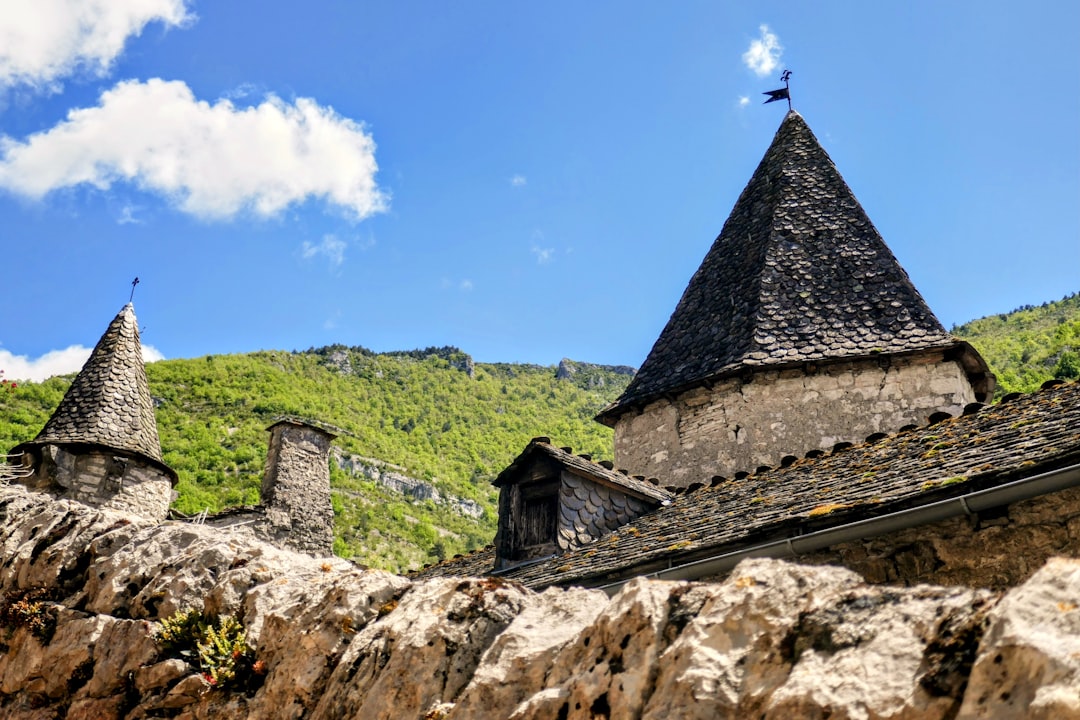
The Monastery Walls — The defensive walls of the monastery are a testament to its history as a fortress. They are thick and high, with watchtowers at regular intervals. Walking along the walls provides a sense of the strength and resilience of the monks who lived here. The walls also offer a different perspective on the complex, allowing you to see the layout of the courtyards and buildings from above. The walk is relatively flat and easy, making it accessible for most visitors. There is no entry fee, and it is a great way to avoid the crowds inside the church.
The Rila Monastery Library — The library is one of the most important collections of religious manuscripts in Bulgaria. It houses over 3,000 manuscripts, including some of the oldest Slavic texts. The library is not open to the public, but you can see some of the manuscripts on display in the museum. The collection is a testament to the intellectual and cultural life of the monastery, which was a center of learning and scholarship for centuries. The preservation of these texts is a crucial part of Bulgaria's cultural heritage.
What to Eat & Drink
The village of Rila at the base of the monastery offers a range of dining options, from simple kafanias to more upscale restaurants. The food is traditional Bulgarian, with a focus on hearty, comforting dishes. shopska salata is a must-try, a refreshing salad of tomatoes, cucumbers, onions, and sirene cheese, priced at 3-5 EUR. banitsa, a flaky pastry filled with cheese, is a popular breakfast or snack, available for 2-4 EUR. For a main course, kyufte (meatballs) in yogurt sauce or pechenka (roasted pork) are excellent choices, costing 8-12 EUR.
Budget travelers can find street food and take-away options in the village, with prices ranging from 2-5 EUR per meal. Sit-down local restaurants typically charge 8-15 EUR per person for a meal with drinks. Mid-range restaurants with a view of the monastery can cost 15-25 EUR per person. The main restaurant area is along the main street in Rila village, just below the monastery. There are also several cafes and bakeries where you can grab a quick bite or a coffee. Don't miss the chance to try local rakia, a strong fruit brandy, which is often served with meals and costs 2-4 EUR per glass.
Nightlife
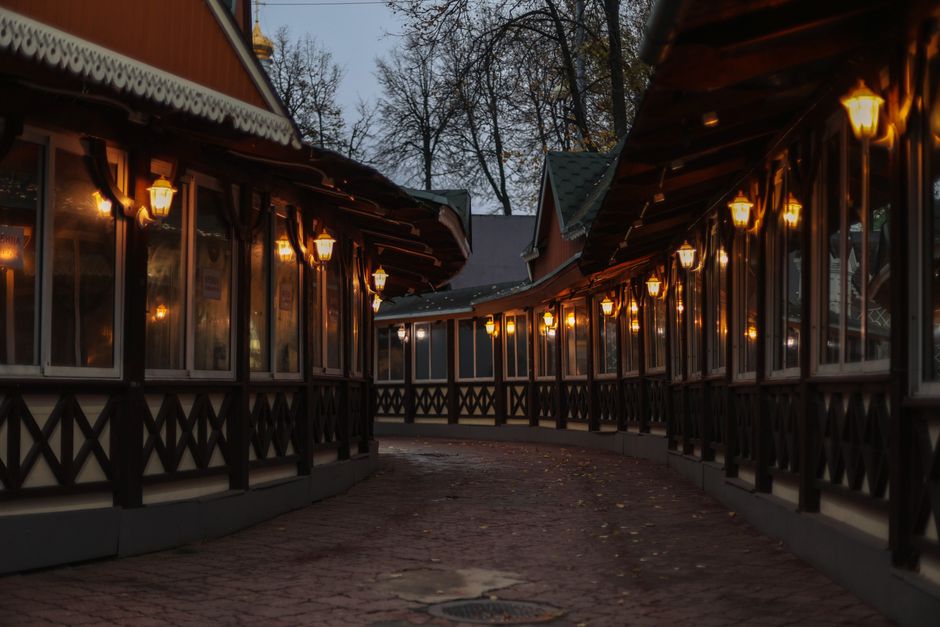
Nightlife in Rila is not what you might expect. The village is quiet, with most businesses closing by 10 PM. However, there are a few bars and cafes where you can relax after a day of sightseeing. The atmosphere is laid-back, with locals and tourists mingling over drinks and conversation. The main bar area is near the center of the village, with a few options for live music or DJ sets on weekends. Cover charges are rare, and drinks are affordable, with beers and cocktails costing 2-4 EUR.
For those seeking a more vibrant nightlife, the best option is to return to Sofia, which is about a two-hour drive away. Sofia offers a wide range of bars, clubs, and live music venues, catering to all tastes and budgets. However, for those who prefer a quieter evening, the bars in Rila village provide a charming alternative. The setting, with the monastery looming in the background, adds a unique atmosphere to the experience. It is a place to unwind and reflect on the day's experiences, rather than party until dawn.
Getting There & What to Expect
The nearest major city is Sofia, from which the monastery is about 120 km away. The drive takes approximately 2 hours via the Rila Highway, which is well-maintained and scenic. Buses run regularly from Sofia's main bus station to Rila village, with the journey taking about 2.5 hours. Tickets cost around 5-7 EUR. Taxis are available but can be expensive, especially for the return trip. Car rentals are an option, with prices starting at 30-50 EUR per day.
Accommodation in Rila village ranges from budget guesthouses to mid-range hotels. Budget options cost 20-40 EUR per night, while mid-range hotels can cost 50-80 EUR per night. Camping is also an option, with several campsites in the area charging 5-10 EUR per person per night. The best time to visit is during the summer months, from June to September, when the weather is warm and the crowds are manageable. However, the monastery is open year-round, and the winter landscape can be stunning, with snow-capped mountains and a serene atmosphere.
Search accommodation in Rila on Booking.com →
The Weight of the Stone
As I left the monastery, the sun was setting behind the peaks, casting long shadows across the courtyards. The blisters on my feet were throbbing, but my mind was clear. This place is not just a monument; it is a survivor. It has weathered wars, occupations, and revolutions, standing firm against the odds. The monks who live here are not just caretakers of a building; they are guardians of a legacy. Walking away from the high walls, I felt a strange sense of loss, as if I were leaving a part of myself behind. But I also felt a sense of pride, knowing that this place, with its vibrant colors and deep history, continues to inspire and endure. It is a fortress of faith, built not just of stone, but of memory and resilience.
Comments