


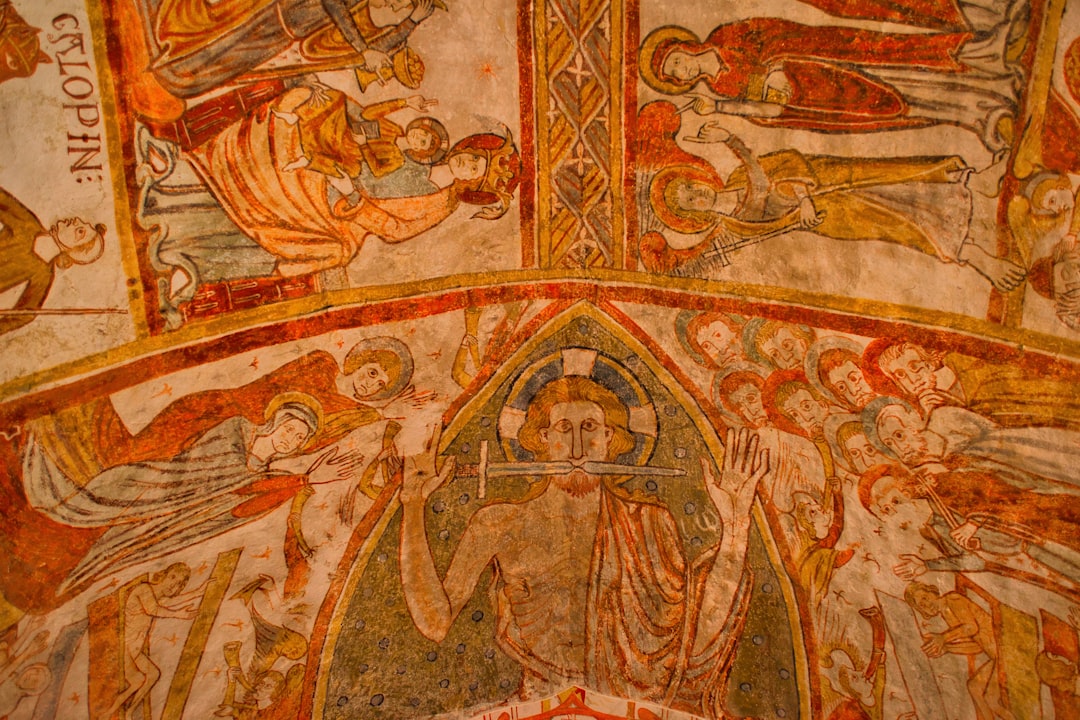
The air in the Rila valley tastes like pine resin and old stone. I arrived at the gates of Rila Monastery with a notebook, a camera that felt too heavy, and the stubborn belief that I could understand six centuries of Bulgarian Orthodoxy in a single afternoon. The monks do not care about my schedule. They move with a quiet rhythm that makes tourists feel like interruptions. I was handed a ticket, told to keep my voice down, and pushed into a courtyard where the walls seem to lean in, listening. The frescoes are not decorations. They are arguments, prayers, and warnings painted in ochre, lapis, and blood-red. I stood before a mural of the Last Judgment and felt the weight of a theology I could not quite parse, but could not look away from.
Most visitors rush through the complex, snapping photos of the onion domes and the souvenir stalls. They miss the real story, which is written in pigment on plaster. The frescoes at Rila are a palimpsest of faith, power, and survival. They survived Ottoman rule, communist atheism, and the slow decay of neglect. They are not just art; they are evidence. I spent three hours tracing the lines of saints, demons, and donors, trying to understand how a remote monastery in the Rila Mountains became the spiritual heart of a nation. The answers are not in the guidebooks. They are in the cracks between the paint and the stone.
History & Identity
The monastery was founded in the 10th century by St. John of Rila, a hermit who fled the political chaos of the First Bulgarian Empire to live in a cave. The current structure, however, is mostly a product of the 19th century, rebuilt after centuries of Ottoman suppression. The frescoes reflect this layered history. The oldest surviving fragments date to the 14th and 15th centuries, but the most famous cycle was painted in the 1840s by the master artist Zahari Zograf. His work is the dominant visual language of the site today, a bold, dramatic style that blends Byzantine tradition with local Balkan sensibilities.
The monastery survived the Ottoman era by paying heavy taxes and serving as a cultural refuge. It was a center for education, printing, and iconography. The frescoes were not just for monks; they were a visual catechism for a largely illiterate population. They told stories of martyrdom, divine justice, and the hope of resurrection. When Bulgaria regained independence in 1878, Rila Monastery became a symbol of national rebirth. The frescoes were no longer just religious art; they were political statements. The monastery was designated a UNESCO World Heritage Site in 1983, not just for its architecture, but for its role in preserving Bulgarian identity during centuries of foreign rule.
The identity of Rila is tied to the concept of the "Bulgarian Renaissance." This was not a sudden revival, but a slow, underground preservation of language, faith, and culture. The frescoes are the most visible remnant of that struggle. They show a church that was persecuted but not broken. They show artists who worked in secret, painting saints who looked like local peasants, and demons that looked like Ottoman officials. The visual language is specific, coded, and deeply rooted in the soil of the Rila valley. To understand the frescoes, you have to understand the history of survival.
Where to Go
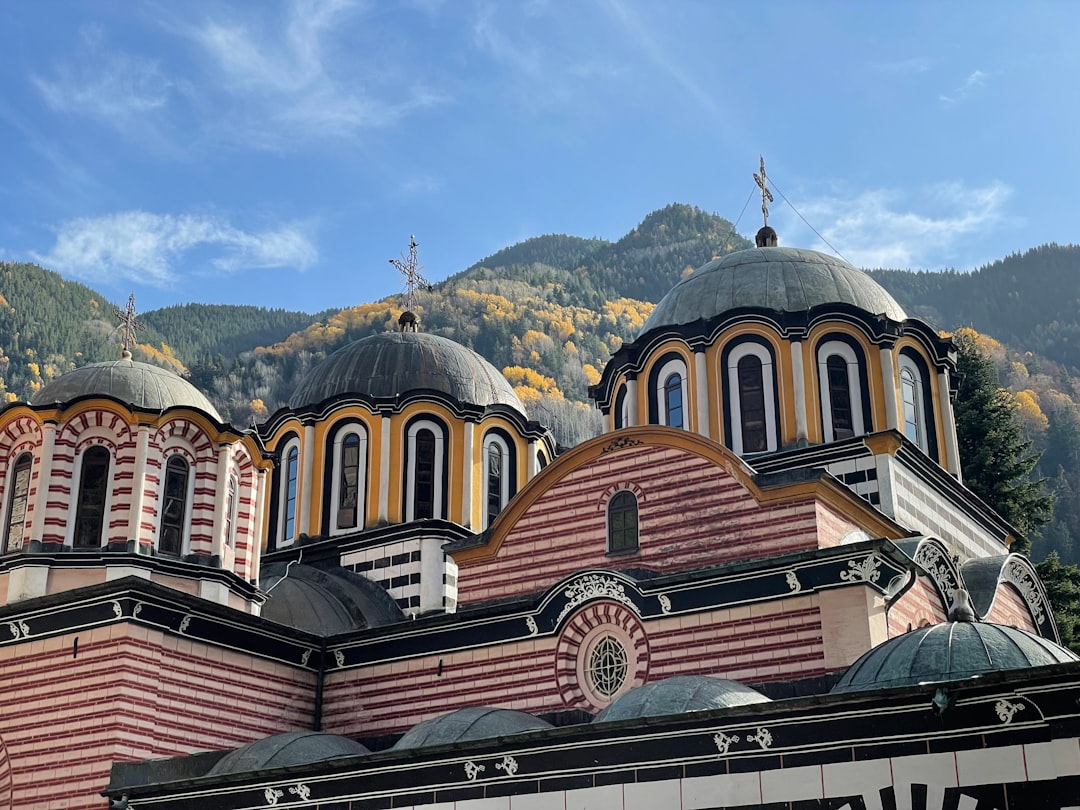
The Church of the Nativity of the Virgin — This is the main cathedral of the complex, and it houses the most extensive fresco cycle. The ceiling is dominated by a monumental depiction of the Last Judgment, painted by Zahari Zograf in the 1840s. The scale is overwhelming. Christ sits in glory, surrounded by angels, while below, demons drag the damned into hell. The entry fee is 8 EUR, which includes access to the museum. The best time to visit is early morning, before the tour groups arrive, when the light filters through the windows and the colors seem to glow.
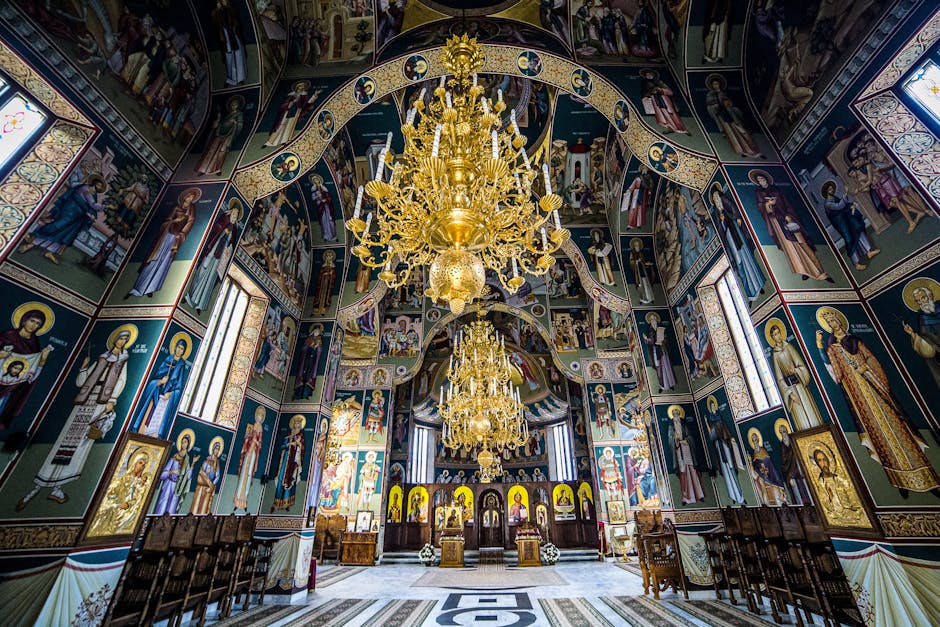
The Icon Museum — Located in a wing of the monastery, this museum houses over 1,000 icons, many of which are centuries old. The collection includes works from the 13th to the 20th centuries, showing the evolution of Bulgarian iconography. The highlights are the early medieval icons, which are small, dark, and intensely spiritual. The entry fee is included in the main ticket. The museum is quiet, cool, and dimly lit, which is necessary to preserve the fragile paintings. It is easy to spend an hour here, studying the faces of saints who look like they have seen too much.
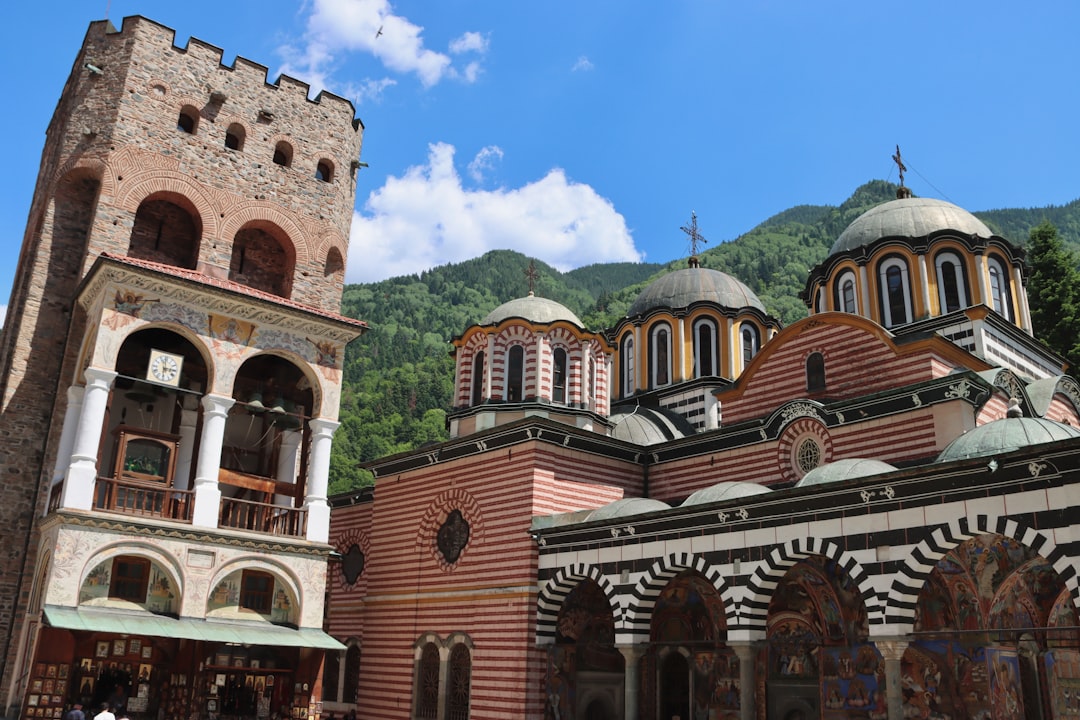
The Bell Tower — The bell tower is a distinctive feature of the monastery, with its ornate balconies and heavy bells. It is not open to the public for climbing, but the view from the courtyard is impressive. The bells are rung for services and festivals, and the sound carries across the valley. The tower is a symbol of the monastery's presence in the landscape. It is visible from miles around, a reminder of the spiritual authority that Rila once held. The best photo angle is from the lower courtyard, looking up at the tower against the backdrop of the Rila peaks.
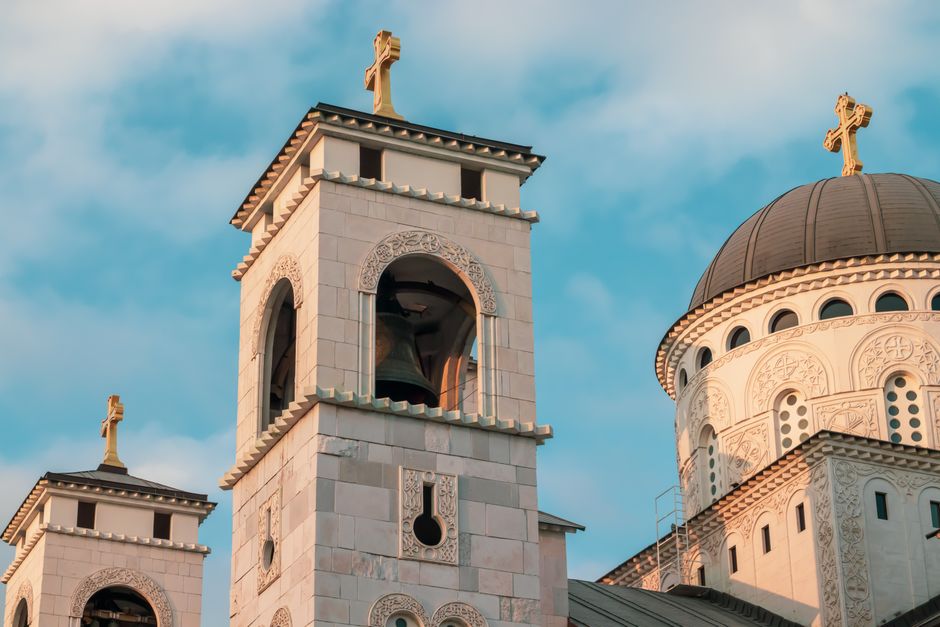
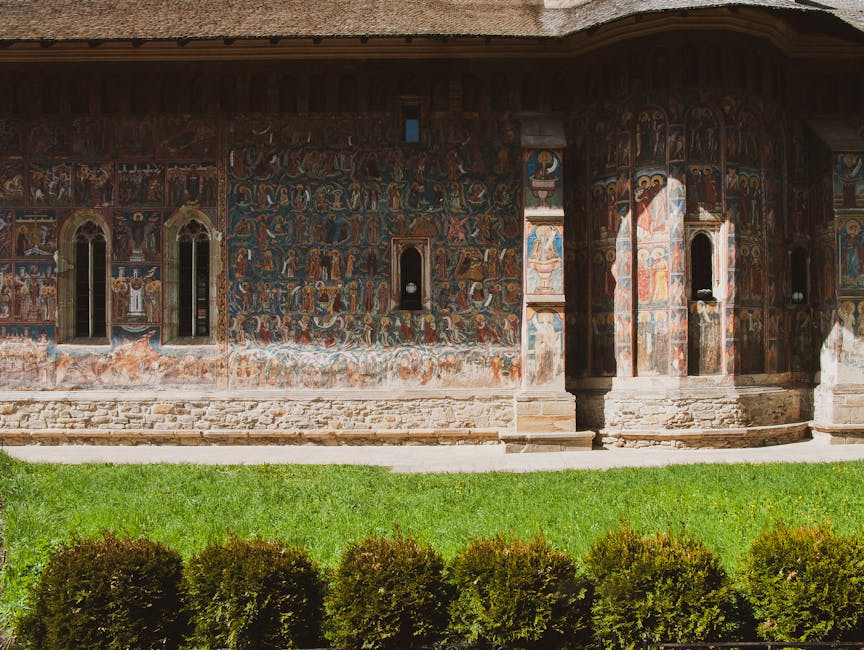
The Courtyard and Loggias — The main courtyard is surrounded by loggias where monks and visitors walk. The walls are covered with frescoes of saints and biblical scenes. The architecture is a mix of Ottoman and Bulgarian styles, with ornate woodwork and painted ceilings. The courtyard is the heart of daily life at the monastery. Monks sit on benches, reading or talking. Tourists wander, taking photos. It is a space of transition, between the sacred and the secular. The best time to sit here is in the late afternoon, when the sun is low and the shadows are long.
The Museum of the Bulgarian Revival — This museum is located in the former school building of the monastery. It houses artifacts from the Bulgarian National Revival, including manuscripts, books, and religious objects. The exhibits show the intellectual life of the monastery during the Ottoman period. There are printing presses, typefaces, and handwritten texts. The entry fee is included in the main ticket. The museum is less crowded than the church, and it offers a deeper understanding of the historical context of the frescoes. It is a place for quiet reflection and study.
What to Eat & Drink
The food at Rila Monastery is simple, hearty, and deeply traditional. The monastery has its own bakery and kitchen, and the meals are prepared by the monks. The menu changes daily, but it always includes fresh bread, vegetables, and meat or fish. The prices are reasonable for the quality. A full meal in the monastery restaurant costs 10-15 EUR per person. There are also smaller cafes and stalls in the village of Rila, which is a short walk from the monastery. Here, you can find quick snacks and drinks for 2-5 EUR.
Shop Salad — This is a classic Bulgarian salad, made with tomatoes, cucumbers, onions, peppers, and sirene cheese. It is refreshing and light, perfect for balancing the heavier dishes. Price: 3-4 EUR.
Karnache — A traditional Rila dish, karnache is a pastry filled with minced meat, onions, and spices. It is baked until golden and served hot. It is rich and satisfying. Price: 5-6 EUR.
Trayna — A local brand of beer, trayna is brewed in the nearby town of Hisarya. It is dark and malty, with a strong flavor. It is a popular drink in the region. Price: 2-3 EUR.
Rakia — Fruit brandy is a staple of Bulgarian hospitality. The monastery serves its own rakia, made from plums or grapes. It is strong and sweet, and it is best taken in small sips. Price: 1-2 EUR per shot.
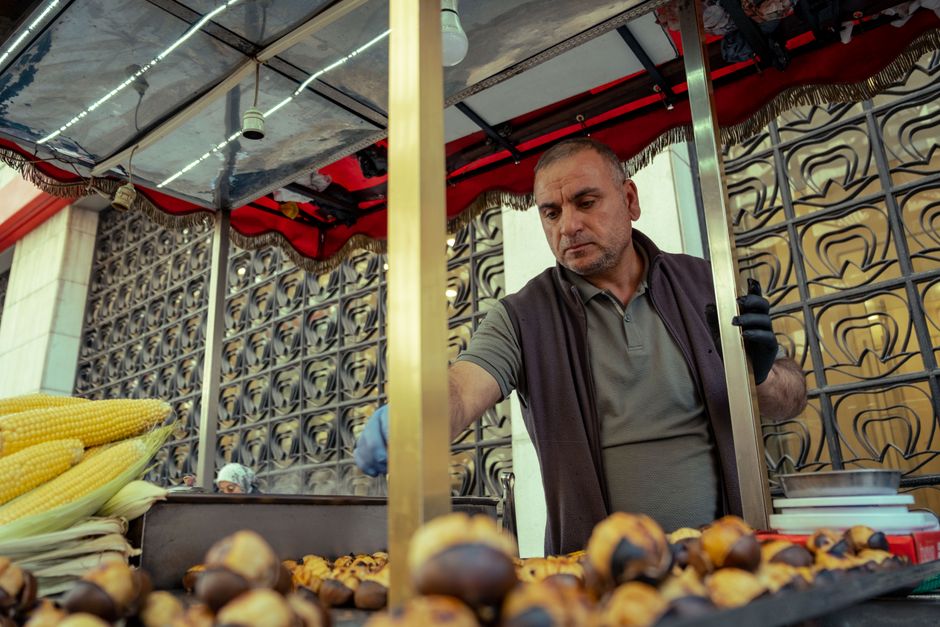
The village of Rila has several small restaurants and cafes. They are basic, but the food is authentic. The best place to eat is in the monastery restaurant, where the atmosphere is calm and the food is made with care. For a quick bite, there are stalls selling roasted corn, nuts, and sweets. The food scene here is not about luxury; it is about sustenance and tradition.
Nightlife
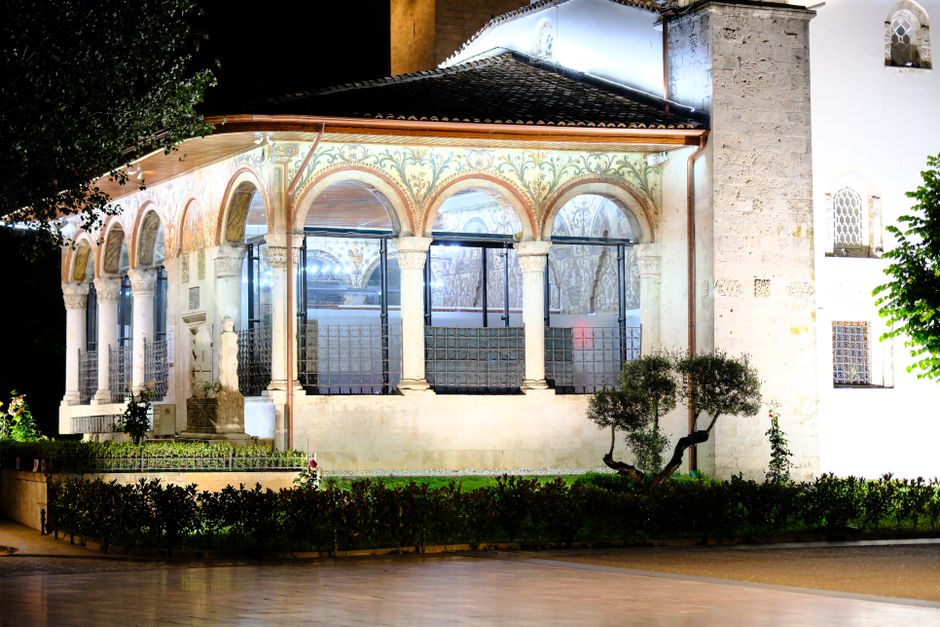
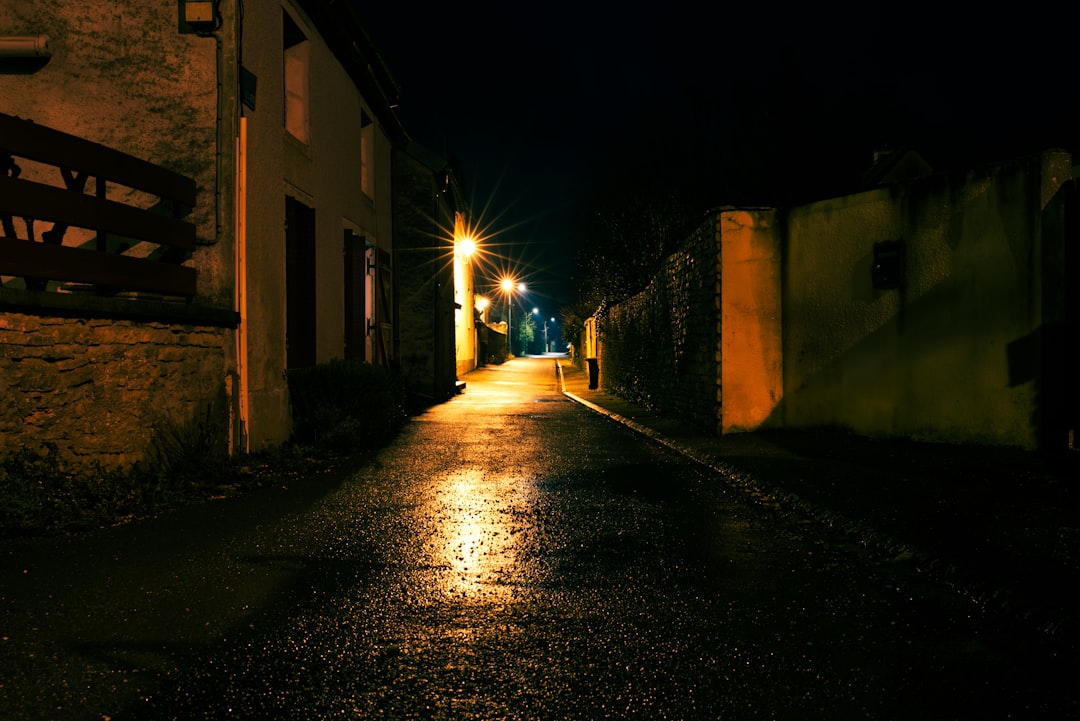
There is no nightlife at Rila Monastery. The complex closes at dusk, and the monks retire for the night. The village of Rila is quiet after dark, with only a few small bars and cafes open. The atmosphere is peaceful, not party-oriented. The stars are visible, and the air is cool. This is a place for rest, not revelry. If you are looking for clubs and loud music, you will need to go to Sofia or Plovdiv. Rila is a place for silence and reflection. The only "nightlife" here is the sound of the wind in the pines and the occasional bell from the monastery.
The lack of nightlife is part of the appeal. It forces you to slow down and pay attention to your surroundings. The darkness of the Rila valley is profound, and it is easy to feel small and insignificant. This is not a bad thing. It is a reminder that there are forces larger than ourselves, and that some things are beyond our control. The monastery is a sanctuary from the noise of the modern world, and it is best experienced in the quiet hours of the evening.
Getting There & What to Expect
The nearest major city is Sofia, which is about 120 km from Rila Monastery. The drive takes about 2 hours by car, and the road is well-maintained. There are regular buses from Sofia to Rila, which take about 2.5 hours and cost 5-7 EUR. The bus station in Sofia is central, and the buses are comfortable. If you are driving, the route is scenic, passing through mountains and forests. The road is winding, so drive carefully. There is a parking area near the monastery, which costs 2-3 EUR per day.
Accommodation options are limited in Rila village. There are several guesthouses and hotels, with prices ranging from 30-50 EUR for a basic room to 80-120 EUR for a more comfortable hotel. The monastery does not offer accommodation for tourists, but there is a guesthouse for pilgrims. The best time to visit is between May and October, when the weather is mild and the trails are accessible. In winter, the roads can be icy, and the monastery may be closed for services. The summer months are crowded, so arrive early to avoid the lines.
What to expect: crowds, heat, and a lot of walking. The monastery is on a hill, so there is some climbing involved. Wear comfortable shoes and bring water. The ticket office can be slow, so be patient. The guides are knowledgeable, but they speak mostly Bulgarian and Russian. If you do not speak these languages, bring a guidebook or use an audio guide. The frescoes are the main attraction, so spend time studying them. Read the labels, ask questions, and try to understand the symbolism. This is not a place for a quick photo op. It is a place for deep engagement.
Search accommodation in Rila on Booking.com →
The Weight of Paint
I left Rila Monastery with a headache and a full heart. The frescoes are not just images; they are weights. They press on you, demanding attention, demanding understanding. I walked back to my car in the dark, the sound of the bells still ringing in my ears. The Rila Mountains loomed above, dark and silent. I felt small, but not insignificant. The monastery had reminded me that there are things that last, things that matter, things that are worth preserving. The frescoes are not just art. They are a testament to the human spirit, and to the power of faith to endure. I will go back. I have to. The paint is still wet, in a way, and the story is not finished.
Comments